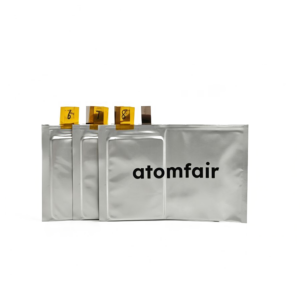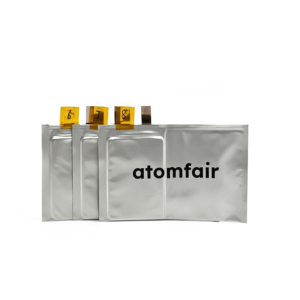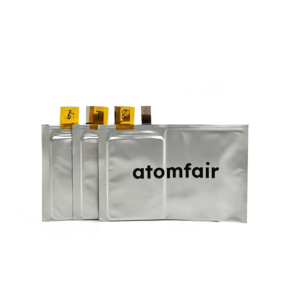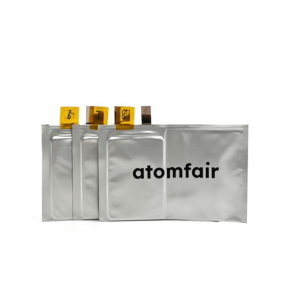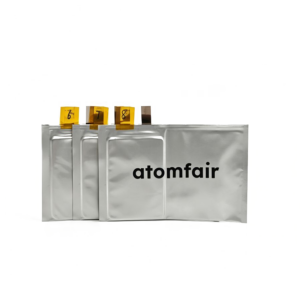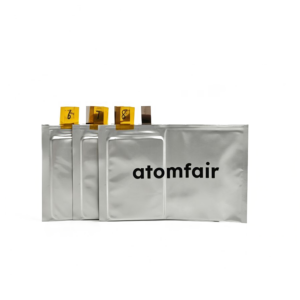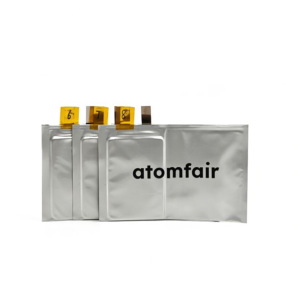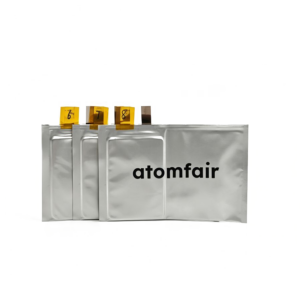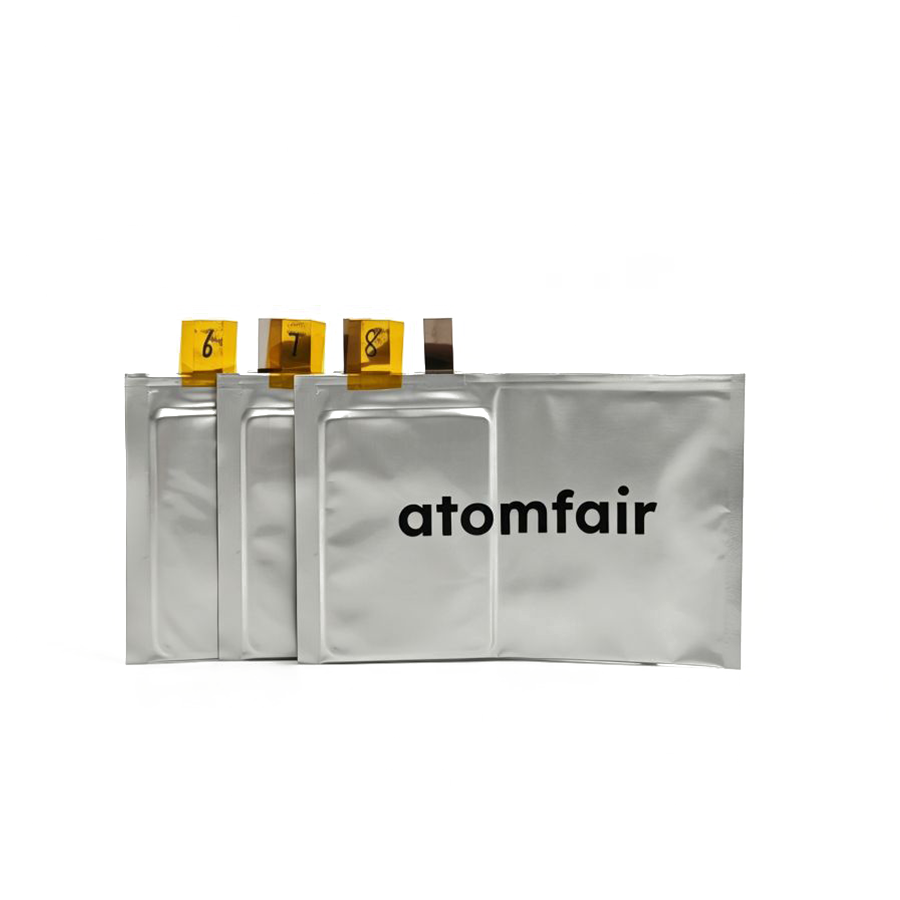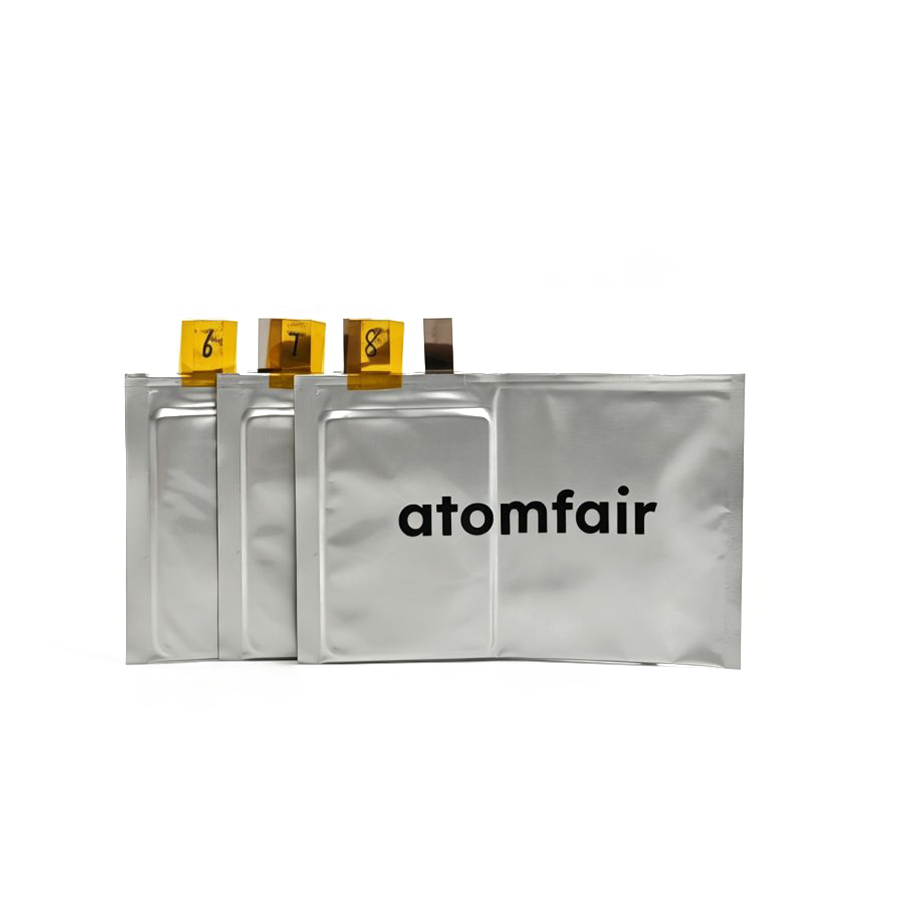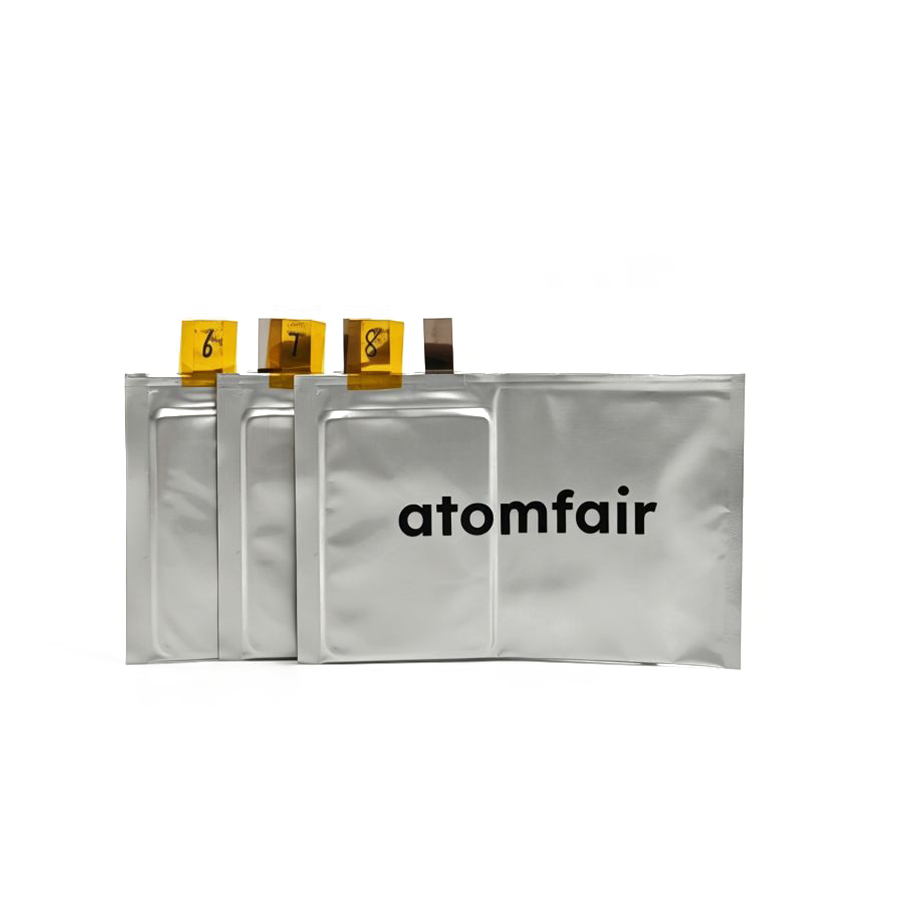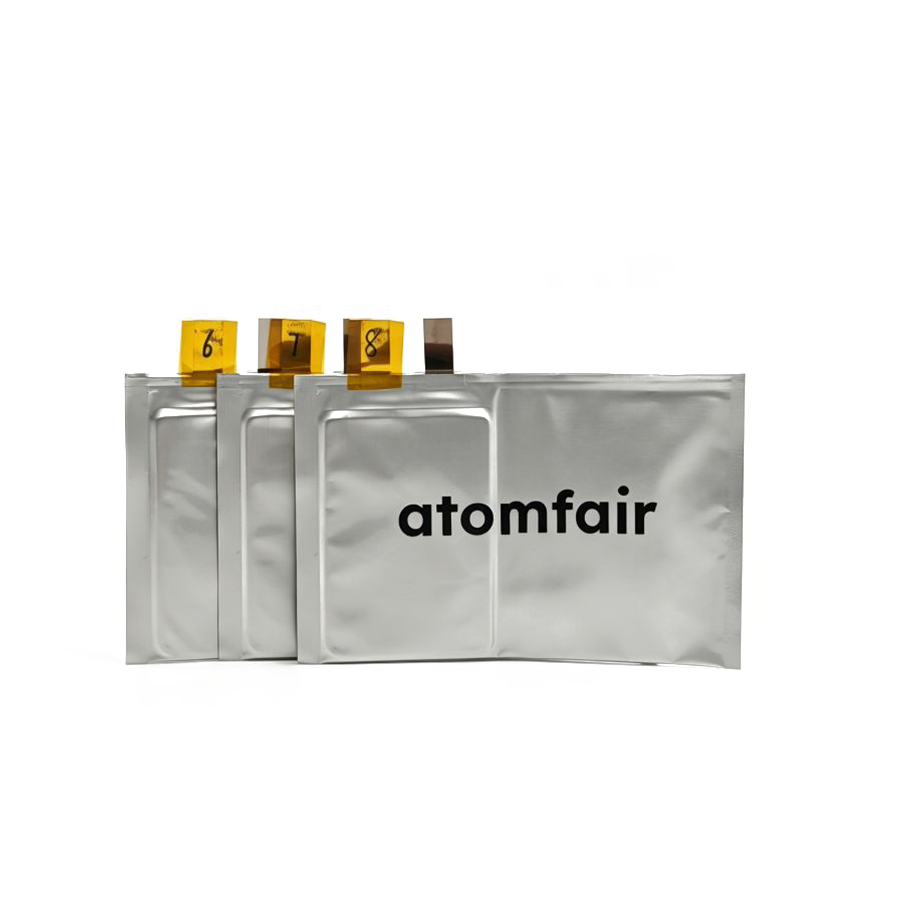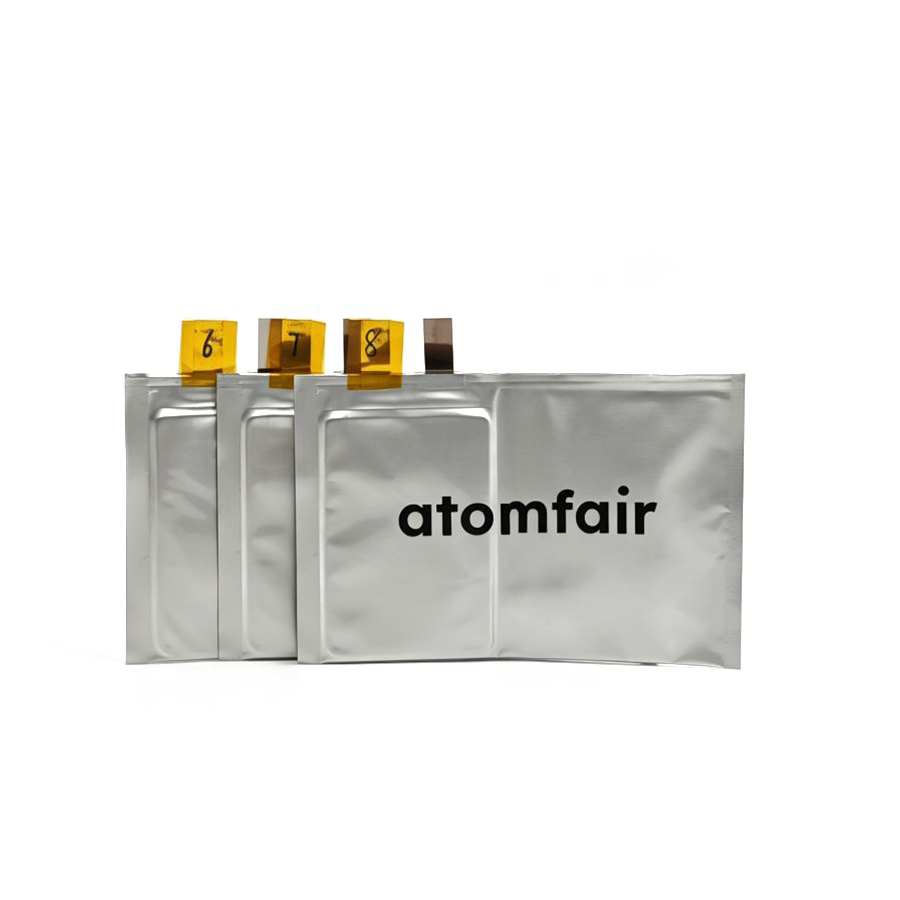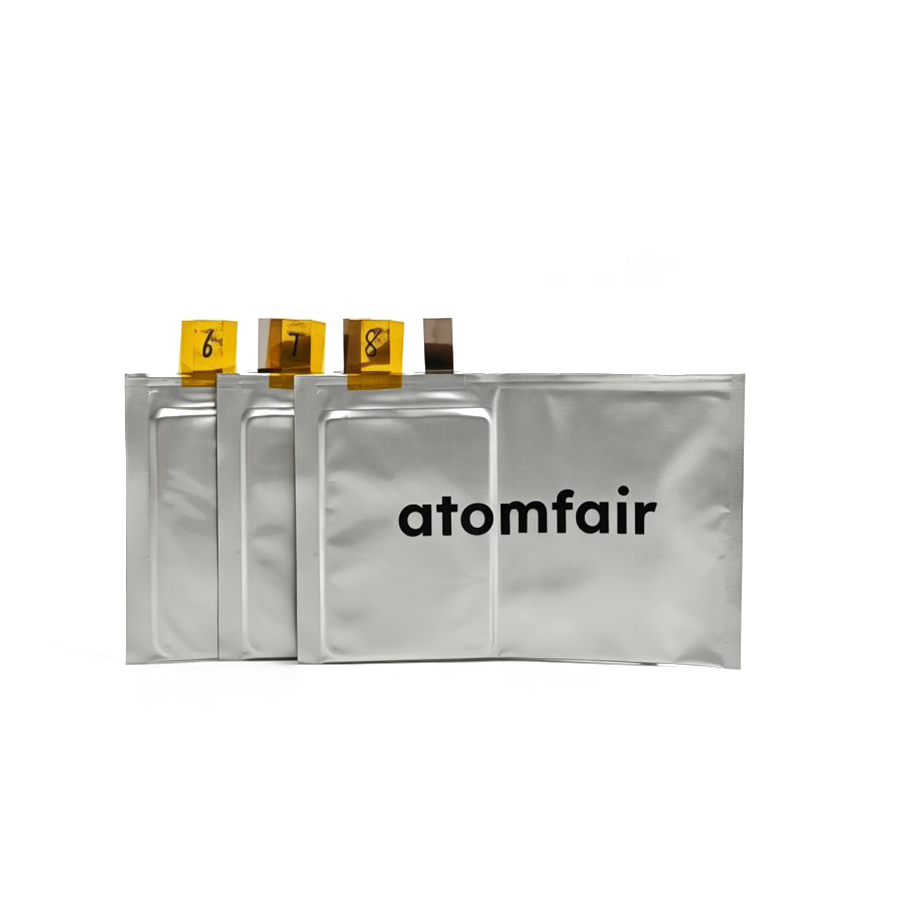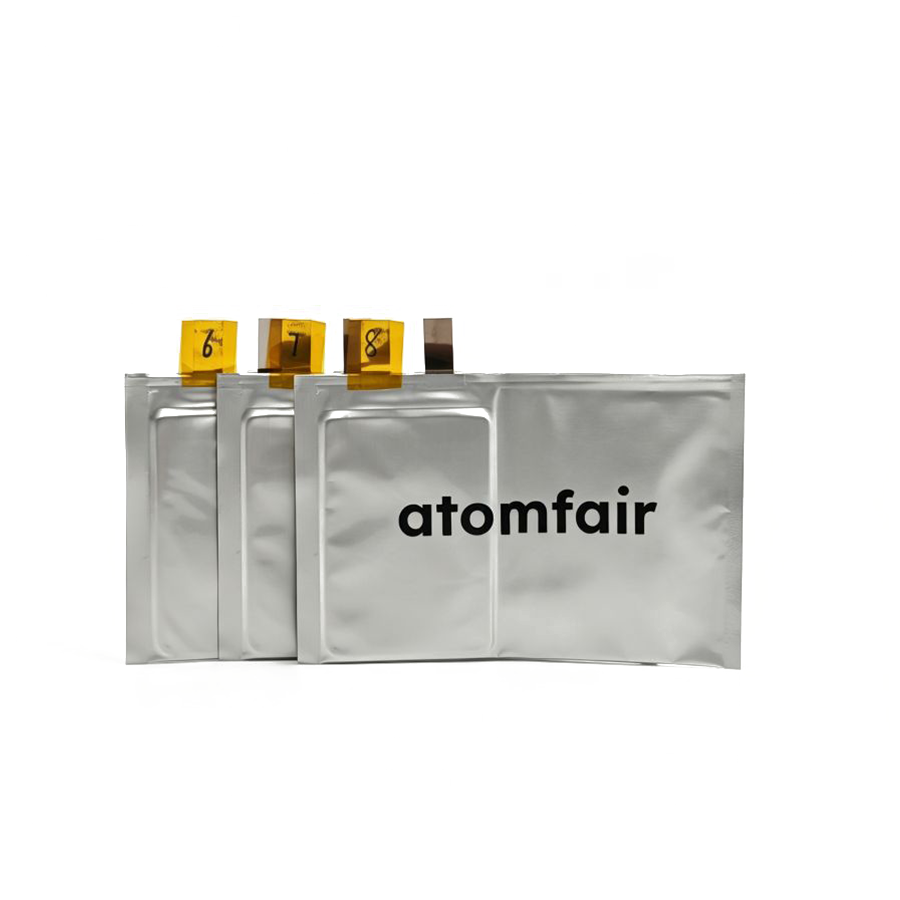
ATOMFAIR 1.12 Ah NCM811 Fast-Charging Graphite Dry Pouch CellRESEARCH GRADE CELL ARCHITECTURE
|
|||||||||||||||||||||||||||||||||||||||||||||||||||||||
|
|||||||||||||||||||||||||||||||||||||||||||||||||||||||
This dry pouch cell requires storage in an inert, moisture-free environment to preserve electrode material integrity and prevent performance degradation. The laminated multilayer electrode stack may be susceptible to mechanical stress and should be handled with minimal flexing or pressure.
- Moisture Protection: Store the cell in a glovebox or dry room with controlled atmosphere to avoid moisture-induced damage.
- Temperature Control: Store at ambient temperature below 30°C to prevent softening of the polyethylene separator.
- Mechanical Integrity: Avoid bending or puncturing the pouch to prevent internal short circuits and delamination of electrode layers.
- Pre-Activation Handling: Do not expose the dry cell to electrolyte until ready for testing to minimize contamination.
How does the NP ratio of 1.130 in the Atomfair 1.12 Ah NCM811 dry pouch cell balance fast-charge safety against achievable capacity density?
The NP ratio of 1.130 is a deliberate design trade-off that prioritizes fast-charge safety by ensuring a slight excess of negative electrode capacity to suppress lithium plating during high-rate charging. This reduces the risk of dendrite formation at the cost of marginally lower net energy density compared to a ratio closer to 1.0. The cathode delivers 205 mAh/g and the anode 345 mAh/g, with the 1.130 ratio providing a regulated safety buffer specified for fast-charge cutoff control between 2.75 V and 4.2 V.
What electrolyte infusion considerations are critical when using this un-functionalized dry pouch cell for fast-charge kinetic screening?
This dry pouch cell is assembled without liquid electrolyte, requiring the researcher to infuse a custom electrolyte suited for fast-charge validation. The cell uses a 12 μm PE separator with a 2 μm Al2O3 ceramic coating, which imposes strict wetting compatibility and thermal stability requirements. Electrolytes must be selected to minimize polarization growth at high rates while maintaining stable interphase formation on the NCM811 cathode (95.7% active mass) and the crystalline graphite anode (95.5% active mass) to preserve the intended baseline for variable elimination.
What storage and handling protocols are required to maintain the structural integrity of the dry pouch cell before electrolyte activation?
The cell must be stored in a dry, inert atmosphere (e.g., argon-filled glovebox with low moisture and oxygen levels) to prevent contamination of the electrode stack and avoid hydration of the ceramic-coated separator. The 9/10 multilayer laminate arrangement and uncompressed pouch geometry are sensitive to mechanical puncture and ambient humidity, which can degrade the cathode's NCM811 crystalline matrix and the anode's graphite host. Prior to electrolyte filling, the cell should be kept at temperatures below 30°C and isolated from any potential sources of static discharge.
This 1.12 Ah NCM811/graphite dry pouch cell is engineered for fast-charge electrolyte R&D, delivering a high-fidelity benchmarking platform with a balanced NP ratio and ceramic-coated separator, but requires in-house electrolyte filling and activation to achieve its rated capacity.
Positive
- Baseline for fast-charge R&D: Delivered without electrolyte, this cell enables controlled variable elimination during fast-charge electrolyte formulation verification and kinetic screening, providing a high-fidelity benchmarking platform for research.
- High-rate NCM811 and graphite: The 345 mAh/g fast-charging graphite anode paired with a 205 mAh/g NCM811 cathode and a regulated NP ratio of 1.130 supports safe, high-rate charge-discharge cycling.
Trade-offs
- Requires electrolyte filling: The cell is assembled without liquid electrolyte, necessitating in-house electrolyte infusion by the researcher prior to any electrochemical testing.
- Activation needed for capacity: The nominal 1.12 Ah capacity is a baseline target after activation, meaning formation cycles are required to reach the rated performance.
Every advanced material, component, equipment, and instrument in our catalog is backed by rigorous testing. We maintain strict internal quality management frameworks and align with CE conformity metrics to deliver transparent, reproducible performance data via our public open-science repository.
To request raw batch performance data, submit formal vendor registration paperwork, or execute a fast-turnaround R&D manufacturing loop, contact us at inquiry@atomfair.com.
Item is dispatched under the Atomfair Shipping & Delivery Framework (Free worldwide shipping on orders over $59 USD excl. heavy equipment). Return is governed by the Atomfair Return & Refund Policy (7-day technical return window).