
Copper Foams
Copper foam is a porous conductive material that combines the electrical and thermal conductivity of copper with a lightweight, interconnected open-cell structure. Its high porosity, large internal surface area and continuous pore network make it suitable for research, prototyping and engineering applications that require conductivity, fluid access, heat transfer or structural support.
This category includes open-cell copper foam sheets, copper foam panels, rolls, wire-foam structures and customizable porous copper formats. Products can be selected by pore density, pore size, porosity, open-cell structure, thickness, sheet size, purity and processing requirements.
Copper foam is widely used as a three-dimensional conductive framework for electrochemical systems, thermal management assemblies, filtration media, catalyst supports, electromagnetic shielding, acoustic damping and fluid-distribution structures. Selecting the appropriate pore structure and material format helps match the foam to the intended flow, loading, contact and integration conditions.
Explore Copper Foam Types, Selection and FAQs
Common Copper Foam Types
| Product Type | Key Characteristics | Typical Uses |
|---|---|---|
| Open-Cell Copper Foam Sheets | Interconnected pores, conductive copper framework and flexible sheet-format selection. | Electrode substrates, catalyst supports, thermal structures and laboratory samples. |
| High-Porosity Copper Foam | Lightweight structure with high void volume and accessible internal surfaces. | Filtration, fluid distribution, adsorption and reaction-support applications. |
| Copper Wire Foam / Mesh Foam | Open metallic network with selectable mesh, thickness and open-area characteristics. | Air filtration, EMI shielding, acoustic damping and flow-through structures. |
| Copper Foam Rolls and Custom Formats | Suitable for cut-to-size processing, repeated sampling and custom part preparation. | Prototype development, continuous processing and customized assemblies. |
How to Select Copper Foam
| Selection Factor | Why It Matters |
|---|---|
| PPI or Pore Density | Higher PPI generally provides a finer pore structure and greater internal surface area, while lower PPI generally provides larger pores and easier flow. |
| Porosity and Open-Cell Structure | These affect material weight, fluid access, active-material loading space and internal contact area. |
| Thickness | Thickness influences mechanical support, pressure drop, heat-transfer path and available installation space. |
| Material Format | Sheets, rolls, wire foams and custom-cut parts support different cutting, assembly and processing methods. |
| Surface Condition and Purity | These are especially important for electrochemical, catalytic, corrosion-sensitive and high-cleanliness applications. |
Application Areas
| Application Area | Relevant Copper Foam Properties |
|---|---|
| Electrochemical and Energy Research | Conductive three-dimensional framework, accessible pores and space for active-material loading. |
| Thermal Management | Copper conductivity combined with increased surface area for air or liquid heat-transfer designs. |
| Filtration and Fluid Distribution | Open pathways, selectable pore structure and stable metallic support. |
| Catalyst and Functional Supports | High internal surface exposure and a conductive porous substrate for coating or material loading. |
| EMI Shielding and Acoustic Control | Metallic network structure, open volume and configurable thickness. |
Frequently Asked Questions
What is the difference between copper foam and copper mesh?
Copper foam is typically a three-dimensional porous structure with interconnected internal cells, while copper mesh is generally a woven, expanded or screen-like structure. Copper foam is often selected when greater internal volume and surface area are needed.
Is a higher PPI always better?
Not always. Higher PPI can provide a finer pore structure and more surface area, while lower PPI can support easier fluid flow and lower pressure drop. The suitable choice depends on the intended application.
Can copper foam be cut into smaller pieces or custom shapes?
Copper foam can be prepared in sheet, strip, disc or custom-shaped formats. The preferred cutting method depends on thickness, pore structure, dimensional tolerance and the need to preserve the open-cell network.
Can copper foam be used as an electrode substrate?
Yes. Its conductive copper framework and open pores make it useful as a three-dimensional substrate for electrochemical research, electrode development, deposition and active-material loading.
Can copper foam be used for heat dissipation?
Copper foam can support thermal-management designs because copper has good thermal conductivity and the porous structure increases available heat-transfer area. Performance depends on contact quality, thickness, airflow or fluid flow, and the overall assembly design.
Will copper foam oxidize?
Copper can develop surface oxidation when exposed to air, humidity or certain chemical environments. For surface-sensitive applications, consider storage conditions, cleaning methods, surface treatment and chemical compatibility.
How should I select copper foam for filtration?
Consider pore structure, PPI or mesh, thickness, open area, required flow rate, pressure drop and compatibility with the fluid or gas being processed. Different filtration and flow-distribution applications may require different pore sizes.
Can copper foam be coated or combined with other materials?
Copper foam can be used as a porous base for coatings, deposited layers, active materials and composite structures. Results depend on pore structure, surface condition, coating method and any subsequent processing steps.
Showing 1–16 of 65 results
-
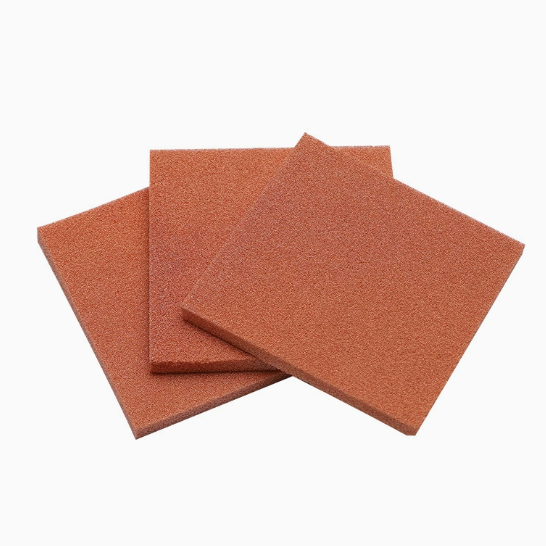
Copper Foam 0.1-10mm Pore ≥98% Through Porosity ATOMFAIR®
Price range: $35.00 through $239.00 -
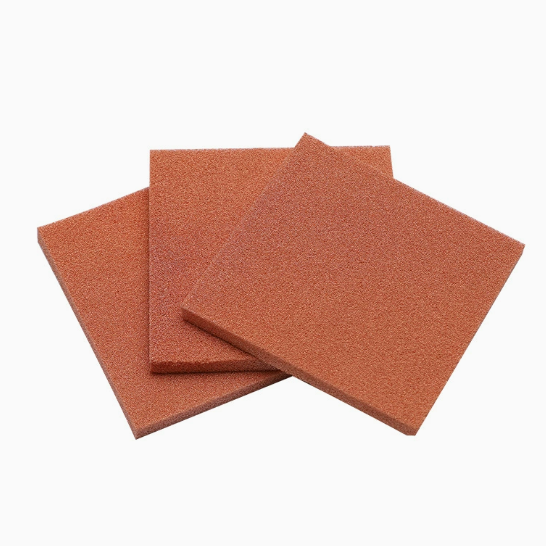
Copper Foam 100 PPI 3mm Acid-Alkali Resistant ATOMFAIR®
$93.00 -
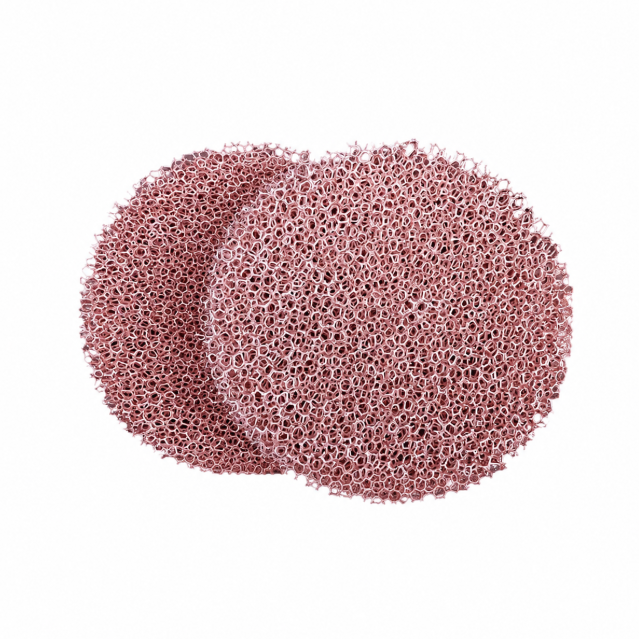
Copper Foam 110 PPI 0.3-25 mm Thermal EMI ATOMFAIR®
Price range: $41.00 through $1,800.00 -
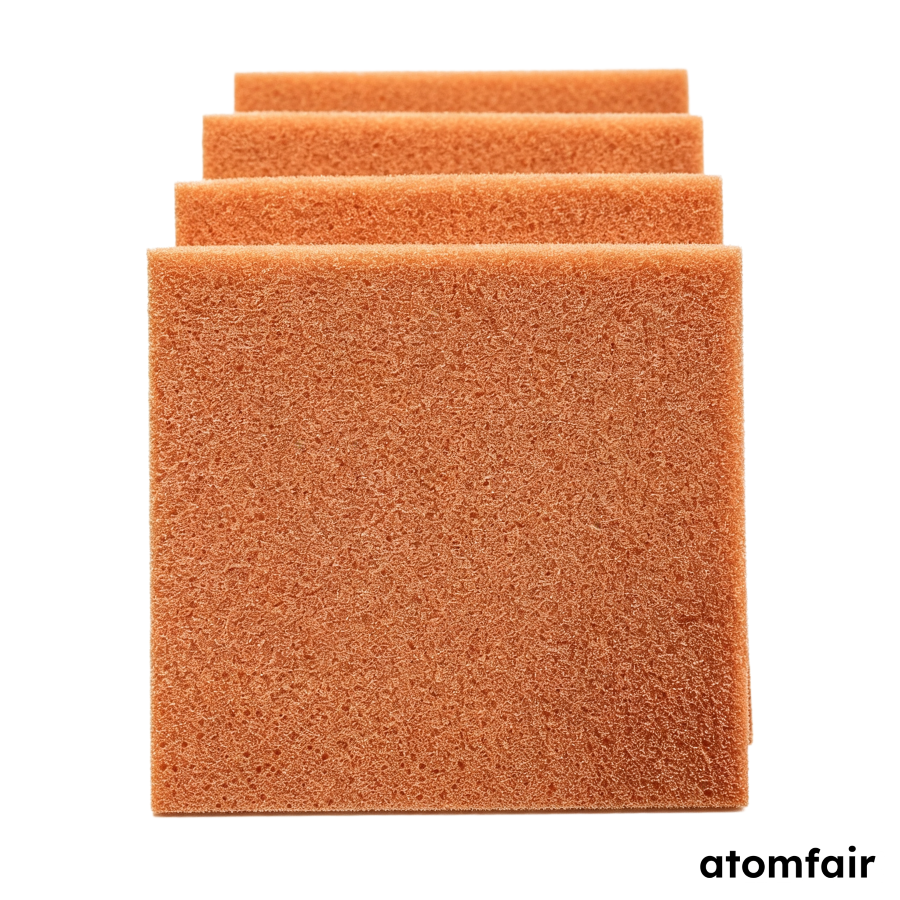
Copper Foam 110 PPI 100×200×3 mm Research Grade ATOMFAIR®
Price range: $58.00 through $135.00 -
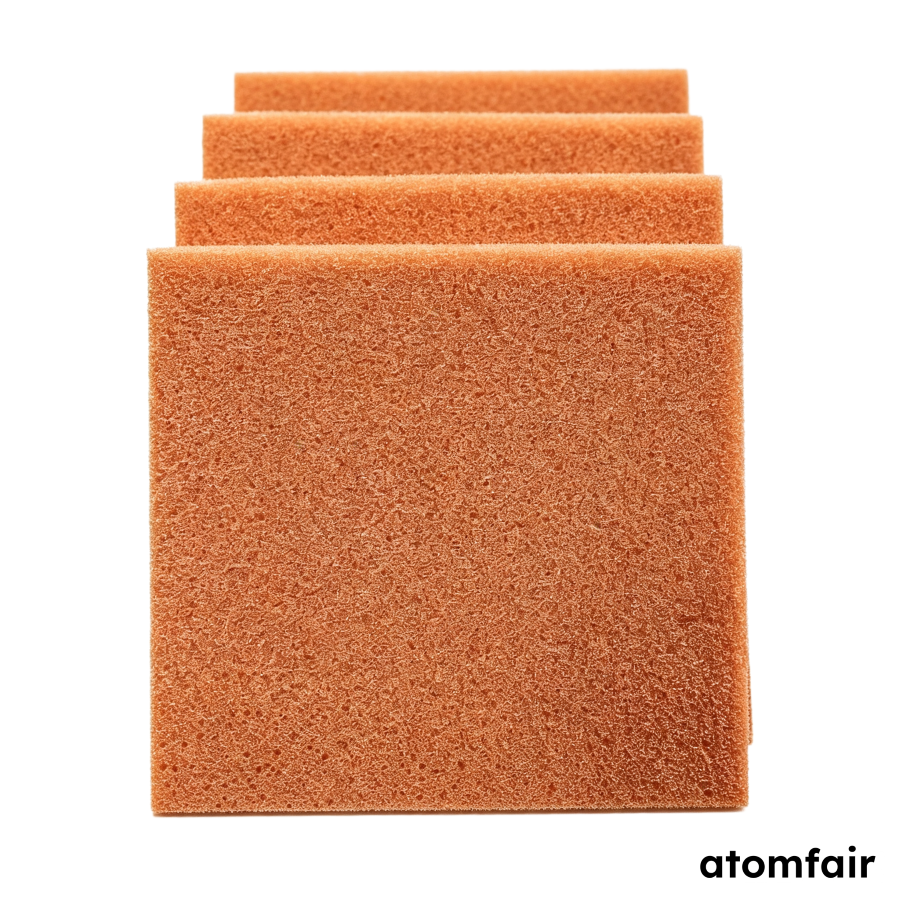
Copper Foam 110 PPI 200×200×2 mm Research Grade ATOMFAIR®
Price range: $75.00 through $165.00 -
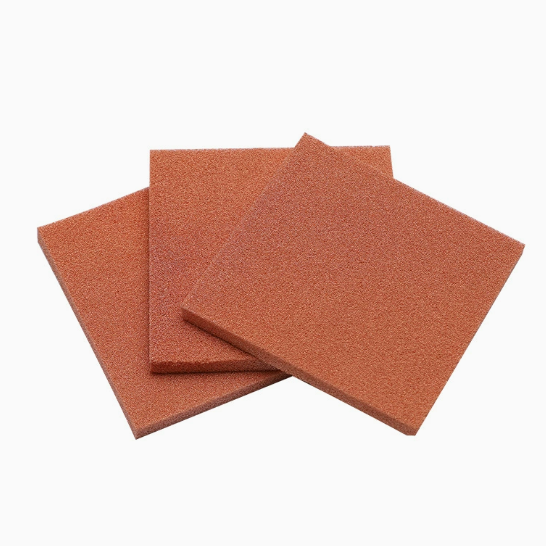
Copper Foam 50-98% Porosity ≥98% Through-Hole ATOMFAIR®
Price range: $39.00 through $150.00 -
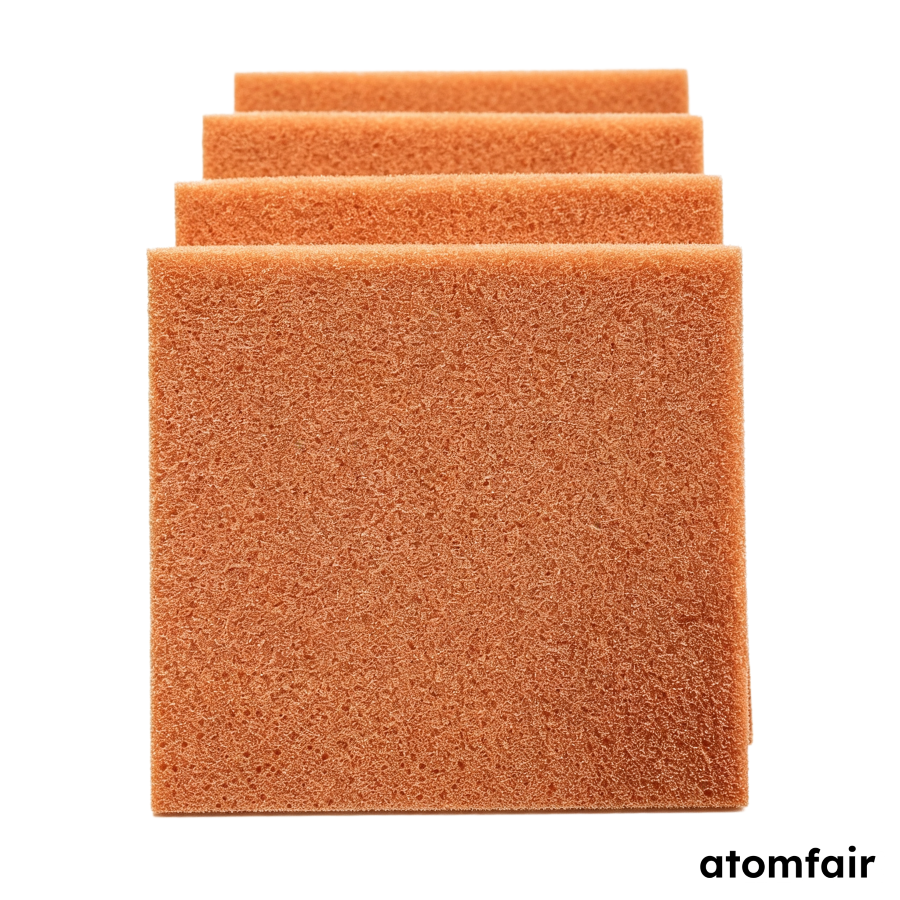
Copper Foam 60 PPI 100×200×10 mm Research Grade ATOMFAIR®
Price range: $75.00 through $165.00 -
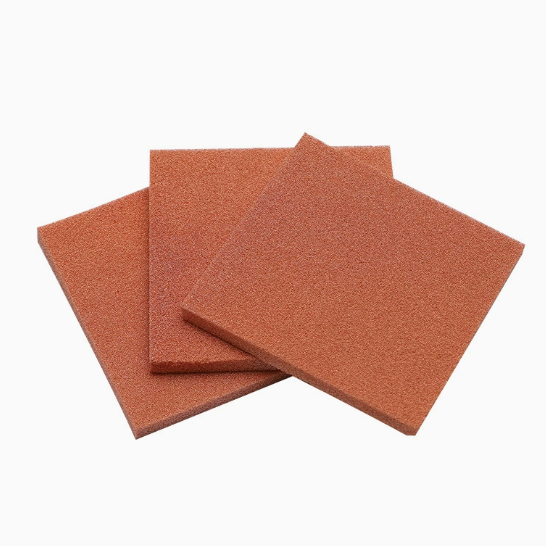
Copper Foam 60-98% Porosity ≥98% Through-Hole ATOMFAIR®
Price range: $110.00 through $200.00 -
Copper Foam 60PPI 60-98% Porosity EMI Shielding ATOMFAIR®
Price range: $62.00 through $125.00 -
Copper Foam 90PPI 60% Porosity 200×300×2mm ATOMFAIR®
$72.00 -
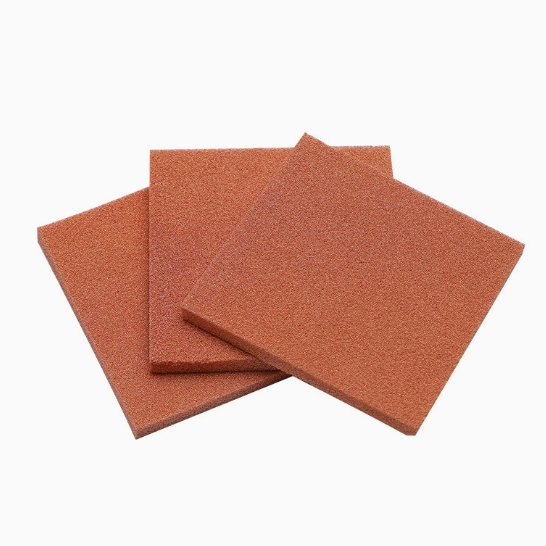
Copper Foam 99% Open Rate Acid-Alkali 100 Mesh ATOMFAIR®
$25.00 -
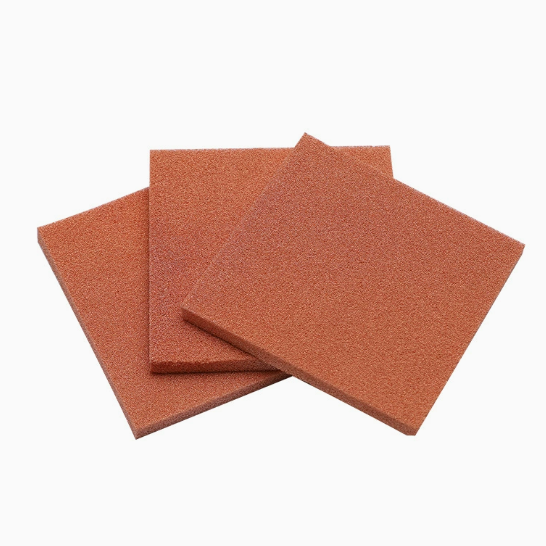
Copper Foam Mother Roll 120 PPI ≥98% Porosity ATOMFAIR®
Price range: $37.00 through $122.00 -
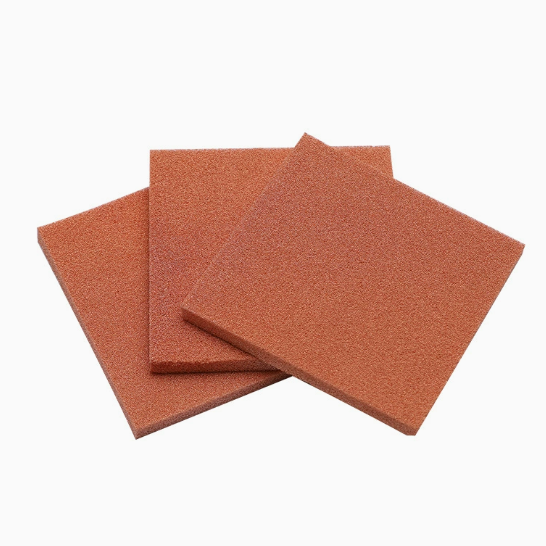
Copper Foam Sheet 100×100×2mm High Porosity ATOMFAIR®
$45.00 -
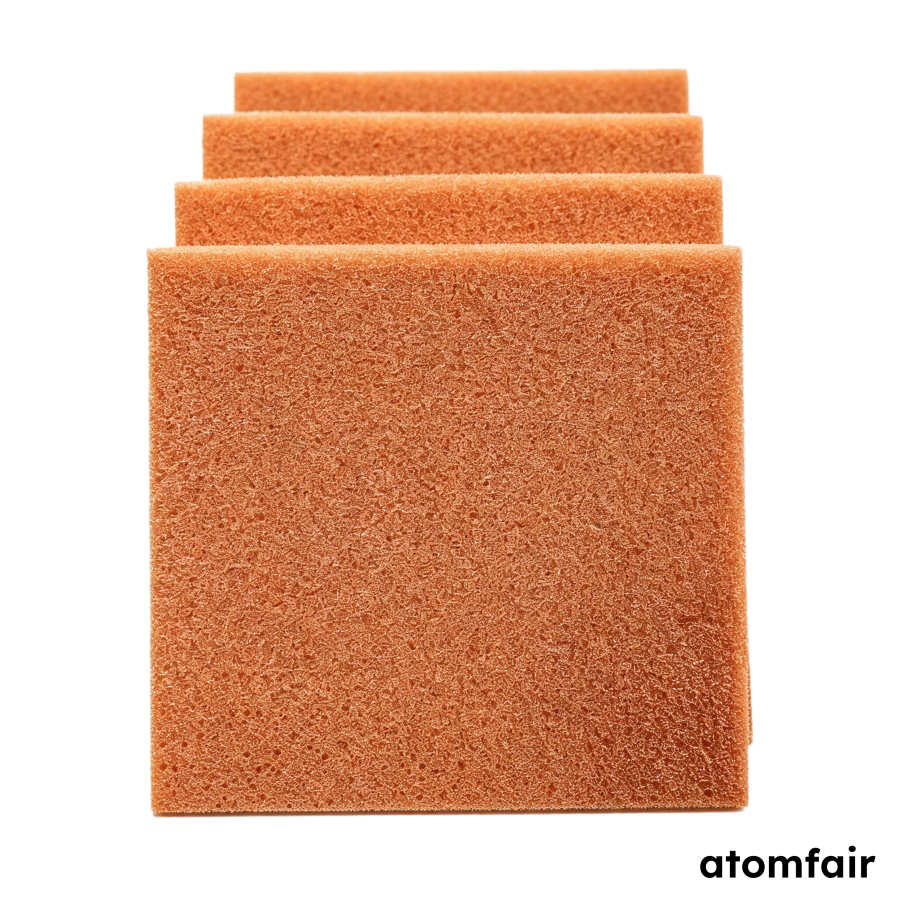
Copper Foam Sheet 110 PPI 200 × 200 × 5 mm ATOMFAIR®
Price range: $75.00 through $165.00 -
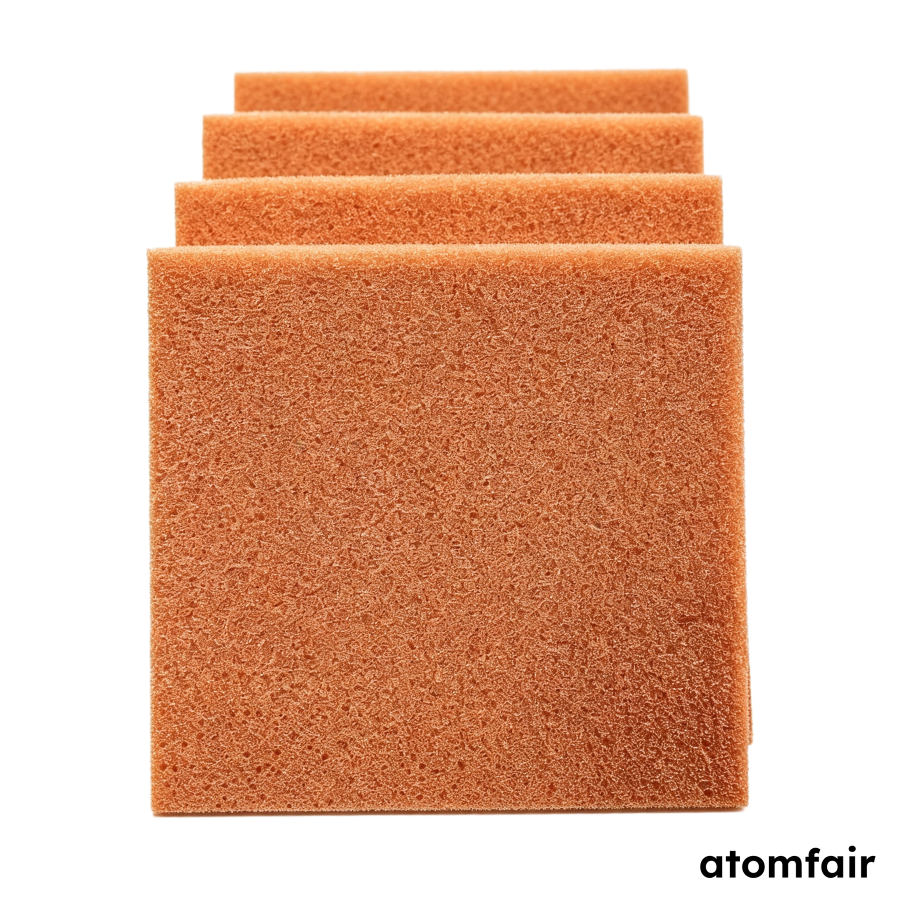
Copper Foam Sheet 20 PPI 100 × 200 × 10 mm ATOMFAIR®
Price range: $75.00 through $165.00 -
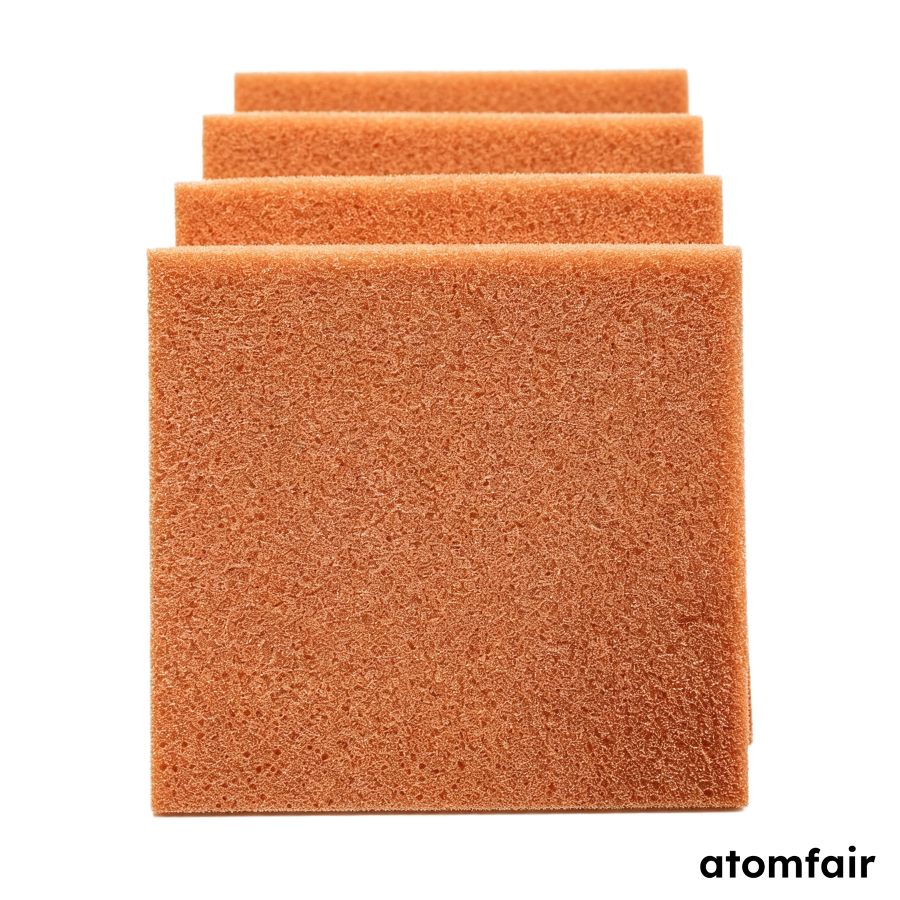
Copper Foam Sheet 20 PPI 100 × 200 × 3 mm ATOMFAIR®
Price range: $58.00 through $135.00