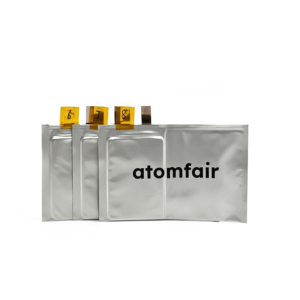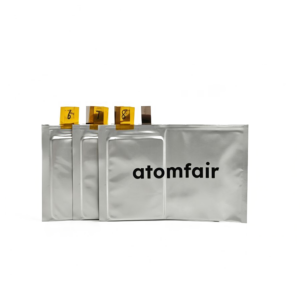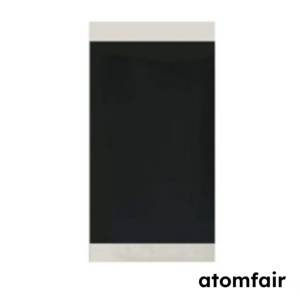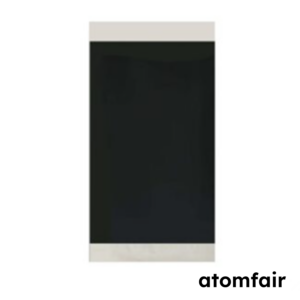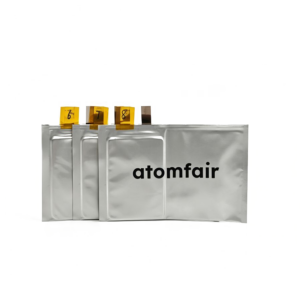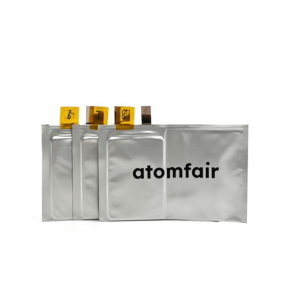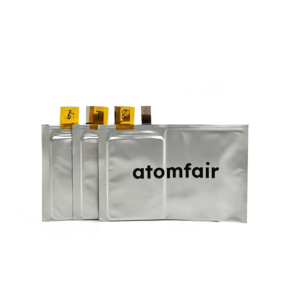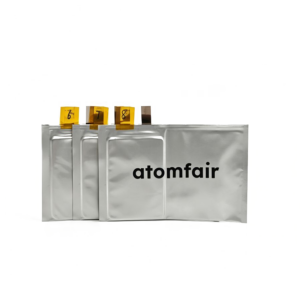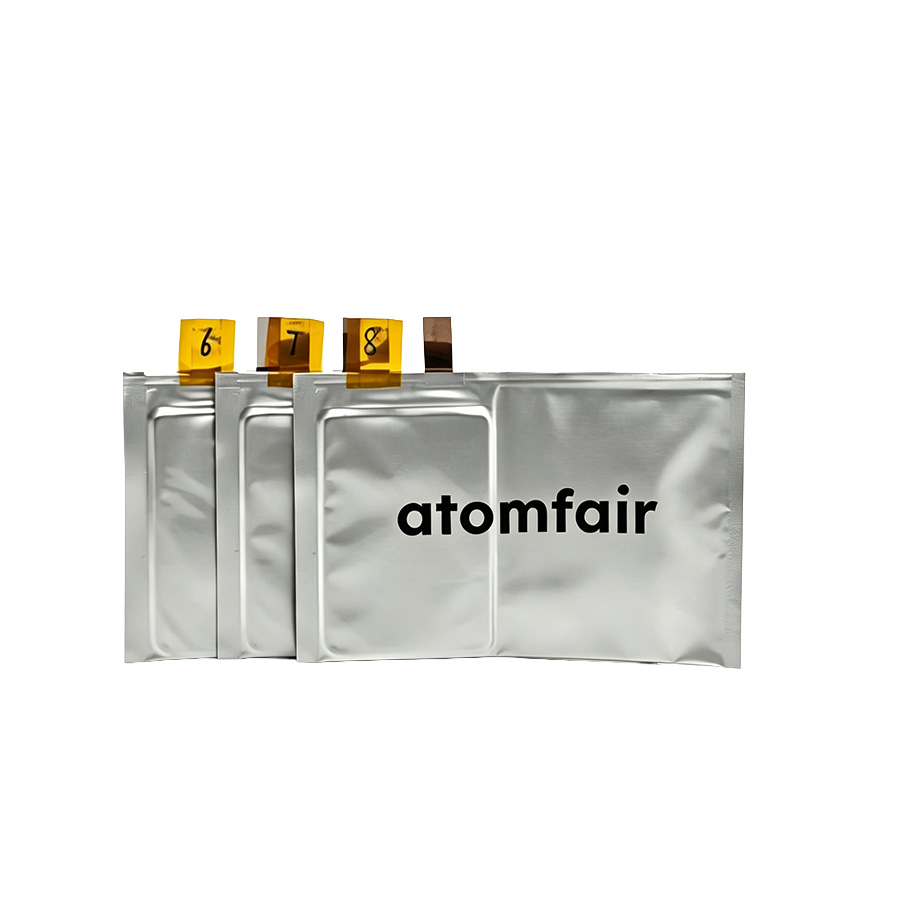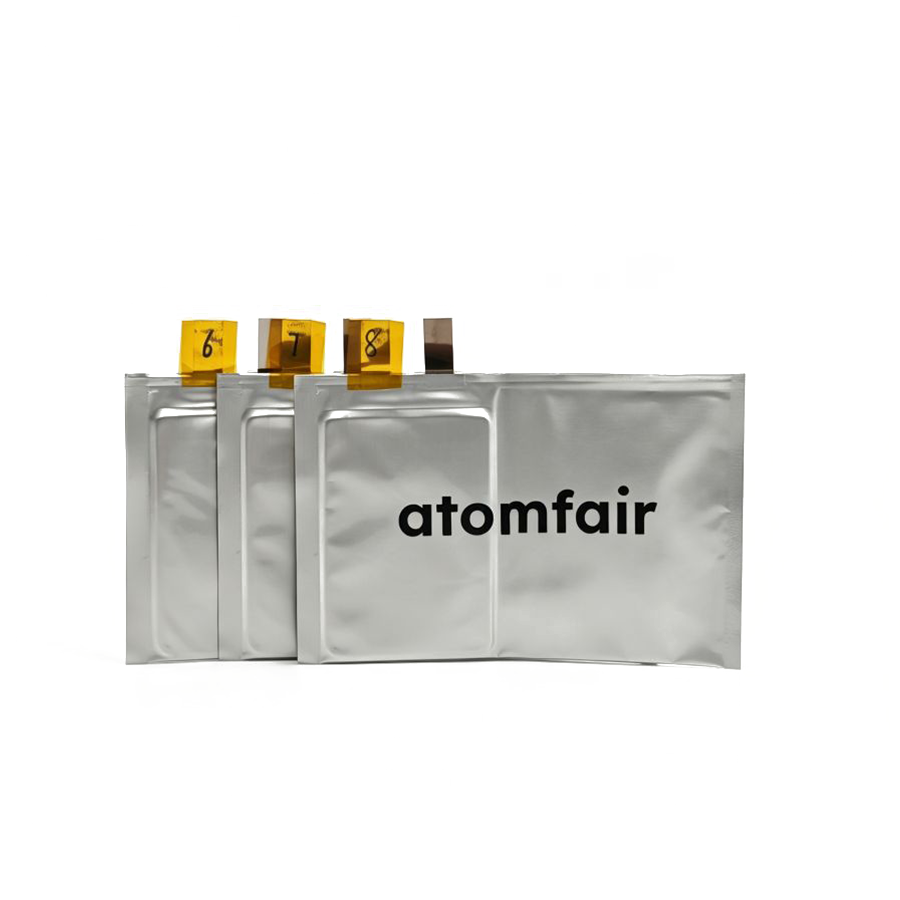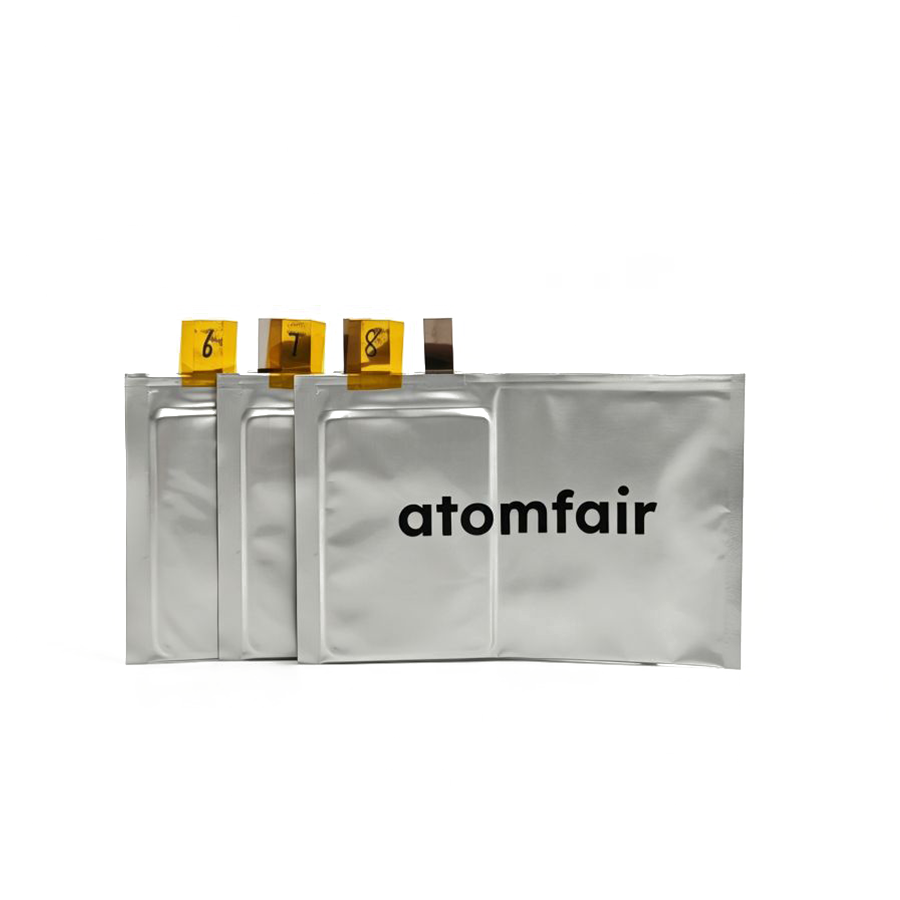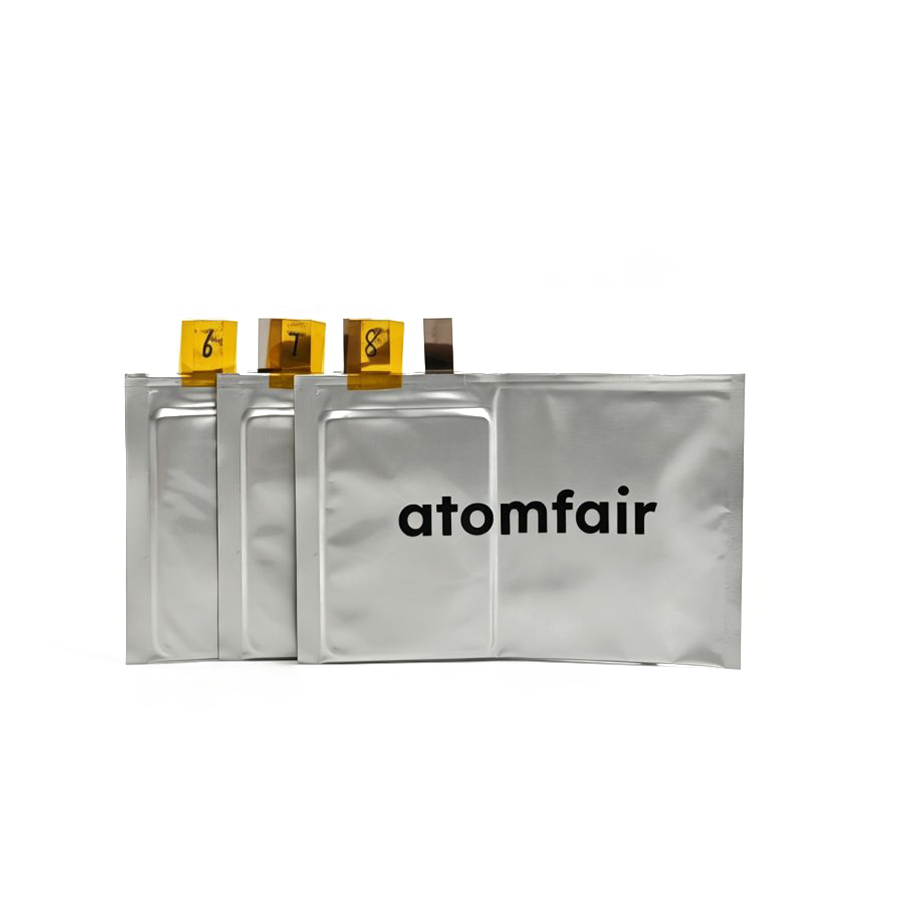
NCM811 Dry Pouch Cell (1Ah) – Si/C 1100 Anode |
||||||||||||||||||||||||||||||||||||||||||||||||||||||||||||||||||||
|
||||||||||||||||||||||||||||||||||||||||||||||||||||||||||||||||||||
This document describes the critical storage and handling constraints for the 1 Ah NCM811 Si/C dry pouch cell. Adherence to these constraints ensures material integrity and safe operation during downstream electrolyte filling and testing.
- Inert Atmosphere Storage: Store the dry pouch cell in an inert, dry atmosphere to prevent moisture and oxygen-induced degradation of the electrode materials.
- Temperature Control: Maintain the cell at stable, moderate temperatures to avoid accelerated aging of the dry components.
- Electrical Isolation: Keep electrode tabs electrically isolated to prevent short circuits that could lead to thermal events.
- Mechanical Protection: Avoid mechanical puncture or deformation of the pouch to preserve the hermetic seal.
- Pre-filling Conditioning: Equilibrate the cell at the desired fill temperature before electrolyte injection to ensure uniform wetting.
How does the 1.080 NP ratio in the NCM811 Si/C dry pouch cell balance silicon expansion against cathode stability?
The 1.080 negative-to-positive capacity ratio is specifically optimized to accommodate the substantial volumetric expansion of the Si/C1100 anode during cycling while preventing lithium plating or over-delithiation of the NCM811 cathode. This balancing is critical because the anode delivers 1100 mAh/g with a 1.1 g/cc compaction density, and the 5/6 multilayer electrode stack combined with a 12 µm PE + 2 µm Al2O3 ceramic separator provides structural tolerance for silicon swelling within the 2.5–4.25 V window.
What electrolyte compatibility constraints must be addressed when activating this dry pouch cell for Si/C anode cycling?
This dry pouch cell is expressly designed for silicon-compatible electrolyte formulation screening and must be infused with an electrolyte that forms a stable SEI on the 1100 mAh/g Si/C1100 anode while remaining oxidatively stable against the ultra-high nickel NCM811 cathode up to 4.25 V. The cell is delivered without electrolyte to enable variable elimination; therefore the user must select or develop an electrolyte that suppresses continuous SEI growth from silicon expansion and avoids HF formation from the 97.4% active mass cathode.
What storage and handling precautions are required for the dry pouch cell prior to electrolyte filling?
The dry pouch cell must be stored and handled under strict exclusion of moisture and oxygen because the ultra-high nickel NCM811 cathode and Si/C1100 anode are highly reactive to ambient air. Exposure to humidity will cause irreversible degradation of the active materials before activation, compromising the 1.0 Ah design capacity target; the cell is assembled without electrolyte to allow controlled filling under inert atmosphere.
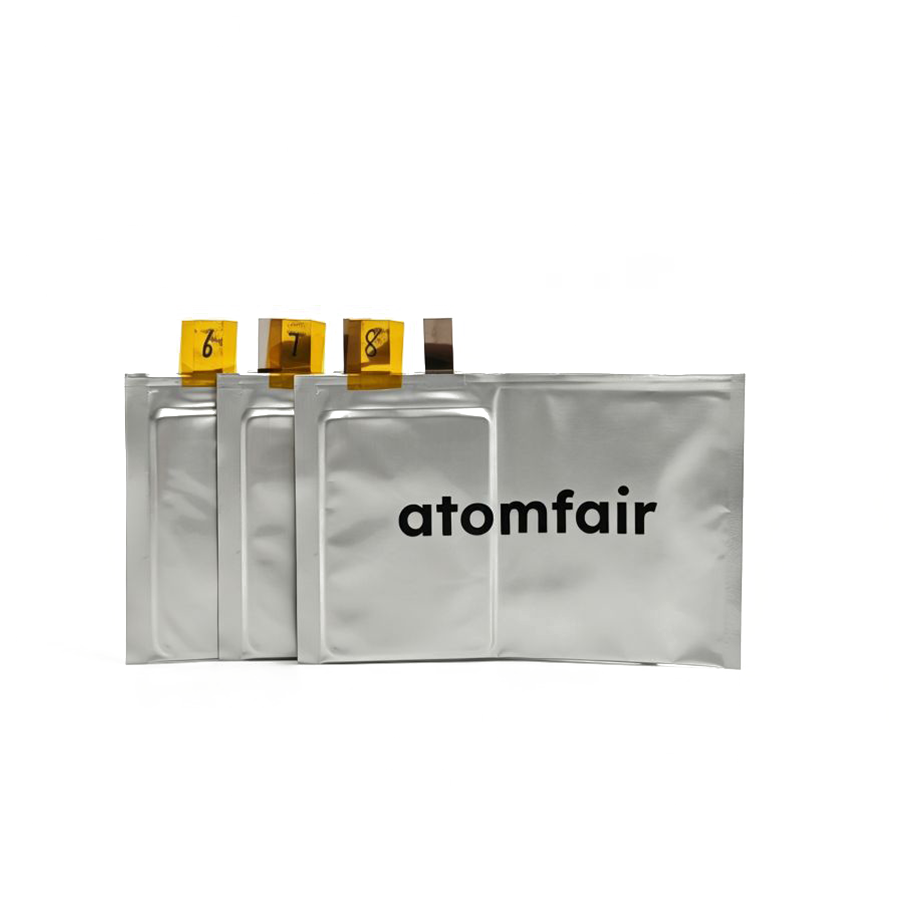
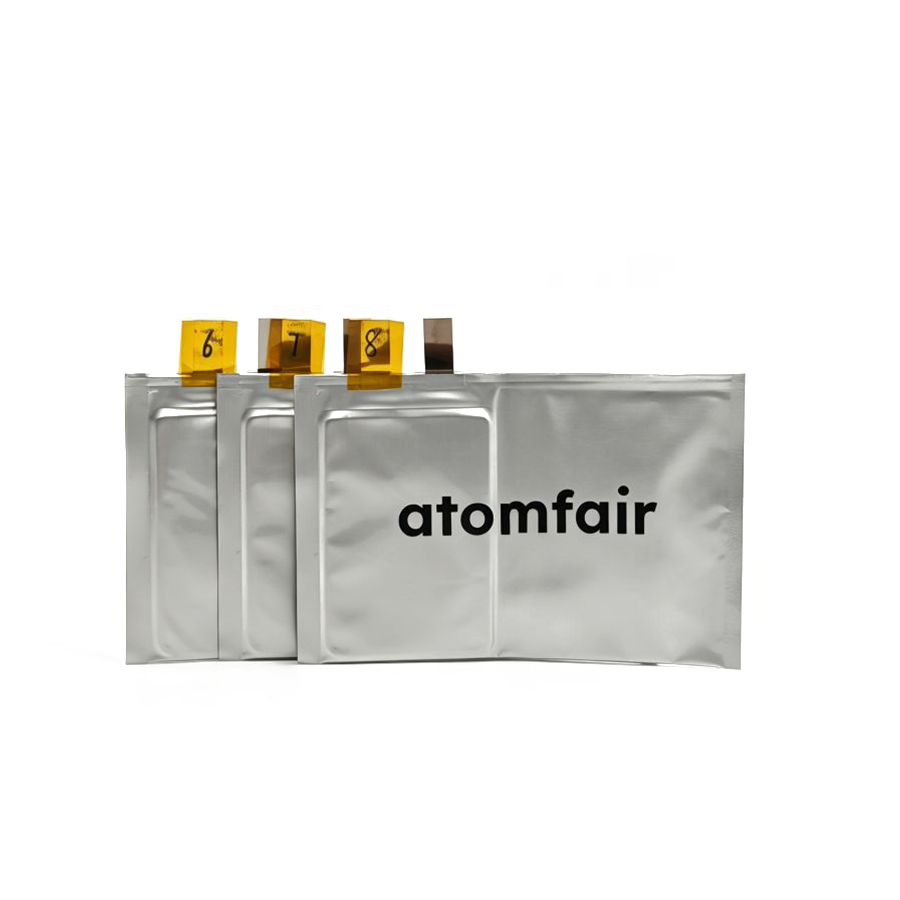
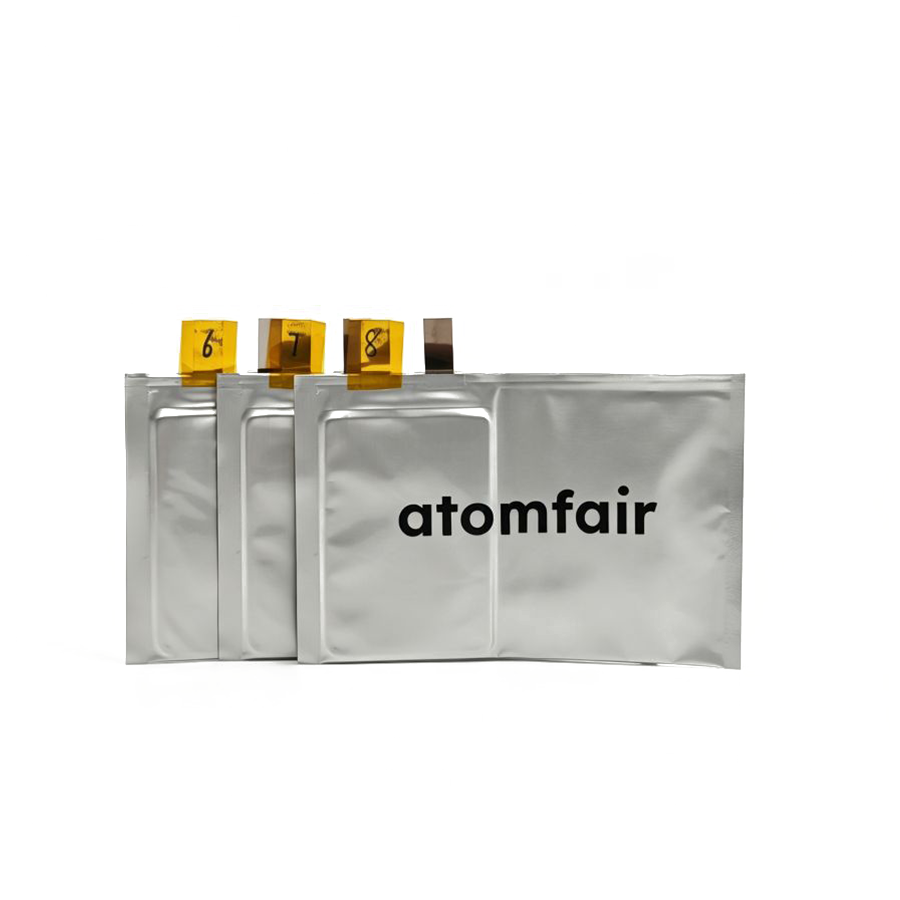
This 1 Ah dry pouch cell combines an NCM811 cathode (195 mAh/g) with a high-capacity Si/C1100 anode (1100 mAh/g) in a 5/6 laminated stack, providing a controlled baseline for silicon-compatible electrolyte screening and volumetric swelling studies. The absence of pre-infused electrolyte requires external handling and specialized protocols to manage anode expansion and gas evolution.
Positive
- Ultra-high capacity Si/C anode: The Si/C1100 composite delivers 1100 mAh/g specific capacity, enabling high-energy-density research and aggressive anode performance benchmarking.
- Controlled electrolyte screening platform: Dry assembly without pre-infused electrolyte allows researchers to introduce candidate formulations directly, eliminating variables for systematic electrolyte compatibility testing.
Trade-offs
- No pre-infused electrolyte: The cell is supplied dry; users must perform electrolyte filling under controlled conditions, requiring appropriate glovebox infrastructure and liquid handling expertise.
- Silicon volume expansion management: The high-capacity Si/C anode undergoes significant volumetric swelling during cycling, necessitating electrolyte formulations and stack pressure protocols to mitigate growth and gas evolution.
Every advanced material, component, equipment, and instrument in our catalog is backed by rigorous testing. We maintain strict internal quality management frameworks and align with CE conformity metrics to deliver transparent, reproducible performance data via our public open-science repository.
To request raw batch performance data, submit formal vendor registration paperwork, or execute a fast-turnaround R&D manufacturing loop, contact us at inquiry@atomfair.com.
Item is dispatched under the Atomfair Shipping & Delivery Framework (Free worldwide shipping on orders over $59 USD excl. heavy equipment). Return is governed by the Atomfair Return & Refund Policy (7-day technical return window).