
Lithium-Ion Cathode Materials
Lithium-ion cathode materials are essential active materials that influence battery voltage, specific capacity, energy density, rate performance, cycle life, thermal stability, and overall cell behavior. This category is designed for battery research, material screening, electrode preparation, coin-cell testing, pouch-cell development, and full-cell evaluation.
This collection covers major lithium-ion cathode material families, including phosphate cathodes, layered oxide cathodes, spinel cathodes, lithium-rich manganese-based cathodes, and materials modified through carbon coating, elemental doping, surface coating, single-crystal design, polycrystalline structures, or particle-size optimization.
Customers can select materials according to their target capacity, working voltage, cycle-life requirements, rate performance, energy-density objectives, electrode format, and experimental conditions. Product-specific specifications, packaging information, test conditions, storage requirements, and technical documents should be reviewed before ordering.
Show More Lithium-Ion Cathode Materials Information
Lithium-Ion Cathode Material Selection Matrix
| Cathode Family | Representative Materials | Main Research Focus | Key Advantages | Specifications to Check | Typical Applications |
|---|---|---|---|---|---|
| Lithium Iron Phosphate | LFP, LiFePO4, carbon-coated LFP, nano LFP | Safety, long cycle life, rate capability | Stable crystal structure, good thermal stability, nickel-free and cobalt-free chemistry | Carbon content, D50, BET surface area, tap density, compaction density, tested capacity | Energy storage, power batteries, long-cycle battery research |
| Lithium Manganese Oxide | LMO, LiMn2O4 | High power, rate capability, spinel structure | Relatively high operating voltage and suitable rate performance | Manganese dissolution, particle size, capacity retention, voltage and rate conditions | High-power cells, hybrid systems, manganese-based cathode studies |
| High-Voltage Spinel | LNMO, LiNi0.5Mn1.5O4 | High-voltage operation and electrolyte compatibility | High operating voltage and suitability for high-voltage system research | Upper cutoff voltage, nickel content, manganese valence, surface coating, electrolyte compatibility | High-voltage cells, electrolyte and interface studies |
| Lithium Cobalt Oxide | LCO, LiCoO2, high-voltage LCO | High voltage and volumetric energy density | High voltage plateau and established consumer-electronics chemistry | Charge cutoff voltage, initial efficiency, residual lithium, moisture, surface modification | Consumer electronics, high-voltage cathode and electrolyte research |
| Modified LCO | Carbon-coated LCO, niobium-modified LCO, doped LCO | High-voltage cycling and interface stability | Useful for studying surface reactions and structural stabilization | Modification element, coating method, coating level, voltage window, test conditions | High-voltage cycling, coating and doping research |
| NCM/NMC 111 | LiNi1/3Mn1/3Co1/3O2 | Baseline comparison and balanced performance | Balanced nickel, cobalt, and manganese composition | Actual elemental ratio, particle size, capacity, tap density, morphology | NCM baseline research and formulation comparison |
| Medium-Nickel NCM/NMC | NCM 523, NCM 622 | Capacity, stability, and balanced performance | Useful balance between capacity, cycling, stability, and material cost | Nickel-cobalt-manganese ratio, single- or polycrystalline structure, capacity, initial efficiency | Power batteries, NCM formulation and full-cell research |
| High-Nickel NCM/NMC | NCM 811, NCM 85, NCM 90, NCM 91 | High capacity and high energy density | High nickel content and suitability for high-energy-density research | Nickel content, residual lithium, moisture, thermal stability, upper cutoff voltage | High-energy-density cells, power batteries, high-nickel research |
| Ultra-High-Nickel NCM/NMC | NCM 93 and other ultra-high-nickel grades | Very high capacity and energy density | Suitable for advanced high-nickel and high-specific-energy studies | Crystal structure, particle cracking, initial efficiency, voltage window, moisture sensitivity | High-nickel cathode, structural stability, and interface research |
| Single-Crystal NCM | Single-crystal NCM and single-crystal high-nickel NCM | Particle stability and long-term cycling | Useful for studying particle cracking and structural degradation | Crystal size, particle-size distribution, capacity, tap density, morphology | Single-crystal comparison and long-cycle research |
| Polycrystalline NCM/NCA | Polycrystalline NCM and polycrystalline NCA | Compaction, rate performance, and electrode processing | Useful for studying secondary particles, pores, and electrode processing | Primary particle size, secondary particle morphology, BET surface area, tap density | Electrode processing, rate testing, and compaction research |
| Bimodal-Particle NCM | Bimodal NCM and mixed particle-size NCM | High compaction density and volumetric energy density | Useful for studying particle packing and electrode porosity | Large-to-small particle ratio, D50, compaction density, porosity | High-loading electrodes and volumetric energy research |
| NCA | NCA, LiNixCoyAlzO2 | High energy density | High nickel content and suitability for high-specific-energy research | Nickel and aluminum content, particle structure, thermal stability, moisture | Power batteries and high-energy-density cathode research |
| NCMA and Aluminum-Modified Layered Oxides | NCMA and aluminum-modified NCM materials | High capacity and structural stabilization | Useful for comparing high-nickel and aluminum-modified systems | Elemental ratio, modification method, upper cutoff voltage, cycle data | High-nickel, doping, and advanced cathode research |
| Lithium-Rich Manganese-Based Cathodes | LRMO, LMR, lithium-rich layered oxides | High capacity and high-voltage activation | High research capacity and suitability for advanced cathode studies | Activation voltage, initial efficiency, voltage fade, oxygen activity, cycle stability | High-capacity cathode and lithium-rich material research |
| Lithium Manganese Iron Phosphate | LMFP, LiMnxFe1-xPO4 | Modified phosphate cathodes and higher-voltage phosphate systems | Useful for studying manganese-containing phosphate cathodes | Manganese-to-iron ratio, carbon coating, conductivity, particle size, capacity | Energy storage, power batteries, phosphate cathode research |
| Surface-Coated Cathodes | Oxide-coated, phosphate-coated, niobium-coated cathodes | High-voltage stability and interface compatibility | Useful for studying cathode-electrolyte interfacial reactions | Coating material, coating thickness, uniformity, coating level, test conditions | High-voltage cycling, electrolyte, and interface research |
| Doped Cathode Materials | Nb-, Al-, Zr-, W-, or B-modified cathodes | Structural stability, thermal stability, and cycle performance | Useful for comparing the influence of different modification elements | Doping position, doping level, crystal structure, surface chemistry, test conditions | Cathode optimization, material modification, and failure analysis |
| Nanostructured and Special-Morphology Cathodes | Nano cathodes, core-shell structures, gradient structures, composite cathodes | Fast charging, interfaces, and particle engineering | Useful for studying the relationship between particle size, composition, and surface structure | Particle morphology, size distribution, BET surface area, slurry processability, compaction | Advanced cathode, electrode processing, and material screening |
How to Choose a Lithium-Ion Cathode Material
- For safety and long cycle life: Compare LFP, LMFP, and other phosphate cathode systems.
- For higher capacity and energy density: Review high-nickel NCM, NCA, NCMA, and lithium-rich manganese-based materials.
- For high-voltage research: Consider high-voltage LCO, LNMO, and surface-modified cathode materials.
- For rate-performance studies: Compare LMO, LFP, nano-sized materials, and cathodes with smaller particle sizes.
- For particle-structure research: Compare single-crystal, polycrystalline, bimodal-particle, or special-morphology materials.
- For modification studies: Compare unmodified, carbon-coated, niobium-modified, and other doped or surface-coated materials.
- For full-cell development: Check compatibility with the anode, electrolyte, voltage window, areal capacity, and N/P ratio.
- For early-stage screening: Confirm sample size, packaging, COA availability, particle-size data, and recommended test conditions.
Specifications to Confirm Before Ordering
| Specification | Why It Matters |
|---|---|
| Chemical formula and elemental ratio | Confirms the actual cathode chemistry and allows meaningful comparison between products. |
| Nominal and tested capacity | Helps evaluate the material under the stated voltage, rate, temperature, and electrode conditions. |
| Voltage window and cutoff voltage | Determines whether the material is compatible with the intended electrolyte and battery design. |
| Particle-size distribution | Affects slurry dispersion, electrode packing, ionic transport, and processing behavior. |
| BET surface area | Influences electrolyte contact, binder demand, side reactions, and slurry viscosity. |
| Crystal and particle structure | Single-crystal, polycrystalline, bimodal, nano, and secondary-particle structures can behave differently during cycling and processing. |
| Surface coating or elemental doping | Provides information about interface engineering and structural modification. |
| Tap density and compaction density | Important for electrode loading, volumetric energy density, and electrode calendaring. |
| Moisture and residual lithium | Can affect slurry stability, gas generation, initial efficiency, and high-voltage cycling. |
| Packaging and storage conditions | Helps protect moisture-sensitive materials and supports consistent experimental results. |
| Technical documents | COA, SDS, particle-size data, and test information support safe handling and material comparison. |
Common Questions About Using Cathode Materials
Does the cathode powder need to be used immediately after opening?
The powder should generally be used as soon as practical after opening and resealed immediately after each use. Some high-nickel, high-voltage, or high-surface-area cathode materials are sensitive to air and moisture. Follow the storage instructions provided for the specific product.
Can cathode powder still be used if it has absorbed moisture?
Suitability depends on the material type and the degree of moisture exposure. Moisture can affect powder flow, slurry dispersion, residual lithium, initial efficiency, and cycle performance. If significant moisture exposure is suspected, check the moisture level or contact technical support before using the material for critical experiments.
Why does my cathode slurry form lumps, settle, or disperse poorly?
Possible causes include moisture in the powder, a fine particle size, high surface area, insufficient conductive-agent dispersion, incompletely dissolved binder, or an unsuitable mixing sequence. Confirm that the material is dry and adjust the mixing process according to the powder’s particle size, surface treatment, and target loading.
Why is the coated electrode uneven, streaked, or prone to powder loss?
This may be related to slurry viscosity, solids content, dispersion quality, coating gap, current-collector surface condition, or drying speed. Powder loss may also indicate an unsuitable binder ratio, calendaring condition, or material-to-formulation match.
Which current collector is normally used for lithium-ion cathodes?
Aluminum foil is commonly used as the current collector for lithium-ion cathodes. Foil thickness, surface treatment, coating loading, and compaction density should be selected according to the cathode chemistry, cell format, and experimental objective.
Why is my measured capacity lower than the capacity stated on the product page?
The listed capacity is normally measured under specific voltage, rate, temperature, electrode loading, formulation, and cell conditions. Your result may also be affected by conductive additive and binder ratios, calendaring, drying, electrolyte, cell assembly, and formation procedures. Compare results only after reviewing the complete test conditions.
Why is the initial charge-discharge efficiency lower than expected?
Initial efficiency depends on the cathode chemistry, surface area, residual lithium, charge cutoff voltage, electrolyte, electrode preparation, and formation procedure. Lithium-rich, high-voltage, and some high-nickel cathodes may require specific activation or formation conditions.
Why does the capacity fade quickly during cycling?
Possible causes include an unsuitable cutoff voltage, electrolyte incompatibility, insufficient electrode drying, improper compaction, moisture exposure, abnormal test temperature, or inconsistent cell assembly. Check the voltage window, storage conditions, electrode process, and electrolyte system step by step.
What should I pay attention to when using high-nickel NCM or NCA?
High-nickel materials are often more sensitive to moisture and air exposure. Control the storage and processing environment, and pay attention to moisture, residual lithium, electrode drying, electrolyte compatibility, and charge cutoff voltage. Confirm that the complete cell system is suitable for the intended voltage range.
Does carbon-coated LFP still require conductive additive?
Carbon coating can improve electronic pathways around LFP particles, but conductive additive may still be required. The appropriate formulation depends on powder properties, target areal capacity, electrode thickness, and rate-performance requirements.
Can cathode powder be pressed directly into a pellet for testing?
Most cathode powders are normally mixed with a conductive additive and binder and coated onto aluminum foil before cell assembly. Direct pellet testing may be suitable for certain methods, but it should not automatically be treated as a replacement for conventional slurry preparation and electrode coating.
Why is vacuum drying recommended after electrode drying?
Regular drying removes the main solvent, while vacuum drying can further reduce residual moisture and volatile substances in the electrode. For moisture-sensitive battery systems, electrode dryness can affect internal resistance, cycle stability, and test repeatability.
Why can different batches of the same cathode material produce different test results?
Batch-to-batch variation may be related to particle-size distribution, BET surface area, moisture, residual lithium, tap density, surface coating, and processing conditions. For comparison studies, record the product batch number, storage time, electrode formulation, and complete test conditions.
How should cathode powders be handled safely?
Review the applicable SDS before use. Avoid generating dust and use appropriate personal protective equipment. When working with organic solvents, electrolytes, lithium metal, or assembled cells, follow the relevant chemical, electrical, and battery safety procedures in your laboratory.
Category Scope
This category is dedicated to active cathode materials for lithium-ion batteries. Lithium-ion anode materials, sodium-ion cathode materials, lithium or sodium metal anodes, lithium-sulfur materials, cathode precursors, coated cathode electrodes, electrolytes, binders, conductive additives, separators, and current collectors belong to separate product categories.
For product-specific questions about packaging, technical documents, sample quantities, custom specifications, or compatibility with a particular cell format, please review the individual product page or contact the Atomfair team before placing an order.
Showing 1–16 of 24 results
-
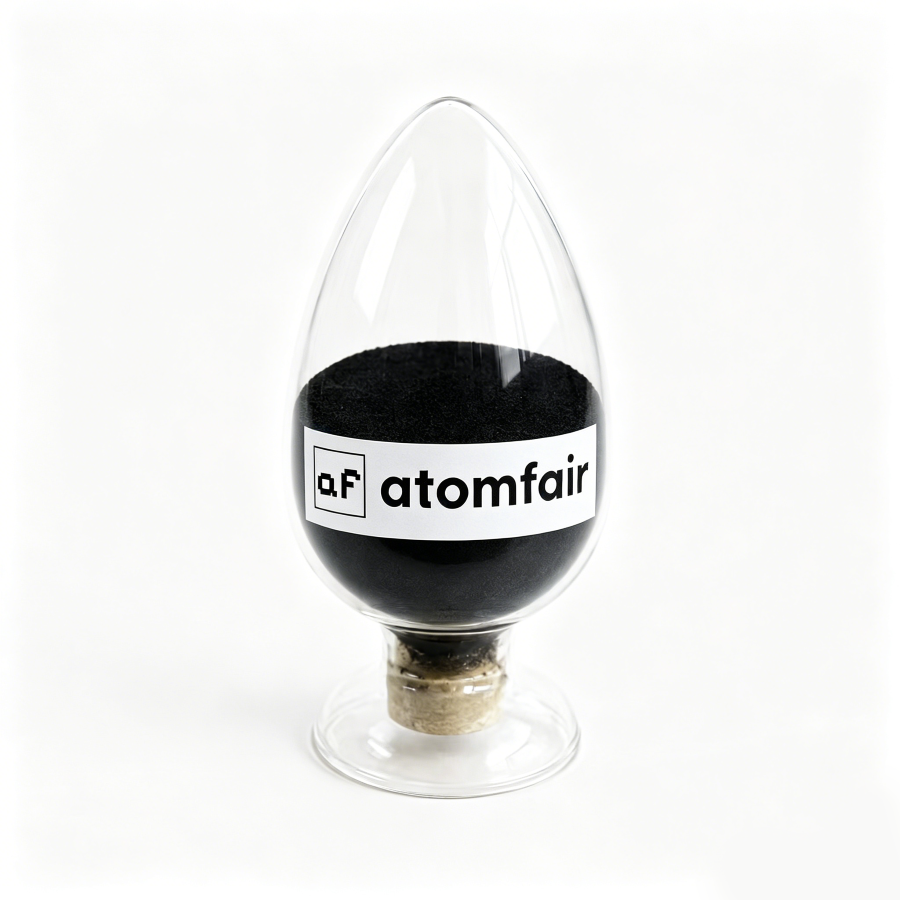
280 mAh/g LRMO Lithium-Rich Cathode Research Grade
Price range: $320.00 through $600.00 -
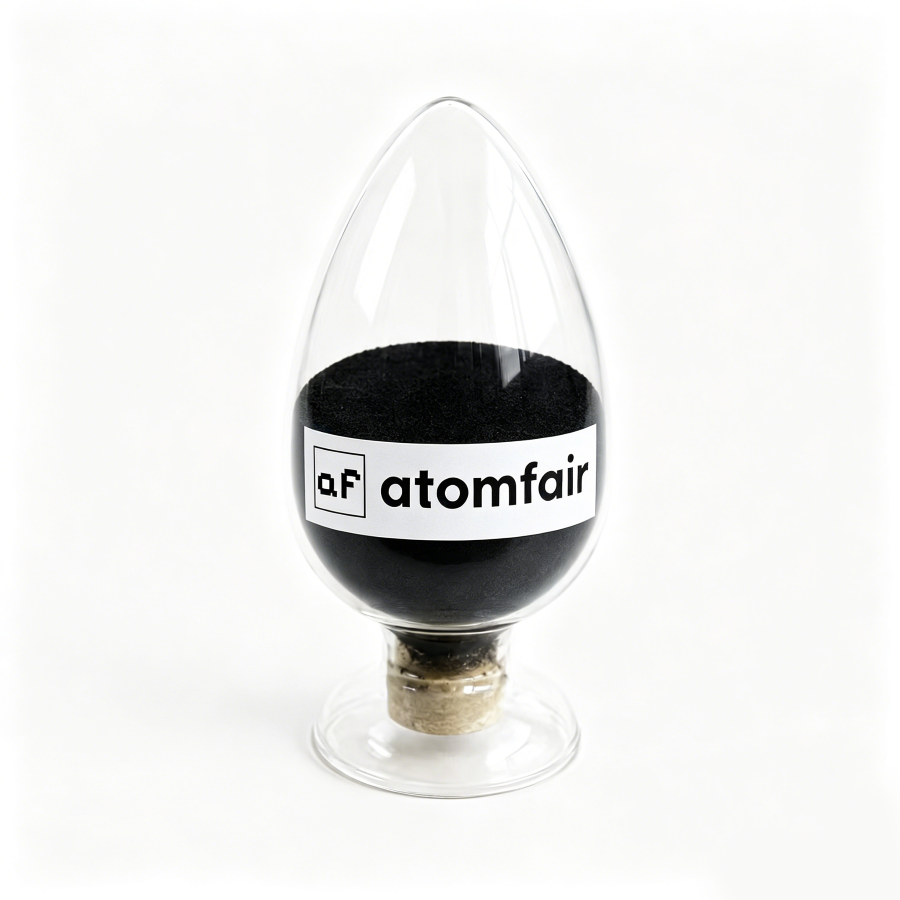
4.55V High Voltage Lithium Cobalt Oxide Powder
$300.00 -
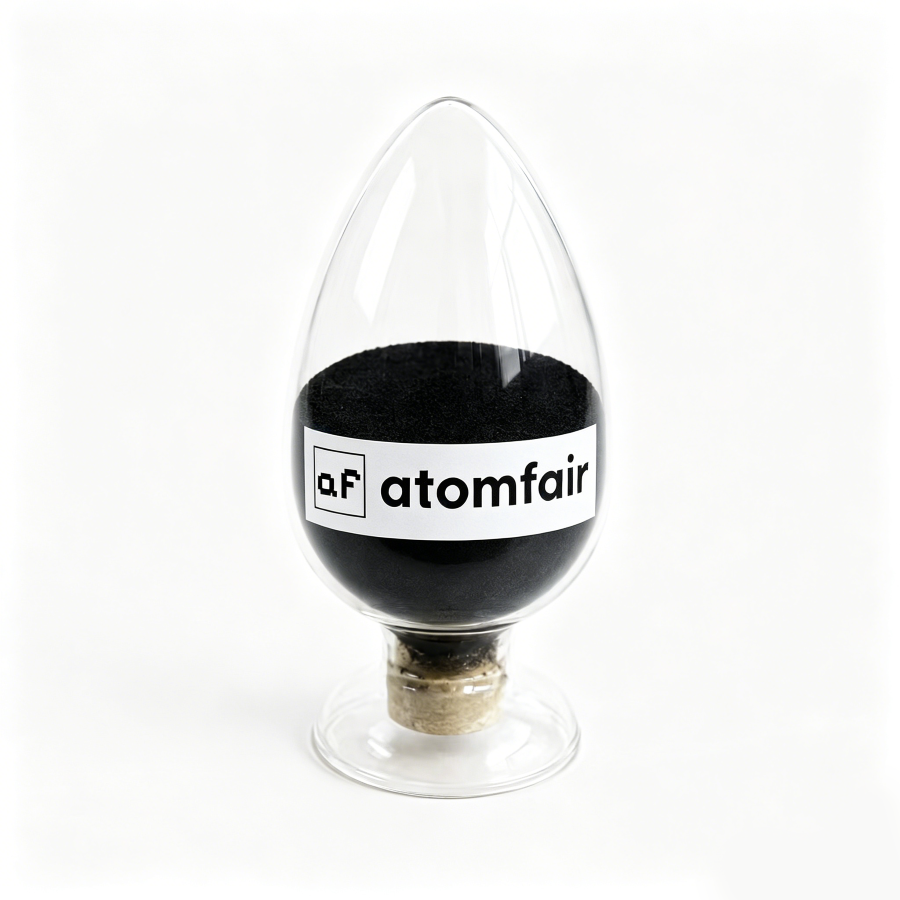
Carbon-Coated Nano LFP Cathode Powder 161 mAh/g Battery Grade
Price range: $240.00 through $450.00 -
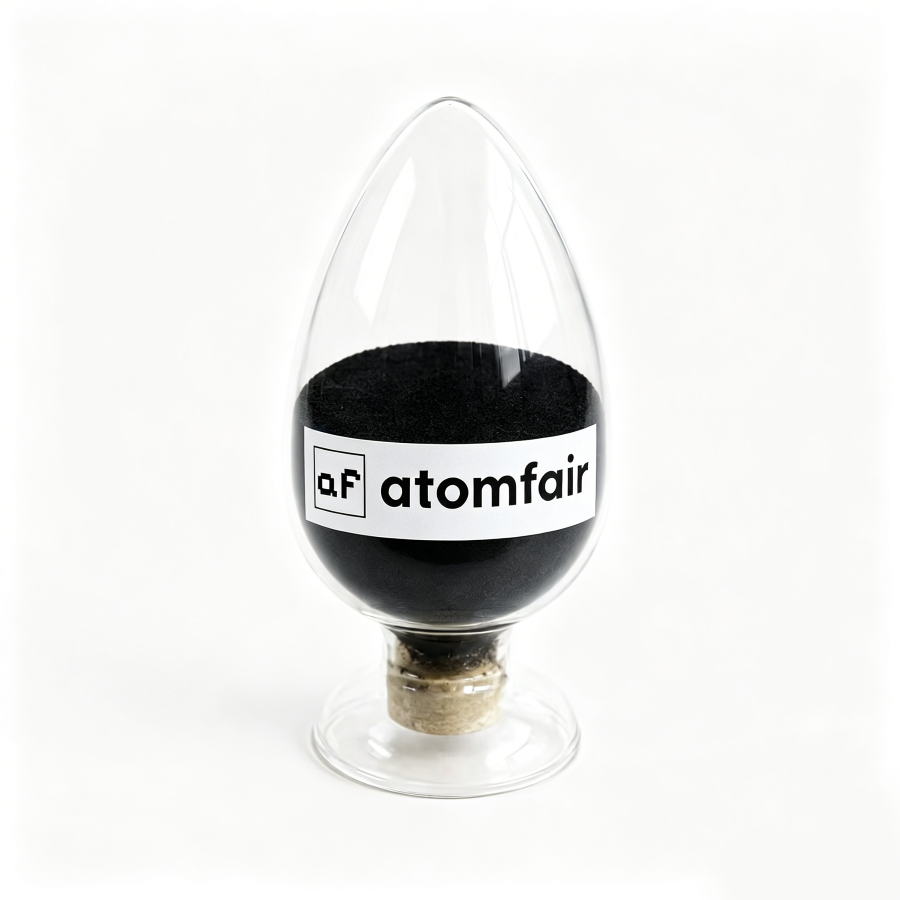
High Voltage Nb-Coated LCO Cathode Powder
Price range: $285.00 through $368.00 -
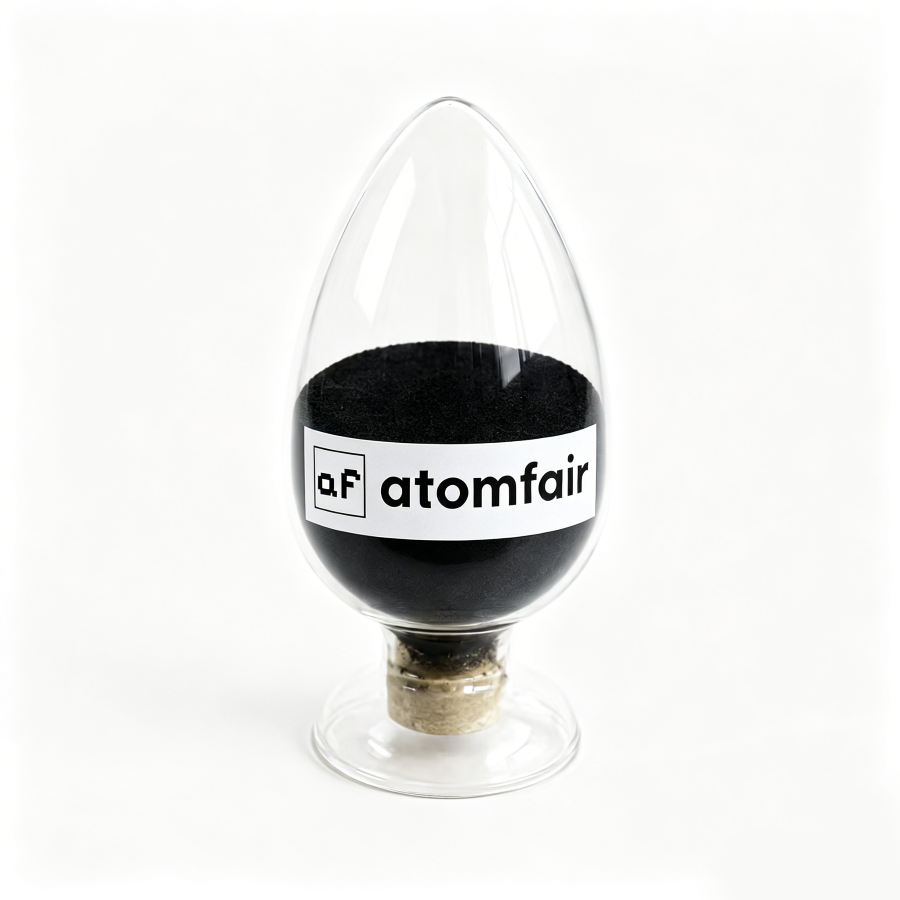
High-Voltage LCO 4.53V Cathode Powder Grade
Price range: $280.00 through $520.00 -
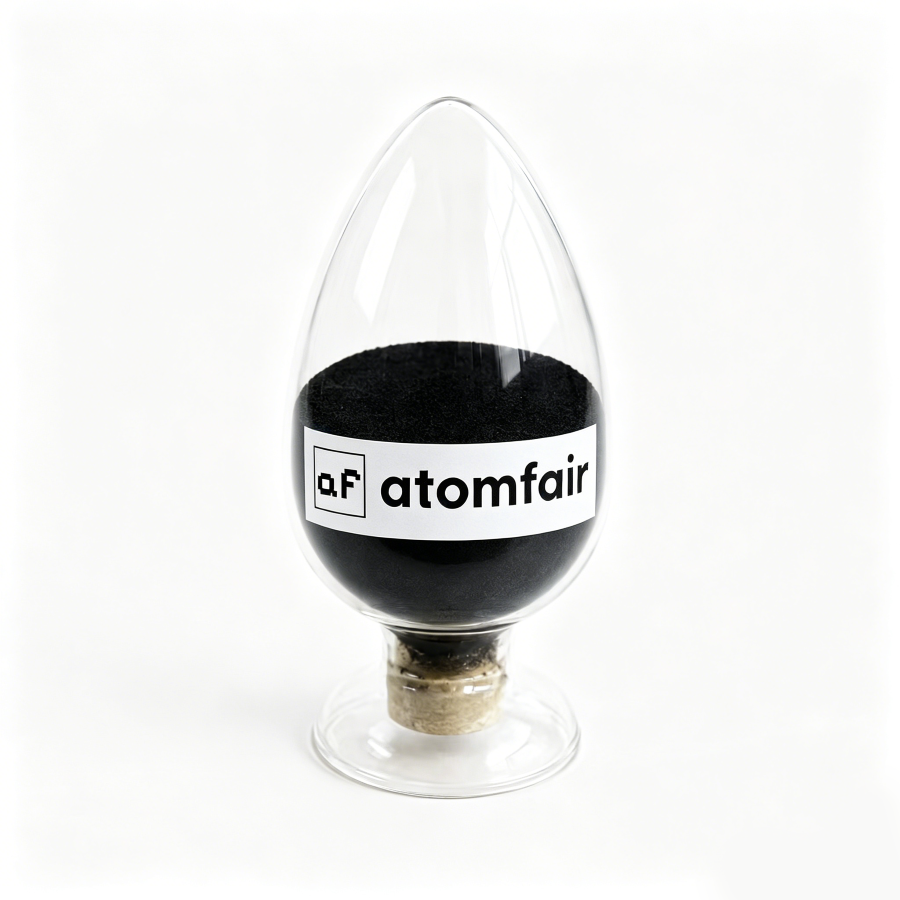
LFP Cathode Powder 161 mAh/g Carbon-Coated
Price range: $240.00 through $450.00 -
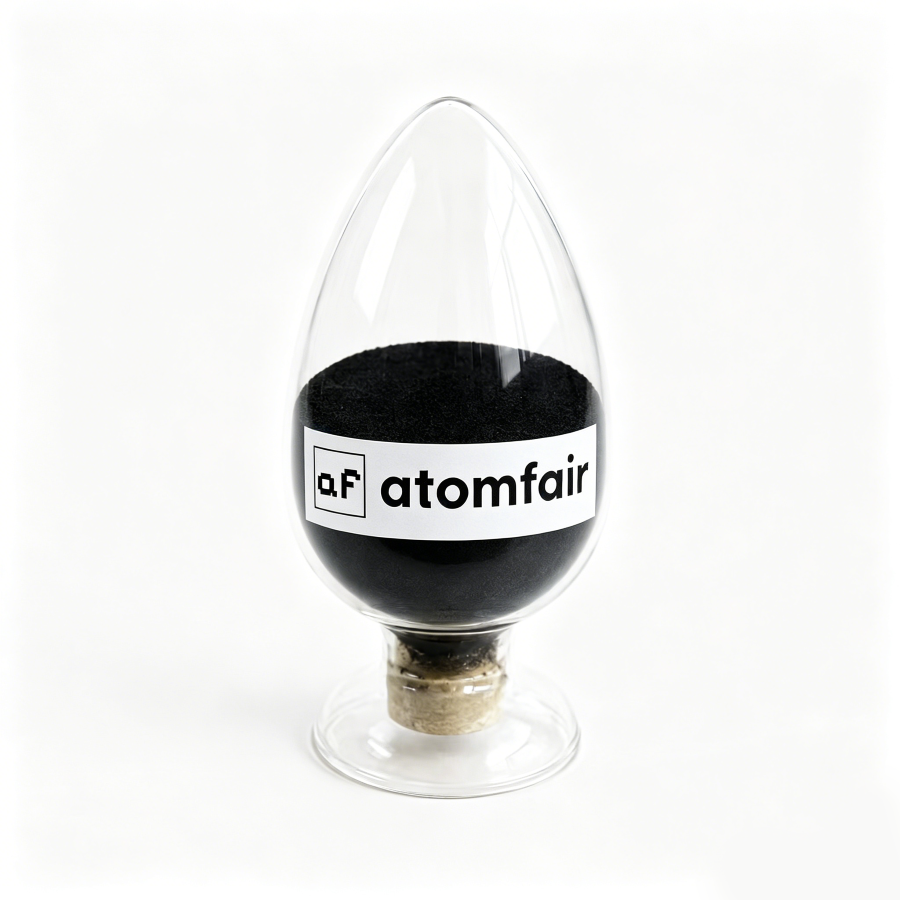
Lithium Cobalt Oxide LCO Powder 4.45V Grade
Price range: $300.00 through $520.00 -
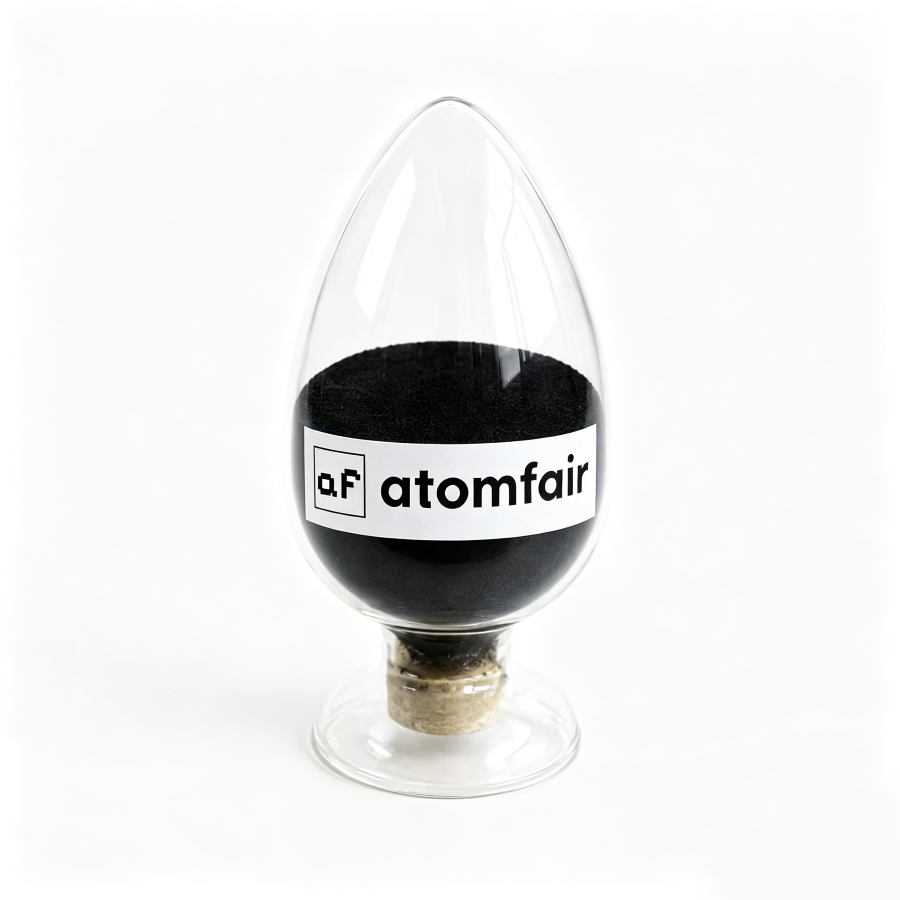
Lithium Manganese Oxide Cathode Powder 119 mAh/g
Price range: $248.00 through $301.00 -
Lithium-Rich Manganese Cathode Powder 300 mAh/g
Price range: $350.00 through $700.00 -
NCM 523 Grade Cathode Material 185 mAh/g
Price range: $240.00 through $450.00 -
NCM 622 Cathode Material 195 mAh/g Research Powder
Price range: $260.00 through $500.00 -
NCM 811 High Nickel Cathode Material Ni83 Powder
Price range: $244.00 through $317.00 -
NCM 811 High-Nickel Cathode Powder 206 mAh/g
Price range: $262.00 through $361.00 -
NCM 811 Ultra-High Nickel Cathode Ni88 209 mAh/g
$300.00 -
NCM 900505 Ultra-High Nickel Cathode 90:05:05
Price range: $300.00 through $580.00 -
NCM811 High-Capacity Cathode Powder 205 mAh/g 4.25V
$300.00