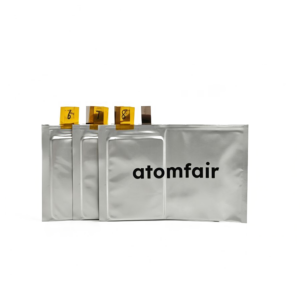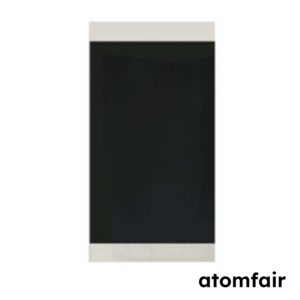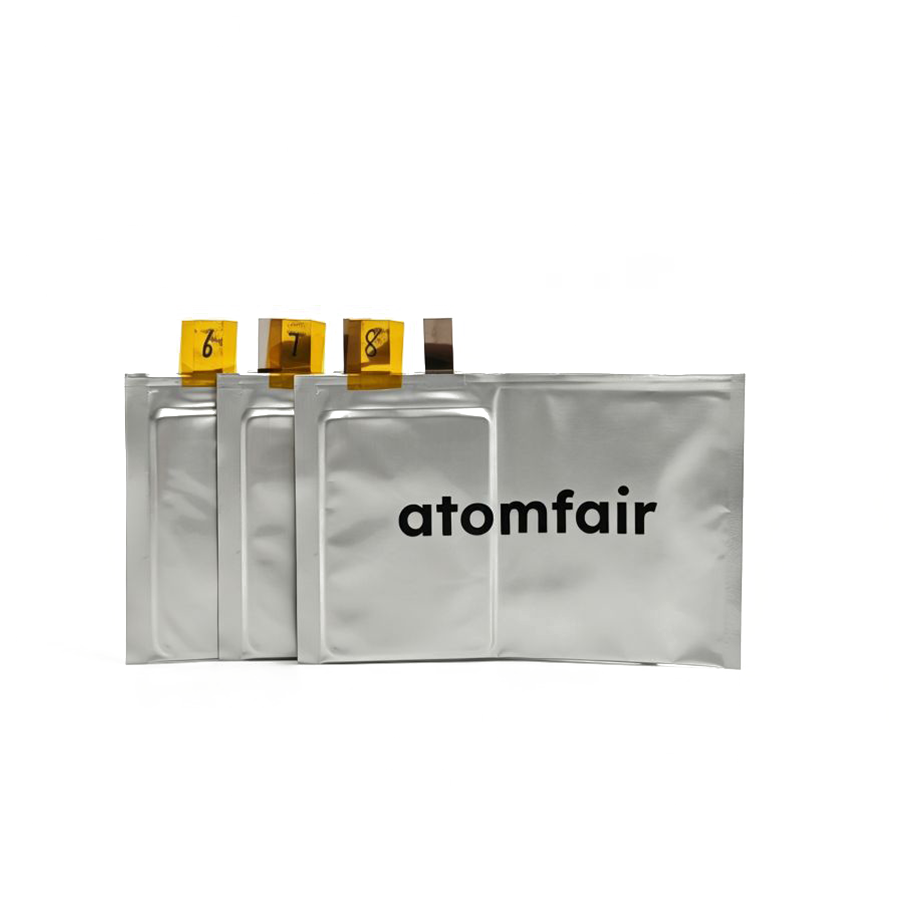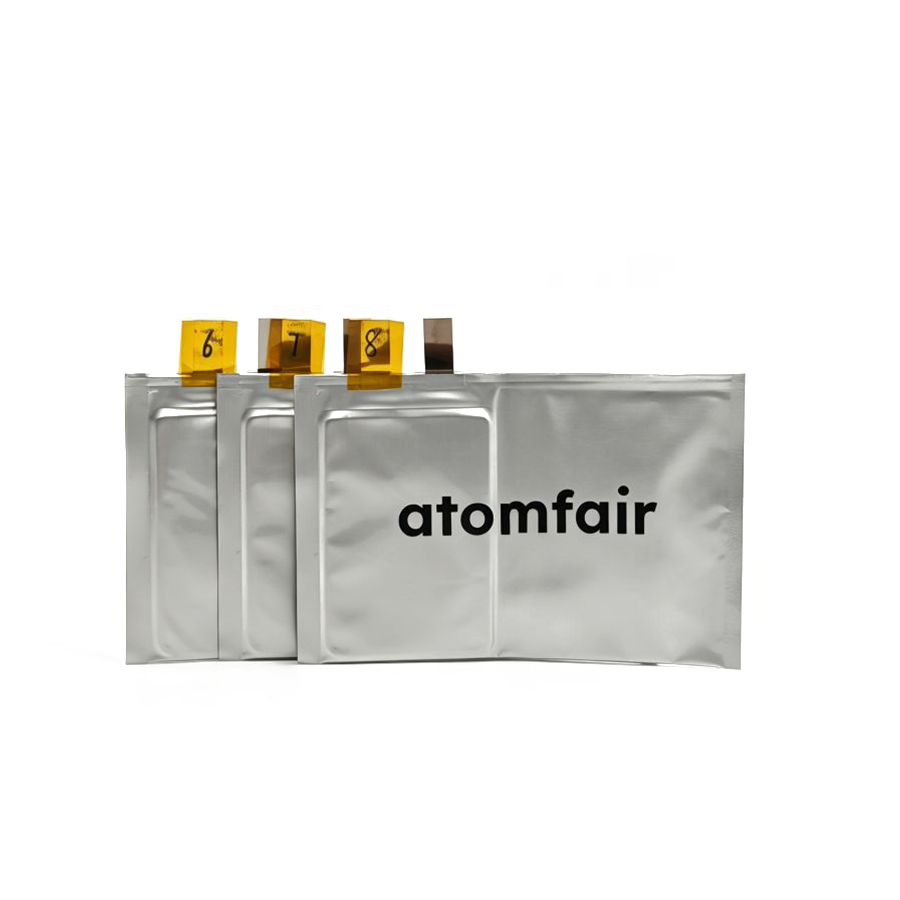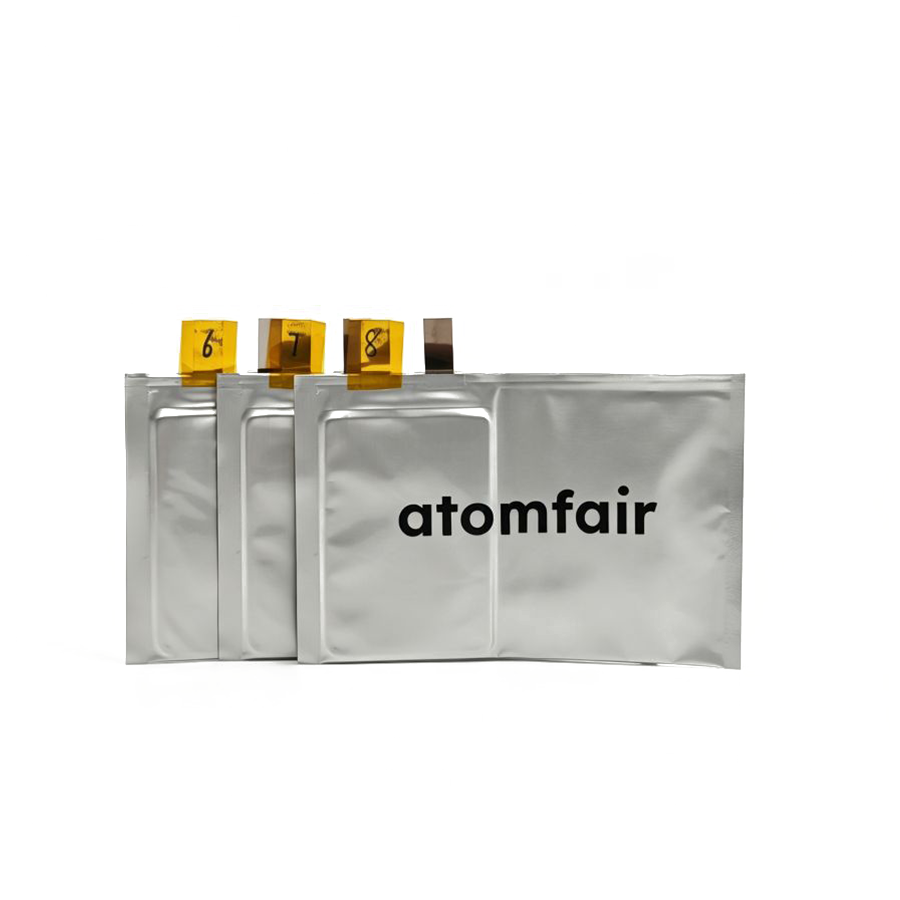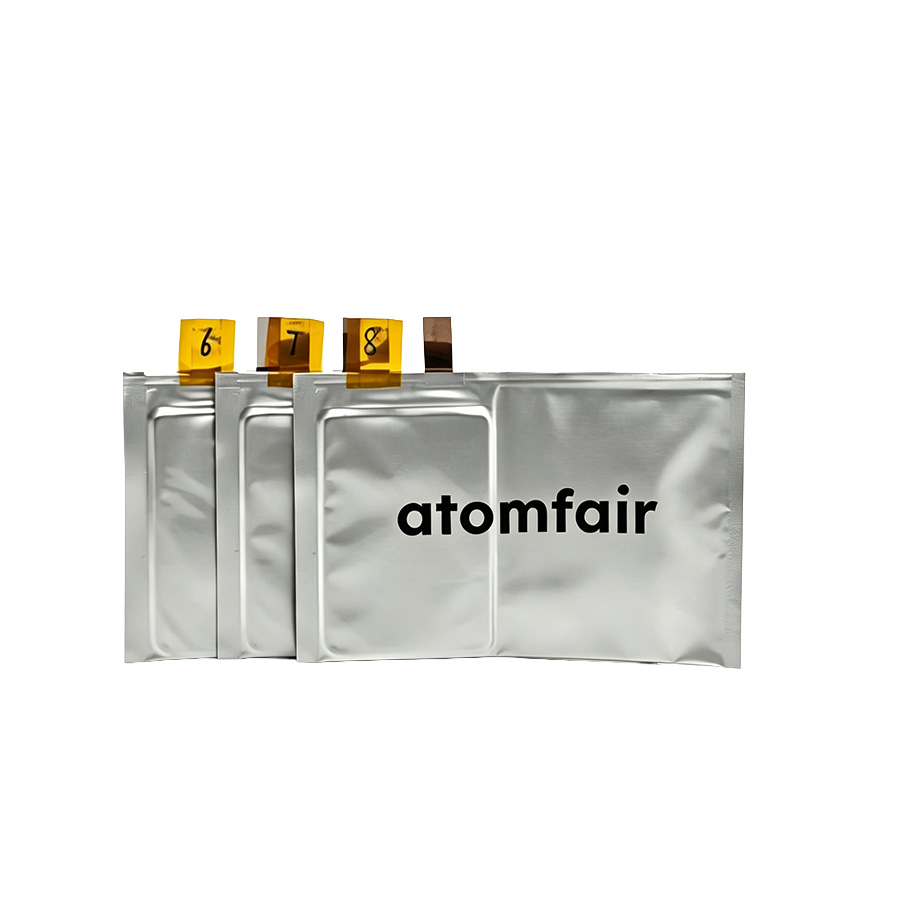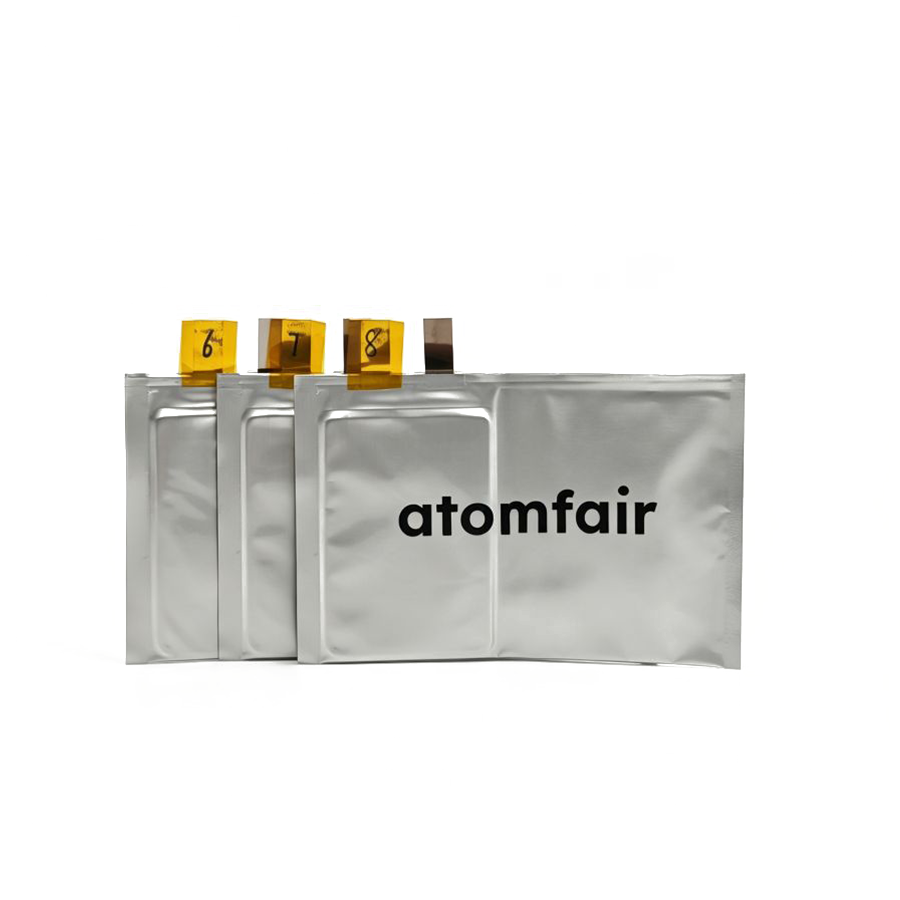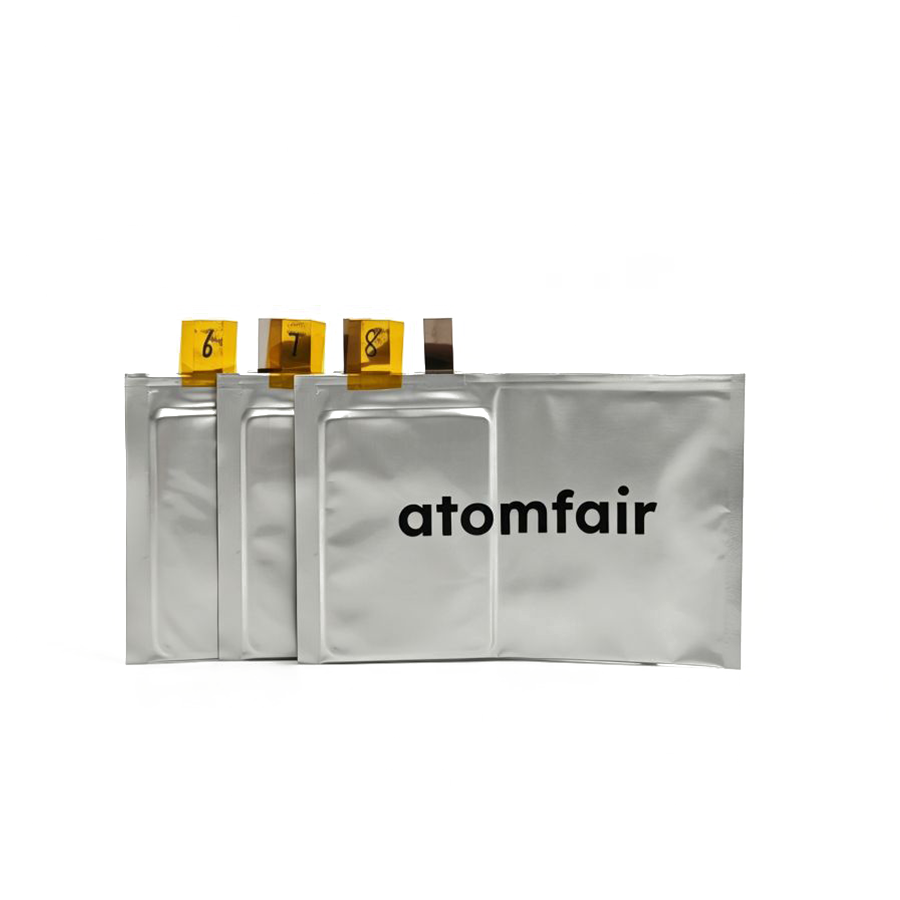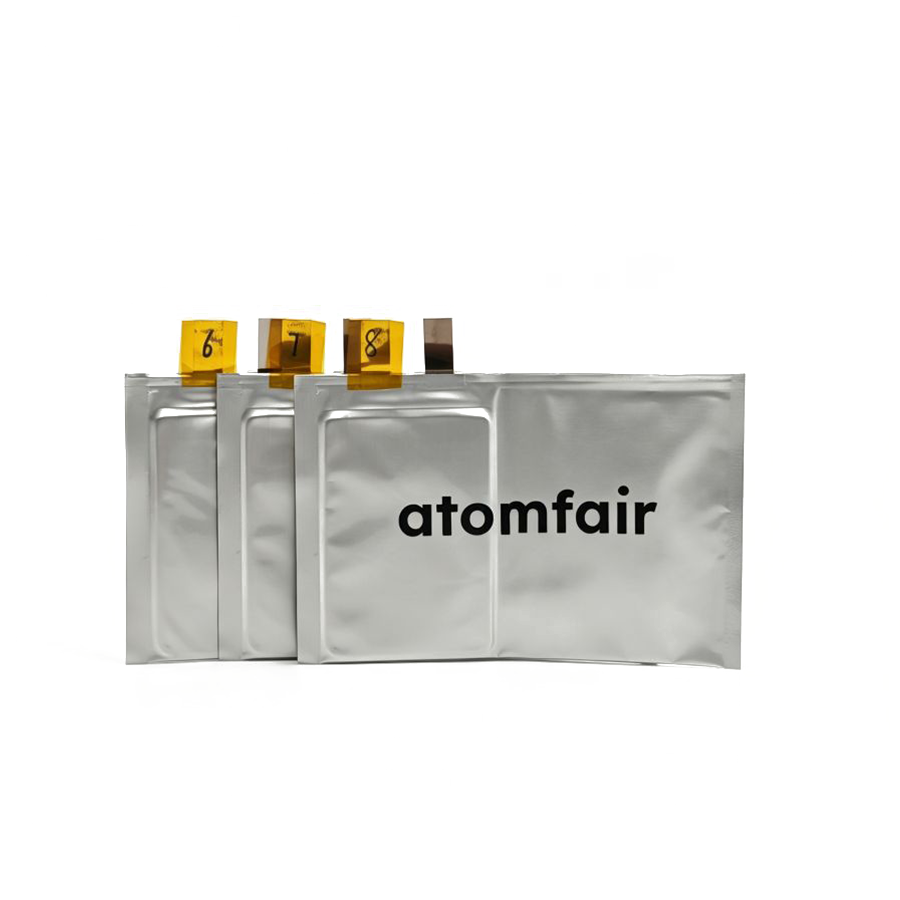
NCM811 Dry Pouch Cell (1.5Ah) – Lithium Metal Anode |
||||||||||||||||||||||||||||||||||||||||||||||||||||||||||||
|
||||||||||||||||||||||||||||||||||||||||||||||||||||||||||||
This document outlines the environmental and safety constraints for the dry pouch cell containing reactive lithium metal. Proper inert atmosphere handling is required to prevent oxidation and ensure safe operation.
- Moisture Sensitivity: Store the dry pouch cell in an inert atmosphere to prevent lithium metal oxidation and moisture absorption.
- Mechanical Integrity: Avoid any physical deformation or puncture of the pouch to prevent internal short circuits.
- Static Discharge Precautions: Use grounded equipment and antistatic procedures to prevent electrostatic discharge across cell terminals.
This procedure describes the steps to fill and activate the dry pouch cell for electrochemical testing. Perform all steps in an argon-filled glovebox to maintain inert conditions.
Required Equipment: Argon-filled glovebox with oxygen and moisture sensors, Electrolyte syringe and needle, Vacuum heat sealer, Battery cycler for formation
- Transfer to Glovebox
Transfer the dry pouch cell into an argon-filled glovebox to maintain an inert atmosphere. - Electrolyte Injection
Inject the appropriate volume of electrolyte into the cell through the sealable port using a syringe. - Vacuum Sealing
Vacuum seal the cell immediately after electrolyte injection to remove entrapped gases and ensure hermetic closure. - Formation Cycling
Connect the cell to a battery cycler and perform initial charge-discharge cycles at a low rate to form a stable solid electrolyte interphase.
What experimental advantages does the substrate-free pure lithium foil anode in the ATOMFAIR 1.5 Ah dry pouch cell provide for intrinsic lithium deposition modeling studies?
The substrate-free pure lithium foil anode eliminates non-active weight from a conventional copper substrate, providing a 100% active lithium reservoir. This configuration creates a pure background field for variable elimination during intrinsic lithium deposition modeling, as stated in the product overview. The 100 μm foil thickness ensures an abundant lithium reserve for extended cycling studies.
Can the ATOMFAIR 1.5 Ah NCM811 dry pouch cell be used directly in a standard battery cycler without adding electrolyte?
No. The cell is assembled without liquid electrolyte infusion and requires the researcher to add a compatible electrolyte. It is specifically designed for high-voltage liquid electrolyte decomposition validation (3.0–4.3 V) and interface SEI passivation research, so the electrolyte must be compatible with NCM811 cathodes and lithium metal anodes.
Does the ATOMFAIR 1.5 Ah dry pouch cell require formation cycling after electrolyte filling?
Yes. The nominal capacity of 1.5 Ah is a baseline target after activation, meaning formation cycles are necessary to reach full capacity. The 5/6 multilayer stack, with a 12 μm PE + 2 μm Al2O3 separator and high-density 3.4 g/cc cathode, must be properly wetted and formed to establish a stable SEI layer before electrochemical testing.
This dry pouch cell combines a 97.4% active mass NCM811 cathode with a substrate-free lithium metal anode in a 5/6 multilayer stack, designed for high-fidelity electrochemical benchmarking of lithium deposition, SEI formation, and electrolyte decomposition under high-voltage conditions. The absence of electrolyte and the need for activation cycles impose critical handling and formation protocols for laboratory deployment.
Positive
- Ultra-high nickel cathode with pure Li anode: The combination of un-functionalized NCM811 cathode (97.4% active mass, 3.4 g/cc compaction) with a 100 μm substrate-free pure lithium foil anode creates a clean benchmarking system for intrinsic lithium deposition and SEI passivation studies, eliminating substrate artifacts.
- High-fidelity multilayer stack design: The 5/6 coated electrode arrangement with a 12 μm PE + 2 μm ceramic separator provides a rigid, reproducible platform for high-voltage (3.0–4.3 V) electrolyte decomposition validation and variable elimination in research-grade cycling.
Trade-offs
- Dry assembly requires electrolyte injection: The cell is delivered without liquid electrolyte, necessitating user-controlled infusion under inert conditions before operation, adding a preparation step and potential variability in wetting and ion transport.
- Nominal capacity depends on activation: The stated 1.5 Ah design capacity is a baseline target after activation (formation cycles); actual delivered capacity is contingent on the user's electrolyte choice, cycling protocol, and SEI formation efficiency.
Every advanced material, component, equipment, and instrument in our catalog is backed by rigorous testing. We maintain strict internal quality management frameworks and align with CE conformity metrics to deliver transparent, reproducible performance data via our public open-science repository.
To request raw batch performance data, submit formal vendor registration paperwork, or execute a fast-turnaround R&D manufacturing loop, contact us at inquiry@atomfair.com.
Item is dispatched under the Atomfair Shipping & Delivery Framework (Free worldwide shipping on orders over $59 USD excl. heavy equipment). Return is governed by the Atomfair Return & Refund Policy (7-day technical return window).