
Ready-to-Use Battery Electrolytes
Ready-to-Use Battery Electrolytes are pre-formulated liquid electrolytes designed for immediate cell filling, formation, and performance validation. They are the right choice when the chemistry system, target voltage, anode type, and cell format have already been defined.
For R&D and pilot-line users, these products help shorten preparation time, reduce mixing-related variation, and make results easier to compare across batches, cells, and test conditions.
Compared with on-site blending, ready-to-use electrolytes give teams a faster and more reproducible path for sample screening, formulation verification, and process confirmation.
Show More
Suggested Product Families
| Product family | Best for | Key focus |
|---|---|---|
| Standard Li-ion electrolyte | Baseline screening and routine validation | Compatibility, cycle stability, repeatability |
| High-voltage electrolyte | High-voltage cathode systems | Oxidation stability, aluminum compatibility |
| Fast-charging electrolyte | Rate testing and low-impedance targets | Ionic conductivity, wetting speed |
| Low-temperature electrolyte | Cold-start and low-temperature cycling | Low-temp conductivity, lithium plating risk |
| Silicon / silicon-carbon anode electrolyte | Silicon-rich anode systems | SEI stability, first-cycle efficiency, expansion tolerance |
| Sodium-ion electrolyte | Sodium-ion battery development | Sodium compatibility, moisture sensitivity |
| Pouch-cell filling electrolyte | Pouch or large-format cell validation | Fill volume, wetting efficiency, sealing workflow |
| Custom formulation electrolyte service | Project-specific development | Salt system, solvent system, additive goal, temperature target |
Selection Focus
| Parameter | What to check |
|---|---|
| Cathode window | Target cutoff voltage, oxidation tolerance, and side-reaction control |
| Anode behavior | SEI formation, first-cycle efficiency, and lithium plating sensitivity |
| Temperature window | Low-temperature conductivity, viscosity, and wetting speed |
| Cell format | Coin, cylindrical, pouch, or large-format cell filling behavior |
FAQ
What is a ready-to-use battery electrolyte?
It is a pre-mixed liquid electrolyte that can be used directly for cell filling, formation, and testing.
When should I choose a ready-made electrolyte instead of blending one myself?
It is a better fit when you want to shorten setup time, reduce batch-to-batch variation, and move faster from screening to validation.
What matters most for high-voltage systems?
Oxidation stability, aluminum compatibility, and suppression of parasitic reactions are usually the key points.
What matters most for silicon-anode validation?
SEI stability, first-cycle efficiency, and the electrolyte’s ability to accommodate volume change are usually the main concerns.
What should I evaluate for low-temperature testing?
Low-temperature conductivity, viscosity, wetting speed, and lithium plating risk are the most important indicators.
Can sodium-ion cells use the same logic as lithium-ion cells?
Not exactly. Sodium-ion systems need their own compatibility check, especially for salt selection, moisture sensitivity, and interfacial behavior.
Why is ready-to-use electrolyte helpful for pouch-cell work?
Pouch cells are more sensitive to filling, wetting, and process consistency, so a finished electrolyte helps keep those variables under control.
Showing all 9 results
-
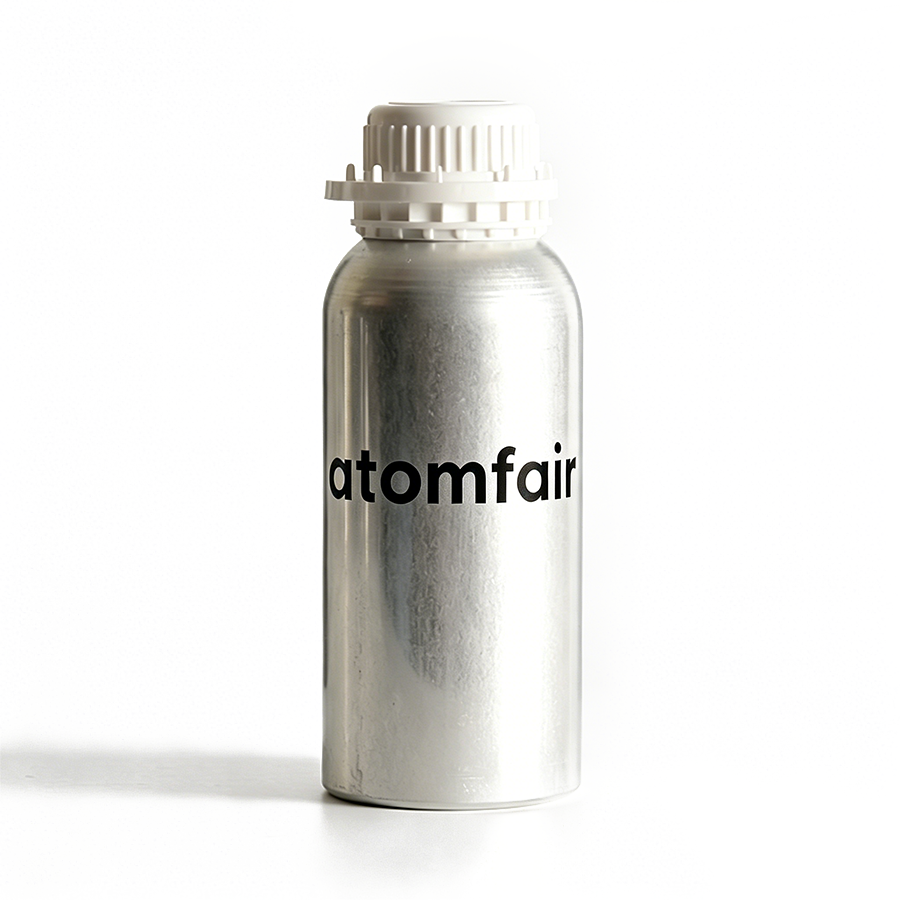
Electrolyte for Consumer Electronics Batteries 1kg ATOMFAIR®
$459.00 -
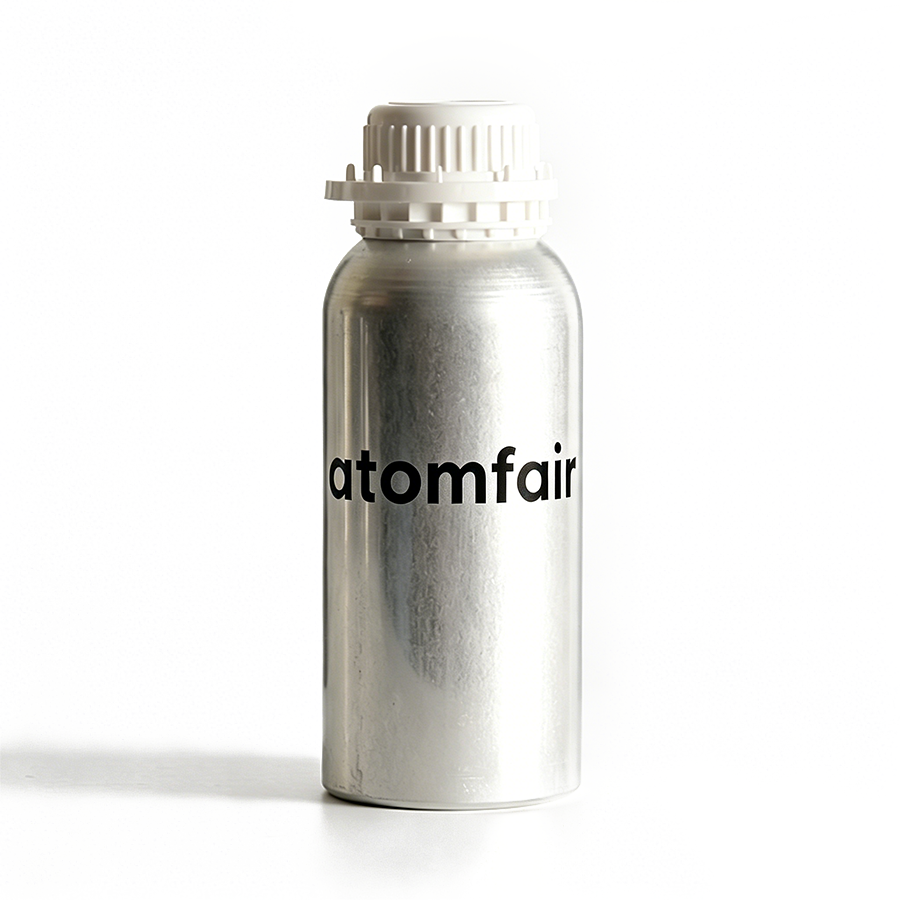
Electrolyte for E-Cig Batteries Research Grade 1kg ATOMFAIR®
$459.00 -
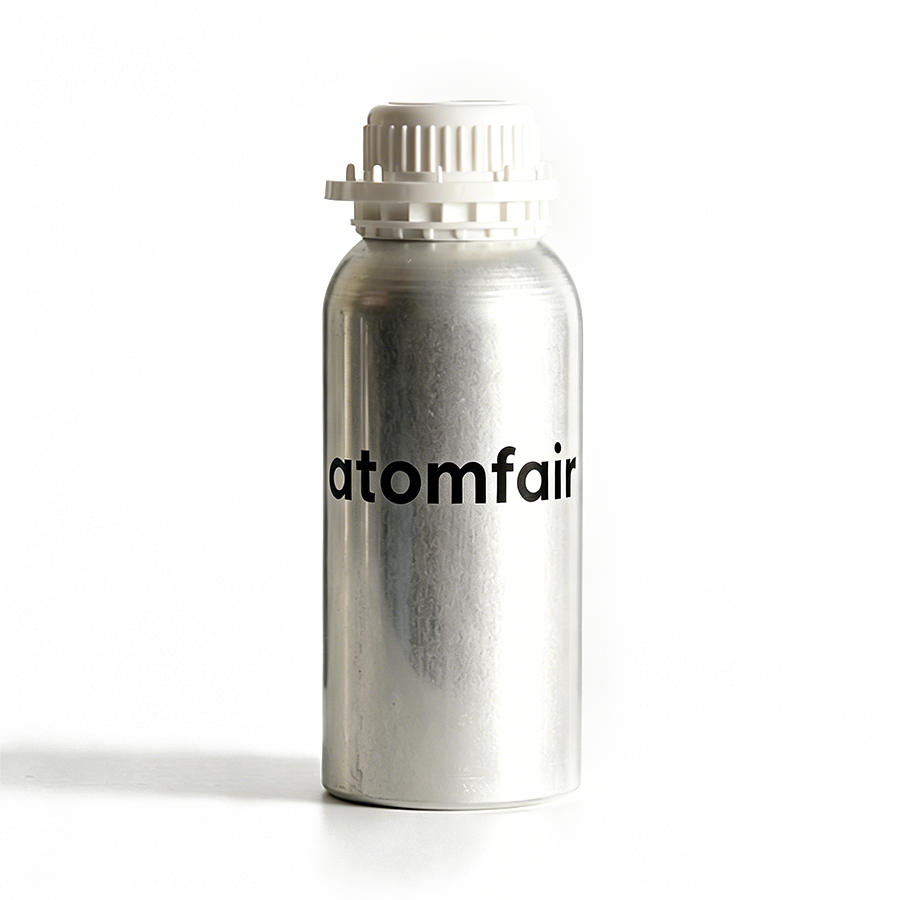
Electrolyte for Lithium Titanate Battery Li4Ti5O12 ATOMFAIR®
Price range: $262.00 through $306.00 -
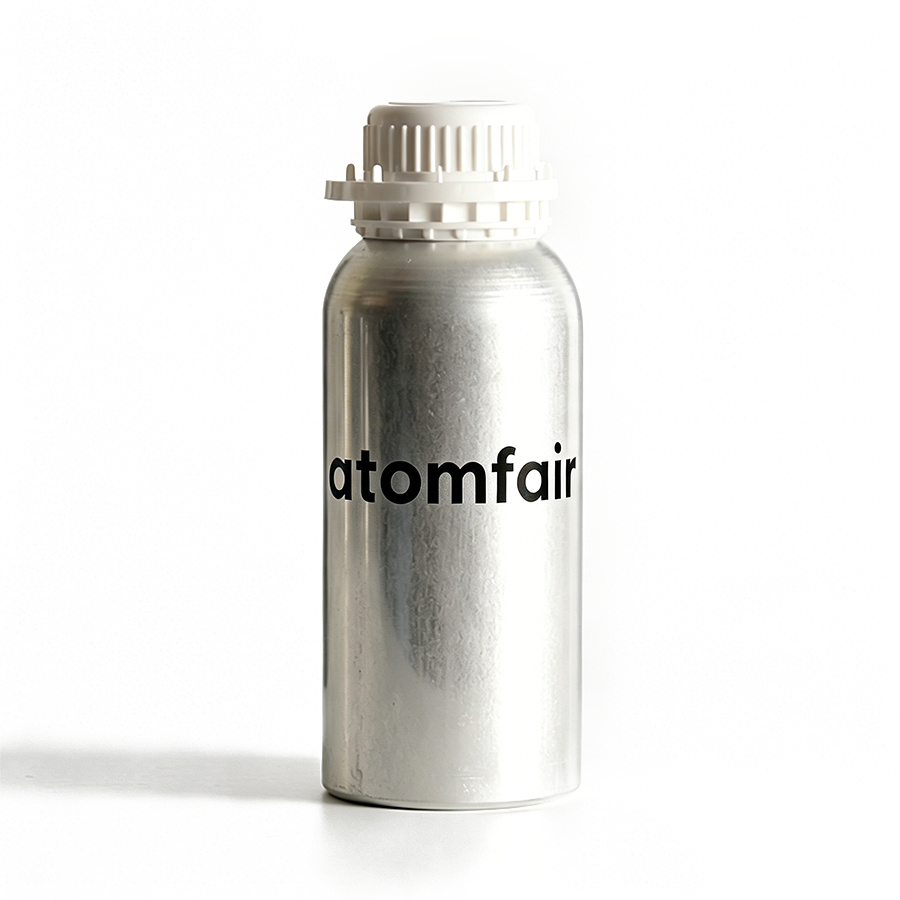
High Power Electrolyte for NMC Lithium Battery, ATOMFAIR®
Price range: $343.00 through $747.00 -
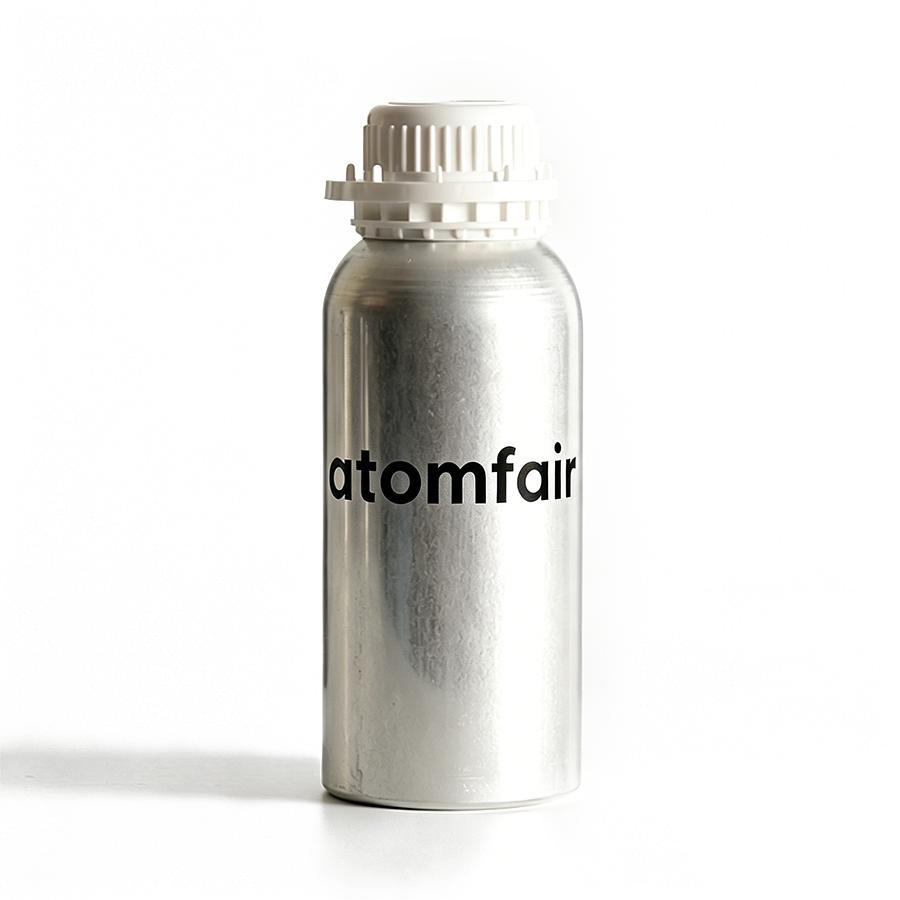
High Rate Electrolyte for Li/Na Ion Batteries 1kg ATOMFAIR®
$459.00 -
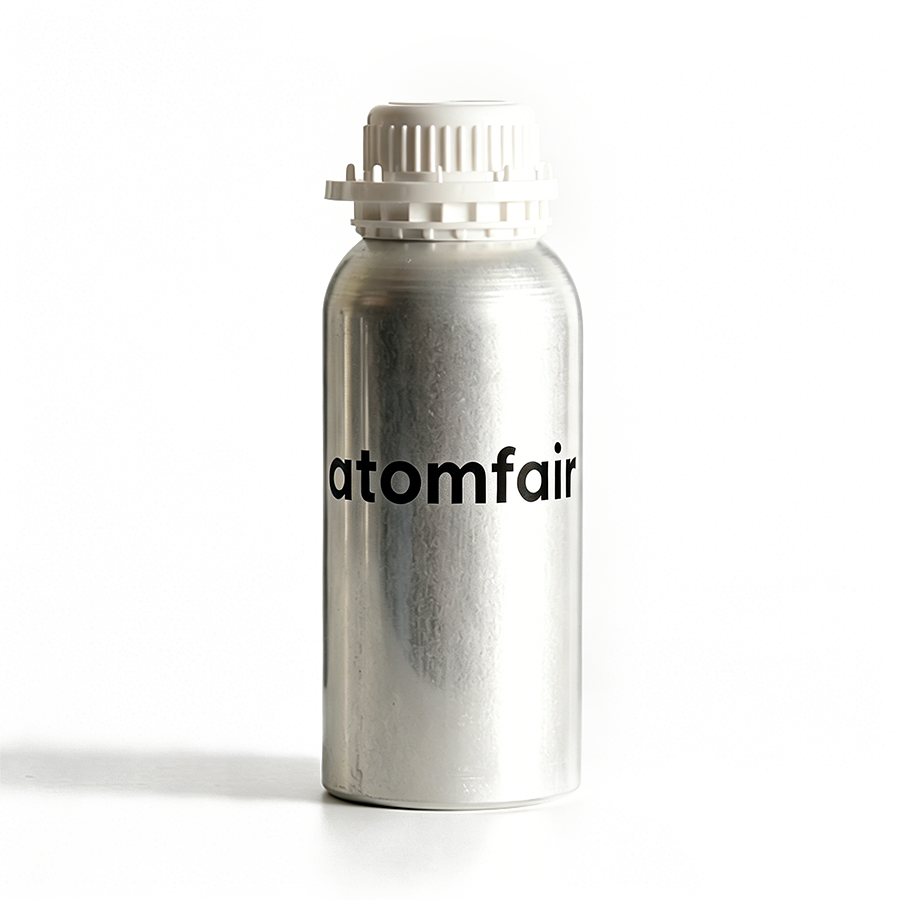
High Voltage Electrolyte 4.2-4.3V Research Grade ATOMFAIR®
Price range: $257.00 through $273.00 -
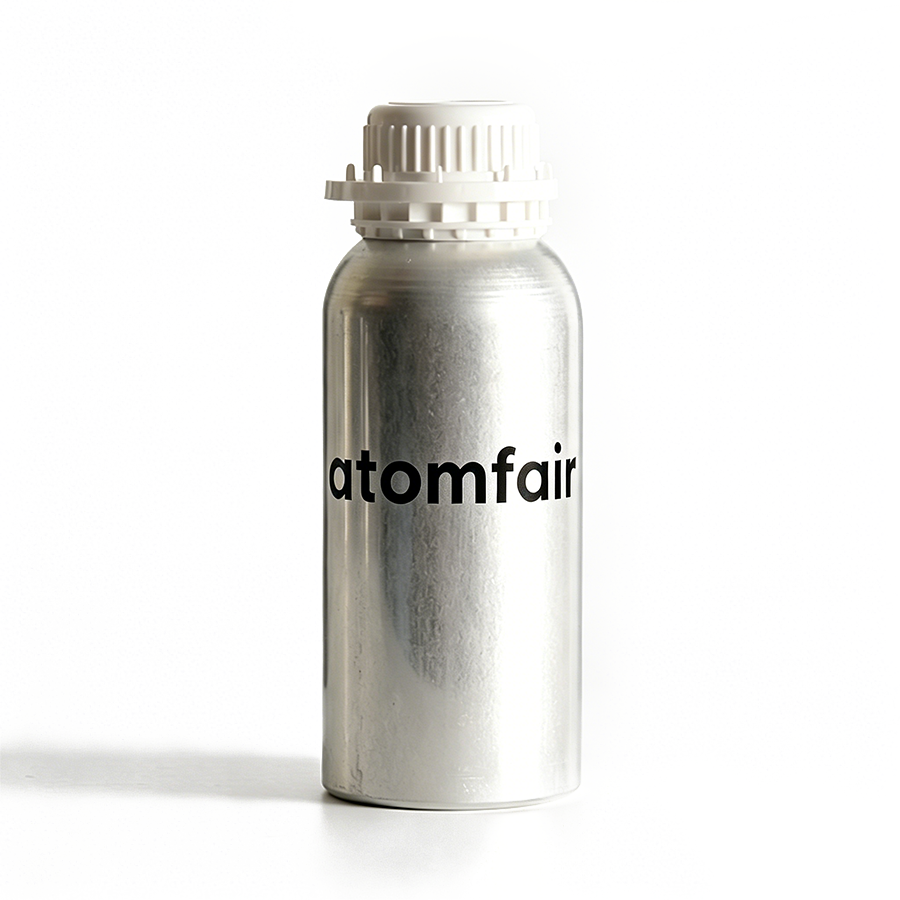
High Voltage Electrolyte Li/Na Battery 1kg ATOMFAIR®
$459.00 -
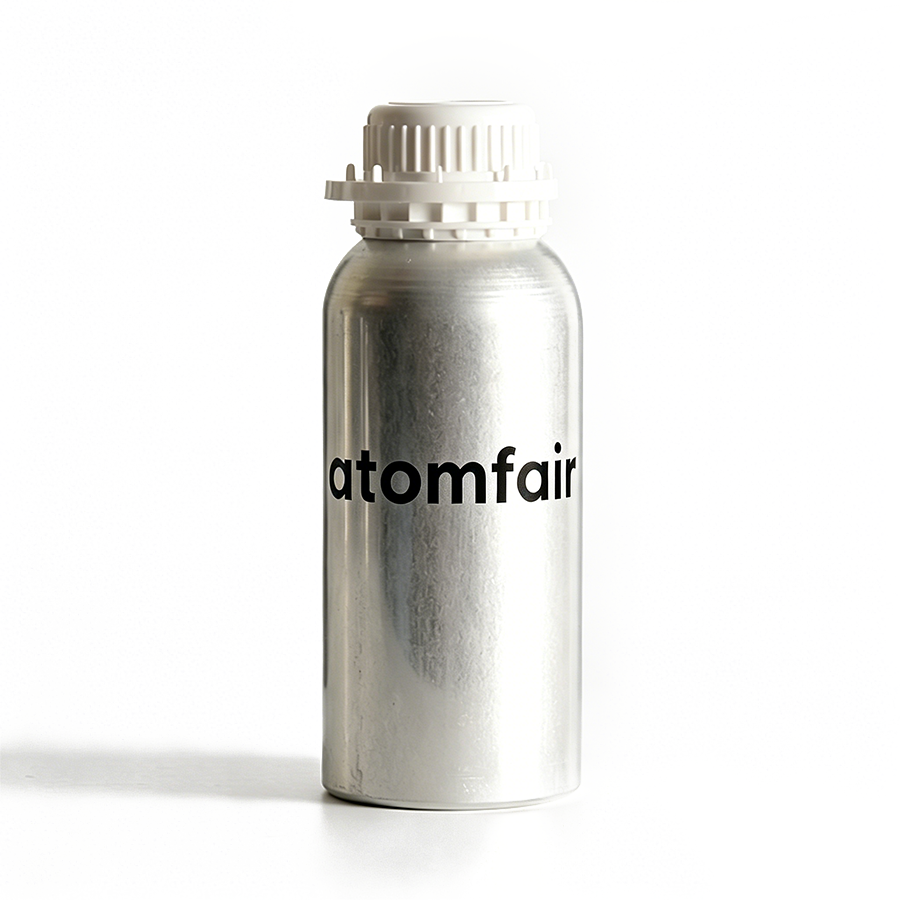
LFP Graphite Electrolyte Long Cycle Research Grade ATOMFAIR®
Price range: $279.95 through $449.00 -
Power Tool Battery Electrolyte 1kg Research Grade ATOMFAIR®
$459.00