
Lithium-Ion Anode Materials
Lithium-ion anode materials are used for coin cells, pouch cells, cylindrical cells, half-cell testing, full-cell development, rate capability evaluation, cycle-life testing, fast-charging research, and high-energy-density battery development. This category covers conventional carbon materials, silicon-based anodes, silicon-carbon composites, lithium titanate, and other advanced active materials for lithium-ion battery systems.
Anode materials should not be selected by nominal capacity alone. Buyers should also compare initial coulombic efficiency, particle-size distribution, tap density, specific surface area, compacted density, expansion behavior, moisture, impurities, electrical conductivity, test voltage window, test rate, and the electrode formulation used for evaluation. These parameters strongly affect slurry processing, electrode loading, first-cycle lithium loss, volumetric energy density, and cycle stability.
ATOMFAIR’s product range can continue to expand across multiple lithium-ion anode material families, allowing customers to select either anode powders for formulation and coating research or pre-coated anode sheets for faster coin-cell, pouch-cell, and full-cell testing.
Show More
Anode Material Product Matrix
| Material Family | Common Market Products | Suitable Research Objectives | Key Purchase Specifications | Main Limitations | Suitable Buyers |
|---|---|---|---|---|---|
| Natural Graphite | Spherical natural graphite, uncoated natural graphite, coated natural graphite | Conventional lithium-ion batteries, graphite baseline testing, and low-cost anode research | Purity, particle size, sphericity, initial efficiency, tap density, specific surface area, and coating type | Batch and surface-treatment differences may affect initial efficiency and cycle performance | Customers establishing a graphite baseline or comparing natural graphite systems |
| Artificial Graphite | Artificial graphite powder, isotropic graphite, graphitized anode powder | Conventional full cells, cycle-life studies, rate capability, and process-stability research | Reversible capacity, initial efficiency, ash, Fe/S impurities, D50, compacted density, and powder resistivity | High-compaction designs may reduce rate performance; graphite structures cannot be compared by capacity alone | Battery laboratories, full-cell developers, and process-validation teams |
| Spherical and Coated Graphite | Spherical graphite, carbon-coated graphite, surface-modified graphite | Higher compaction, improved interfacial stability, and cycle-life studies | Coating material, coating ratio, particle size, tap density, initial efficiency, and cycle data | Different coating processes can change rate capability, initial efficiency, and electrolyte compatibility | Customers researching high-compaction or long-cycle anodes |
| MCMB and Mesophase Carbon | Mesocarbon microbeads, MCMB, structured carbon materials | High-rate performance, low expansion, particle-structure, and electrode-forming studies | Sphericity, particle size, degree of graphitization, density, specific surface area, and rate data | Capacity, density, and processing behavior must be evaluated for the specific grade | Customers researching special carbon structures and electrode formation |
| Nanosilicon | Nanosilicon powder, nanosilicon particles, surface-modified nanosilicon | High-capacity anodes, silicon-content studies, and composite-material development | Particle size, oxygen content, surface treatment, specific surface area, active silicon content, and storage requirements | Large volume change and high surface area make binder, electrolyte, and dispersion optimization important | Researchers developing silicon anodes or preparing their own composites |
| Microsilicon | Microsilicon powder and micron-scale silicon particles | Balancing high capacity with lower surface area and controlled reactivity | Particle-size distribution, oxide layer, purity, specific surface area, and expansion-control method | Larger particles may reduce reaction kinetics and increase cycle degradation | Customers comparing nanosilicon and microsilicon systems |
| Silicon Oxide Materials | SiOx, silicon-oxide-carbon composites, silicon monoxide-based anodes | Balancing capacity, initial efficiency, expansion, and cycle life | x value or oxygen content, initial efficiency, reversible capacity, particle size, carbon coating, and expansion data | Oxygen content strongly affects capacity, initial efficiency, and possible prelithiation requirements | Next-generation silicon-based full-cell developers |
| Silicon-Carbon Composites | Silicon-carbon powder, core-shell silicon-carbon, porous silicon-carbon, carbon-coated silicon | High-energy-density research, silicon-anode cycling, and high-capacity screening | Silicon-to-carbon ratio, reversible capacity, initial efficiency, D50, tap density, BET, and expansion rate | Higher capacity may involve greater expansion, lower density, or more demanding formulation requirements | Customers optimizing the balance between capacity and cycle stability |
| Silicon-Graphite Composites | Si-C/graphite composites, silicon-graphite powders, multiple silicon-content grades | Balancing capacity, processability, and cycle stability | Silicon content, graphite type, blend ratio, initial efficiency, areal capacity, and compacted density | Composite ratios can vary significantly; product names and capacity values are not sufficient for comparison | Customers gradually introducing silicon into graphite-based anodes |
| Porous Silicon-Carbon | Porous silicon-carbon, pure porous silicon-carbon, pore-structured silicon-carbon | High capacity, volume-change buffering, and structure-controlled anode research | Porosity, BET, pore volume, tap density, D50, initial efficiency, and capacity test window | High surface area may increase electrolyte consumption and first-cycle irreversible capacity | Customers researching high-capacity structures and electrolyte compatibility |
| Graphene and Carbon-Network Composites | Graphene-silicon, CNT-silicon, and three-dimensional carbon-framework composites | Improved conductive networks, rate capability, and structural stability | Carbon-framework ratio, dispersion, silicon content, conductivity, and slurry viscosity | Excessive carbon content may reduce active-material capacity and compacted density | Researchers studying conductive networks and composite architectures |
| Lithium Titanate (LTO) | Nanoscale LTO, spherical LTO, high-density LTO, high-rate LTO, low-gassing LTO | High-rate operation, long cycle life, safety, low-temperature, and power-battery research | Crystal structure, particle size, 1C capacity, initial efficiency, pH, moisture, tap density, and gas behavior | Its operating potential and energy density differ from graphite and silicon-based systems | Customers researching high-rate, long-life, or safety-oriented cells |
| Titanium-Based Intercalation Anodes | TiO2 and other titanium-based lithium-ion insertion materials | Insertion mechanisms, rate performance, and structurally stable anode research | Crystal phase, particle size, specific surface area, reversible capacity, rate data, and cycle data | Capacity and voltage profile differ from graphite and require new cathode matching | Research teams screening alternative insertion-type anodes |
| Tin-Based Alloying Anodes | Tin, SnO2, and tin-carbon composites | High-capacity alloying anodes, structural research, and expansion studies | Tin content, particle size, carbon coating, initial efficiency, expansion, and conductivity | Significant volume change requires structural buffering and binder optimization | Researchers developing tin-based high-capacity anodes |
| Antimony and Other Alloying Anodes | Sb, Sb2O3, and antimony-carbon composites | Alloying reactions, rate capability, and high-capacity-material research | Active-element content, particle size, composite structure, initial efficiency, and capacity retention | Volume change and cycle degradation require detailed validation | Advanced-material research users and academic laboratories |
| Metal Oxide and Conversion-Type Anodes | Fe3O4, Fe2O3, Co3O4, MoO3, NiO, and related materials | Conversion mechanisms, nanostructures, and lithium-storage mechanism studies | Purity, crystal phase, particle size, specific surface area, initial efficiency, and cycling conditions | First-cycle irreversible capacity, voltage hysteresis, and cycle stability require careful evaluation | Universities, research institutes, and advanced-material developers |
| Sulfide, Phosphide, and Advanced Anodes | Metal sulfides, phosphides, and other advanced composite anodes | New reaction mechanisms, high-capacity research, and advanced-material screening | Chemical composition, crystal phase, particle size, surface coating, air stability, and test window | Some materials are more sensitive to moisture and air, and data comparability may be limited | Advanced research users conducting mechanism and materials screening |
Practical Selection Sequence for Buyers
- Identify whether the project requires a graphite baseline, a high-capacity silicon-based anode, a high-rate LTO system, or an advanced mechanism material.
- Confirm whether the product is supplied as an anode powder or as a pre-coated anode electrode sheet.
- For powders, request particle size, tap density, BET, initial efficiency, moisture, impurity limits, and recommended formulation information.
- For silicon-based materials, confirm silicon content, expansion-control strategy, initial efficiency, and whether graphite blending is recommended.
- For full-cell projects, verify areal capacity, coating loading, compacted density, and the intended negative-to-positive capacity ratio.
- For LTO products, compare rate capacity, particle size, density, pH, moisture, and gas-generation behavior.
- If a product page only provides capacity without test voltage, rate, electrode formulation, and loading information, request the complete test conditions before ordering.
Product Form and Research Application Matrix
| Product Form | Best-Suited Research Use | What Buyers Should Confirm |
|---|---|---|
| Anode Powder | Slurry formulation, material comparison, half cells, full cells, and electrode-process research | Particle size, density, surface area, moisture, purity, recommended binder system, and test conditions |
| Silicon-Carbon Powder | High-capacity anodes, silicon-content optimization, and expansion-control studies | Silicon content, capacity, initial efficiency, BET, density, expansion, and formulation requirements |
| Silicon-Graphite Composite Powder | Balancing capacity, processability, and cycle stability | Composite ratio, graphite grade, active-material capacity, initial efficiency, and compacted density |
| LTO Powder | High-rate, long-cycle, and safety-oriented research | Rate capacity, particle size, pH, moisture, density, and gas-generation information |
| Pre-Coated Anode Sheet | Coin cells, pouch cells, rapid screening, and electrolyte evaluation | Coating side, current collector, areal loading, sheet size, coating area, and storage conditions |
| Custom Anode Sheet | Specified loading, dimensions, formulation, current collector, or roll-format projects | Target loading, active-material ratio, sheet format, collector structure, packaging, and minimum order requirements |
Category Boundaries
This category is intended for active anode materials used primarily in lithium-ion battery systems. Hard carbon primarily developed for sodium-ion batteries belongs in the Sodium-Ion Anode Materials category. Lithium metal, sodium metal, and potassium metal belong in the Lithium, Sodium & Potassium Metal Anodes category. Prelithiation agents and lithium-compensation materials belong in the Battery Precursors & Prelithiation Materials category.
Products sold primarily as coated electrode sheets may also be placed in a dedicated lithium-ion anode electrode sheet category, while this category remains focused on lithium-ion anode material families and powder-based material selection.
Frequently Asked Questions
How should I compare silicon-carbon products labeled 2000, 2200, or 2380 mAh/g?
First confirm whether the value is a nominal capacity, reversible capacity, or tested capacity range. Then compare the test voltage window, current rate, electrode formulation, active-material ratio, and loading. For full-cell design, reversible capacity and initial coulombic efficiency are generally more useful than the highest capacity number shown in the product name.
Why can the capacity measured in my cell differ substantially from the product-page value?
The most common reasons are different test conditions, including half-cell versus full-cell configuration, lithium-metal or cathode selection, cutoff voltage, active-material ratio, areal loading, and first-cycle current rate. Silicon-based materials are also strongly affected by dispersion quality, binder chemistry, conductive-additive content, and the formation protocol.
I already have a graphite-anode slurry. Can I add a high-capacity silicon-carbon powder directly?
Direct substitution is not recommended. Re-evaluate the silicon-carbon particle size, surface area, liquid demand, binder requirement, conductive-additive ratio, slurry viscosity, coating loading, and compacted density. A high-surface-area silicon-carbon material can change solids content and rheology significantly.
Why can two silicon-carbon products with similar capacity have different initial efficiency and cycle-life results?
Similar capacity does not mean identical material architecture. Silicon content, carbon-coating method, pore structure, particle size, surface oxide layer, BET surface area, and tap density all influence first-cycle SEI formation and long-term stability.
What do D50, BET, and tap density tell me when selecting an anode powder?
D50 mainly affects dispersion, coating uniformity, and electrode pore structure. BET surface area influences electrolyte consumption, interfacial reactions, and first-cycle irreversible capacity. Tap density affects how much active material can be placed into a given electrode volume. These parameters should be reviewed together.
Why is my half-cell performance strong, but the energy-density improvement in my full cell is limited?
Half cells commonly use excess lithium and do not fully represent the lithium balance of a practical full cell. A silicon-based anode with lower initial coulombic efficiency can consume a significant portion of the lithium available from the cathode. Lower density and electrode expansion can also offset the gravimetric capacity advantage.
How should I choose between high-rate, high-density, and low-gassing LTO?
High-rate LTO is intended for rapid charge and discharge or power testing. High-density LTO is more suitable when volumetric energy density matters. Low-gassing LTO is particularly relevant to pouch-cell and long-duration cycling projects. Confirm rate capacity, areal loading, compacted density, moisture, and gas-generation data for the selected grade.
Why should I check pH and moisture when purchasing LTO?
The surface condition of LTO can affect slurry stability, binder compatibility, and electrolyte side reactions. Excess moisture may increase processing and formation risk, while pH differences can influence water-based or other binder systems. Confirm the moisture specification, pH range, test method, and batch documentation before ordering.
Can a silicon-carbon powder with mild agglomeration still be used?
Distinguish reversible soft agglomeration from irreversible hard agglomeration. Soft agglomeration may improve with an appropriate solvent, dispersant, shear rate, or sonication process. Hard agglomeration can create non-uniform slurry, coating defects, and localized current-density variation.
How much anode powder should I order for my battery project?
Calculate the required quantity from target areal capacity, coating area, active-material ratio, binder and conductive-additive content, process loss, and the number of repeat tests. Silicon-based and nanoscale materials usually require additional material for formulation screening and dispersion optimization.
What should I confirm if my laboratory uses only water-based slurry or only an NMP-based system?
Confirm compatibility with the binder system, slurry pH, dispersion stability, recommended solids content, drying temperature, and current-collector treatment. A material should not be assumed to work equally well with CMC/SBR water-based systems and PVDF/NMP systems without formulation verification.
Can I compare anode materials when the supplier does not provide the test voltage window or current rate?
Direct comparison is not recommended. Without the test voltage window, current rate, electrode formulation, and loading, capacity and initial efficiency have limited comparability. Request complete test conditions, representative charge-discharge curves, or a certificate of analysis before selecting a material for controlled experiments.
Do high-capacity silicon-based anodes always require prelithiation?
Not always. Prelithiation may become necessary when first-cycle lithium loss exceeds the lithium that the cathode can supply while maintaining the target capacity and cycle life. The decision depends on anode initial efficiency, cathode capacity, negative-to-positive capacity ratio, areal capacity, and required cycle performance.
Should I buy anode powder or a pre-coated anode sheet?
Choose anode powder if you need to study slurry preparation, coating, drying, calendering, or the complete electrode process. Choose a pre-coated anode sheet if you want to begin coin-cell, half-cell, pouch-cell, or electrolyte testing more quickly. Before ordering a sheet, confirm areal loading, coating side, current collector, dimensions, coating area, and storage conditions.
Showing all 12 results
-
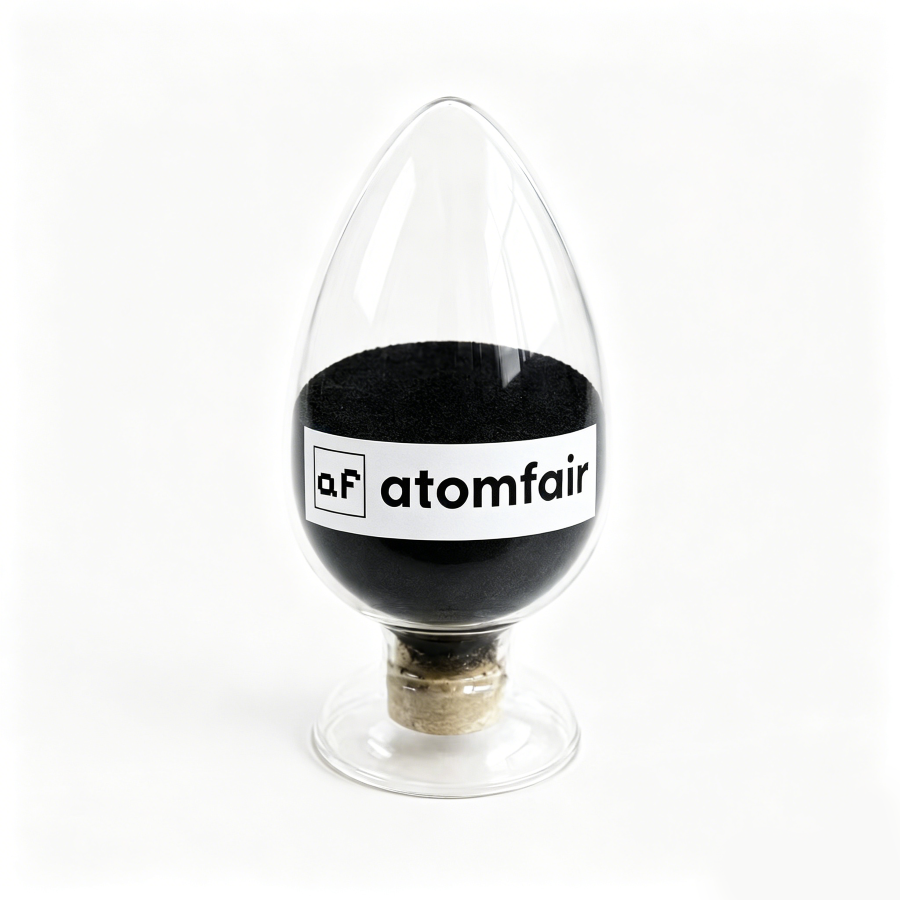
2800 mAh/g Pure Porous Silicon-Carbon Anode Powder
Price range: $360.00 through $800.00 -
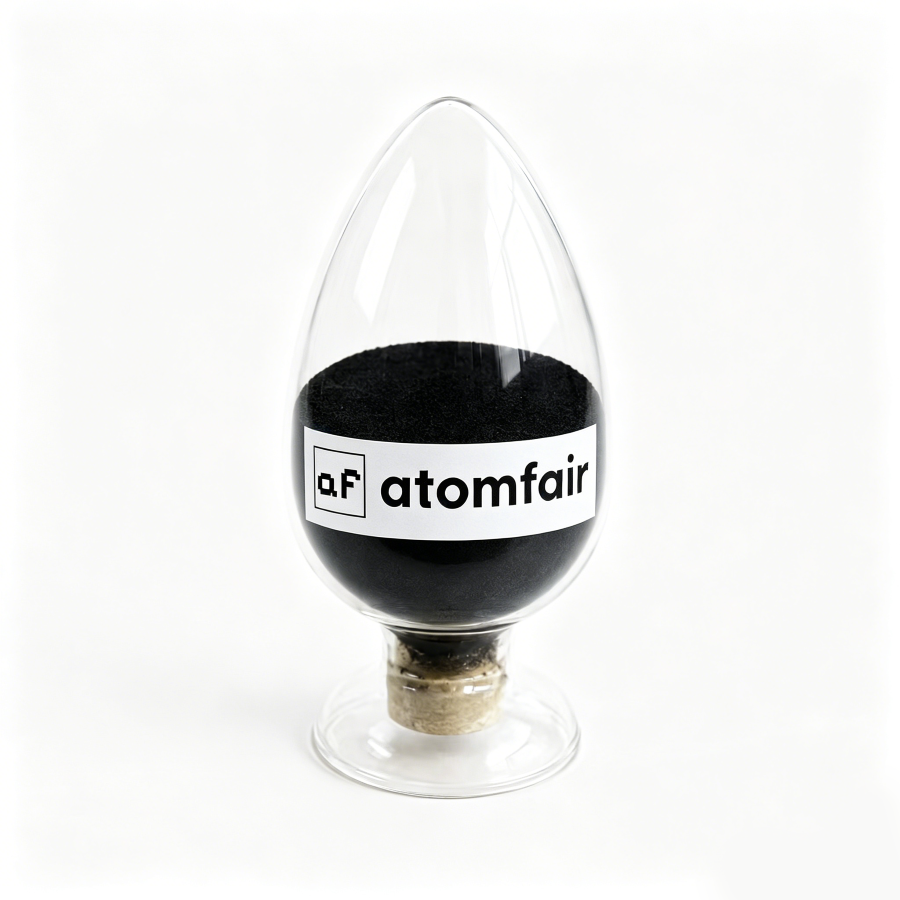
Graphite Anode Powder 356 mAh/g Research Grade
$193.00 -
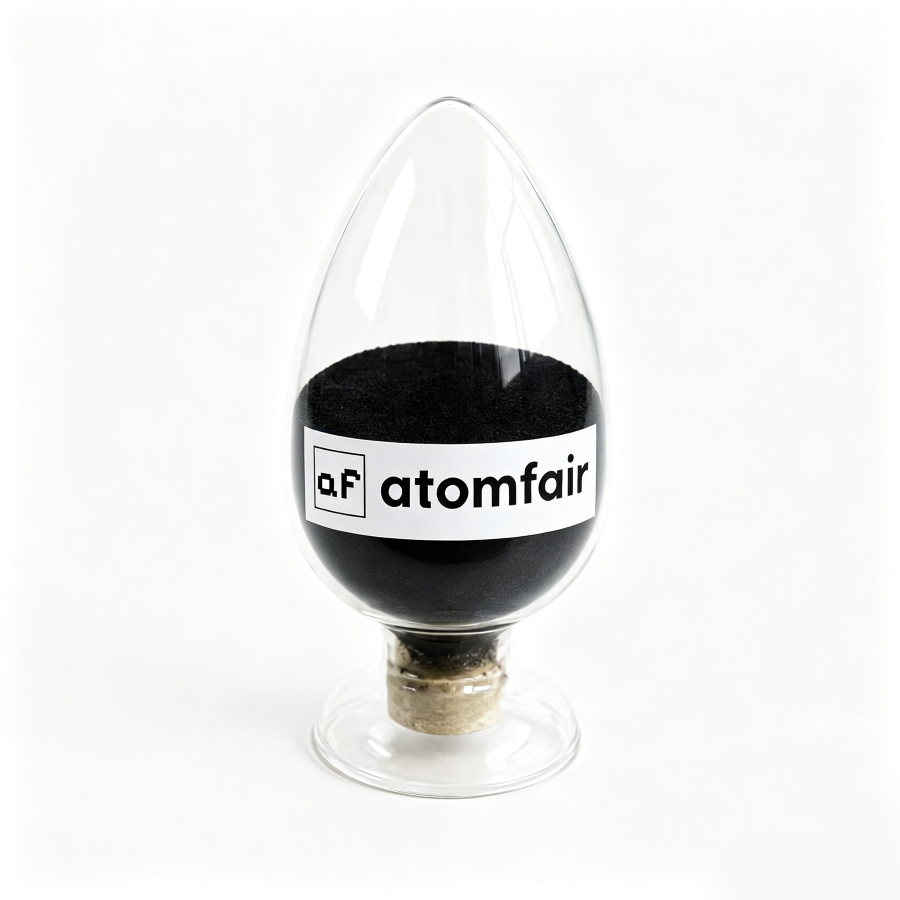
LTO-1 Anode Powder High-Density Low-Gassing
Price range: $300.00 through $520.00 -
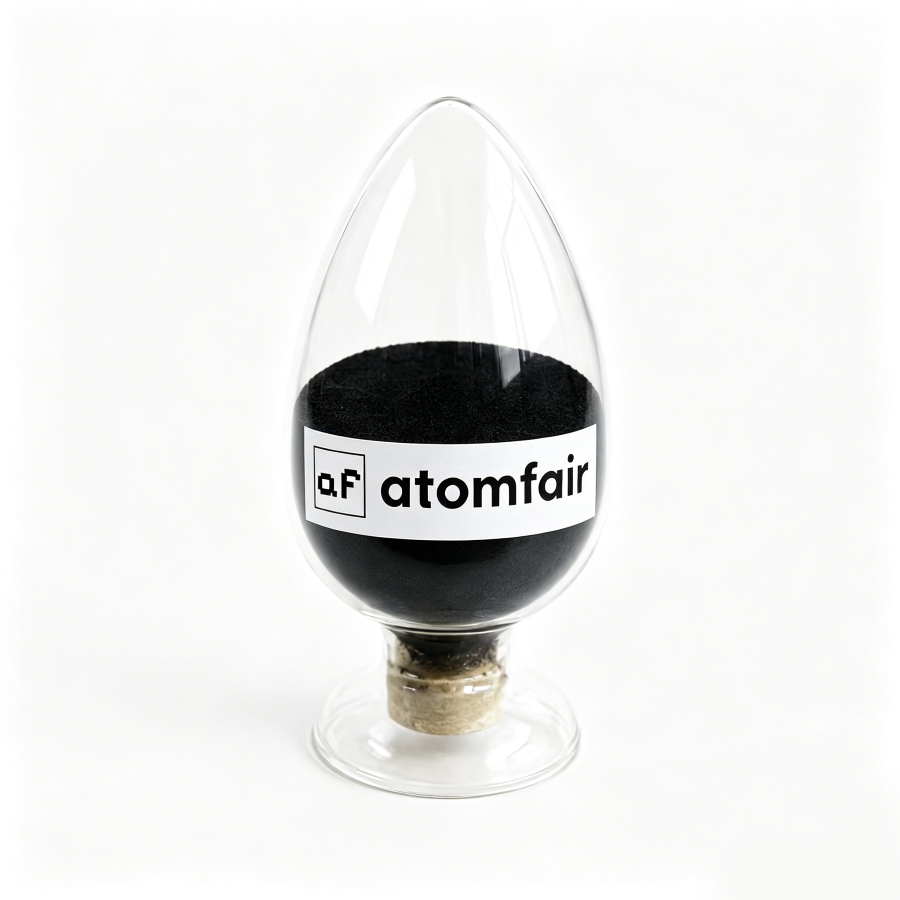
LTO-2 Anode Powder, High-Rate Spherical,
Price range: $300.00 through $520.00 -
Nano Silicon-Carbon Anode Powder 1800 mAh/g
Price range: $300.00 through $800.00 -
Nano Silicon-Carbon Anode Powder 1800 mAh/g
Price range: $300.00 through $800.00 -
Nano-Structured LTO Anode Powder 168 mAh/g
Price range: $300.00 through $520.00 -
Silicon Carbon Anode Powder 2000 mAh/g Research Grade
Price range: $300.00 through $800.00 -
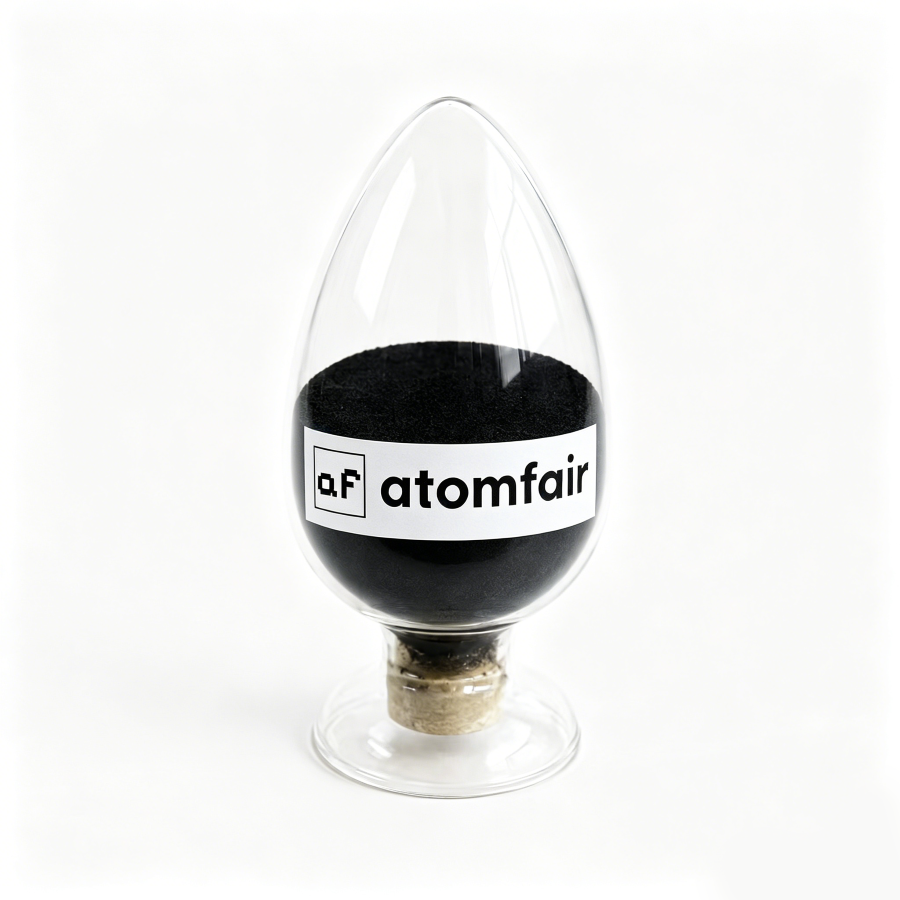
Silicon Carbon Anode Powder 2300 mAh/g Research Grade
Price range: $300.00 through $800.00 -
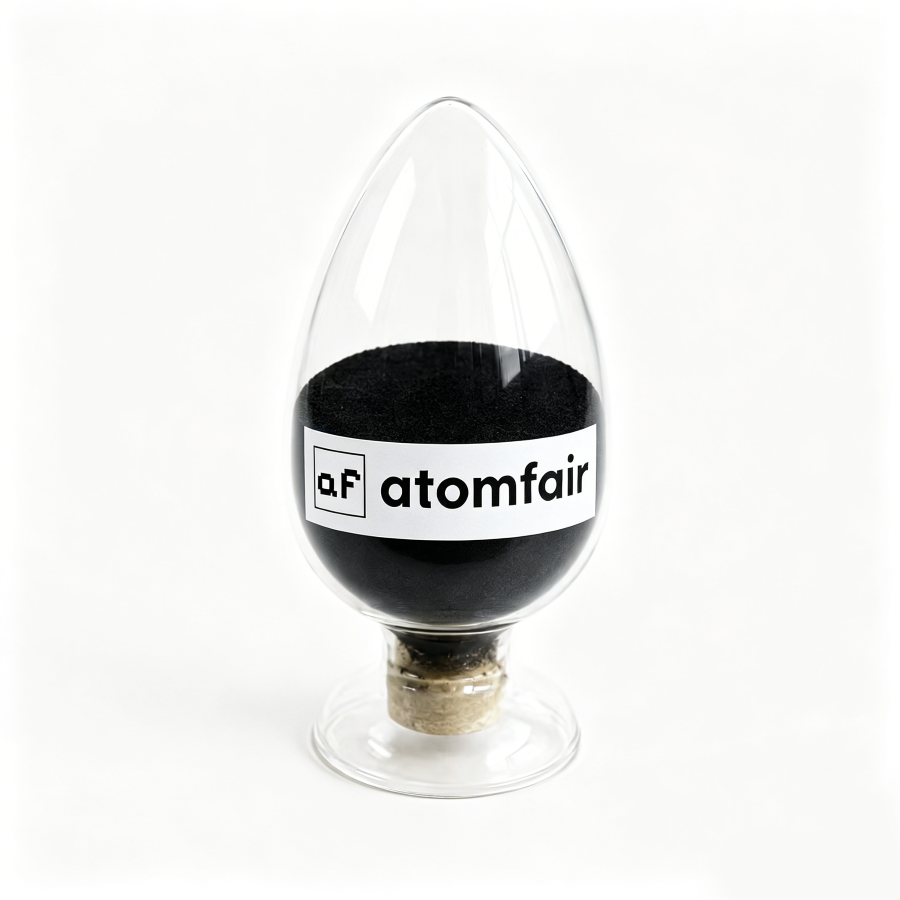
Silicon Carbon Anode Powder 2380 mAh/g Res Grade
Price range: $300.00 through $800.00 -
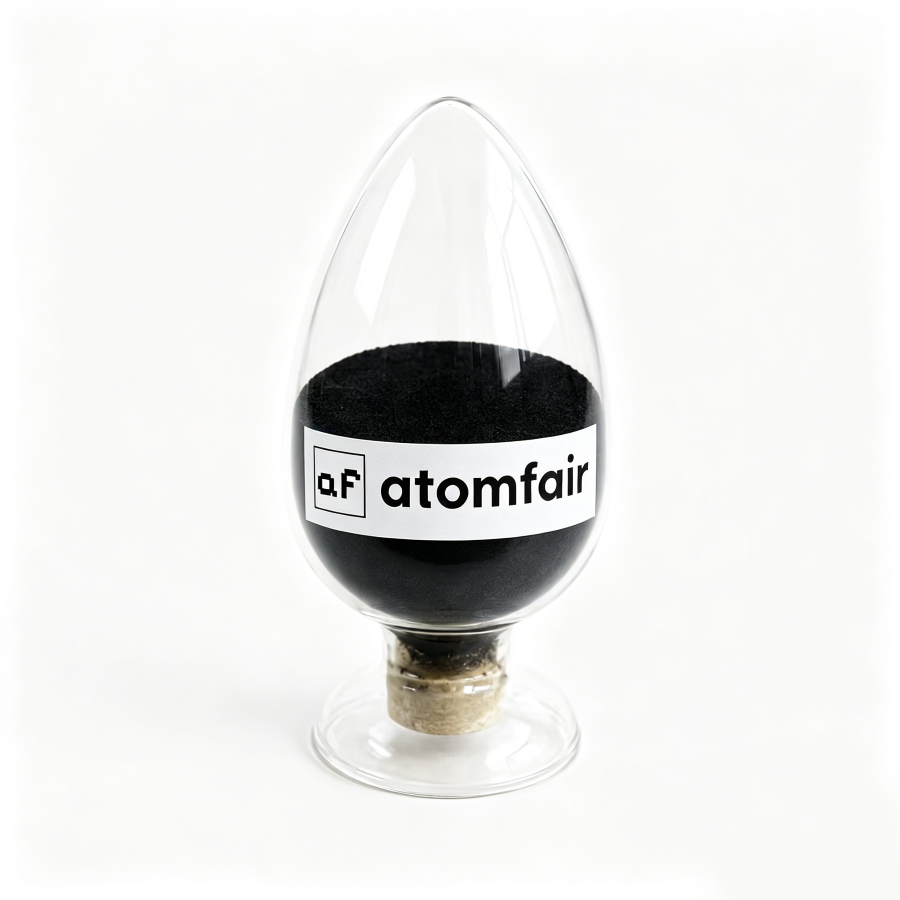
Silicon Graphite Composite Anode 1350 mAh/g
$300.00 -
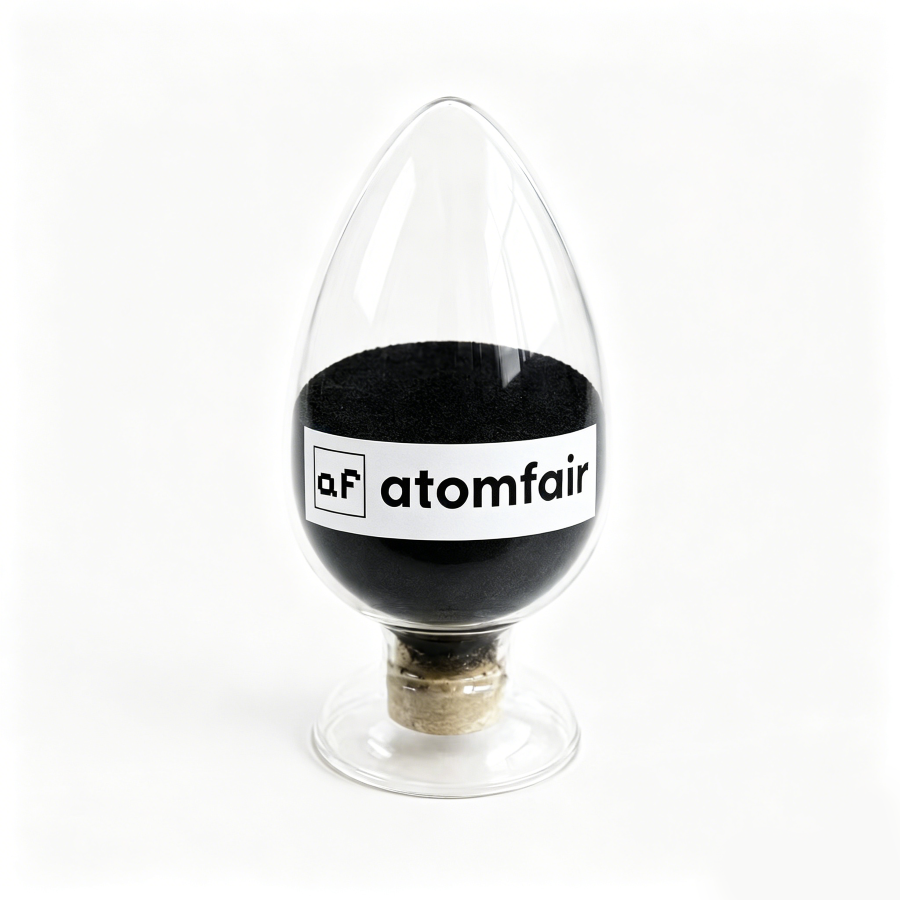
Silicon-Carbon Anode Powder 2200 mAh/g Research
Price range: $300.00 through $800.00