
Fullerenes
Fullerenes are closed-cage carbon molecules with distinctive molecular structures, electronic properties, optical responses, and chemical tunability. As an important class of carbon nanomaterials, fullerenes are used in nanomaterials research, organic electronics, optoelectronics, energy materials, molecular devices, catalysis, sensing, and advanced chemical synthesis.
This category brings together fullerene materials with different molecular compositions, purity grades, physical formats, and application paths. Common product families include C60, C70, higher fullerenes, functionalized fullerenes, fullerene derivatives, fullerene solutions, and dispersion systems.
Select a fullerene by considering the molecular type, purity, material form, solubility, processing method, package size, and documentation required for your project.
Show More: Fullerene Selection Guide
1. Choose by Molecular Type
| Material Type | Main Characteristics | Common Application Areas |
|---|---|---|
| C60 Fullerenes | The most widely studied fullerene molecule with a well-defined cage structure. | Organic electronics, optoelectronics, electron-transfer studies, and nanocarbon research. |
| C70 Fullerenes | A higher fullerene with molecular and optical characteristics different from C60. | Photophysics, optoelectronics, molecular electronics, and composite materials. |
| Higher Fullerenes | Includes defined cage structures such as C76, C78, C82, and C84. | Molecular structure studies, spectroscopy, advanced carbon materials, and fundamental research. |
| Functionalized Fullerenes | Fullerene cages modified with selected chemical groups. | Improved solubility, chemical reactivity, interface bonding, and material compatibility. |
| Fullerene Derivatives | Chemically tailored molecules designed for specific material functions. | Organic photovoltaics, charge transport, biomaterials, and molecular devices. |
| Solutions and Dispersions | Pre-formulated fullerene materials for solution-based processing. | Coating, printing, spraying, thin-film fabrication, and formulation development. |
2. Select the Purity and Quality Grade
Purity can influence the optical, electronic, chemical, and processing behavior of a fullerene material. Select the quality level according to the sensitivity of the application and the documentation required.
| Quality Level | Typical Fit | What to Review |
|---|---|---|
| General Research Grade | Initial experiments, material screening, and formulation development. | Stated purity, material identity, and intended research use. |
| High-Purity Research Grade | Reproducibility-sensitive studies and controlled comparisons. | Purity basis, analytical method, batch consistency, and available documentation. |
| Specially Purified Grade | Optoelectronics, advanced spectroscopy, and impurity-sensitive research. | Purification route, residual impurities, and supporting analytical data. |
3. Choose the Material Form
| Material Form | Suitable Uses |
|---|---|
| Powder or Solid | Weighing, solution preparation, composite fabrication, and chemical research. |
| Small-Pack Sample | Early-stage screening, spectroscopy, small-scale synthesis, and feasibility testing. |
| Gram-Scale Package | Repeated experiments, formulation optimization, and thin-film development. |
| Solution or Dispersion | Coating, printing, spraying, and other solution-based processes. |
4. Application Areas
Fullerenes can support a wide range of research and development activities, including:
- Organic solar cells and optoelectronic materials
- Organic semiconductors, charge transport, and molecular electronics
- Photophysics, photochemistry, and electron-transfer studies
- Nanocomposites and functional carbon materials
- Battery, capacitor, and other energy-material research
- Catalysis, sensing, and surface-functional materials
- Biomedical materials and molecular delivery research
- Fullerene derivative synthesis and advanced organic chemistry
- Thin films, coatings, printed electronics, and solution processing
5. Key Parameters to Confirm
Before selecting a fullerene, compare the following product and application requirements:
- Fullerene molecular type and composition
- Purity grade and analytical basis
- Powder, solution, or dispersion format
- Package size and total material requirement
- Solvent, concentration, and dispersion requirements
- Light, moisture, oxygen, and contamination controls
- Batch data, certificate, or other quality documentation
- Special purification, functionalization, or packaging requirements
FAQ
What is the difference between fullerene and carbon black or graphite?
Fullerene is made of discrete closed-cage carbon molecules with a defined molecular structure. Carbon black and graphite are generally larger-scale carbon material systems with different structures and properties.
How should I choose between C60 and C70?
C60 is a common starting point for fullerene research, while C70 may be preferred when a different molecular structure, optical response, or electronic behavior is required. Choose according to the objectives of your experiment.
Can fullerenes dissolve in every organic solvent?
No. Solubility varies between fullerene molecules, derivatives, solvents, and concentrations. Confirm the target solvent and processing method before ordering, especially for coating or thin-film applications.
What package size is suitable for initial testing?
A small package is usually suitable for material screening, feasibility testing, spectroscopy, or small-scale synthesis. Larger packages are more practical for repeated solution preparation, formulation work, or thin-film development.
Is a higher-purity fullerene always the best choice?
Not necessarily. Higher-purity material is useful for impurity-sensitive and reproducibility-focused work, while general research grade may be sufficient for early screening or routine formulation development. Match the grade to the requirements of the experiment.
Are fullerenes suitable for solar-cell research?
Yes. Fullerenes and fullerene derivatives are widely studied in organic photovoltaics and charge-transport systems. The most suitable choice depends on the device architecture, solvent system, film-processing method, and energy-level requirements.
What is the difference between functionalized and unmodified fullerenes?
Unmodified fullerenes retain the original cage structure and are suitable for fundamental and general materials research. Functionalized fullerenes include selected chemical groups that can improve solubility, reactivity, interface bonding, or electronic performance.
How should fullerene materials be stored?
Follow the storage instructions for the specific product. Depending on the material and application, protection from light, moisture, oxygen, and contamination may be appropriate. Some sensitive workflows may require sealed or inert-atmosphere storage.
Showing 1–16 of 17 results
-
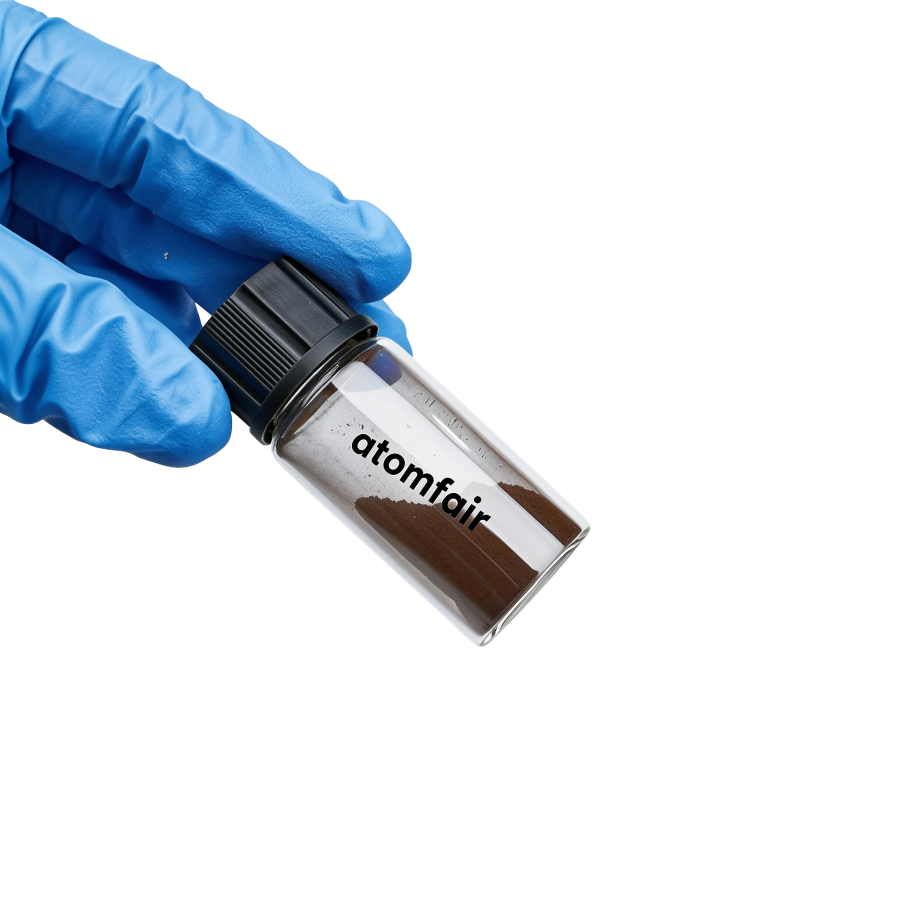
Fullerene C60 Nanocarbon >99.5 wt% Arc Method 1 g ATOMFAIR®
$112.00 -
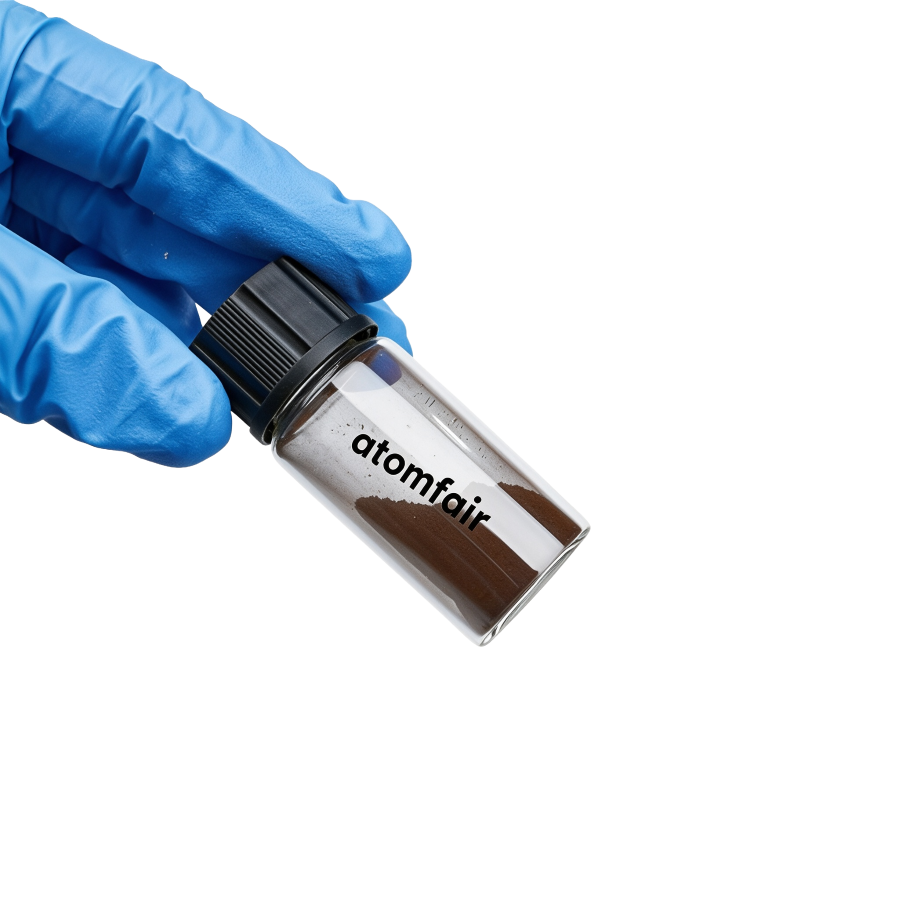
Fullerene C60 Nanocarbon >99.5 wt% Arc 5 g, ATOMFAIR®
$394.00 -
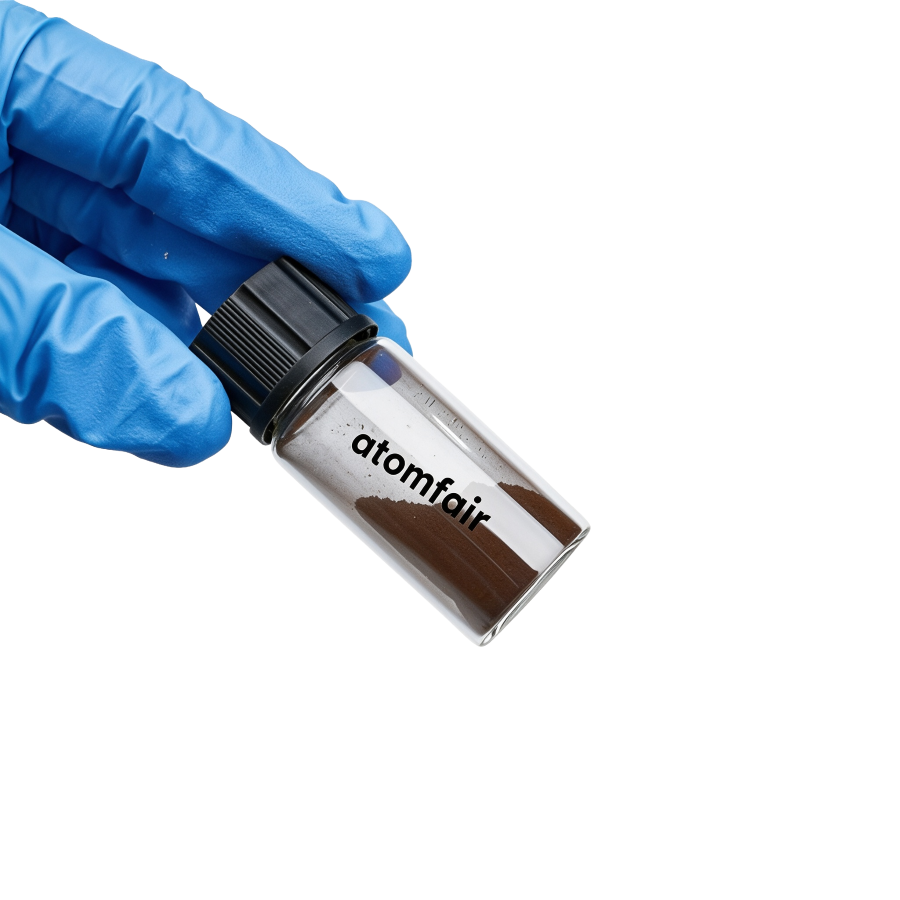
Fullerene C60 >99.5 wt% Arc Method 10 g Lab Grade ATOMFAIR®
$744.00 -
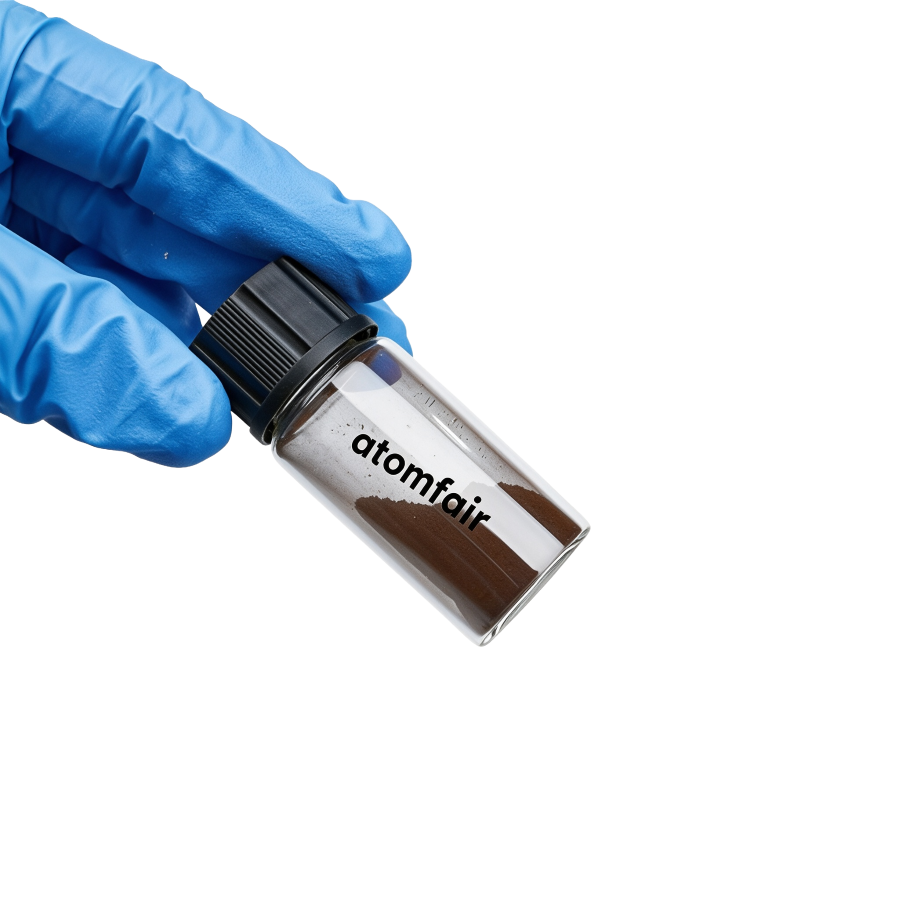
Fullerene C60 >99.9 wt% Arc Method 1 g Nanocarbon ATOMFAIR®
$162.00 -
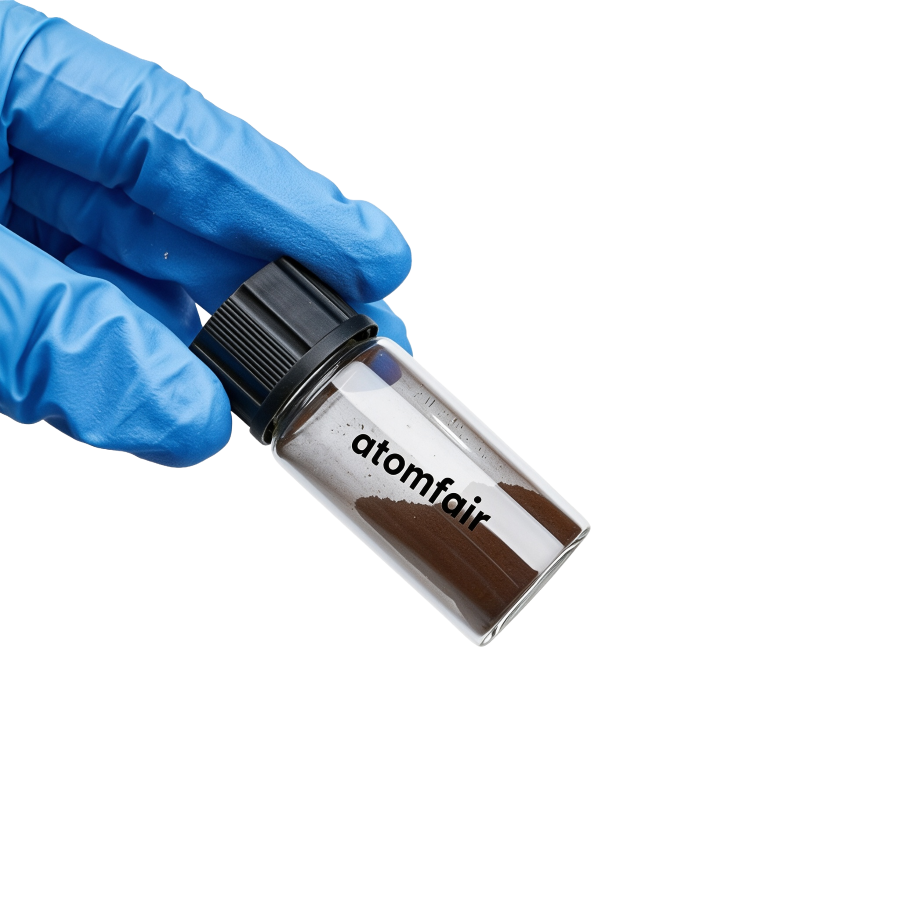
Fullerene C60 Nanocarbon 99.95 wt% Arc 1 g ATOMFAIR®
$253.00 -
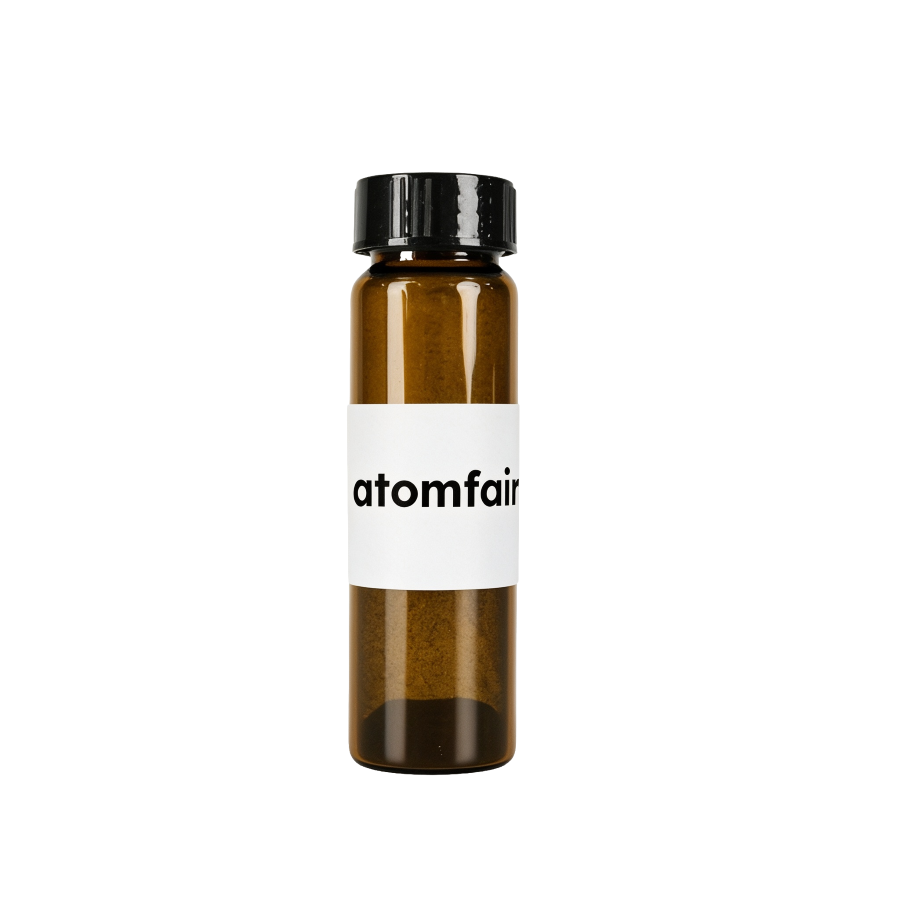
Fullerene C70 >95.0 wt% 1 g Research Grade ATOMFAIR®
$652.00 -
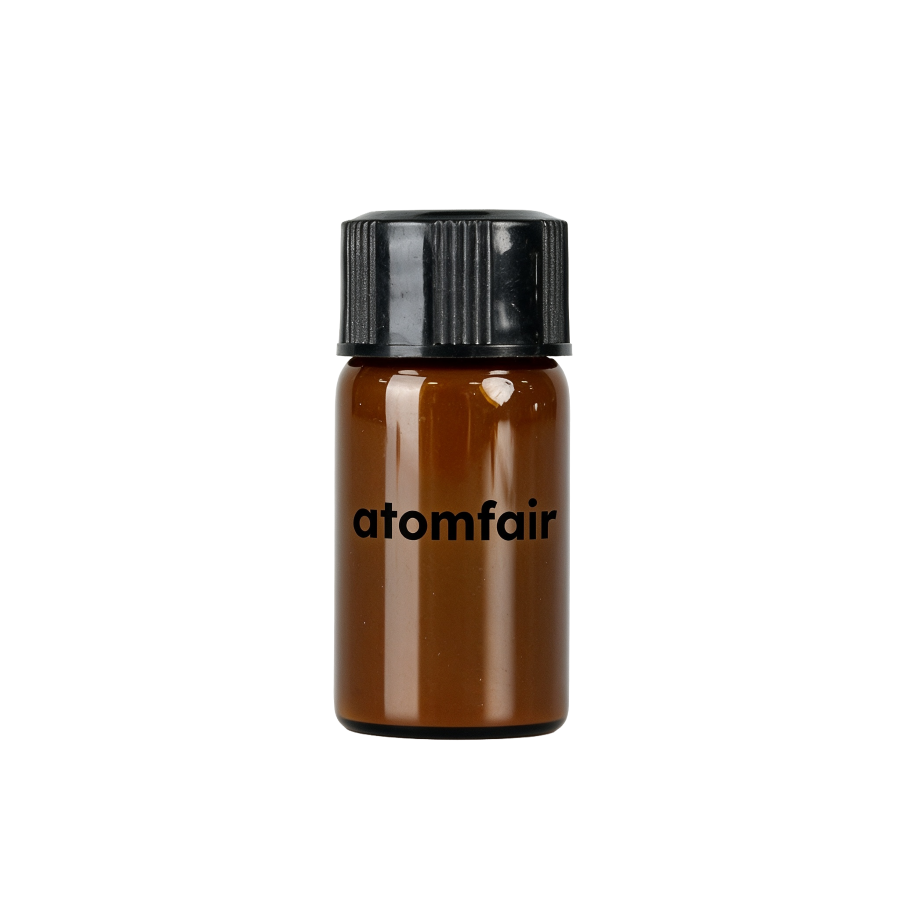
Fullerene C60 >99.9 wt% 1 g Research Grade ATOMFAIR®
$282.00 -
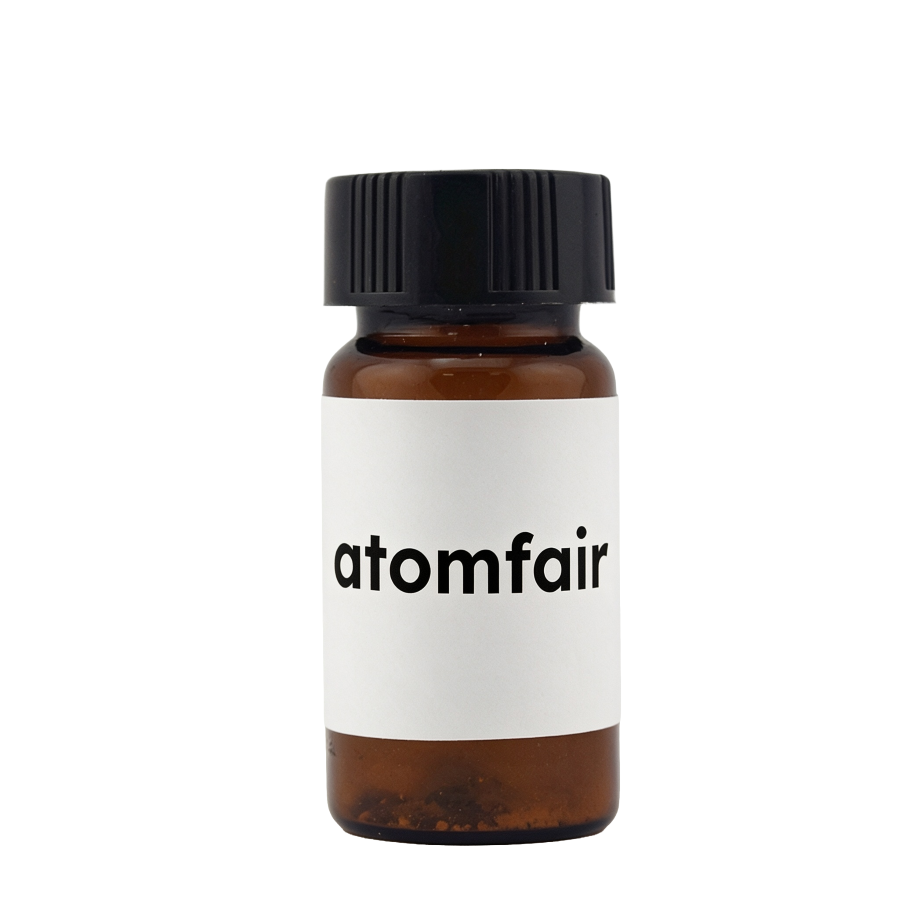
Fullerene C70 >98.0 wt% 1 g Research Grade ATOMFAIR®
$845.00 -
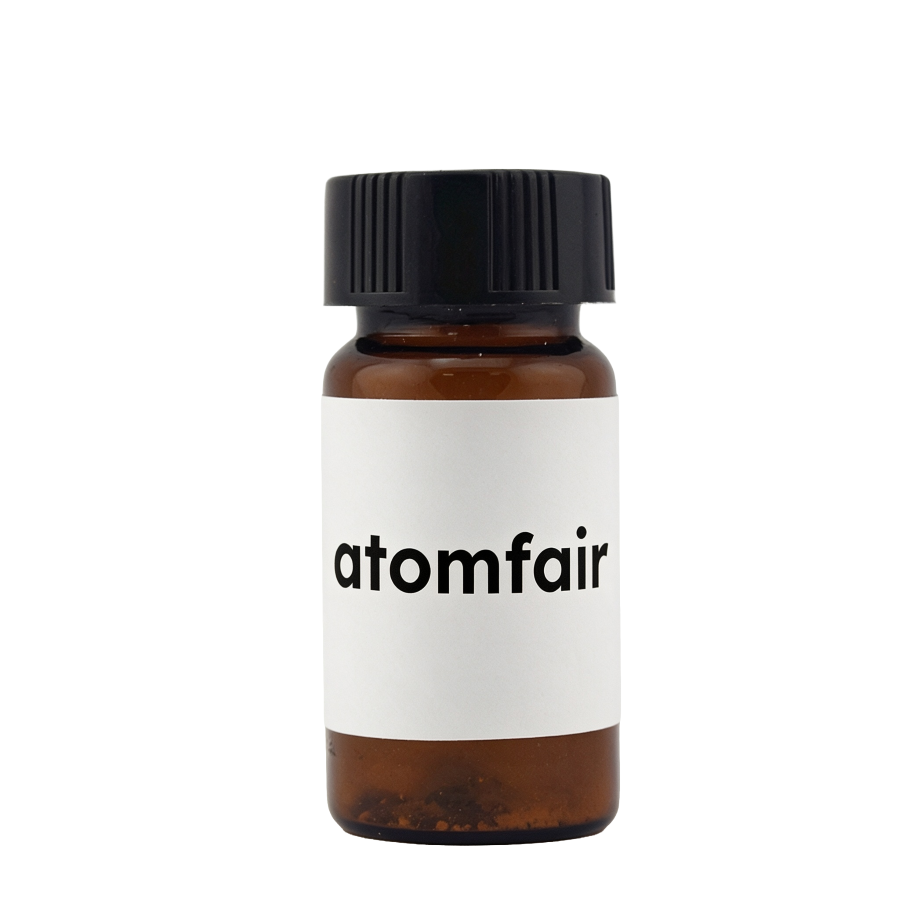
Fullerene C70 >99.0 wt% 1 g Research Grade ATOMFAIR®
$1,066.00 -
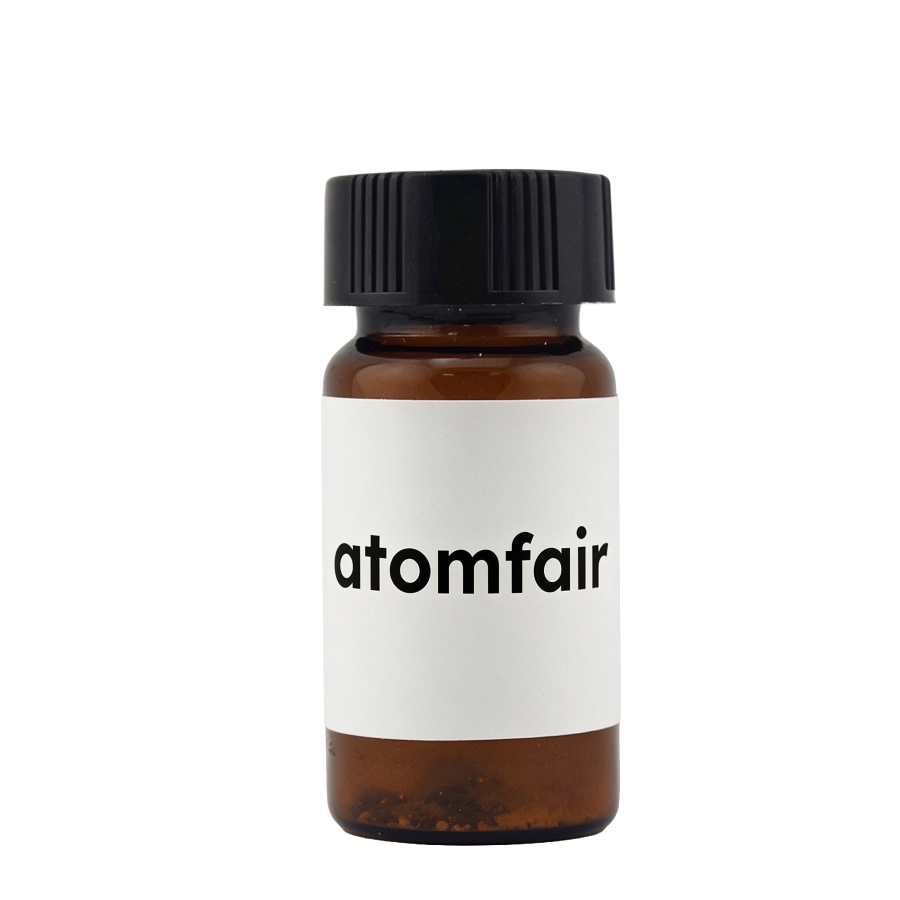
Fullerene C70 >99.5 wt% 500 mg Research Grade ATOMFAIR®
$738.00 -
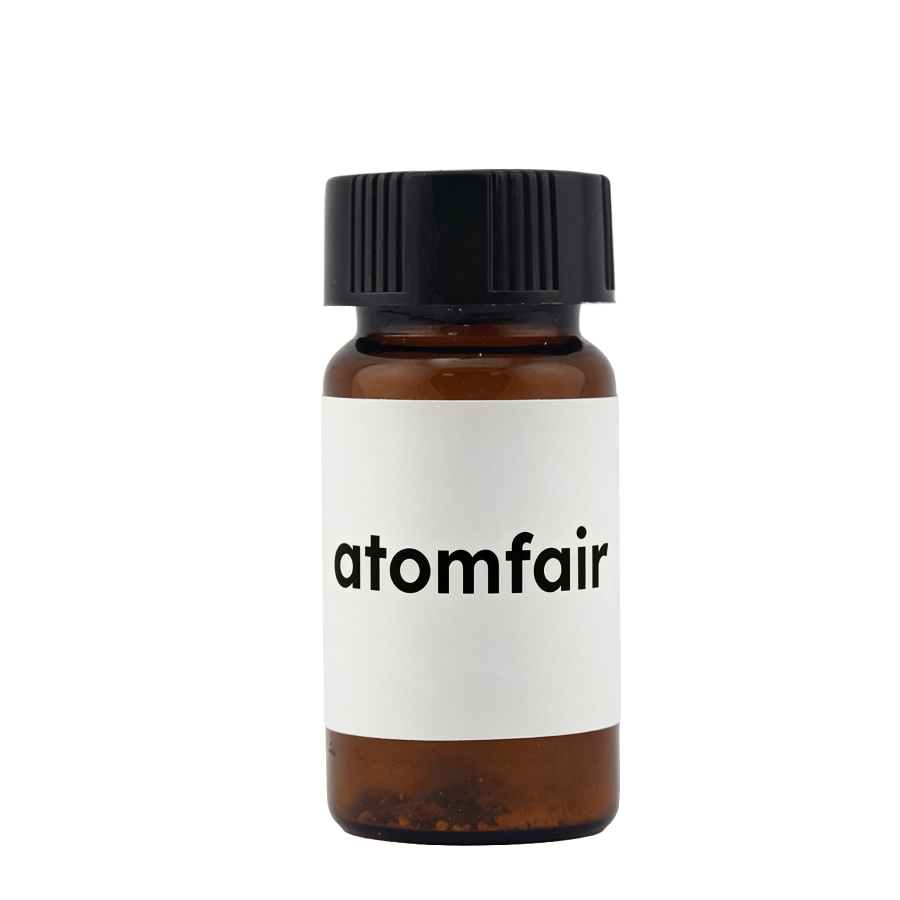
Fullerene C70 >99.5 wt% Sublimed 500 mg Research ATOMFAIR®
$1,490.00 -
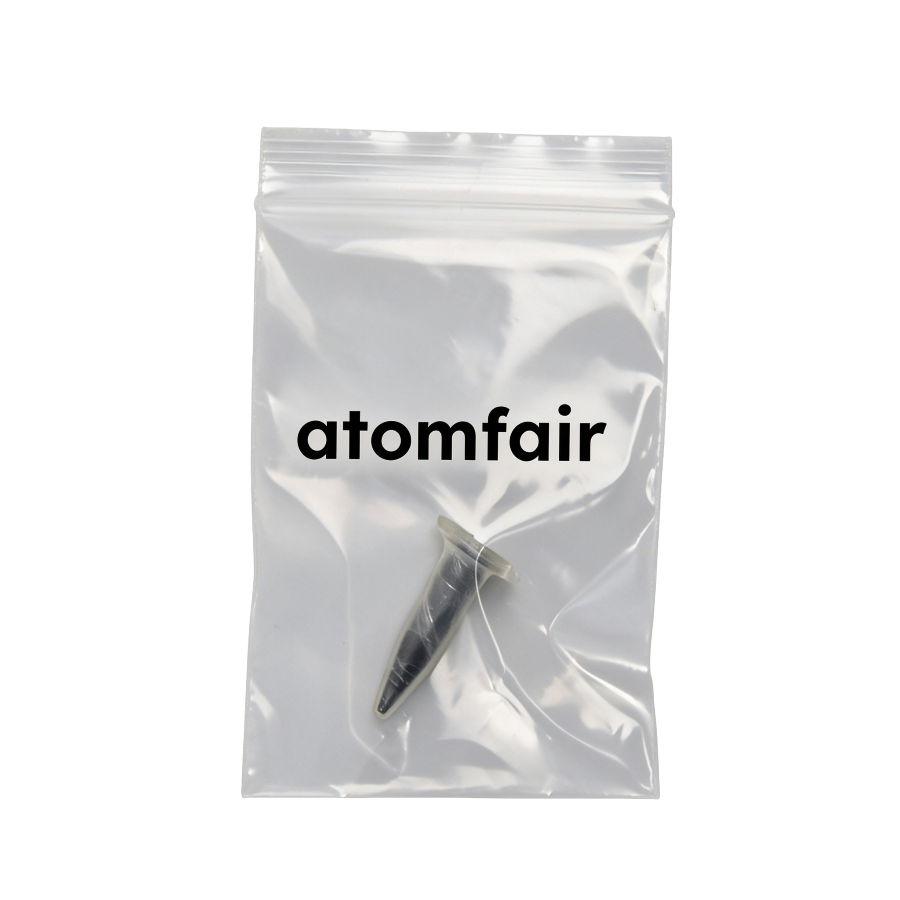
Fullerene C76 >95.0 wt% 10 mg Research Grade ATOMFAIR®
$1,151.00 -
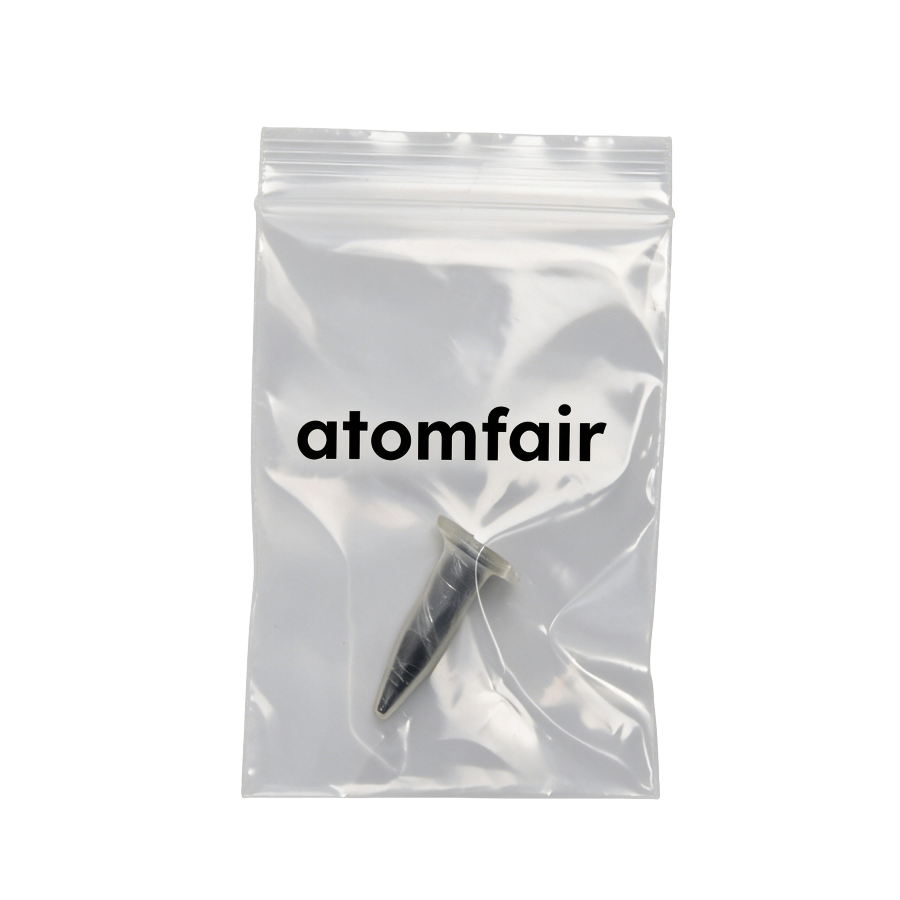
Fullerene C76 >98.0 wt% 10 mg Research Grade ATOMFAIR®
$1,447.00 -
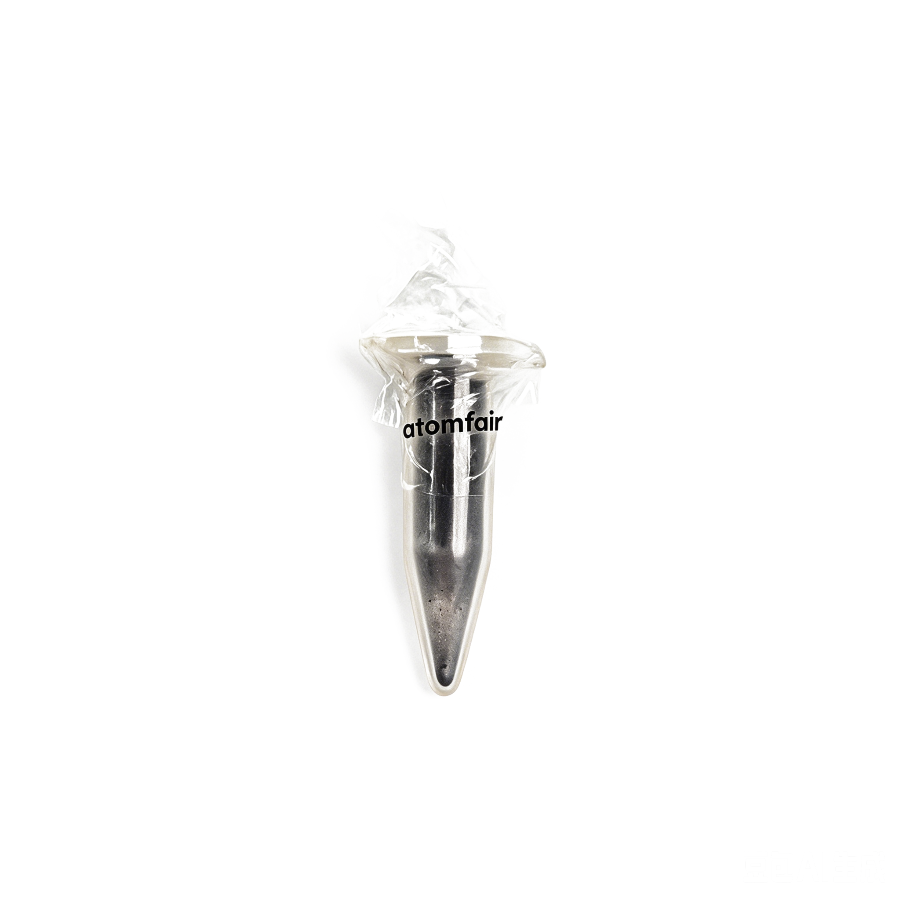
Fullerene C78 >98.0 wt% 10 mg Research Grade ATOMFAIR®
$1,592.00 -
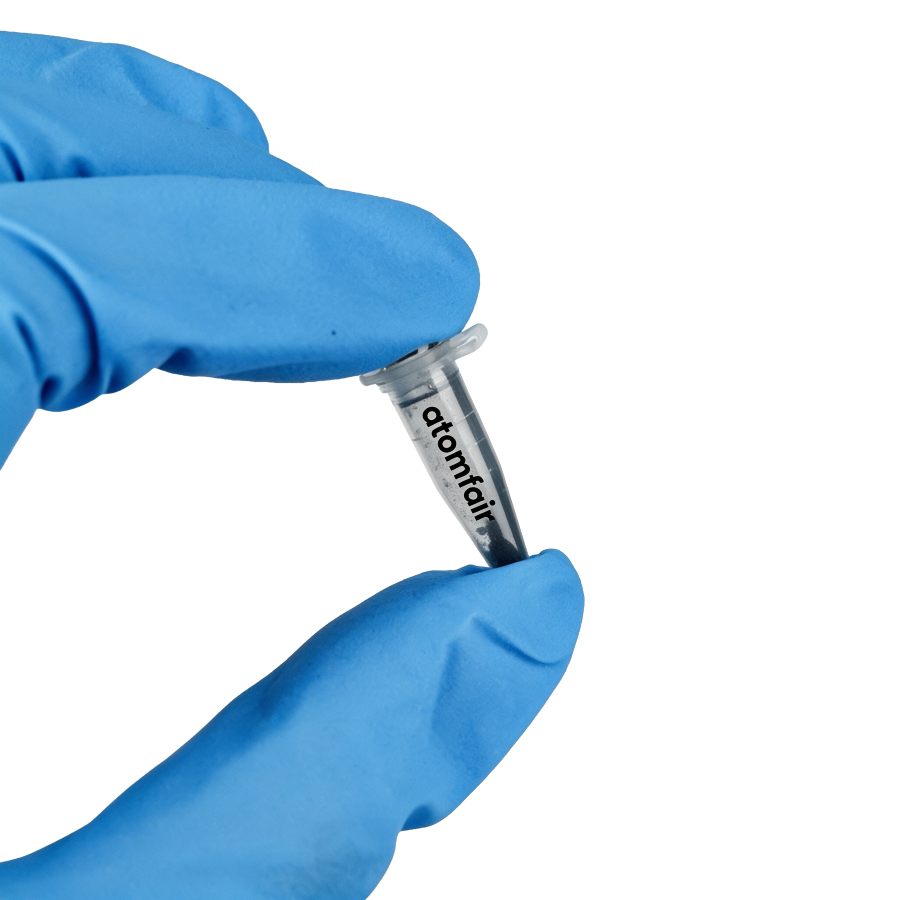
Fullerene C84 Nanocarbon >95.0 wt% 10 mg, ATOMFAIR®
$704.00 -
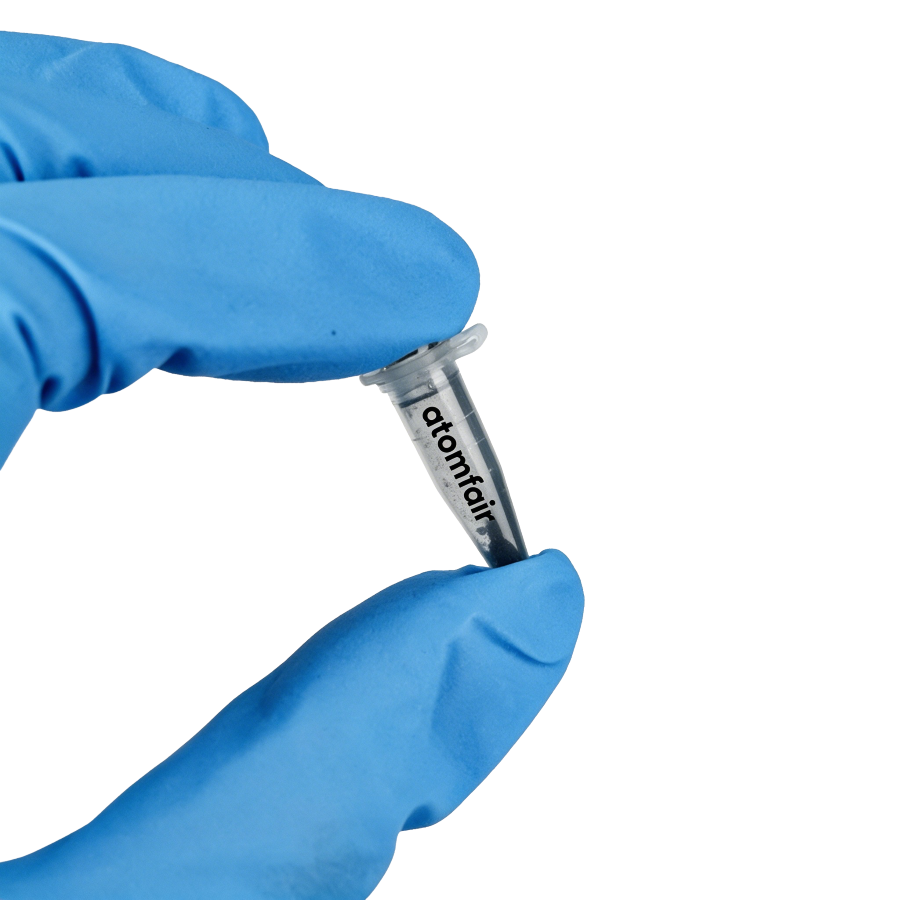
Fullerene C84 Research Grade >98.0 wt% 10 mg ATOMFAIR®
$1,049.00