
High-Purity Metals
High-purity metals are essential raw materials for advanced materials research, precision manufacturing, and functional material development. This category brings together elemental metals with controlled purity and composition for laboratory research, metal processing, powder preparation, thin-film deposition, conductive materials, thermal materials, and semiconductor-related applications.
High-purity metal products can be selected according to elemental composition, purity grade, physical form, and intended use. Common forms include bulk metals, ingots, granules, pellets, sheets, foils, rods, wires, metal powders, micron-scale powders, and nanopowders. Product specifications may vary in purity, dimensions, particle size, morphology, surface condition, and packaging format.
Whether you are working on laboratory research, formulation development, material synthesis, powder processing, surface treatment, or functional device development, you can select a suitable high-purity metal according to your target element and processing requirements.
Show More
Explore High-Purity Metal Products
High-Purity Metal Product Range
High-purity metals can be selected by elemental family and material function. Common product directions include:
| Product Direction | Representative Materials | Typical Research and Application Areas |
|---|---|---|
| Common conductive and industrial metals | Aluminum, copper, tin, zinc, lead | Conductive materials, metal processing, alloy preparation, and surface treatment |
| Transition and functional metals | Iron, cobalt, manganese, chromium, nickel | Magnetic materials, catalyst research, powder metallurgy, and functional materials |
| Semiconductor and electronic-material metals | Gallium, indium, antimony, tellurium, germanium, selenium | Semiconductor materials, optoelectronic materials, thin-film deposition, and electronic-device research |
| Low-melting and specialty metals | Bismuth, gallium, indium, tin, lead | Thermal management, melting and casting studies, joining materials, and laboratory synthesis |
| High-purity metal powders | Copper, iron, cobalt, bismuth, zinc powders | Powder processing, sintering, coatings, composite materials, and formulation development |
| High-purity nanometal materials | Aluminum, copper, cobalt, iron, bismuth, and tin nanopowders | Nanomaterials research, catalysis, conductive formulations, surface studies, and interface research |
Available elements, purity grades, and physical forms may vary by individual product. Please review the product specifications for detailed information.
Select High-Purity Metals by Physical Form
Bulk Metals, Ingots, Granules, and Pellets
These forms are suitable for metal melting, elemental addition, material synthesis, evaporation, deposition, and experiments that require direct use of the metal itself. Selection should take into account metal purity, dimensions, physical form, melting characteristics, and packaging.
Metal Powders
Metal powders are widely used in powder metallurgy, sintering, mixing, pressing, spraying, coating preparation, and composite-material research. Important selection factors include purity, particle-size range, particle morphology, flowability, dispersion behavior, and storage requirements.
Nanometal Powders
Nanometal materials offer a small particle size and high surface area, making them suitable for catalysis, conductive materials, surface modification, nanocomposites, and other advanced materials research. When selecting nanopowders, consider particle size, morphology, agglomeration, surface treatment, and environmental stability.
Sheets, Foils, Rods, Wires, and Targets
These forms are suitable for thin-film deposition, evaporation coating, surface treatment, conductive connections, laboratory fabrication, and precision materials research. Selection may depend on thickness, width, length, diameter, surface condition, and equipment compatibility.
Important Specifications When Selecting High-Purity Metals
| Selection Factor | What to Consider |
|---|---|
| Metal purity | Whether the purity level and impurity control meet the requirements of the intended research or process |
| Elemental composition | Whether the material is the target elemental metal rather than an alloy, compound, or composite |
| Physical form | Whether bulk metal, granules, powder, nanopowder, sheet, foil, rod, wire, or another form is required |
| Particle size and dimensions | Particle size and distribution for powders, or length, width, thickness, and diameter for shaped materials |
| Particle morphology | Whether spherical, irregular, or another morphology is suitable for flow, dispersion, coating, or sintering |
| Surface condition | Oxidation, coating, passivation, and other surface-treatment considerations |
| Packaging | Whether the package size and storage format match the required quantity and material stability |
| Product documentation | Whether specification details, batch information, safety documents, or testing records are required |
Typical Applications of High-Purity Metals
High-purity metals can support a wide range of research and development activities, including:
- New metal materials and functional-material development
- Metal powder preparation and powder metallurgy
- Alloy formulation and elemental-addition studies
- Conductive materials and functional coatings
- Thin-film deposition, evaporation coating, and surface engineering
- Semiconductor and optoelectronic materials research
- Catalyst and reactive-material development
- Magnetic, thermal, and electrical-property studies
- Nanocomposites and interface-material research
- Laboratory-scale material synthesis and process validation
Different applications require different combinations of purity, form, particle size, and surface condition. Product selection should be based on the actual process, equipment, and experimental environment.
Frequently Asked Questions
What are high-purity metals?
High-purity metals are elemental metal materials with controlled purity and impurity levels. The required purity depends on the intended application, and product form, dimensions, and surface condition should also be considered.
What physical forms are available for high-purity metals?
Common forms include bulk metals, ingots, granules, pellets, sheets, foils, rods, wires, metal powders, micron-scale powders, and nanopowders. The available form depends on the metal and individual product.
How should I choose the right purity level?
If the application is sensitive to impurities, prioritize the appropriate purity grade and impurity-control information. If processing performance, particle size, or surface properties are more important, compare these specifications together rather than relying on purity alone.
What is the difference between metal powder and nanometal powder?
Metal powders are commonly used for conventional powder processing, mixing, pressing, and sintering. Nanometal powders have a smaller particle size and higher surface area, making them more suitable for nanomaterials, catalysis, conductive materials, and interface research. They may require additional attention to dispersion, storage, and handling.
How do I choose the right physical form?
For melting, elemental addition, or metal synthesis, bulk metals, granules, or ingots may be suitable. For mixing, sintering, or coatings, metal powders are often preferred. For high-surface-area or nanoscale research, nanopowders may be more appropriate. Sheets, foils, rods, wires, and targets can be selected according to deposition, fabrication, or equipment requirements.
Can high-purity metals be used for alloy and composite-material research?
Yes. High-purity metals can be used as elemental sources, formulation components, or research-grade raw materials for alloy preparation, metal-matrix composites, functional coatings, and other material-development projects.
What information should I confirm before purchasing?
Confirm the metal element, purity, physical form, particle size or dimensions, particle morphology, surface condition, packaging, and available product documentation. For powders and nanomaterials, also review storage, dispersion, and handling requirements.
Can purity, particle size, or packaging be customized?
Some high-purity metal products may support customization of specifications, particle size, quantity, or packaging depending on the material and production requirements. Customization options, minimum quantities, and lead times should be confirmed for the specific product.
Showing 1–16 of 29 results
-
Cobalt Nanopowder 99.9% 100nm Spherical Research ATOMFAIR®
Price range: $168.17 through $319.50 -
Cobalt Nanopowder 99.9% 50nm Spherical Powder ATOMFAIR®
Price range: $175.00 through $394.61 -
Copper Nanocluster Dispersion 20 mL Research Grade ATOMFAIR®
$216.47 -
Copper Nanoparticle Dispersion 500mL Research ATOMFAIR®
$327.25 -
High-Purity Nano Tin Powder 99.95% 20 nm Grade ATOMFAIR®
$438.04 -
High-Purity Nano Tin Powder Sn 99.9% 500 nm ATOMFAIR®
Price range: $173.49 through $318.83 -
Nano Aluminum Powder ≥99.9% 200nm Spherical ATOMFAIR®
$305.10 -
Nano Aluminum Powder ≥99.9% 80 nm Spherical ATOMFAIR®
$316.17 -
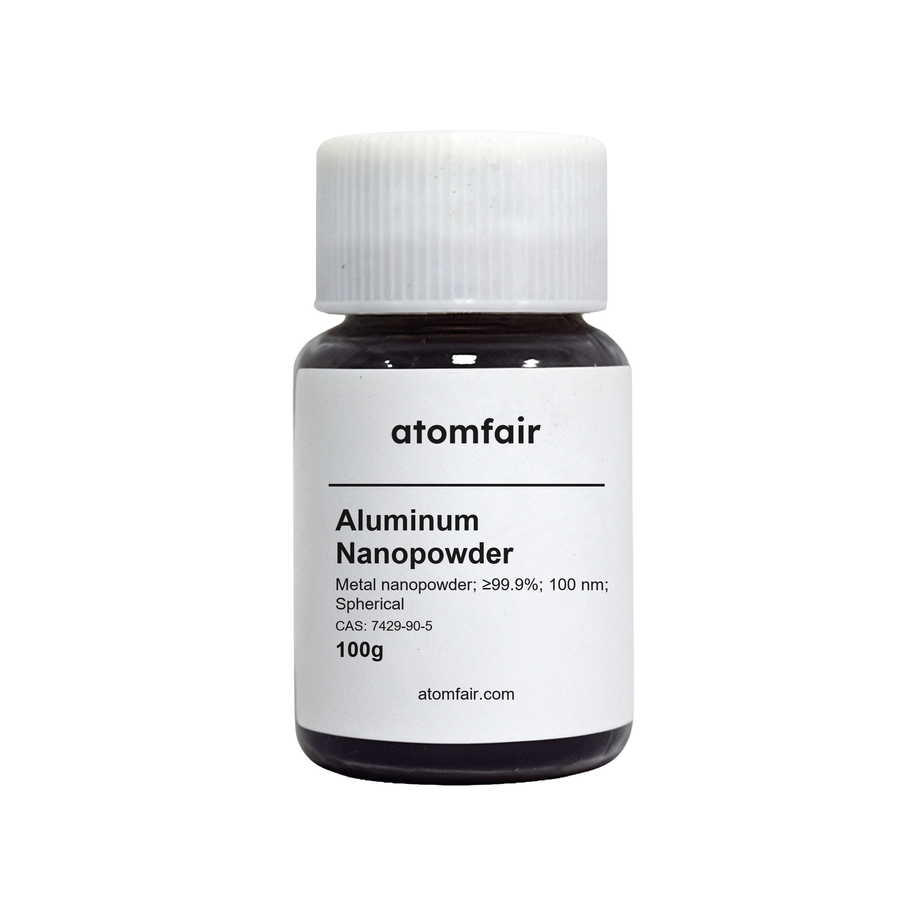
Nano Aluminum Powder 100 nm ≥99.9% Spherical ATOMFAIR®
$316.17 -
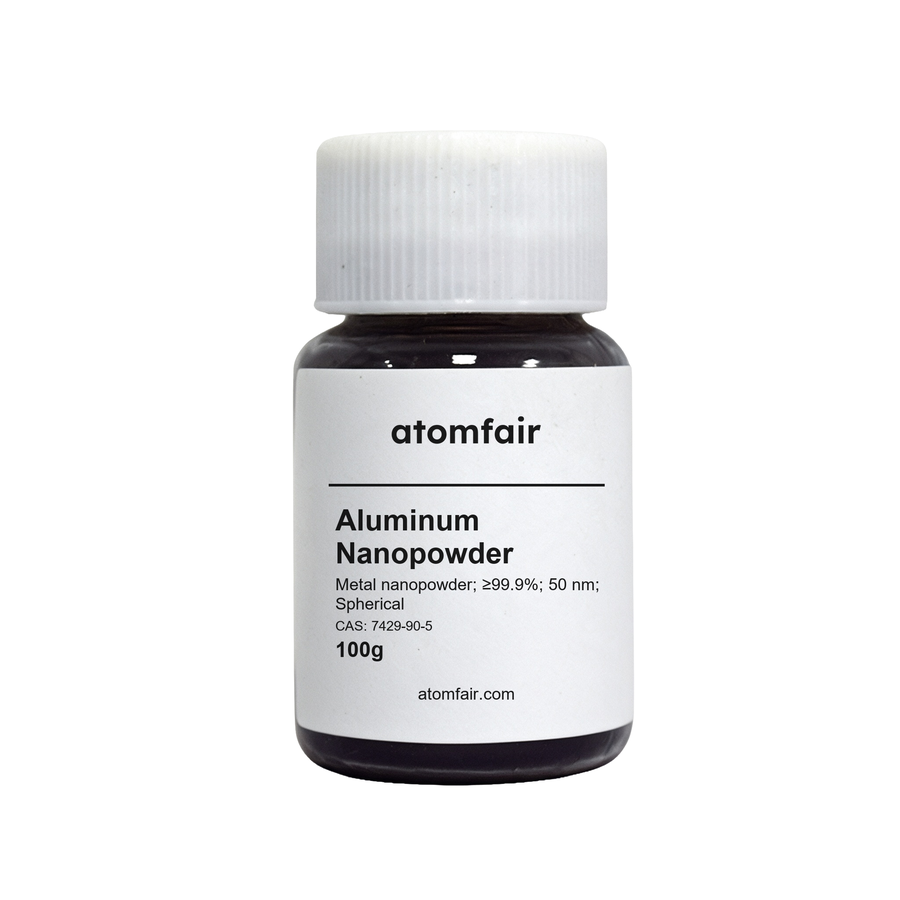
Nano Aluminum Powder 50 nm ≥99.9% Spherical ATOMFAIR®
$327.25 -
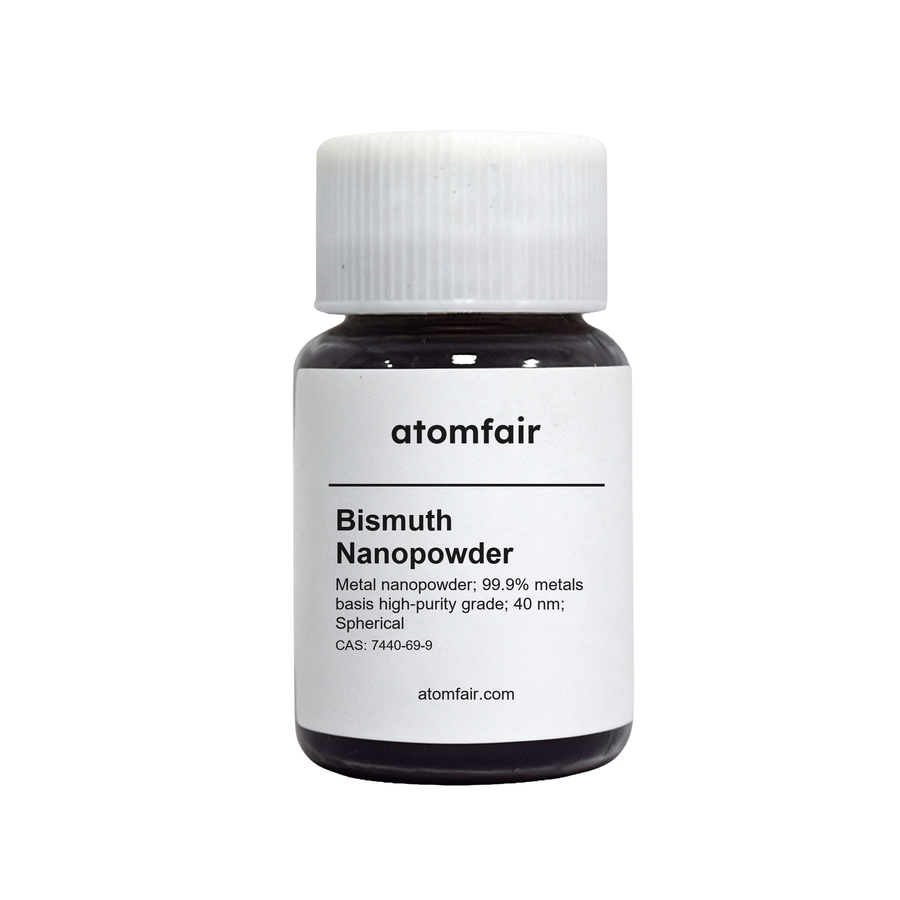
Nano Bismuth Powder 99.9% 40nm Spherical Grade ATOMFAIR®
Price range: $218.46 through $794.76 -
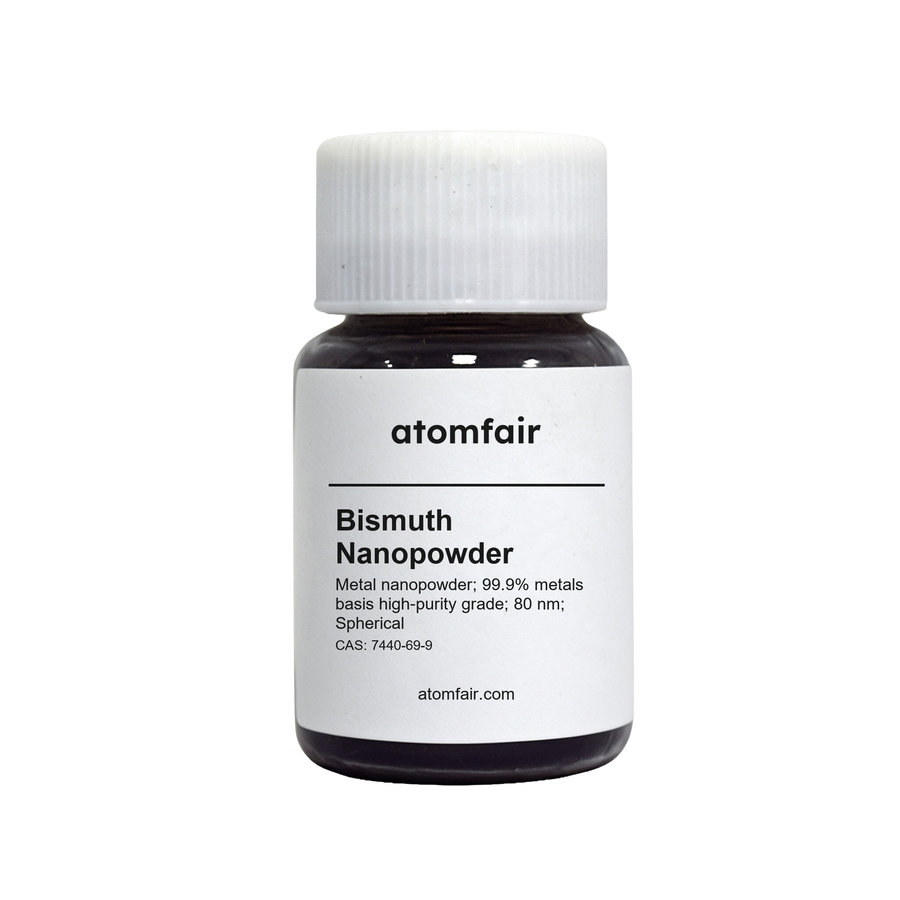
Nano Bismuth Powder AF-BI8012 99.9% 80-120nm ATOMFAIR®
Price range: $206.28 through $353.40 -
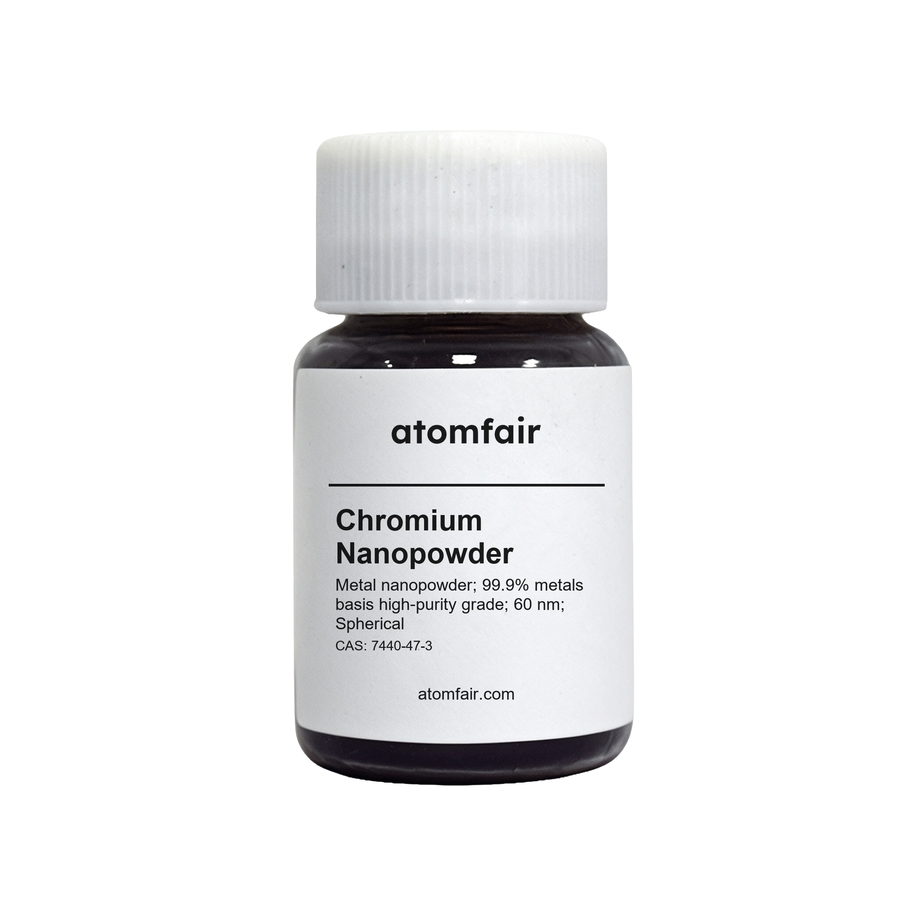
Nano Chromium Powder 99.9% 60nm Spherical ATOMFAIR®
Price range: $242.84 through $522.90 -
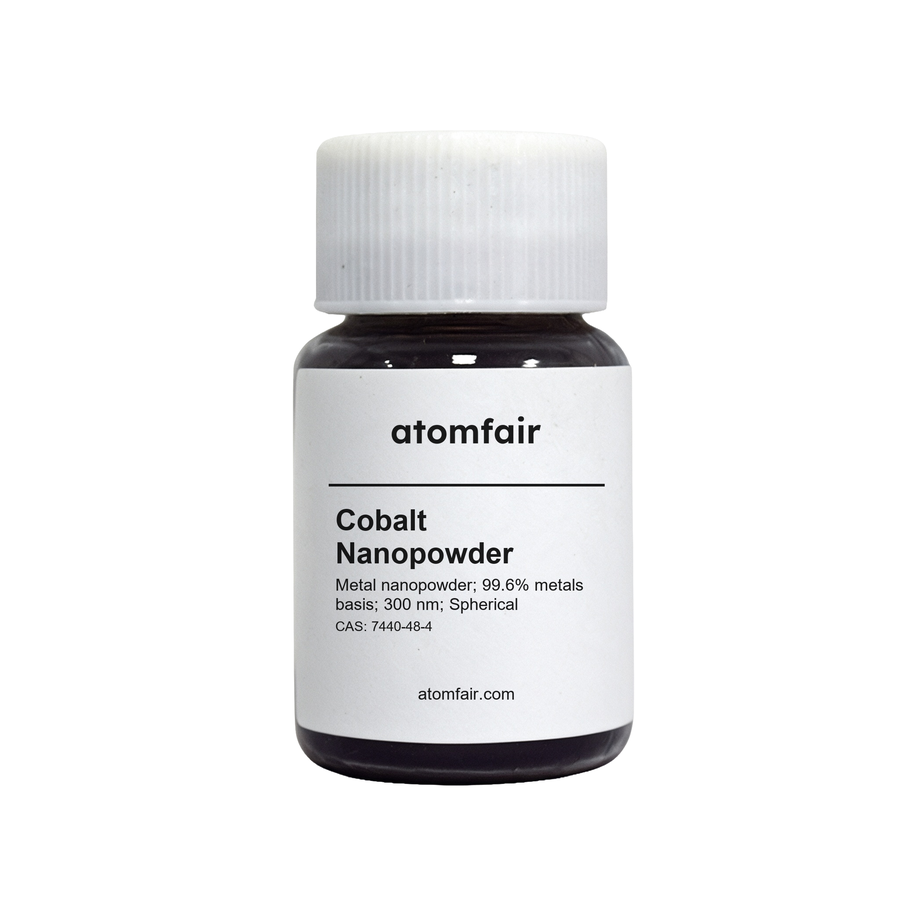
Nano Cobalt Powder 99.6% 300nm Research Grade ATOMFAIR®
Price range: $172.60 through $377.99 -
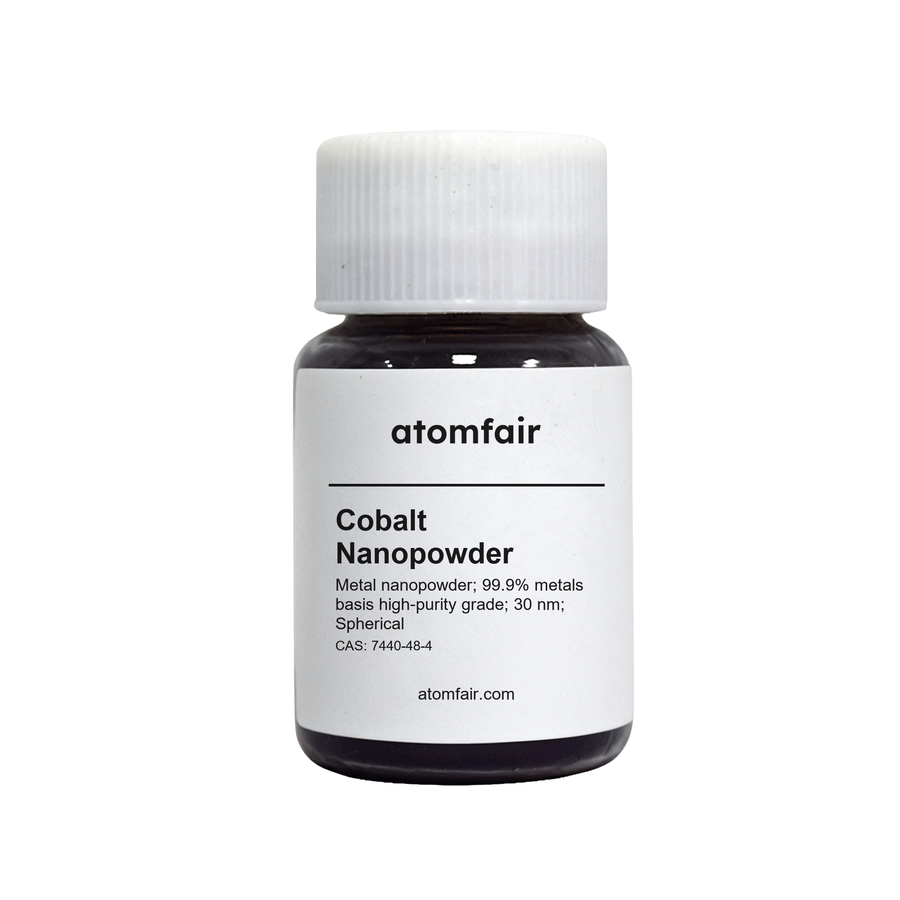
Nano Cobalt Powder 99.9% 30 nm Research Grade ATOMFAIR®
Price range: $176.37 through $379.10 -
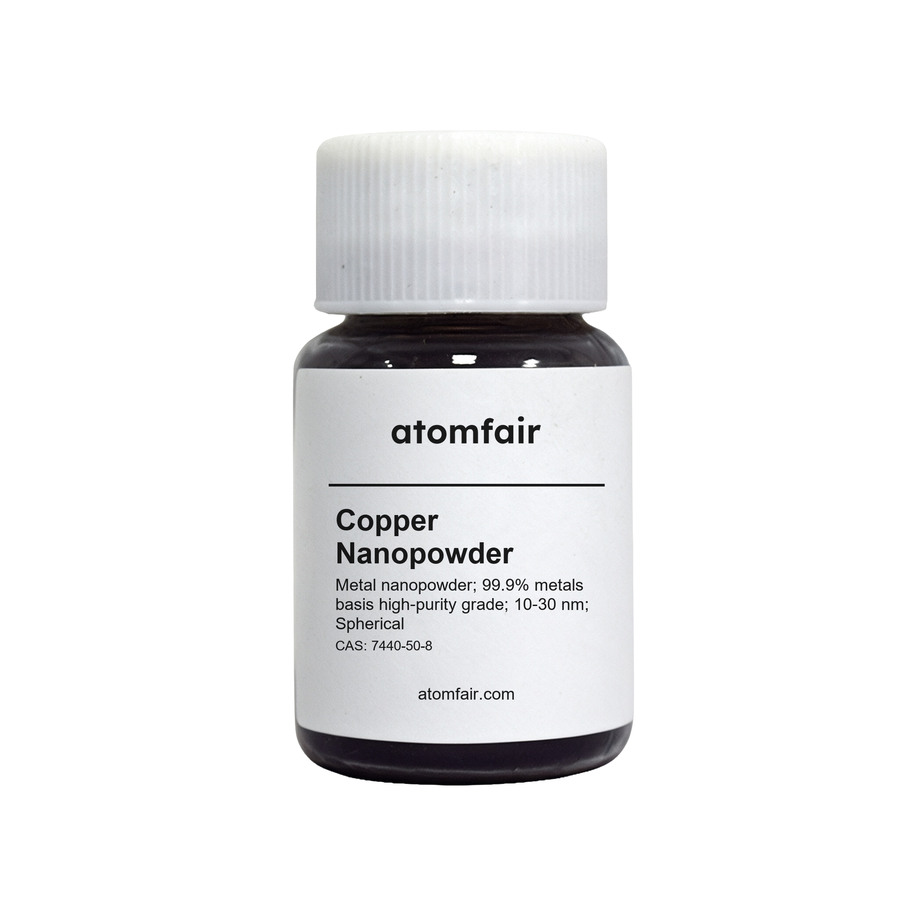
Nano Copper Powder 99.9% 10-30 nm Spherical ATOMFAIR®
Price range: $187.44 through $734.27