
Battery Cell Components & Assembly Kits
Coin cell parts and assembly kits are used for laboratory coin cell assembly, electrical connection, internal pressure control, and sealed cell construction. They support battery materials research, half-cell testing, full-cell testing, cycling studies, and electrochemical performance evaluation.
This category includes coin cell cases, sealing and insulating components, conductive spacers, springs, coated components, mesh or perforated cases, and complete assembly kits made from matched parts. Common configurations include CR2016, CR2025, CR2032, and other compatible coin cell formats.
Cases, seals, spacers, and springs must be selected according to cell diameter, internal height, stack thickness, contact pressure, and electrolyte system. Before ordering, confirm the dimensions, materials, package contents, and compatibility with your existing assembly configuration.
Show More Coin Cell Parts & Assembly Information
Coin Cell Parts Selection Matrix
| Product Family | Primary Function | Common Options | Key Parameters | Typical Use |
|---|---|---|---|---|
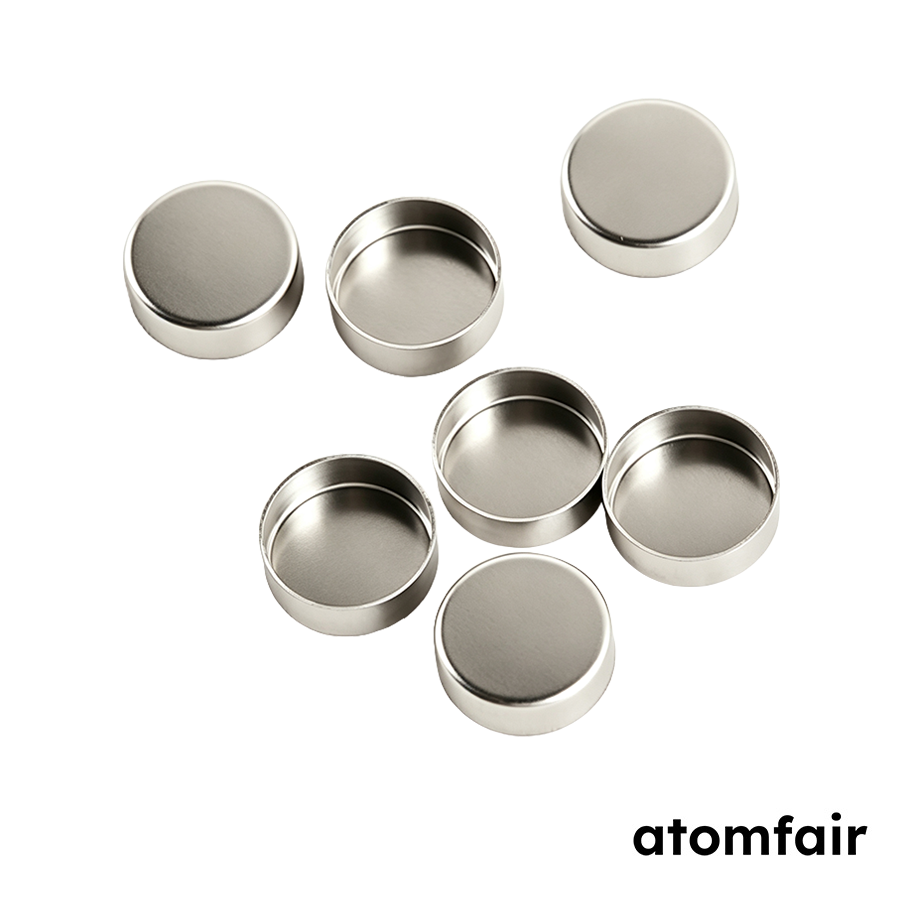
| Coin Cell Cases | Provide enclosure, mechanical support, and current conduction | Positive cases, negative cases, covers, bottoms, case sets | Cell format, diameter, internal height, material, sealing method | Standard coin cell assembly |
| Sealing Rings | Help prevent leakage and isolate positive and negative components | Polymer seals, replacement rings, format-specific seals | Outer diameter, inner diameter, thickness, material, electrolyte compatibility | Cell sealing and insulation |
| Insulating Washers | Prevent direct contact between conductive components | Insulating rings, washers, and isolation components | Dimensions, thickness, chemical resistance, temperature resistance | Short-circuit prevention and structural isolation |
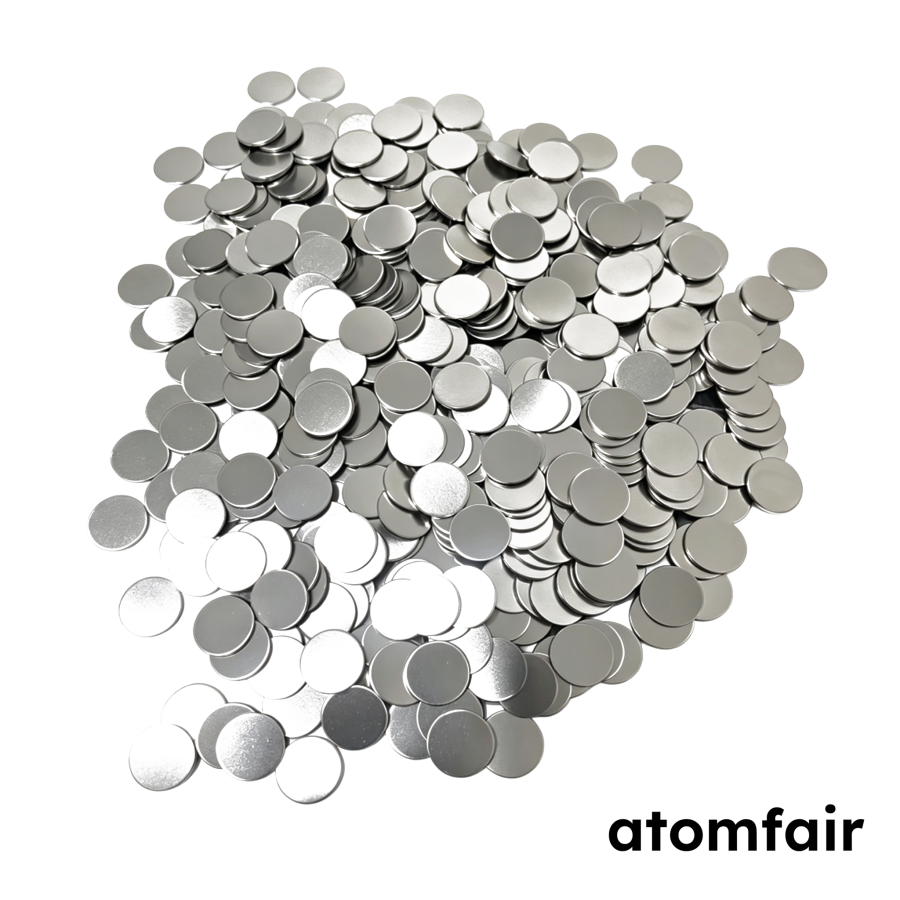
| Conductive Spacers | Adjust stack height and improve electrical contact | Stainless steel, aluminum, nickel, and coated spacers | Diameter, thickness, material, surface treatment | Internal height and contact stability control |
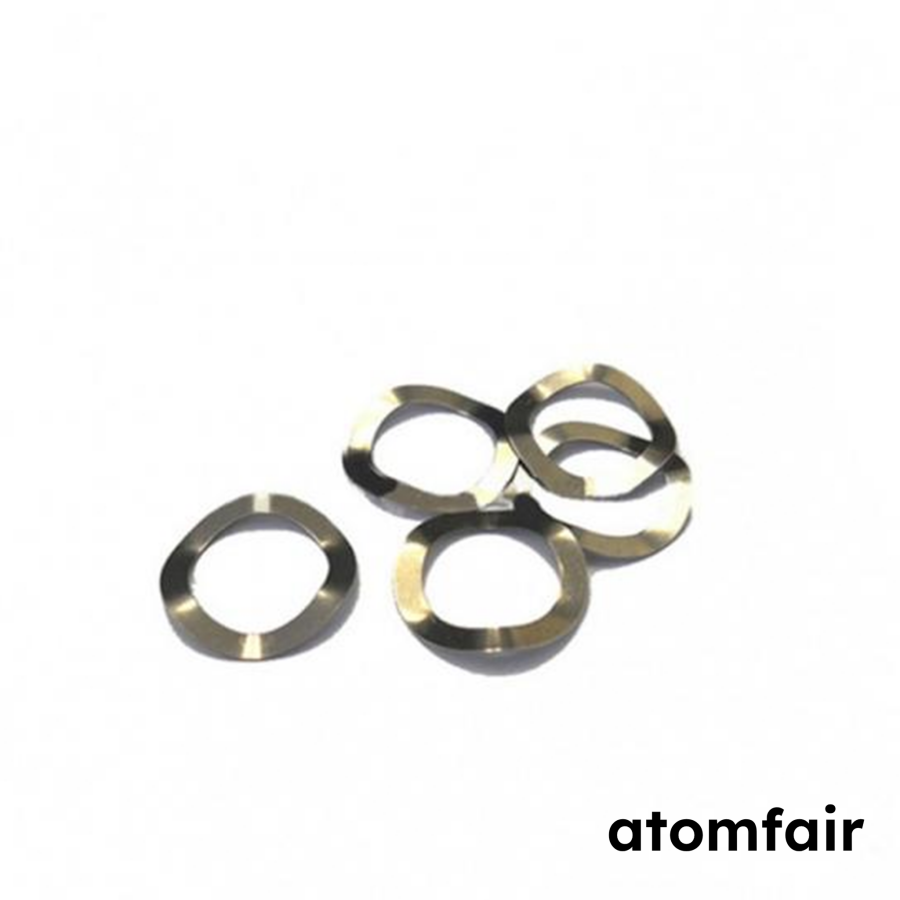
| Wave Springs | Provide continuous axial pressure | Stainless steel and coated wave springs | Outer diameter, free height, material, spring force | Standard coin cell assembly |
| Conical Springs | Provide support, positioning, and elastic pressure | Stainless steel, aluminum-clad, and gold-coated springs | Outer diameter, height, wire size, compression range | Thicker electrodes or higher pressure requirements |
| Coated Components | Improve contact behavior, corrosion resistance, or chemical stability | Gold-coated, nickel-coated, and aluminum-clad components | Substrate, coating location, coating thickness, compatibility | High-voltage, EIS, and corrosive electrolyte testing |
| Mesh or Perforated Cases | Provide controlled gas access | Mesh cases, perforated cases, gas-access cases | Opening design, gas access, sealing method | Lithium-air, lithium-oxygen, and gas-involved testing |
| Complete Assembly Kits | Provide matched components for assembly | Case sets, case-spacer-spring kits, specialty kits | Format, included parts, materials, quantity | Fast assembly and repeatable laboratory testing |
Coin Cell Cases
Coin cell cases are the foundation of laboratory coin cell assembly. They generally consist of a positive case, negative case, cover, bottom, and compatible sealing structure. The case provides space for the electrode, separator, and electrolyte while also supporting mechanical compression and electrical conduction.
Common case formats include:
- CR2016;
- CR2025;
- CR2032;
- Other CR-series coin cell formats;
- Small button cell formats;
- Custom formats for specialized assembly structures.
Common materials include:
- 304 stainless steel;
- 316 or 316L stainless steel;
- Aluminum or aluminum-clad structures;
- Nickel-coated structures;
- Gold-coated structures;
- Other surface-treated materials for application-specific requirements.
Compatibility should not be determined by appearance alone. Even when two formats have similar diameters, their internal height, case thickness, sealing structure, and crimping requirements may differ. Confirm that the case format matches the target electrode and assembly method.
Sealing Rings and Insulating Washers
Sealing rings and insulating washers isolate positive and negative components, reduce the risk of internal short circuits, and help maintain the sealed condition of the assembled cell.
Common products include:
- Coin cell sealing rings;
- Insulating washers;
- Internal insulating rings;
- Polymer sealing components;
- Chemically resistant seals;
- Replacement seals matched to specific CR formats.
When selecting a sealing ring, confirm the case diameter, internal height, and cell format. Electrolyte compatibility, compression behavior, and long-term sealing stability should also be considered. Replace seals that show cracks, deep impressions, deformation, hardening, or contamination.
Conductive Spacers
Conductive spacers adjust the internal stack height, improve contact between the electrode and case, and help maintain stable mechanical pressure and electrical conduction.
Common materials include:
- 304 stainless steel;
- 316 or 316L stainless steel;
- Aluminum;
- Nickel and nickel-coated materials;
- Gold-coated and other surface-treated materials.
Spacer selection depends on:
- Outer diameter;
- Inner diameter;
- Thickness;
- Coin cell case format;
- Electrode thickness;
- Separator thickness;
- Spring height;
- Electrolyte and testing environment.
A spacer that is too thin may result in insufficient contact, while a spacer that is too thick may create excessive stack height, difficult sealing, or excessive internal pressure. Spacers should therefore be selected together with the case, sealing ring, and spring.
Wave Springs and Conical Springs
Springs provide continuous contact pressure inside the coin cell and help maintain stable contact between the electrode, separator, spacer, and case.
Common spring types include:
- Wave springs;
- Conical springs;
- Multi-wave springs;
- Stainless steel springs;
- Aluminum-clad springs;
- Gold-coated springs;
- Other surface-treated springs.
Confirm the following when selecting a spring:
- Outer diameter;
- Spring height;
- Material;
- Surface coating;
- Combined height with the spacer;
- Compatible coin cell format;
- Effect on the overall sealed stack height.
Wave springs have a compact structure and relatively broad contact area, making them suitable for many standard coin cell assemblies. Conical springs provide positioning and resistance to buckling and may be preferred for assemblies requiring more controlled pressure or greater internal stack height.
Materials and Surface Treatment Matrix
| Material or Treatment | Main Characteristics | Applications to Consider |
|---|---|---|
| 304 Stainless Steel | General-purpose material for routine laboratory use | Standard battery materials and electrochemical testing |
| 316/316L Stainless Steel | Higher corrosion resistance for demanding environments | Corrosive electrolytes and extended testing |
| Aluminum or Aluminum-Clad | Low weight with application-dependent electrical properties | Specialized electrochemical and high-voltage research |
| Nickel or Nickel-Coated | Electrical and corrosion-resistant surface option | Special electrolyte systems and contact structures |
| Gold-Coated | Stable contact and surface chemistry for precision applications | EIS, low-current, and precision electrochemical testing |
| Specialty Coatings | Surface optimization for specific operating conditions | Application-specific battery research |
Material selection should consider the positive and negative electrode materials, electrolyte, operating voltage, temperature, and test duration. A coated component should not be assumed to be compatible with every electrochemical system.
Mesh and Perforated Coin Cell Cases
Mesh and perforated cases are specialty coin cell components for experiments that require controlled gas access or gas diffusion.
Typical application areas include:
- Lithium-air battery research;
- Lithium-oxygen battery research;
- Gas diffusion electrode testing;
- Oxygen reduction studies;
- Gas-liquid-solid interface electrochemistry.
Confirm the following when selecting a specialty case:
- Mesh or perforation location;
- Opening size;
- Gas-access area;
- Case sealing structure;
- Compatibility with sealing rings, spacers, and springs;
- Compatibility with the target electrode and separator;
- Effect on electrolyte retention and cell sealing.
Complete Coin Cell Assembly Kits
Complete assembly kits are suitable for users beginning coin cell assembly or seeking improved consistency between repeated laboratory builds.
Depending on the configuration, a kit may include:
- Positive case;
- Negative case;
- Sealing ring;
- Insulating washer;
- Conductive spacer;
- Wave spring;
- Conical spring;
- Specialty coated components;
- Mesh or perforated case.
| Confirmation Item | Information to Verify |
|---|---|
| Cell Format | CR2016, CR2025, CR2032, or another format |
| Case Configuration | Whether both positive and negative cases are included |
| Sealing Components | Whether sealing rings and insulating parts are included |
| Conductive Components | Whether spacers or other conductive contact parts are included |
| Spring Components | Whether a wave spring or conical spring is included |
| Material | 304, 316L, aluminum-clad, nickel-coated, or gold-coated |
| Special Structure | Standard sealed, mesh, or perforated structure |
| Package Quantity | Single kit, small pack, or bulk pack |
| Customization | Whether dimensions, thickness, material, and surface treatment can be customized |
Stack Height and Component Matching
The internal height of an assembled coin cell is determined by the combined thickness of the main components:
Electrode thickness + separator thickness + spacer thickness + spring height + seal compression space
Before ordering, confirm the following:
- Whether the electrode diameter matches the case inner diameter;
- Whether the spacer creates excessive stack height;
- Whether the compressed spring provides sufficient contact pressure;
- Whether the sealing ring matches the case structure;
- Whether the assembly kit includes all required components;
- Whether the case material is compatible with the electrolyte and operating voltage.
Frequently Asked Questions
Should I buy individual parts or a complete kit?
A complete kit is usually more convenient for first-time assembly or when the component combination has not yet been established. Individual parts are more suitable when you already have a fixed assembly design and only need to replace a spacer, spring, or sealing ring.
Can CR2016, CR2025, and CR2032 components be mixed?
Direct mixing is not recommended. Although some formats have similar diameters, their internal heights, sealing structures, spring pressures, and crimping requirements may differ. Use components matched to the same cell format whenever possible.
Does every assembly kit include a sealing ring, spacer, and spring?
No. Package contents vary by product. Some kits contain only the positive and negative cases, while others include the internal components. Check the package list before ordering.
How do I choose the correct conductive spacer thickness?
Select the spacer thickness according to the combined stack height of the electrodes, separator, spring, and sealing ring. An excessively thick spacer may prevent proper sealing, while a spacer that is too thin may result in insufficient contact pressure.
What is the difference between a wave spring and a conical spring?
Wave springs have a compact structure and broad contact area, making them suitable for many standard assemblies. Conical springs provide positioning and support and may be preferred for thicker electrodes or assemblies requiring more controlled pressure.
How should I choose between 304 and 316L stainless steel?
304 stainless steel is suitable for many routine laboratory experiments. 316L is commonly considered when higher corrosion resistance is required, such as with demanding electrolytes or extended testing. Final selection should be based on the actual chemical system.
Can sealing rings be reused?
Reuse is not recommended when a sealing ring shows compression marks, deformation, cracks, hardening, or contamination. Using a good-condition sealing ring for reassembly helps reduce the risk of leakage.
Can coin cell cases and internal parts be reused?
Reuse depends on whether the component has corrosion, deformation, contamination, or surface damage. Sealing rings generally require more frequent replacement. Cases, spacers, and springs should only be reused after inspection, cleaning, and confirmation that their dimensions and surface condition remain acceptable.
What is the difference between a standard case and a mesh case?
Standard cases are used for sealed coin cell assembly. Mesh or perforated cases are designed for experiments requiring gas access. They should not be substituted for one another based on dimensions alone.
What are coated coin cell components used for?
Coated components are used when contact resistance, corrosion resistance, or surface chemical stability is important. Confirm compatibility with the electrolyte, operating voltage, and test temperature before selecting a coating.
Why do my case, spacer, and spring not fit together properly?
Common causes include mismatched cell formats, unsuitable spacer thickness, excessive spring height, an incompatible sealing ring, excessive total stack height, deformed components, or parts that were not designed as a matched set. Check the case format, sealing ring dimensions, spacer thickness, and spring height separately.
Can I buy only one replacement spring or spacer?
Depending on the product configuration, individual springs, spacers, sealing rings, or cases may be purchased separately. Confirm that the dimensions and material match your existing components. If the specification is uncertain, a complete kit or technical confirmation may be more suitable.
What package quantities are available?
Products may be supplied as individual kits, small packs, or bulk laboratory packs. Small packs are useful for initial testing, while bulk packs can help maintain consistency across repeated experiments. Refer to the individual product page for the exact package quantity.
Can coin cell parts be customized?
Some cases, spacers, springs, and specialty components may be customized by dimension, material, thickness, coating, or package quantity. Provide the required dimensions and application conditions when requesting a custom configuration.
Category Scope
This category focuses on coin cell cases, internal coin cell assembly parts, sealing and insulating components, conductive spacers and springs, specialty materials and coated components, mesh or perforated coin cell cases, and matched coin cell assembly kits. Pouch cell test fixtures, research test cells, in-situ or operando battery test cells, and general laboratory consumables belong to other product categories.
Showing 1–16 of 78 results
-

113μm Sheet Aluminum-Plastic Film 210×100mm 50-Pack
$119.00 -
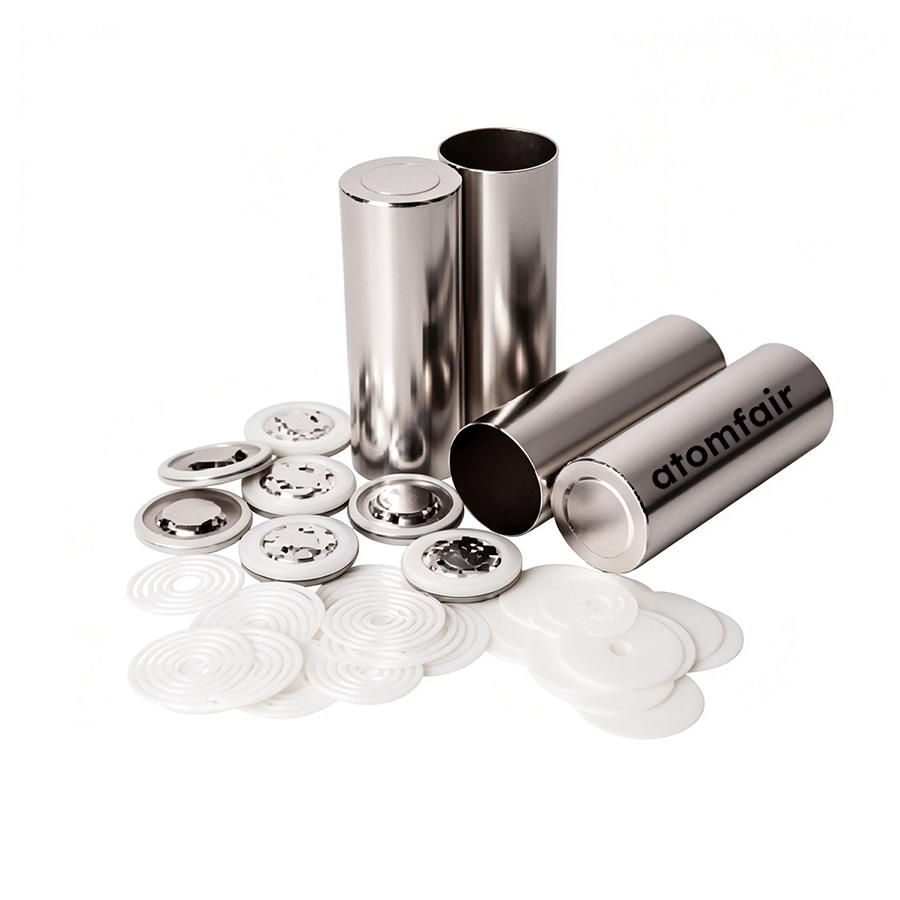
14500 Cylindrical Cell Can Assembly 100 Sets
$125.00 -
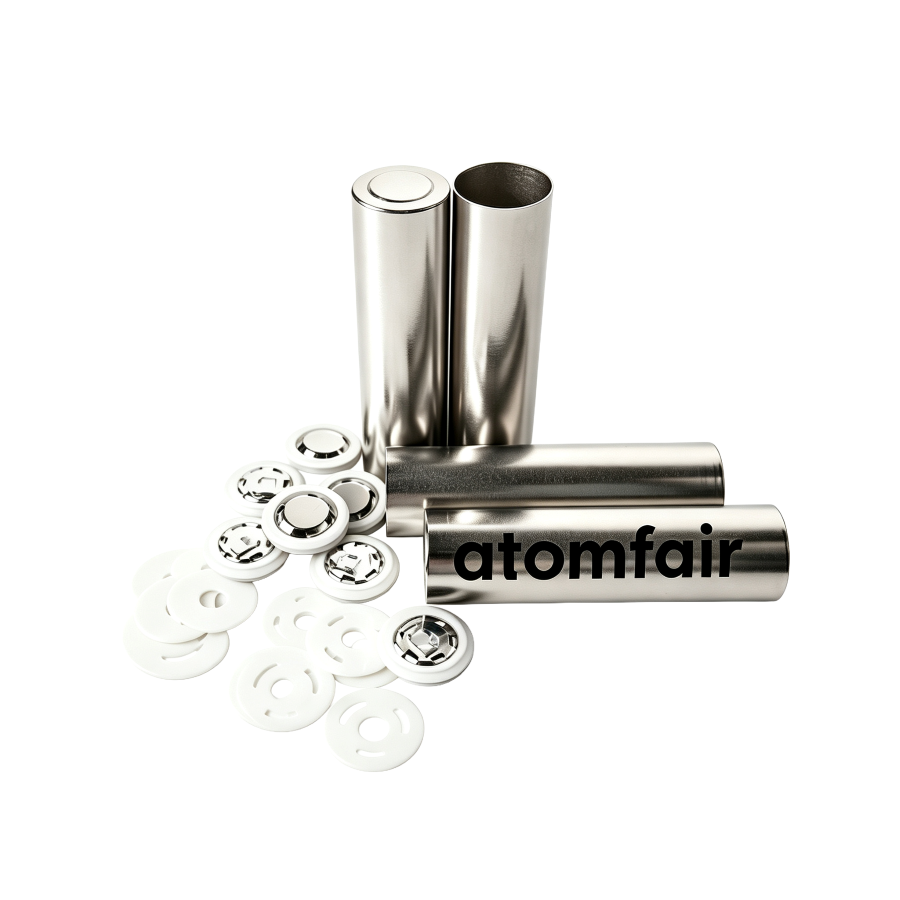
18650 Cylindrical Cell Can Assembly 100 Sets
$125.00 -
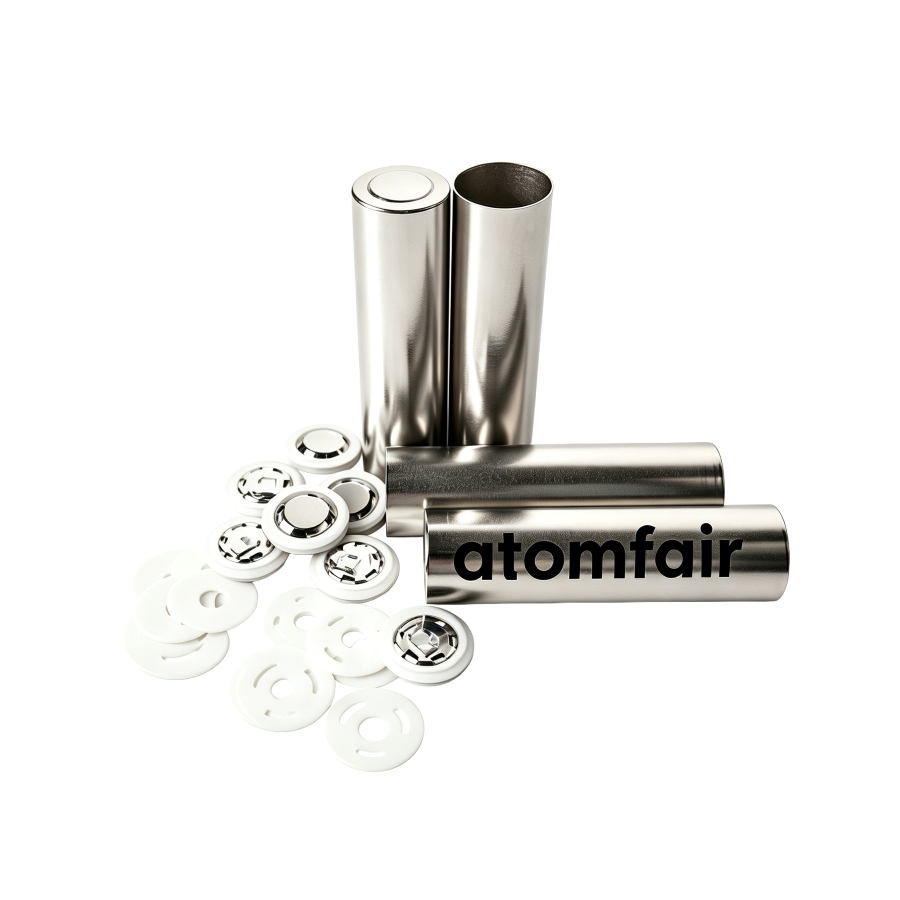
21700 Cylindrical Battery Case Kits 100 Sets
$152.00 -
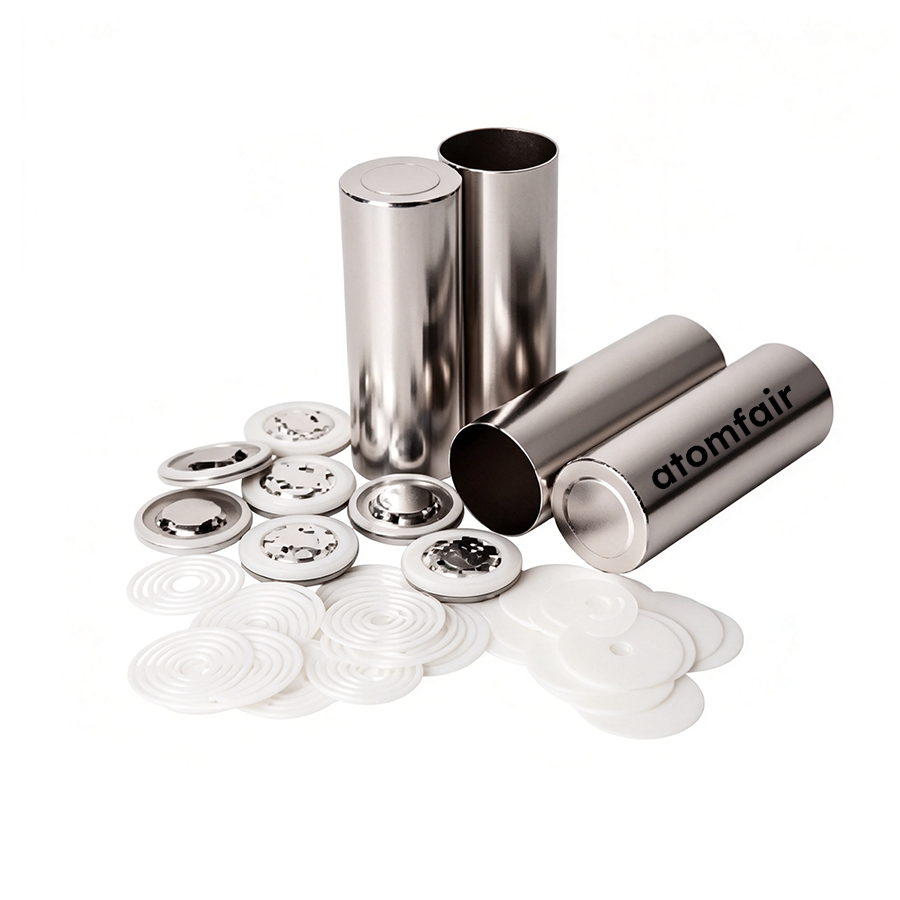
26650 SS304 Cylindrical Case Kit 26 × 67 mm 100 Sets
$154.00 -
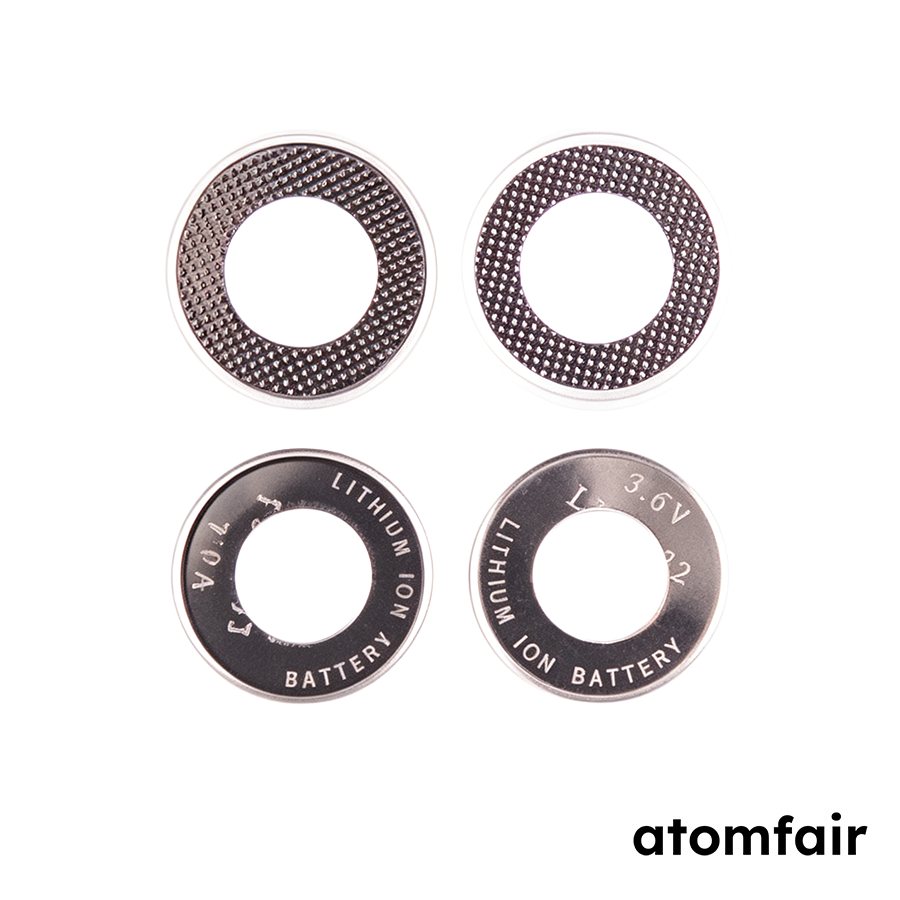
304 Stainless Coin Cell Case 20mm Perforated
$85.00 -
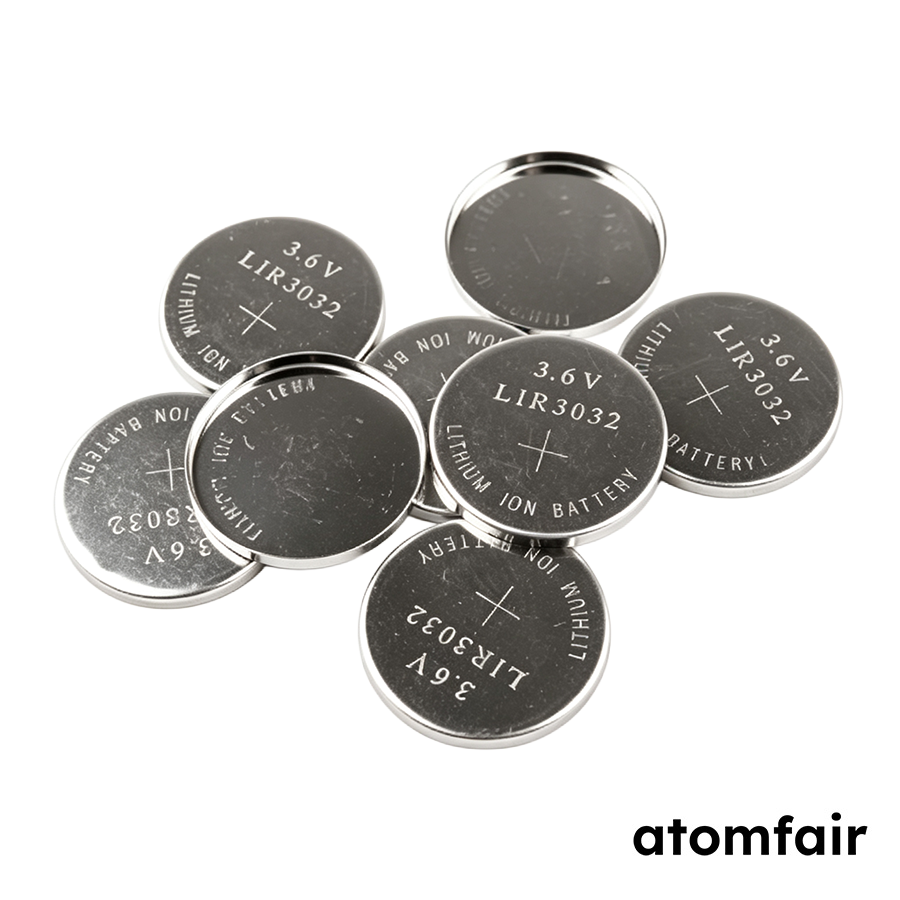
304 Stainless Steel Coin Cell Case 30mm × 3.2mm
$80.00 -
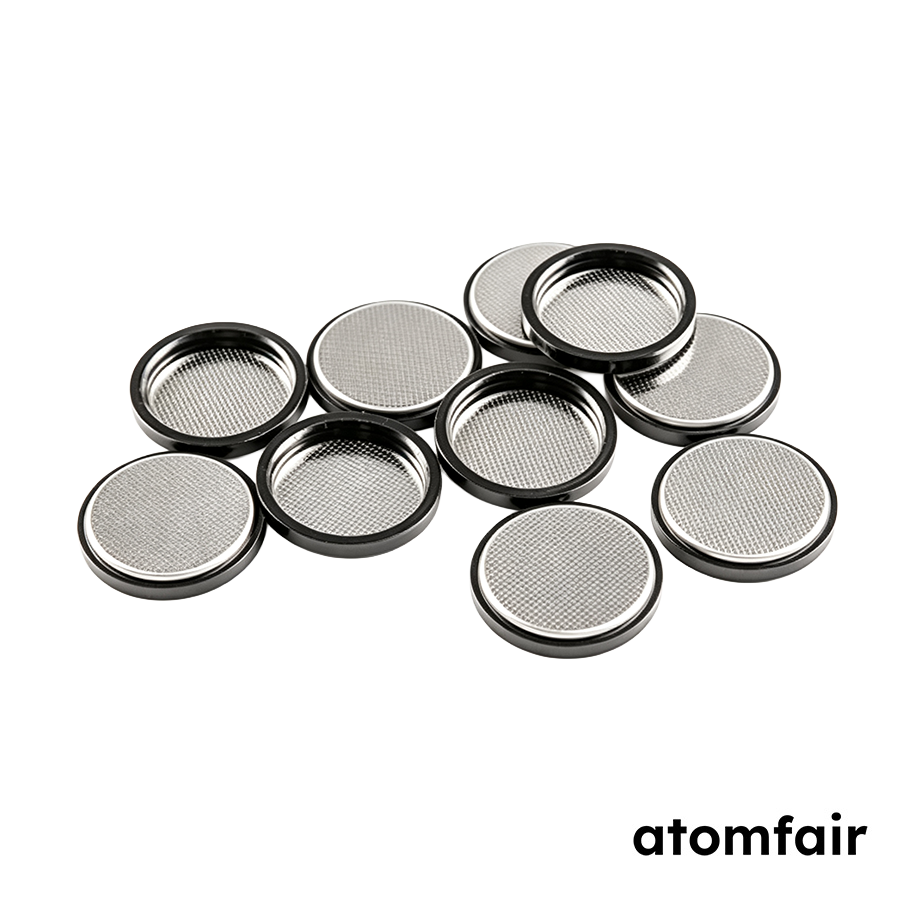
304 Stainless Steel LIR2032 Coin Cell Case 20mm
$76.00 -
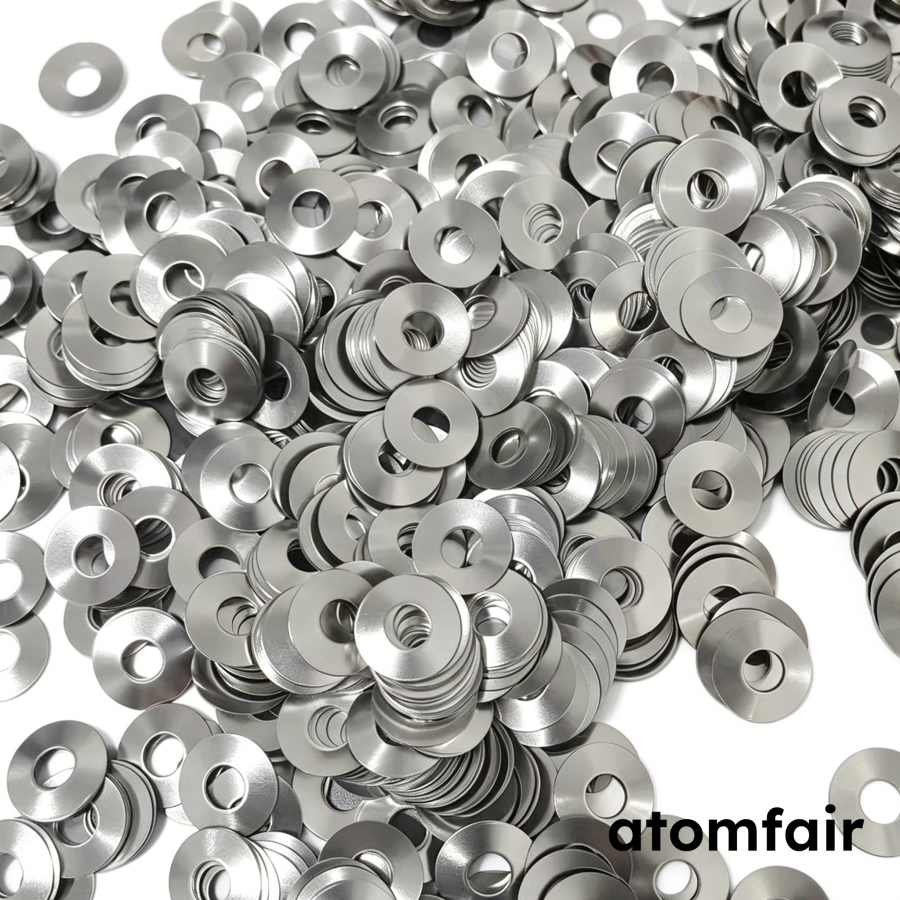
304/316L Stainless Conical Springs 15.4×1.1mm
Price range: $130.00 through $220.00 -
304/316L Stainless Steel CR2032 Conductive Spacers 15.8 × 0.5 mm
Price range: $122.00 through $210.00 -
304/316L Stainless Steel CR2032 Wave Springs 15.4 × 1.1 mm
Price range: $130.00 through $210.00 -
316 Stainless Steel AG4 Micro Coin Cell Case
$92.00 -
316 Stainless Steel LR41 Coin Cell Case 100-Pack
$190.00 -
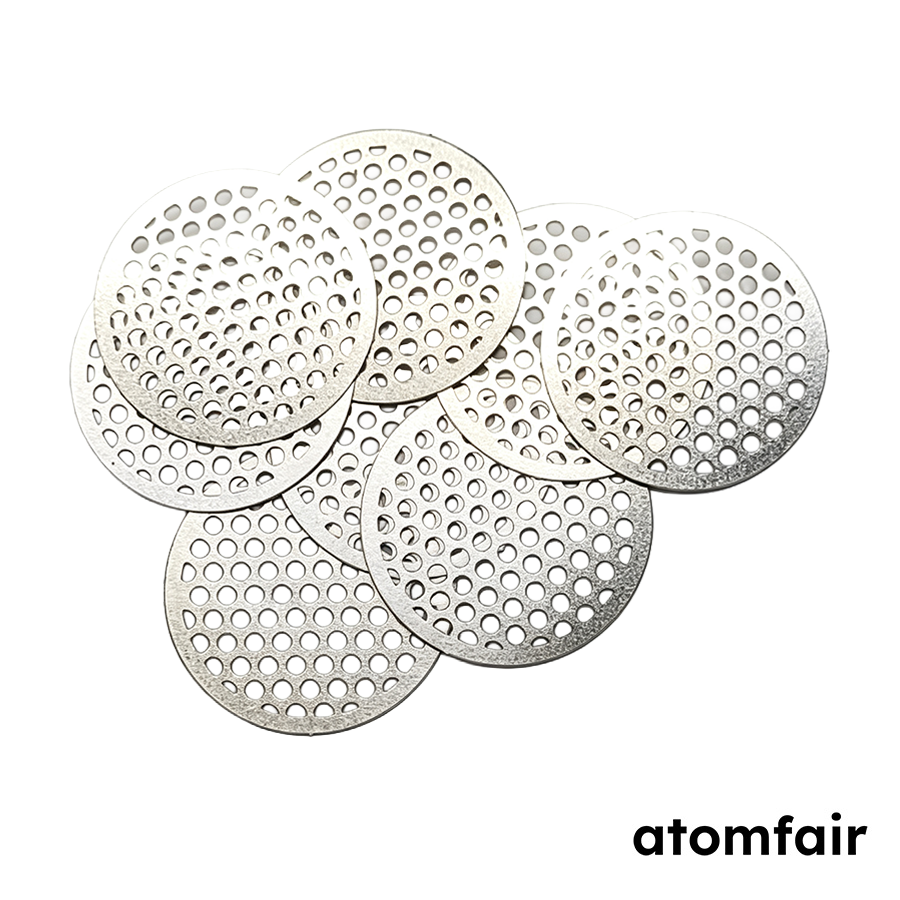
316 Stainless Steel Mesh Disc 16mm Air Battery
$92.00 -
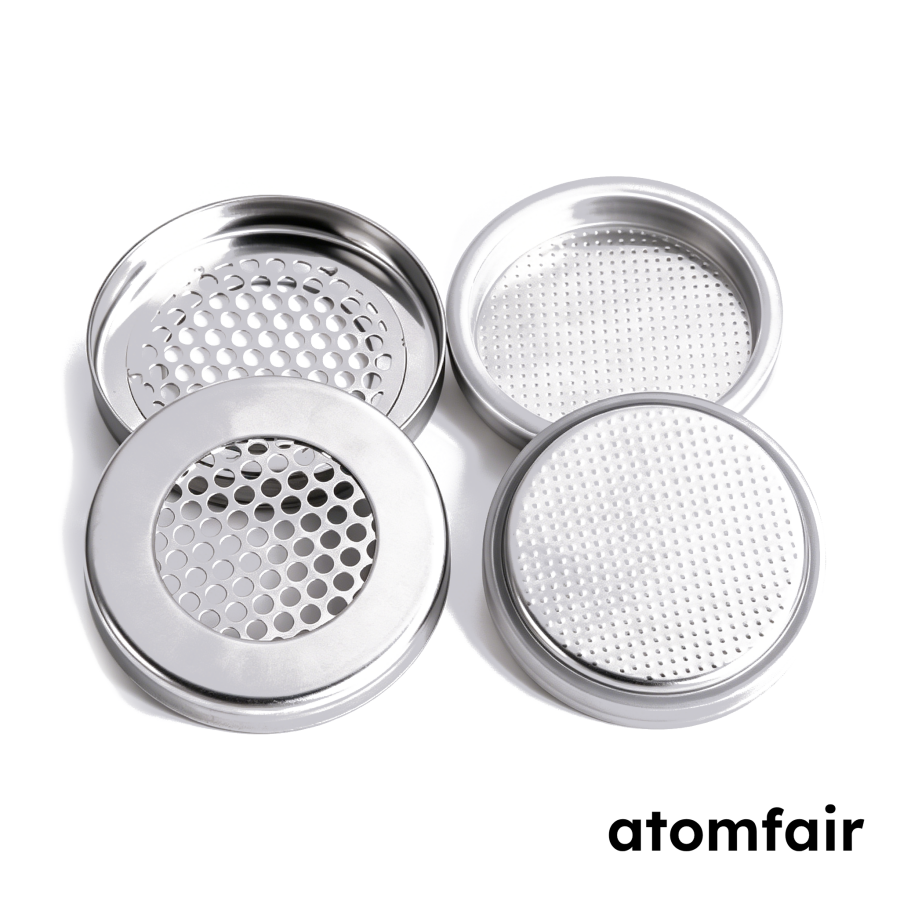
316L CR2032 Perforated Mesh Coin Cell Case Sets
$154.00 -
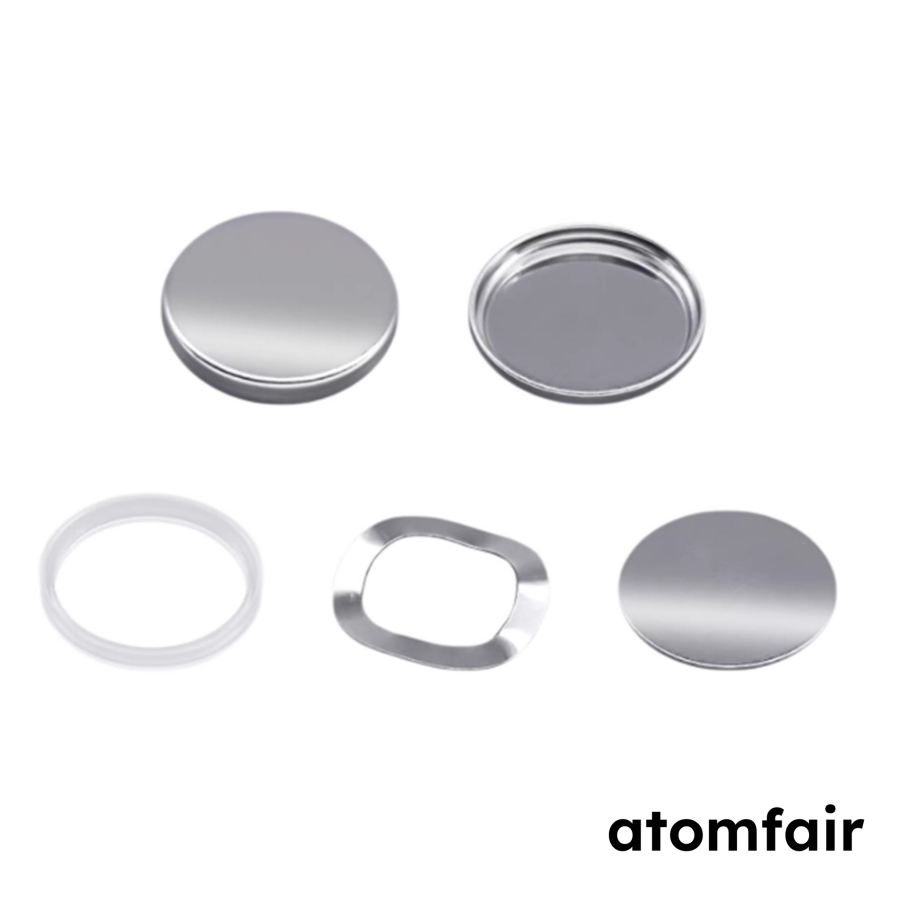
316L/304 Stainless Steel CR2016 Coin Cell Set
Price range: $170.00 through $270.00