
High-Purity Oxides
The High-Purity Oxides collection includes high-purity inorganic oxide powders for advanced ceramics, electronic materials, energy materials, coatings, catalysts, polishing, optical materials, and laboratory research.
This category includes alumina, zirconia, titanium dioxide, zinc oxide, silicon dioxide, magnesium oxide, cerium oxide, yttrium oxide, iron oxides, manganese oxides, copper oxide, cobalt oxide, bismuth oxide, molybdenum oxide, and other specialty metal oxides. Products can be selected according to purity, crystal phase, particle size, morphology, specific surface area, surface treatment, and application grade.
High-purity oxides are suitable for ceramic formulation development, powder processing, sintering research, polishing, coating preparation, inorganic synthesis, electronic-material development, and energy-material research. Product specifications may vary, so buyers should confirm the technical data sheet, COA, SDS, particle size, crystal phase, and packaging requirements before purchase.
Show More: Explore High-Purity Oxides
1. Major Oxide Material Families
| Material Family | Key Selection Parameters | Typical Applications |
|---|---|---|
| Alumina (Al₂O₃) | Purity, alpha or gamma phase, particle size, morphology, and calcination condition | Advanced ceramics, polishing, refractories, ceramic substrates, and fillers |
| Zirconia (ZrO₂) | Crystal phase, stabilizer, yttria content, particle size, and sintering behavior | Structural ceramics, dental ceramics, wear-resistant components, and thermal materials |
| Titanium Dioxide (TiO₂) | Anatase or rutile phase, particle size, surface treatment, and application grade | Coatings, pigments, photocatalytic research, ceramics, and inorganic synthesis |
| Zinc Oxide (ZnO) | Purity, nano or micron size, morphology, and surface modification | Ceramics, coatings, rubber, antibacterial research, and electronic materials |
| Silicon Dioxide (SiO₂) | Particle size, surface chemistry, dispersion behavior, and material form | Coatings, composites, polishing, fillers, and laboratory synthesis |
| Magnesium Oxide (MgO) | Purity, reactivity, particle size, and calcination level | Ceramics, refractories, adsorbents, and inorganic synthesis |
| Rare-Earth Oxides | Elemental composition, purity, dopant concentration, and particle size | Optical materials, electronic ceramics, catalysts, and energy materials |
| Transition-Metal Oxides | Oxidation state, stoichiometry, purity, and particle size | Catalysis, pigments, magnetic materials, and electrochemical research |
2. Doped and Stabilized Oxides
Doped and stabilized oxides are specialized oxide materials modified with stabilizers or functional dopants to improve phase stability, electrical properties, thermal performance, mechanical behavior, or sintering characteristics.
Typical material directions include:
- Stabilized zirconia
- Rare-earth-doped oxides
- Solid oxide electrolyte materials
- Composite oxides
- Functional oxides for electronic ceramics
- Doped oxides for energy-material research
When selecting these materials, confirm the base oxide, dopant or stabilizer, concentration, crystal phase, particle size, and recommended sintering or processing conditions.
3. Select by Particle Size and Powder Form
| Powder Form | Selection Considerations | Suitable Processing Areas |
|---|---|---|
| Micron-Scale Powders | Handling, flowability, packing density, and conventional processing | Ceramic mixing, pressing, sintering, refractories, and inorganic formulations |
| Nano-Scale Powders | Specific surface area, agglomeration, dispersion medium, and surface activity | Fine microstructure, coatings, composites, catalysis, and functional materials |
| Polishing-Grade Oxides | Hardness, particle-size distribution, morphology, and slurry stability | Precision polishing and surface finishing |
| Surface-Treated Oxides | Treatment chemistry, dispersion, and compatibility with the target matrix | Coatings, rubber, polymers, composites, and functional dispersions |
4. Key Specifications for Material Selection
- Chemical purity: Confirm the stated purity and the composition of trace impurities.
- Crystal phase: Different phases may affect density, reactivity, optical properties, and sintering behavior.
- Particle-size distribution: Review nominal particle size and, where available, D10, D50, and D90 data.
- Particle morphology: Particle shape can influence flowability, packing, dispersion, and forming behavior.
- Specific surface area: This is particularly important for catalysis, sintering, adsorption, and surface-reaction applications.
- Moisture content: Moisture control may be important for electronic materials, precision synthesis, and moisture-sensitive powders.
- Surface treatment: Surface modification can affect dispersion in coatings, polymers, solvents, or slurries.
- Packaging and documentation: Confirm COA, SDS, batch information, moisture protection, and storage conditions when required.
5. Typical Application Areas
| Application Area | Material Selection Focus |
|---|---|
| Advanced Ceramics | Purity, crystal phase, particle size, morphology, and sintering behavior |
| Coatings and Pigments | Particle size, surface treatment, optical properties, and dispersion performance |
| Polishing and Surface Finishing | Hardness, particle-size distribution, morphology, slurry stability, and target surface finish |
| Electronic Materials | Stoichiometry, dopant concentration, phase purity, electrical behavior, and thermal stability |
| Energy Materials | Composition, dopant level, ionic or electronic properties, particle size, and thermal stability |
| Catalysis and Inorganic Synthesis | Purity, surface area, particle morphology, reactivity, and chemical compatibility |
6. High-Purity Oxide Purchasing Guide
To identify the most suitable oxide grade, provide the following information when requesting a quotation:
- Oxide name or chemical formula
- Target purity
- Particle size or particle-size distribution
- Crystal-phase requirements
- Dopant or stabilizer requirements
- Expected purchase quantity
- Application and processing method
- Required COA, SDS, or other technical documents
- Packaging and storage requirements
Frequently Asked Questions
What are high-purity oxides?
High-purity oxides are inorganic oxide materials with controlled chemical purity and impurity levels for advanced ceramics, electronic materials, energy materials, coatings, catalysis, and laboratory research.
Does higher purity always mean better performance?
Not necessarily. Performance also depends on crystal phase, particle size, morphology, specific surface area, dopant content, surface treatment, and processing conditions. The most suitable grade should be selected according to the intended application.
What is the difference between nano and micron-scale oxides?
Nano-scale oxides generally provide higher specific surface area and stronger surface activity, but they may require careful dispersion and agglomeration control. Micron-scale oxides are often easier to handle, mix, and process in conventional ceramic formulations.
Are doped and stabilized oxides included in this category?
Yes. Doped and stabilized oxides are specialized oxide systems designed to improve phase stability, electrical properties, thermal performance, mechanical behavior, or sintering characteristics.
Can high-purity oxides be used for advanced ceramics?
Many high-purity oxides are suitable for advanced ceramic development and production. Final suitability depends on purity, particle size, crystal phase, formulation, forming method, and sintering conditions.
Can customized or doped oxide materials be requested?
Some products may support doping, stabilization, particle-size adjustment, or customized composition. Provide the target formula, purity, dopant level, particle-size range, and purchase quantity for inquiry.
Can COA and SDS documents be requested?
COA, SDS, technical data sheets, and batch information may be available depending on the selected product. Confirm documentation requirements before placing an order.
How should high-purity oxides be stored?
Follow the supplier’s SDS and technical documentation. In general, powders should be protected from moisture, contamination, and unsuitable temperature or atmospheric conditions.
Showing 1–16 of 178 results
-
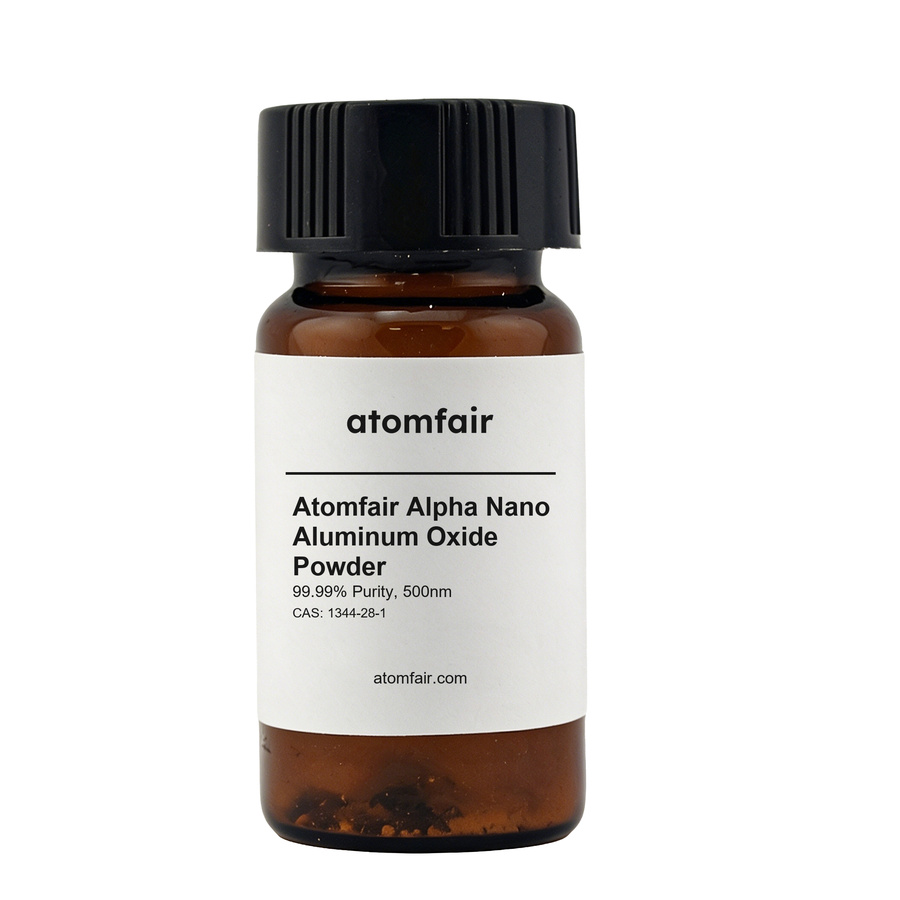
Alpha Aluminum Oxide Powder 99.99% 500 nm ATOMFAIR®
Price range: $139.00 through $1,029.00 -
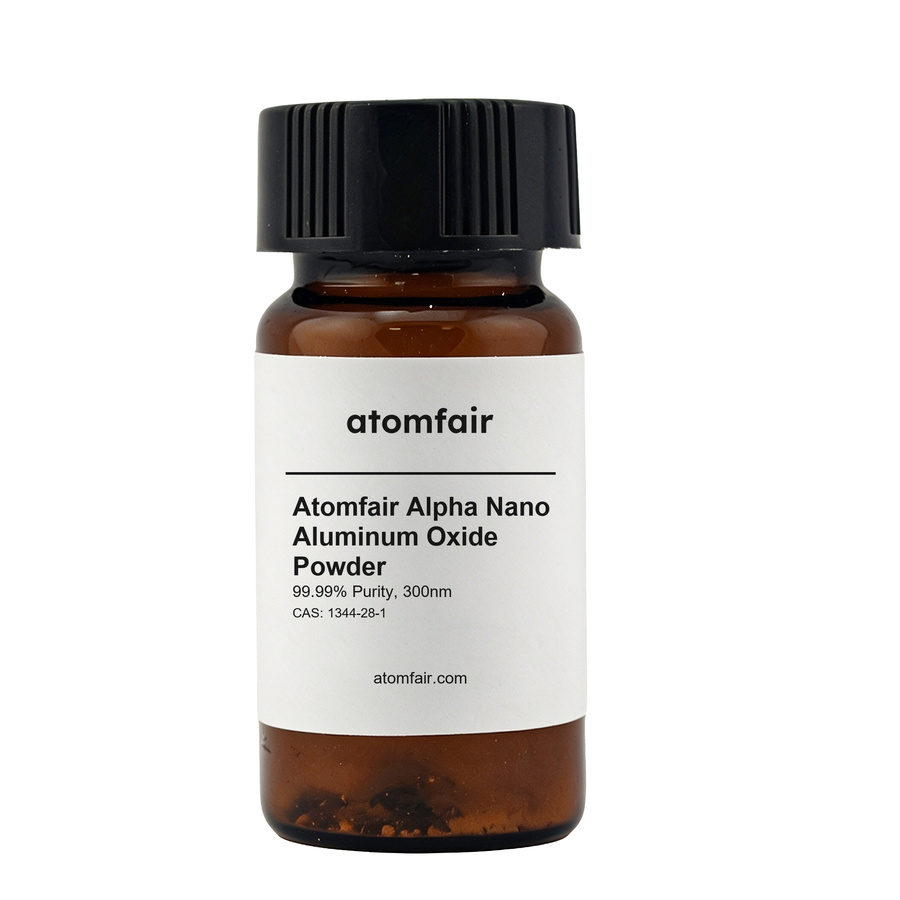
Alpha Aluminum Oxide Powder 99.99%, 300nm ATOMFAIR®
Price range: $129.00 through $949.00 -
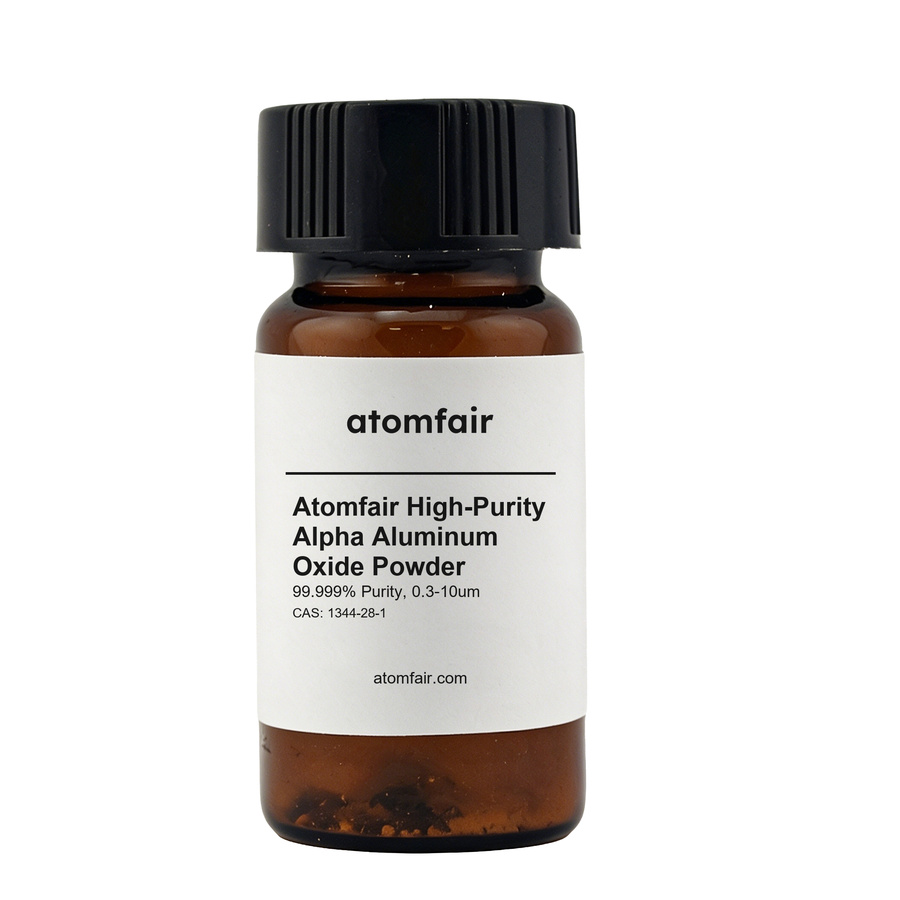
Alpha Aluminum Oxide Powder 99.999%, 0.3-10μm ATOMFAIR®
Price range: $189.00 through $1,399.00 -
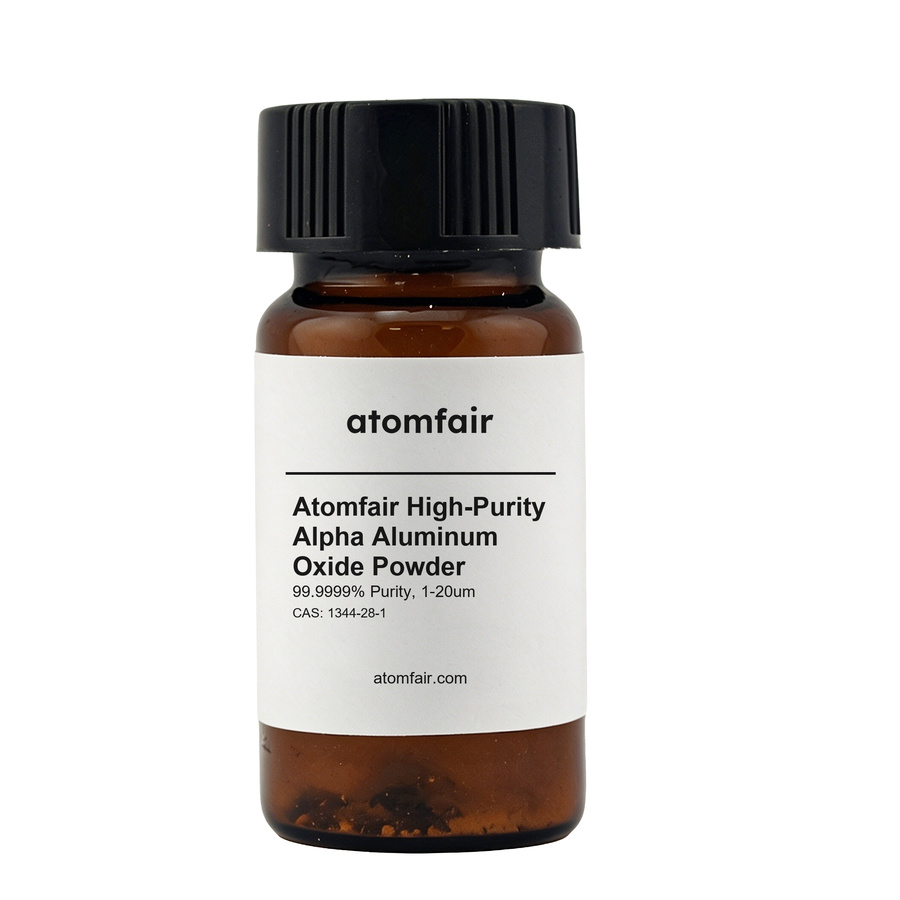
Alpha Aluminum Oxide Powder 99.9999%, 1-20μm ATOMFAIR®
Price range: $149.00 through $349.00 -
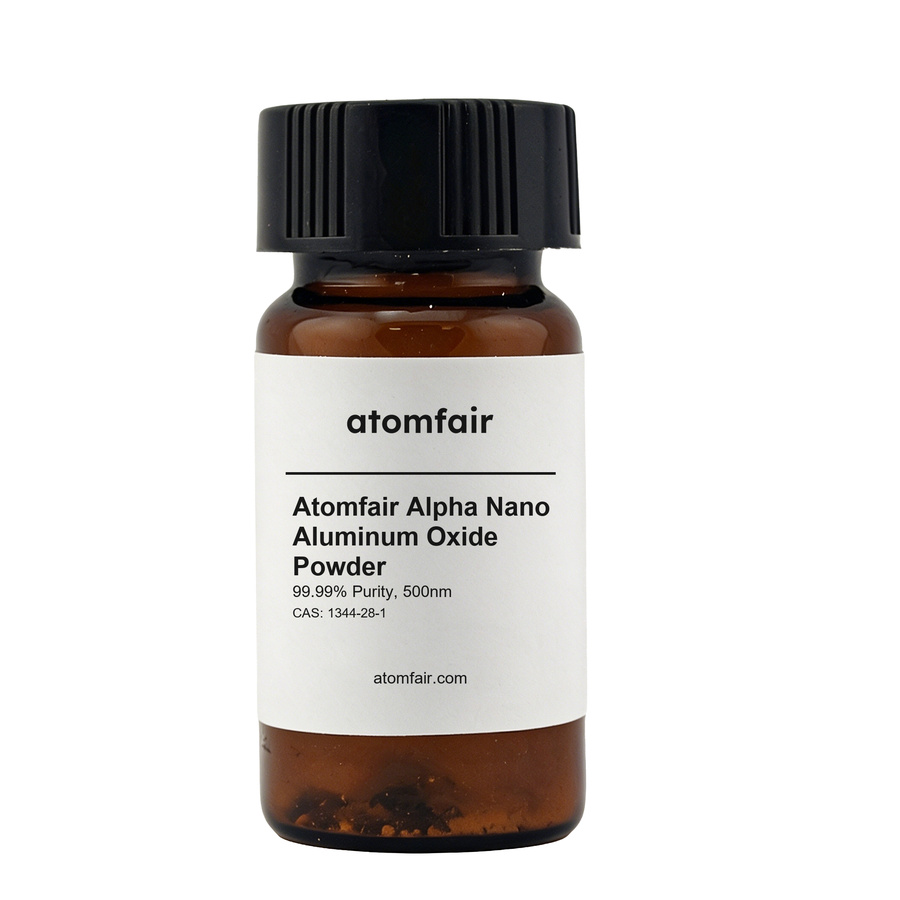
Alpha Nano Aluminum Oxide Powder 99.99%, 500 nm ATOMFAIR®
Price range: $139.00 through $1,029.00 -
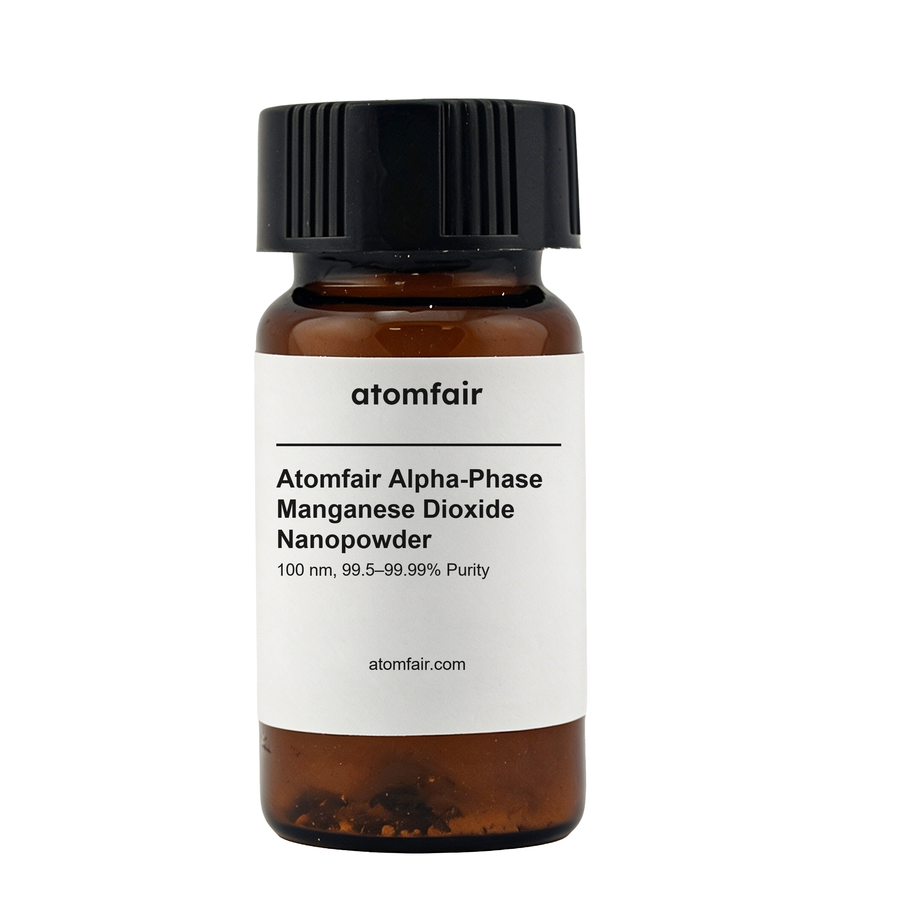
Alpha-Phase Manganese Dioxide 100 nm 99.5–99.99% ATOMFAIR®
Price range: $429.00 through $1,799.00 -
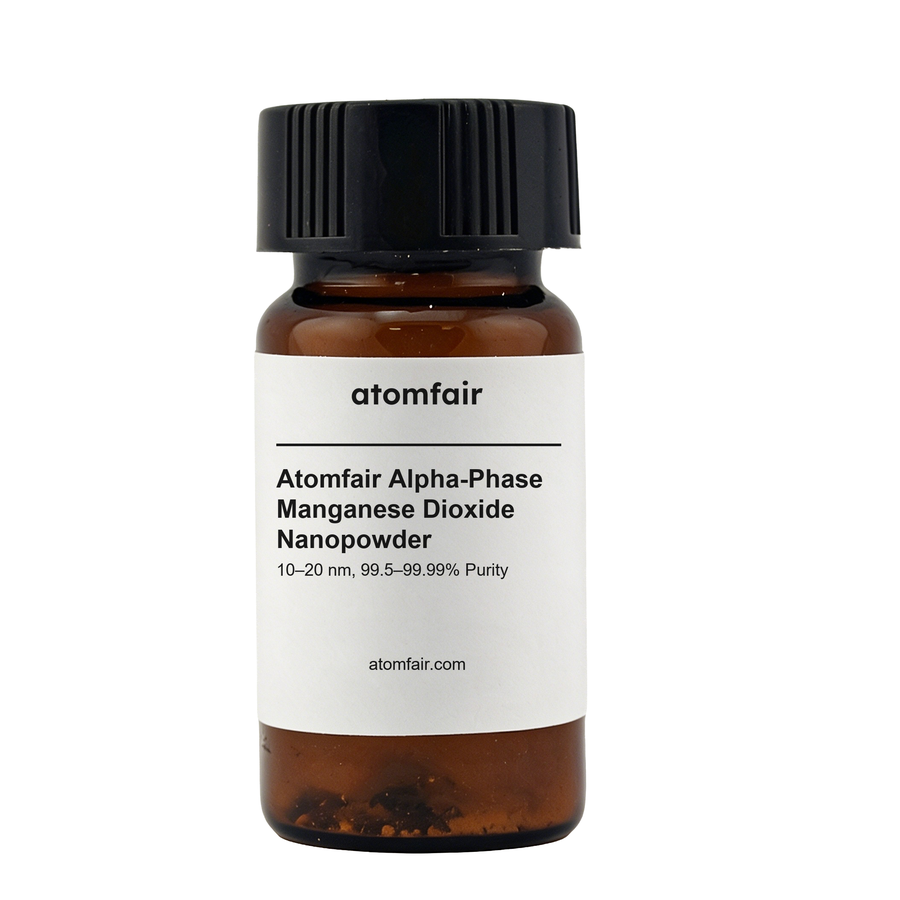
Alpha-Phase Manganese Dioxide Nanopowder 10-20 nm ATOMFAIR®
Price range: $529.00 through $2,299.00 -
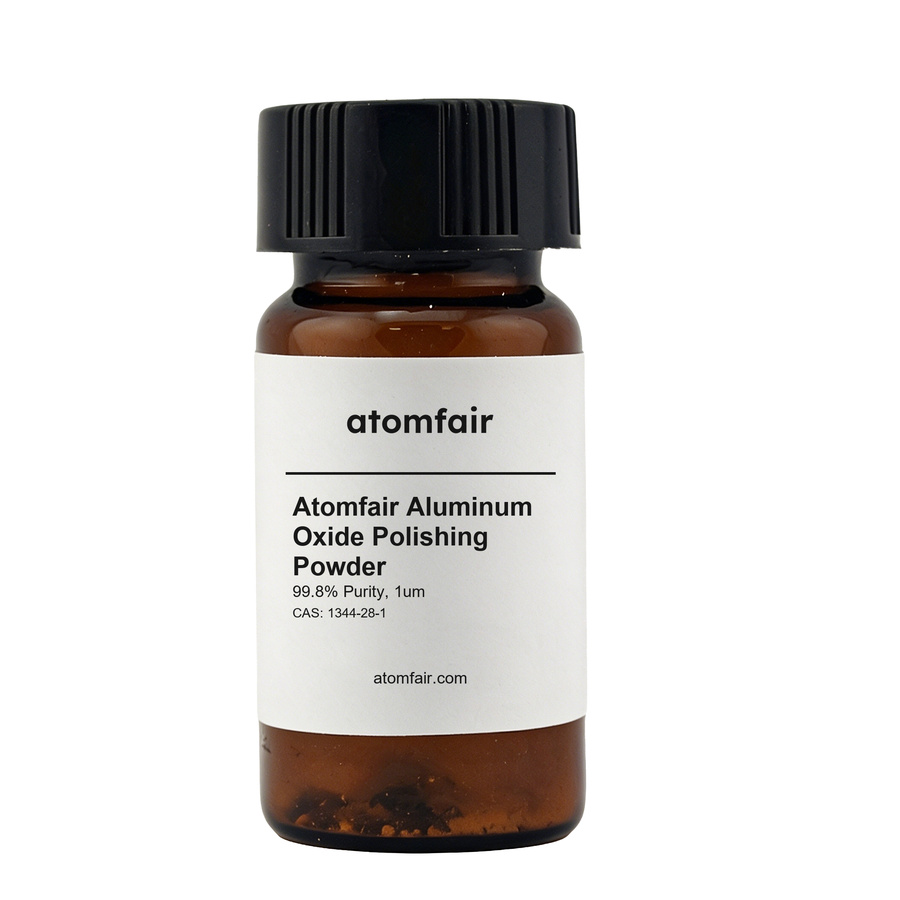
Aluminum Oxide Polishing Powder 99.8%, 1μm ATOMFAIR®
Price range: $119.00 through $609.00 -
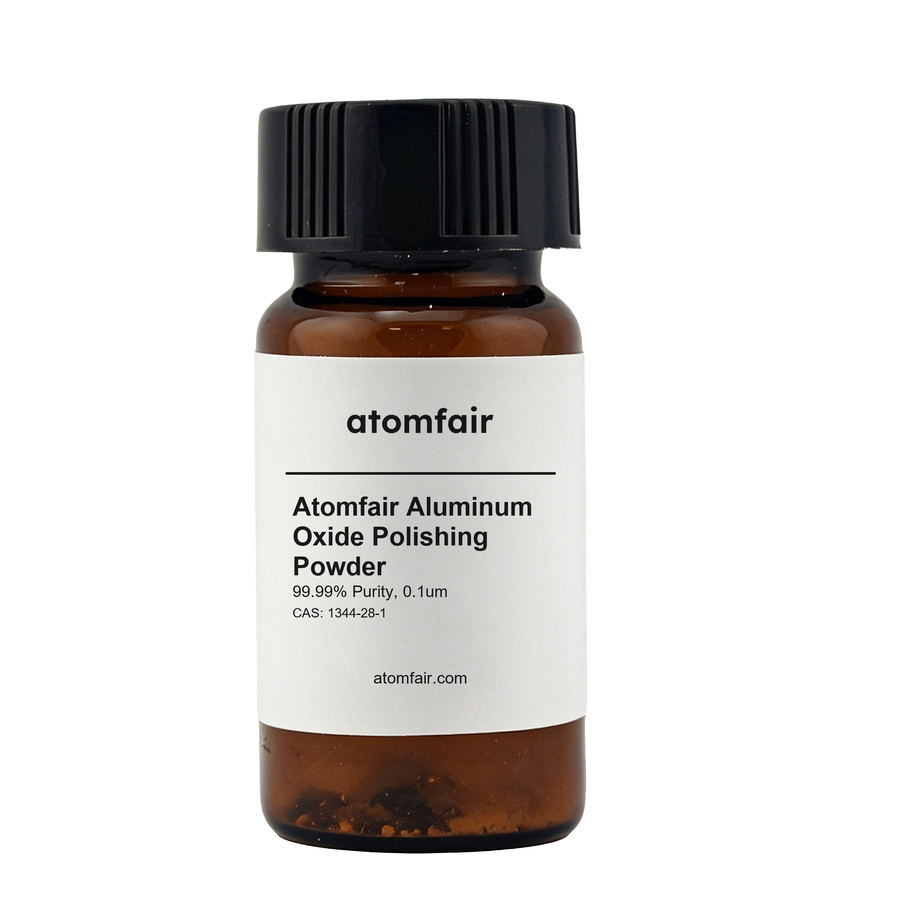
Aluminum Oxide Polishing Powder 99.99% 0.1μm ATOMFAIR®
Price range: $118.00 through $699.00 -
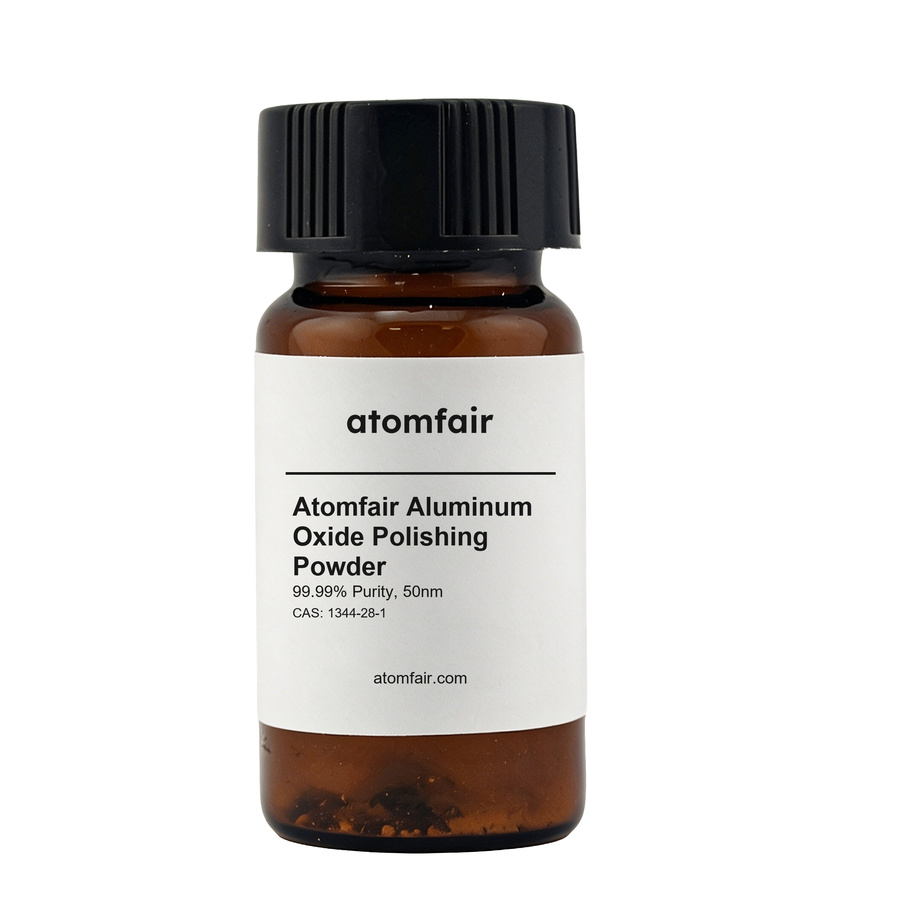
Aluminum Oxide Polishing Powder 99.99% 50nm ATOMFAIR®
Price range: $118.00 through $699.00 -
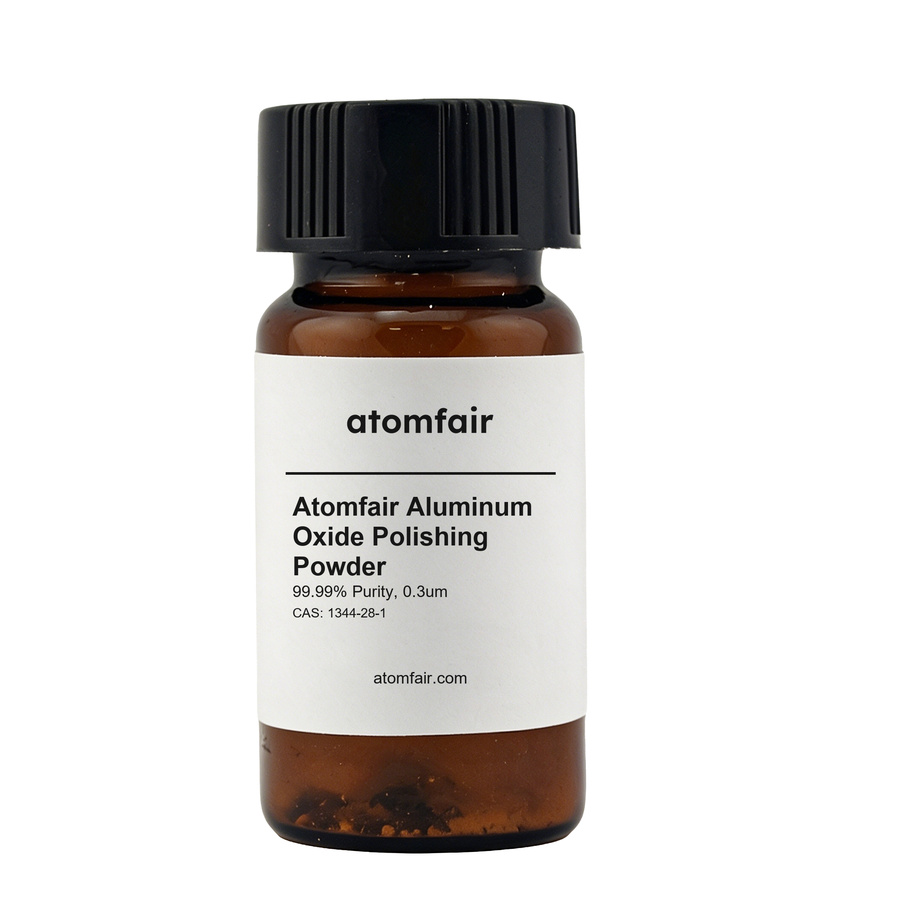
Aluminum Oxide Polishing Powder 99.99%, 0.3μm ATOMFAIR®
Price range: $115.00 through $679.00 -
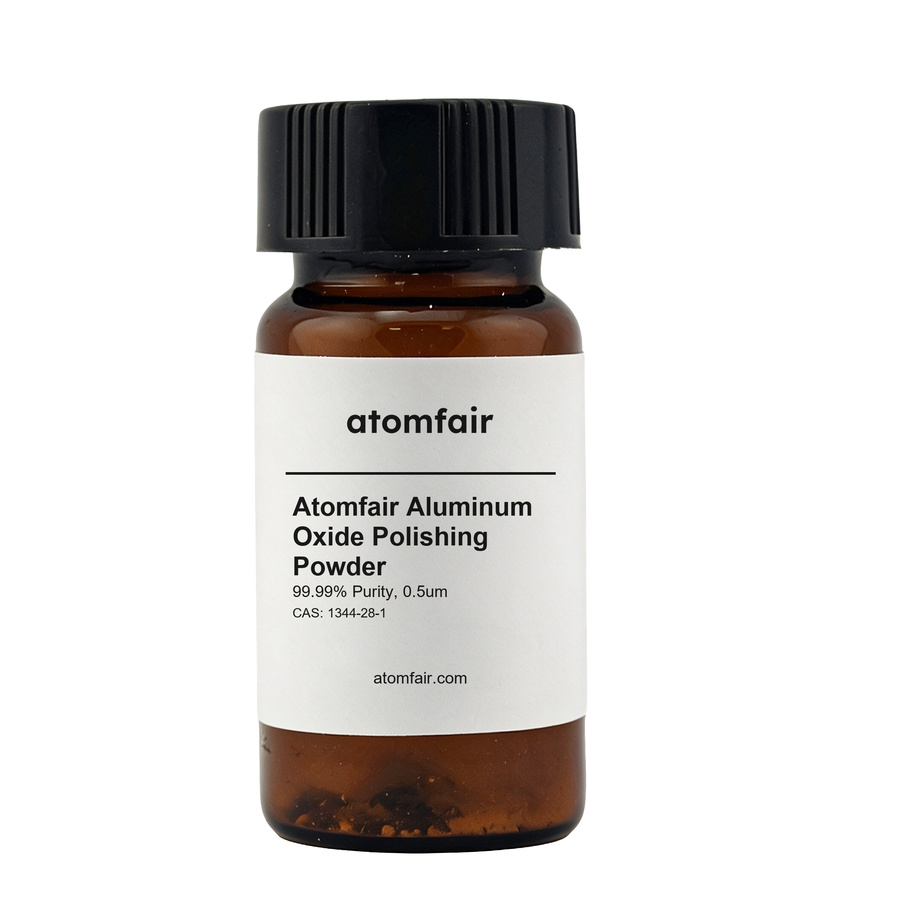
Aluminum Oxide Polishing Powder 99.99%, 0.5μm ATOMFAIR®
Price range: $111.00 through $649.00 -
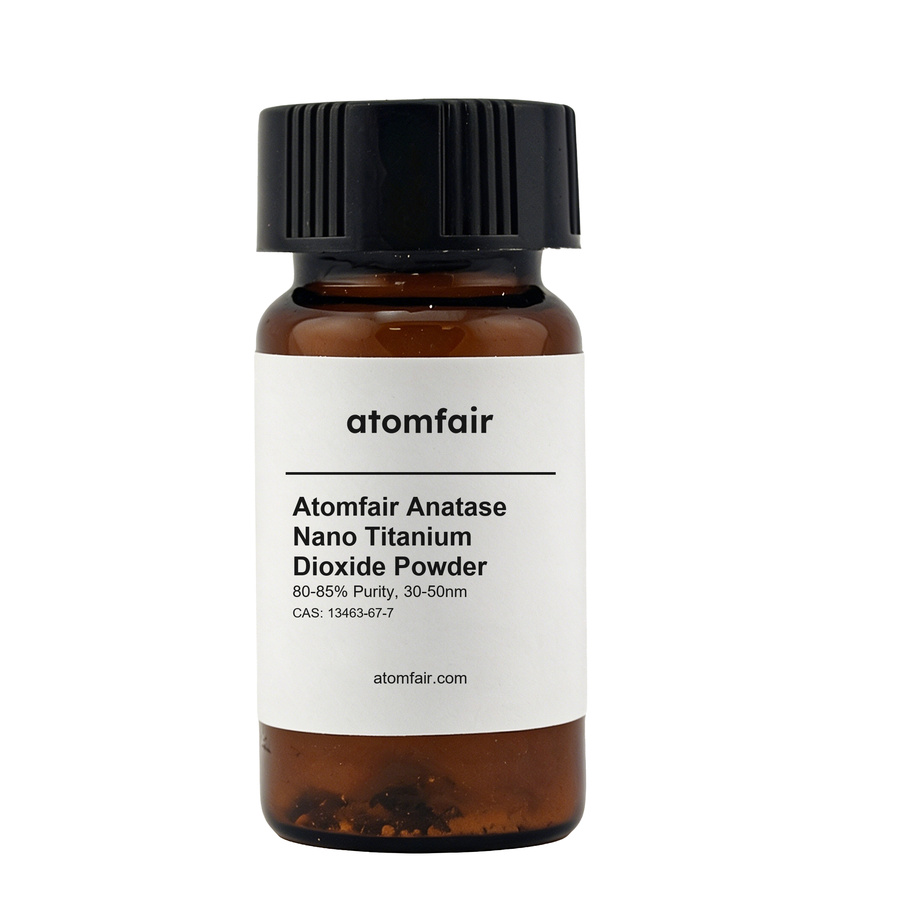
Anatase Nano TiO2 Powder 80-85%, 30-50nm Grade ATOMFAIR®
Price range: $141.00 through $869.00 -
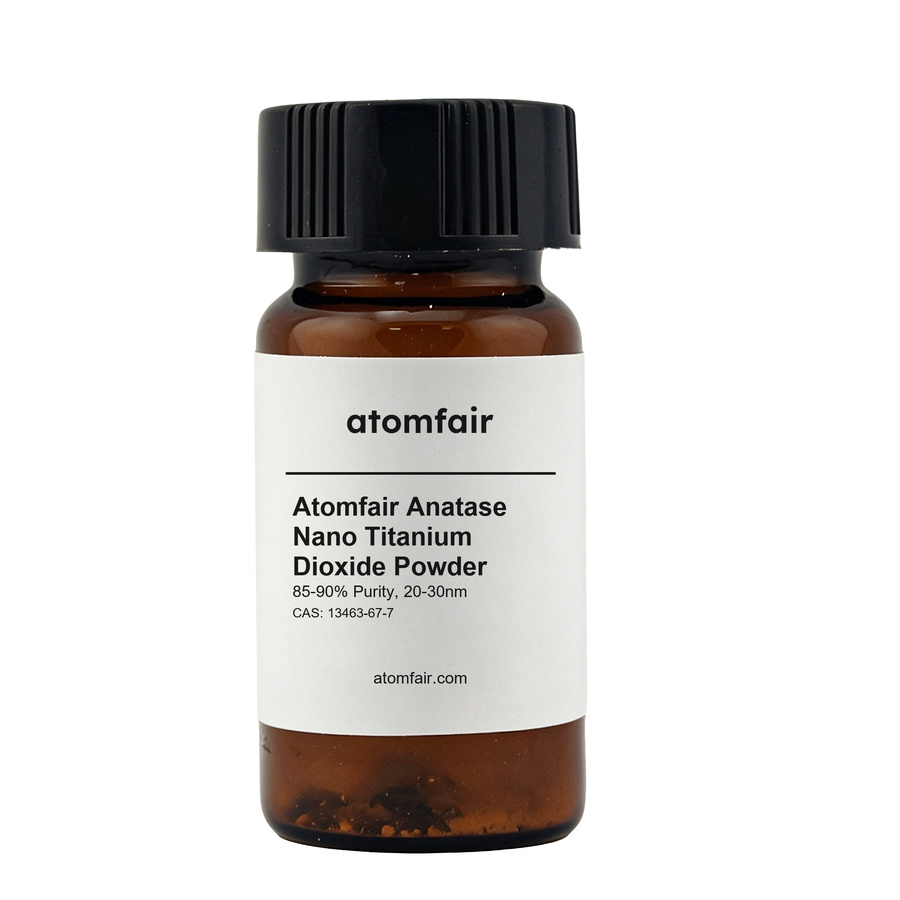
Anatase Nano TiO2 Powder 85-90%, 20-30nm Grade ATOMFAIR®
Price range: $136.00 through $839.00 -
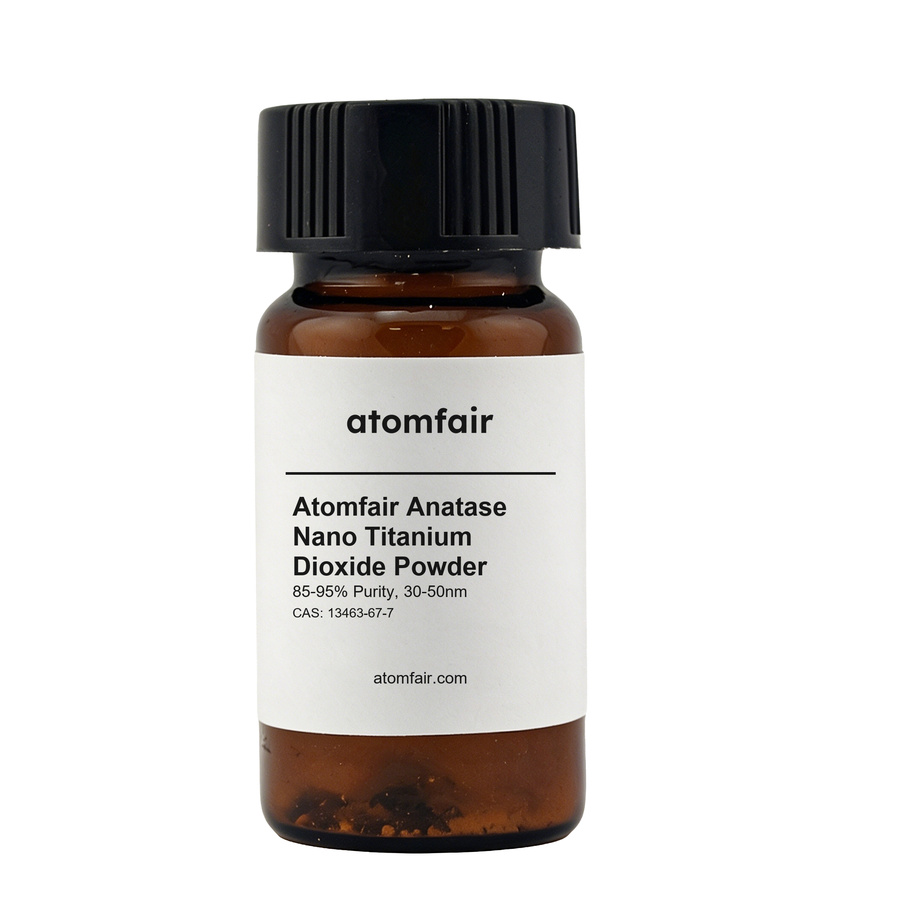
Anatase Nano TiO2 Powder 85–95%, 30–50 nm ATOMFAIR®
Price range: $134.00 through $829.00 -
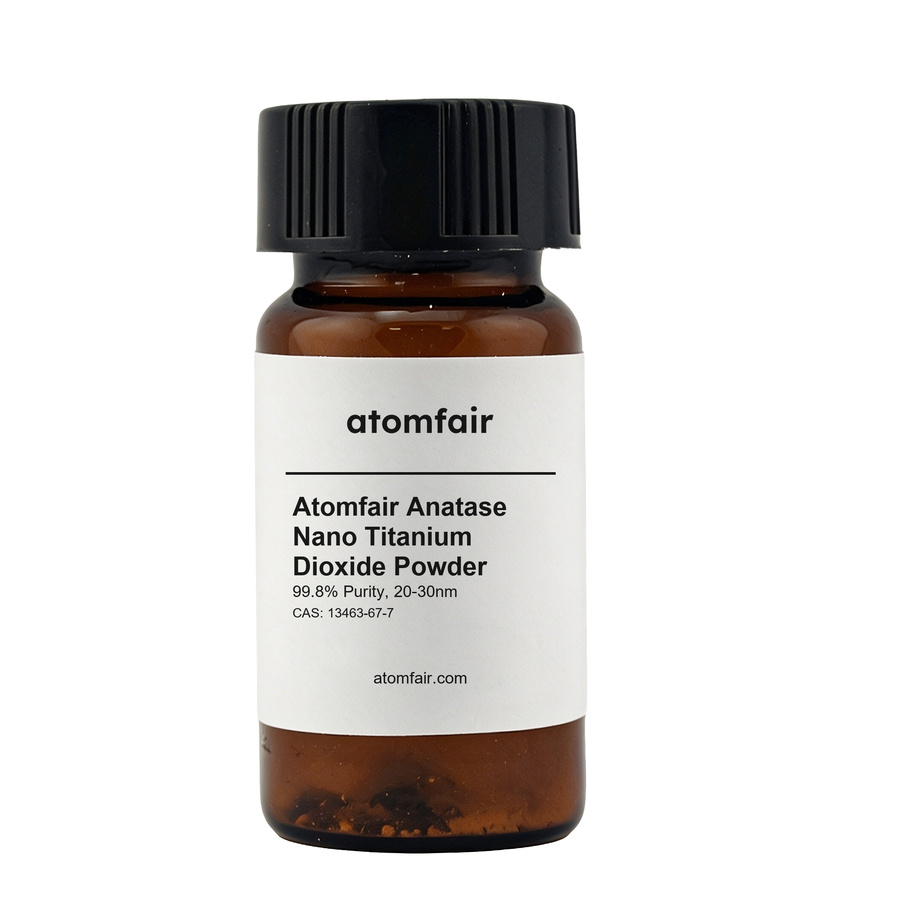
Anatase Nano TiO2 Powder 99.8% Pure, 20–30nm ATOMFAIR®
Price range: $141.00 through $959.00