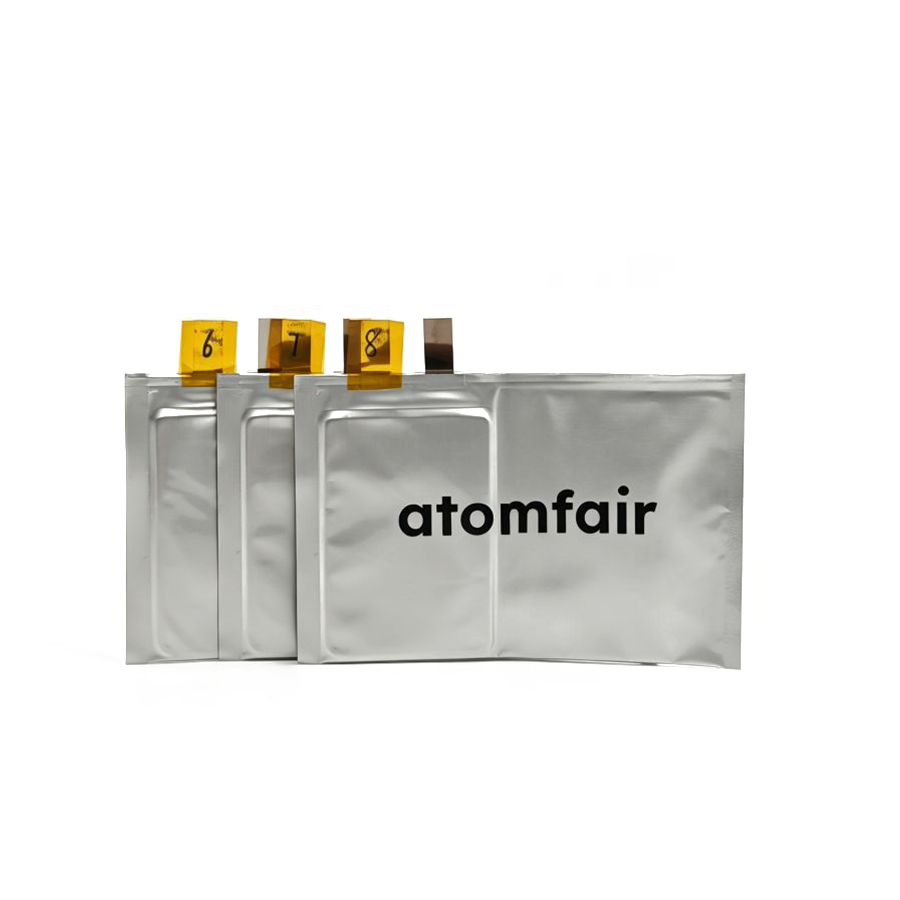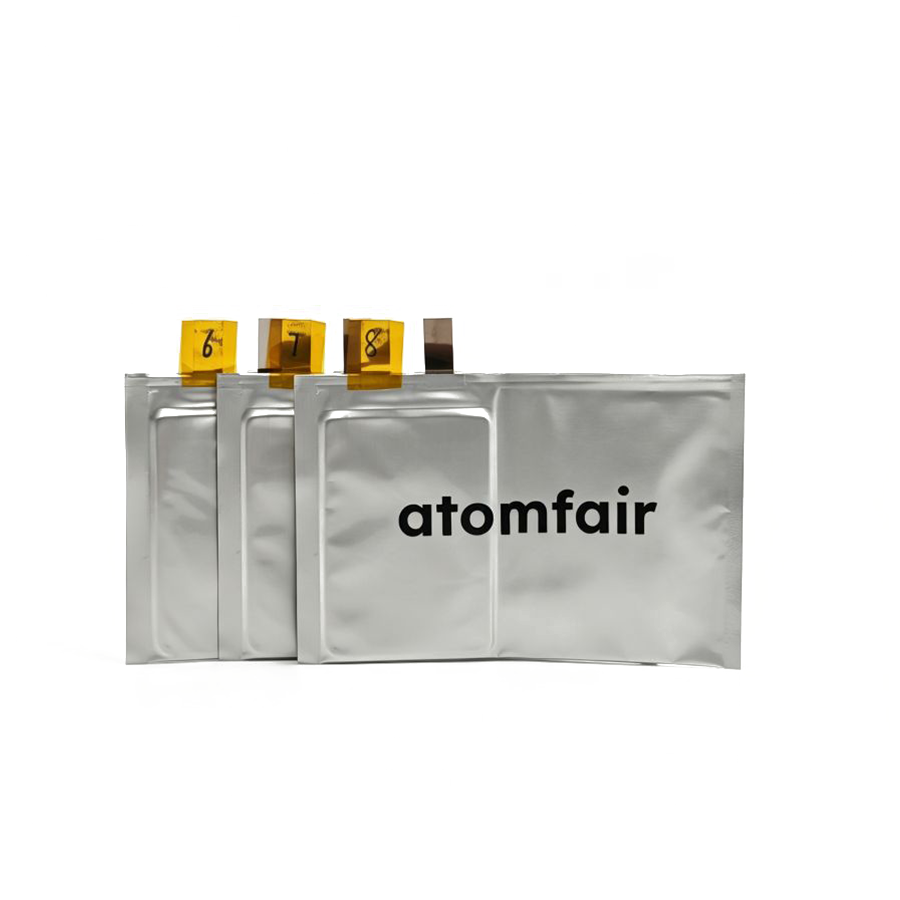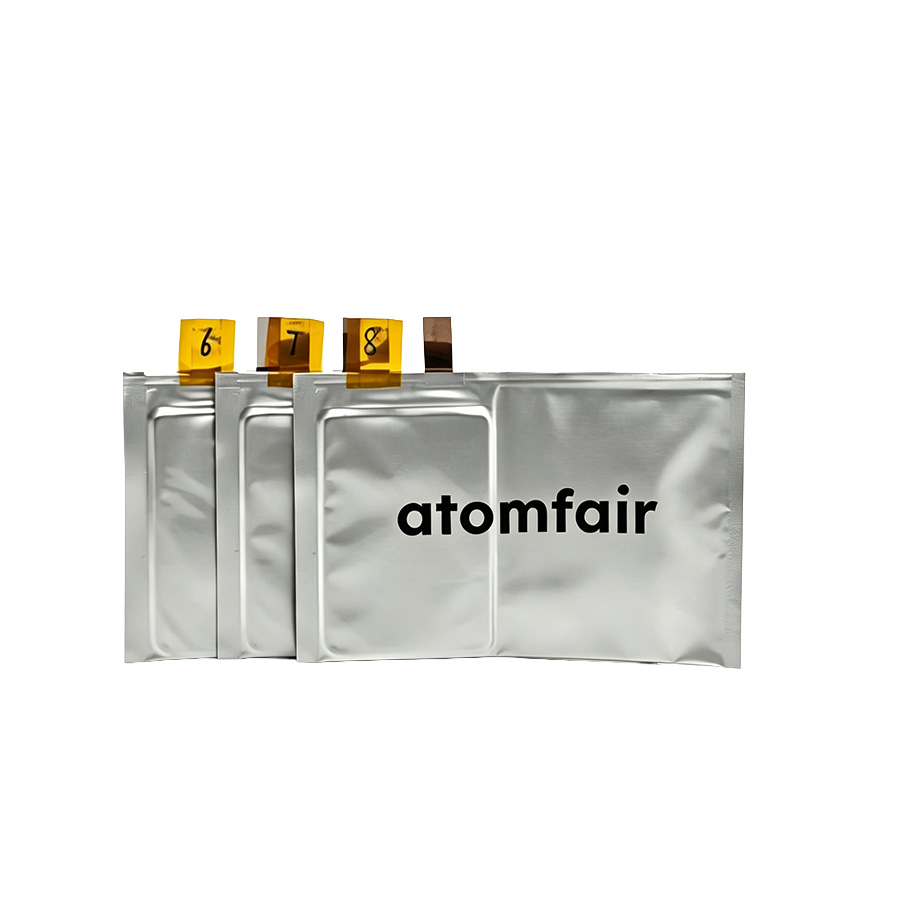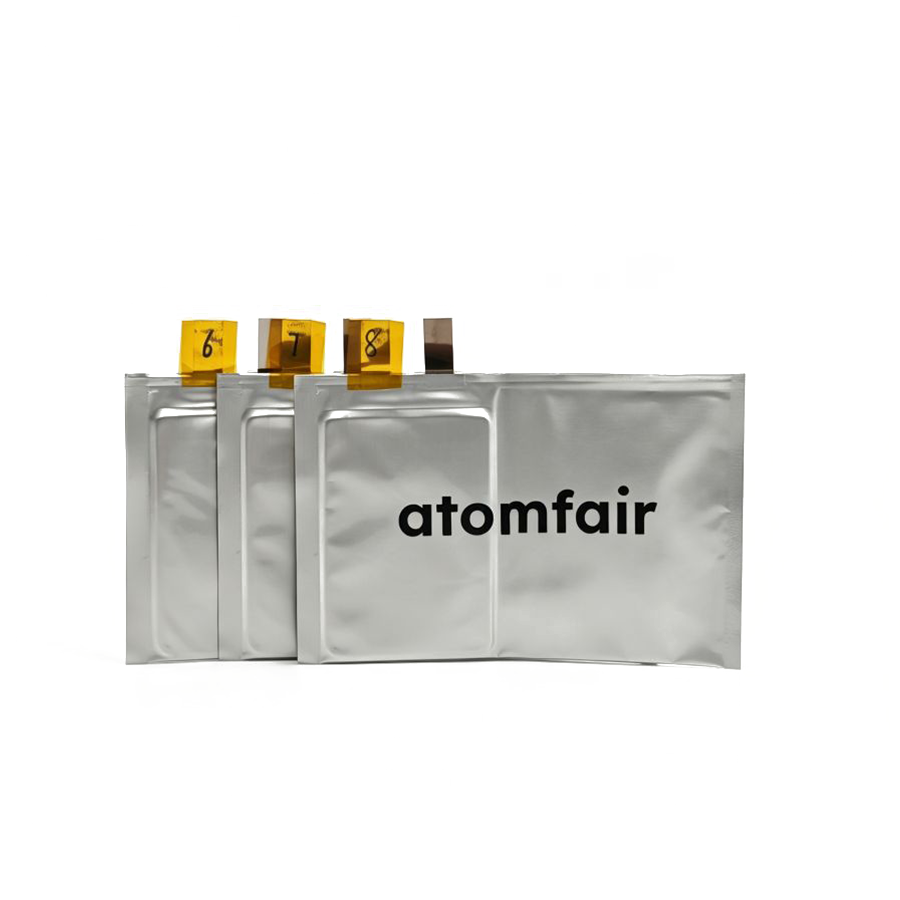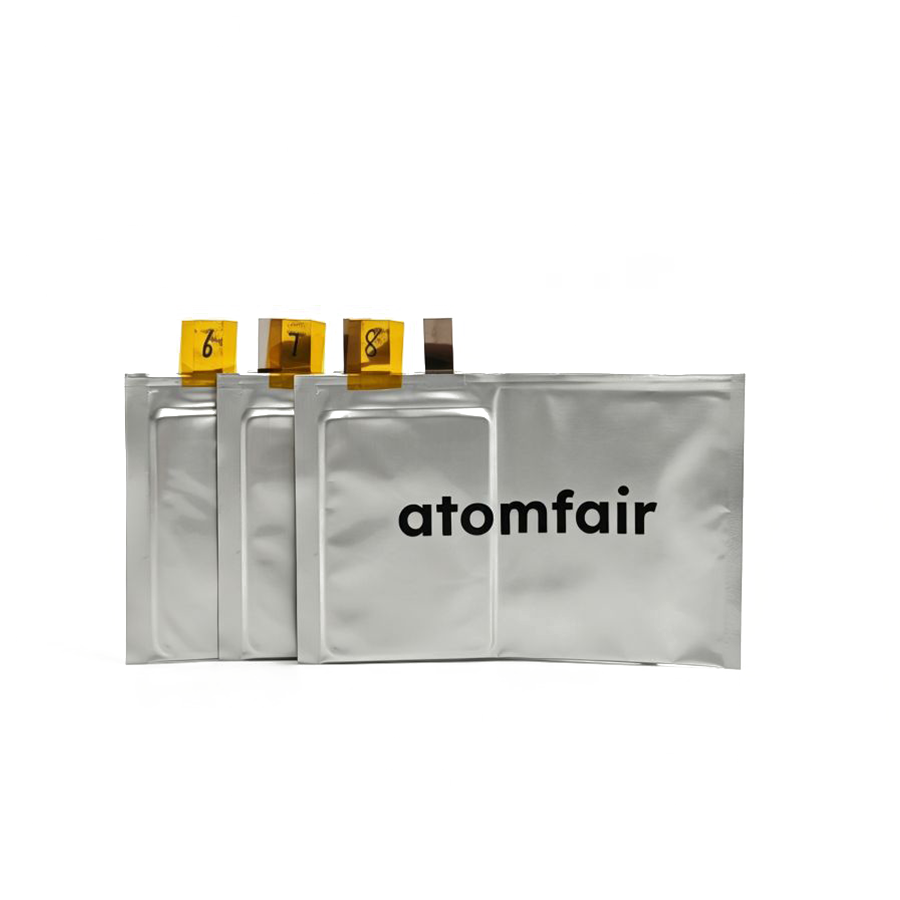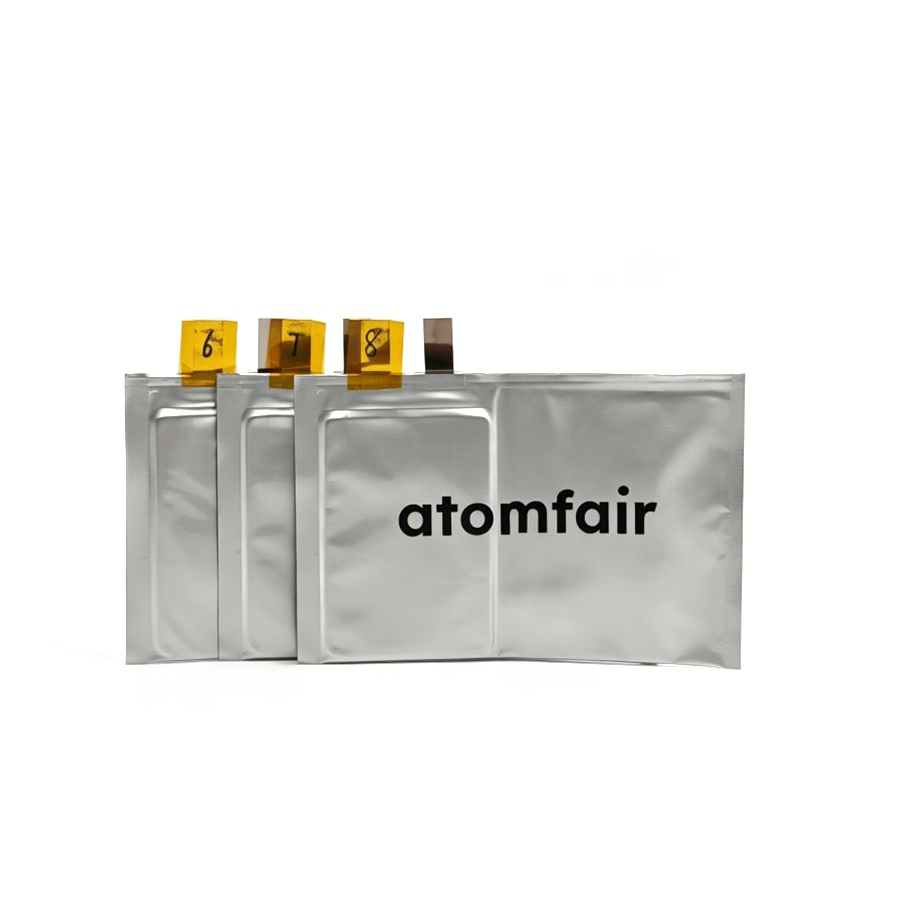
NCM811 Dry Pouch Cell (0.5Ah) – Li-Cu Composite Anode |
||||||||||||||||||||||||||||||||||||||||||||||||||||||||||||
|
||||||||||||||||||||||||||||||||||||||||||||||||||||||||||||
Store the cell in an argon-filled glovebox with <0.1 ppm oxygen and moisture to prevent lithium anode degradation and electrical short hazards. Maintain storage temperature at 20-25°C and avoid mechanical puncture, high voltage, or exposure to conductive materials.
- Moisture Sensitivity: The lithium‑copper composite anode reacts exothermically with atmospheric moisture, necessitating storage under inert gas to prevent hydrogen evolution and cell rupture.
- Oxygen Sensitivity: Oxygen exposure above 0.1 ppm accelerates passivation layer growth on the lithium surface, increasing interfacial resistance and reducing cycle life.
- Temperature Range: Extended storage outside 20–25°C may cause thermal expansion of the multilayer stack, leading to delamination or internal short circuits.
- Short Circuit Prevention: Keep cell terminals isolated using non‑conductive packaging and avoid contact with metallic objects to prevent external short circuits.
- Mechanical Integrity: Do not apply pressure or flex the pouch body, as the 20+6+20 µm substrate‑supported anode is prone to cracking under mechanical stress.
Activate the dry cell by injecting electrolyte under inert atmosphere, then seal and perform formation cycling within the specified voltage window. All steps must be conducted in an argon‑filled glovebox with controlled oxygen and moisture levels.
Required Equipment: Argon‑filled glovebox (O₂ < 0.1 ppm, H₂O < 0.1 ppm), Vacuum heat sealer with impulse sealing capability, Battery cycler with current/voltage measurement accuracy ≤ 0.1%
- Inspect Cell Integrity
Inspect the pouch cell for visible punctures, creases, or misaligned tabs before introducing it into the glovebox. - Transfer to Inert Atmosphere
Transfer the cell through the glovebox antechamber under vacuum purge cycles to avoid moisture ingress. - Inject Electrolyte
Inject a predetermined volume of electrolyte into the dry cell through the filling port using a calibrated syringe. - Seal the Pouch
Seal the filling port using a vacuum heat sealer at the specified temperature and dwell time to ensure hermetic closure. - Rest for Wetting
Allow the sealed cell to rest at room temperature for a minimum of 2 hours to achieve uniform electrolyte wetting of the electrodes. - Perform Formation Cycling
Connect the cell to a battery cycler and execute formation cycles between 3.0 V and 4.3 V at a C/10 rate to stabilize the solid electrolyte interphase. - Monitor for Leakage
Monitor the cell for swelling, electrolyte leakage, or abnormal voltage drops during the first three cycles.
What is the capacity trade-off when using the Li-Cu composite anode instead of pure lithium foil in the Atomfair 0.5 Ah NCM811 dry pouch cell?
The Li-Cu composite anode (20+6+20 μm) introduces a copper core that adds inactive mass, reducing the cell's gravimetric capacity compared to a pure lithium foil anode. However, it provides superior structural stability, eliminating mechanical variables during high-voltage electrolyte and additive screening, as highlighted in the product description. The nominal capacity after activation remains 0.5 Ah, but the specific energy is lower than a pure lithium baseline.
Which electrolyte chemistries are compatible with the Atomfair dry pouch cell's Li-Cu composite anode and ceramic-coated separator?
The cell is compatible with high-voltage electrolytes operating between 3.0 V and 4.3 V, as per the design voltage window. The separator is a 12 μm PE layer with a 2 μm Al2O3 ceramic coating, which provides thermal stability and wetting compatibility with carbonate-based electrolytes, but may be incompatible with electrolytes containing strong acidic species or solvents that degrade PE. The user must validate electrolyte compatibility for their specific screening protocol.
What handling and storage conditions are required for the Atomfair dry pouch cell before electrolyte filling?
The dry pouch cell must be stored and handled in an inert atmosphere (e.g., Argon glovebox) to prevent moisture uptake and lithium oxidation, as the Li-Cu composite anode contains pristine lithium layers (20 μm each). Prior to electrolyte filling, the cell should remain sealed in a vacuum pouch or inert environment. The 5/6 multilayer stack is rigid but requires careful handling to avoid damaging the 12 μm PE + 2 μm Al2O3 separator.
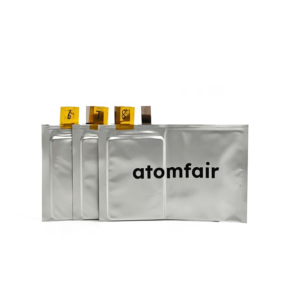
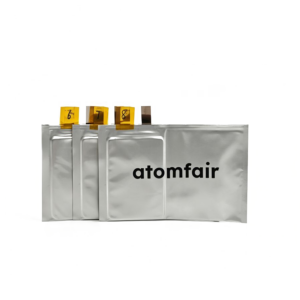
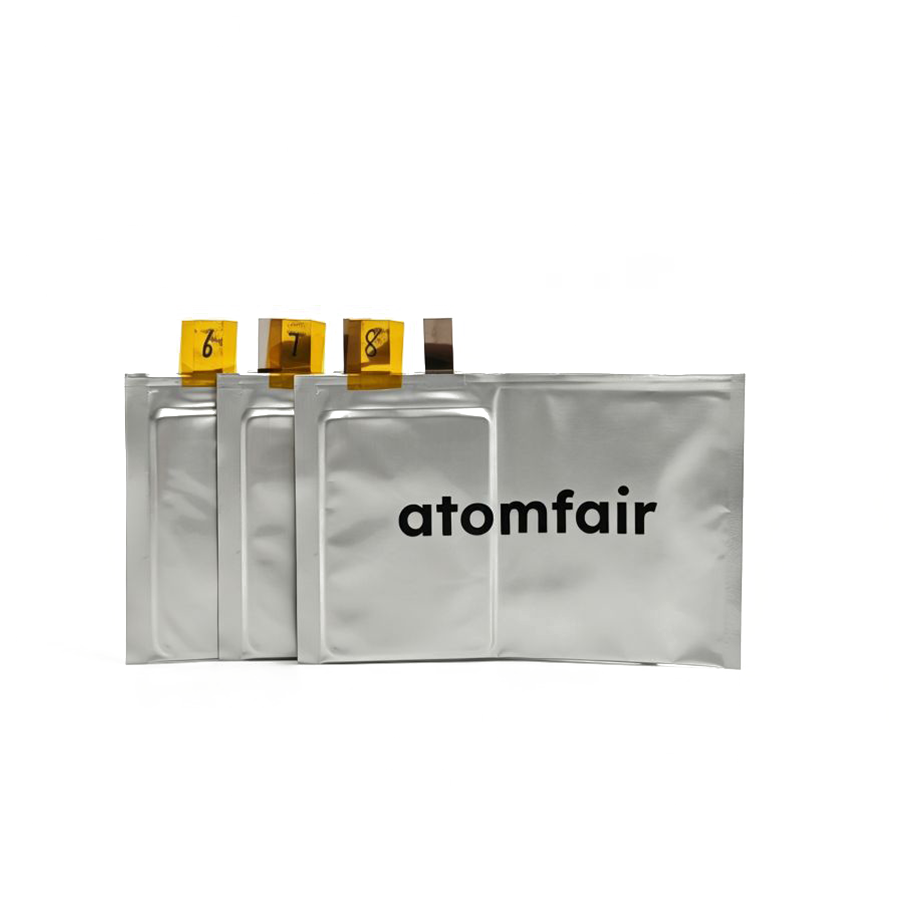
This dry pouch cell integrates an ultra-high nickel NCM811 cathode with a Li-Cu composite anode for stable electrochemical benchmarking. Its dry assembly requires user-infused electrolyte and activation to achieve the target 0.5 Ah capacity, making it ideal for high-voltage electrolyte and interface screening studies.
Positive
- Li-Cu composite anode structural stability: The 20+6+20 μm substrate-supported sandwich composite anode delivers superior mechanical integrity compared to pure lithium foils, reducing variability in high-voltage electrolyte and interface screening experiments.
- Ultra-high nickel cathode with high active loading: The NCM811 cathode achieves 97.2% active mass fraction and 190 mAh/g baseline specific capacity, enabling high energy density benchmarking.
Trade-offs
- Electrolyte not pre-infused: The cell is shipped dry; end users must perform electrolyte filling and activation, requiring appropriate dry-room or glovebox infrastructure.
- Capacity depends on activation: The nominal 0.5 Ah capacity is a baseline target after proper activation; actual delivered capacity may vary with electrolyte formulation and formation protocol.
Every advanced material, component, equipment, and instrument in our catalog is backed by rigorous testing. We maintain strict internal quality management frameworks and align with CE conformity metrics to deliver transparent, reproducible performance data via our public open-science repository.
To request raw batch performance data, submit formal vendor registration paperwork, or execute a fast-turnaround R&D manufacturing loop, contact us at inquiry@atomfair.com.
Item is dispatched under the Atomfair Shipping & Delivery Framework (Free worldwide shipping on orders over $59 USD excl. heavy equipment). Return is governed by the Atomfair Return & Refund Policy (7-day technical return window).