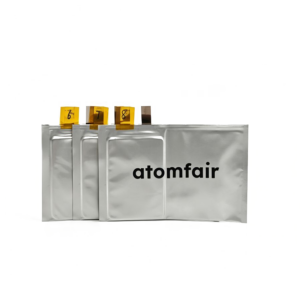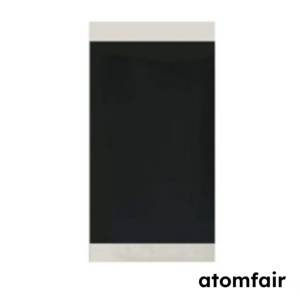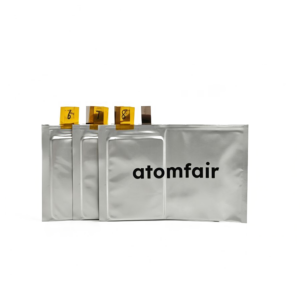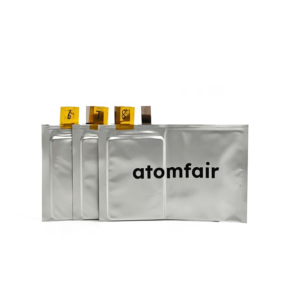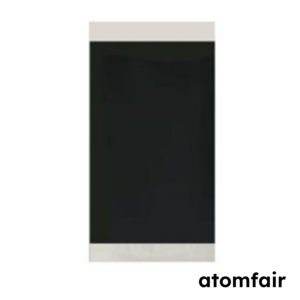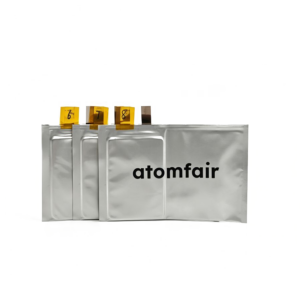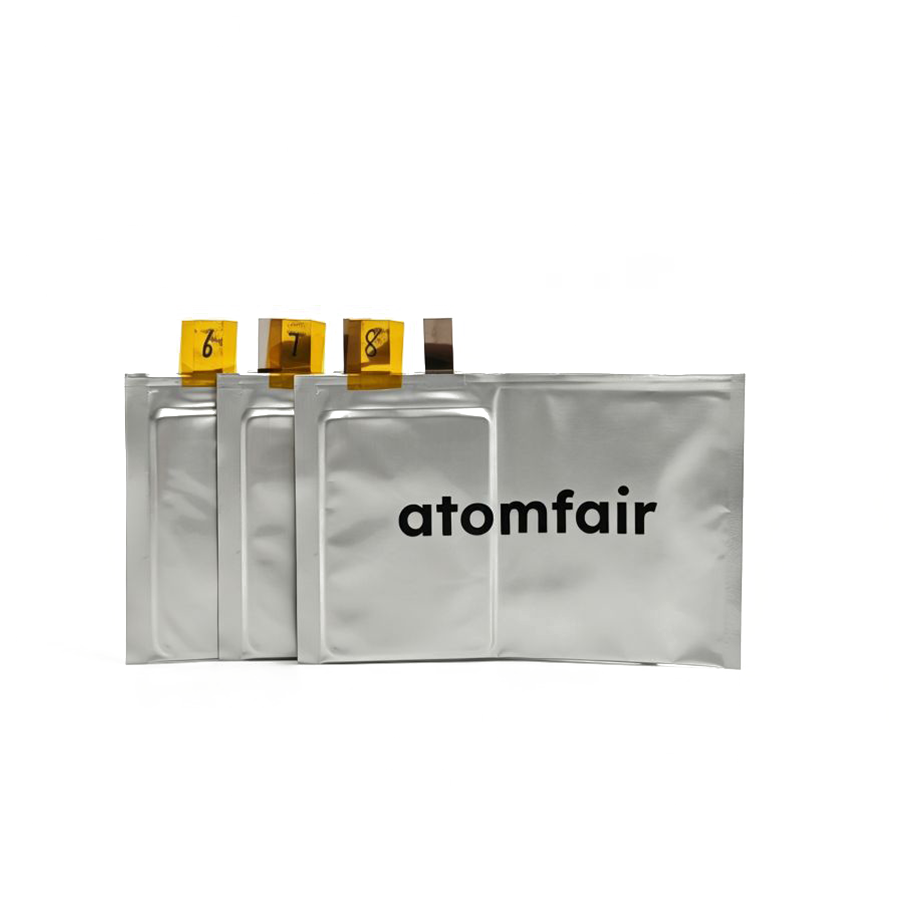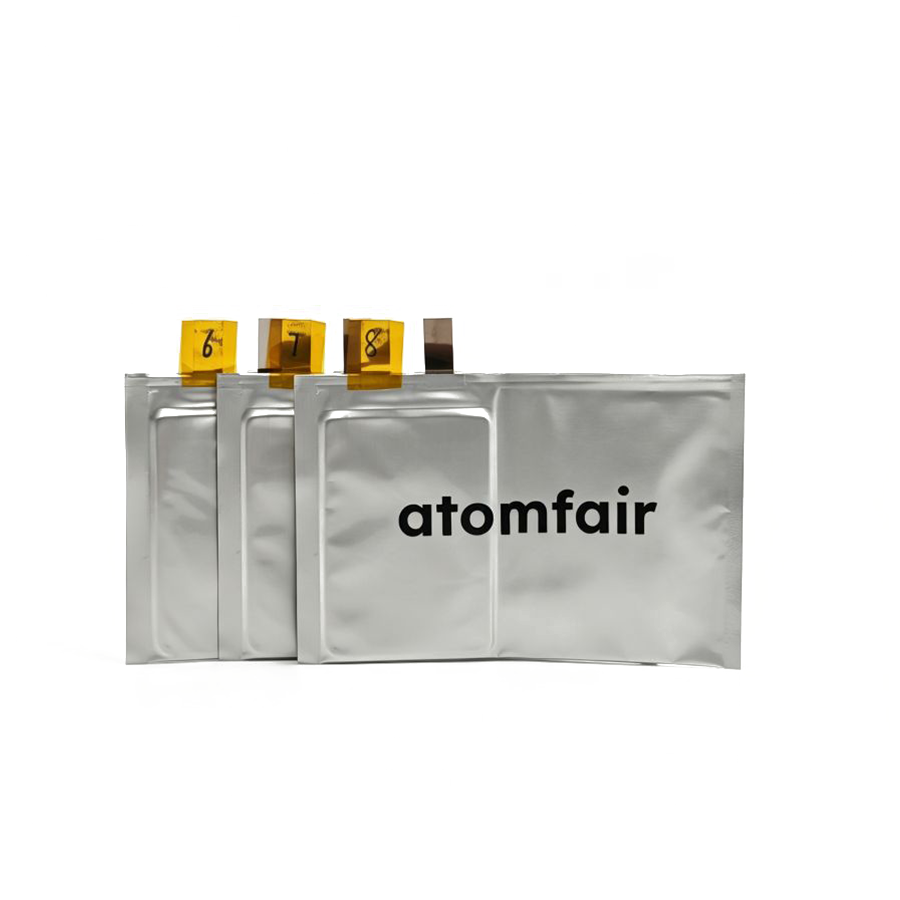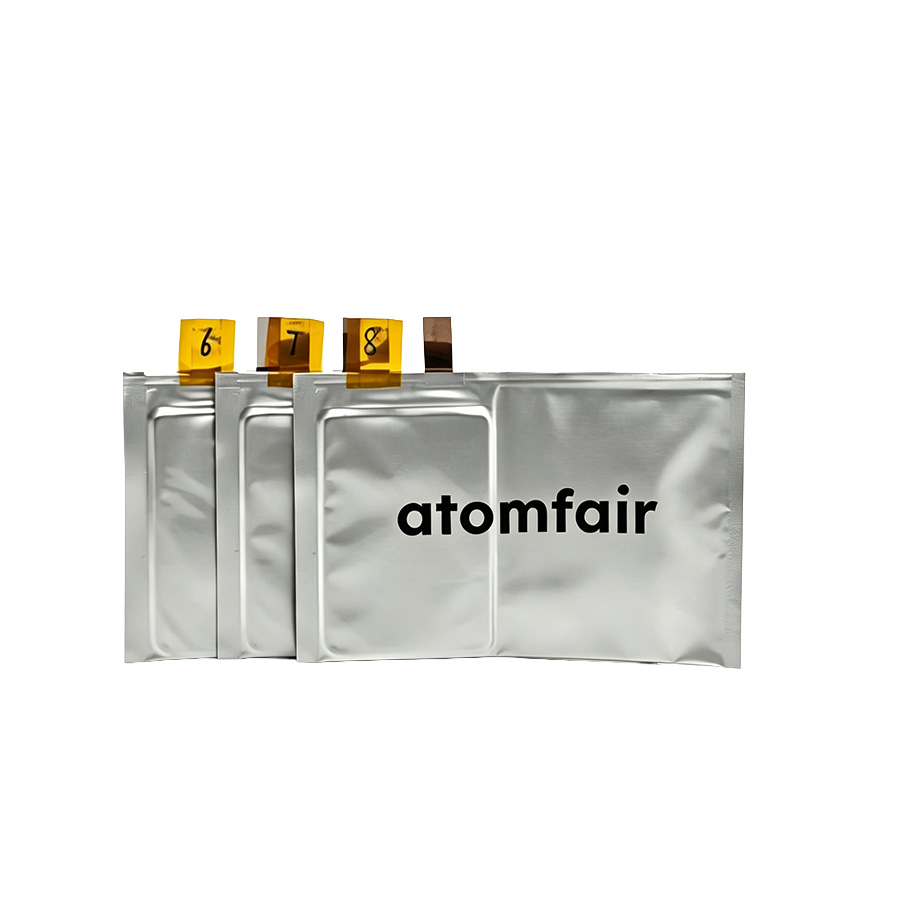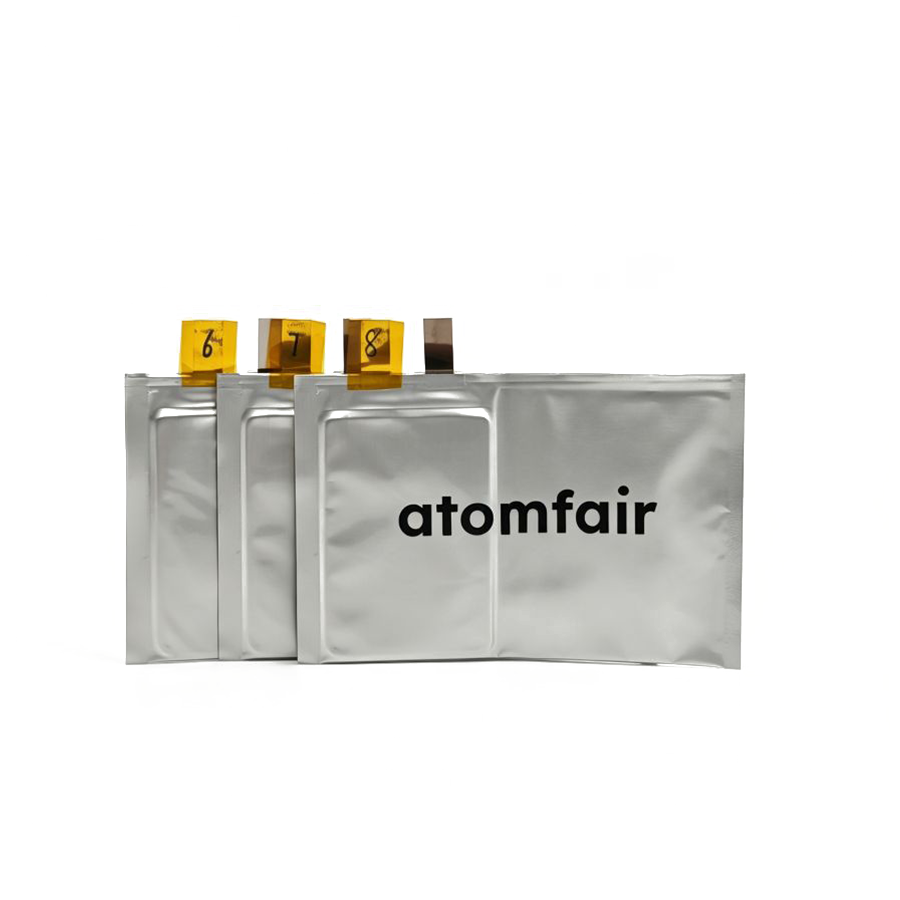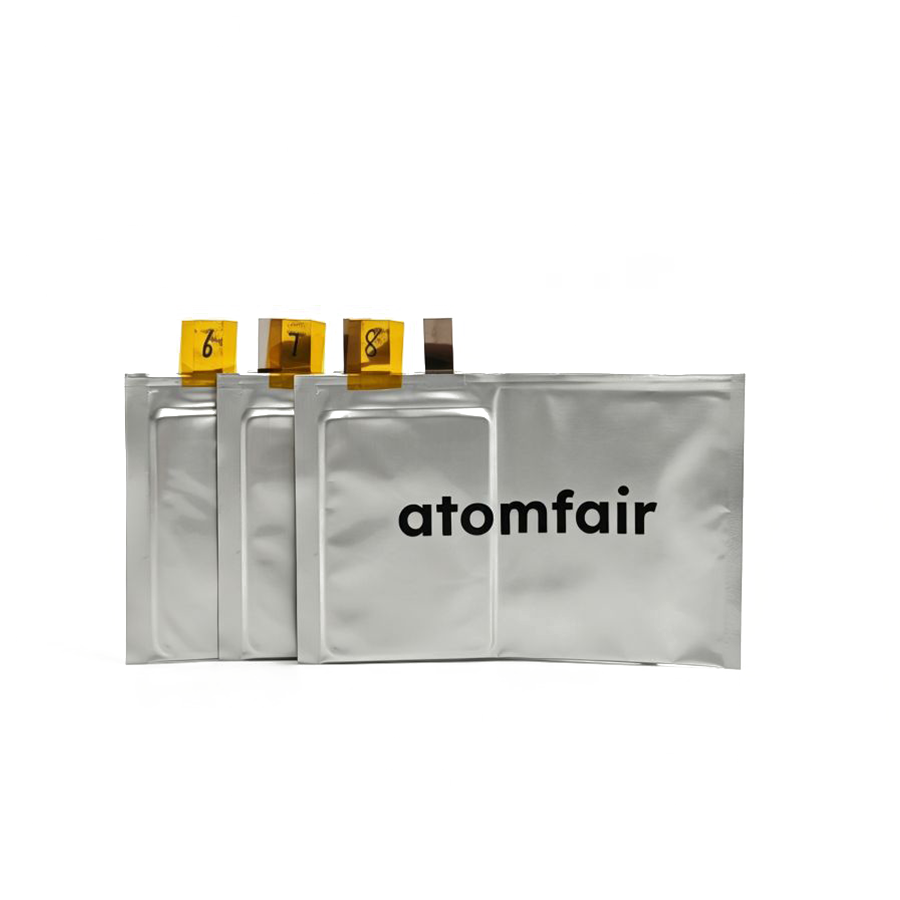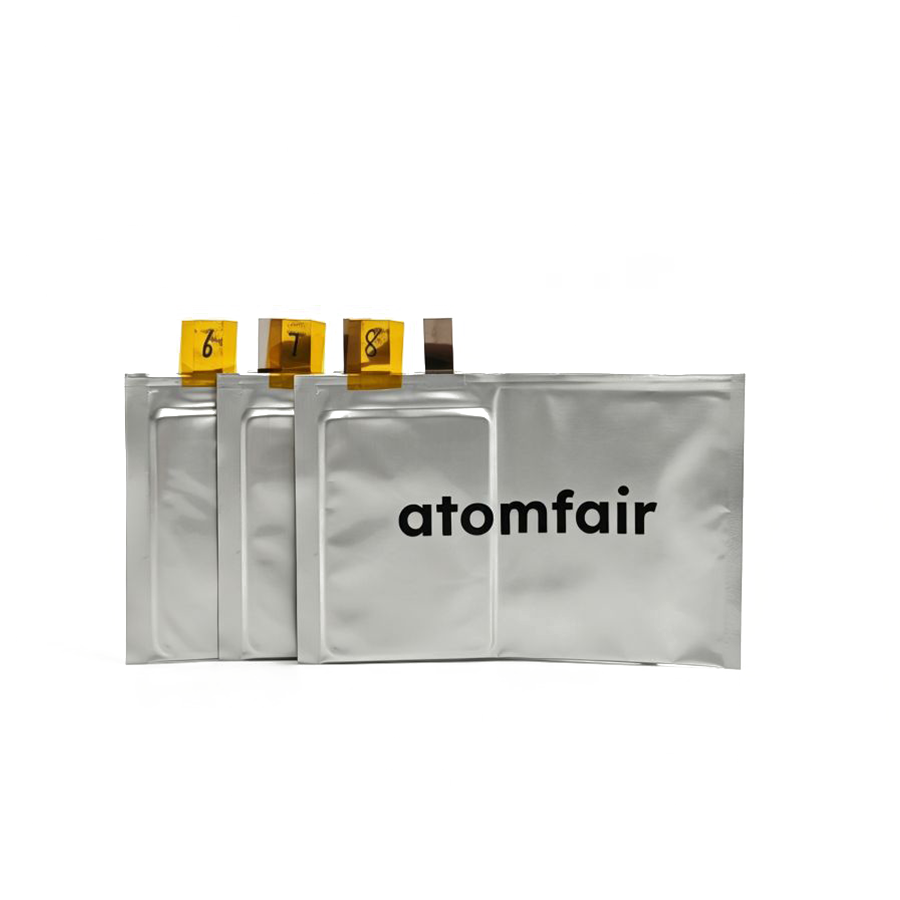
0.2 Ah NCM811 Li-Cu Composite Anode Dry Pouch Cell ATOMFAIR®

$89.00

Institutional Procurement & Supply Compliance: As a verified US supplier, Atomfair accepts formal institutional Purchase Orders (POs), contract billing schedules, and custom procurement loops for university and national laboratories, and corporate R&D departments globally.

Research Grade 0.2 Ah NCM811 Li-Cu dry pouch cell with 20+6+20 um composite anode. Ultra-high nickel cathode, 97.2% active mass, 3.0-4.3V. Order now.

SKU: AFMSNRRJ179
Category:
Tags:
Brands:

Description

ATOMFAIR 0.2 Ah NCM811 Li-Cu Composite Anode Dry Pouch Cell

RESEARCH GRADE CELL ARCHITECTURE

Product Overview

Engineered for advanced energy storage exploration, this premium un-functionalized ultra-high nickel NCM811 vs. lithium-metal dry pouch cell serves as a high-fidelity benchmarking matrix for next-generation electrochemical validation. Assembled without liquid electrolyte infusion via a rigid 2/3 multilayer stack layout, it uniquely integrates a high-efficiency cathode with an ultra-thin 20+6+20 um substrate-supported Li-Cu composite anode. This composite layout delivers supreme structural stability over standalone pure lithium foils to successfully drive variable elimination during high-voltage electrolyte, functional additive, and interface screening. Secure optimal institutional lithium metal dry pouch cell price points for scaled laboratory research.

Technical Specifications

PARAMETER DETAILS
1. Core Device & Device Level Design
Design Capacity Configuration 0.2 Ah (Nominal baseline target after activation)
Target Voltage Operating Window 3.0 V – 4.3 V (High Voltage Platform Validation)
Internal Lamination Stack Matrix 2 / 3 Coated Multilayer Electrodes Arrangement
Separator Film Metric 12 μm PE + 2 μm Al²O³ Ceramic Protective Layer
2. Cathode (Positive Electrode) Parameters
Active Material Chemistry NCM 811 (Ultra-High Nickel Layered Transition Metal Oxide)
Cathode Active Mass Fraction 97.2%
Cathode Baseline Specific Capacity 190 mAh/g
Electrode Compaction Density 2.5 g/cc
Single-Side Coating Areal Density 10 mg/cm²
Positive Electrode Geometric Footprint 45.5 mm * 64 mm
3. Anode (Negative Electrode) Parameters
Active Material Chemistry Li-Cu (Substrate-supported sandwich composite type, non-pure lithium foil)
Lithium/Copper Layer Thickness 20 + 6 + 20 μm (Pristine Lithium + Copper Core + Pristine Lithium)
Negative Electrode Geometric Footprint 46.5 mm * 65 mm
Manufacturing Rules Processed under strict RoHS compliant standard conditions
Alternative Options Explore our related catalog or custom dimensions. For urgent technical custom requests or bulk inquiries, please contact our support team.


Key Features & Advantages

  • Copper-Substrate Supported Li-Cu Anode: Incorporates an advanced 20+6+20 μm composite sandwich structure instead of fragile pure lithium foils, utilizing the inner 6 μm copper core to provide elite mechanical tracking and pristine cross-sectional current flattening.
  • High-Voltage Interface Dendrite Suppression: Engineered copper-supported architecture thoroughly suppresses severe local current crowding under high 4.3V thresholds, dramatically cutting down dendritic penetration hazards.
  • Ultra-Compact 2/3 Multilayer Lamination: Highly targeted multi-layer stack design creates an ideal format factor for quick screen testing and low-consumption electrode parameter validation.

APPLICATION SCOPE: Premium high-energy density NCM811 battery benchmarking, custom liquid electrolyte/additive high-voltage screening, functional interface validation, and multi-layer laminated lithium-metal cell optimization.
PACKAGING: Vacuum-sealed securely within specialized moisture-barrier multi-layer laminate pouches to isolate active core matrices from environmental decay.
IMPORTANT NOTICE: Dry un-infused lithium metal cell groups possess extreme lattice affinity to atmospheric humidity and oxygen. Keep all packaging completely sealed until use. Vacuum baking, trimming, injection, and final sealing steps must be processed exclusively within anhydrous, high-purity inert-gas (Argon) glovebox configurations to prevent moisture degradation, catastrophic oxidation, or short-circuit failures.

Frequently Asked Technical Questions

Why is ATOMFAIR 0.2 Ah NCM811 Li-Cu Composite Anode Dry Pouch Cell preferred for liquid electrolyte R&D?

The ATOMFAIR 0.2 Ah NCM811 Li-Cu Composite Anode Dry Pouch Cell functions as a premier solution for advanced high-energy cell validation. It delivers a highly controlled 0.2 Ah un-functionalized platform integrating an ultra-high nickel NCM811 cathode with a rigid Li-Cu composite anode, significantly boosting performance metrics and phase purity during laboratory testing workflows.

How to prevent lithium metal pouch cell moisture contamination?

To successfully solve how to prevent lithium metal pouch cell moisture contamination without secondary contamination, this material must be handled strictly according to inert gas glovebox storage protocols before thermal processing.

What operational stability advantages does the 20+6+20 um Li-Cu composite anode layer structure provide over pure lithium foils?

Compared to unsupported pure lithium foils, the optimized matrix of this product incorporates an advanced 20+6+20 um lithium-copper composite architecture. This unique architecture dramatically minimizes internal thickness expansion variances while promoting highly uniform localized current distribution, preserving long-term validation integrity.

What electrochemical testing benefits do the baseline metrics of this NCM811 configuration offer?

Boasting engineered particle structuring (Cathode: 190 mAh/g | Compaction Density: 2.5 g/cc) and optimized packaging properties, this product offers superior sinterability. The controlled form factor facilitates lower thermal processing thresholds and promotes ideal grain boundary integration during cell fabrication.

How is the phase purity and quality control of this research-grade batch validated?

Every competitive batch undergoes rigid analytical quality validation testing. Total elemental and metallic impurities are strictly regulated below strict industry thresholds to eliminate parasitic electronic leakage and maintain uncompromised data reproducibility.

TAILORED SOLUTIONS FOR RESEARCH
Contact our engineering team for technical support or official institutional quotations.
EMAIL: inquiry@atomfair.com

Manufacturer: Atomfair LLC
Brand: ATOMFAIR®

This dry pouch cell contains a lithium-copper composite anode and high-nickel NCM811 cathode requiring controlled handling. The cell operates within a 3.0V to 4.3V window and should be stored in a dry, inert atmosphere to prevent degradation.

  • Voltage Operating Window Constraint: The cell is designed for operation between 3.0V and 4.3V and exceeding this range may cause cell damage or safety hazards.
  • Storage Environment Requirement: Store the cell in a dry, inert atmosphere to mitigate moisture sensitivity of the lithium metal anode.

How does the Li-Cu composite anode in the Atomfair 0.2 Ah NCM811 dry pouch cell affect cycle life and variability reduction compared to a pure lithium foil anode?

The Li-Cu composite anode, with a 20+6+20 μm lithium-copper-lithium sandwich structure, provides superior structural stability over standalone pure lithium foils. This design mechanically reinforces the anode to suppress lithium dendrite growth and reduce electrode deformation, thereby minimizing test variable interference during high-voltage (3.0–4.3 V) electrolyte and additive screening. The composite construction enables more consistent capacity retention across repeat experiments, but specific cycle life numbers depend on the electrolyte system and formation protocol used by the researcher.

Does the Atomfair 0.2 Ah NCM811 dry pouch cell require electrolyte injection before testing, and what electrolyte compatibility constraints apply?

Yes, this cell is assembled without liquid electrolyte infusion and is delivered as a dry pouch stack, requiring the researcher to inject their own electrolyte prior to activation. The cell is designed for universal electrolyte screening across high-voltage systems, with the 12 μm PE + 2 μm Al₂O₃ ceramic separator providing thermal and mechanical stability. No specific electrolyte chemistries are precluded, but the recommended voltage window of 3.0–4.3 V must be observed to avoid over-discharge or over-charge degradation of the NCM811 cathode.

What storage and handling conditions are required for the Atomfair Li-Cu composite anode dry pouch cell to maintain anode integrity and safety?

The dry pouch cell contains an unformed lithium-copper composite anode (20+6+20 μm) that is air-sensitive; storage must be in an inert atmosphere (e.g., argon-filled glovebox with <0.1 ppm O₂ and H₂O) to prevent lithium oxidation. The cell should be kept in its original packaging until use and protected from mechanical puncture. Prior to testing, a controlled formation cycle within the 3.0–4.3 V window at a low C-rate is recommended to stabilize the solid-electrolyte interphase (SEI) on the anode surface.

This 0.2 Ah dry pouch cell pairs an ultra-high nickel NCM811 cathode (97.2% active mass, 190 mAh/g) with a Li-Cu composite anode (20+6+20 μm) for mechanically stable benchmarking of high-voltage electrolytes and functional additives, but necessitates in-house electrolyte filling and additive customization prior to cycling.

Positive

  • Li-Cu composite anode structural stability: The substrate-supported 20+6+20 μm lithium-copper sandwich anode eliminates mechanical deformation common with pure lithium foils, delivering consistent electrode geometry for reliable variable elimination in electrolyte and interface screening.
  • High cathode active mass and capacity: With a 97.2% active material fraction and 190 mAh/g baseline specific capacity, the NCM811 cathode provides high energy density and serves as a reproducible benchmark for evaluating electrolyte formulations and high-voltage stability.

Trade-offs

  • Dry cell requires electrolyte filling: Assembled without liquid electrolyte infusion, each cell must be filled and formed in the user’s laboratory, requiring electrolyte handling infrastructure, dry-room or glovebox access, and expertise in wet chemistry procedures.
  • Un-functionalized design requires additive customization: As an un-functionalized baseline cell, it is explicitly intended for electrolyte and additive screening; the end user must incorporate their own functional additives or custom electrolytes, adding an additional preparation step before electrochemical testing.

Every advanced material, component, equipment, and instrument in our catalog is backed by rigorous testing. We maintain strict internal quality management frameworks and align with CE conformity metrics to deliver transparent, reproducible performance data via our public open-science repository.

To request raw batch performance data, submit formal vendor registration paperwork, or execute a fast-turnaround R&D manufacturing loop, contact us at inquiry@atomfair.com.

Item is dispatched under the Atomfair Shipping & Delivery Framework (Free worldwide shipping on orders over $59 USD). Return is governed by the Atomfair Return & Refund Policy (7-day technical return window for completely unopened items).