
Battery Formation, EIS & Safety Test Systems
Battery Formation, EIS & Safety Test Systems include equipment for battery short-circuit testing, insulation resistance measurement, leakage current detection, hot-press forming inspection, explosion-proof safety testing, formation cycling, capacity grading, and impedance analysis. These systems are used with coin cells, pouch cells, cylindrical cells, battery modules, and capacitive samples depending on the selected fixture and test range.
Available options support high-voltage short-circuit testing, insulation resistance checks, automatic discharge, RS232/PLC communication, controlled hot pressing, pouch cell flattening, safety alarms, reinforced test chambers, observation windows, and exhaust connection for high-risk battery tests.
Before ordering, confirm the cell type, sample size, maximum voltage, current range, test purpose, required software or communication interface, and whether the test involves venting, smoke, thermal runaway, or other hazardous battery failure conditions.
Show More: How to Choose Battery Formation, EIS & Safety Test Systems
Choose by Test Purpose
| Testing Need | Recommended Equipment | Key Parameters to Confirm |
|---|---|---|
| Micro-short, insulation defect, and leakage current testing | High-voltage short-circuit tester or insulation resistance tester | Output voltage, insulation resistance range, leakage current limit, test time, auto-discharge, communication interface |
| Pouch cell hot-press forming and safety screening | Hot press forming short-circuit tester | Pressure range, platen temperature, temperature accuracy, sample size, working stroke, light curtain or interlock protection |
| Overcharge, over-discharge, external short-circuit, or hazardous safety testing | Explosion-proof battery test chamber | Chamber volume, observation window, pressure relief, door lock, exhaust connection, internal lining, custom feedthroughs |
| Formation, capacity grading, and cycle testing | Battery formation tester, battery cycler, or multi-channel charge-discharge system | Channel count, voltage range, current range, accuracy, step programming, fixture type, data export |
| Impedance and electrochemical analysis | EIS analyzer, electrochemical workstation, or EIS-ready battery test system | Frequency range, perturbation signal, low-impedance accuracy, shielding, fixture compatibility, software functions |
Short-Circuit and Insulation Test Systems
Short-circuit and insulation test systems help detect micro-shorts, separator insulation defects, leakage current, tab connection issues, and abnormal dielectric behavior in battery cells or capacitive samples. Typical systems may support adjustable high-voltage DC output, insulation resistance measurement, programmable test timing, automatic discharge, alarm thresholds, and RS232 or PLC communication.
For laboratory use, focus on voltage range, measurement range, connection method, and safety discharge design. For repeated screening or production-linked testing, also check recipe storage, automation interface, alarm output, and test cycle time.
Hot Press Forming and Pouch Cell Safety Screening
Hot press forming short-circuit testers combine pressure, temperature, and electrical safety inspection in one workstation. They are commonly used for pouch cell flattening, thickness stabilization, post-stacking forming, and early micro-short detection after assembly or sealing.
Important selection points include maximum pouch size, pressure range, heating temperature, temperature accuracy, working stroke, air supply requirement, manual or automatic operation mode, and operator protection such as light curtains or interlocks.
Explosion-Proof Battery Safety Test Chambers
Explosion-proof battery test chambers provide a reinforced enclosure for high-risk battery tests such as overcharge, over-discharge, external short-circuit, venting observation, smoke generation, or thermal runaway evaluation. These chambers can help isolate hazardous test events and route fumes or gases toward an external exhaust system when properly configured.
Before selecting a chamber, confirm the sample size, number of cells per test, expected hazard level, observation needs, exhaust path, chamber lining, door locking method, and whether electrical, temperature, or gas-monitoring feedthroughs are required.
Formation and EIS Configuration Guide
Battery formation systems are used for first charge-discharge activation, capacity grading, aging, and cycling programs. EIS systems are used to study impedance, internal resistance behavior, interface stability, electrolyte performance, aging changes, and state-of-health trends.
For a complete battery evaluation workflow, confirm the required channel count, voltage and current range, fixture format, temperature chamber compatibility, software data format, and whether EIS should be built into the battery tester or supplied as a standalone electrochemical workstation.
Information to Provide Before Inquiry
| Information Needed | Why It Matters |
|---|---|
| Cell type and sample size | Determines fixture, chamber volume, platen size, and connection method. |
| Maximum voltage and current | Determines the required test range, safety level, and power configuration. |
| Main test purpose | Helps match short-circuit testing, formation cycling, EIS analysis, or abuse safety testing. |
| Automation requirement | Determines whether RS232, PLC, software control, recipe storage, or data logging is needed. |
| Safety risk level | Determines whether an explosion-proof chamber, exhaust connection, interlock, or protective enclosure is required. |
| Data and reporting needs | Determines software, sampling rate, storage format, and export requirements. |
FAQ
Which equipment should I choose for battery micro-short testing?
Choose a high-voltage short-circuit tester or insulation resistance tester. If the sample is a pouch cell that also needs flattening or hot pressing, choose a hot press forming short-circuit tester.
Can one tester be used for coin cells, pouch cells, and cylindrical cells?
It depends on the fixture, sample size, voltage range, and connection method. Please confirm the cell format and dimensions before ordering so the correct clamps, leads, or chamber layout can be selected.
When do I need an explosion-proof battery test chamber?
Use an explosion-proof chamber when the test may involve overcharge, over-discharge, external short circuit, venting, smoke, fire, thermal runaway, or other hazardous battery failure behavior.
What is the benefit of a hot press short-circuit tester?
It combines pressure forming, temperature control, and electrical safety detection in one process. This is useful for pouch cell flattening, thickness stabilization, and checking possible micro-shorts after assembly.
Do I need formation cycling or EIS testing?
Choose formation cycling for first charge-discharge activation, capacity grading, aging, and cycle testing. Choose EIS testing when you need impedance data, internal resistance trends, interface analysis, or state-of-health evaluation.
Can the equipment connect to a computer or automated line?
Some systems support RS232, PLC, or software communication. If automated operation is required, confirm the communication method, data output, alarm signal, and integration requirements before purchase.
What information should I send for a quotation?
Please provide the battery type, sample dimensions, voltage and current range, test purpose, number of samples, automation needs, safety risk level, exhaust requirement, and software or data recording needs.
Showing all 8 results
-
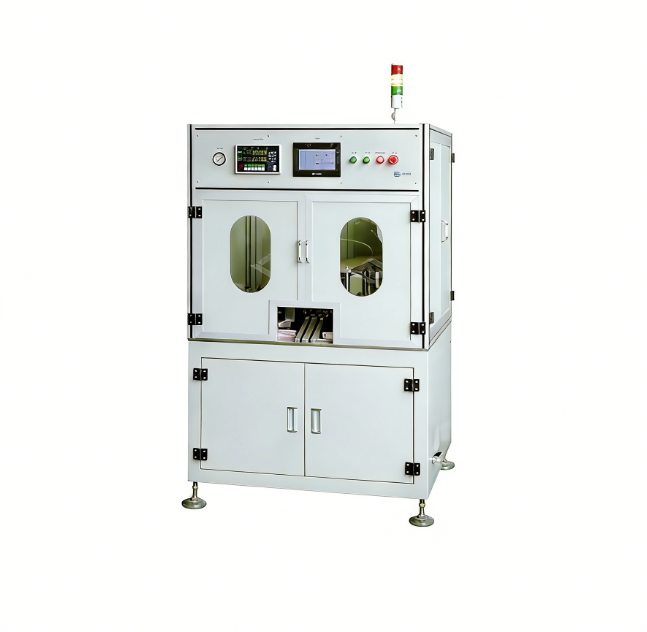
Atomfair-CSM689 Precision Digital Cell Shaping Machine for Large Cylindrical Lithium Batteries Supercapacitors with Automated Operation & PLC Control
-
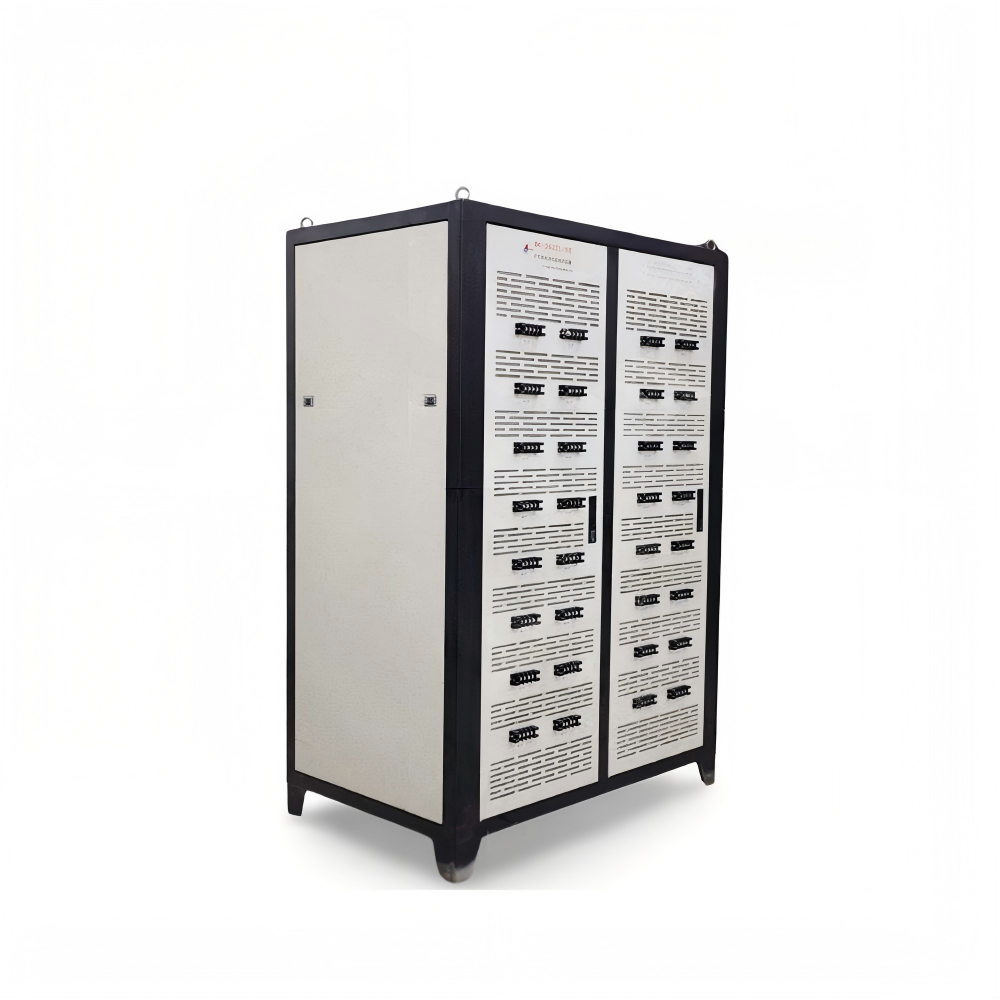
Atomfair-EFC-8639 Energy Feedback Formation Cabinet 256CH 5V12A DSP Control
-
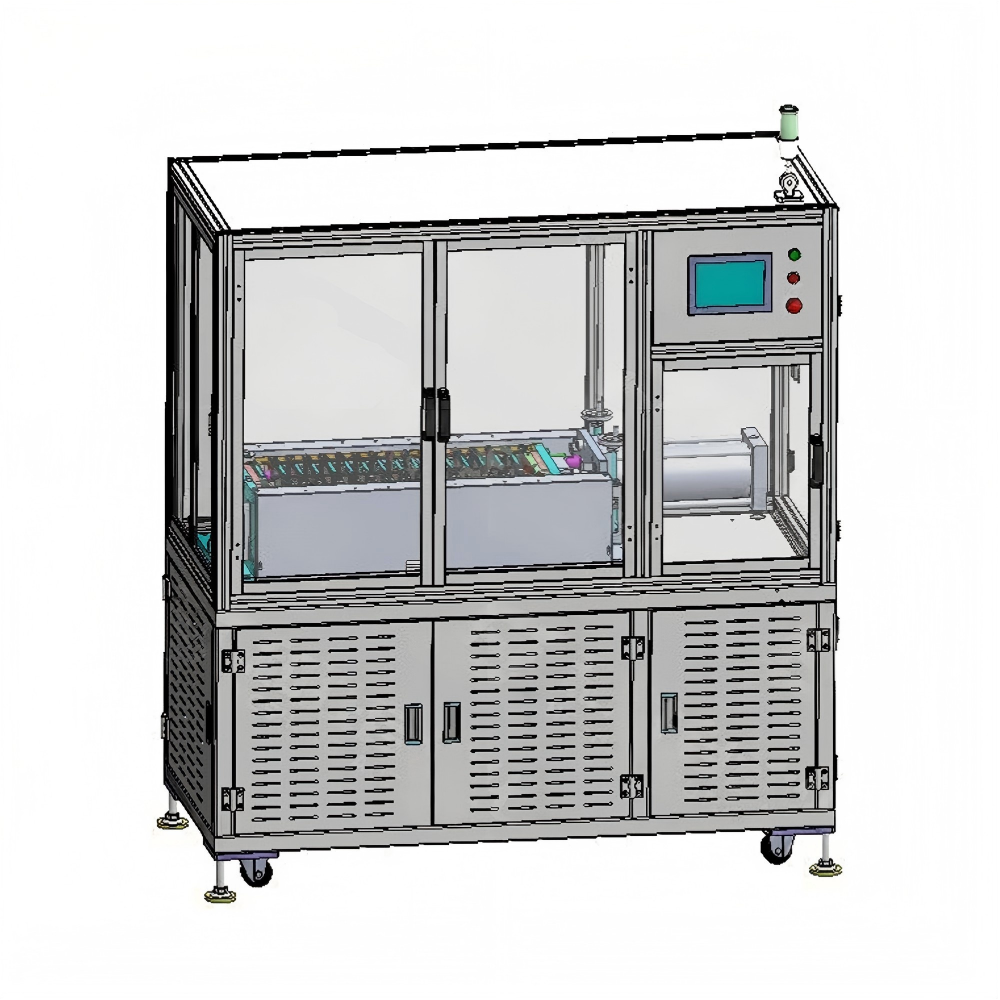
Atomfair-HPF-6410 Horizontal Hot Press Formation Machine, ±5kg Pressure Control, 1mA/1mV Resolution for Polymer Li-ion Battery Production
-
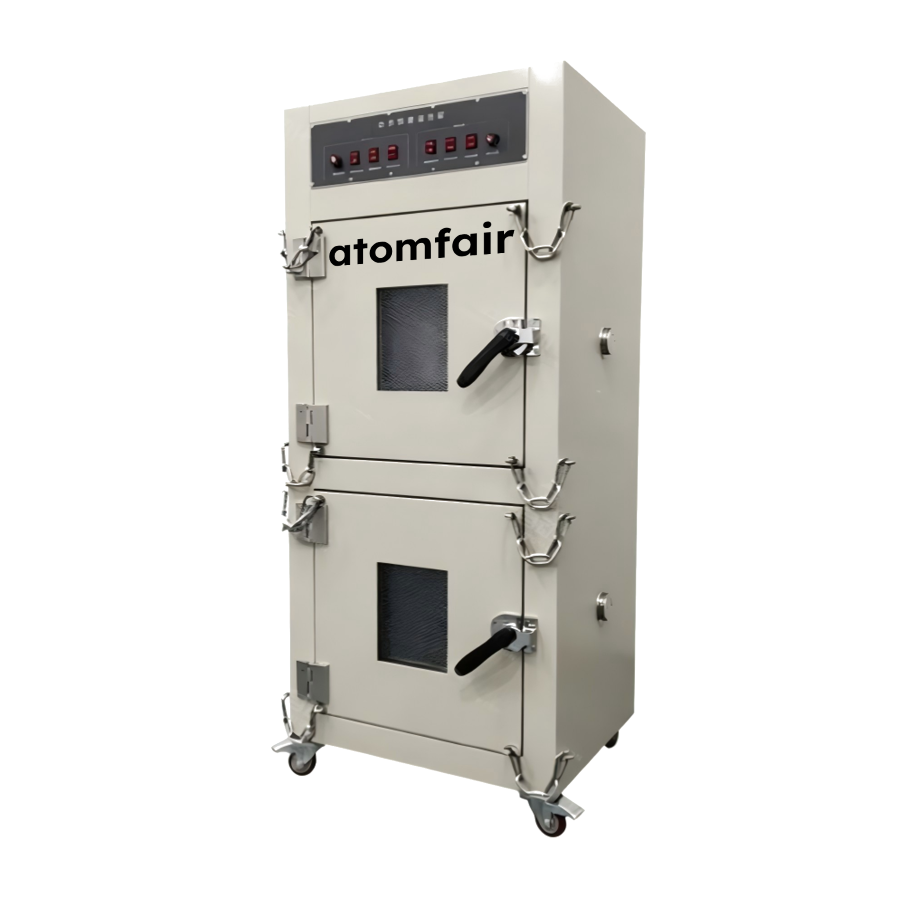
Battery Explosion-Proof Test Chamber 700×600mm
$236.00 -
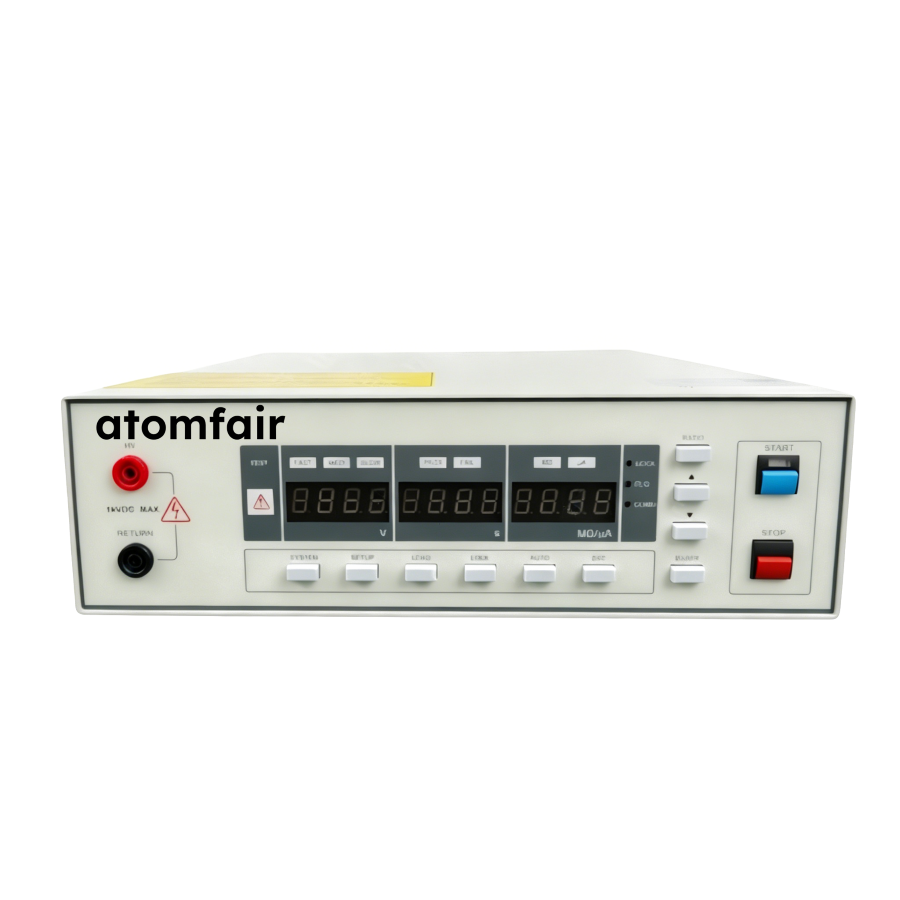
Battery Short-Circuit Tester SCT-706 25V-1000V
$206.00 -
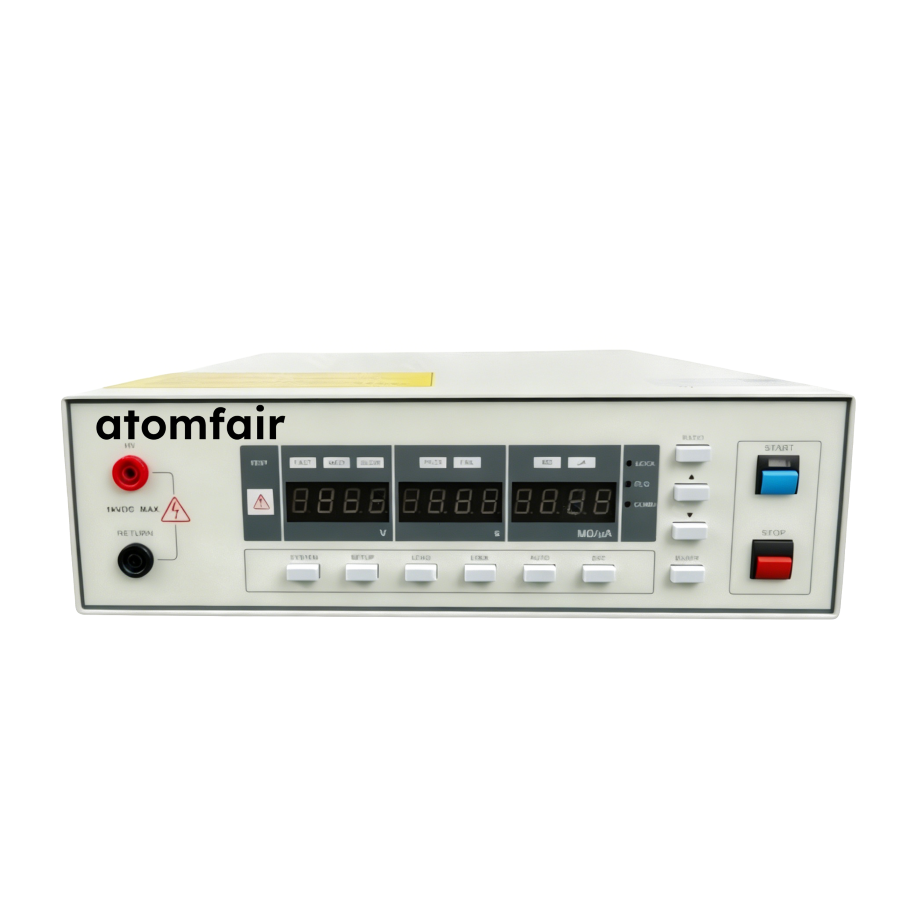
Battery Short-Circuit Tester SCT315 25V-1000V ATOMFAIR®
$206.00 -
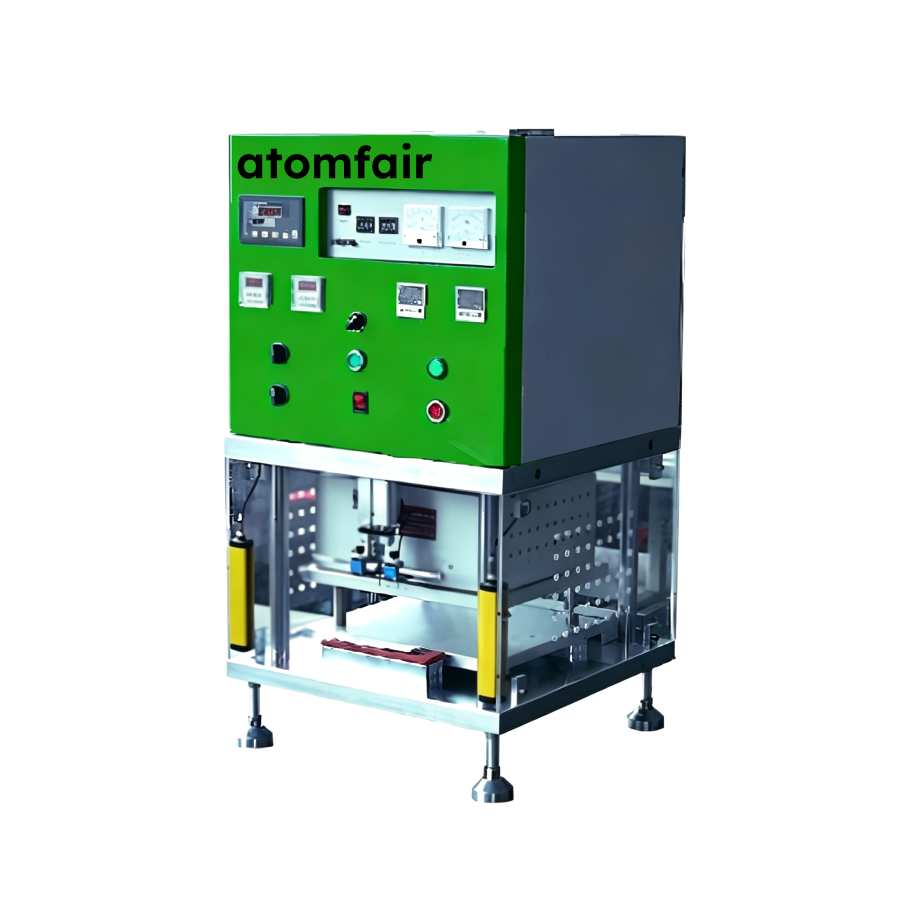
Hot Press Forming Short Circuit Tester HPF-4129
$1,000.00 -
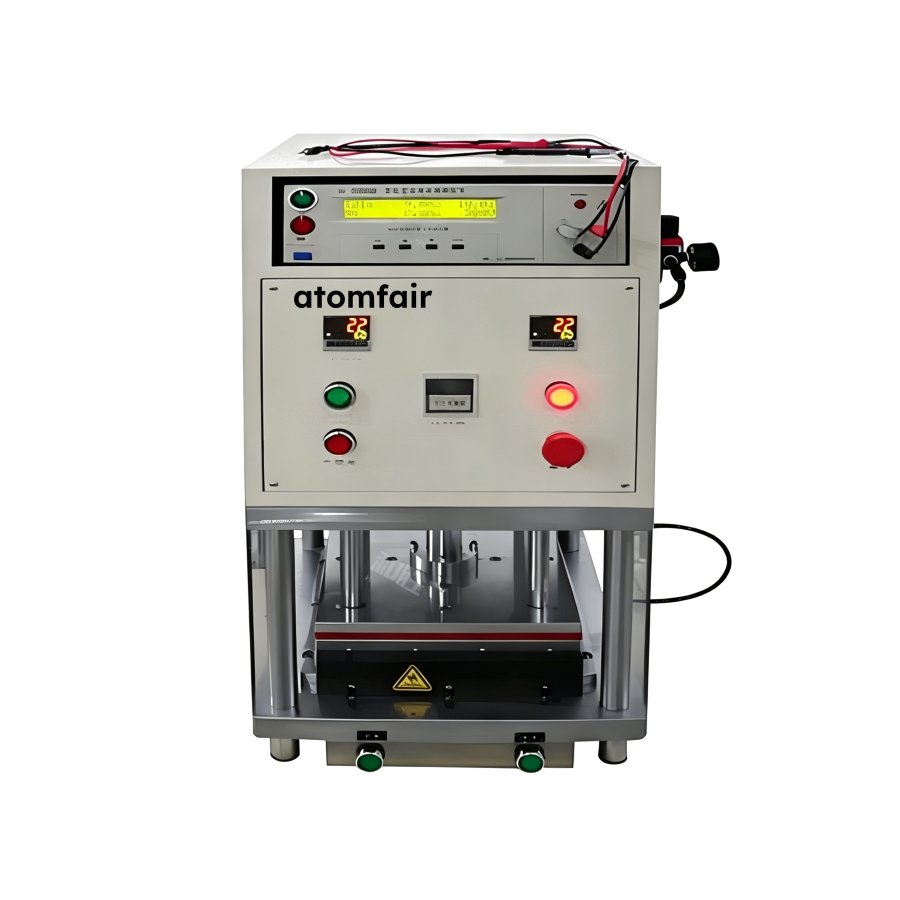
HST-492 Hot Press & Short Circuit Tester ±4℃
$5,000.00