
Carbide Evaporation Materials
Carbide evaporation materials are used in vacuum coating and thin-film research for functional films, wear-resistant coatings, high-temperature protective layers, optical films, and electronic-material applications. Their high hardness, high melting points, and thermal stability make them valuable where film durability, heat resistance, chemical stability, or specific electrical properties are required.
This category covers common transition-metal carbides, silicon carbide, and boron carbide materials. Products can be selected by material system, purity, physical form, and evaporation process. For high-melting-point carbides, material selection should be matched to the evaporation source, substrate, film objective, and process conditions.
Show More: Carbide Evaporation Material Selection Guide
Common Material Systems
| Material System | Representative Materials | Typical Selection Focus |
|---|---|---|
| Titanium Carbides | TiC | Hard functional films, wear-resistant coatings, decorative and protective-film research. |
| Zirconium Carbides | ZrC | High-temperature-stable films, corrosion-resistant coatings, and advanced-material studies. |
| Tantalum Carbides | TaC | Ultra-high-temperature applications, hard coatings, and high-performance thin-film development. |
| Hafnium Carbides | HfC | Thin-film and surface-engineering studies related to extreme-temperature environments. |
| Niobium and Vanadium Carbides | NbC, VC | Hard films, wear-resistant surfaces, functional coatings, and composite-film research. |
| Chromium Carbides | Cr3C2 | Wear-resistant, corrosion-resistant, and high-temperature protective coatings. |
| Silicon Carbides | SiC | Hard protective films, electronic materials, optical research, and thermal-management applications. |
| Boron Carbides | B4C | Lightweight hard films, wear-resistant surfaces, and specialty functional-material research. |
| Tungsten and Molybdenum Carbides | WC, Mo2C, and related carbides | High-hardness, wear-resistant, and high-temperature functional-film studies. |
Material Forms
| Material Form | Selection Considerations |
|---|---|
| Granules and Pellets | Suitable for conventional source loading and convenient replenishment by required quantity. |
| Pieces and Chunks | Suitable where a stable loading form or a specific source geometry is required. |
| Pressed Granules or Preformed Material | Useful where more uniform loading, reduced powder movement, or improved process control is preferred. |
| Powder | Suitable for research, small-batch trials, and projects requiring customized particle size or composition; source compatibility should be confirmed. |
| Custom Dimensions | Suitable for customers with defined crucible, liner, pocket, or source-size requirements. |
Application-Based Selection
| Application Direction | Key Material Considerations |
|---|---|
| Wear-Resistant and Hard Films | Consider hardness, film density, adhesion, and substrate compatibility. |
| High-Temperature Protective Films | Consider thermal stability, oxidation resistance, and the intended operating environment. |
| Electronic and Semiconductor Research | Consider material purity, film-composition control, and substrate compatibility. |
| Optical and Functional Films | Consider film uniformity, surface condition, and the required optical or functional properties. |
| Tool and Mold Surface Modification | Consider wear resistance, friction behavior, film adhesion, and deposition conditions. |
| New Materials and Composite Films | Select a single carbide system or request material options based on the desired film performance. |
What to Confirm Before Ordering
| Information to Confirm | Why It Matters |
|---|---|
| Chemical Formula and Purity | These affect film composition, impurity control, and the consistency of research results. |
| Evaporation Method | Different carbides have different thermal behavior and should be matched to the appropriate vacuum-deposition equipment. |
| Material Form and Dimensions | The material should fit the evaporation source, crucible, liner, and loading method. |
| Substrate Type | Metal, glass, ceramic, silicon, and polymer substrates may require different deposition conditions. |
| Film Objective | Defining the required wear, heat, electrical, optical, or other functional performance helps narrow the material choice. |
| Required Quantity and Packaging | Choose a suitable quantity for research trials, small-batch preparation, or continuous process requirements. |
Frequently Asked Questions
What are carbide evaporation materials used for?
They are used in vacuum coating, thin-film research, and surface modification. Common objectives include improving surface hardness, wear resistance, heat resistance, corrosion resistance, or achieving a specific functional film.
Which carbide material should I choose?
Start with the required film performance. TaC, HfC, and ZrC are often considered for high-temperature stability; TiC, Cr3C2, VC, and WC are commonly evaluated for hard and wear-resistant films; SiC is a widely used option for electronic, optical, and thermal-management research.
Can high-melting-point carbides be used for thermal evaporation?
Suitability depends on the material and equipment. High-melting-point carbides should be evaluated against source design, heating capability, crucible or liner material, and the intended film process. Electron-beam evaporation is often an important option to consider.
What is the difference between pellets, pieces, and powder?
The main difference is the loading method and handling convenience. Pellets and pieces are generally easier to load in a stable form, while powder is useful for research and customized requirements but should be selected with source compatibility in mind.
How should I select the purity level?
Higher-purity material is generally preferred when film composition, electronic properties, optical properties, or experimental repeatability are important. For general surface-engineering or material-screening work, purity can be selected according to the process target and budget.
Can material dimensions and packaging be customized?
Material form, dimensions, and packaging can be selected according to evaporation-source design, crucible size, loading quantity, research scale, and ongoing process requirements.
What information is useful when requesting a quotation?
Please provide the material name or chemical formula, required purity, preferred form, estimated quantity, evaporation equipment type, substrate type, and intended film application. Complete information helps support accurate material matching and quotation.
Showing all 11 results
-
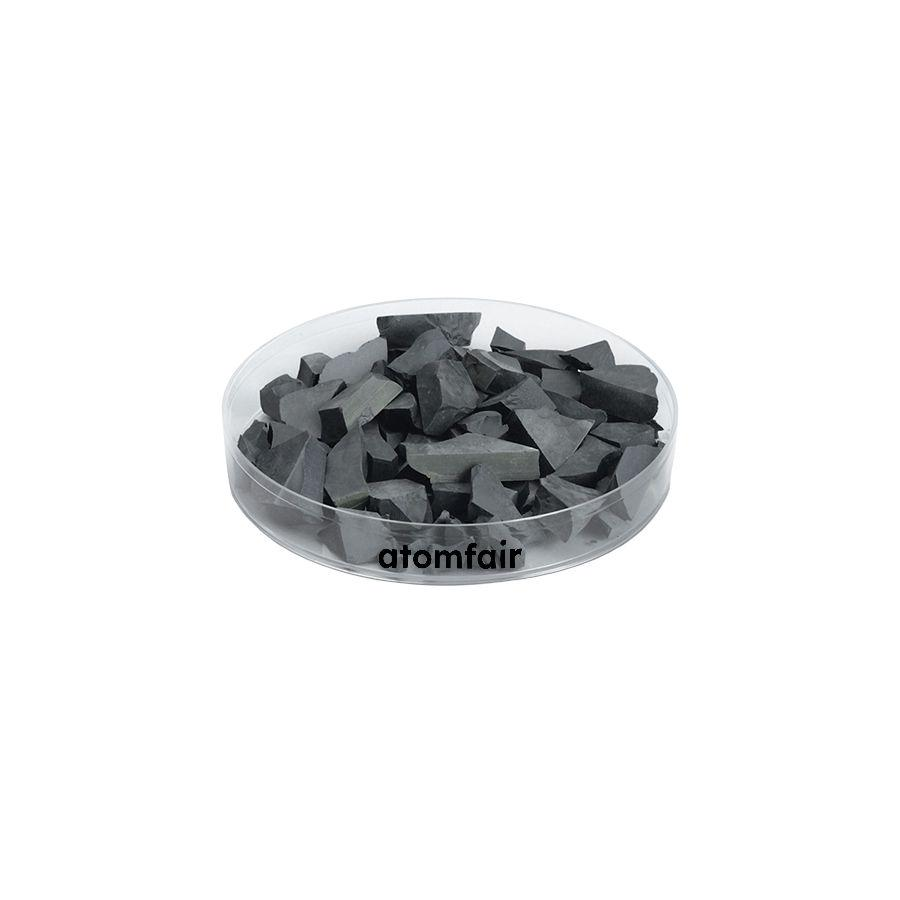
Boron Carbide B4C Evaporation Pieces 99.5% ATOMFAIR®
Price range: $440.00 through $1,600.00 -
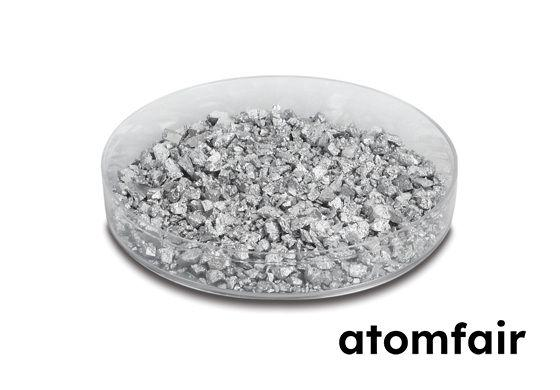
Chromium Carbide CrC2 Powder 99.9% 25-125 nm ATOMFAIR®
Price range: $460.00 through $3,600.00 -
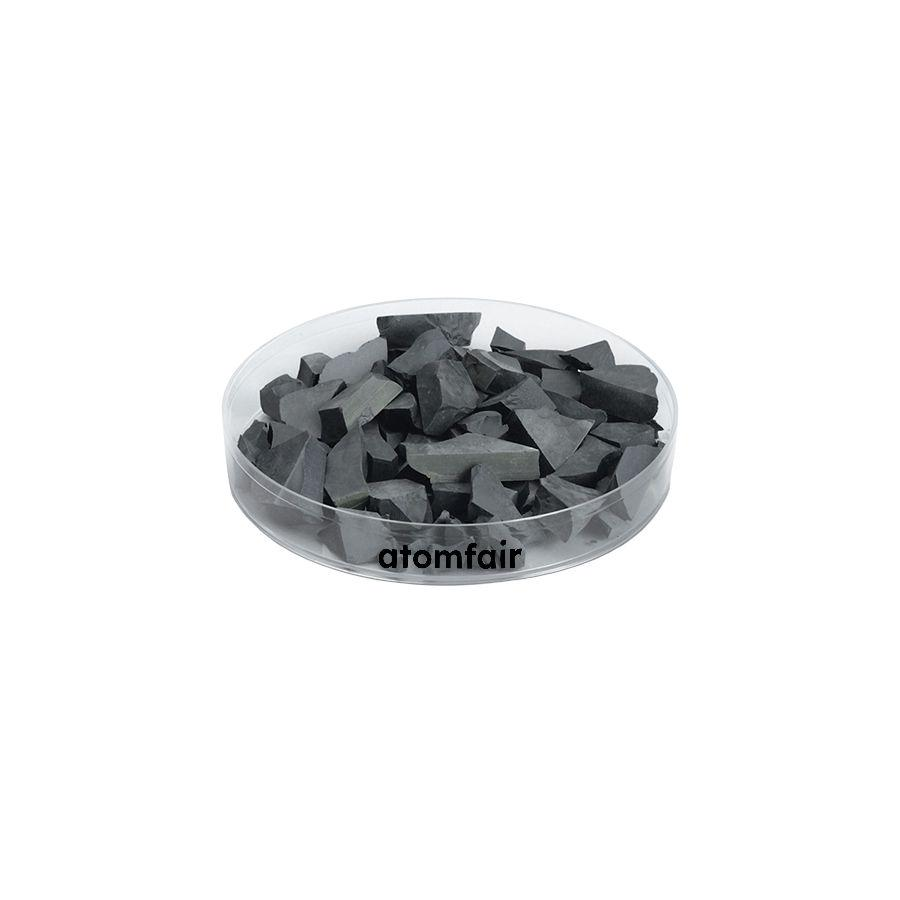
Gadolinium Carbide GdC2 Pieces 99.9%, 1-3 mm ATOMFAIR®
Price range: $390.00 through $1,350.00 -
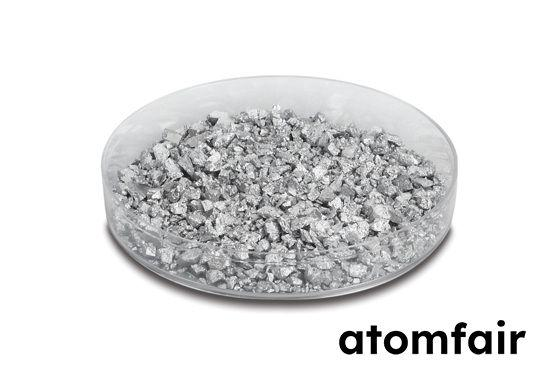
Hafnium Carbide HfC Powder 99.99% Pure 790 nm ATOMFAIR®
Price range: $650.00 through $6,000.00 -
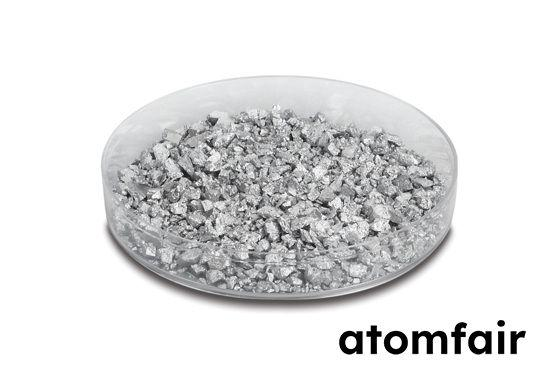
Molybdenum Carbide Mo2C Powder 99.9%, 1-5 μm ATOMFAIR®
Price range: $370.00 through $2,700.00 -
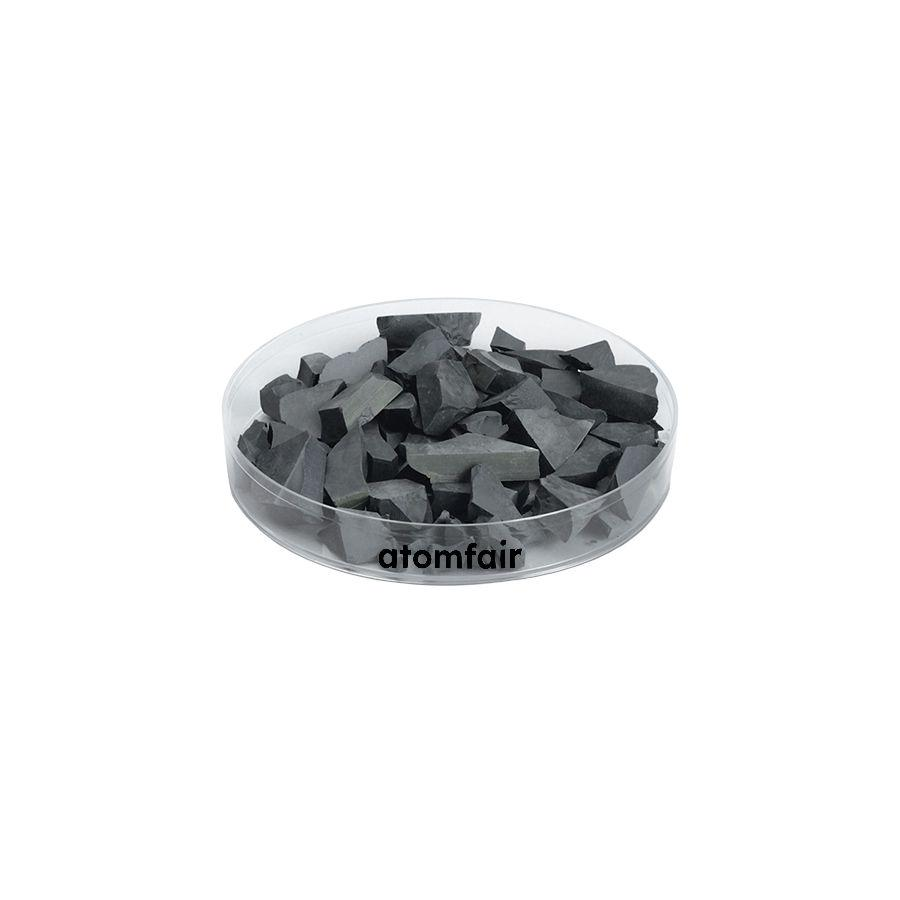
Niobium Carbide NbC 99.9% 1-3 mm Pieces ATOMFAIR®
Price range: $200.00 through $1,350.00 -
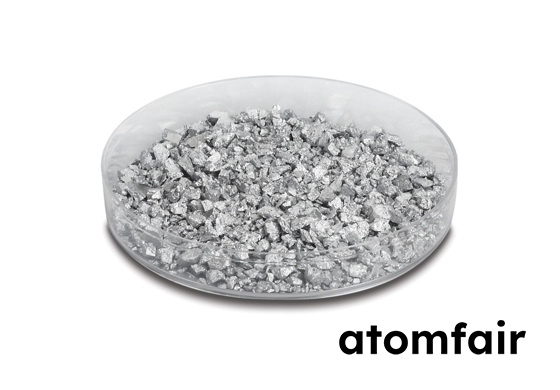
Silicon Carbide Evaporation Powder 99.5% 790 nm ATOMFAIR®
Price range: $420.00 through $3,300.00 -
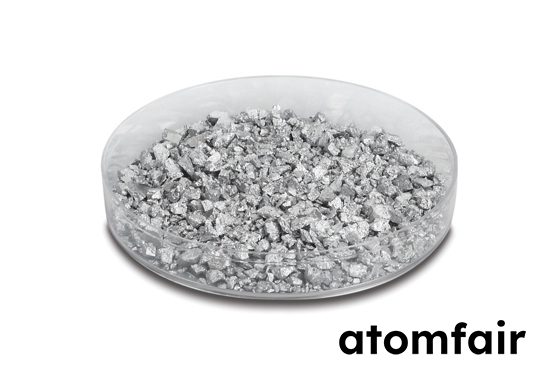
Silicon Carbide SiC Evaporation Powder 99.5% <70nm ATOMFAIR®
Price range: $420.00 through $3,300.00 -
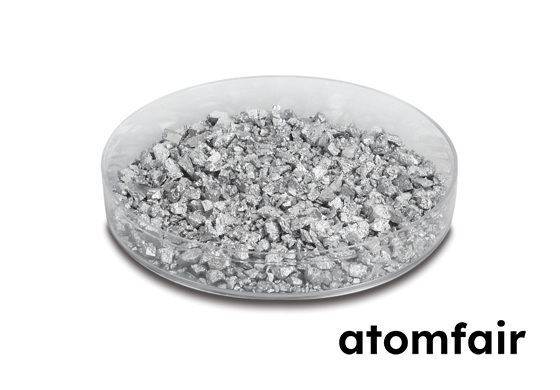
Tantalum Carbide TaC Evap Powder 99.9% 950 nm ATOMFAIR®
Price range: $550.00 through $5,200.00 -
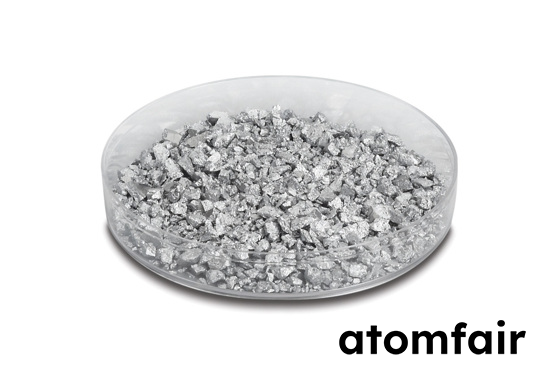
Zirconium Carbide Powder 99.95% 400-1100 nm ATOMFAIR®
Price range: $460.00 through $3,600.00 -
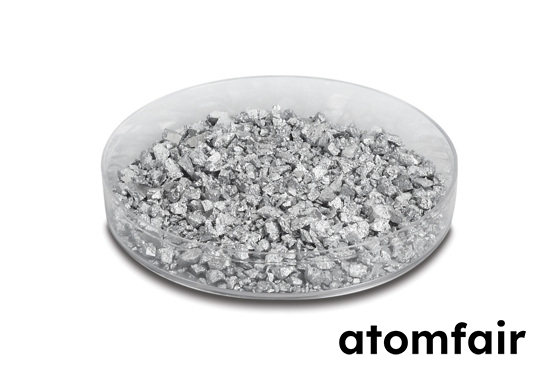
Zirconium Carbide ZrC Powder 99.95% 18 nm ATOMFAIR®
Price range: $460.00 through $3,600.00