
Battery Energy Storage Systems
Battery Energy Storage Systems (BESS) store energy when power is available and release it when you need it most. Whether you are looking for a portable power station for outdoor use, a home backup battery, a solar energy storage battery, or a storage cabinet for a factory, commercial building, or microgrid, this category brings together energy storage solutions for different applications and system sizes.
A battery energy storage system is more than a battery pack. Depending on the product, it may include battery modules, a battery management system (BMS), protection devices, an inverter, charging modules, thermal management, communication interfaces, and a protective enclosure. When comparing products, look beyond capacity and also consider output power, usable energy, equipment compatibility, installation conditions, operating temperature, expansion options, and future energy needs.
From short-term emergency backup to long-duration cycling, and from mobile power to large-scale project storage, this category covers portable, residential, rack-mounted, modular, commercial and industrial, and project-based battery energy storage solutions. Start by choosing the application and system scale that match your needs, then review the detailed specifications to confirm compatibility with your equipment, building, or energy system.
Show More: How to Choose the Right Battery Energy Storage System
Choose a Storage Product by Your Energy Need
| Your Energy Need | Product Types to Explore | Key Points to Check |
|---|---|---|
| Outdoor camping, mobile work, photography, or tools | Portable power stations and all-in-one mobile power units | Continuous output, peak output, capacity, weight, ports, and charging methods |
| Keeping lights, networking, refrigerators, or office equipment running during outages | Home backup batteries, wall-mounted batteries, and stackable batteries | Usable energy, output power, transfer method, installation location, and expansion capability |
| Reducing grid use or increasing solar self-consumption | Low-voltage or high-voltage storage batteries and batteries for hybrid inverters | Inverter compatibility, voltage range, charge and discharge current, and operating modes |
| Power for RVs, boats, remote buildings, or off-grid locations | Low-voltage battery packs, rack batteries, and off-grid storage systems | Daily energy use, continuous load, starting surge, charging source, and temperature range |
| Backup for telecom sites, UPS systems, networking equipment, or small server rooms | 48V/51.2V rack batteries and modular backup batteries | DC voltage, communication protocol, parallel quantity, transfer time, and continuous discharge capability |
| Peak shaving for factories, warehouses, stores, or offices | Commercial and industrial storage cabinets, high-voltage battery systems, and outdoor storage cabinets | Load profile, rated power, usable energy, cooling, IP rating, and grid connection conditions |
| Solar, wind, microgrid, or large-scale energy storage projects | Multi-cabinet systems, containerized ESS, and project-based storage systems | PCS, EMS, parallel operation, duration, fire-safety design, installation, and service scope |
Common Battery Energy Storage Product Types
Portable Power Stations
Portable power stations combine a battery, inverter, charging module, and multiple output ports in a movable unit. They are suitable for outdoor activities, emergency power, mobile work, and short-duration equipment use. If you plan to power refrigerators, pumps, motors, or power tools, check peak output and starting surge carefully instead of looking only at battery capacity.
Home Energy Storage Batteries
Home energy storage batteries can support outage backup, solar storage, and daily power for selected household loads. Common formats include wall-mounted, stackable, floor-standing, and all-in-one systems. Before ordering, confirm whether the product is a battery-only unit or a complete system with an inverter, and check compatibility with your existing solar installation, backup circuits, and future expansion plans.
Low-Voltage Modular and Rack-Mounted Batteries
Low-voltage modular batteries and 48V/51.2V rack-mounted batteries are commonly used for telecom backup, UPS systems, home storage, small server rooms, RVs, and off-grid systems. Modular designs can make it easier to increase capacity as your needs grow. However, voltage range, BMS communication, terminal definitions, rack dimensions, and parallel-operation rules vary by product, so similar physical dimensions do not guarantee direct compatibility.
Commercial and Industrial Storage Cabinets
Commercial and industrial storage cabinets are designed for factories, commercial buildings, warehouses, and other applications that require higher power or more frequent cycling. They may support peak shaving, demand management, solar-plus-storage, and backup power. Depending on the project, systems may use air cooling, liquid cooling, or another thermal-management method and may include high-voltage batteries, distribution protection, monitoring, and safety functions. These products should be selected against the site load and installation conditions.
Containerized and Project-Based Energy Storage Systems
Containerized energy storage systems are used for large renewable-energy projects, microgrids, backup power stations, and long-duration storage. A complete solution may require batteries, PCS, EMS, power distribution, thermal management, fire-safety systems, monitoring, and commissioning. Project buyers should confirm rated power, usable energy, operating duration, parallel scale, environmental conditions, transport requirements, and the exact delivery scope.
Common Energy Storage System Architectures
| Architecture | Typical Use | Compatibility Information to Confirm |
|---|---|---|
| AC-coupled | Adding battery storage or backup capability to an existing solar installation | Storage inverter, AC-side power, grid connection, and transfer logic |
| DC-coupled | New solar-plus-storage systems that connect the battery and solar equipment on the DC side | DC voltage range, maximum current, solar input, and control communication |
| All-in-one storage system | Applications that benefit from integrated batteries, inverter, and control functions in one unit or cabinet | Included functions, output ports, installation requirements, and service access |
| Battery pack or modular system | Systems that already have an inverter, PCS, or UPS, or require project integration | Operating voltage, maximum current, BMS protocol, terminal definitions, and protection logic |
A battery that connects to one system is not automatically compatible with every inverter or PCS. Before ordering, check the battery voltage range, maximum charge and discharge current, communication protocol, terminals, and software configuration. For a home retrofit or commercial project, provide the existing equipment model and application requirements before selecting a battery.
Specifications to Compare Before Buying
| Specification | What It Means for You |
|---|---|
| Capacity (kWh) | The amount of energy stored, which mainly affects how long the system can provide power. |
| Rated power (kW) | The load the system can support at the same time. A large battery may still be unable to start high-power equipment if its output power is too low. |
| Usable energy | The energy available under actual protection limits and operating conditions. It may be lower than the stated total capacity. |
| Peak power | The ability to handle starting surges from refrigerators, pumps, motors, and power tools. |
| Operating voltage | Determines compatibility with an inverter, PCS, UPS, solar controller, or DC load. |
| BMS and communication | Supports battery monitoring, protection, balancing, and coordination with external equipment. |
| Charge and discharge temperature | Charging and discharging may have different low-temperature limits, so cold-weather charging needs special attention. |
| IP rating and cooling | Helps determine whether the product is suitable for outdoor, humid, dusty, or high-load environments. |
| Expansion method | Determines whether more battery modules can be added later and whether new and existing modules can be mixed. |
| Cycle conditions | Cycle life depends on depth of discharge, temperature, rate, and capacity-retention conditions, not on one cycle number alone. |
Common Battery Technologies
Lithium iron phosphate (LFP) is common in stationary storage and many portable energy storage products and is often considered by buyers who value stable operation and long-term use. Nickel-manganese-cobalt and other ternary lithium batteries offer high energy density and are often used in mobile applications where weight and size matter. Lead-acid, AGM, and GEL batteries remain relevant for some backup and traditional storage applications. Sodium-ion batteries and flow batteries are also being considered for selected low-temperature, long-duration, and project-based applications.
No single chemistry is the best choice for every user. Actual performance also depends on the cells, BMS, thermal management, mechanical design, charge and discharge rate, installation environment, and operating profile. Choose based on the complete system specification and your real application requirements.
Information to Prepare Before Ordering
Preparing the following information can make it easier to find a suitable energy storage product:
- Application: outdoor use, home backup, RV, telecom, UPS, factory, commercial building, off-grid system, or microgrid.
- Load requirements: continuous power, maximum power, starting surge, and the required operating time.
- Energy requirements: target capacity, daily energy use, backup duration, and expected charge and discharge frequency.
- System connections: existing inverter, PCS, UPS, solar equipment, DC loads, and communication protocol.
- Installation environment: indoor or outdoor location, minimum and maximum temperature, humidity, dust, noise, and available space.
- Delivery scope: battery pack only, complete energy storage system, installation, commissioning, or project integration service.
Frequently Asked Questions
Should I choose a portable power station or a home energy storage battery?
A portable power station is usually more convenient if you need to move the unit, use it outdoors, or handle short-term emergencies. A home energy storage battery or all-in-one home storage system is more suitable for fixed installation, solar integration, or backup power for important household loads. The two product types differ in output ports, installation, expansion, and electrical connection requirements.
How much capacity does a home energy storage system need?
List the equipment that must remain powered during an outage, such as lights, networking equipment, a refrigerator, security devices, a computer, or a pump. Record their power and expected operating time. Use load power multiplied by operating time as a first estimate, then account for inverter losses, starting surges, reserve energy, and temperature. Full-home backup also requires sufficient continuous output and an appropriate transfer and distribution design.
What is the difference between kW and kWh?
kW is power: it indicates how large a load the storage system can support at one time. kWh is energy capacity: it indicates how much energy is stored and mainly affects how long the system can operate. Both values matter. A system with enough kWh but insufficient kW may not start the target equipment, while a high-power system with too little kWh may run for only a short time.
How long can an energy storage system run after one full charge?
You can estimate runtime by dividing usable energy by load power, but the actual result is affected by inverter losses, equipment startup, temperature, and battery protection settings. When several devices run at once, use their combined continuous power. Refrigerators, pumps, and motors also require additional attention to starting surge. Ask for usable energy under your target load when comparing products.
Can a battery energy storage system connect to my existing solar inverter?
Not necessarily. The battery and inverter must match in voltage range, maximum current, BMS communication protocol, wiring, and protection logic. Similar nominal voltages do not guarantee direct compatibility. Before ordering, provide the brand, model, and operating specifications of your existing inverter or PCS for confirmation.
Do I need an all-in-one system with an inverter?
An all-in-one system may be more convenient if you want simpler installation and fewer compatibility decisions. If you already have an inverter, PCS, or UPS, a compatible battery pack or modular battery may be a better fit. Confirm exactly which components are included and whether the battery can communicate and operate correctly with the existing equipment.
Can a home energy storage system power the entire house?
Some systems can support the whole home or most household loads, but capacity alone does not determine this. You must also check continuous output, peak power, distribution changes, automatic transfer, grounding, and local electrical requirements. Air conditioners, pumps, electric heating, refrigerators, and EV chargers may need separate calculations or may be excluded from the backup circuit.
Can an energy storage system be installed outdoors?
This depends on the product IP rating, temperature range, cooling method, and installation instructions. Even outdoor-rated products may require shade, rain protection, ventilation, a foundation, condensation control, or clearance from walls. Do not place an indoor product outdoors, and do not treat an IP rating as a substitute for correct installation.
Does an LFP battery eliminate fire risk?
No. LFP is used in many energy storage products, but every battery system still requires a BMS, overcurrent protection, short-circuit protection, temperature monitoring, correct installation, and proper operation. Review the complete system protection functions, environmental requirements, and installation instructions instead of relying on chemistry alone.
Can an energy storage system operate in cold temperatures?
Check the low-temperature limits for charging, discharging, and storage separately. Some batteries can discharge in cold conditions but may require preheating, reduced power, or a temperature recovery period before charging. For cold regions, outdoor locations, or unheated spaces, confirm the minimum temperature, low-temperature charging restrictions, heating function, and condensation requirements before purchase.
Can I expand the energy storage system later?
Some wall-mounted, stackable, rack-mounted, and modular systems support expansion, but limits may apply to the number of modules, parallel configuration, module versions, and differences in service age. Do not assume that new and existing batteries can be mixed. Confirm the maximum capacity, current, communication configuration, and installation space before adding modules.
What information should I provide when requesting an energy storage solution?
Provide the application, target capacity, continuous and peak load, backup duration, charging source, existing inverter or PCS, installation location, temperature range, indoor or outdoor conditions, expansion plans, and whether you need a battery pack, complete system, installation, or commissioning. More complete information makes it easier to identify a product that fits the actual application.
Showing all 15 results
-
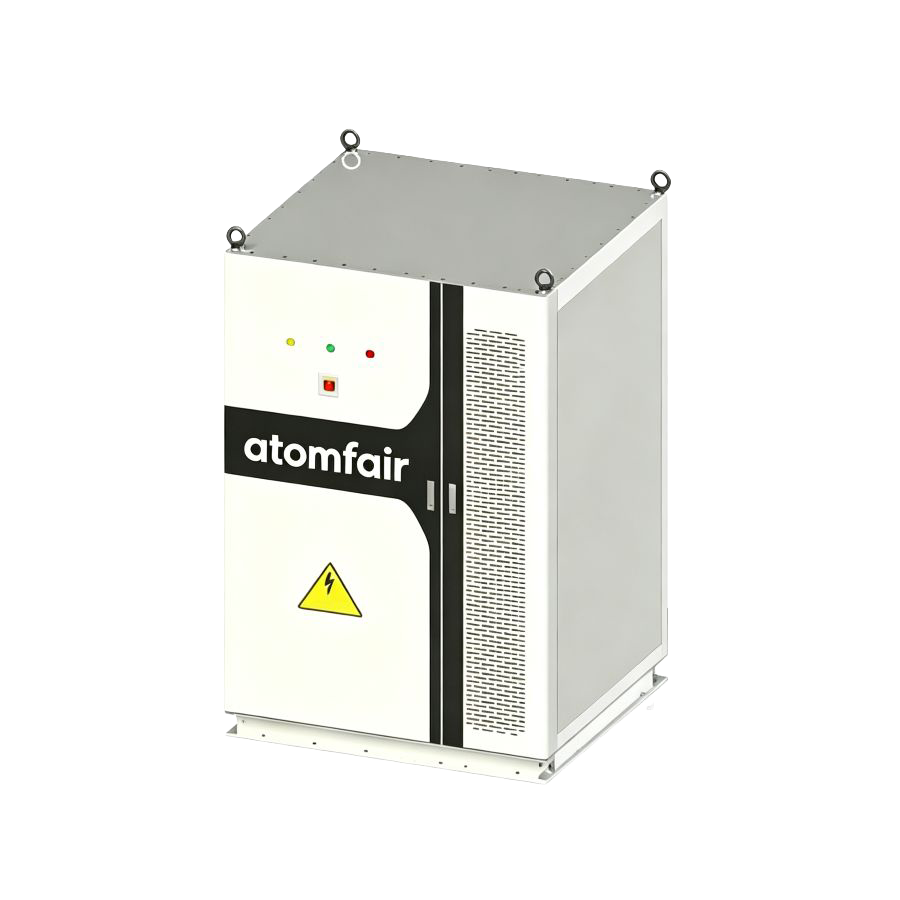
100kW 232kWh LFP Liquid-Cooled C&I Cabinet ATOMFAIR®
$43,890.00 -
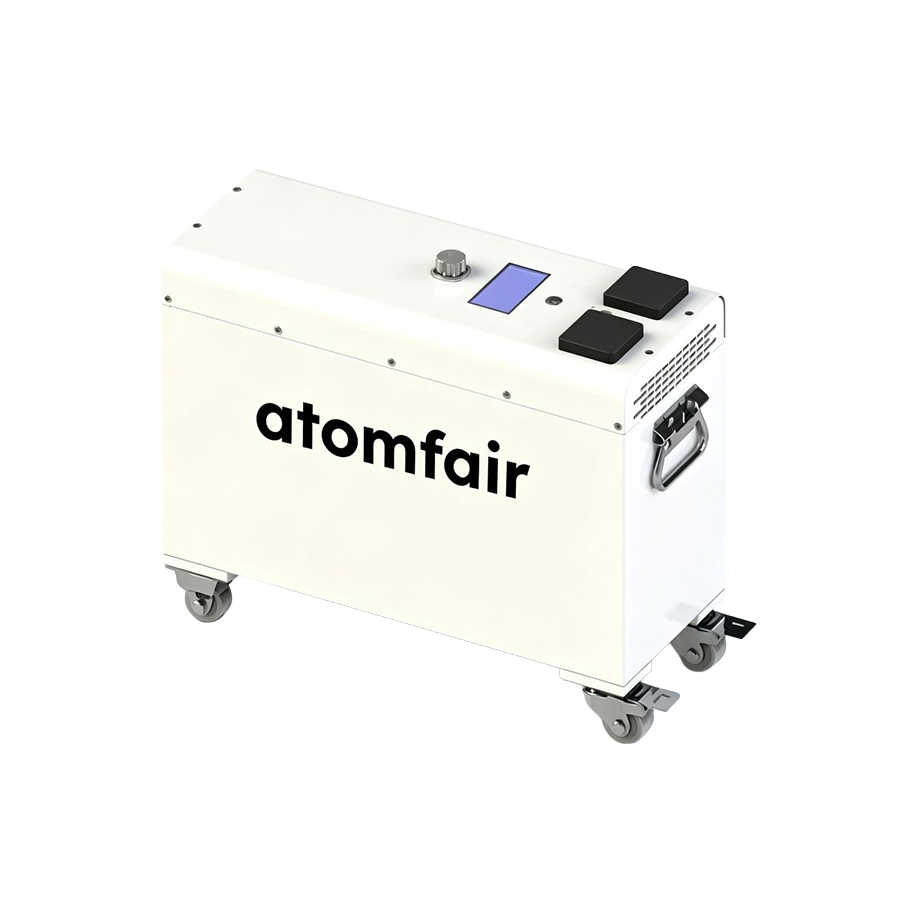
25.6V LFP Low-Temp Power Station 5.27kWh 2kW ATOMFAIR®
$1,470.00 -
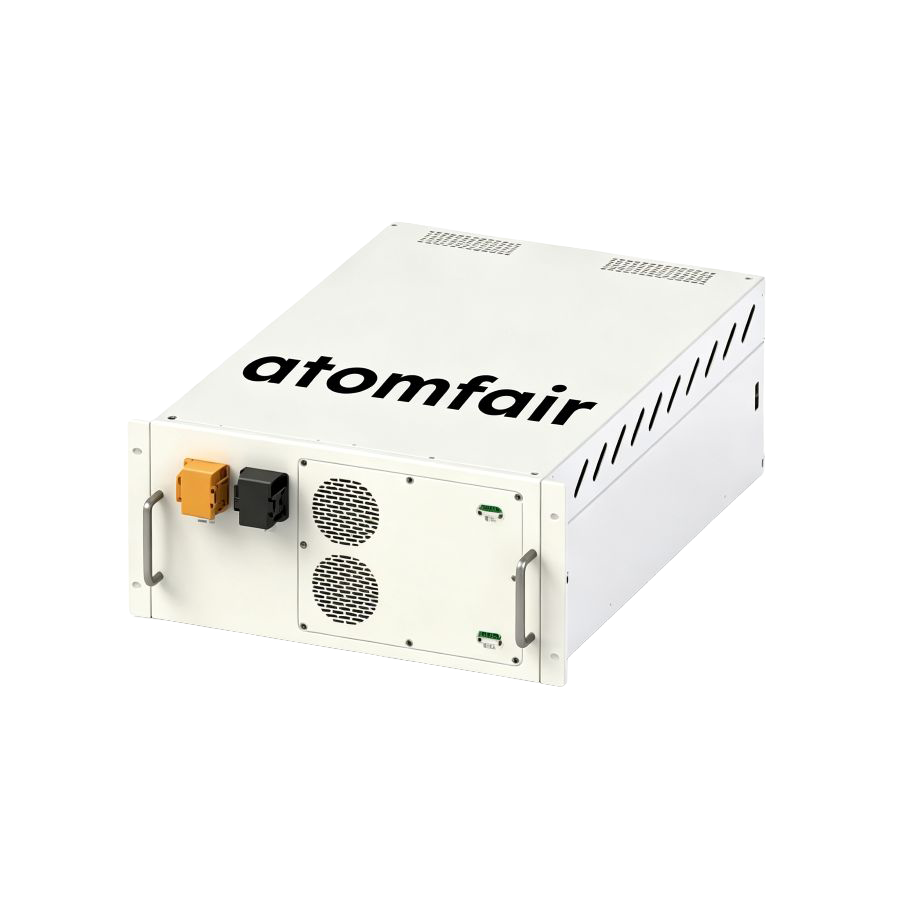
51.2V 280Ah LFP Air-Cooled Battery Box 14.336kWh ATOMFAIR®
$2,380.00 -
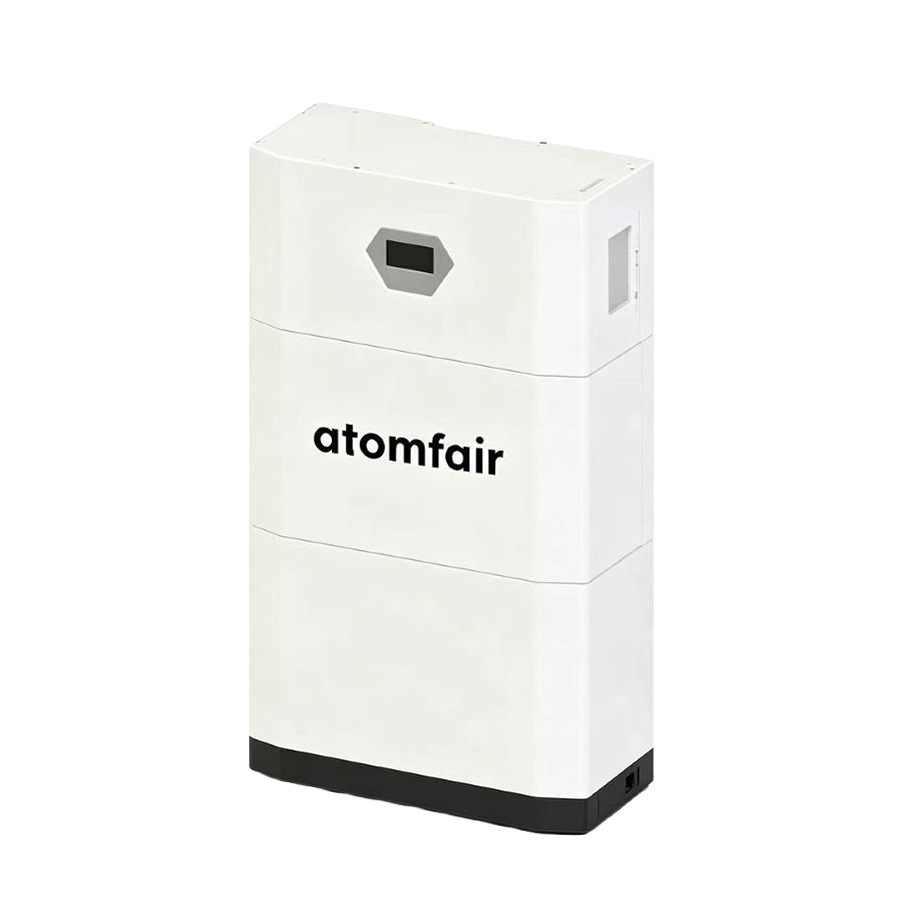
51.2V LFP Stackable Battery System 21 kWh ATOMFAIR®
$4,390.00 -
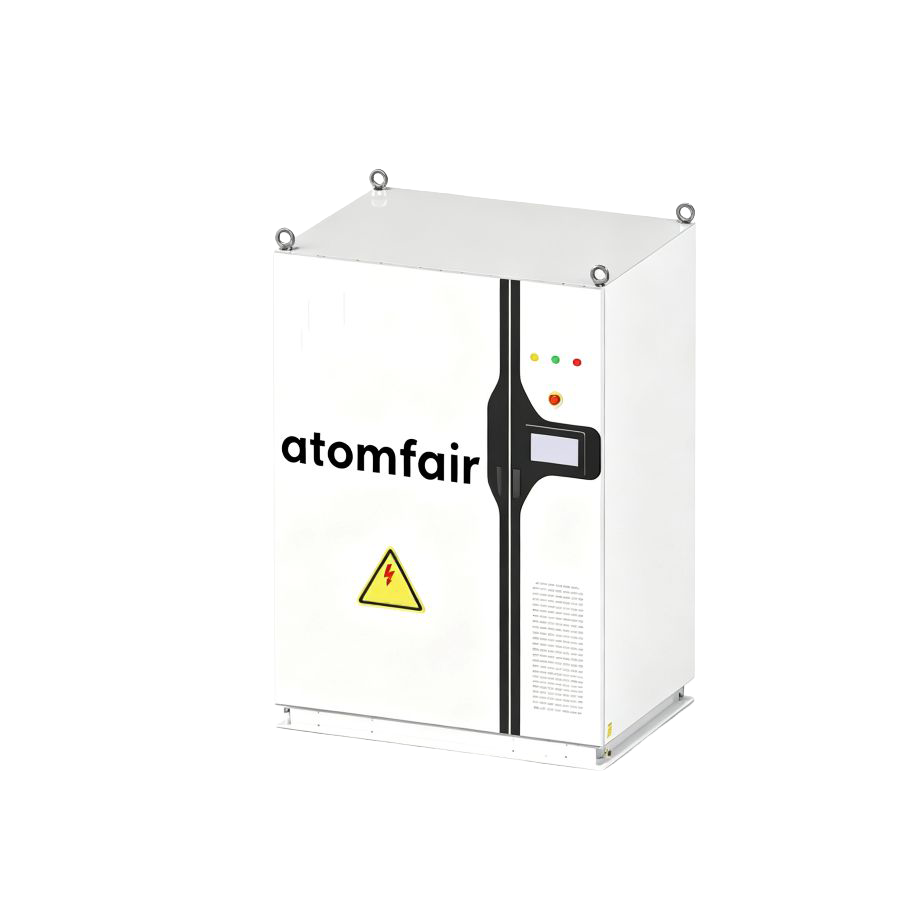
LFP C&I Energy Storage Cabinet 100kW 215kWh ATOMFAIR®
$38,540.00 -
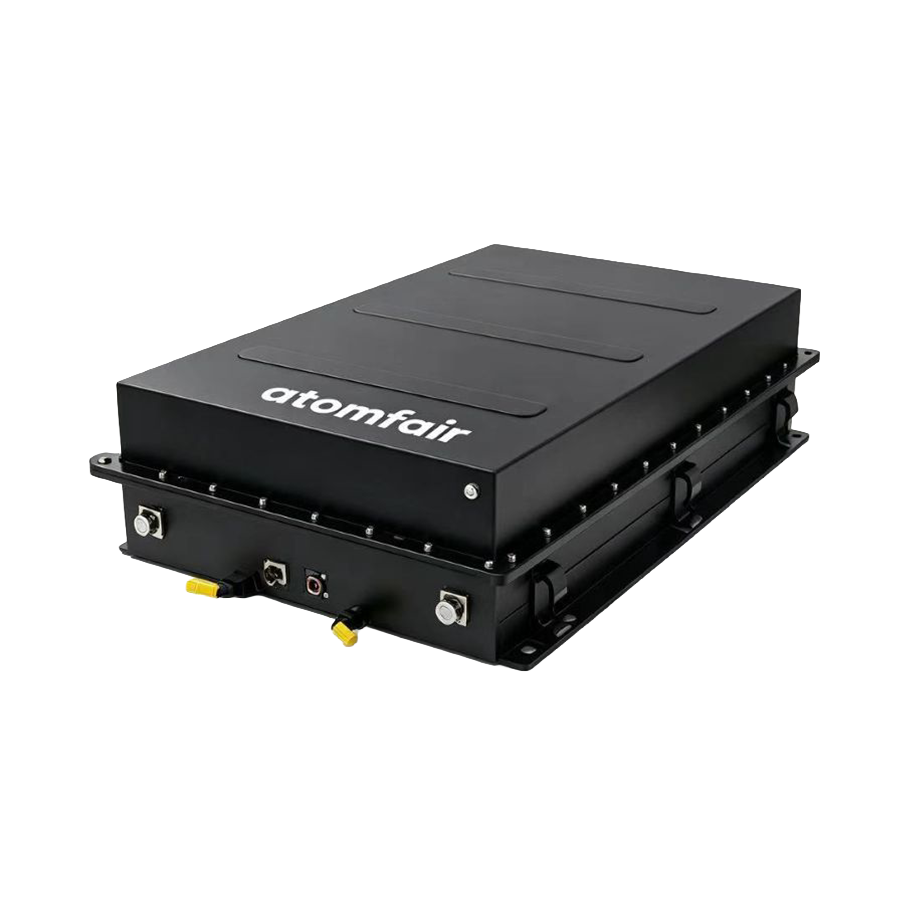
LFP Heavy-Duty Truck Battery 153.6V 206Ah ATOMFAIR®
$3,970.00 -
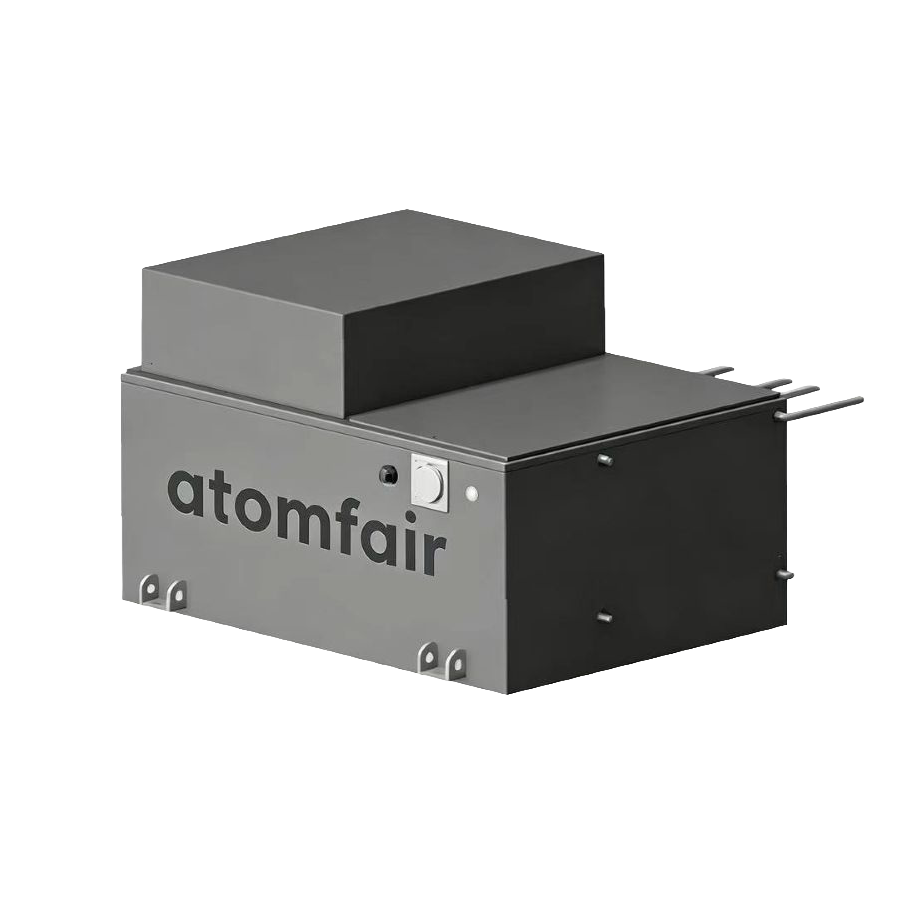
LFP Low-Temp Loader Battery 153.6V 206Ah 31.6kWh ATOMFAIR®
$4,090.00 -
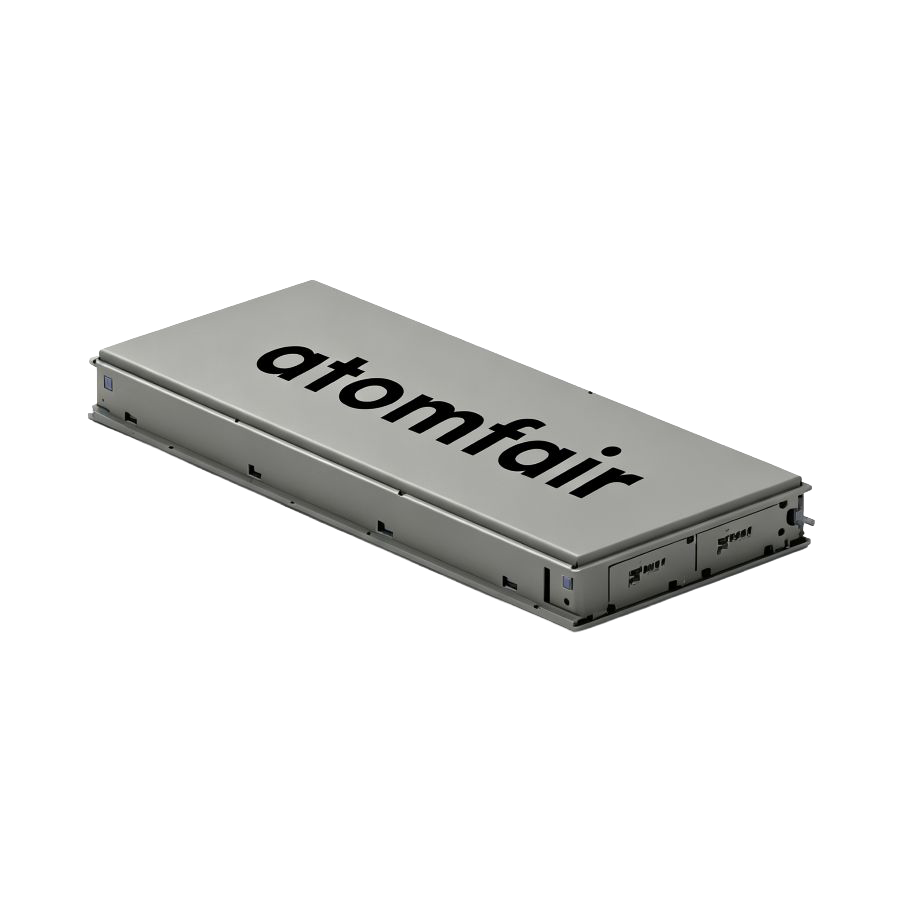
LFP Low-Temperature Battery Pack 163.072kWh ATOMFAIR®
$24,340.00 -
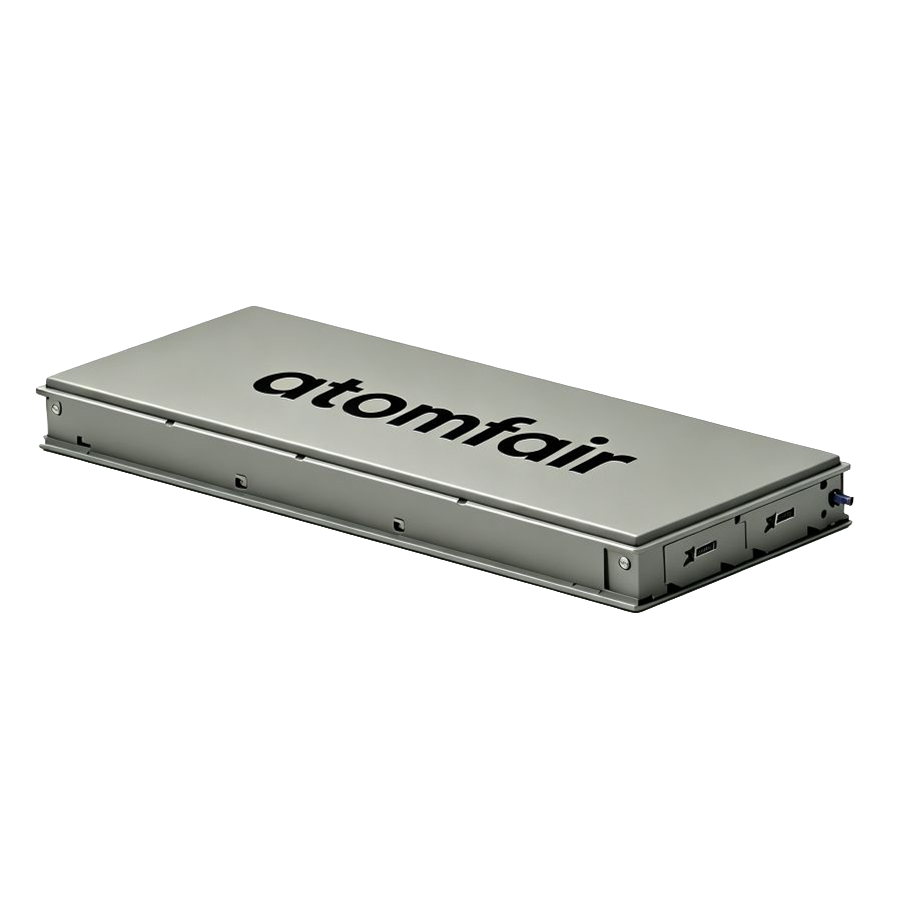
LFP Low-Temperature Battery Pack 209.664 kWh ATOMFAIR®
$31,390.00 -
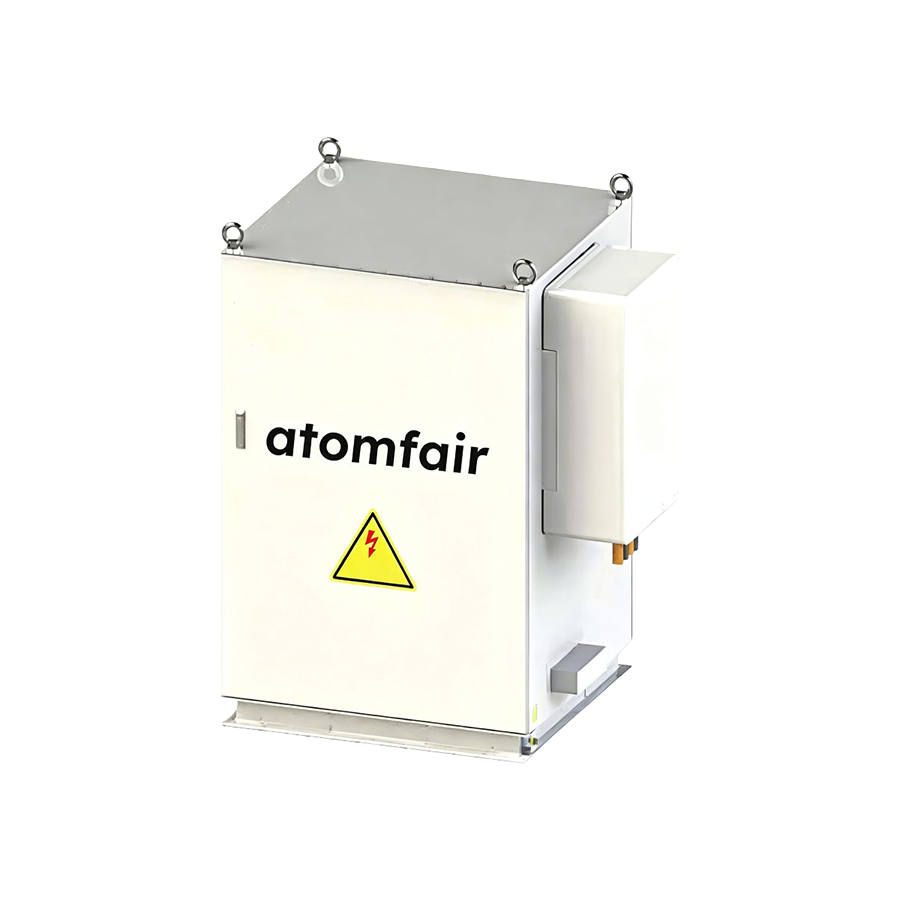
LFP Low-Temperature C&I ESS Cabinet 100kW 215kWh ATOMFAIR®
$29,810.00 -
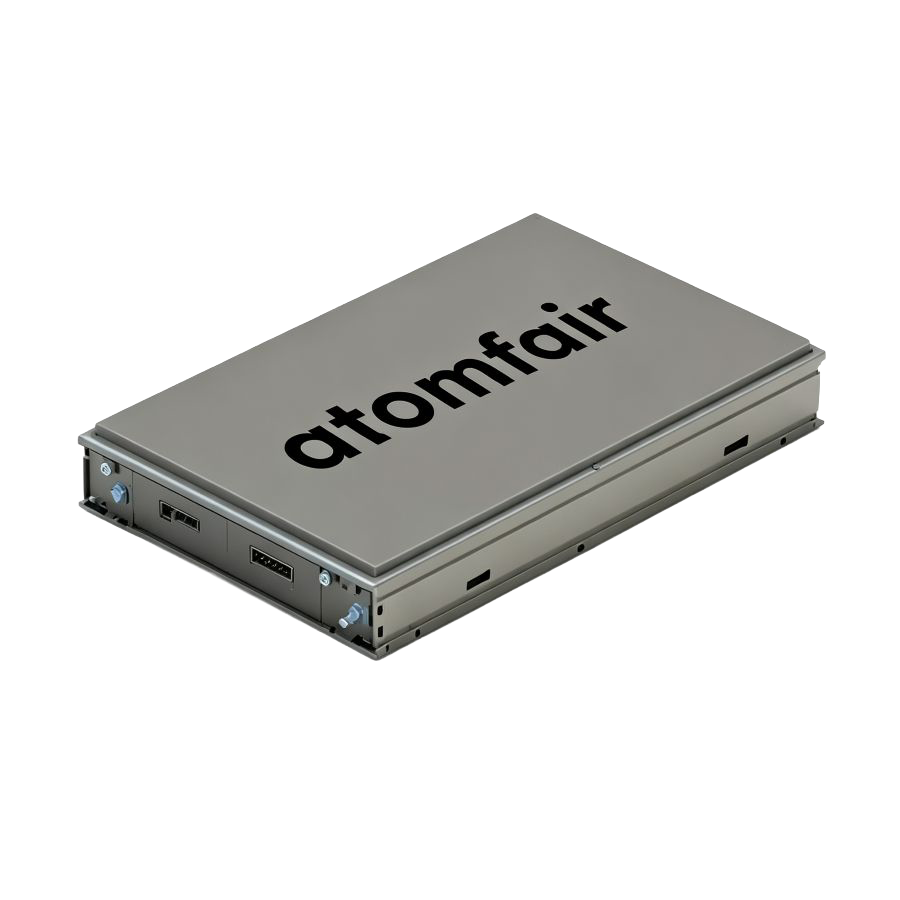
LFP Mining Truck Battery Pack 93.184 kWh 332.8V ATOMFAIR®
$13,950.00 -
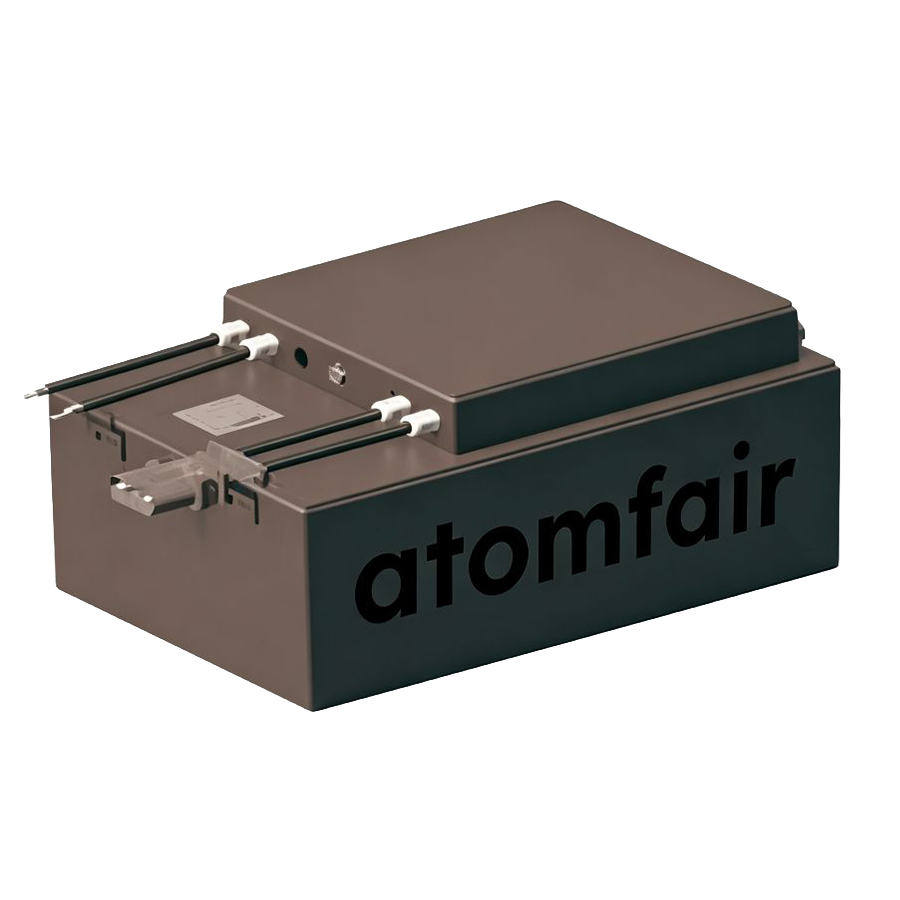
LFP Tow Tractor Battery 51.2V 206Ah 10.5kWh ATOMFAIR®
$1,870.00 -
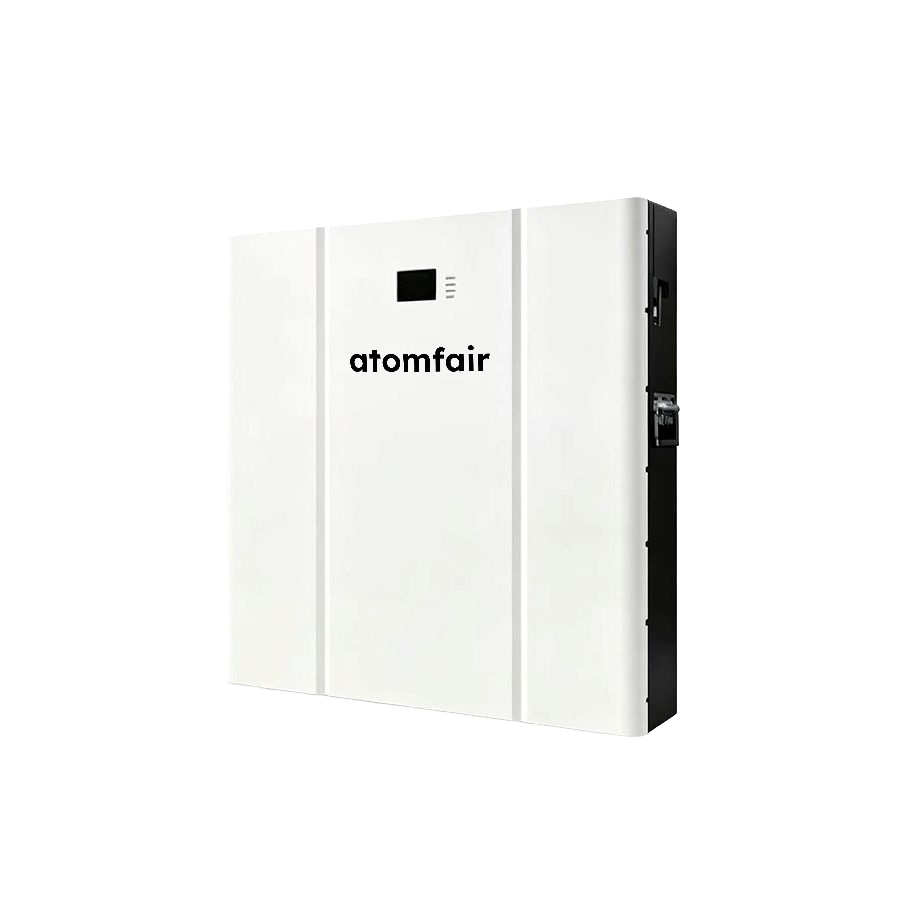
LFP Wall-Mounted Battery System 51.2V 10.5kWh ATOMFAIR®
$1,900.00 -
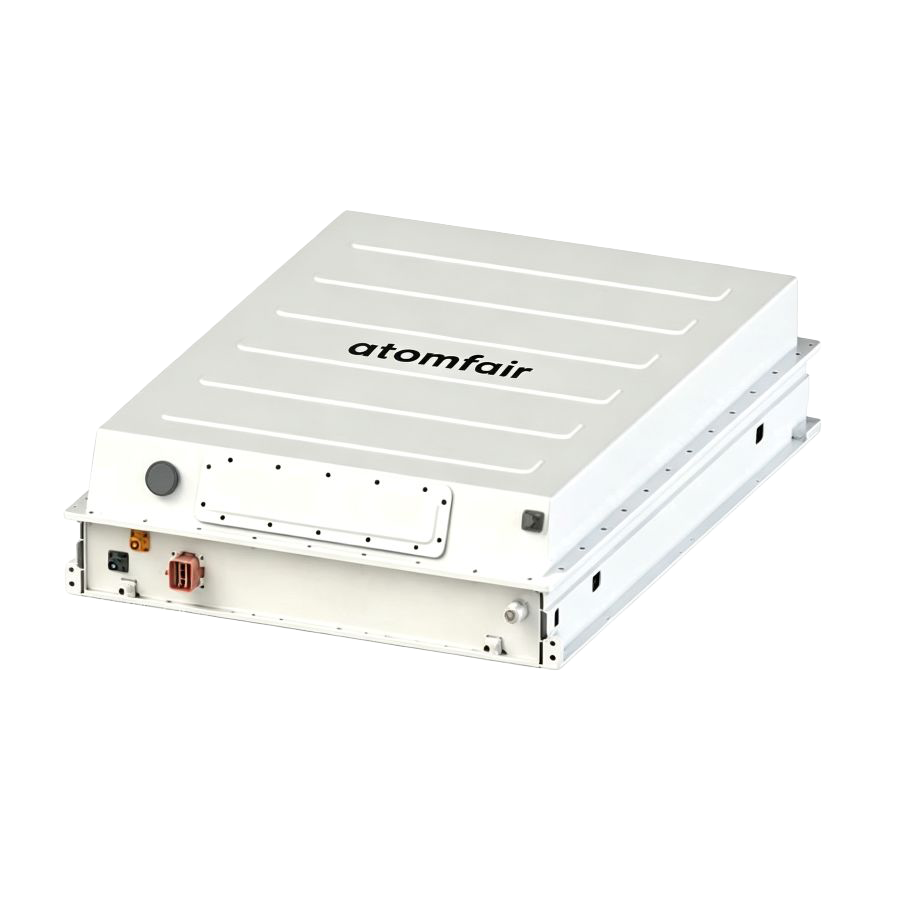
Liquid-Cooled LFP Battery Box 166.4V 280Ah ATOMFAIR®
$8,830.00 -
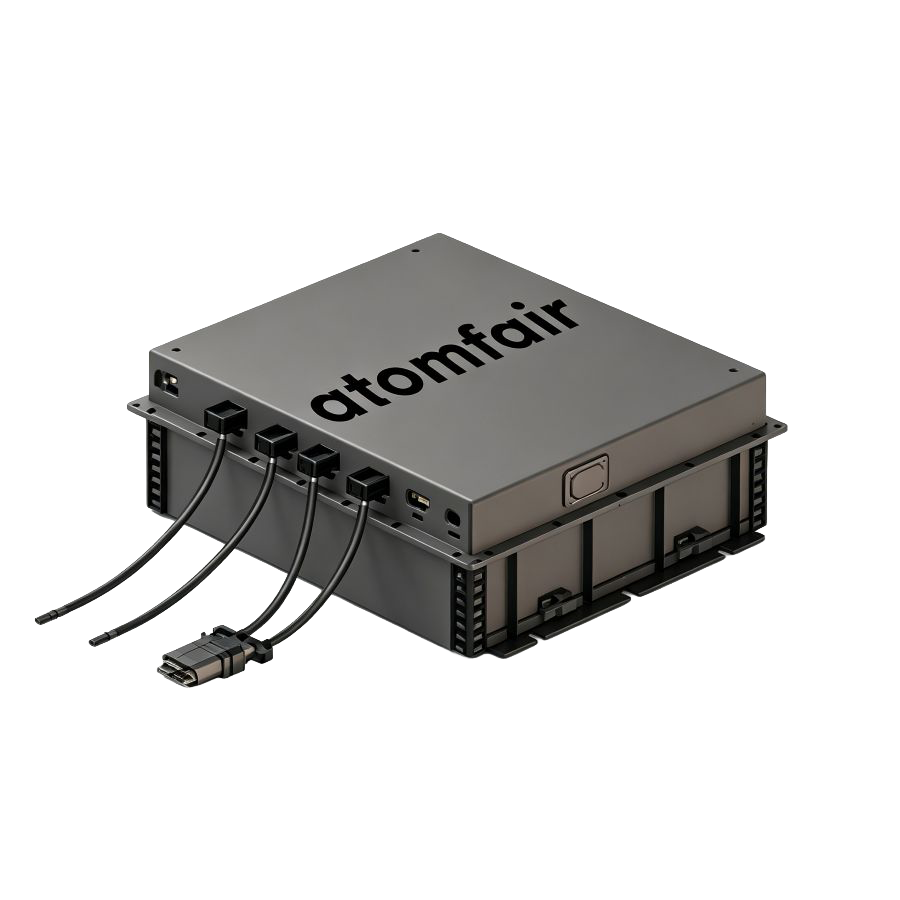
Low-Temp LFP Forklift Battery 76.8V 206Ah ATOMFAIR®
$2,790.00