
Drying, Vacuum & Glovebox Equipment
Moisture, oxygen, temperature, and vacuum conditions can directly affect battery material handling, electrode pre-drying, cell assembly preparation, and later batch-to-batch consistency. For lithium-ion, sodium-ion, solid-state battery, and other air-sensitive material workflows, suitable drying, vacuum, and inert-atmosphere equipment helps reduce moisture and oxygen exposure while making process conditions easier to control.
This category includes forced air drying ovens, vacuum drying ovens, multi-chamber vacuum ovens, inert gas glove boxes, and vacuum standing chambers. Users can first confirm whether the sample is moisture-sensitive, oxygen-sensitive, requires heating or vacuum treatment, and how many samples need to be processed per batch, then compare equipment by application, chamber capacity, station count, and control method.
Show More
Equipment Selection Matrix
| Equipment Type | What It Does | Typical Use Cases | Key Selection Points |
|---|---|---|---|
| Forced Air Drying Oven | General heating, drying, and preheating | Routine lab samples, battery material pretreatment, less moisture-sensitive samples | Capacity, maximum temperature, temperature stability, chamber material |
| Vacuum Drying Oven | Low-pressure drying, residual moisture removal, reduced oxidation risk | Electrodes, cell parts, powders, separators, moisture-sensitive samples | Vacuum level, temperature range, sealing performance, chamber size |
| Multi-Chamber Vacuum Oven | Parallel drying for multiple batches or separated process conditions | Batch electrode pre-drying, separated sample runs, higher-throughput lab work | Number of chambers, independent control, heating uniformity, processing efficiency |
| Inert Gas Glove Box | Weighing, transfer, assembly, and handling under low oxygen and moisture conditions | Lithium metal, sodium battery materials, solid electrolytes, electrolyte-related work | O₂/H₂O control, station count, purification capacity, antechamber configuration |
| Vacuum Standing Chamber | Post-filling standing, wetting, and degassing support | Pouch cells, cylindrical cells, and samples requiring vacuum cycling | Vacuum range, chamber dimensions, cycling program, sample compatibility |
Choose by Application
| User Need | Recommended Equipment Direction |
|---|---|
| General drying and preheating | Choose a forced air drying oven and compare capacity and temperature stability. |
| Moisture removal from electrodes or cell parts | Choose a vacuum drying oven and compare vacuum level, temperature range, and sealing performance. |
| Multiple batches per day | Choose a dual-chamber, three-chamber, or multi-layer vacuum oven to improve sample turnover. |
| Samples cannot be exposed to air for long | Choose an inert gas glove box and compare oxygen/moisture control and working space. |
| Post-filling wetting and degassing | Choose a vacuum standing chamber and check chamber dimensions, vacuum cycling, and loading method. |
Common Applications
- Battery material drying, pretreatment, and pre-experiment preparation
- Vacuum drying for electrodes, separators, cell cases, and related components
- Transfer, weighing, assembly, and short-term handling of air-sensitive materials
- Vacuum standing, wetting, and degassing support after pouch or cylindrical cell filling
- Batch sample processing for R&D, pilot-scale work, and laboratory workflows
Key Buying Points
| Factor | What to Check |
|---|---|
| Sample sensitivity | Check whether the sample is moisture-sensitive, oxygen-sensitive, heat-sensitive, or easy to absorb water. |
| Batch size | Confirm how many samples need to be processed at one time and whether batches must be separated. |
| Temperature requirement | Make sure the maximum temperature covers the actual process range. |
| Vacuum requirement | Check whether ordinary vacuum operation is enough or stable vacuum holding is required. |
| Working space | Confirm that samples, trays, fixtures, and containers fit inside the chamber or workspace. |
| Maintenance | Consider door seals, gaskets, chamber cleaning, sensor maintenance, and long-term usability. |
| Site conditions | Check power supply, floor space, vacuum pump placement, and operator access around the equipment. |
Frequently Asked Questions
1. How do I know whether the vacuum drying oven capacity is large enough for electrode pre-drying?
Do not only check the stated liter capacity. Also compare tray size, electrode layout, sample spacing, and batch quantity. If electrodes need to be laid flat, usable tray area can matter more than chamber volume.
2. Should I choose a single-station or multi-station glove box?
A single-station glove box is usually suitable for one operator doing weighing, transfer, and small-sample assembly. A multi-station glove box is better when two operators need to work at the same time or when the workflow is longer.
3. Do samples need vacuum drying before entering a glove box?
Many moisture-sensitive samples are vacuum dried first and then transferred into a glove box. This helps reduce moisture carried into the inert atmosphere and keeps later assembly conditions more stable.
4. Why should I consider fixtures and trays when choosing a vacuum standing chamber?
Cells, trays, fixtures, and connection parts all take up chamber space. Checking only the cell dimensions can underestimate the actual chamber size needed for loading and operation.
5. What should I check if electrolyte or solvent residue may remain on samples?
Pay attention to chamber material, sealing structure, cleaning access, and corrosion resistance. Residue should be cleaned promptly after use to protect sealing performance and long-term stability.
6. When is a multi-chamber vacuum oven worth choosing?
It is useful when there are many sample batches, when different samples should not be mixed, or when several drying tasks need to run at the same time. It can reduce waiting time and make batch tracking easier.
7. If oxygen or moisture levels are not stable in a glove box, what should be checked first?
Check door seals, gloves, antechamber sealing, purification system condition, gas quality, and moisture brought in by samples. Stability is often affected by both equipment condition and daily operating habits.
8. What daily maintenance points are easy to overlook?
For vacuum equipment, door seals and tubing connections are often overlooked. For glove boxes, glove aging, antechamber operation habits, and oxygen/moisture sensor condition matter. For drying ovens, chamber cleanliness and temperature stability should be checked regularly.
Showing 1–16 of 23 results
-
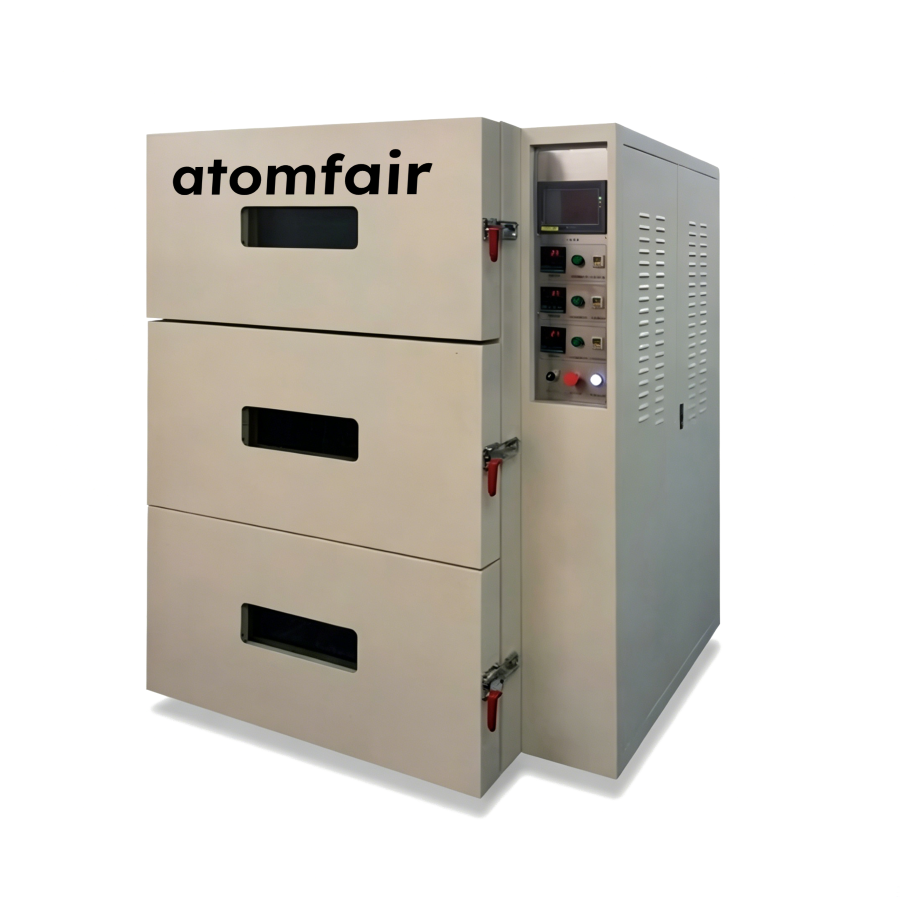
3-Chamber Vacuum Oven 150°C Lithium Battery
$11,253.00 -
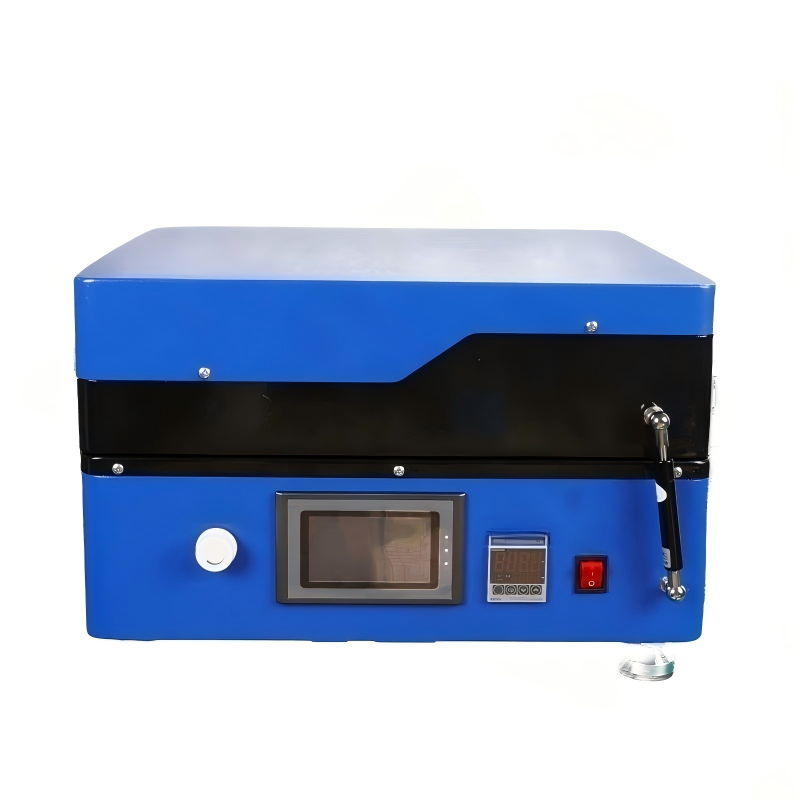
Atomfair Automatic Film Coating Drying Machine High Precision 0-100mm/s for High-Temperature Ceramic Nano Battery Film Research
-
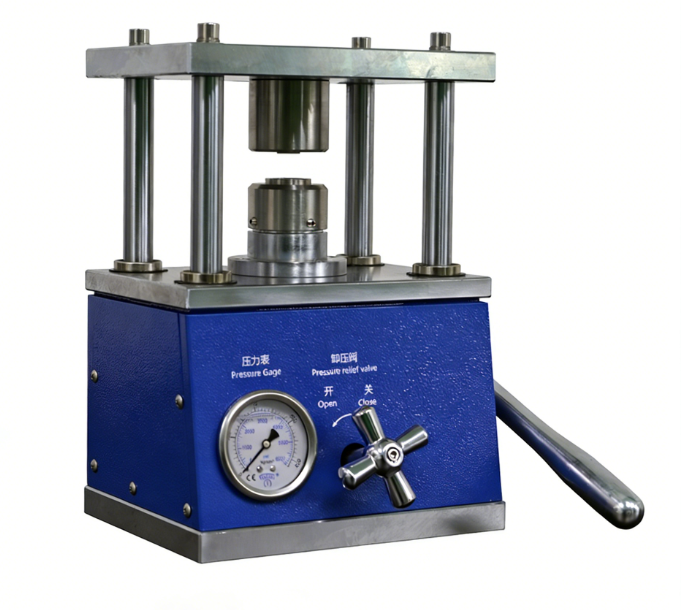
Atomfair CR-Press 712 Compact Glove Box Compatible Coin Cell Sealing Press for Lab R&D and Small Batch Production
-

Atomfair HS-CF650 Cylindrical Battery Sealing Machine
-
Atomfair HS-DF160 Electric Button Cell Sealing Machine
-
Atomfair HS-JZ300 Vacuum Standing System
-
Atomfair HS-QF150 Pneumatic Button Cell Sealing Machine
-
Atomfair HS-SF120 Button Cell Sealing Machine
-
Atomfair HS-XMO100 Small Hydraulic Die Cutting Machine
-
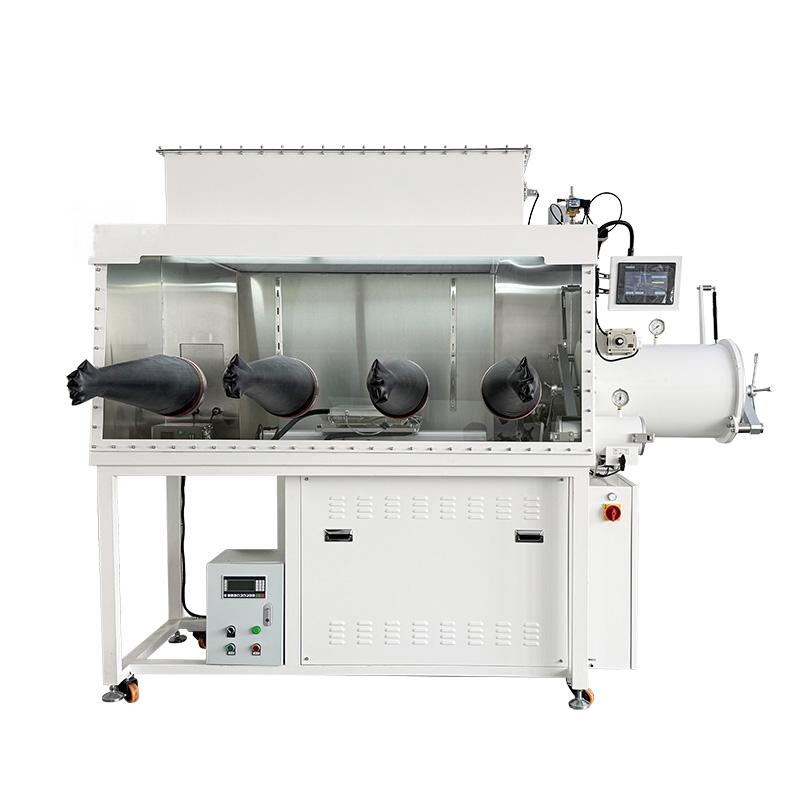
Atomfair Semiconductor Glove Box – Vacuum Heating Adsorption, FFU Class 100 Clean System, H₂O&O₂ < 0.1ppm Dust-Free Chamber
-
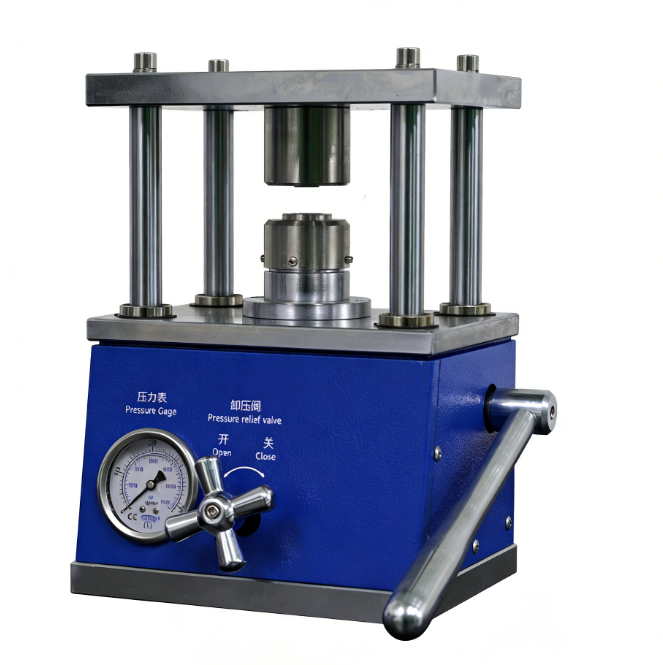
Atomfair-BatteryDisassembler-5729 Button Battery Disassembler CR20 Hydraulic Glove Box
-
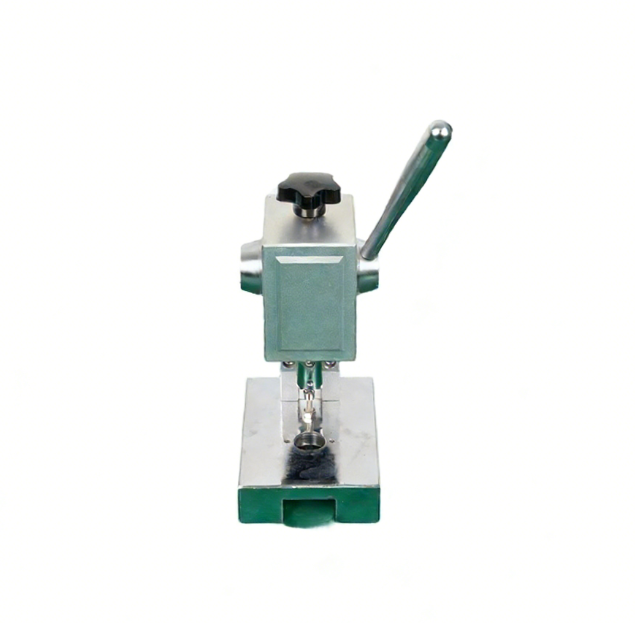
Atomfair-BD3690 Patented Button Battery Die Cutter 0.005-0.5mm Thickness F3-24mm Punching Size
-
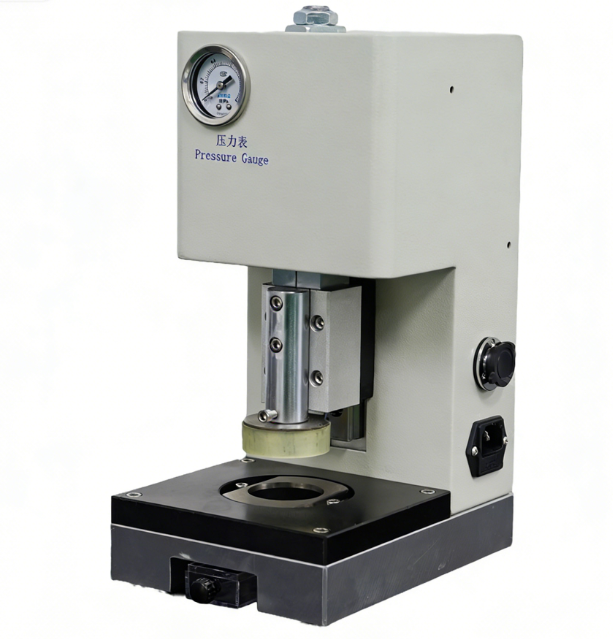
Atomfair-BP4090 Battery Sheet Precision Punching Machine High Precision Slide Rail Guidance Burr-Free Cutting
-
Atomfair-MCM1860 Mold Cutting Machine – ±0.1mm Precision 4T Max Pressure 30000+ Die Life Customizable Size Glove Box Usable Rust-Proof Chrome Steel Structure
-
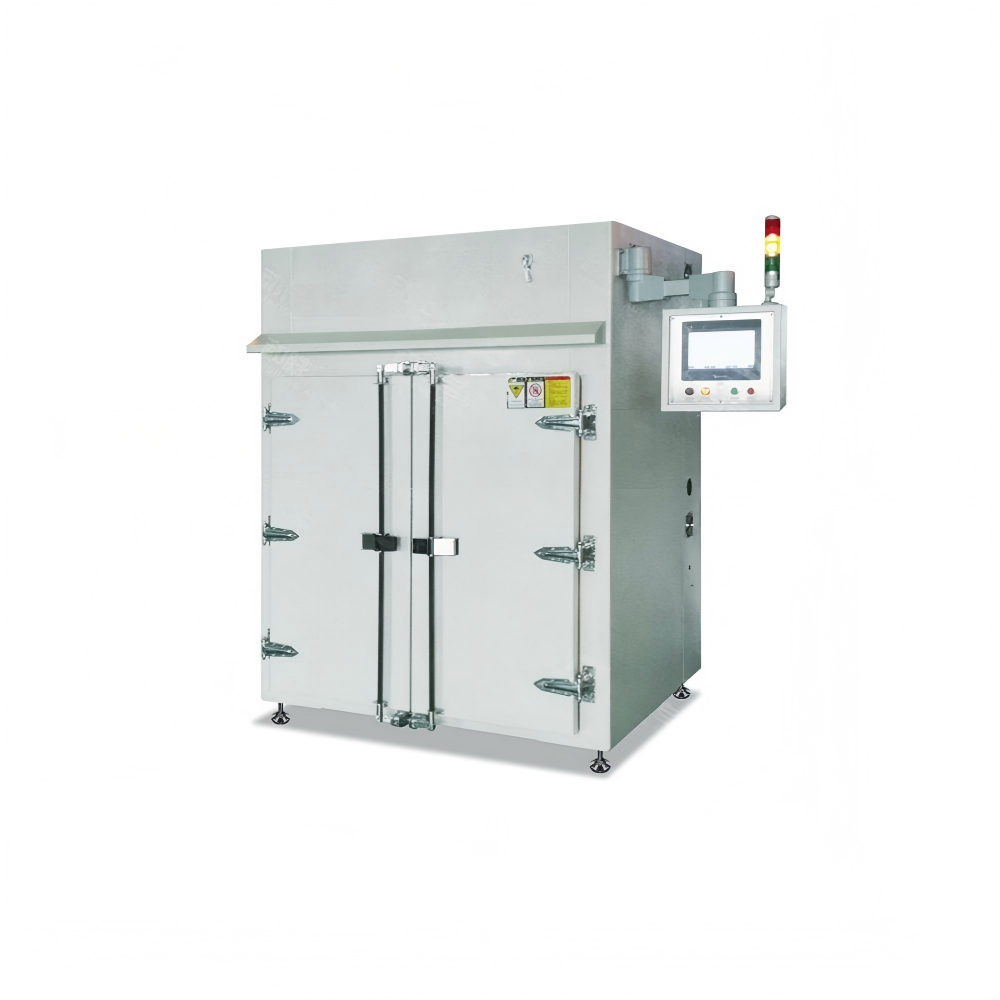
Atomfair-VDS-297 Automatic Vacuum Drying System for Lithium Batteries & Supercapacitors, 3-stage Temperature & Vacuum Control, High Stability & Consistency
-
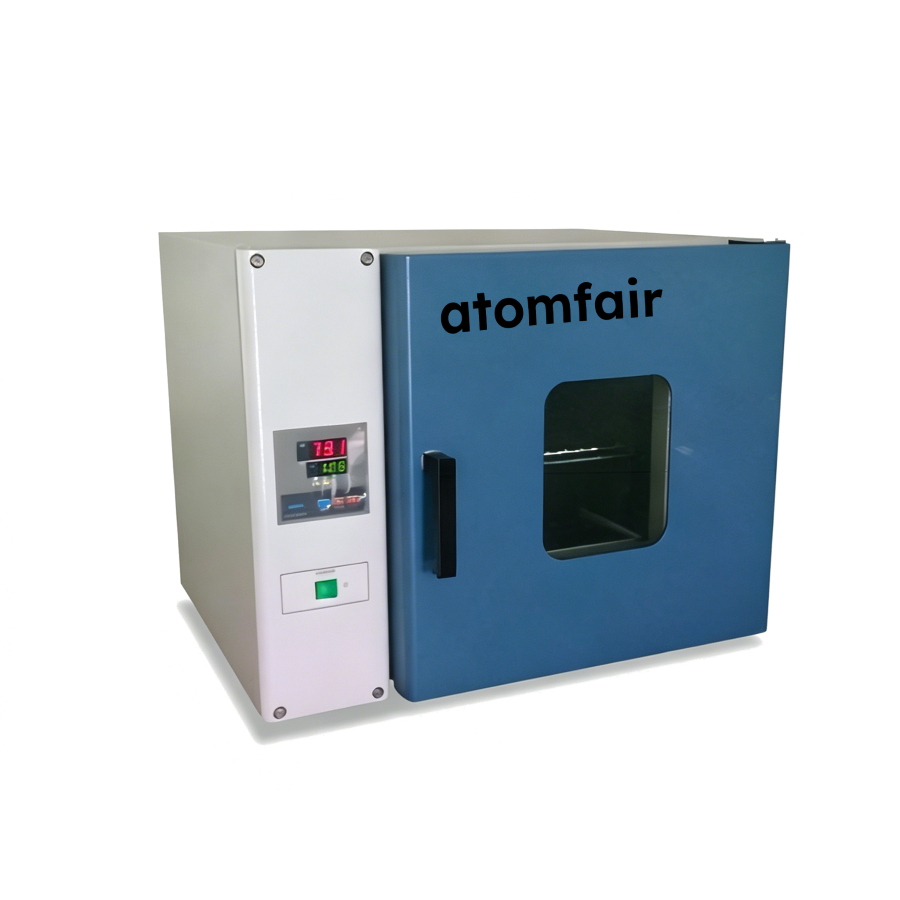
Digital Forced Air Drying Oven 50L SUS304
$6,599.00