
Lithium, Sodium & Potassium Metal Anodes
Lithium, sodium, and potassium metal anodes are used in lithium, sodium, and potassium battery research, including half-cell testing, symmetric cells, metal deposition and stripping studies, electrolyte evaluation, and solid-state battery development.
This category includes metal discs, foils, strips, sheets, ring foils, collector-supported formats, free-standing metal anodes, and custom-sized products. Select the appropriate metal anode according to the battery chemistry, cell structure, dimensions, thickness, current collector, and packaging requirements.
Before ordering, confirm the metal type, purity, thickness, dimensions, support structure, packaging quantity, and storage requirements. The selected product should also match the target cell housing, fixture, separator, and laboratory handling conditions.
Show More: Product Selection Guide
Product Selection Matrix
| Selection Category | Available Options | Typical Use |
|---|---|---|
| Metal type | Lithium, sodium, or potassium metal | Different battery chemistries |
| Product form | Discs, foils, strips, sheets, ring foils, or custom shapes | Coin cells, pouch cells, solid-state cells, and special fixtures |
| Support structure | Aluminum collector, copper collector, or free-standing metal | Different assembly and electrochemical test requirements |
| Size format | Standard size, custom length and width, roll material, or custom geometry | Different cell housings and laboratory fixtures |
| Packaging format | Per piece, box, weight, roll, or custom package | Small-scale testing, repeated experiments, or extended research |
Choose by Product Form
| Product Form | Recommended Use |
|---|---|
| Metal discs | Coin cells, standard half-cells, and symmetric cells |
| Metal foils | Custom cutting, pouch cells, and large-area electrodes |
| Metal strips or rolls | Continuous sampling, repeated cutting, and batch experiments |
| Metal sheets | Solid-state batteries, non-standard cells, and special fixtures |
| Ring foils | Annular structures, special contact areas, and custom cells |
| Custom products | Special diameters, thicknesses, dimensions, inner and outer diameters, or shapes |
Select the Right Metal System
| Metal System | Typical Battery System | Common Product Forms |
|---|---|---|
| Lithium metal | Lithium-ion, lithium-metal, and lithium symmetric cells | Discs, foils, strips, sheets, ring foils, and custom anodes |
| Sodium metal | Sodium-ion, sodium-metal, and sodium symmetric cells | Discs, foils, strips, sheets, ring foils, and custom anodes |
| Potassium metal | Potassium-ion, potassium-metal, and potassium symmetric cells | Discs, foils, strips, sheets, and custom anodes |
Before You Order
- Confirm the metal type: lithium, sodium, or potassium.
- Check the metal purity and thickness.
- Confirm the disc diameter or foil length and width.
- Choose aluminum, copper, or no current collector.
- Decide whether you need pre-cut discs, punched parts, strips, or roll material.
- Check the package quantity and storage requirements.
- Confirm compatibility with the cell housing, fixture, separator, and assembly process.
For standard coin cells, pre-cut metal discs are usually the most convenient option. For custom cutting, pouch cells, or large-area electrodes, choose metal foils, strips, or sheets. Ring foils and custom geometries are suitable for special cell structures.
Frequently Asked Questions
Which product should I choose for a coin cell?
Choose a pre-cut metal disc that matches the usable internal area of the cell. Confirm the disc diameter, thickness, and current collector dimensions before ordering.
How should I choose between foil and disc formats?
Choose discs for direct assembly and consistent dimensions. Choose foils or sheets when you need to cut different sizes, build pouch cells, or prepare large-area electrodes.
What is the advantage of a current collector-backed product?
An aluminum or copper current collector can improve mechanical support and reduce deformation during transfer and assembly. Free-standing products are better suited to experiments focused on the metal itself or the metal interface.
How should I select the metal thickness?
Select the thickness according to the available cell space, target metal loading, active area, and assembly method. Changing the thickness may require you to review the cell spacing and test conditions.
Can custom sizes be supplied?
Custom discs, foils, strips, sheets, and ring foils may be available. Provide the metal type, dimensions, thickness, current collector, quantity, and target cell structure when requesting a quotation.
How should I select products for repeat experiments?
Use products with the same metal type, thickness, dimensions, support structure, and batch whenever possible. This helps reduce variation when comparing electrolytes, cycling performance, or metal deposition behavior.
Showing 1–16 of 21 results
-
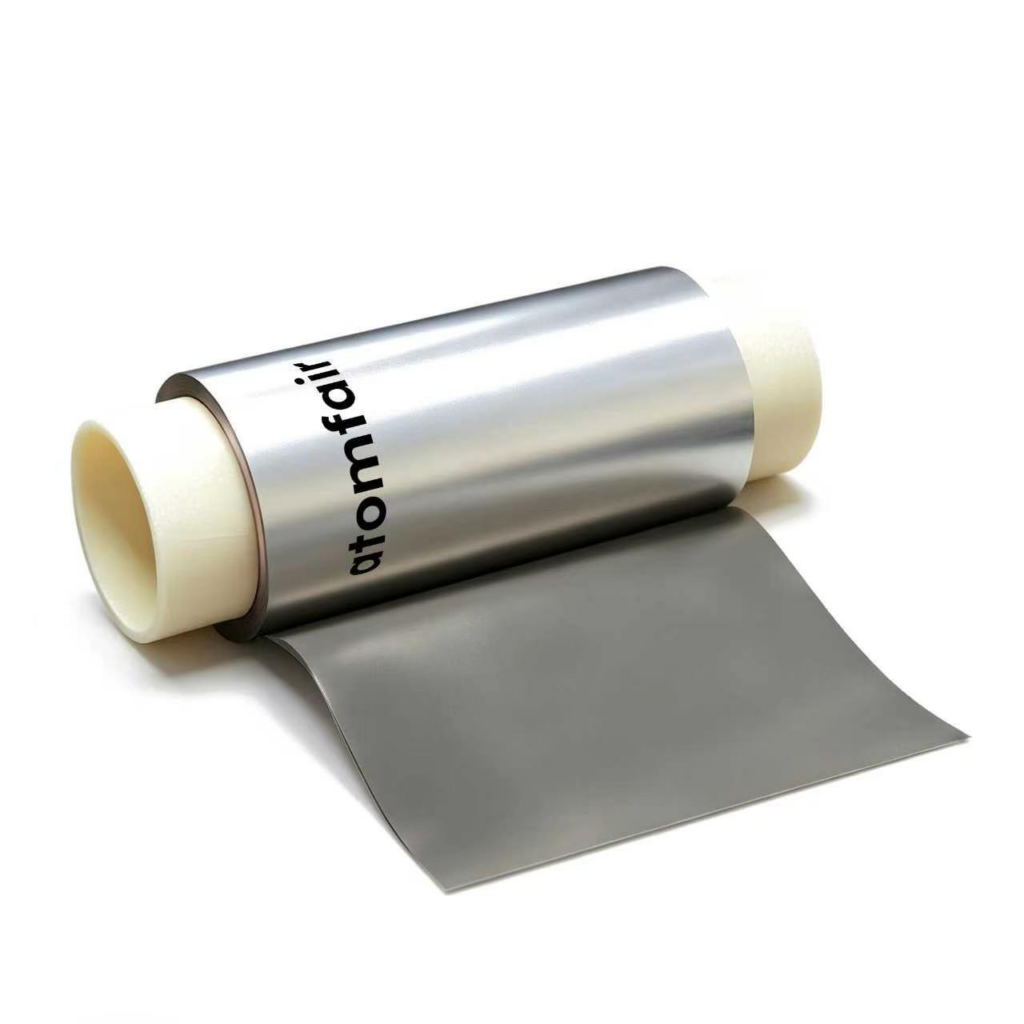
ATOMFAIR® Sodium Strip & Disc Al/Cu/Non-Collector R&D
$339.00 -

Battery Grade Sodium Metal Discs for Sodium-ion Battery Anode 400pcs
$800.00 -
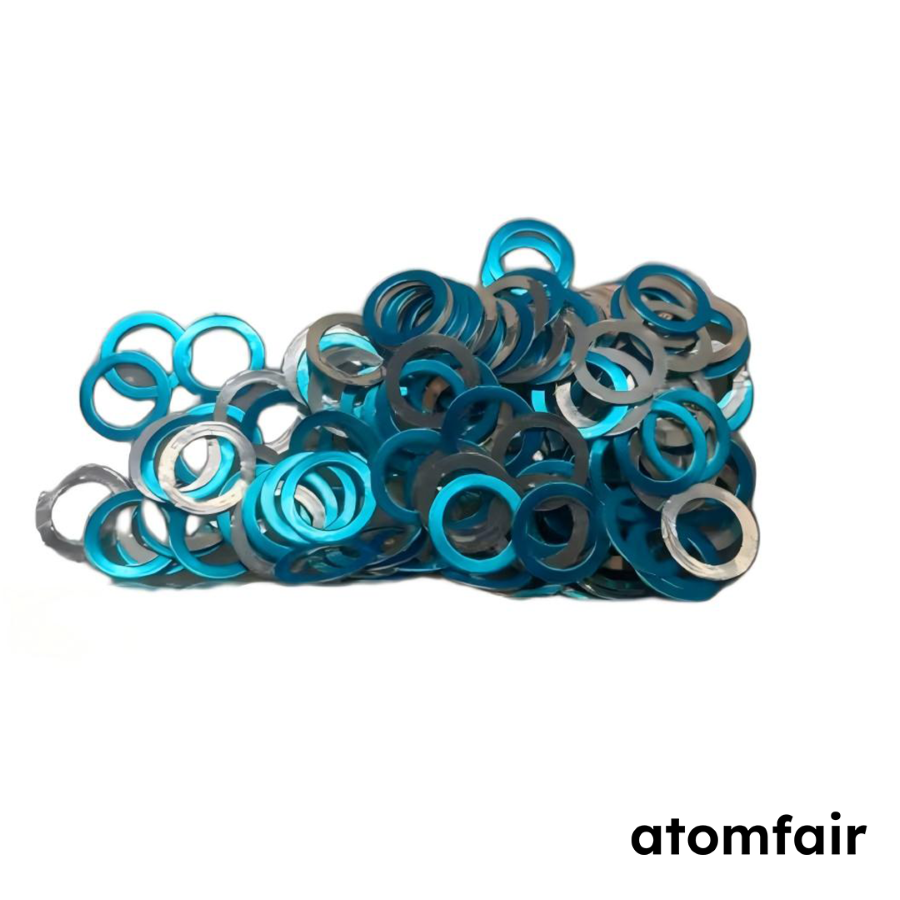
Custom Sodium Ring Foil 0.07-0.8mm High-Purity
$300.00 -
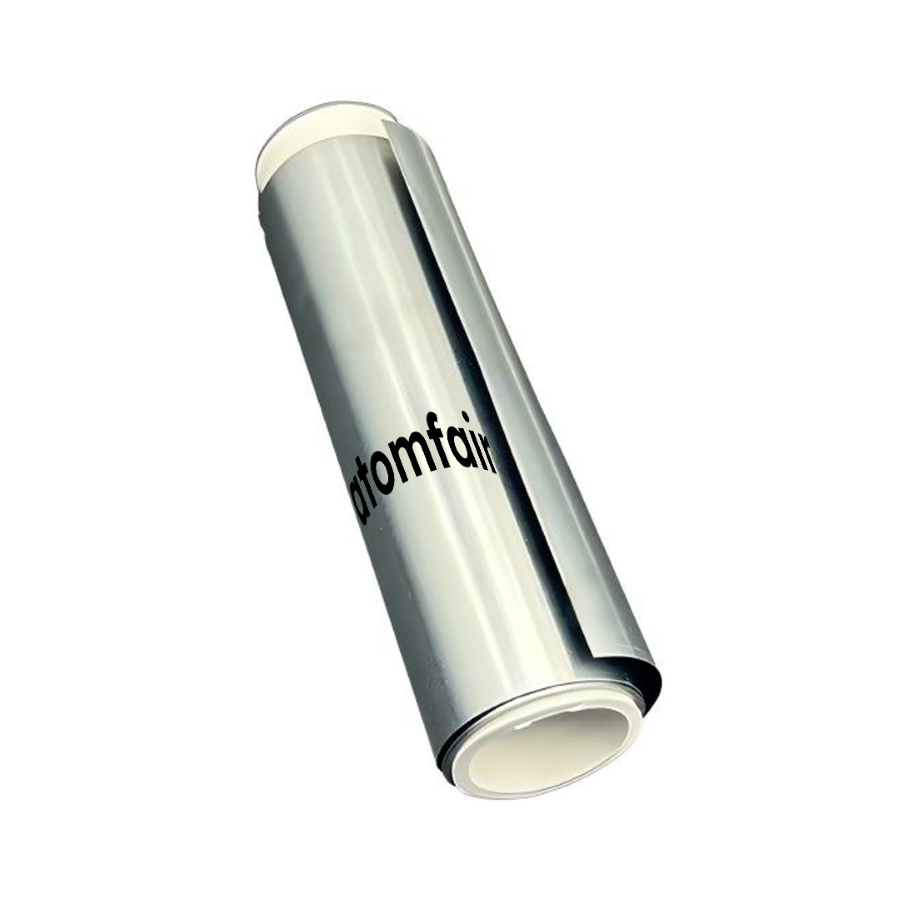
NA-U1500 Sodium Metal Strip Band 0.10mm 99.9%
Price range: $432.00 through $446.00 -
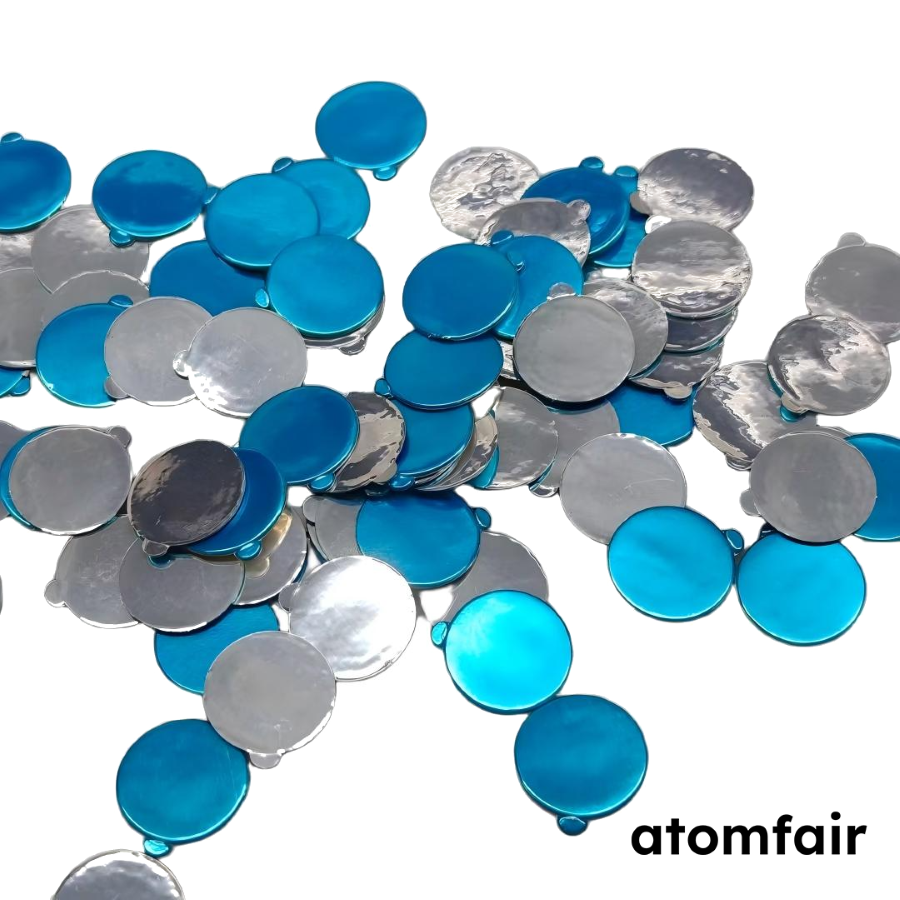
Potassium Metal Disc φ14mm × 0.45mm Half-Cell
$375.00 -
Sodium Metal Disc 14×0.45mm High Purity for Na-ion
Price range: $403.00 through $412.00 -
Sodium Metal Disc 99.9% Research Grade Custom Size
$400.00 -
Sodium Metal Disc φ10×0.45mm Half-Cell High Purity
Price range: $409.00 through $418.00 -
Sodium Metal Disc φ12×0.45mm Half-Cell Foil
Price range: $409.00 through $418.00 -
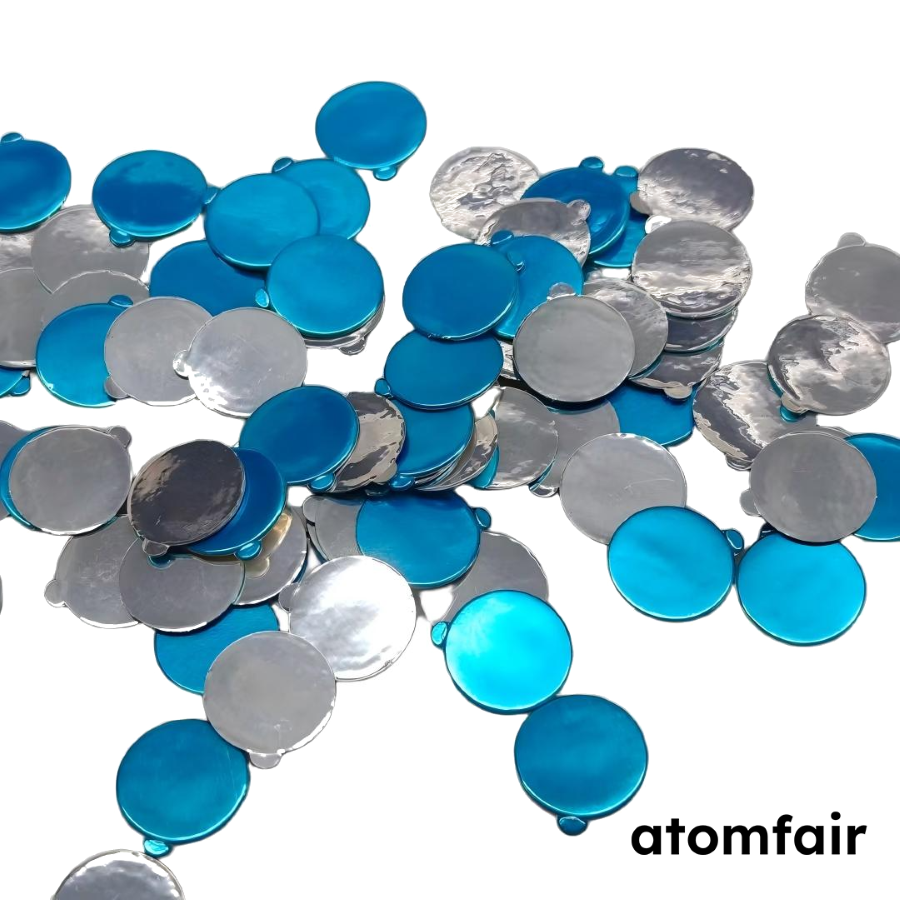
Sodium Metal Disc φ15.6mm×0.45mm Research Grade
Price range: $403.00 through $412.00 -
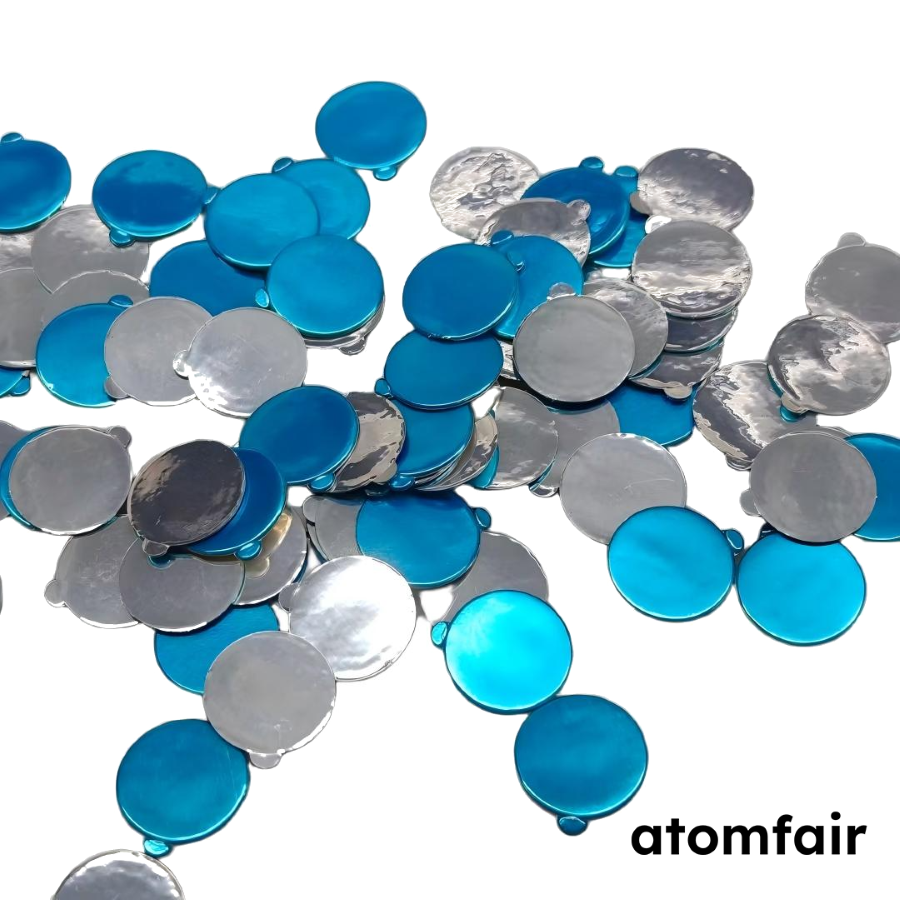
Sodium Metal Disc φ18mm × 0.45mm Research Grade
Price range: $409.00 through $418.00 -
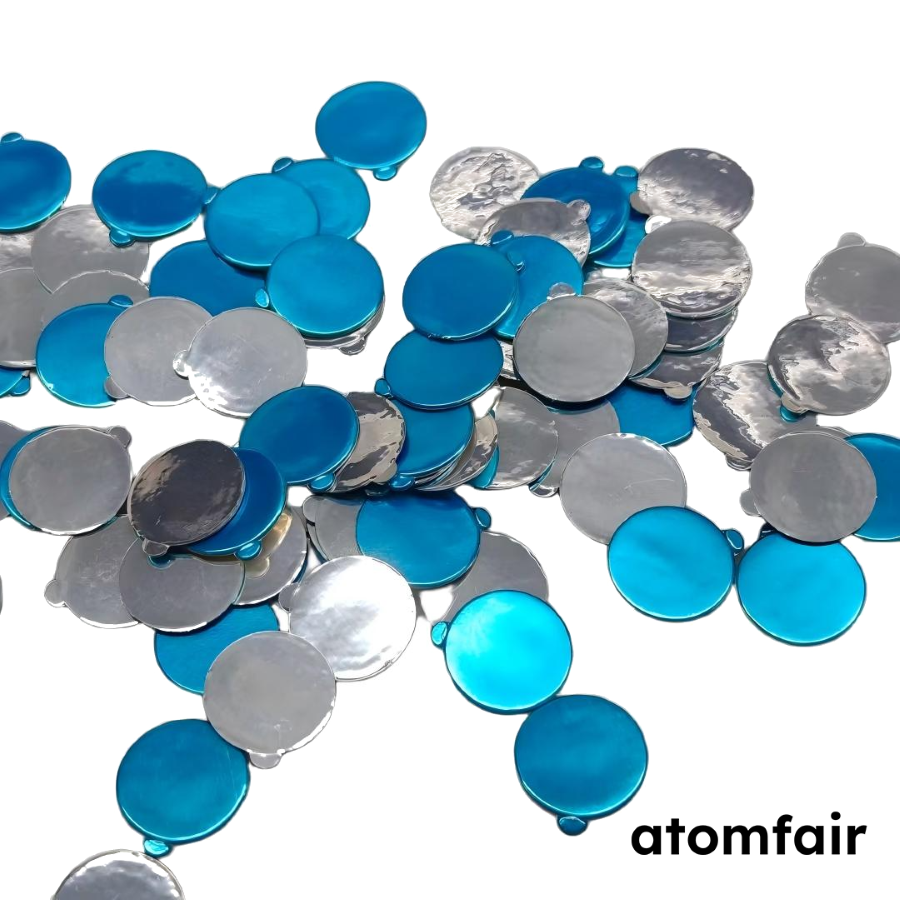
Sodium Metal Disc Φ8mm×0.45mm Half-Cell Research
Price range: $406.00 through $412.00 -
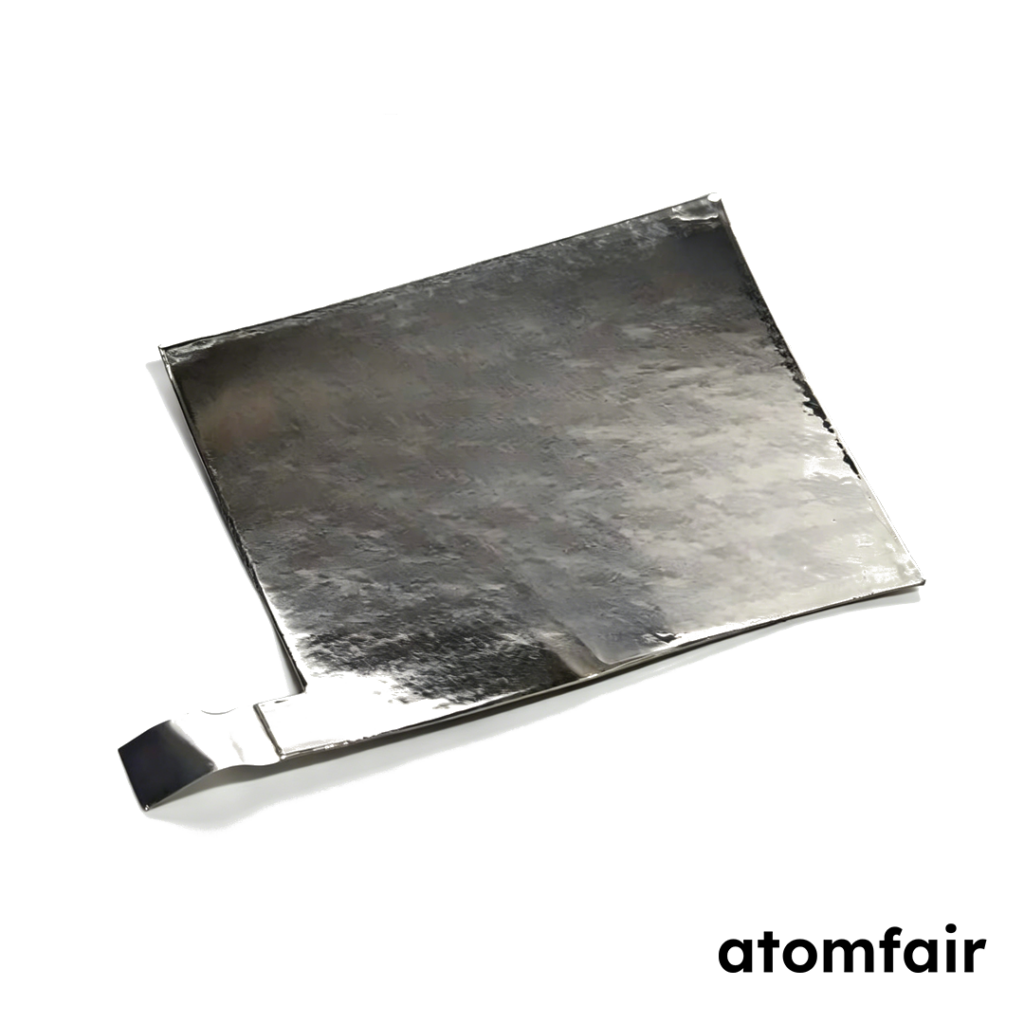
Sodium Metal Sheet 64x55x0.3mm Half-Cell Foil
Price range: $280.00 through $281.00 -
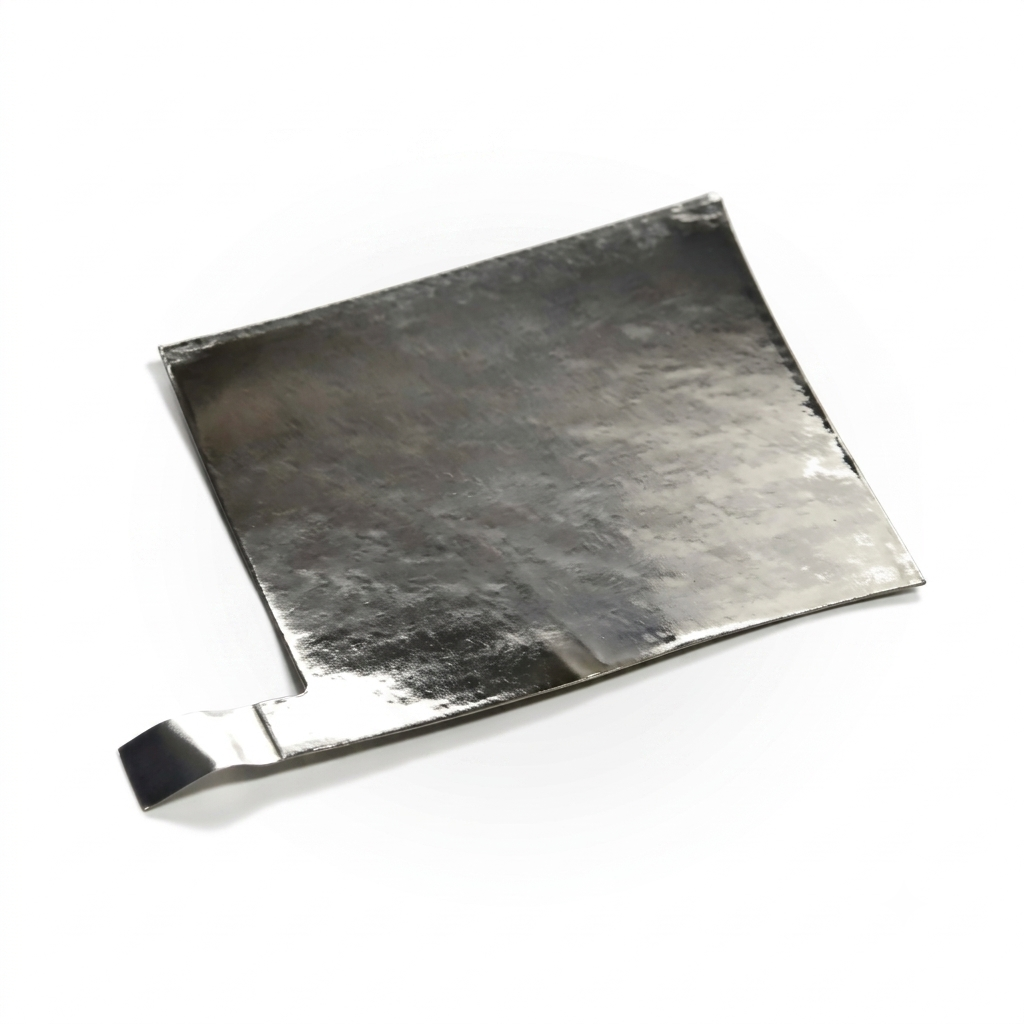
Sodium Metal Sheet Research Grade Custom Size
$300.00 -
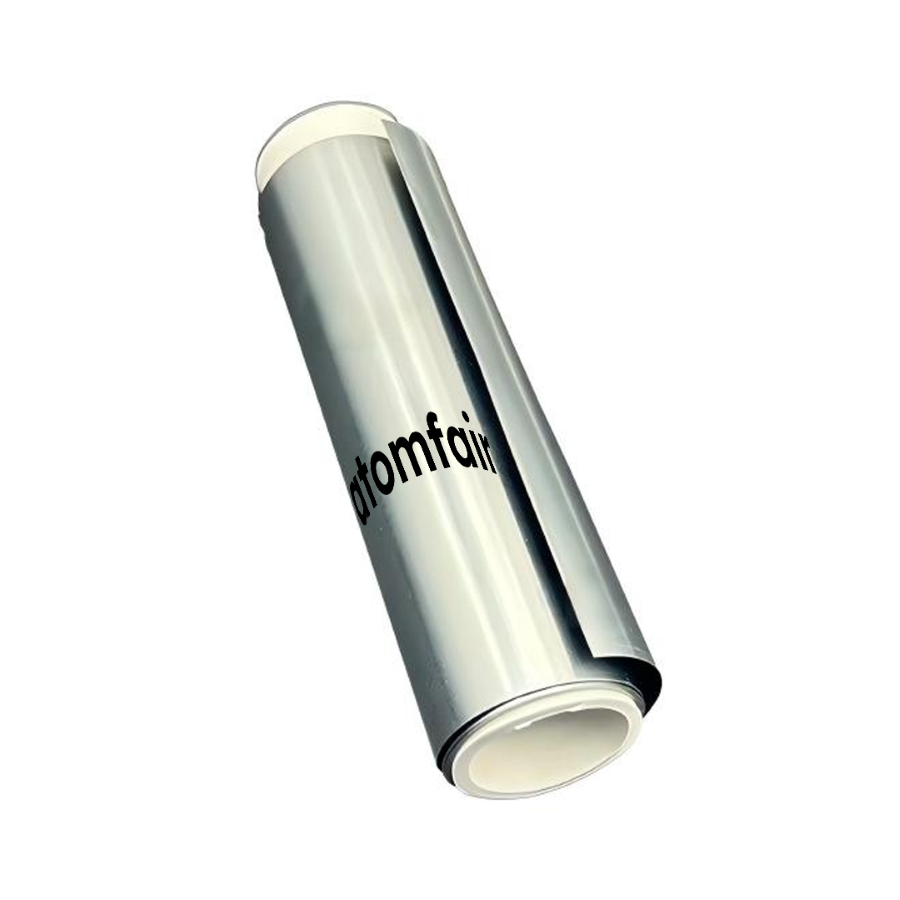
Sodium Metal Strip 350mm 99.9% Research Grade
Price range: $335.00 through $346.00 -
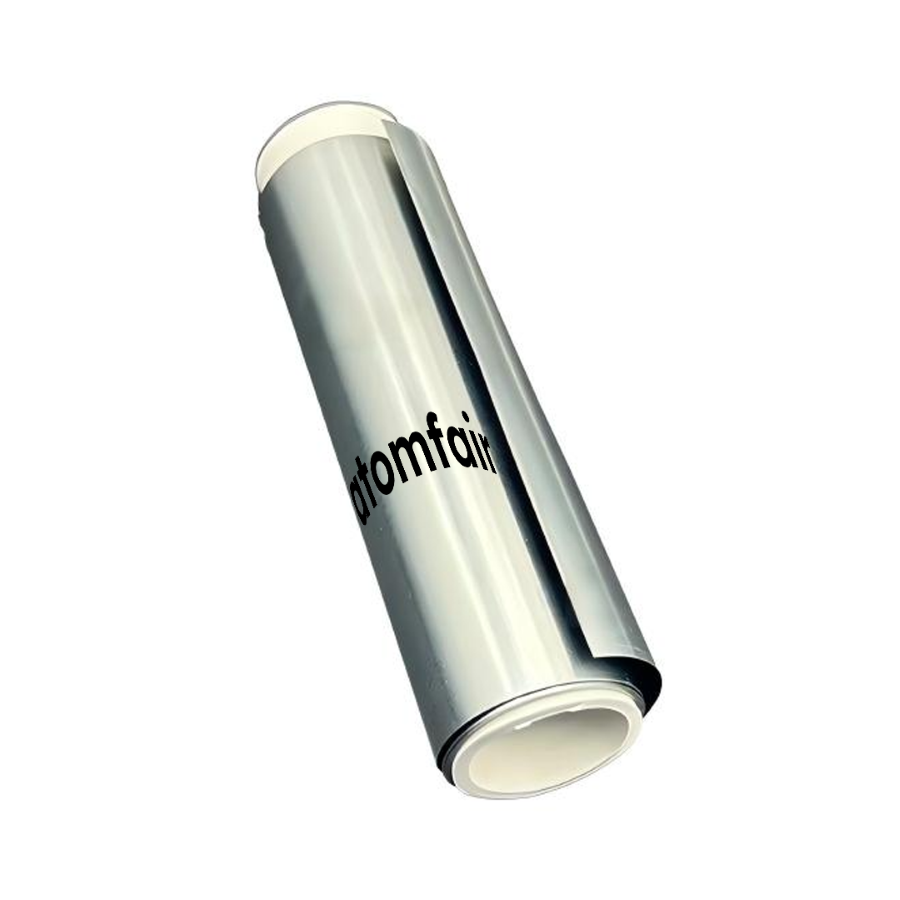
Sodium Metal Strip Band NA-X8000 0.20mm 99.9%
Price range: $375.00 through $380.00