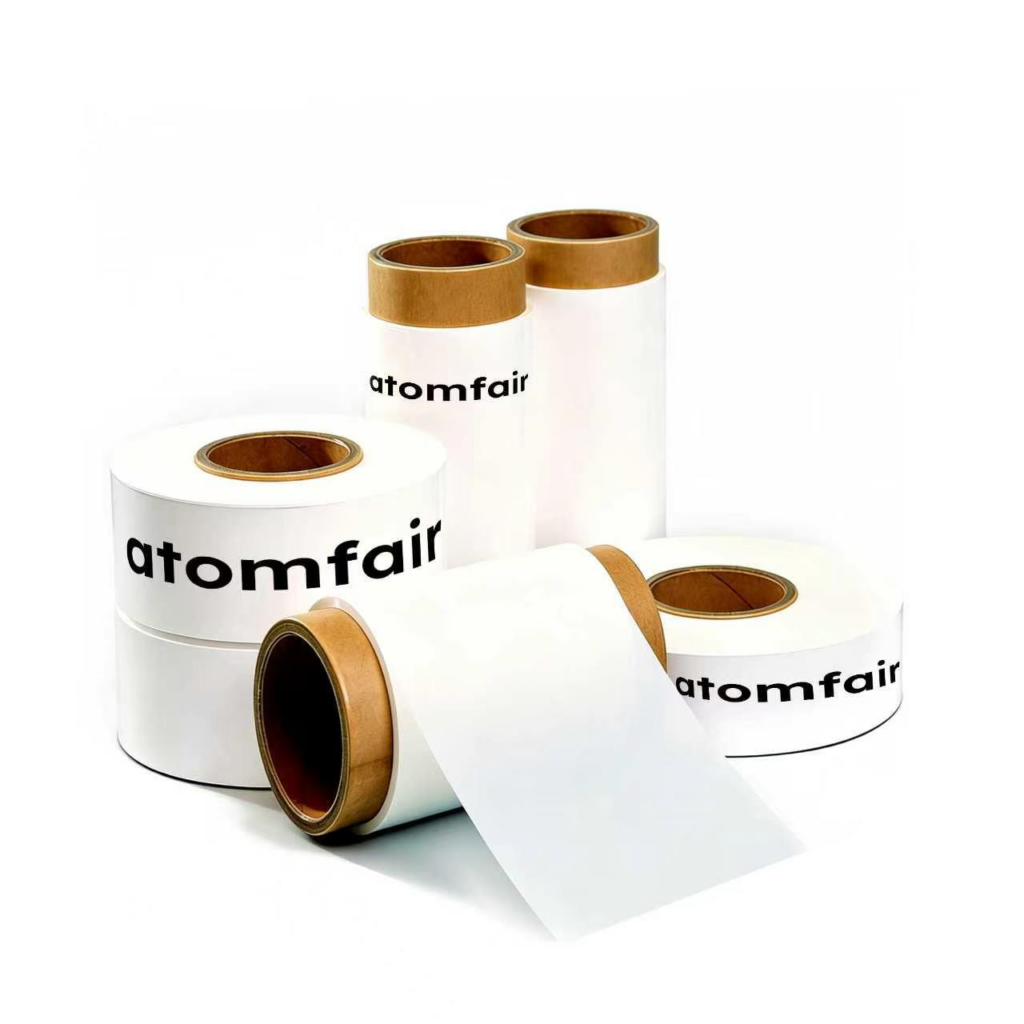
Polymer Composites
Polymer composites are engineering materials made by combining a polymer matrix with reinforcing fibers, functional fillers, films, or layered structures. Compared with standard plastics, they can offer improved strength, stiffness, heat resistance, dimensional stability, insulation performance, wear resistance, or weight reduction, depending on the material system.
This category includes polymer-based composite sheets, films, laminates, filled polymers, reinforced plastics, dielectric films, insulation materials, and customizable composite forms for research, prototyping, electronic materials, mechanical parts, industrial components, and precision manufacturing applications.
When selecting polymer composites, buyers usually compare the base polymer, reinforcement type, operating temperature, mechanical strength, electrical properties, chemical resistance, available form factor, and processing method. The right choice depends on the final working environment, required performance balance, and how the material will be cut, machined, laminated, assembled, or tested.
Show More: How to Choose Polymer Composites
Common Polymer Composite Types
| Type | Main Features | Typical Uses |
|---|---|---|
| Fiber-Reinforced Polymer Composites | Higher strength, improved stiffness, and lower weight than many unfilled plastics | Structural parts, supports, fixtures, lightweight components |
| Glass Fiber Reinforced Plastics | Good insulation, stable mechanical performance, and practical cost-performance balance | Electrical insulation boards, equipment housings, mechanical supports |
| Mineral-Filled Polymer Composites | Improved dimensional stability, rigidity, wear resistance, or thermal behavior | Machined parts, wear components, industrial assemblies |
| High-Temperature Polymer Composites | Designed for elevated-temperature service and demanding working environments | Thermal insulation, electronic manufacturing, industrial equipment parts |
| Dielectric Polymer Composite Films | Tunable electrical properties, thin form factor, and stable insulating behavior | Electronic materials, insulating films, functional dielectric layers |
| Laminated Polymer Composite Sheets | Layered construction with balanced mechanical, electrical, and processing properties | Machined sheets, insulation structures, custom composite panels |
Key Selection Factors
| Selection Factor | What to Consider |
|---|---|
| Polymer Matrix | Determines the base temperature resistance, chemical resistance, toughness, and processing method. |
| Reinforcement Type | Affects strength, stiffness, weight, dimensional stability, and cost. |
| Temperature Resistance | Should match long-term service temperature, short-term heat exposure, and processing conditions. |
| Mechanical Strength | Consider tensile, flexural, compressive, impact, and fatigue performance based on the application. |
| Electrical Properties | Important for insulation, dielectric performance, low-loss behavior, or electrical safety requirements. |
| Chemical Resistance | Especially important when the material may contact solvents, acids, alkalis, oils, humidity, or cleaning agents. |
| Form Factor | Sheets, plates, rods, films, rolls, and custom sizes each suit different processing and assembly routes. |
| Machinability | Cutting, drilling, CNC machining, punching, thermoforming, or lamination requirements should be matched to the material. |
Application Areas
Polymer composites are widely used in applications that require a balance of strength, weight, heat resistance, insulation, wear resistance, and processability. Typical uses include electrical insulation parts, precision mechanical supports, lightweight structural components, electronic materials, wear-resistant sliding parts, fixtures, thermal management support structures, corrosion-resistant parts, laboratory sample preparation, and small-batch engineering validation.
Choosing by Requirement
| If You Need… | Consider… |
|---|---|
| Higher mechanical strength and stiffness | Fiber-reinforced polymer composites |
| Good electrical insulation and stable processing | Glass fiber reinforced or laminated polymer composite sheets |
| Better wear resistance and dimensional stability | Filled or mineral-modified polymer composites |
| Long-term use in elevated temperatures | High-temperature polymer composites |
| Thin electronic or insulation applications | Polymer composite films |
| Special sizes, thicknesses, or performance combinations | Custom polymer composite materials |
FAQ
What are polymer composites used for?
Polymer composites are used when standard plastics do not provide enough strength, heat resistance, insulation, wear resistance, or dimensional stability. Common uses include structural parts, electrical insulation, electronic materials, mechanical supports, wear components, and industrial equipment parts.
How do I choose the right polymer composite?
Start with the working environment: temperature, load, electrical requirements, chemical exposure, wear conditions, size, and processing method. Then choose the polymer matrix, reinforcement type, thickness, and form factor that best match those conditions.
Are polymer composites better than regular plastics?
They can be better for demanding applications because they are designed to improve specific properties such as strength, stiffness, temperature resistance, insulation, or wear performance. For simple applications, regular engineering plastics may still be sufficient and more economical.
Can polymer composites be machined?
Many polymer composites can be cut, drilled, milled, punched, or CNC machined. Machining behavior depends on the polymer matrix, filler or fiber type, thickness, hardness, and tolerance requirements.
Are polymer composites suitable for electrical insulation?
Many polymer composites are suitable for electrical insulation, especially glass fiber reinforced, laminated, and high-performance polymer systems. The best choice depends on voltage level, dielectric performance, temperature, humidity, and safety requirements.
What should I check before using polymer composites in high-temperature environments?
Check the continuous service temperature, short-term heat resistance, thermal expansion, mechanical strength retention, insulation stability, and whether the material will experience thermal cycling or direct contact with heated parts.
Can polymer composites be customized?
Polymer composites can often be supplied or processed in different sizes, thicknesses, shapes, sheet formats, film formats, or material combinations. Custom requirements usually depend on application, quantity, tolerance, and performance targets.
Showing all 3 results