
Sodium-Ion Anode Materials
Sodium-ion anode materials directly influence battery capacity, initial coulombic efficiency, rate performance, cycle life, and operating voltage. This category is intended for battery-materials research, laboratory electrode fabrication, coin-cell testing, pouch-cell development, and energy-storage battery projects.
The Sodium-Ion Anode Materials category covers hard carbon, soft carbon, titanium-based materials, tin-based materials, antimony-based materials, phosphorus-based materials, metal compounds, carbon-based composites, and organic anode materials. Customers can select materials according to capacity targets, cycle-life requirements, rate performance, particle size, purity, material structure, and electrode-processing needs.
The product range will continue to expand as new sodium-ion battery anode materials become available. Product-specific information, including purity, particle size, capacity, packaging, technical data, customization, and availability, should be confirmed on the individual product page.
Show More: Sodium-Ion Anode Materials Guide
Sodium-Ion Anode Material Product Matrix
| Material Category | Common Product Directions | Customer Needs | Main Advantages | Key Parameters to Compare | Typical Applications |
|---|---|---|---|---|---|
| Hard Carbon | Coal-derived hard carbon, resin-derived hard carbon, pitch-derived hard carbon, biomass-derived hard carbon, and polymer-derived hard carbon | General sodium-ion battery research, energy storage, and full-cell development | Balanced performance and broad suitability for sodium-ion anode research | Reversible capacity, initial coulombic efficiency, D50, surface area, tap density, ash content, and moisture | Sodium-ion anodes, coin cells, pouch cells, and energy-storage research |
| Modified Hard Carbon | Doped hard carbon, coated hard carbon, porous hard carbon, low-surface-area hard carbon, and high-efficiency hard carbon | Improved initial efficiency, rate performance, or cycle life | Surface and structural modification can support application-specific performance targets | Dopant, coating material, pore structure, surface area, initial efficiency, and cycle data | Advanced anodes, full-cell development, and material comparison |
| Soft Carbon | Petroleum coke, needle coke, coke-based carbon, and low-crystallinity carbon | Rate performance, electrical conductivity, and carbon-material comparison | Adjustable structure and graphitization degree | Graphitization degree, interlayer spacing, particle size, surface area, and tap density | Anode screening, composite electrodes, and sodium-storage mechanism studies |
| Graphite and Modified Graphite | Expanded graphite, interlayer-spacing-controlled graphite, surface-modified graphite, and graphite composites | New electrolyte systems, co-intercalation studies, and modified graphite research | Useful for specialized sodium-storage systems and composite-anode design | Interlayer spacing, surface treatment, electrolyte compatibility, and measured sodium-storage capacity | Advanced sodium-ion batteries, composite anodes, and mechanism studies |
| Titanium-Based Oxides | Titanium dioxide, different TiO₂ phases, and titanium-based oxide nanomaterials | Long cycle life, rate performance, and structural stability | Suitable for stable-anode and high-rate research | Crystal phase, particle size, morphology, operating voltage, rate performance, and cycle life | Energy storage, long-life batteries, and high-rate batteries |
| Titanates and Sodium Titanium Oxides | Sodium titanates, layered titanates, NaₓTiᵧO𝓏, and carbon-coated titanates | Stable cycling, low-strain structures, and safety-oriented battery research | Suitable for insertion-type sodium-storage and stable-structure studies | Chemical formula, crystal phase, carbon coating, operating voltage, and measured capacity | Energy storage, long-life batteries, and mechanism research |
| Tin-Based Anodes | Tin, tin oxides, tin sulfides, tin/carbon composites, and tin-based alloys | High-capacity anode development | High capacity potential and broad composite-design possibilities | Tin content, carbon ratio, measured capacity, volume change, and cycle life | High-capacity anodes, composite materials, and full-cell development |
| Antimony-Based Anodes | Antimony, antimony oxides, antimony sulfides, antimony/carbon composites, and tin-antimony alloys | High-capacity and alloying-type sodium-storage research | Suitable for high-capacity material screening | Active-material ratio, particle size, carbon content, initial efficiency, and capacity retention | High-capacity batteries, nanomaterials, and composite anodes |
| Phosphorus-Based Anodes | Red phosphorus, black phosphorus, phosphorus/carbon composites, and phosphorus compounds | High-capacity and advanced anode research | High capacity potential and compatibility with composite-structure design | Phosphorus content, composite method, conductive network, volume change, and storage requirements | Advanced anodes, composite electrodes, and mechanism studies |
| Bismuth, Germanium, and Other Alloy Materials | Bismuth, germanium, multicomponent alloys, and intermetallic compounds | Specialized high-capacity and alloying-mechanism research | Additional material choices for advanced sodium-storage studies | Chemical composition, purity, particle size, measured capacity, and cycle performance | Laboratory screening and advanced anode research |
| Metal Oxides | Iron, manganese, molybdenum, cobalt, nickel, and other metal oxides | Conversion-type anodes and high-capacity materials research | Wide structural-design possibilities | Chemical formula, crystal phase, particle size, morphology, surface area, and conductivity | Nanostructured electrodes, conversion reactions, and composite anodes |
| Metal Sulfides and Selenides | Iron sulfides, cobalt sulfides, nickel sulfides, molybdenum sulfides, and metal selenides | High-capacity, heterostructure, and nanomaterial research | Suitable for composite and multilevel structural design | Element ratio, crystal phase, particle size, carbon content, rate performance, and cycle life | Advanced sodium-storage materials and composite electrodes |
| Metal Phosphides and Nitrides | Metal phosphides, metal nitrides, and multicomponent compounds | Conversion-type anodes and interface-reaction research | Suitable for high-capacity and structural-modification studies | Chemical composition, purity, particle size, surface structure, and composite ratio | Advanced materials, nanostructured anodes, and mechanism studies |
| Graphene and Carbon Nanomaterials | Graphene, reduced graphene oxide, carbon nanotubes, carbon nanofibers, and carbon aerogels | Improved conductivity and composite-structure development | Can function as active material, conductive network, or structural support | Dispersibility, defect level, surface area, purity, and composite ratio | Composite anodes, conductivity enhancement, and nanomaterial research |
| Carbon-Based Composite Anodes | Hard carbon/tin, hard carbon/antimony, hard carbon/phosphorus, metal compound/carbon, and graphene composites | Balancing capacity, cycle life, and electrical conductivity | Combines the properties of different active materials | Active-material ratio, coating layer, particle size, carbon content, and initial efficiency | High-capacity anodes, long-life batteries, and full-cell development |
| Organic Anode Materials | Quinones, carbonyl compounds, carboxylates, imides, conjugated polymers, and COF-based materials | Advanced batteries, sustainable materials, and emerging research | Molecular structure can be designed and functionalized | Molecular structure, purity, solubility, conductivity, and electrolyte compatibility | Organic batteries, flexible batteries, and advanced energy-storage research |
Choose by Your Application Needs
| Primary Requirement | Materials to Consider | Key Information to Confirm |
|---|---|---|
| First sodium-ion anode experiment | Hard carbon | Capacity, initial efficiency, particle size, and package size |
| Higher capacity | Tin-based, antimony-based, phosphorus-based, and carbon-composite materials | Measured capacity, cycle life, and volume change |
| Long cycle life | Hard carbon, titanium-based oxides, and titanates | Cycle data, operating voltage, and rate performance |
| Higher rate performance | Soft carbon, carbon nanomaterials, titanium-based materials, and composites | Particle size, conductivity, surface area, and rate data |
| Controlled electrode compaction | Low-surface-area hard carbon, soft carbon, and particle-size-controlled materials | D50, tap density, compaction density, and particle-size distribution |
| Higher initial coulombic efficiency | High-efficiency hard carbon, low-surface-area hard carbon, and surface-modified materials | Initial efficiency, surface area, and surface-treatment method |
| New anode mechanism research | Metal compounds, two-dimensional materials, and organic materials | Chemical formula, structure, purity, and test conditions |
| Composite-anode fabrication | Carbon-based composites, graphene, and carbon nanotubes | Composite ratio, dispersibility, and conductive-additive requirements |
| Full-cell development | Hard carbon, modified hard carbon, and stable composite anodes | Initial efficiency, electrode loading, and positive-to-negative capacity matching |
| Small-scale validation | Small-package powders or sample quantities | Minimum order quantity, sample price, batch documents, and lead time |
Specifications to Confirm Before Purchase
To select the right sodium-ion anode material, customers should confirm the following information before ordering or requesting a quotation:
| Specification Area | Information to Confirm |
|---|---|
| Material identity | Material name, chemical formula, material family, and precursor or preparation route |
| Purity and composition | Purity, major impurities, elemental composition, active-material content, and carbon content |
| Particle properties | Particle size, D50, particle-size distribution, morphology, and surface area |
| Physical properties | Tap density, compaction density, moisture, ash content, and powder handling requirements |
| Electrochemical data | Theoretical capacity, measured capacity, initial coulombic efficiency, rate performance, and cycle data |
| Electrode processing | Recommended binder, conductive additive, solvent, active-material ratio, drying conditions, and loading range |
| Documentation and supply | COA, SDS, XRD, SEM, particle-size report, package size, minimum order quantity, and customization options |
Capacity values are usually measured under specific test conditions. Current density, voltage range, electrode loading, electrolyte, binder, conductive additive, and test method may differ between products. For this reason, products should not be compared using a single capacity value alone.
Powder Handling and Electrode Preparation
Sodium-ion anode materials are commonly supplied as powders or composite powders. After purchase, the material is usually mixed with a binder, conductive additive, and suitable solvent to prepare a slurry. The slurry is then coated, dried, calendared, and cut into electrodes for cell testing.
Hard carbon, soft carbon, tin-based, antimony-based, phosphorus-based, and metal-compound materials may require different binder ratios, conductive-additive levels, drying conditions, and electrode loadings. Customers should follow the product documentation, SDS, COA, and their own laboratory procedures when developing an electrode formulation.
Category Scope
| Included in This Category | Listed in Other Relevant Categories |
|---|---|
| Sodium-ion battery anode active powders | Sodium metal, sodium alloys, and other metal anodes |
| Hard carbon, soft carbon, and other carbon-based anode materials | Sodium-ion cathode materials |
| Titanium-based oxides and titanates | Electrolytes, sodium salts, and electrolyte additives |
| Tin-, antimony-, phosphorus-, and bismuth-based anodes | Conductive additives and binders |
| Metal oxides, sulfides, selenides, phosphides, and nitrides | Presodiation and sodium-compensation materials |
| Graphene, carbon nanotubes, and carbon-based composites | Separators, current collectors, and finished battery components |
| Organic anode and emerging sodium-storage materials | Finished coated sodium-ion anode sheets, where separately categorized |
Frequently Asked Questions
Can the anode powder be assembled directly into a battery?
Usually, no. The powder normally needs to be mixed with a conductive additive, binder, and suitable solvent to prepare a slurry. The slurry is then coated, dried, calendared, and cut into an electrode before cell assembly.
What should I do if the anode slurry is not dispersing evenly?
Check whether the powder has absorbed moisture or formed agglomerates. Mixing order, mixing time, solvent ratio, and dispersion equipment can also affect slurry quality. Nanomaterials, phosphorus-based materials, and metal compounds may require additional pre-dispersion.
Which binder should I use?
The appropriate binder depends on the anode material and electrolyte system. Hard carbon, soft carbon, tin-based, antimony-based, phosphorus-based, and metal-compound materials may require different formulations. Check the product documentation or contact the supplier before finalizing the recipe.
Why does the coated electrode peel or crack after drying?
Possible causes include insufficient binder, unsuitable slurry solids content, excessive coating thickness, overly rapid drying, or poor adhesion to the current collector. Try reducing the coating thickness and optimizing the binder ratio and drying temperature.
Can I still use the powder if it has formed lumps?
First determine whether the lumps were caused by moisture or handling. Soft agglomerates may sometimes be dried and sieved according to the material requirements. If the powder shows significant moisture absorption, oxidation, or other changes, contact the supplier before using it in formal performance testing.
Does the material need to be handled inside a glove box?
This depends on the material’s moisture sensitivity, surface activity, and battery system. At minimum, most powders should be stored and processed in a dry environment. Materials that are sensitive to moisture or oxygen should be handled under controlled-atmosphere conditions according to the SDS and laboratory procedure.
Should the electrode be calendared after drying?
Many electrode-processing workflows include calendaring to achieve a target compaction density, but the suitable pressure depends on the material. Excessive calendaring may reduce porosity and affect electrolyte wetting and ion transport. Adjust the pressure gradually according to the material structure and electrode loading.
How should I determine the ratio of active material, conductive additive, and binder?
The ratio depends on the active material, target loading, electrical conductivity, and cycle-life requirements. Hard carbon can often be screened using a standard starting formulation, while tin-based, antimony-based, phosphorus-based, and conversion-type materials may require more conductive support or structural buffering.
Why is my measured capacity lower than the capacity shown on the product page?
Product capacity is normally measured under specific half-cell conditions. Your results may be affected by electrode loading, active-material ratio, electrolyte, cutoff voltage, current density, binder, conductive additive, drying, and cell-assembly conditions.
What can cause low initial coulombic efficiency?
Possible causes include high surface area, abundant surface defects, porous structure, excess moisture, or extensive solid-electrolyte-interphase formation. Check the drying conditions, electrolyte amount, electrode formulation, and voltage range.
Why does the capacity decrease quickly after several cycles?
Possible reasons include electrode pulverization, loss of contact, volume expansion, insufficient conductive support, unstable interfaces, or electrolyte incompatibility. Tin-based, antimony-based, phosphorus-based, and some conversion-type materials require particular attention to structural stability.
How should the anode powder be stored?
Store the powder in a sealed, dry, and protected environment according to the product SDS. After opening, use the material as soon as practical and reseal the remaining powder. Moisture-sensitive materials may require dry-room, vacuum-dry, or inert-atmosphere storage.
What should I do if the package arrives damaged or the powder appears wet?
Photograph the outer package, inner container, powder condition, and batch label. Keep the order information and contact the supplier before using the material. Do not use visibly damaged or wet material in formal performance tests until its condition has been confirmed.
Which technical documents should I request before purchasing?
Depending on the material, customers may request a COA, SDS, purity information, particle-size distribution, XRD, SEM, surface area, tap density, recommended drying conditions, and electrochemical test data.
Can the particle size or package size be customized?
Some materials may support customized particle size, particle-size distribution, package quantity, coating method, doping, or composite ratio. When requesting a quotation, provide the target particle size, expected quantity, electrode-processing method, and intended application.
Showing all 4 results
-
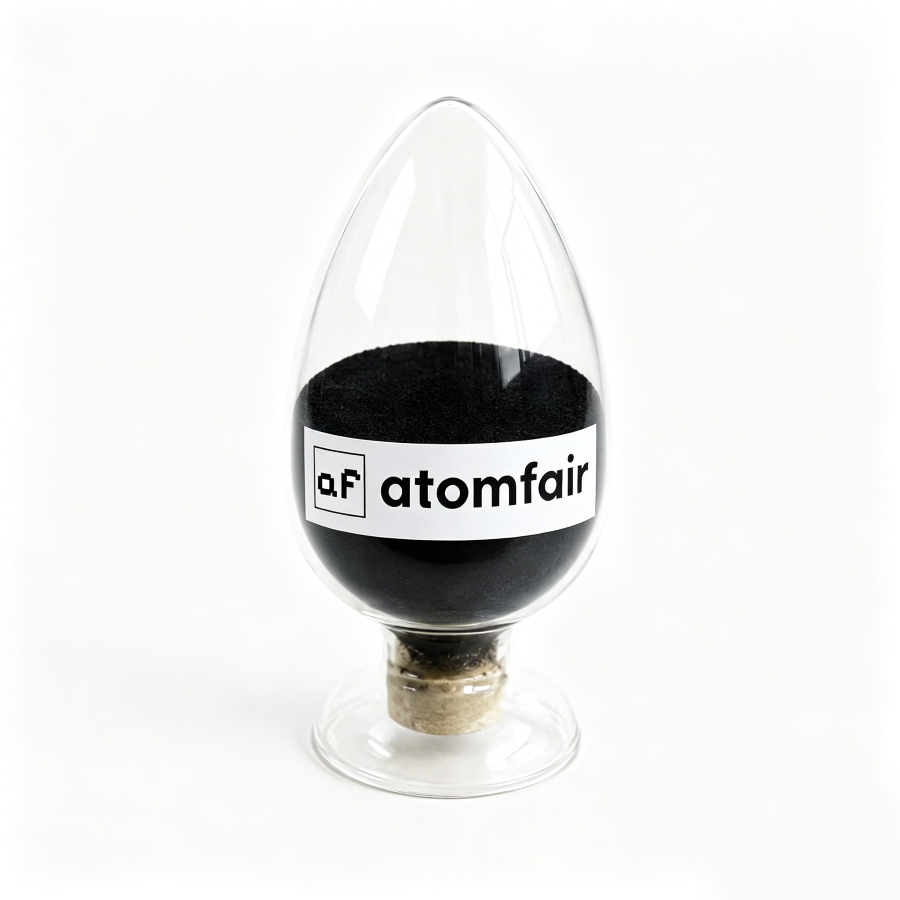
Coal-Derived Hard Carbon Anode Powder, Industrial,
Price range: $300.00 through $500.00 -
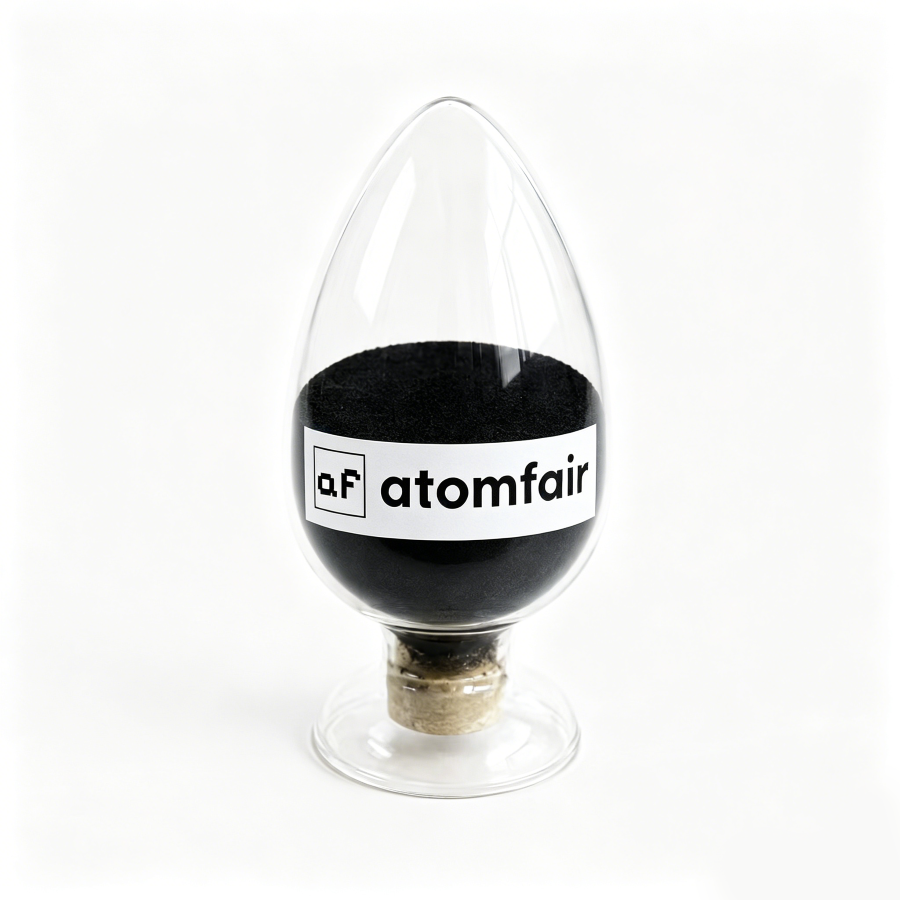
Hard Carbon Anode Powder 350 mAh/g Battery Grade
Price range: $240.00 through $450.00 -
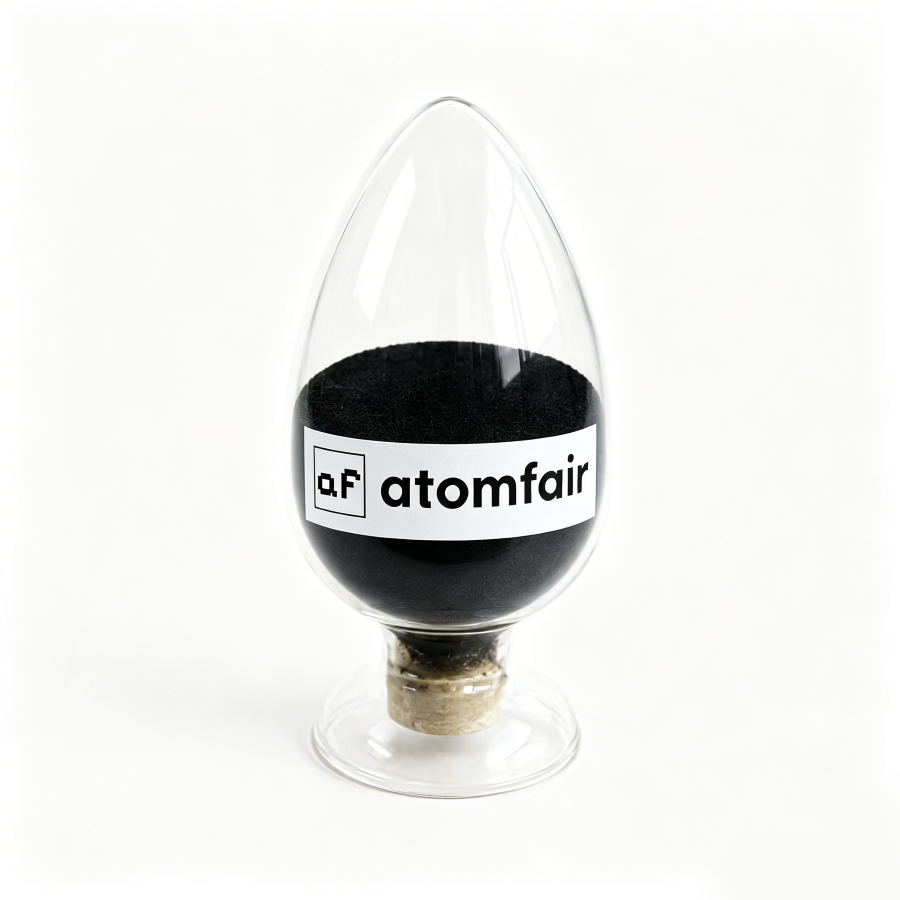
Hard Carbon Anode Powder 380 mAh/g Sodium-Ion
Price range: $300.00 through $580.00 -
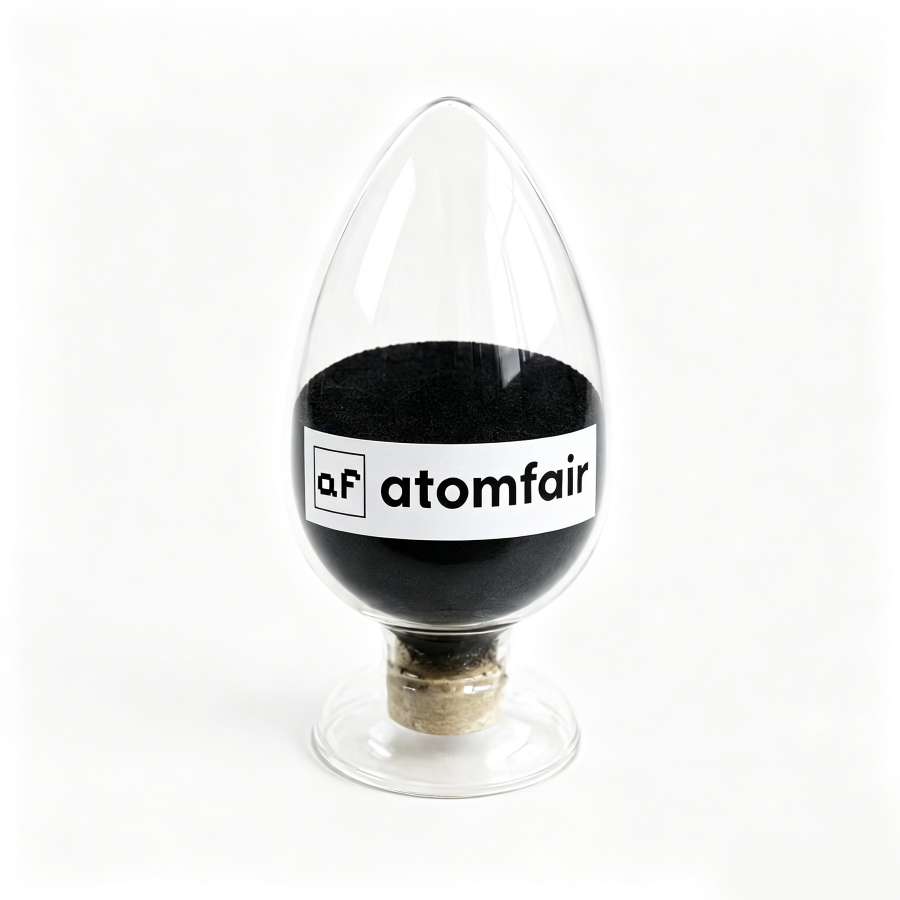
Resin-Derived Hard Carbon Anode Powder D50 10μm
Price range: $300.00 through $520.00