
Advanced Separator Coatings & High-Temperature Separators
Advanced Separator Coatings & High-Temperature Separators are used to improve battery separator performance in thermal stability, mechanical strength, electrolyte wettability, interface compatibility, and safety protection. Compared with standard polyolefin separators, these materials are better suited for high-safety lithium-ion batteries, lithium-metal batteries, solid-state batteries, metal-air batteries, high-temperature testing, and R&D comparison studies.
This category covers ceramic-coated separators, high-temperature polymer separators, solid-state electrolyte separators, glass fiber high-retention separators, chemically inert PTFE separators, and separator coating materials such as boehmite, alumina, silica, LATP, LAGP, and LLZO. Customers can select products based on battery chemistry, operating temperature, safety requirements, ion transport needs, electrolyte compatibility, and assembly format.
Show More: How to Choose Advanced Separator Coatings & High-Temperature Separators
Main Product Types
| Product Type | Main Function | Best For |
|---|---|---|
| Ceramic-Coated Separators | Improve thermal stability, shrinkage resistance, puncture strength, and separator safety margin. | High-safety lithium battery R&D, thermal safety testing, pouch cell development, and prismatic cell evaluation. |
| Boehmite / Alumina / Silica Coating Materials | Used to prepare or optimize ceramic separator coating slurries and thermal protection layers. | Separator coating development, material formulation, coating process validation, and pilot coating trials. |
| PVDF-Coated Separators | Improve electrolyte wettability, interface adhesion, and contact between separator and electrodes. | Cells requiring better wetting behavior, stable cycling, and improved electrode-separator interface contact. |
| LATP / LAGP / LLZO-Based Separators | Introduce inorganic solid-electrolyte functionality for ion transport and interface research. | Solid-state batteries, lithium-metal batteries, solid-electrolyte interface studies, and advanced separator research. |
| PI / Aramid High-Temperature Separators | Provide higher heat resistance, dimensional stability, and mechanical durability under demanding conditions. | High-temperature batteries, safety validation, abuse testing, and special operating environments. |
| PTFE Separators | Provide chemical inertness, hydrophobicity, corrosion resistance, and gas-permeable porous structure. | Lithium-air batteries, gas diffusion studies, aggressive electrolyte compatibility testing, and specialty electrochemistry. |
| Glass Fiber / Glass Microfiber Separators | Offer high electrolyte retention, thicker support structure, and strong liquid uptake for laboratory cells. | Coin cells, metal-ion battery screening, aqueous systems, high-electrolyte-loading tests, and early-stage formulation work. |
| Advanced Pre-Cut Separator Discs | Provide ready-to-use separator formats made from advanced coating, glass fiber, PTFE, or high-temperature materials. | CR2032, CR2025, and other coin cell assembly workflows requiring fast, consistent laboratory preparation. |
Customer Selection Guide
| Customer Requirement | Recommended Product Direction |
|---|---|
| Improved thermal safety | Choose ceramic-coated PE/PP, boehmite-coated separators, alumina-coated separators, PI separators, or aramid high-temperature separators. |
| Solid-state or lithium-metal interface research | Choose LATP, LAGP, LLZO, or composite solid-electrolyte-coated separator materials. |
| Better electrolyte wettability and cycling stability | Choose PVDF-coated separators or ceramic/polymer composite-coated separators. |
| High electrolyte retention or special aqueous/metal-ion systems | Choose glass fiber or glass microfiber separators for early screening, coin cell work, and high-liquid-uptake testing. |
| Chemical inertness, hydrophobicity, or gas pathway requirements | Choose PTFE separators for lithium-air batteries, gas diffusion studies, and special electrolyte compatibility testing. |
| In-house separator coating development | Choose boehmite, alumina, silica, LATP, LAGP, or LLZO coating materials according to the target coating function and battery chemistry. |
Key Parameters to Confirm Before Ordering
| Parameter | Why It Matters |
|---|---|
| Material System | Determines compatibility with battery chemistry, electrolyte type, thermal requirements, and research objective. |
| Base Film or Matrix | PE, PP, PI, aramid, glass fiber, PTFE, and ceramic structures differ in heat resistance, flexibility, absorption, and handling behavior. |
| Coating Composition | Alumina, boehmite, silica, PVDF, LATP, LAGP, and LLZO provide different benefits for safety, wetting, ion transport, or interface stability. |
| Thickness and Dimensions | Affects internal resistance, cell spacing, assembly method, electrolyte loading, and whether the material fits the intended cell format. |
| Porosity and Gurley Value | Influence electrolyte uptake, air permeability, ion transport, and rate performance. |
| Thermal Shrinkage | Important for high-temperature storage, thermal safety studies, and abuse-condition validation. |
| Puncture and Tensile Strength | Important for winding, stacking, lithium-metal contact, electrode pressure, and separator durability during assembly. |
| Delivery Form | Rolls, sheets, powders, slurries, and pre-cut discs support different R&D and pilot-scale workflows. |
FAQ
Should I choose a ceramic-coated separator or a high-temperature polymer separator?
Choose a ceramic-coated separator when the main goal is to reduce thermal shrinkage, improve puncture resistance, and increase safety margin. Choose a PI or aramid high-temperature separator when higher heat resistance, flexibility, and dimensional stability are the main requirements.
For solid-state or lithium-metal batteries, should I choose LATP, LAGP, or LLZO?
LATP and LAGP are commonly used in inorganic solid-electrolyte separator and coating research, especially for interface modification and ion transport validation. LLZO is often selected for garnet-type solid electrolyte systems. The best option depends on electrolyte chemistry, electrode material, test structure, and operating conditions.
Can boehmite, alumina, or silica powders be used directly as separators?
No. These materials are usually separator coating or slurry formulation raw materials. They need to be combined with suitable binders, solvents, and coating processes before forming a functional separator coating layer.
What problem does a PVDF-coated separator help solve?
A PVDF-coated separator is typically selected to improve electrolyte wettability, strengthen electrode-separator interface contact, and support more stable cycling behavior in compatible lithium battery systems.
Which battery experiments are glass fiber separators suitable for?
Glass fiber separators provide high liquid uptake and a thicker porous structure. They are commonly used for coin cells, metal-ion battery screening, aqueous systems, high-electrolyte-loading tests, and early-stage formulation evaluation.
What applications are PTFE separators suitable for?
PTFE separators offer chemical inertness, hydrophobicity, and corrosion resistance. They are suitable for lithium-air batteries, gas diffusion studies, and compatibility testing with special electrolytes or chemically aggressive systems.
What specifications should I confirm before purchasing?
Confirm the material system, base film type, coating composition, thickness, pore structure, porosity, Gurley value, thermal shrinkage, puncture strength, size format, roll or disc form, and compatibility with your electrolyte and electrode system.
Showing 1–16 of 17 results
-
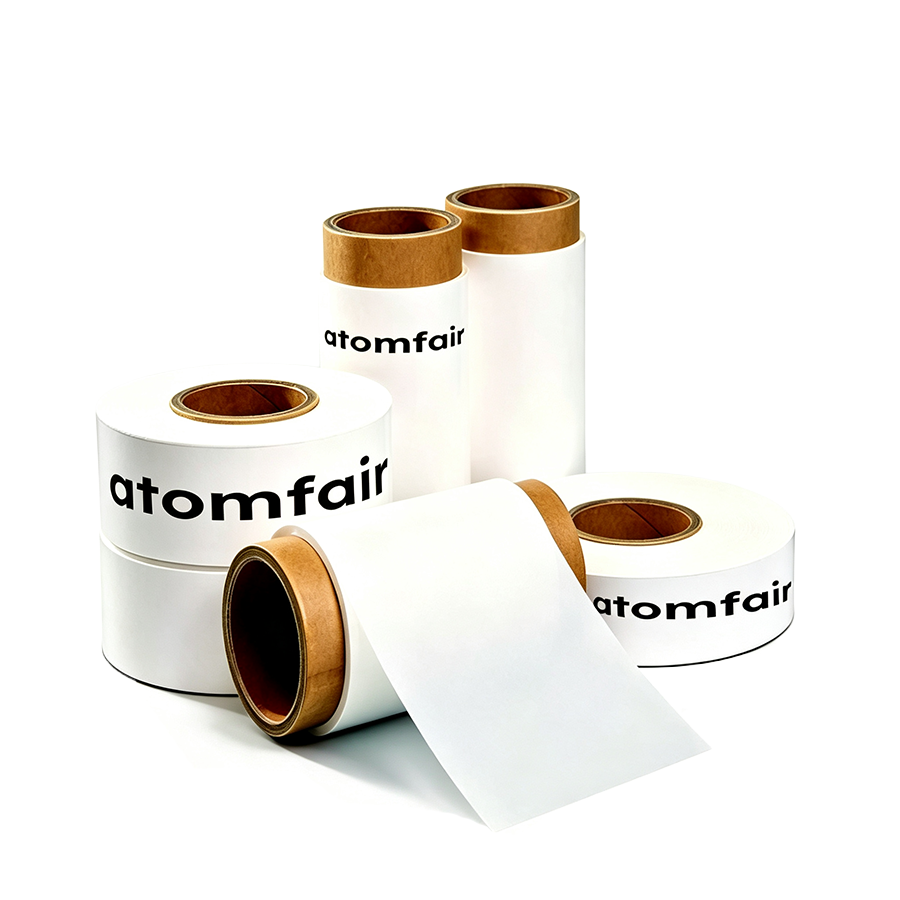
Af Ceramic Coated Pe Separators For Lithium Batteries Suite 100m
$225.00 -
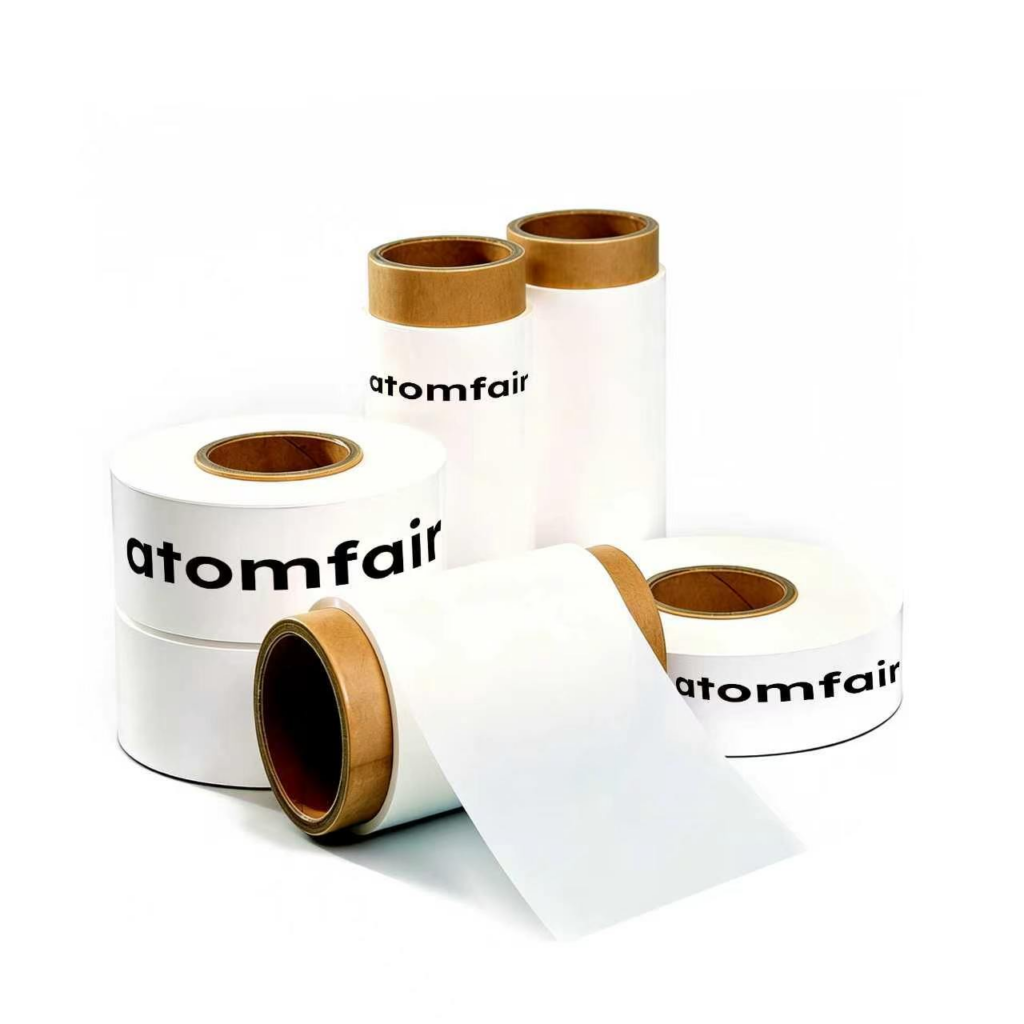
AF SERIES CERAMIC COATED PE SEPARATORS FOR LITHIUM BATTERIES SUITE 10m
$225.00 -
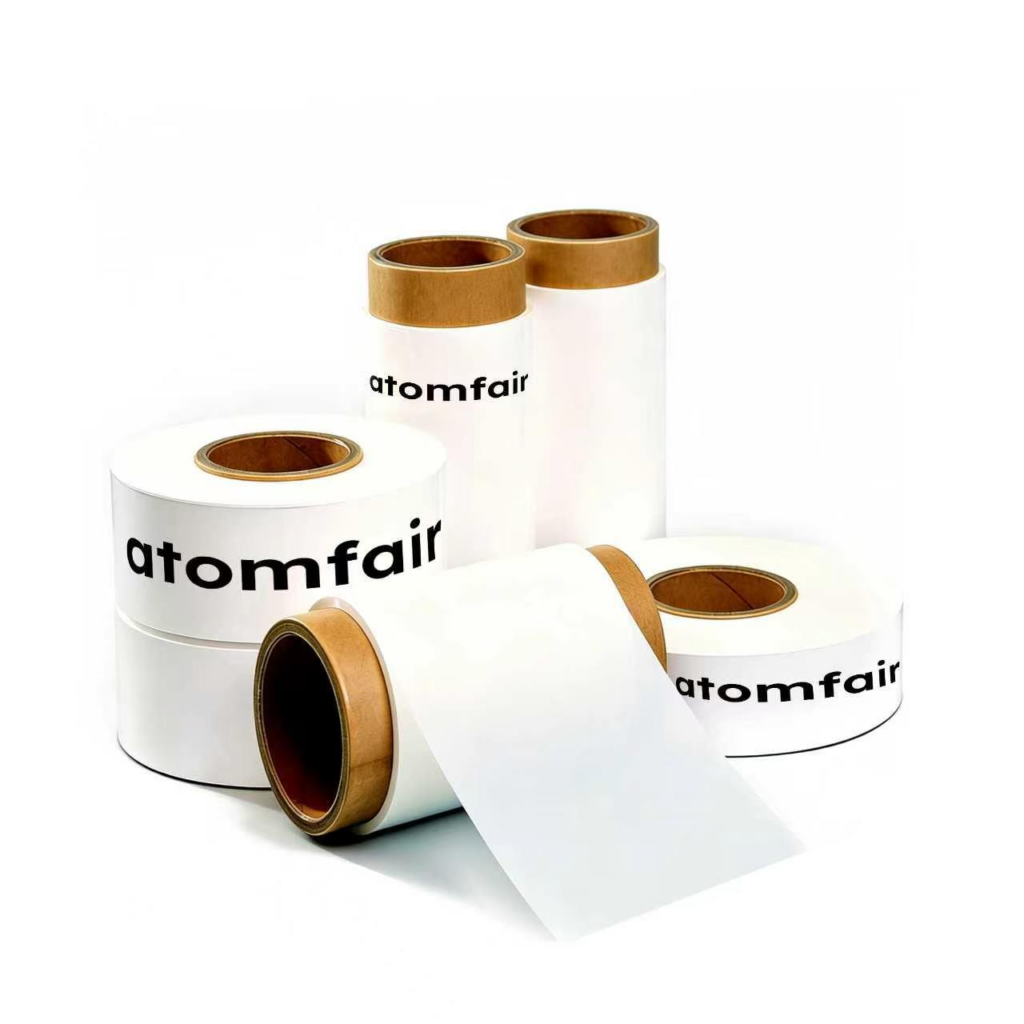
Al₂O₃ Coated PE Separator Dual‑Side 20μm 100m
$120.00 -
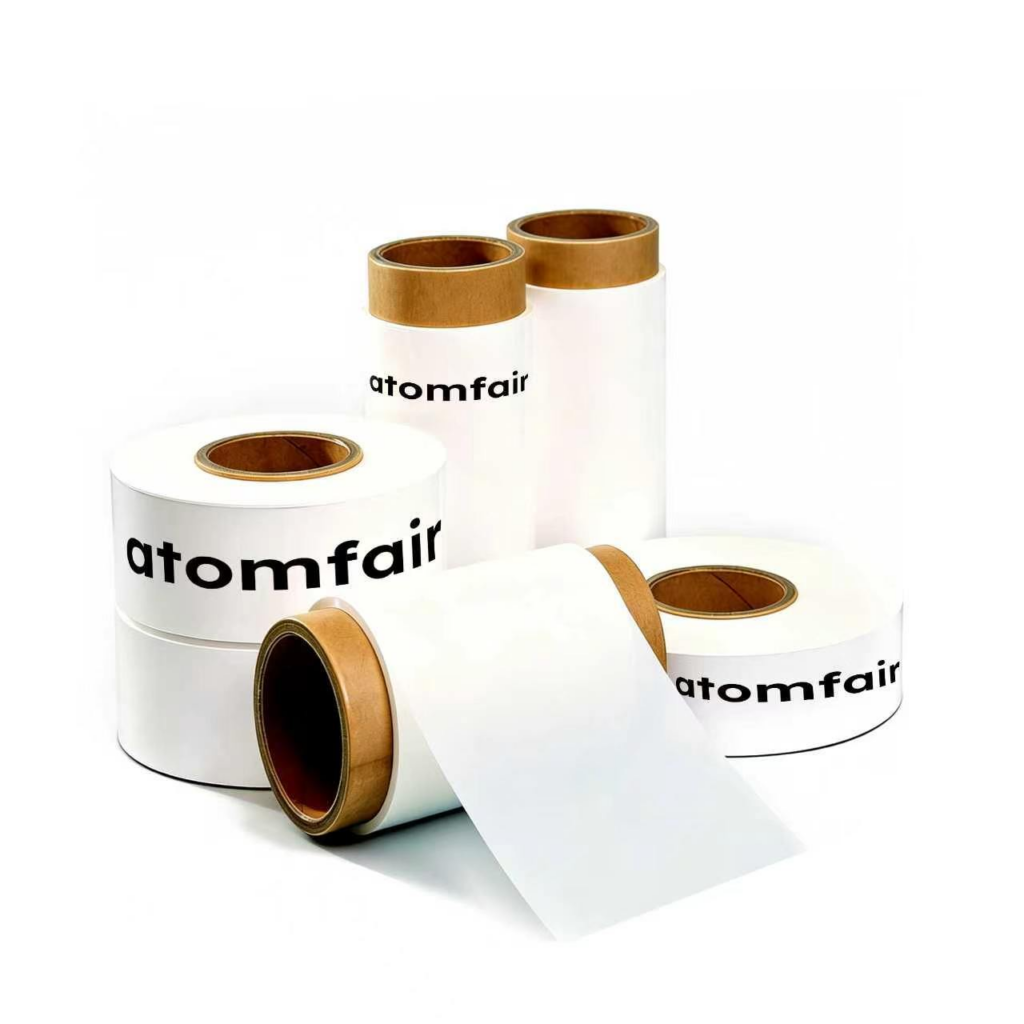
Alumina-Coated PE Battery Separator Roll Single‑Sided 20μm 100m
$116.00 -
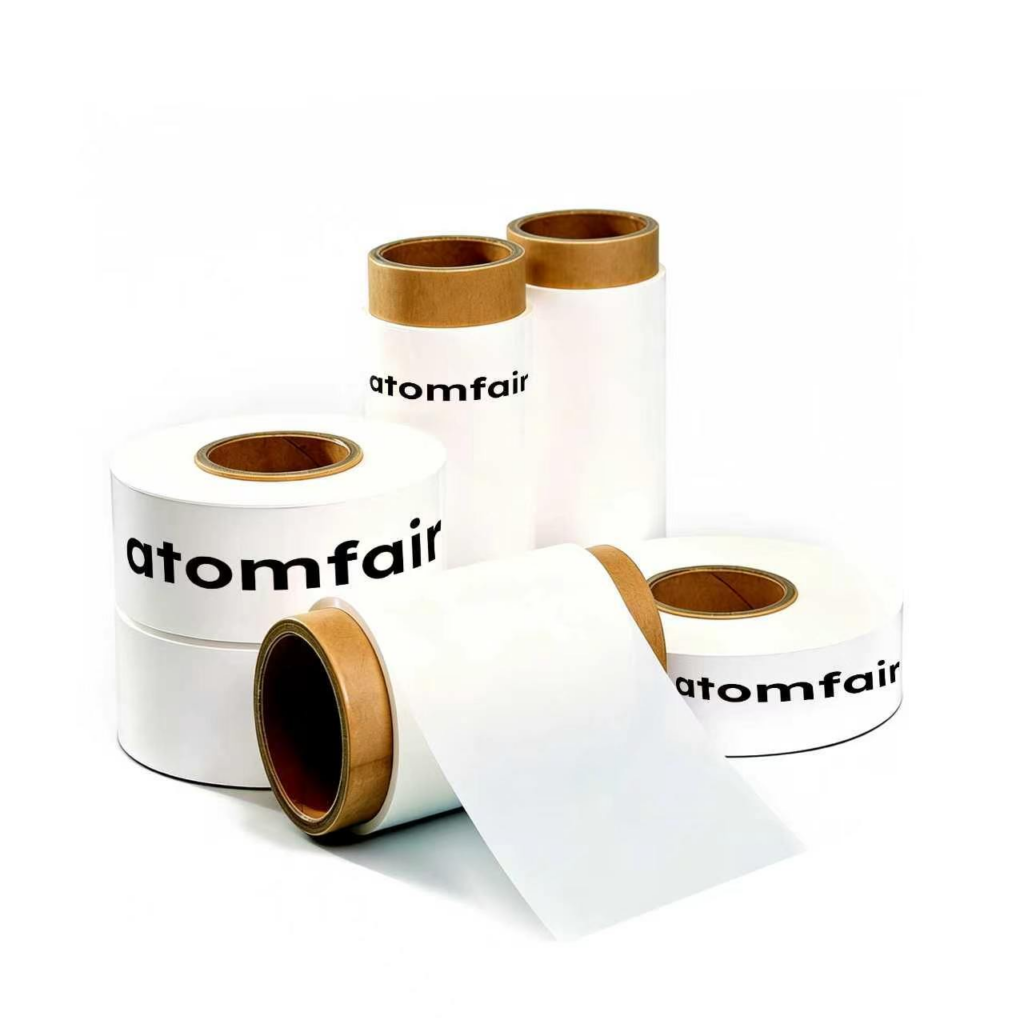
Ceramic Coated Separator 12+2+2μm 100m PP Base Film
$189.00 -
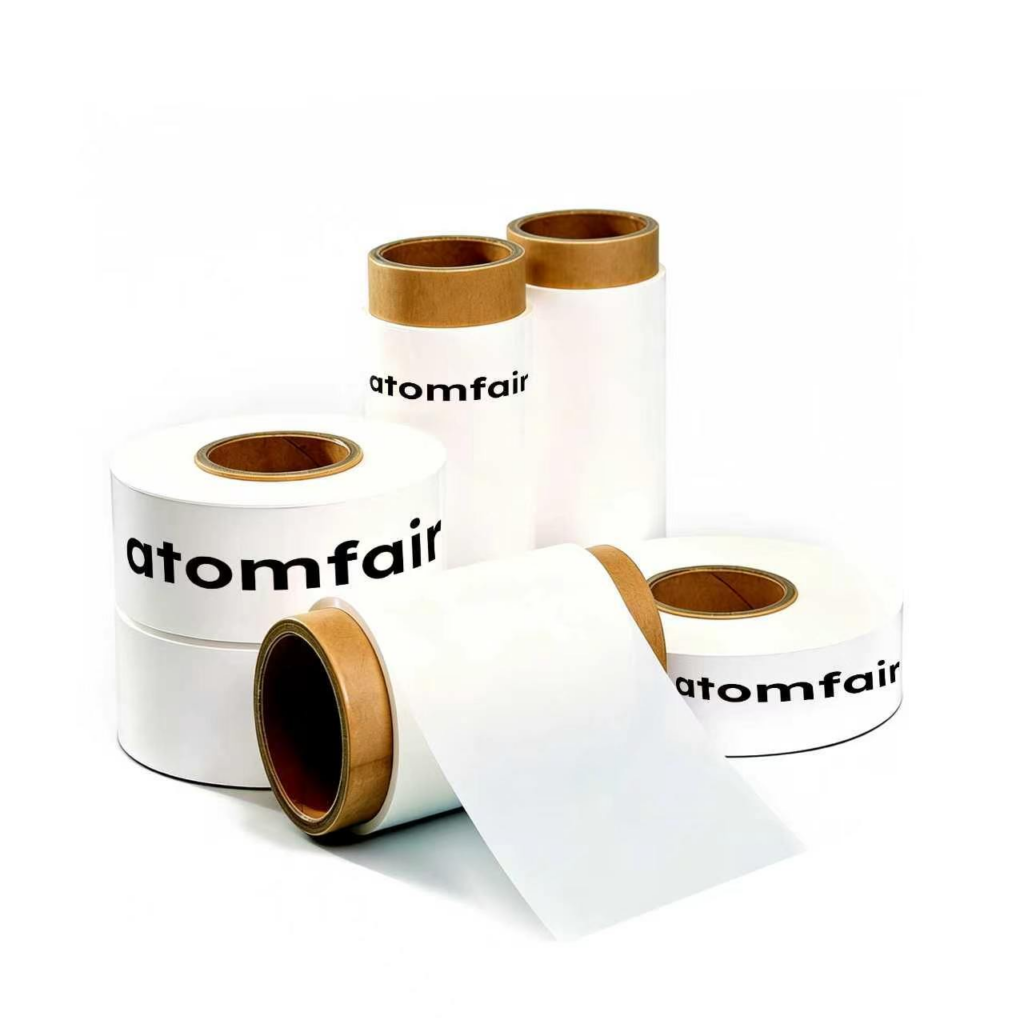
Dual-Layer Alumina+LATP Coated PE Separator 15μm*100m
$116.00 -
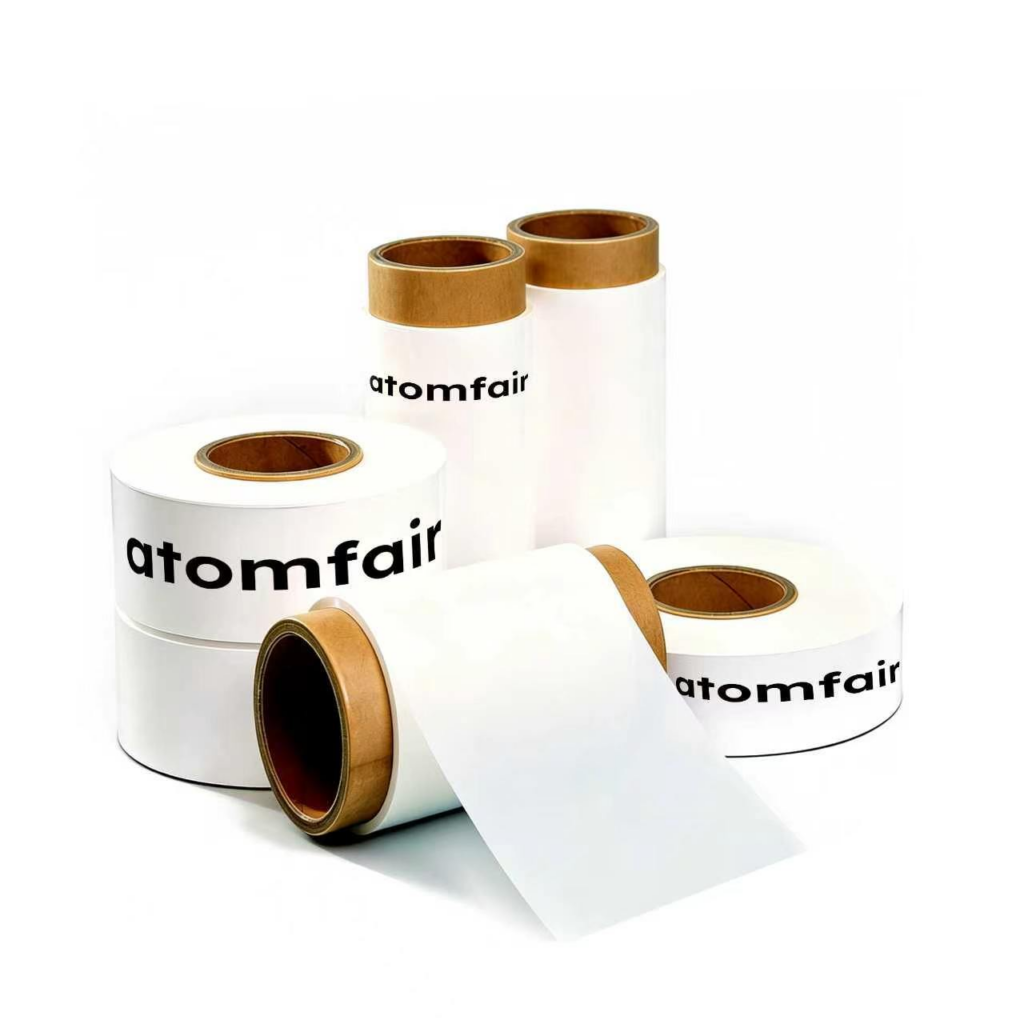
Glass Fiber Membrane 675μm CR20XX 100pcs
$264.00 -
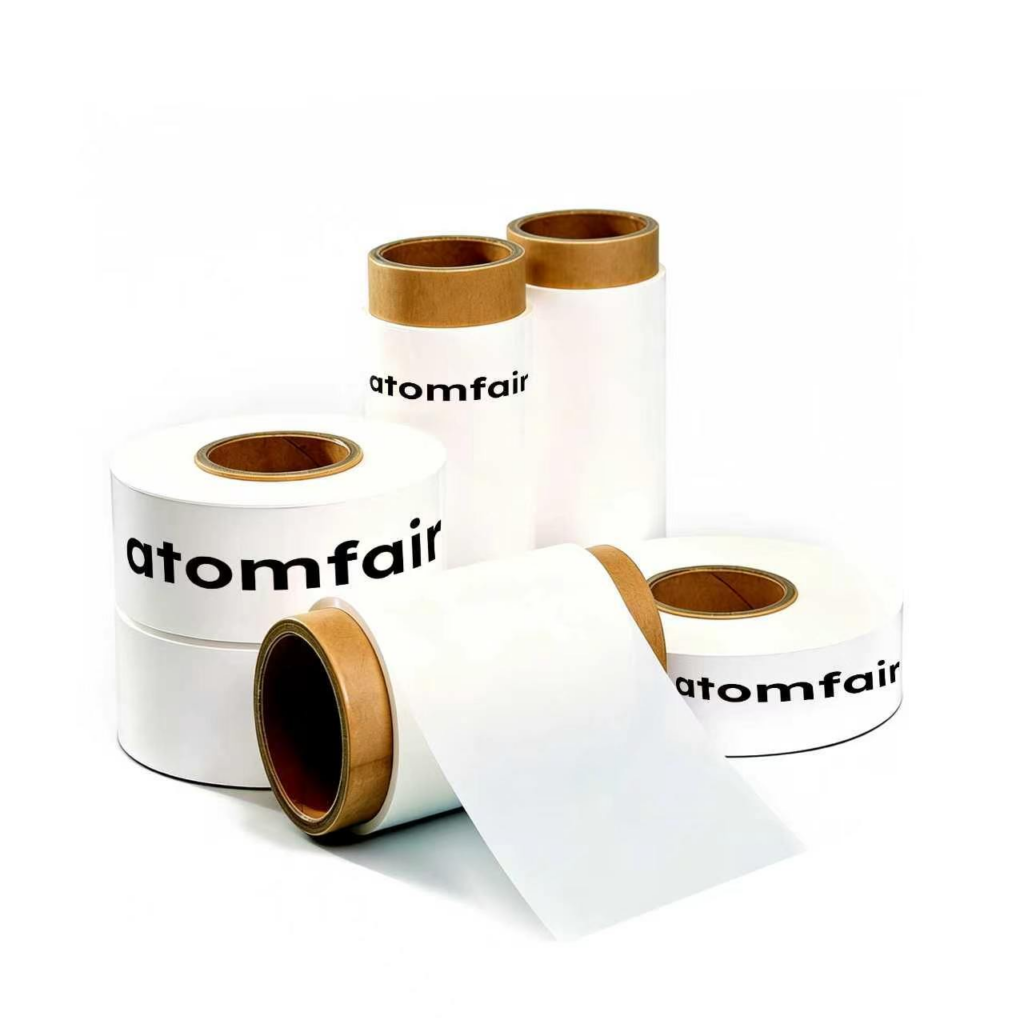
Glass Microfiber Separator Roll 200μm×60mm 100m
$230.00 -
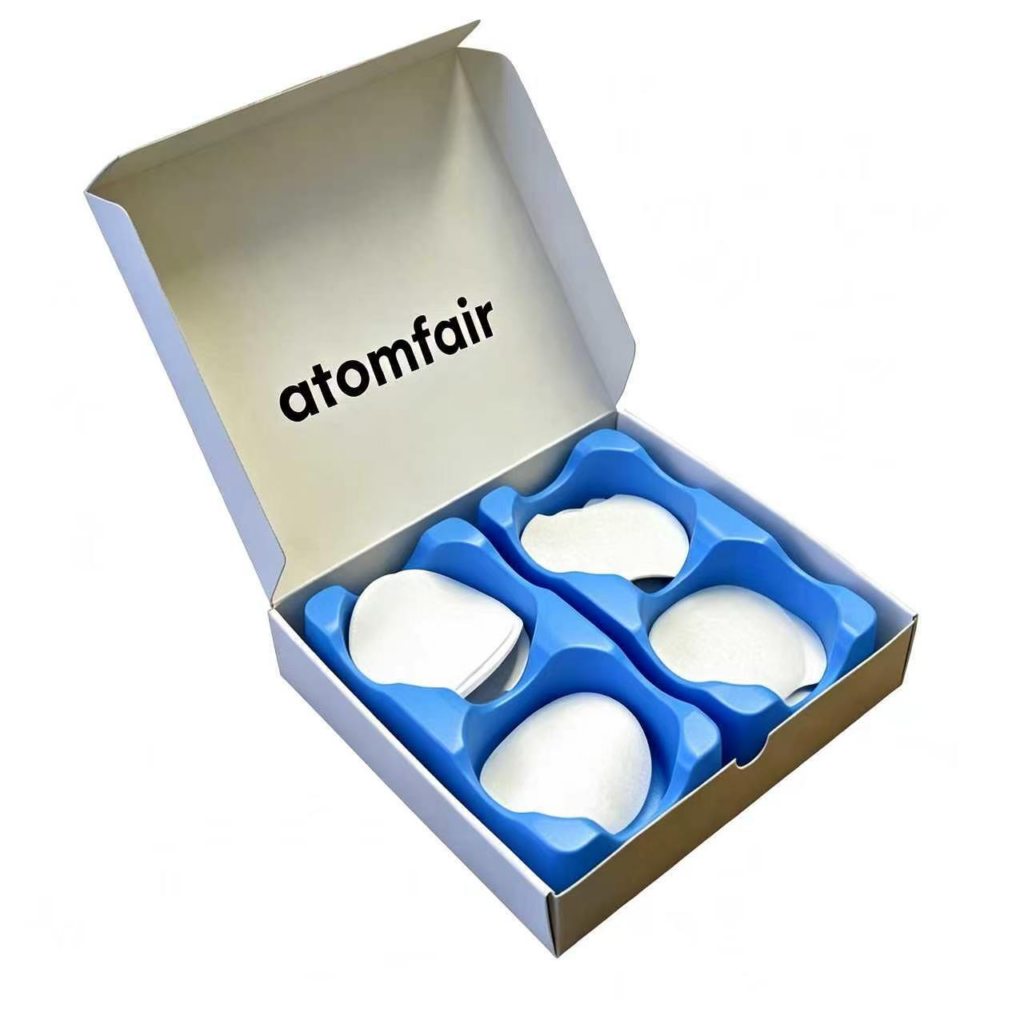
Hydrophilic PTFE Separator Single‑sided & Double‑sided 0.2‑0.22 μm 47mm 200pcs
$124.00 -
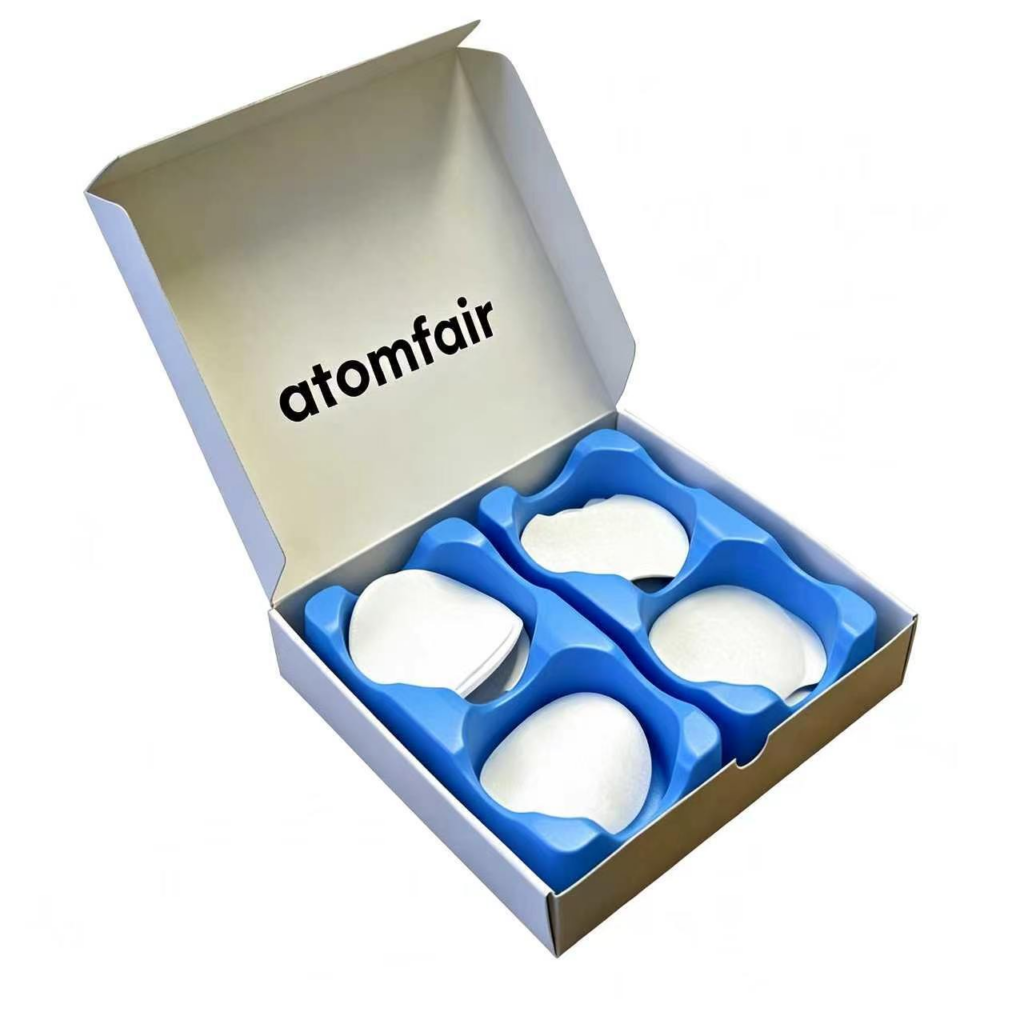
LAGP Conductive Ceramic Separator 300μm 19mm 200pcs
$73.00 -
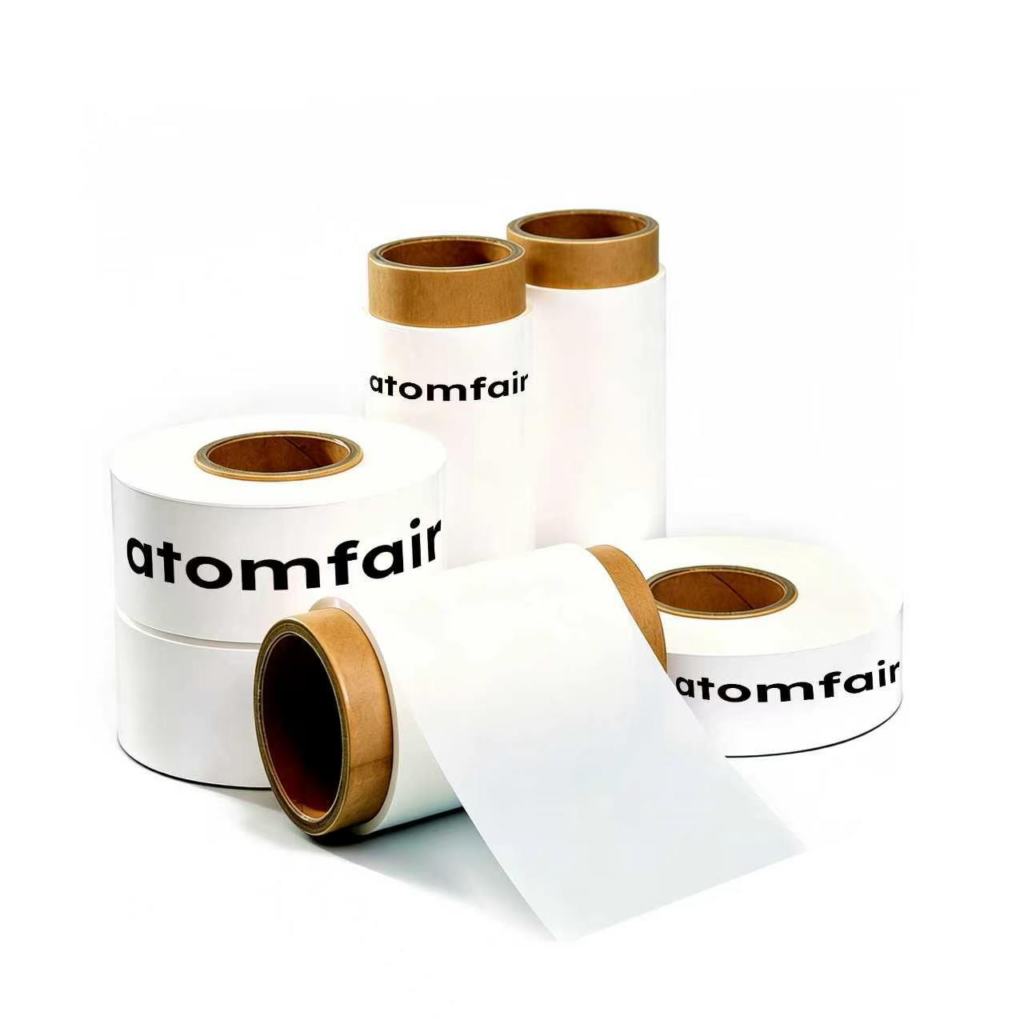
LATP-Coated PE Separator Double-Side 16μm 60mm 100m
$313.00 -
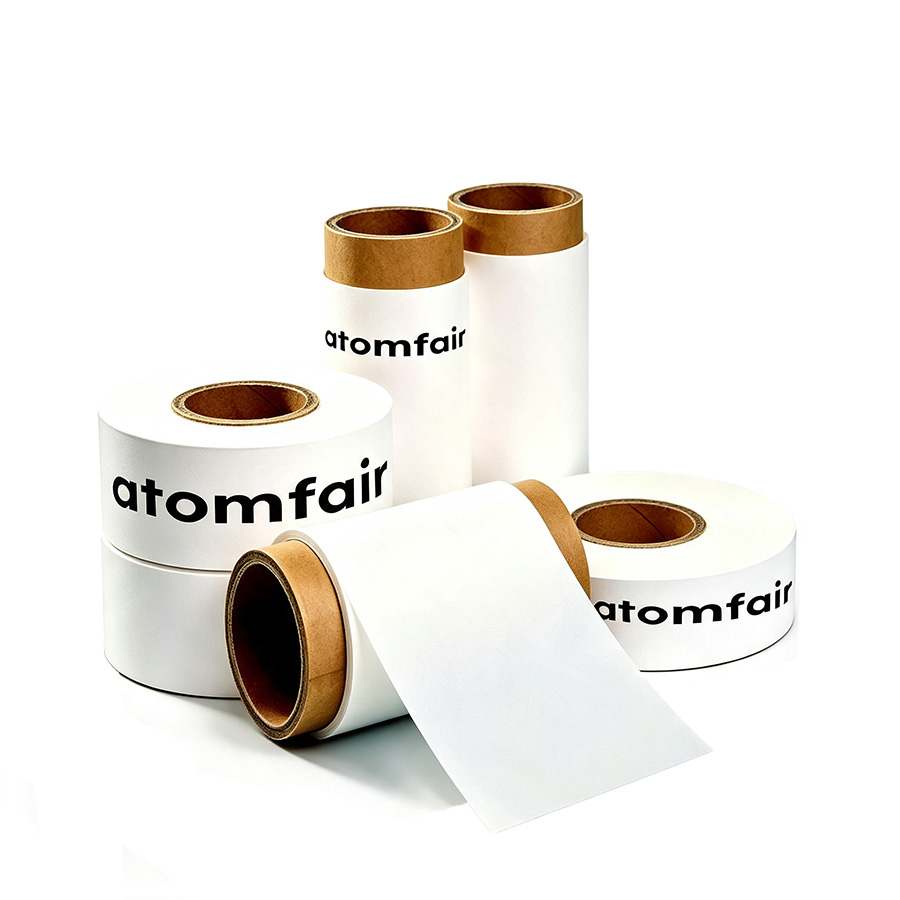
Meta-Aramid Coated PE Separator Film 15μm
$116.00 -
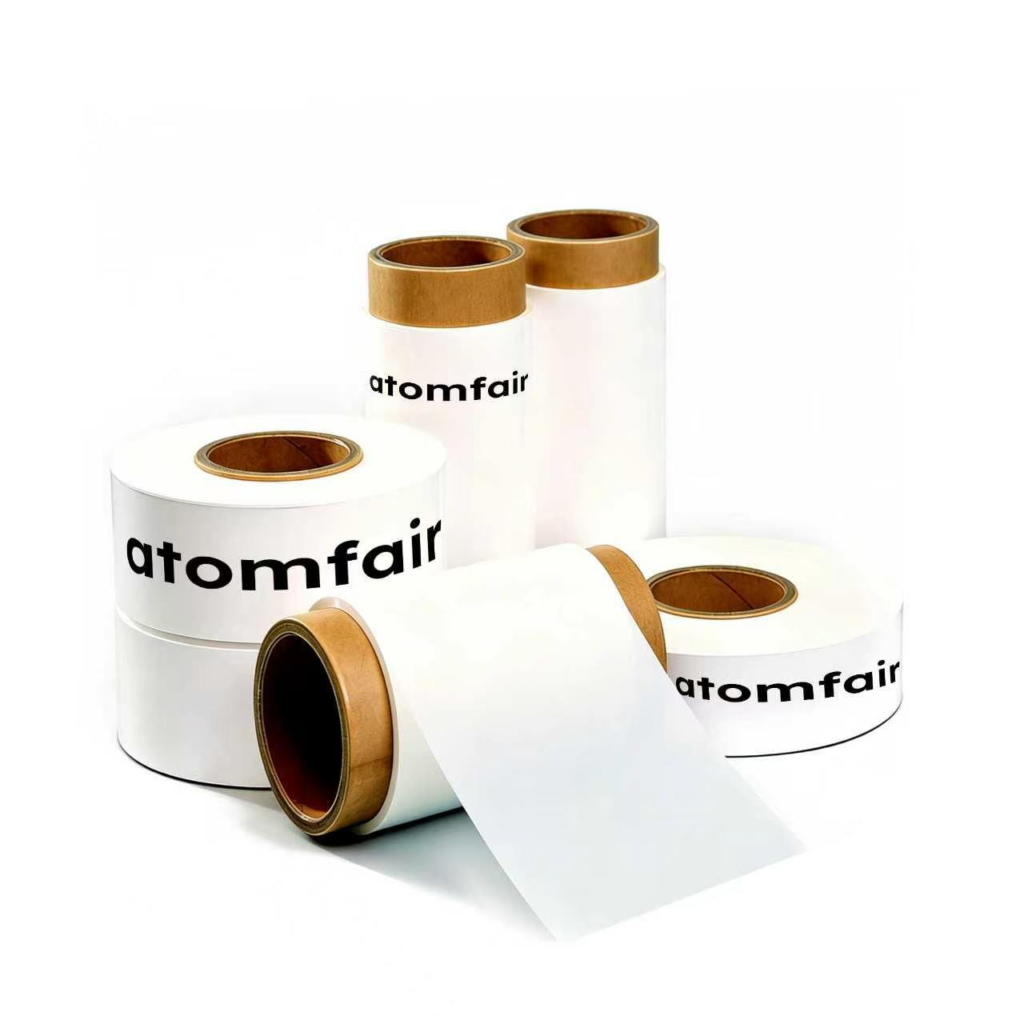
PE Separator Roll 20µm 100m Wet Process Lithium-ion
$178.00 -
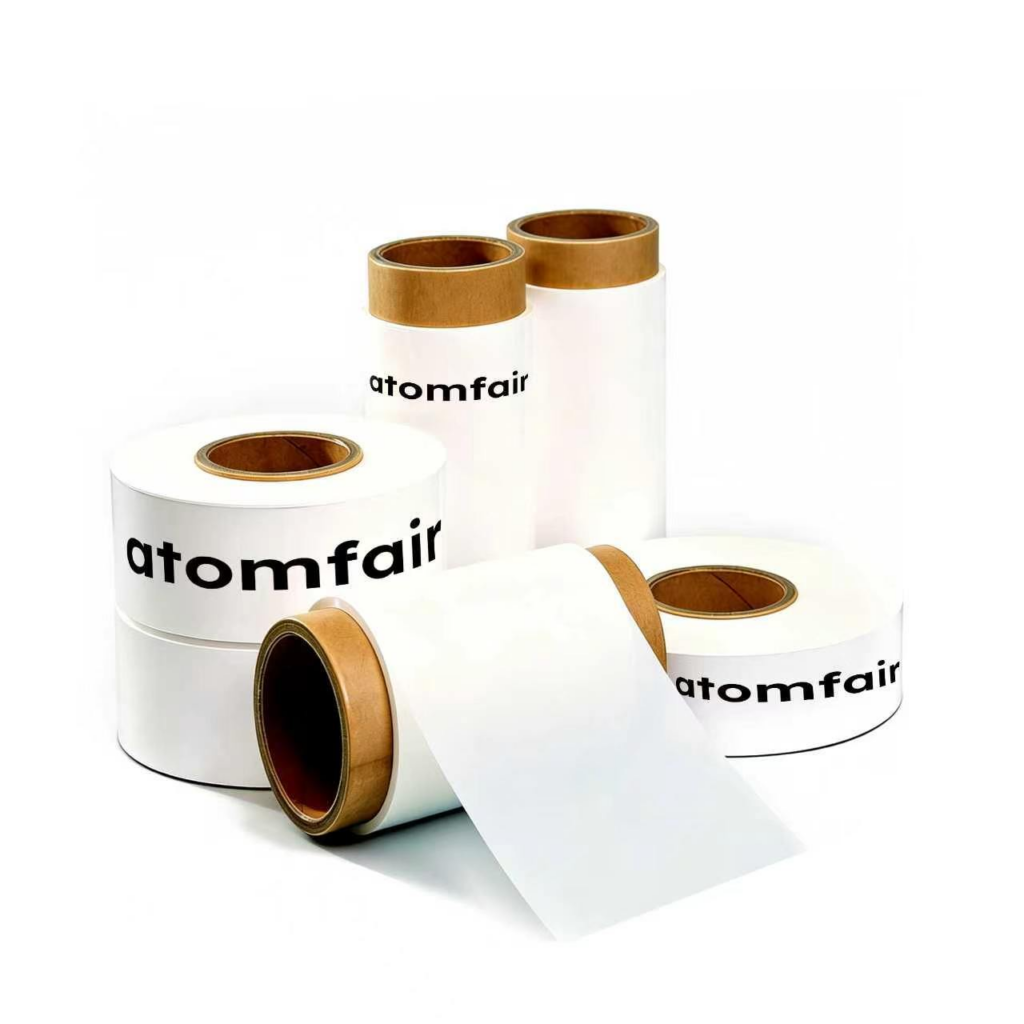
PP Separator Roll 350s Air Permeability 14μm 100m 21700 Dry-Process
$120.00 -
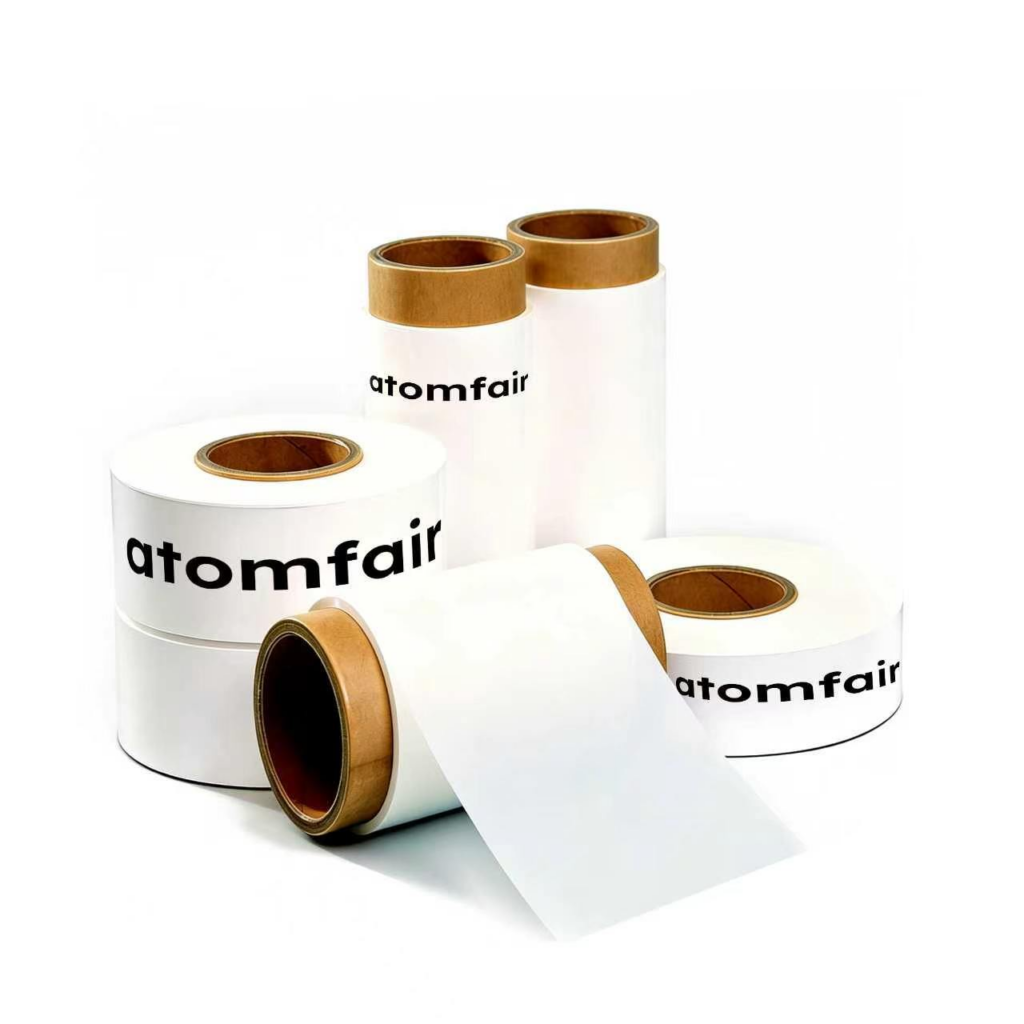
PP‑PE‑PP Trilayer Separator Roll 60mm 100m Dry‑Process
$205.00 -
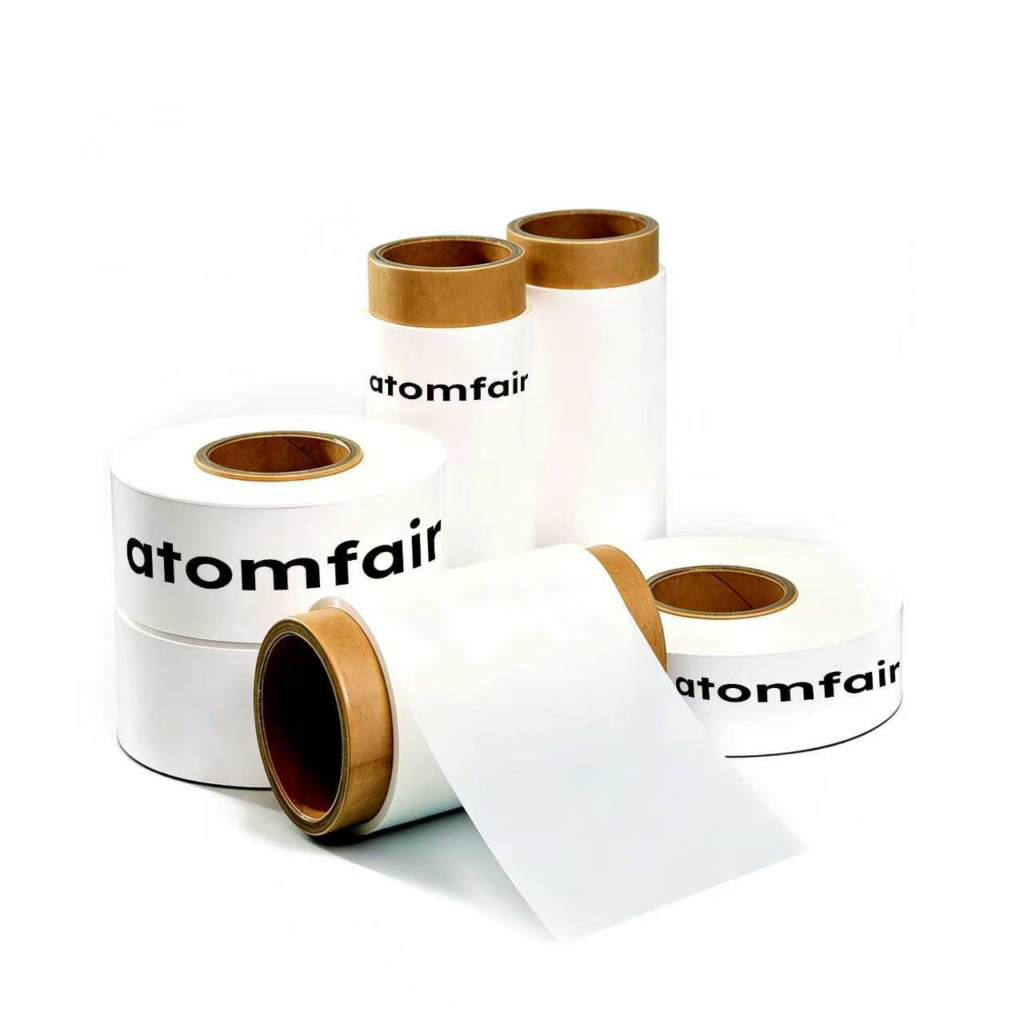
PVDF Coated Separator 12+2+2μm 60mm 100m
$189.00