
Alloy Evaporation Materials
Alloy evaporation materials are pre-alloyed source materials for vacuum thin-film deposition. They support research, process development, and production-oriented coating work across electronics, optical coatings, sensors, magnetic films, functional coatings, and advanced materials applications.
This category covers binary, ternary, and multi-component alloy systems that can be selected by composition, purity, physical form, size, and evaporation-source requirements. Materials may be supplied as pellets, pieces, granules, blocks, powder, wire, sheet, or custom source-ready forms for thermal evaporation, electron-beam evaporation, and related vacuum deposition processes.
Show More
Select by Alloy System
| Alloy Family | Common Material Directions | Typical Selection Focus |
|---|---|---|
| Aluminum-Based Alloys | Al-Cu, Al-Si, Al-Si-Cu, Al-Ni | Metallization, conductive layers, microelectronics, and functional-film research |
| Nickel-Based Alloys | Ni-Cr, Ni-Fe, Ni-Al, Ni-Si, Ni-Cr-Al-Y | Resistive films, magnetic films, high-temperature and functional coatings |
| Copper-Based Alloys | Cu-Ni, Cu-Sn, Cu-Zn, Cu-Al, Cu-Zr | Conductive films, contact layers, alloying studies, and functional coatings |
| Iron, Cobalt, and Magnetic Alloys | Ni-Fe, Co-Fe, Co-Fe-B, Fe-Ga, Fe-Cr | Magnetic devices, sensing, storage, and functional-film development |
| Titanium and Transition-Metal Alloys | Ti-Al, Ti-Si, Ti-Nb, Ti-Cr-V, W-Ti | Hard coatings, diffusion barriers, and high-performance thin-film research |
| Precious and Specialty Alloys | Au-Sn, Au-Ge, Au-Zn, Ag-based and specialty formulations | Packaging, bonding, optoelectronics, and specialty functional films |
| Multi-Component Functional Alloys | MCrAlY alloys, high-entropy alloys, and custom multi-element systems | Advanced coatings, specialty materials research, and custom deposition projects |
Choose the Appropriate Material Form
| Material Form | Suitable For | Key Points to Confirm |
|---|---|---|
| Pellets | Routine loading into compatible evaporation sources | Pellet size, source capacity, and required charge quantity |
| Pieces and Small Blocks | Larger source capacity or specified loading dimensions | Dimensions, thickness, and available loading space |
| Granules and Irregular Particles | Flexible loading and non-standard charge preparation | Particle range, cleanliness requirements, and containment method |
| Powder | Specialized deposition methods and materials research | Particle size, handling requirements, and loading method |
| Wire, Rod, and Sheet | Specified fixtures, source configurations, and custom loading needs | Diameter, length, thickness, and equipment compatibility |
| Custom Source Forms | Non-standard compositions, dimensions, and source designs | Composition, form factor, dimensional tolerance, and quantity |
Key Selection Considerations
| Selection Item | What to Consider |
|---|---|
| Alloy Composition | Confirm the elemental composition and whether the ratio is specified by weight percent or atomic percent. |
| Purity Requirement | Choose an appropriate purity level according to film performance, impurity control, and research requirements. |
| Physical Form | Match pellets, pieces, granules, powder, or custom forms to the evaporation source and loading method. |
| Size and Particle Range | Ensure compatibility with the available boat, crucible, e-beam hearth, or other source geometry. |
| Deposition Method | Assess the material against the planned thermal evaporation, electron-beam evaporation, or vacuum deposition process. |
| Custom Requirements | For special alloy ratios, multi-element compositions, or non-standard dimensions, specify the target formulation and intended process. |
Frequently Asked Questions
What are alloy evaporation materials?
Alloy evaporation materials are pre-alloyed materials used as source charges for vacuum evaporation deposition. They contain two or more elements and are selected for thin-film preparation according to the required alloy composition and process conditions.
Which deposition processes can use alloy evaporation materials?
They are commonly considered for thermal evaporation and electron-beam evaporation. Suitability depends on the alloy composition, material form, evaporation source design, and actual process conditions.
Should I choose pellets, pieces, or powder?
Pellets and pieces are commonly selected for conventional source loading. Powder may suit specialized processes or research needs. The best choice depends on your source capacity, loading method, and required deposition quantity.
What is the difference between wt% and at%?
wt% means weight percent, while at% means atomic percent. They describe alloy composition differently, so the required basis should be clearly specified for procurement and process planning.
Will the deposited film have exactly the same composition as the starting alloy?
Not always. Different elements can behave differently during evaporation. Film composition may be influenced by evaporation rate, temperature, vacuum level, source configuration, and other process conditions.
Can alloy composition and size be customized?
Custom alloy ratios, purity levels, physical forms, particle ranges, dimensions, and packaging can be reviewed according to project requirements. Provide the target composition and intended deposition process when making an inquiry.
How can I confirm compatibility with my evaporation equipment?
Confirm whether your system uses a boat, crucible, e-beam hearth, or another source configuration. Source dimensions, loading capacity, process temperature, and the intended deposition method should be considered when selecting the material form.
Showing 1–16 of 26 results
-
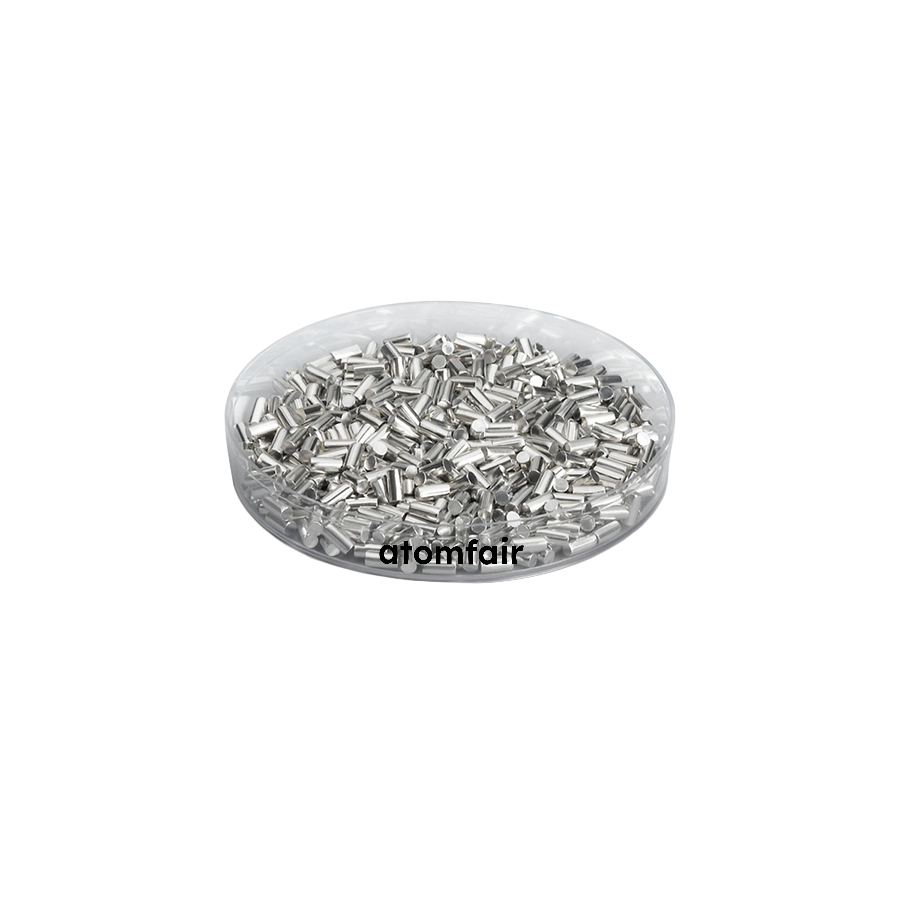
Al-Si 99/1wt% Alloy Evaporation Pellets 3-6 mm ATOMFAIR®
Price range: $360.00 through $1,200.00 -
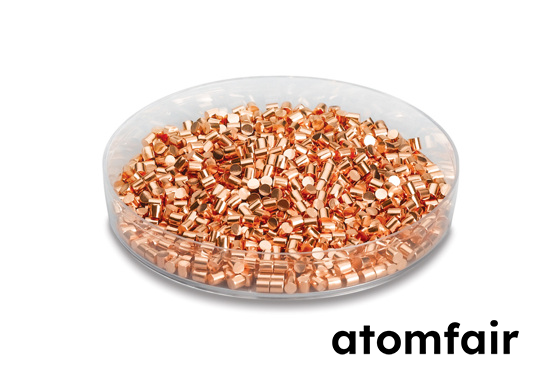
Al/Cu 99/1wt% Alloy Evaporation Pellets 3-6 mm ATOMFAIR®
Price range: $360.00 through $1,200.00 -
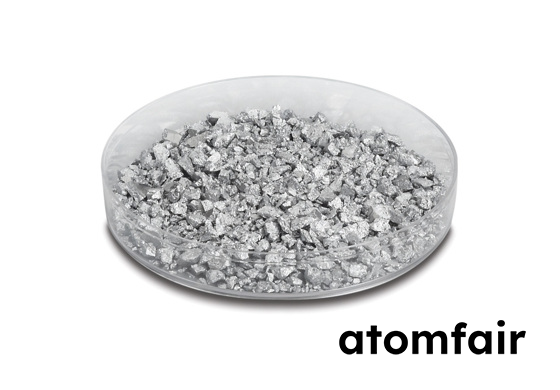
Al/Cu 99/1wt% Alloy Evaporation Pieces 3-6 mm ATOMFAIR®
Price range: $2,500.00 through $11,000.00 -
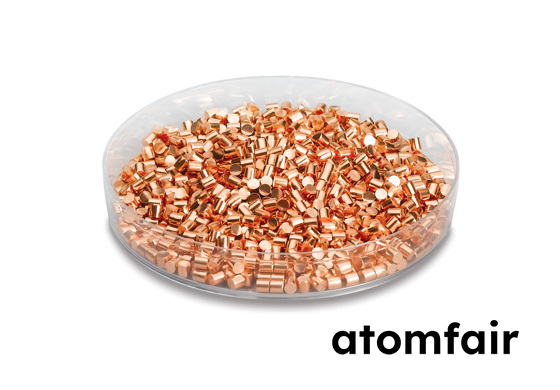
Aluminium-Copper 99/1wt% Alloy Pellets 1-3 mm ATOMFAIR®
Price range: $360.00 through $1,200.00 -
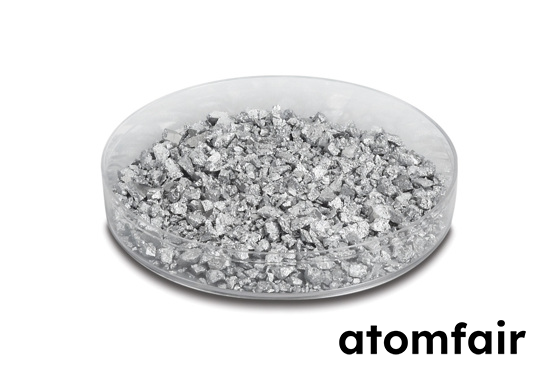
Aluminium-Copper 99/1wt% Evaporation Pieces 1-3 mm ATOMFAIR®
Price range: $2,500.00 through $11,000.00 -
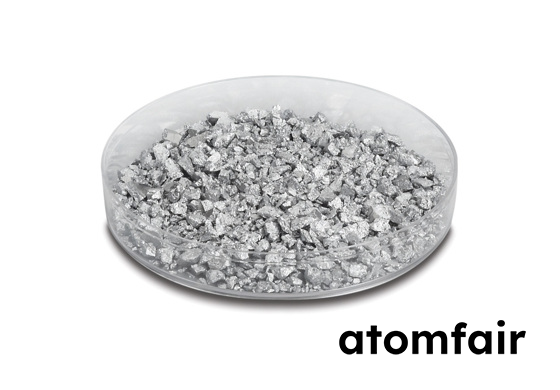
Aluminium-Copper 99/1wt% Evaporation Pieces 1-3 mm ATOMFAIR®
Price range: $2,500.00 through $11,000.00 -
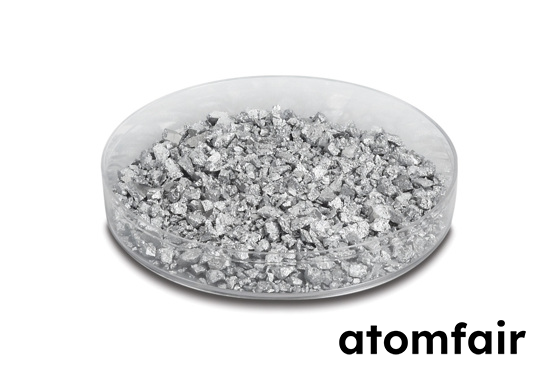
Aluminium-Copper 99/1wt% Evaporation Pieces ATOMFAIR®
Price range: $2,500.00 through $11,000.00 -
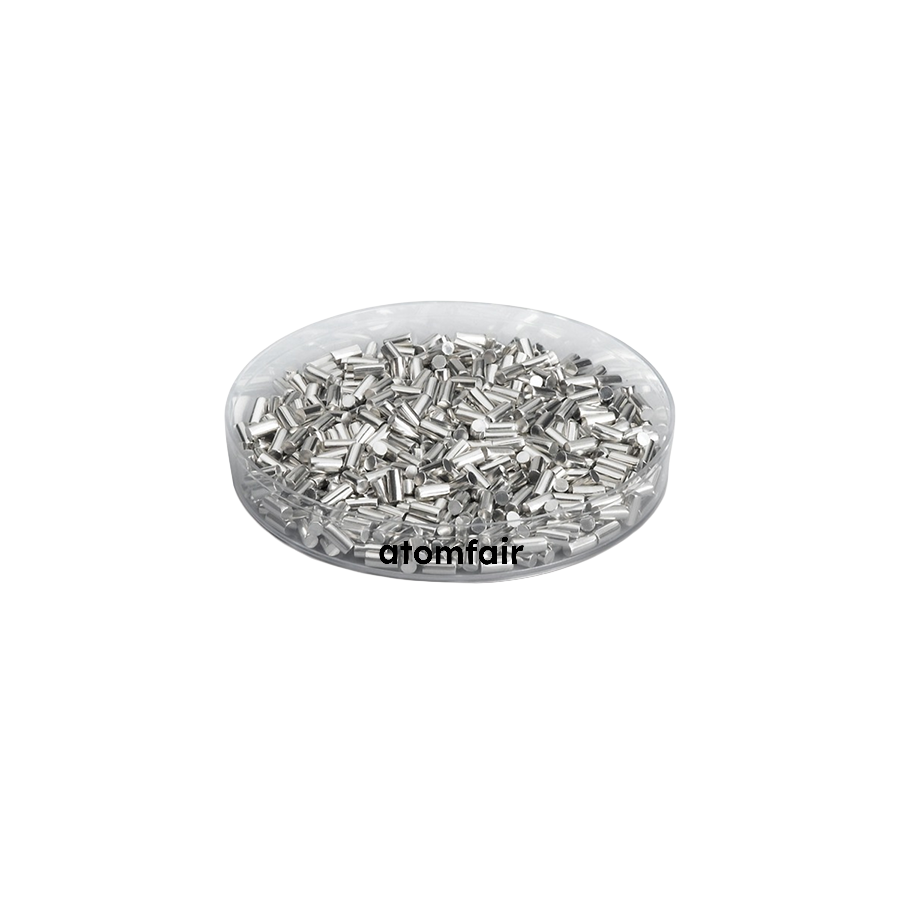
Aluminium-Silicon 99/1wt% Pellets 1-3 mm ATOMFAIR®
Price range: $360.00 through $1,200.00 -
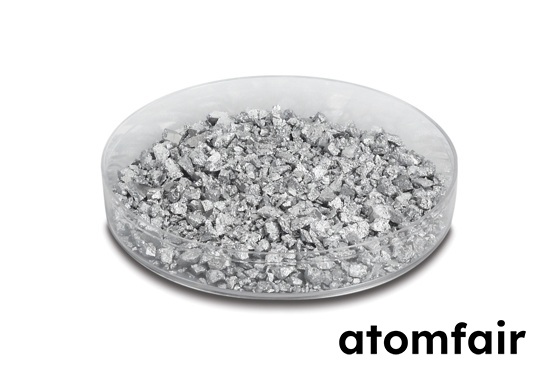
Inconel Ni/Cr/Fe Evaporation Powder 15-45μm ATOMFAIR®
Price range: $390.00 through $2,900.00 -
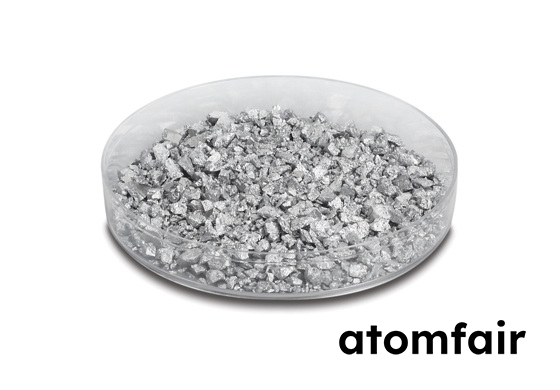
Inconel Ni/Cr/Fe Evaporation Powder 30-60μm ATOMFAIR®
Price range: $390.00 through $2,900.00 -
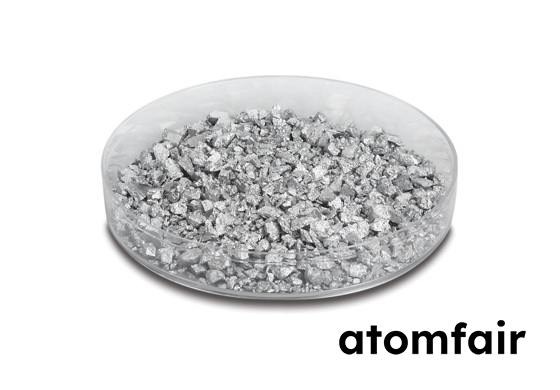
Inconel Ni/Cr/Fe Powder 10-25μm Evaporation ATOMFAIR®
Price range: $390.00 through $2,900.00 -
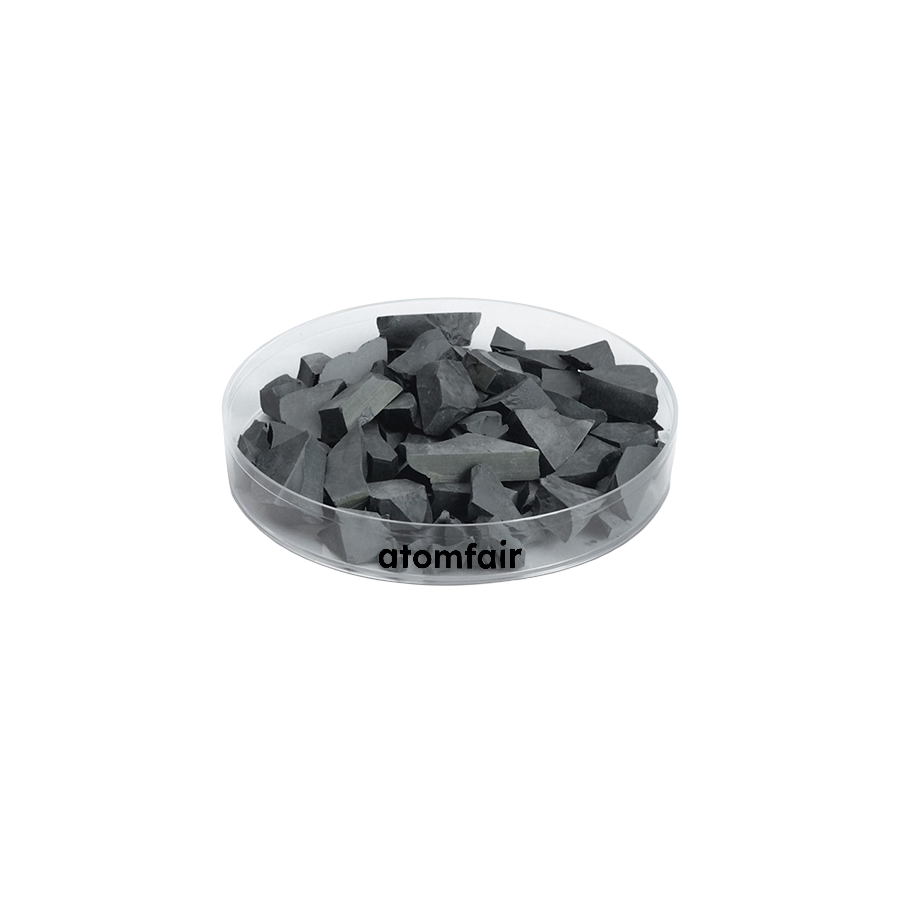
Indium Tin Oxide Evaporation Pieces 99.99% 1-10 mm ATOMFAIR®
Price range: $550.00 through $2,100.00 -
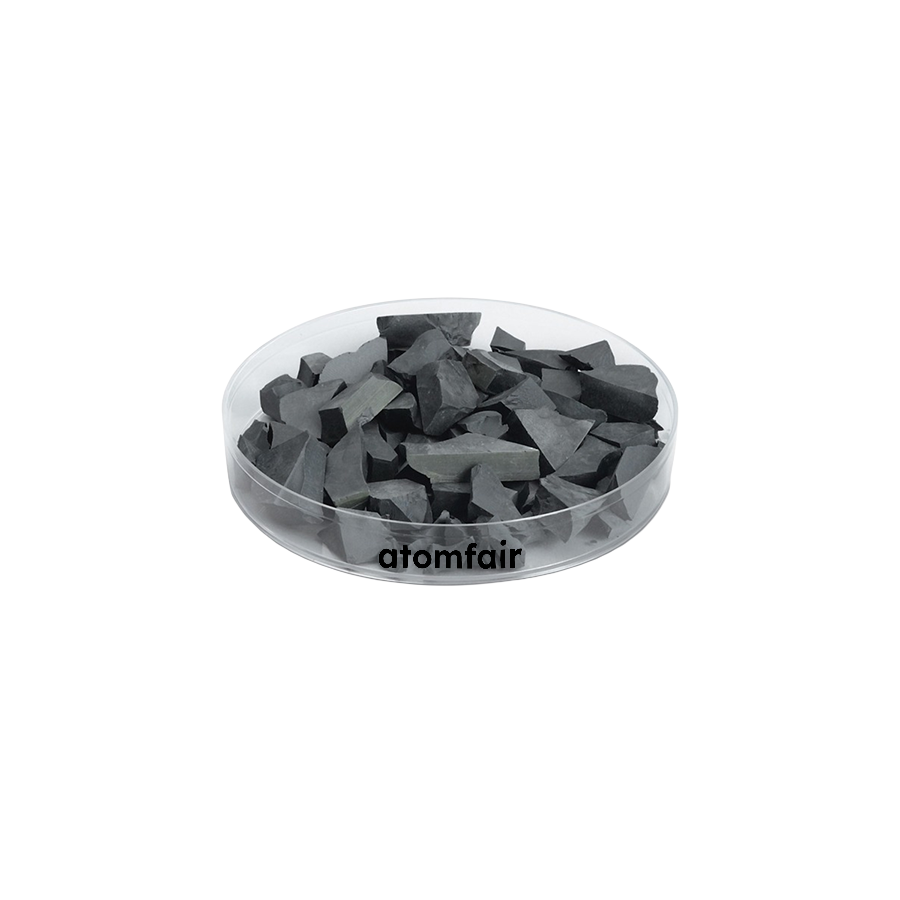
Indium Tin Oxide ITO Powder 99.99% 18-73 nm ATOMFAIR®
Price range: $310.00 through $2,100.00 -
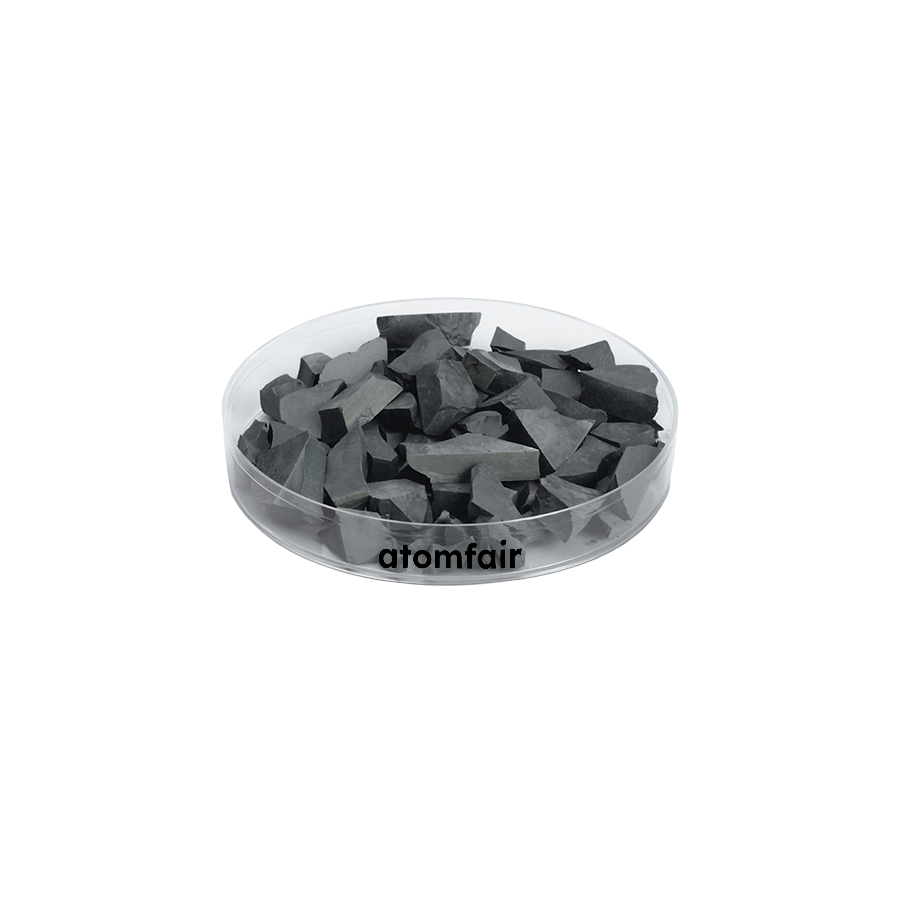
ITO Indium Tin Oxide Powder 99.99% 18-65 nm ATOMFAIR®
Price range: $310.00 through $2,100.00 -
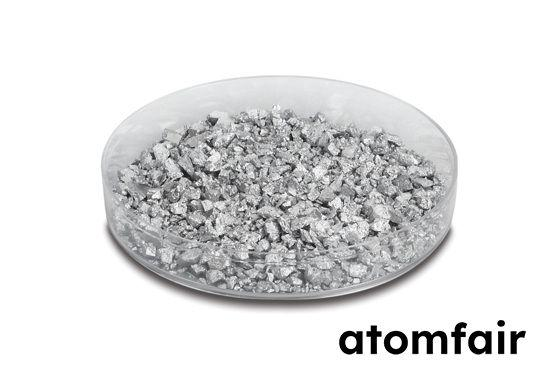
Kanthal FeCrAl Evaporation Pieces 99.9% 1-3 mm ATOMFAIR®
Price range: $390.00 through $1,350.00 -
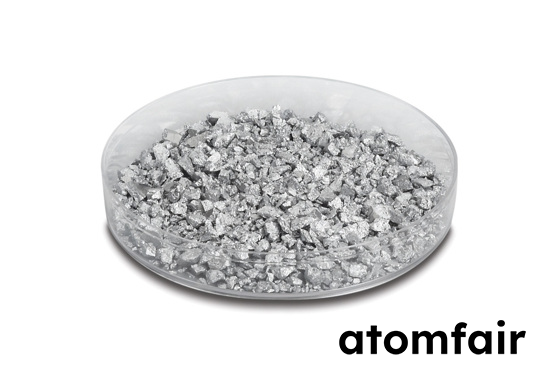
Nichrome Ni/Cr Evaporation Powder 80% 325 Mesh ATOMFAIR®
Price range: $360.00 through $2,600.00