
Carbonate Electrolyte Solvents
Carbonate Electrolyte Solvents are a core solvent family for non-aqueous battery electrolytes. They are widely used in lithium-ion battery research, cell prototyping, and electrolyte formulation because they help dissolve salts, support ion transport, and shape viscosity, wetting, and stability.
This category focuses on solvent materials only. It includes the main carbonate solvent families used in electrolyte work: ethylene carbonate (EC), dimethyl carbonate (DMC), diethyl carbonate (DEC), ethyl methyl carbonate (EMC), propylene carbonate (PC), and common mixed carbonate systems.
Buyers usually compare these solvents by purity, water content, viscosity, melting point, boiling point, and packaging. In practice, the right choice depends on whether the target is high solvating power, lower viscosity, better wetting, or a more balanced blend.
Show More
Carbonate Solvent Families
| Family | Common Members | Main Role | Buyer Priority |
|---|---|---|---|
| Cyclic carbonates | EC, PC | Higher polarity and stronger solvating power | Dissolution strength and formulation structure |
| Linear carbonates | DMC, DEC, EMC | Lower viscosity and better flow | Wetting, transport, and handling ease |
| Mixed carbonate systems | EC/DMC, EC/DEC, EC/EMC, ternary blends | Balance between solvating power and fluidity | Application-specific tuning |
Common Product Types
| Product | Typical Form | Typical Use | What Buyers Check |
|---|---|---|---|
| Ethylene Carbonate (EC) | Solid or crystalline carbonate | Core solvating component in many base electrolyte blends | Purity, moisture control, melting behavior |
| Dimethyl Carbonate (DMC) | Low-viscosity liquid | Viscosity reduction and flow improvement | Water content, volatility, handling conditions |
| Diethyl Carbonate (DEC) | Low-viscosity liquid | Fluidity and low-temperature blend support | Purity, moisture, consistency across lots |
| Ethyl Methyl Carbonate (EMC) | Liquid co-solvent | Balanced transport and wetting support | Low viscosity, broad liquid range, purity |
| Propylene Carbonate (PC) | High-polarity cyclic carbonate | Strong solvating environments and formulation studies | Polarity, viscosity, compatibility with the full blend |
| Mixed carbonate blends | Predefined or custom blend ratios | Application-specific electrolyte tuning | Blend ratio, temperature behavior, reproducibility |
Selection Guide by Application
| Application Need | Preferred Direction | Why It Helps | What To Confirm |
|---|---|---|---|
| General electrolyte formulation | EC-centered mixed carbonate system | Provides a strong base level of solvating power | Purity, moisture content, blend ratio |
| Lower viscosity requirement | Higher DMC, DEC, or EMC content | Improves fluidity and transport | Low-temperature behavior and evaporation profile |
| Low-temperature screening | Linear-carbonate-heavy blend | Reduces viscosity-related transport limits | Pour point, viscosity, storage stability |
| Strong solvation demand | EC or PC-rich direction | Supports higher polarity and stronger interaction with dissolved species | Compatibility with the full formulation |
| Formulation comparison | Several carbonate ratios side by side | Makes it easier to isolate the effect of blend changes | Batch consistency and repeatability |
Specification Checklist
| Parameter | Why It Matters |
|---|---|
| Purity | Higher purity reduces unwanted side reactions and improves reproducibility. |
| Water content | Moisture can affect stability, storage life, and electrolyte performance. |
| Acid value | Low acid content is important for chemical cleanliness and shelf stability. |
| Metal impurities | Trace metals can influence electrolyte behavior and batch consistency. |
| Melting point and boiling point | These properties affect handling, blending, and temperature window. |
| Viscosity and density | These values shape flow, wetting, and formulation behavior. |
| Packaging and storage | Sealed, dry, and contamination-controlled packaging helps preserve quality. |
Storage & Handling
Carbonate solvents should be stored in tightly sealed containers and protected from moisture, heat, and contamination. For high-purity work, dry handling and clean transfer practices are important throughout storage, weighing, and blending.
When a solvent is used in battery formulation, the most useful rule is simple: keep the material dry, keep the lot consistent, and verify the blend before moving to cell assembly.
FAQ
What are carbonate electrolyte solvents used for?
They are used as the liquid solvent base in non-aqueous battery electrolytes, where they help dissolve the salt, support ion transport, and shape viscosity and wetting.
Which solvents are most common in this category?
The most common members are ethylene carbonate (EC), dimethyl carbonate (DMC), diethyl carbonate (DEC), ethyl methyl carbonate (EMC), and propylene carbonate (PC).
Why are mixed carbonate systems so common?
Because one solvent rarely gives the best balance of solvating power, viscosity, wetting, and temperature performance. Blending makes the formulation more adaptable.
What is the role of EC?
EC is usually the high-polarity core component in many carbonate blends, valued for its strong solvating behavior and ability to support stable electrolyte structure.
What do DMC, DEC, and EMC contribute?
These linear carbonates mainly reduce viscosity and improve flow, which helps with wetting, low-temperature handling, and transport behavior.
When should PC be considered?
PC is often considered when stronger polarity and higher solvating power are useful, but the final choice should always match the full formulation and operating window.
What are the most important purchase checks?
Purity, water content, acid value, metal impurities, viscosity, melting and boiling points, packaging quality, and batch consistency are usually the key checks.
Showing all 5 results
-
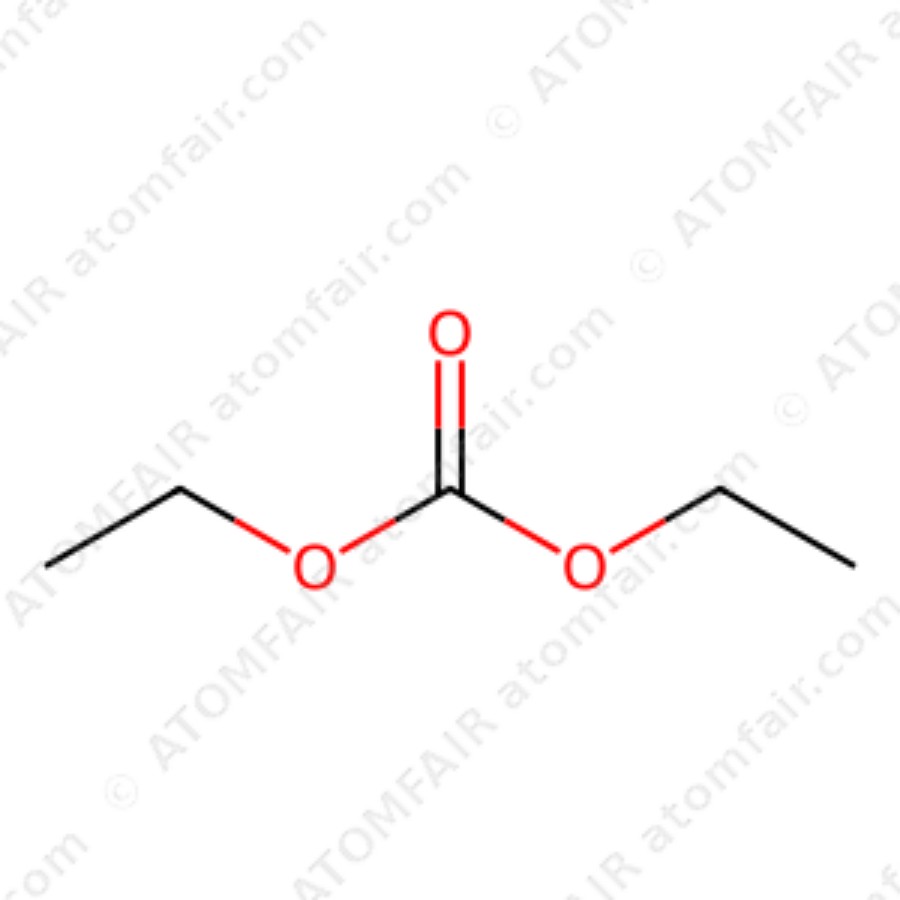
Diethyl Carbonate DEC 99.99% Battery Grade
Price range: $230.00 through $250.00 -
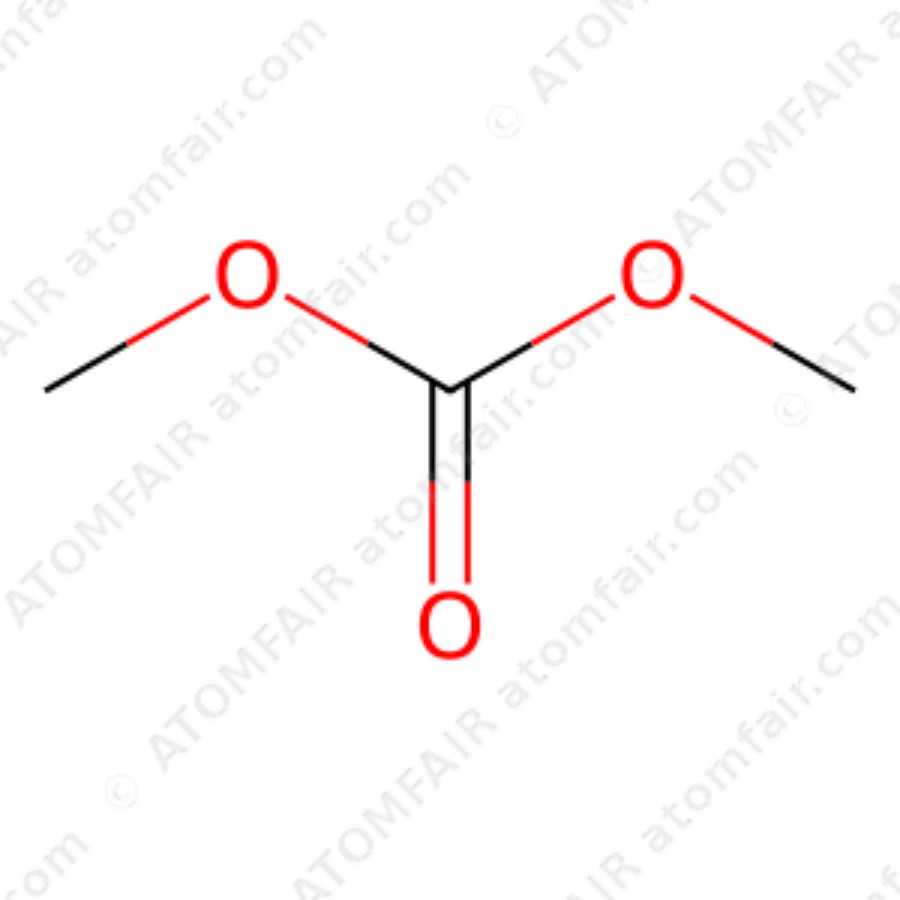
Dimethyl Carbonate 99.99% Battery Grade
Price range: $232.00 through $250.00 -
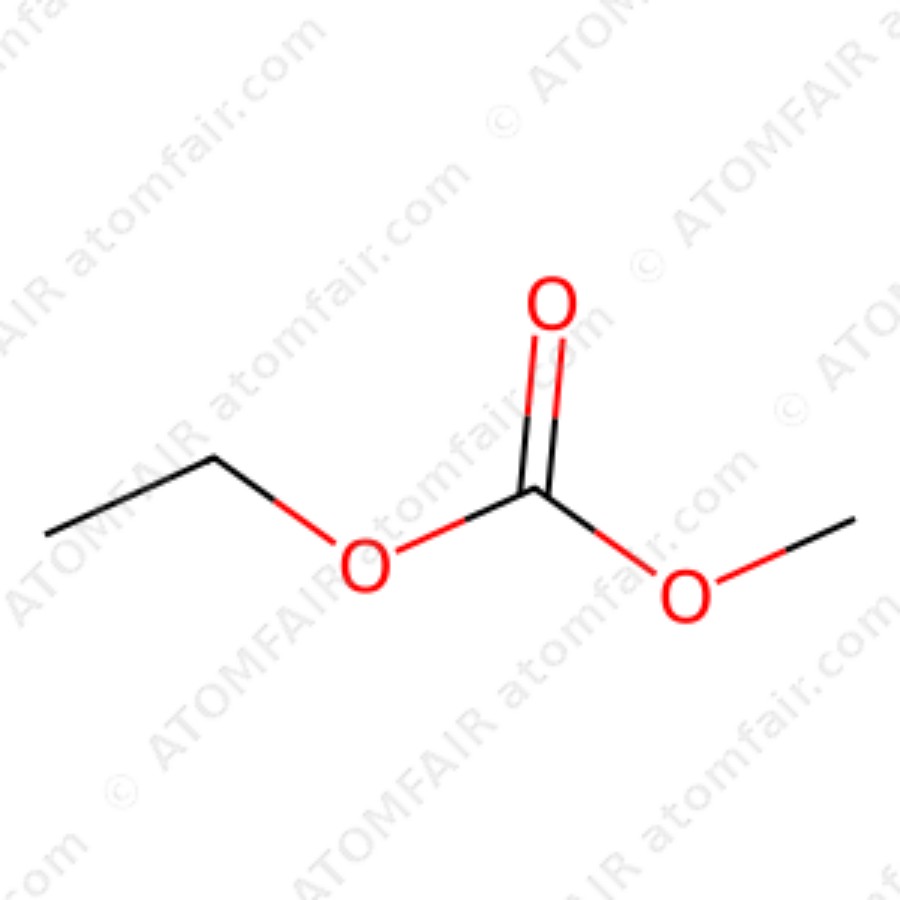
Ethyl Methyl Carbonate 99.95% Battery Grade
Price range: $270.00 through $360.00 -
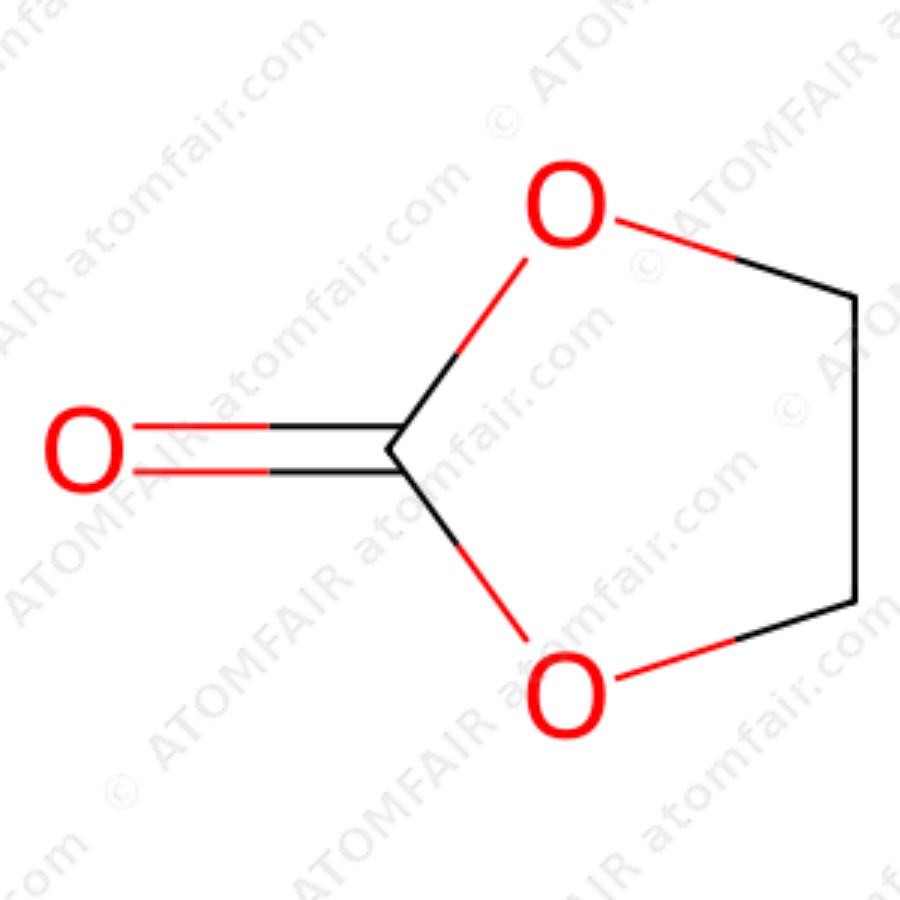
Ethylene Carbonate 99.99% Battery Grade Moisture
Price range: $270.00 through $360.00 -
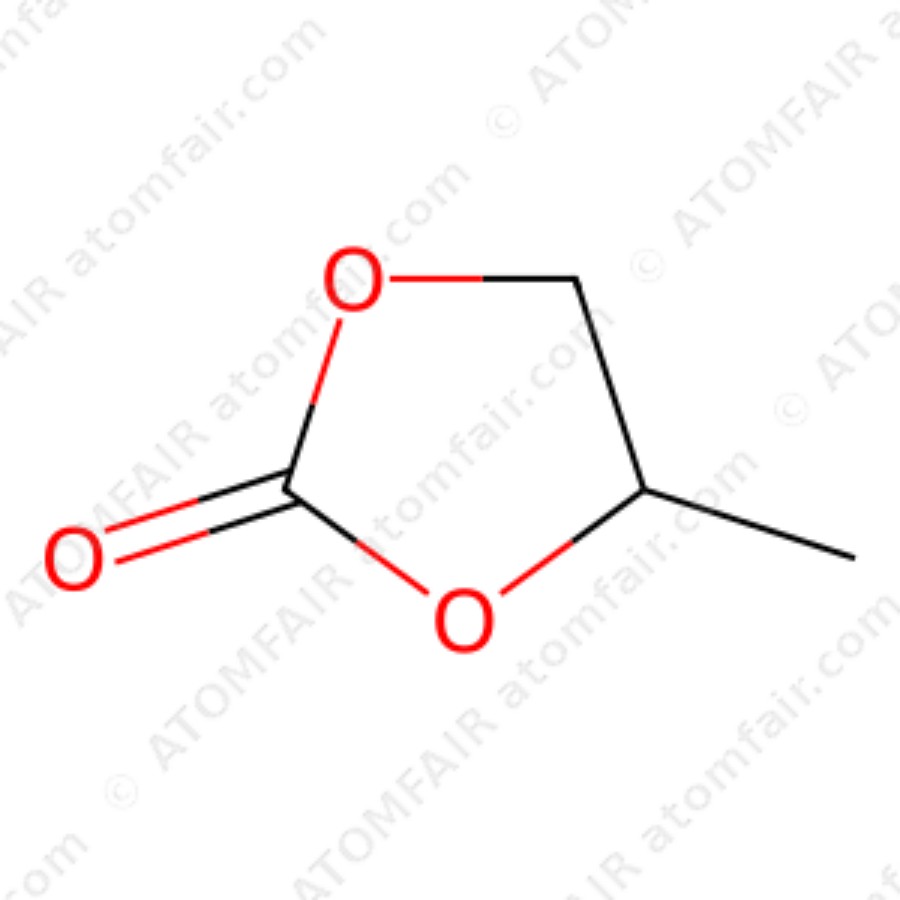
Propylene Carbonate 99.99% Battery Grade 50g
Price range: $226.00 through $244.00