
Nickel & Nickel-Alloy Foams
Nickel & Nickel-Alloy Foams are three-dimensional porous metal materials that combine conductivity, permeability, surface area, and structural support in a single format. They are widely used where a buyer needs a conductive porous substrate rather than a solid metal sheet.
This category includes pure nickel foam, open-cell nickel foam, knitted nickel foam, nickel-based alloy foam, and plated nickel foam formats. The right choice usually depends on the target material system, pore structure, thickness, and end-use environment.
For most projects, selection starts with application intent: electrochemical use, filtration, catalyst support, heat transfer, shielding, or functional porous-metal prototyping. From there, buyers can narrow the product by pore density, porosity, form factor, and material composition.
Show More
Material Family Guide
| Material family | Typical role | Selection focus |
|---|---|---|
| Pure nickel foam | Electrode substrate, porous support, conductive base material | Purity, porosity, thickness, surface condition |
| Open-cell nickel foam | Electrochemical devices, gas and liquid transport, catalyst carrier | PPI, through-pore rate, flow behavior, mechanical stability |
| Knitted nickel foam | Filtering, cushioning, shielding, high-temperature porous structures | Flexibility, thickness, permeability, durability |
| Nickel alloy foam | Specialized electrochemical and functional porous-metal applications | Alloy composition, target chemistry, corrosion behavior |
| Plated nickel foam | Enhanced conductivity or surface-function studies | Base foam, coating layer, adhesion, end-use compatibility |
How to Choose the Right Foam
Pore density, often shown as PPI, is one of the most important selection points. Lower PPI generally means larger pores and easier flow, while higher PPI usually gives a finer pore network and more contact area.
Thickness affects mechanical support, flow resistance, and how the foam behaves in cutting, bonding, pressing, or coating steps. Thin formats are often preferred for compact assemblies, while thicker formats are useful when the foam must provide more structure or buffering.
Porosity, open-pore rate, size format, and surface state also matter. Buyers usually compare these factors together rather than choosing by a single specification.
| Specification | Why it matters | Buyer question to ask |
|---|---|---|
| PPI / pore density | Affects flow, contact area, and overall pore fineness | Do I need finer structure or easier permeability? |
| Porosity | Influences transport, lightweight behavior, and usable volume | Is flow performance or structural support more important? |
| Thickness | Changes handling, mechanical strength, and process compatibility | Will the foam be cut, pressed, welded, or coated? |
| Form factor | Affects downstream fabrication and assembly | Do I need sheets, cut pieces, or larger formats? |
| Material composition | Determines chemical behavior and application fit | Should I use pure nickel or a nickel-based alloy? |
Common Application Paths
Electrochemical use: Nickel foam is often selected as a conductive porous substrate for battery, fuel-cell, and electrolysis research. In these cases, buyers usually prioritize conductivity, pore structure, surface condition, and thickness consistency.
Filtration and separation: The key factors are pore size, permeability, pressure drop, and durability. Open-cell and knitted structures are both used where fluid passage and cleanability matter.
Catalyst support and functional media: High surface area and connected pore networks make nickel foams suitable for catalyst carriers and porous support structures.
Heat transfer, shielding, and functional porous-metal builds: Depending on thickness and structure, nickel foam can support thermal management, shielding, cushioning, and other engineering uses that benefit from a conductive porous matrix.
FAQ
What is the main advantage of nickel foam?
Its core advantage is the combination of conductivity and a three-dimensional porous structure, which makes it useful as a substrate, support, or transport medium.
How do I choose between lower and higher PPI?
Lower PPI usually gives larger pores and easier flow, while higher PPI gives a finer structure and more contact area. The better choice depends on whether your project needs permeability, surface area, or structural balance.
Is pure nickel foam always the best choice?
Not always. Pure nickel is a strong general-purpose option, but nickel-based alloys may be better when the target process needs a different chemical response or surface behavior.
Can nickel foam be used for filtration?
Yes. Nickel foam can be used in filtration and separation applications where a porous conductive structure is helpful. Pore structure, thickness, and pressure drop are the main comparison points.
What should I check before using nickel foam in an electrochemical build?
Check the foam type, pore density, thickness, surface condition, and compatibility with the electrolyte and processing steps. These details have a direct impact on performance and repeatability.
Does thickness matter as much as pore density?
Yes. Thickness affects handling, flow, support strength, and how the foam performs in cutting, coating, pressing, or assembly. It should always be selected together with pore structure.
What is the best way to compare different nickel foam options?
Compare them by material family, PPI, porosity, thickness, size format, and end-use environment. That gives a practical and reliable selection path for most buyers.
Showing 1–16 of 55 results
-
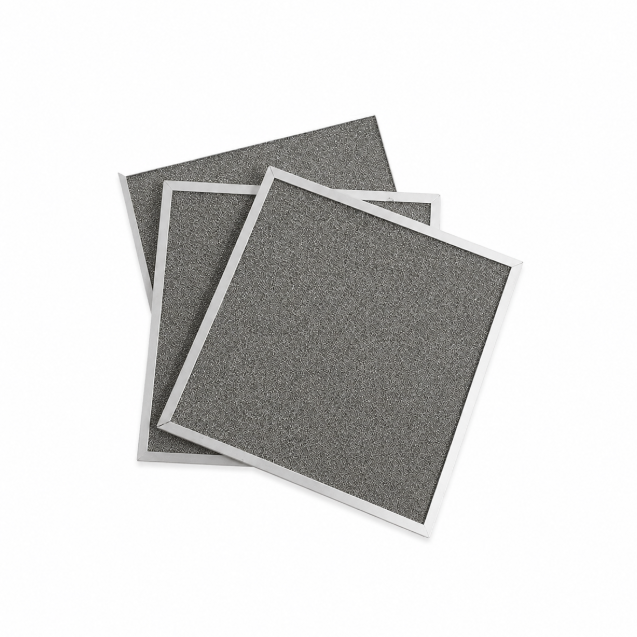
Iron-Nickel Foam Oil Mist Filter 20 PPI 93% ATOMFAIR®
$154.00 -
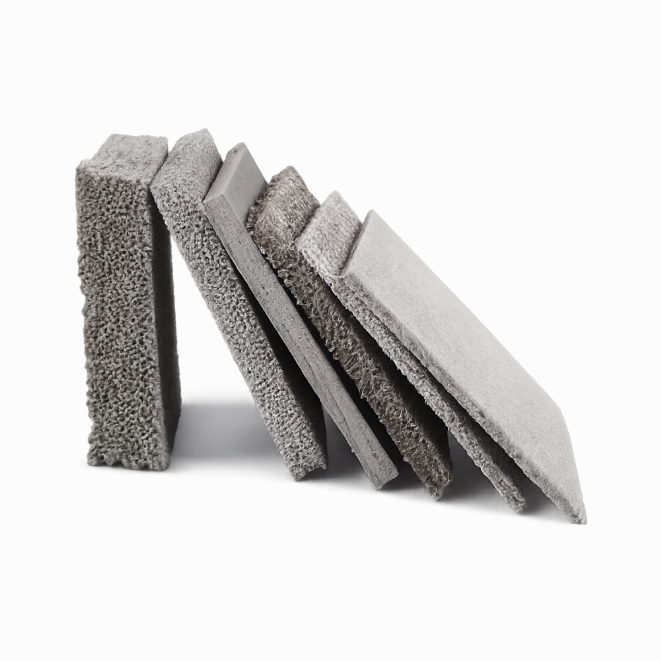
Knitted Nickel Foam 5-130 PPI 98% Open Rate ATOMFAIR®
$59.00 -
Knitted Nickel Foam 60 PPI 900°C Resistant ATOMFAIR®
Price range: $39.00 through $195.00 -
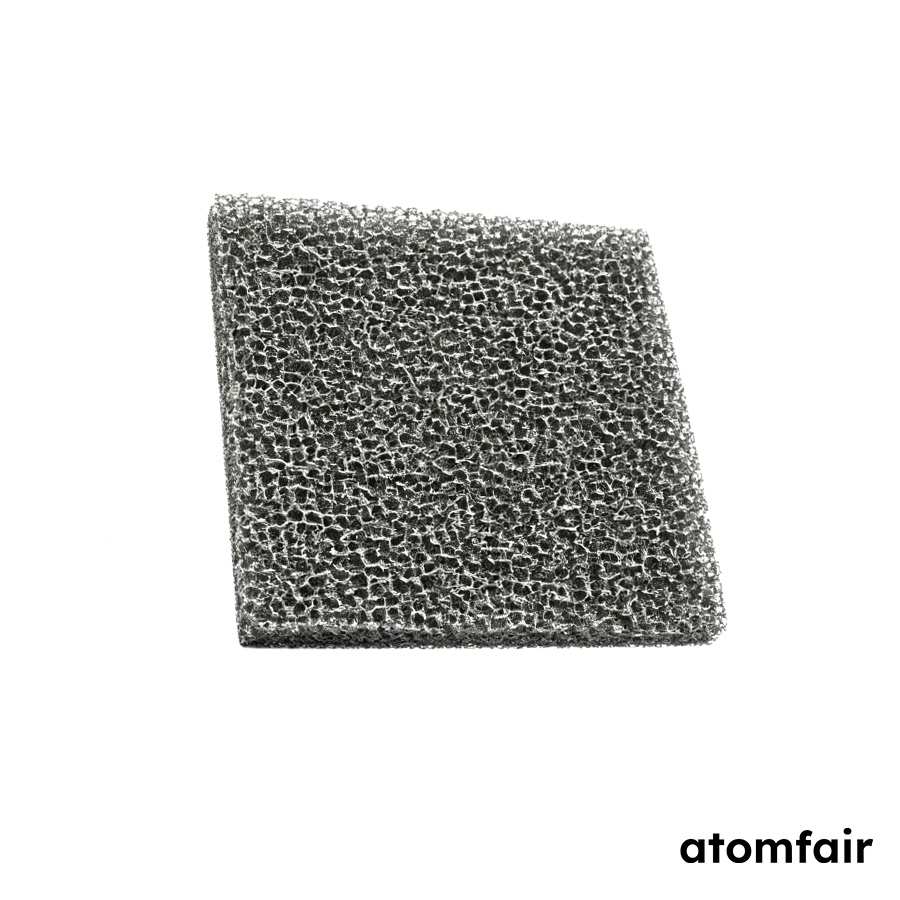
Laboratory Nickel Foam Sheet 40 PPI 100×200×20 mm ATOMFAIR®
Price range: $100.00 through $325.00 -
Nickel Foam 100 PPI 75-80% Porosity 1.6-5mm ATOMFAIR®
Price range: $46.00 through $92.00 -
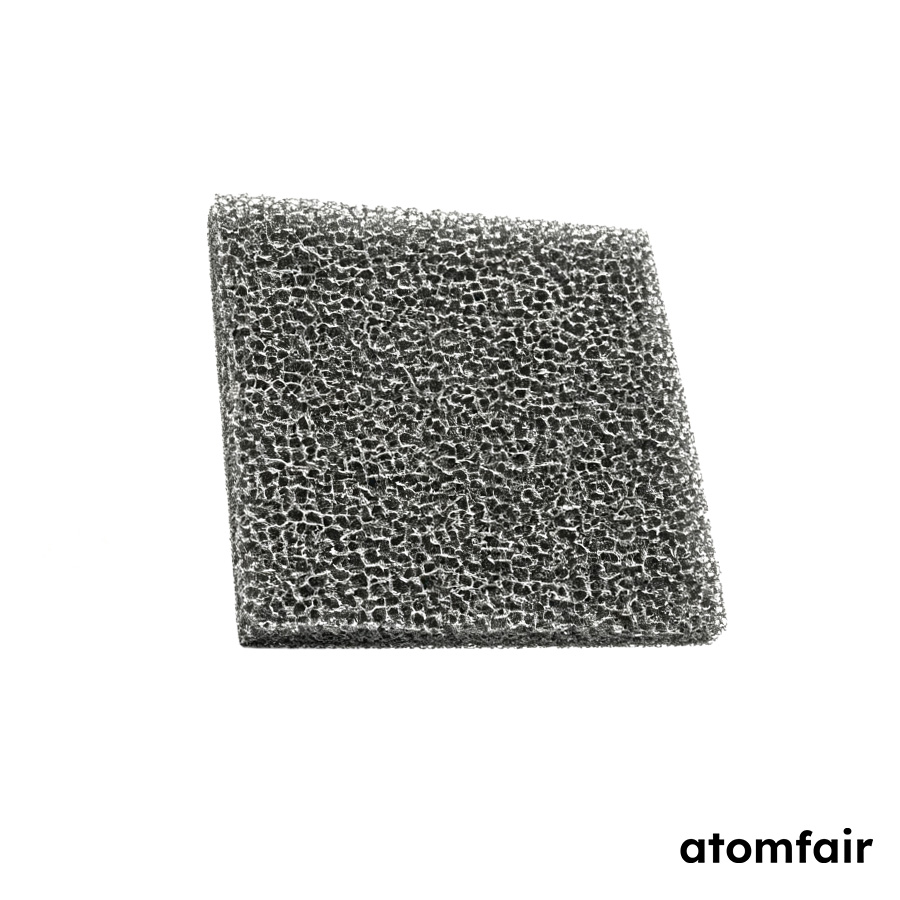
Nickel Foam 110 PPI 100×100×3 mm Research Grade ATOMFAIR®
Price range: $42.00 through $90.00 -
Nickel Foam 45 PPI Fuel Cell Electrode Substrate ATOMFAIR®
Price range: $45.00 through $65.00 -
Nickel Foam 70PPI ≥80% Porosity 10mm Knitted ATOMFAIR®
Price range: $38.00 through $82.00 -
Nickel Foam 99% Ni 40 PPI Open Cell Research Grade ATOMFAIR®
Price range: $37.00 through $54.00 -
Nickel Foam Oil Mist Filter SS Frame 10mm ATOMFAIR®
Price range: $70.00 through $160.00 -
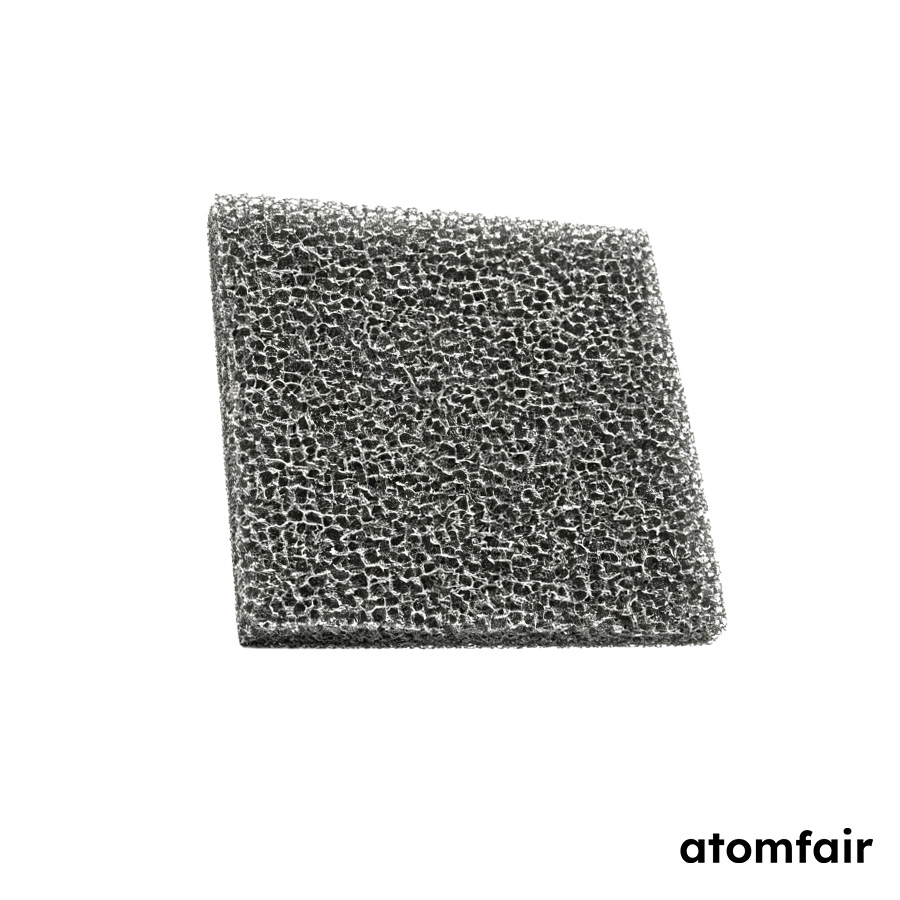
Nickel Foam Open-Cell 40 PPI 100×100×10 mm ATOMFAIR®
Price range: $65.00 through $140.00 -
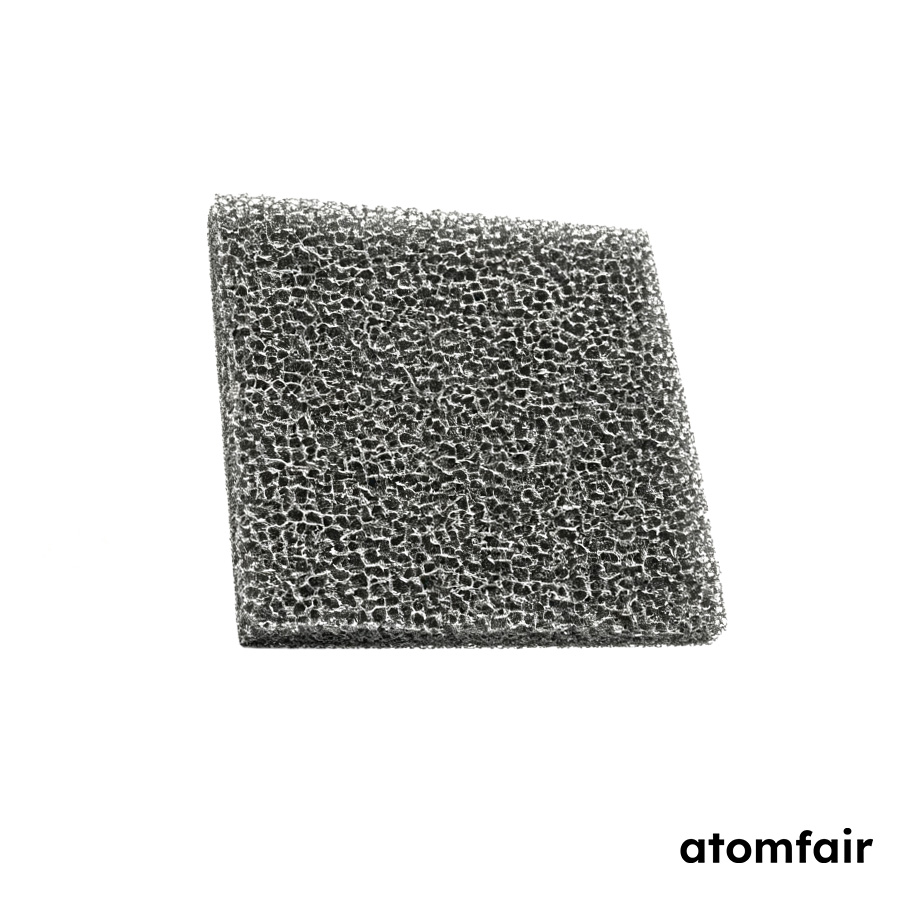
Nickel Foam Sheet 110 PPI 100 × 100 × 5 mm ATOMFAIR®
Price range: $42.00 through $90.00 -
Nickel Foam Sheet 110PPI 70% Porosity 350g/m² ATOMFAIR®
Price range: $39.00 through $57.00 -
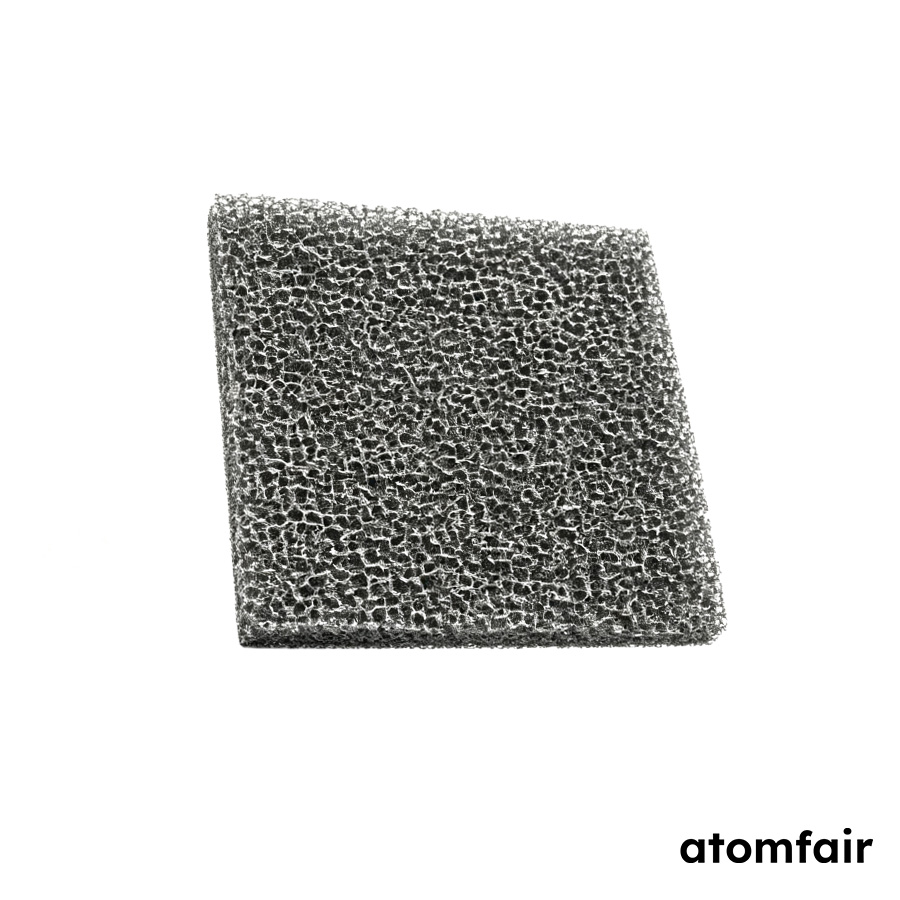
Nickel Foam Sheet 30 PPI 100 × 200 × 10 mm ATOMFAIR®
Price range: $95.00 through $195.00 -
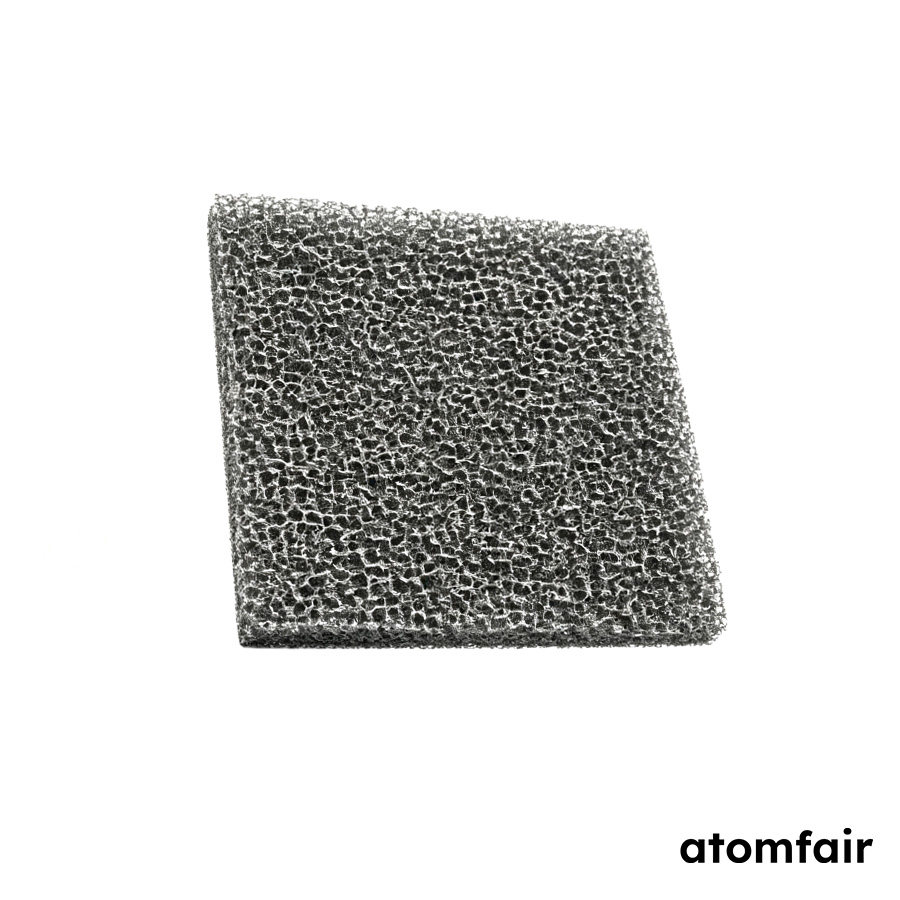
Nickel Foam Sheet 60 PPI 100 × 100 × 10 mm ATOMFAIR®
Price range: $65.00 through $140.00 -
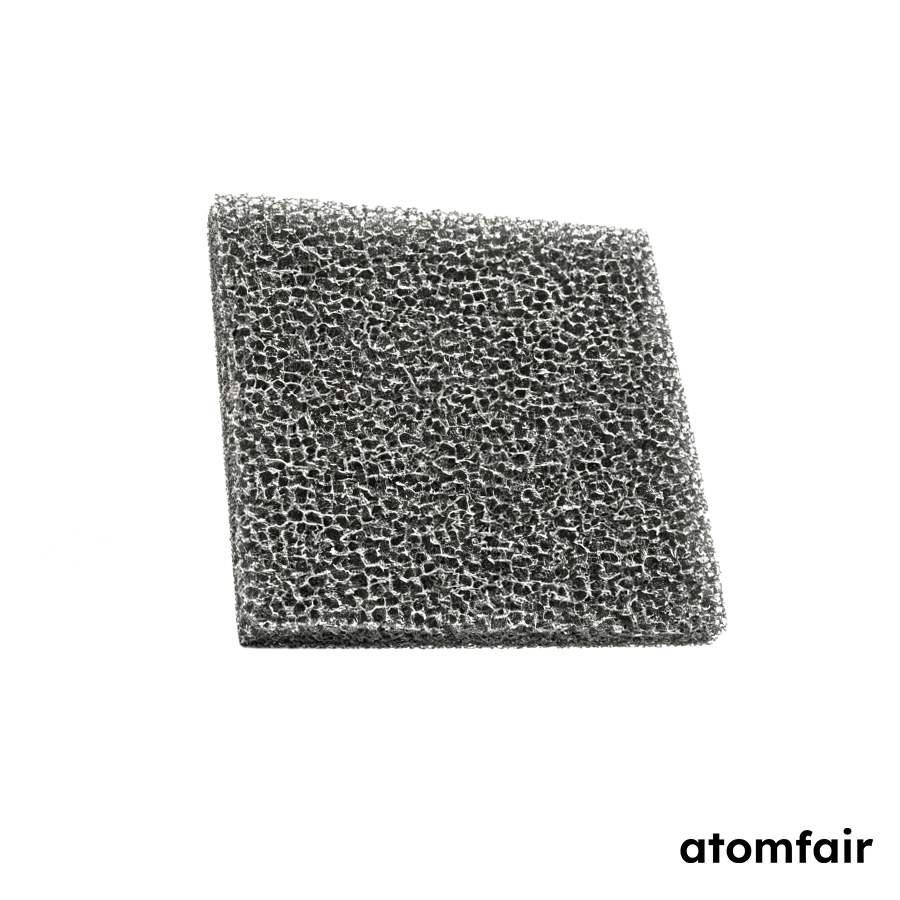
Open-Cell Nickel Foam 110 PPI 100 × 200 × 2 mm ATOMFAIR®
Price range: $58.00 through $125.00