
Sintered Porous Metals & Metal Fiber Felts
Sintered Porous Metals & Metal Fiber Felts are functional materials that combine the strength of metal with an interconnected porous structure. They are widely used for liquid filtration, gas filtration, gas diffusion, fluid distribution, sound attenuation, catalyst support, thermal gas treatment, and high-temperature process systems. Compared with filter paper, polymer membranes, and conventional fiber media, porous metal materials typically offer greater mechanical stability, thermal resistance, cleanability, and potential for repeated use.
This category includes a broad range of porous metal product forms, including sintered porous metal plates, discs, sheets, tubes, cylinders, cups, filter cartridges, diffusers, aeration elements, fluid-distribution components, metal fiber felts, sintered metal fiber felts, laminated metal fiber felts, and pleated metal fiber filtration media. Products can be selected according to material, pore size, filtration rating, porosity, thickness, shape, flow requirement, pressure, temperature, and installation method.
Whether used in laboratory filtration, chemical processing, gas purification, water treatment, food and beverage production, pharmaceutical equipment, biotechnology systems, energy equipment, polymer processing, or high-temperature industrial filtration, sintered porous metals and metal fiber felts provide versatile solutions for systems that require stable pore structure, dependable mechanical strength, and long-term operating capability.
Show More: Sintered Porous Metals & Metal Fiber Felts Product Guide
Main Product Types
| Product Type | Key Features | Common Applications |
|---|---|---|
| Sintered Porous Metal Plates | Stable structure, high strength, and suitable for machining, welding, or equipment integration. | Filtration, fluid distribution, support plates, and internal equipment components. |
| Sintered Porous Metal Discs | Compact formats for small filter assemblies and laboratory systems. | Laboratory filtration, sampling, gas-liquid separation, and compact equipment fixtures. |
| Sintered Porous Metal Tubes & Cylinders | Large filtration area and convenient integration into housings or pipelines. | Liquid filtration, gas filtration, venting, sparging, and fluid distribution. |
| Sintered Porous Metal Cups & Caps | Compact porous components for end filtration, protection, and small assemblies. | Pumps, valves, sensors, and compact filtration devices. |
| Porous Metal Filter Cartridges | Tubular, cylindrical, or assembled structures for continuous process filtration. | Industrial liquid filtration, gas purification, and process protection. |
| Metal Fiber Felts | Fibrous metal media with good permeability and dirt-holding capacity. | Fine filtration, high-flow filtration, and exhaust treatment. |
| Laminated & Sintered Metal Fiber Media | Multi-layer structures designed to balance filtration, support, and flow performance. | High-efficiency filtration, composite filter elements, and process filtration modules. |
| Pleated Metal Fiber Media | Expanded effective filtration area for compact cartridge configurations. | Continuous filtration and high-flow process systems. |
| Porous Metal Spargers & Diffusers | Uniform pore structure for gas dispersion and fluid diffusion. | Aeration, gas-liquid mixing, fermentation, and chemical reaction systems. |
Common Metal Materials
Different metal materials are suitable for different media, temperatures, pressures, and corrosion conditions. Material selection should consider corrosion resistance, mechanical strength, thermal stability, conductivity, cleaning method, and expected service life.
- Stainless Steel Porous Metal: A widely used option for general industrial filtration, laboratory filtration, liquid treatment, gas purification, and cleanable filtration systems.
- Titanium Porous Metal: Suitable for applications requiring strong corrosion resistance, lightweight construction, or performance in selected chemical environments.
- Nickel and Nickel Alloy Porous Metal: Used in selected high-temperature, chemically demanding, or specialized process environments.
- Copper and Bronze Porous Materials: Commonly used in pneumatic components, lubrication, sound attenuation, flow control, and selected liquid-filtration systems.
- FeCrAl Metal Fiber Felt: Often selected for high-temperature oxidation environments and selected exhaust or thermal-treatment systems.
- Other Specialty Alloys: Can be selected according to the working medium, temperature, pressure, and corrosion requirements.
Choose by Porous Structure
Sintered powder porous metals generally provide high rigidity, dimensional stability, and self-supporting strength. They are suitable for fixed-shape components such as filter plates, discs, tubes, cups, cartridges, and diffuser elements.
Metal fiber felts are made from fine metallic fibers and are often selected for higher permeability, greater dirt-holding capacity, and adaptable flow performance. They can be processed into sheets, rolls, discs, laminated media, pleated cartridges, and composite filtration structures.
- For fixed geometry and higher mechanical strength, sintered porous metal is often a suitable choice.
- For larger filtration area and lower flow resistance, metal fiber felt or pleated structures may be preferred.
- For uniform gas dispersion, porous metal diffusers and aeration elements are commonly used.
- For repeated cleaning and long-term use, material, pore structure, and cleaning compatibility should be reviewed together.
- For integration into existing equipment, dimensions, thickness, connections, and sealing requirements should be confirmed before selection.
Key Selection Parameters
| Selection Parameter | What to Consider |
|---|---|
| Filtration Rating or Pore Size | Required particle retention and acceptable flow resistance. |
| Porosity & Permeability | The balance among filtration performance, flow rate, and pressure drop. |
| Material | Compatibility with liquids, gases, solvents, acids, alkalis, and cleaning media. |
| Shape & Dimensions | Whether plates, discs, tubes, cartridges, felts, or custom shapes fit the equipment. |
| Thickness | Mechanical support, filtration path, and available installation space. |
| Working Pressure | Normal operating pressure, pressure cycling, backwashing, and backblowing conditions. |
| Working Temperature | Continuous operating temperature, peak temperature, and thermal cycling conditions. |
| Cleaning Method | Backwashing, backblowing, ultrasonic cleaning, chemical cleaning, or replacement cycle. |
| Connection Method | Welding, brazing, bonding, clamping, threaded connections, or flange installation. |
| Service Cycle | Single-use, scheduled replacement, or long-term reusable operation. |
Typical Application Areas
Sintered porous metals and metal fiber felts are suitable for systems requiring filtration, diffusion, flow distribution, or structural support, including:
- Chemical process filtration
- Petrochemical and specialty chemical systems
- Water treatment and liquid purification
- Gas filtration and gas purification
- Food and beverage processing
- Pharmaceutical and biotechnology equipment
- Laboratory and research systems
- Battery, fuel-cell, and energy applications
- Polymer melt filtration
- High-temperature gas and exhaust treatment
- Catalyst support and reactor components
- Fluid distribution and gas-liquid mixing
- Fermentation, aeration, and gas diffusion
- Pump, valve, tank, and pipeline protection
- Pneumatic sound attenuation and flow control
- Vacuum equipment and venting components
Customization Options
Porous metal products can be selected or customized to match equipment design and process requirements. Common configuration options include:
- Metal material and alloy system
- Pore size, filtration rating, and porosity
- Plate, disc, tube, cylinder, cartridge, or felt configuration
- Length, width, diameter, and thickness
- Single-layer, multi-layer, gradient, or composite structures
- Flat, pleated, rolled, or formed media structures
- Welded, brazed, bonded, threaded, or flanged connections
- Surface treatment and edge finishing
- Filtration, diffusion, aeration, or fluid-distribution functions
For custom requirements, providing the working medium, target filtration rating or pore size, flow rate, pressure, temperature, preferred material, product dimensions, and installation method helps support more accurate product selection.
Frequently Asked Questions
What is sintered porous metal?
Sintered porous metal is a porous metallic material made by forming and sintering metal powder, metal particles, wire mesh, or other metallic media. Its interconnected pore structure supports functions such as filtration, diffusion, fluid distribution, and mechanical support.
What is metal fiber felt?
Metal fiber felt is a porous filtration material made from fine metallic fibers. It typically offers good permeability, high dirt-holding capacity, and relatively low flow resistance, making it useful for fine filtration, high-flow filtration, exhaust treatment, and composite filter elements.
What is the difference between sintered porous metal and metal fiber felt?
Sintered porous metal is generally more rigid and structurally strong, making it suitable for plates, discs, tubes, and fixed-shape filter elements. Metal fiber felt is usually more permeable and adaptable, making it suitable for sheets, pleated cartridges, laminated media, and larger-area filtration structures.
How do I choose the right pore size or filtration rating?
Selection should consider the particle size to be removed, required flow rate, media viscosity, acceptable pressure drop, and cleaning method. A finer pore size generally improves particle retention but may increase flow resistance and clogging risk. A coarser pore size generally supports higher flow and longer service intervals.
Which metal material is suitable for my application?
Stainless steel is suitable for many general filtration and industrial applications. Titanium is often selected when stronger corrosion resistance or lightweight construction is needed. Nickel and nickel alloys may be used for selected high-temperature or corrosive conditions. Copper, bronze, and other alloys can be appropriate for specific pneumatic, lubrication, sound attenuation, conductive, or chemical applications.
Can porous metal filter media be cleaned and reused?
Many sintered porous metal products and selected metal fiber felt products can be maintained through backwashing, backblowing, ultrasonic cleaning, chemical cleaning, or thermal treatment. The appropriate cleaning method depends on retained contaminants, material, pore structure, and operating environment.
How do I choose among plates, discs, tubes, cartridges, and metal fiber felts?
Plates and discs are suitable for laboratory equipment, support structures, and compact filter assemblies. Tubes and cylinders are suitable for pipelines and filter housings. Cartridges are often used for higher flow and continuous processing. Metal fiber felts are useful where larger filtration area, higher permeability, or pleated structures are required.
Can porous metal be used in high-temperature environments?
Porous metals generally offer better thermal resistance than polymer filtration materials, but the actual operating temperature depends on the metal alloy, atmosphere, pressure, mechanical load, and thermal cycling conditions. Temperature resistance, oxidation resistance, corrosion resistance, and structural stability should all be considered together.
Can porous metal products be made to custom dimensions?
Yes. Porous metal plates, discs, tubes, cylinders, filter cartridges, diffusers, and metal fiber felts can be selected or customized by material, pore size, dimensions, thickness, shape, and connection method. Drawings, sample dimensions, or equipment installation requirements can help define the appropriate product structure.
Showing 1–16 of 40 results
-
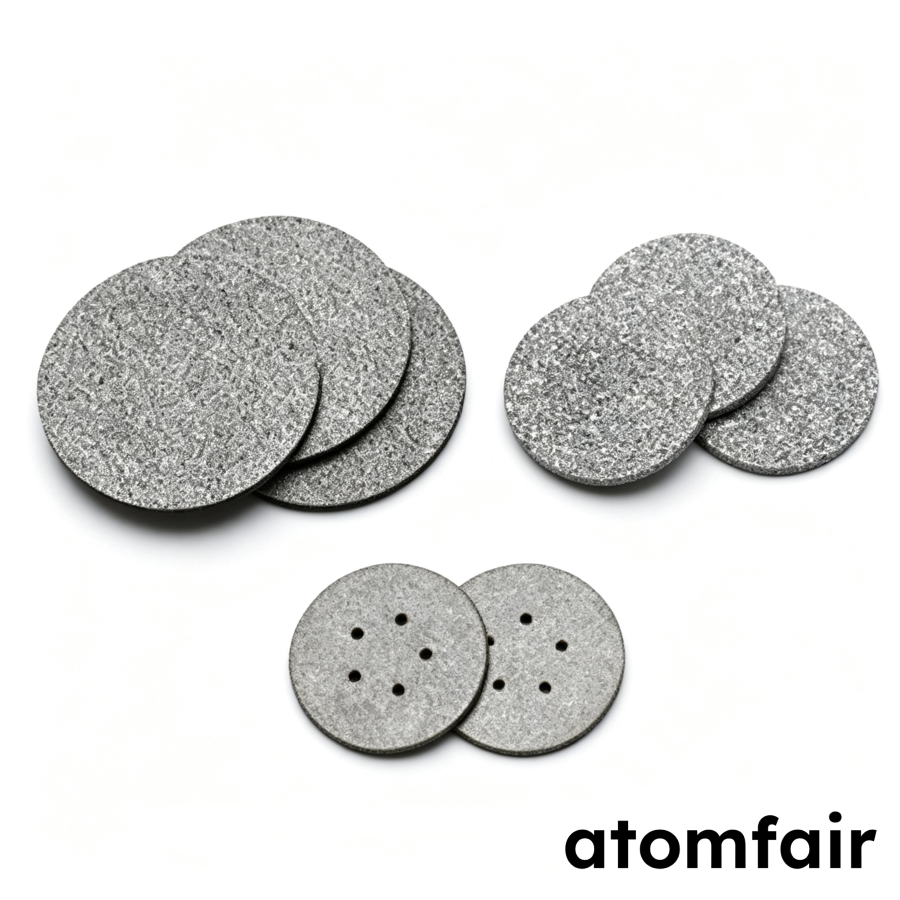
316L Sintered Filter Plate 100μm 110PPI Ø50×5mm ATOMFAIR®
Price range: $55.00 through $148.00 -
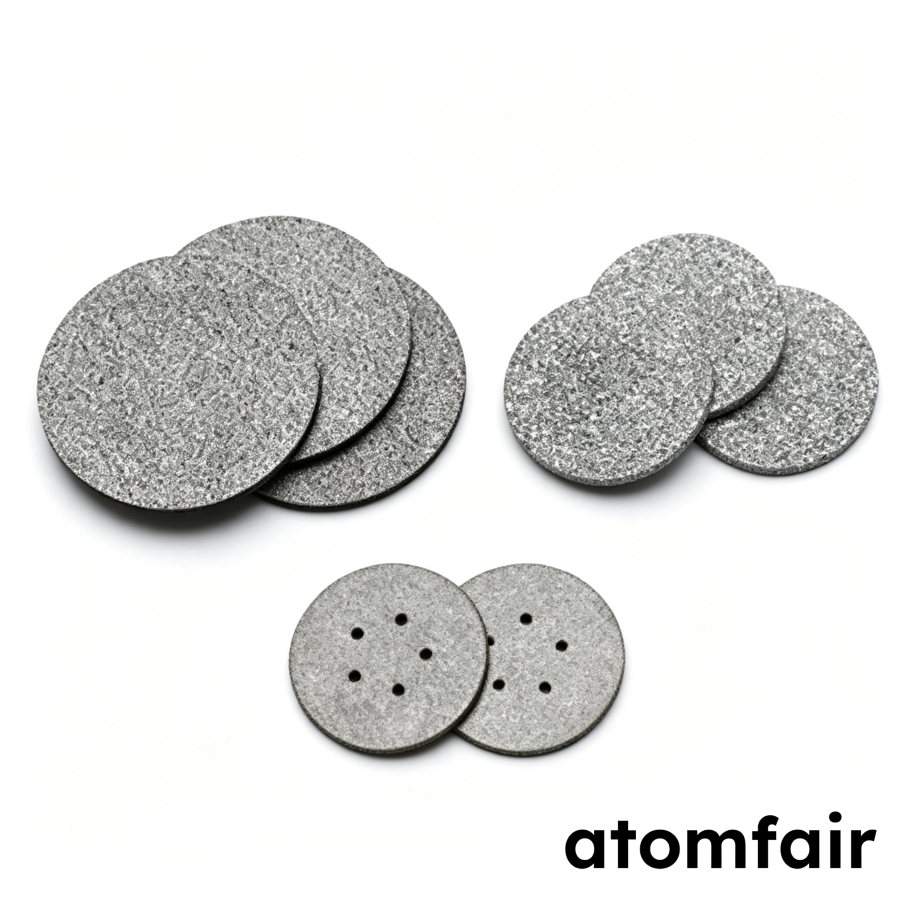
316L Sintered Filter Plate 100μm 20PPI Ø30×3mm ATOMFAIR®
Price range: $70.00 through $100.00 -
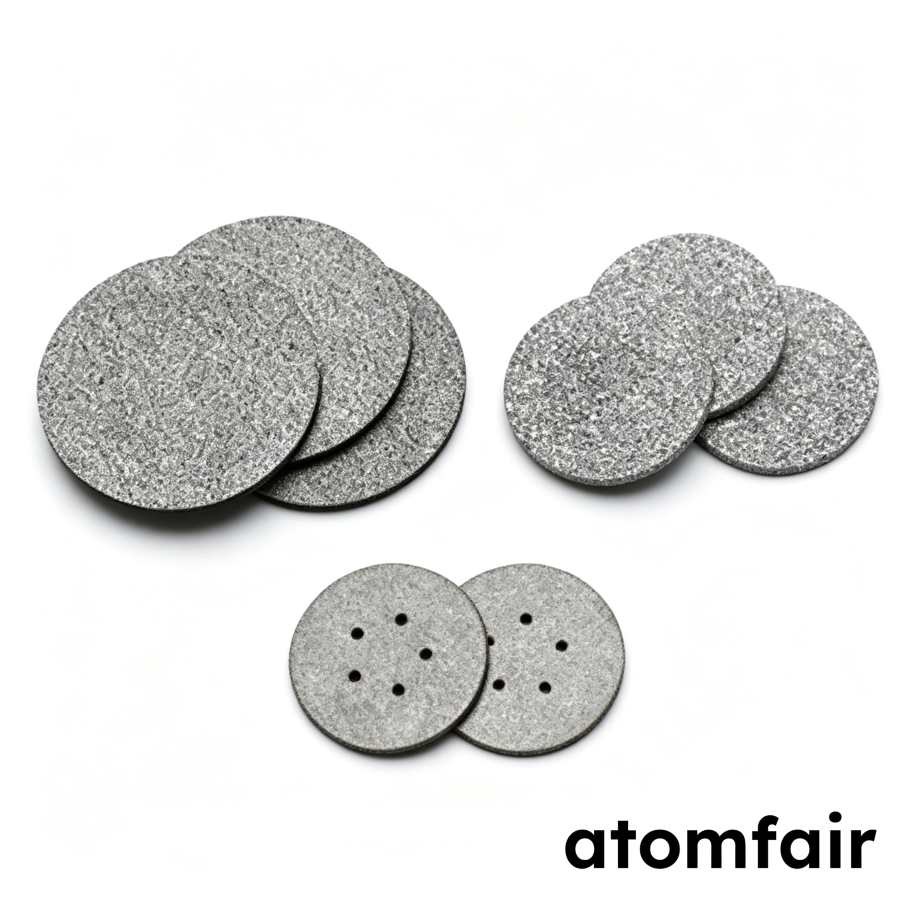
316L Sintered Filter Plate 100μm Ø100×25mm ATOMFAIR®
Price range: $170.00 through $290.00 -
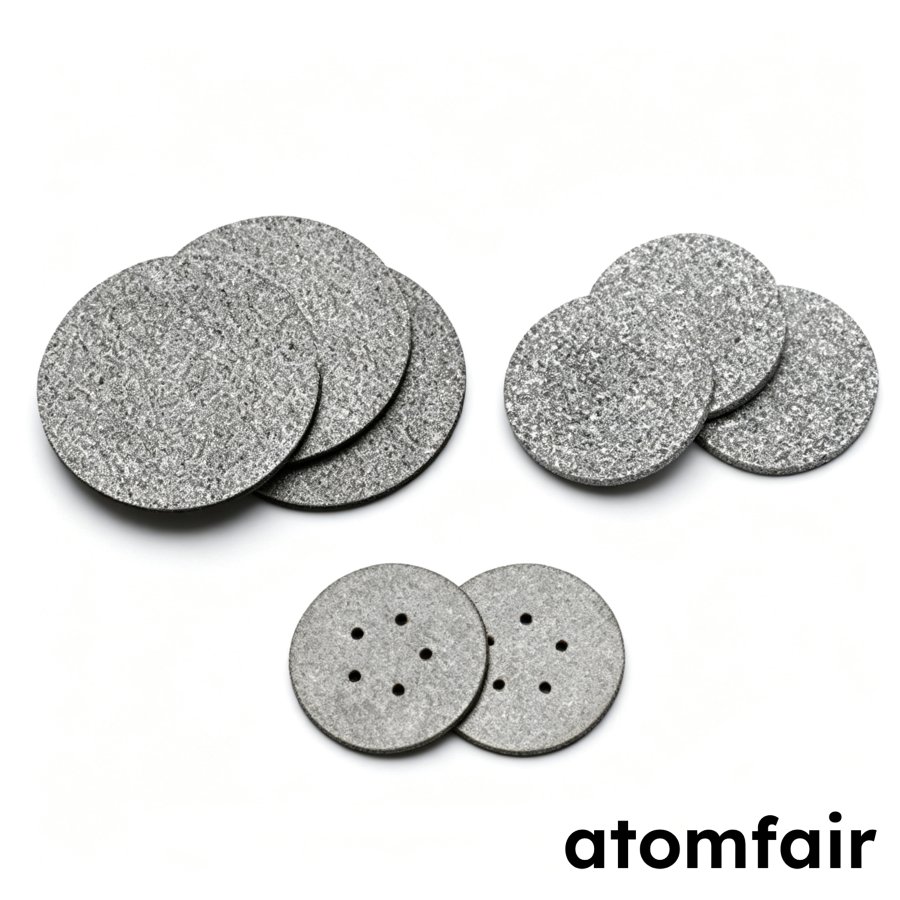
316L Sintered Filter Plate 100μm Ø20×5 mm ATOMFAIR®
Price range: $58.00 through $73.00 -
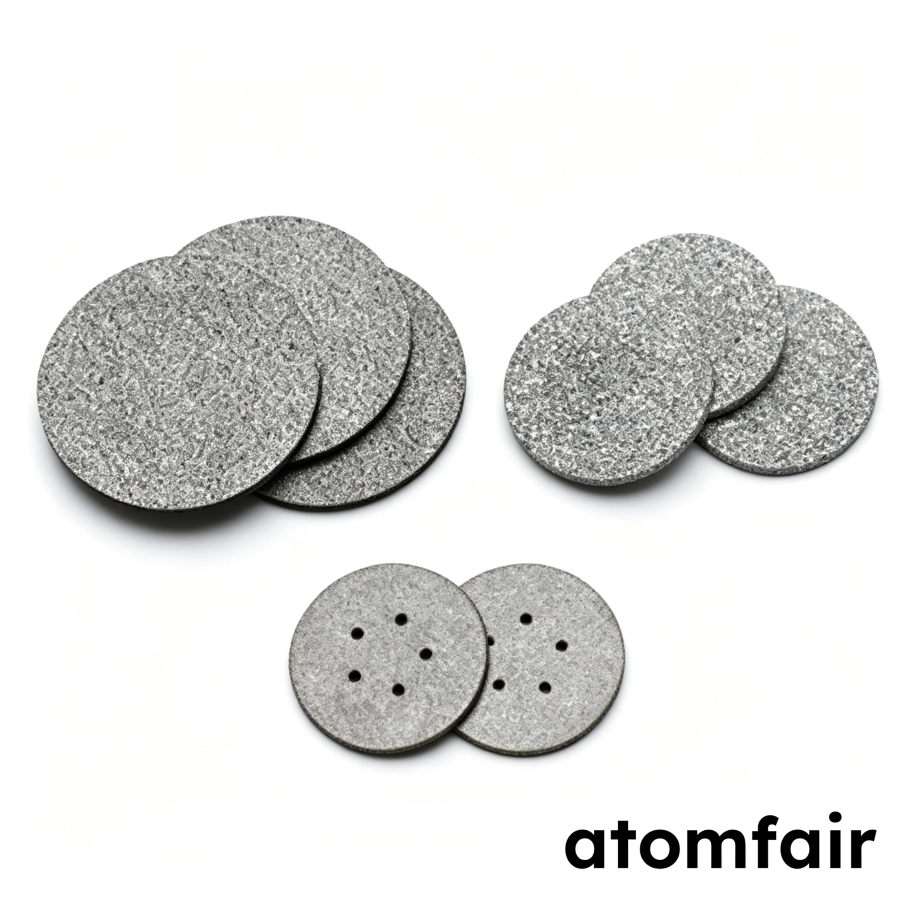
316L Sintered Filter Plate 100μm Ø50×5mm 30 PPI ATOMFAIR®
Price range: $55.00 through $148.00 -
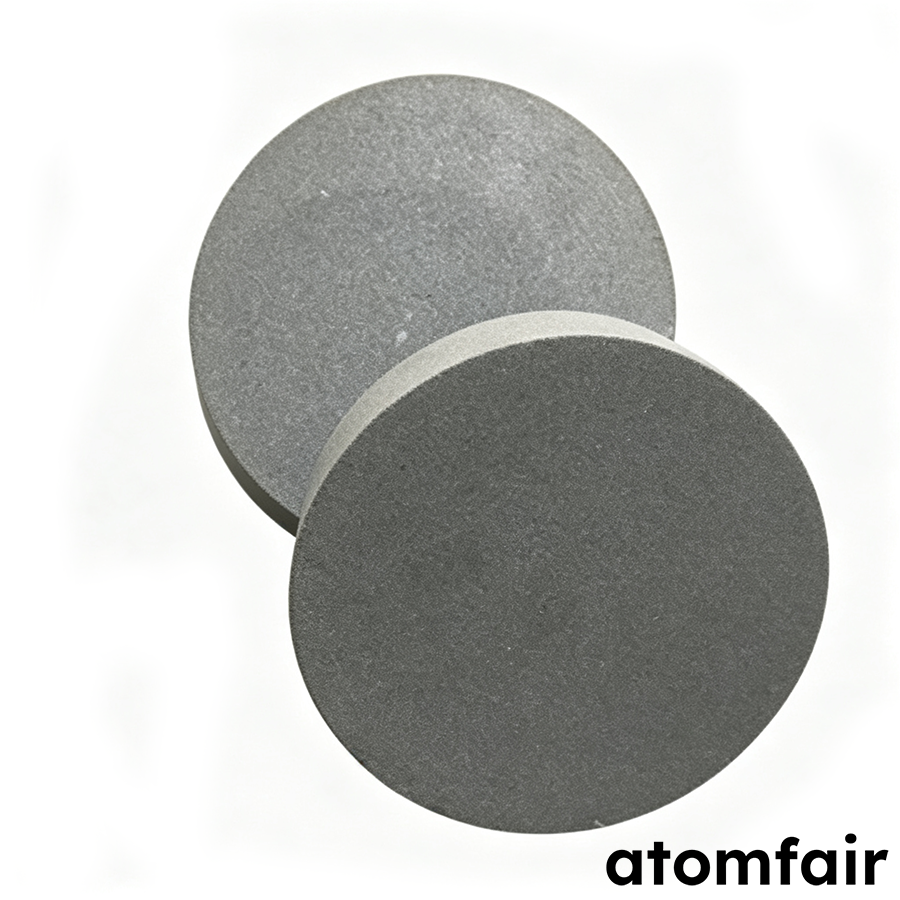
316L Sintered Filter Plate 20μm 110 PPI Ø30×3mm ATOMFAIR®
Price range: $70.00 through $100.00 -
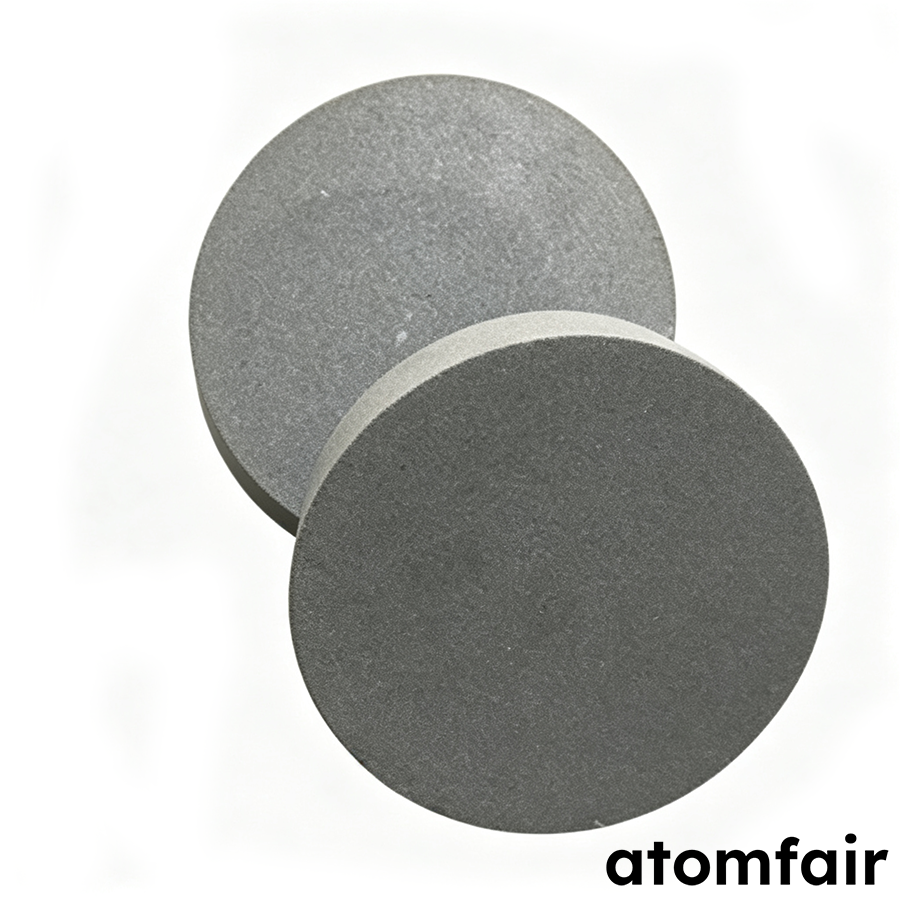
316L Sintered Filter Plate 20μm 20 PPI Ø30×3mm ATOMFAIR®
Price range: $70.00 through $100.00 -
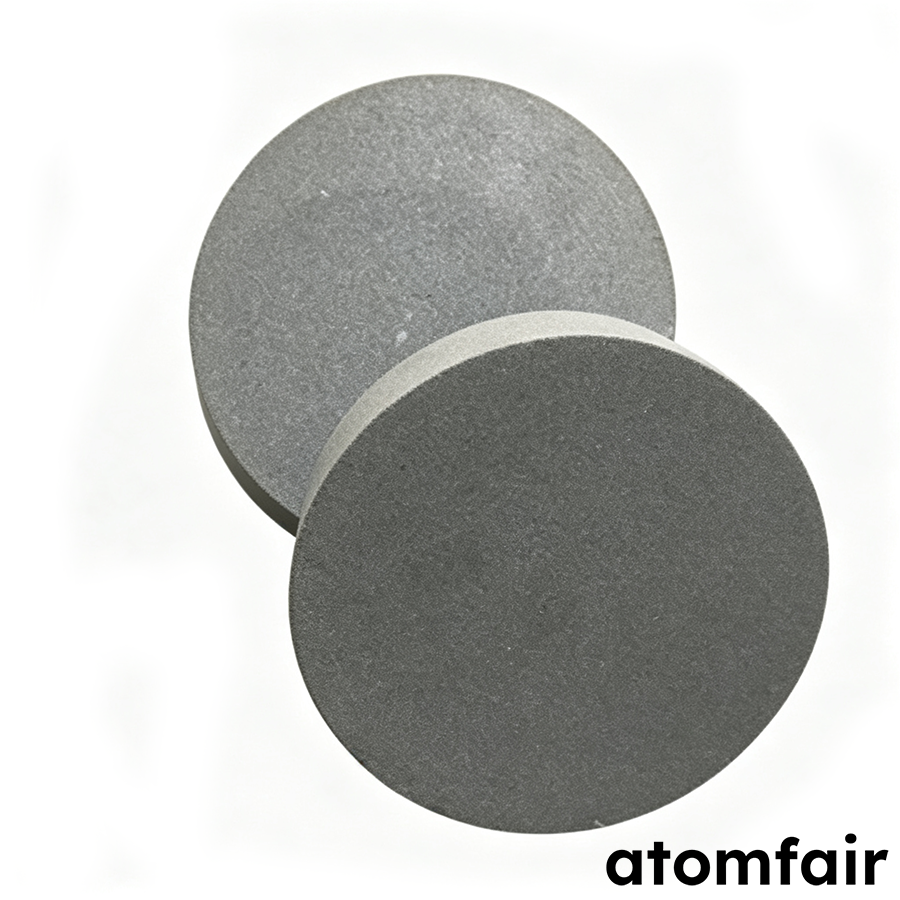
316L Sintered Filter Plate 20μm Ø100×25 mm ATOMFAIR®
Price range: $170.00 through $290.00 -
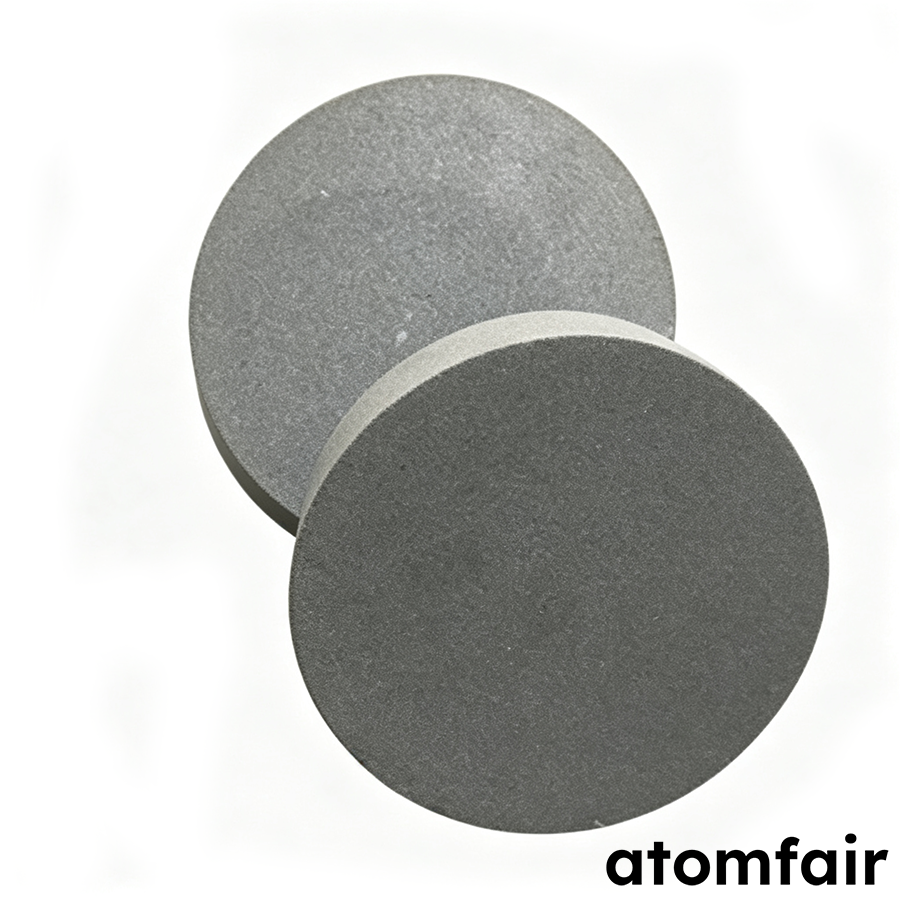
316L Sintered Filter Plate 20μm Ø100×25mm ATOMFAIR®
Price range: $170.00 through $290.00 -
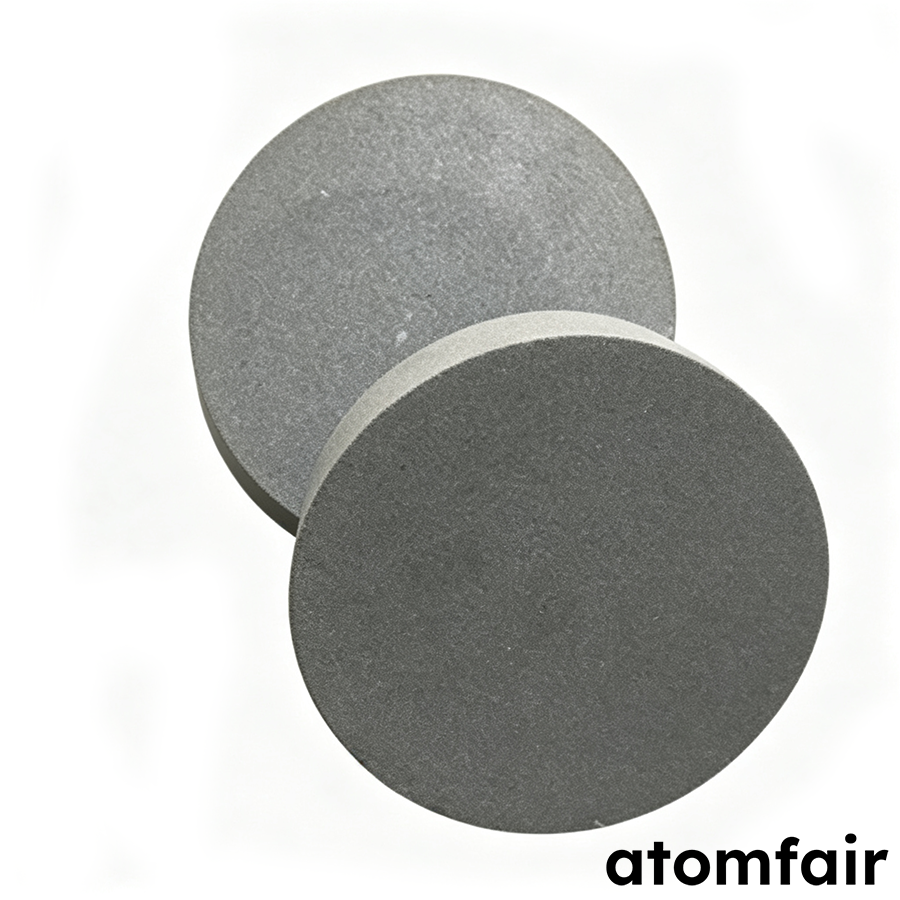
316L Sintered Filter Plate 20μm Ø50×5 mm, ATOMFAIR®
Price range: $55.00 through $148.00 -
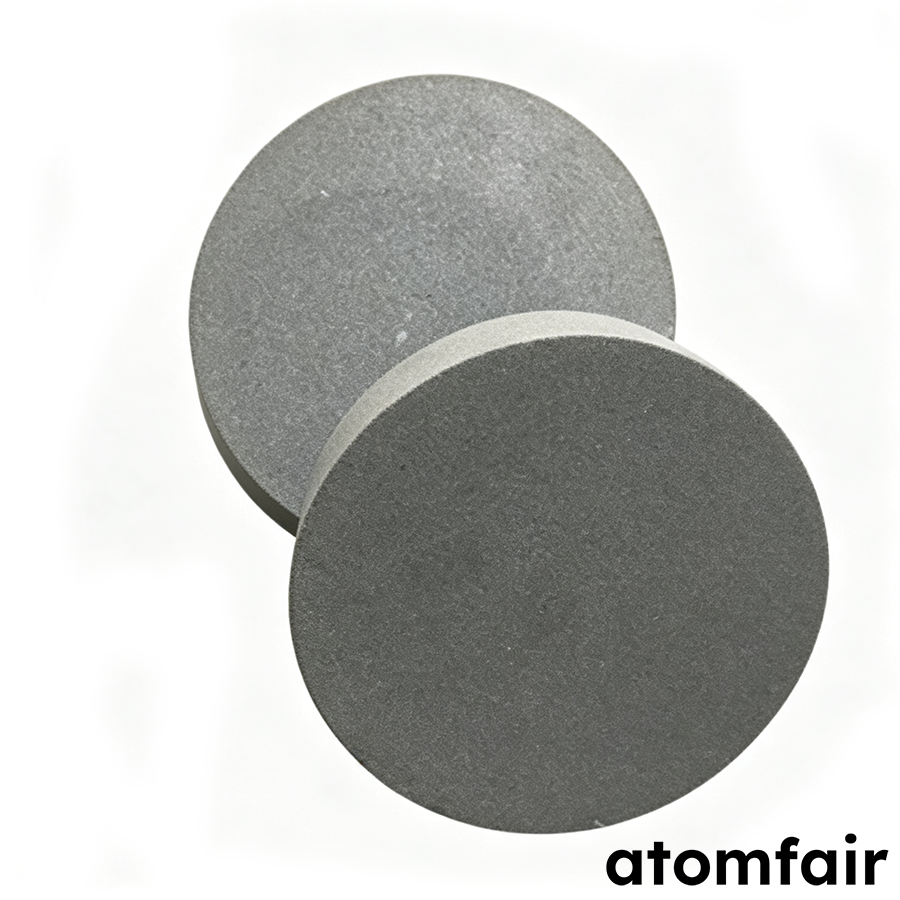
316L Sintered Filter Plate 20μm Ø50×5mm 110 PPI ATOMFAIR®
Price range: $55.00 through $148.00 -
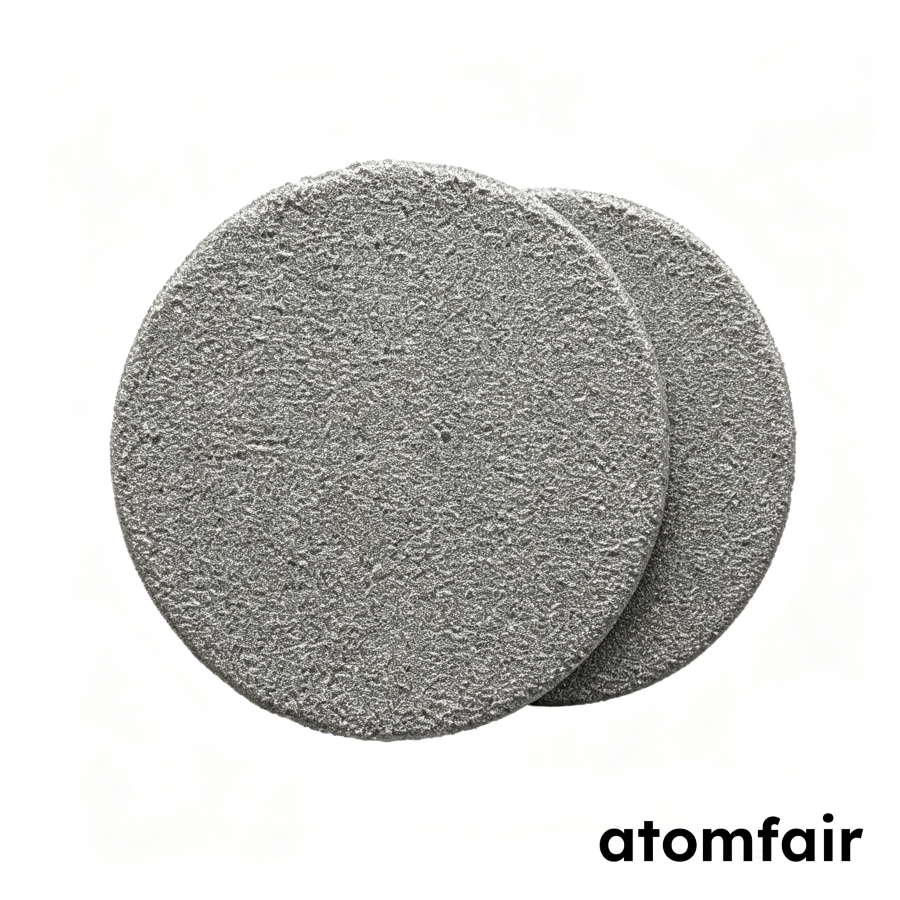
316L Sintered Filter Plate 30μm 110 PPI Ø20×5mm ATOMFAIR®
Price range: $58.00 through $73.00 -
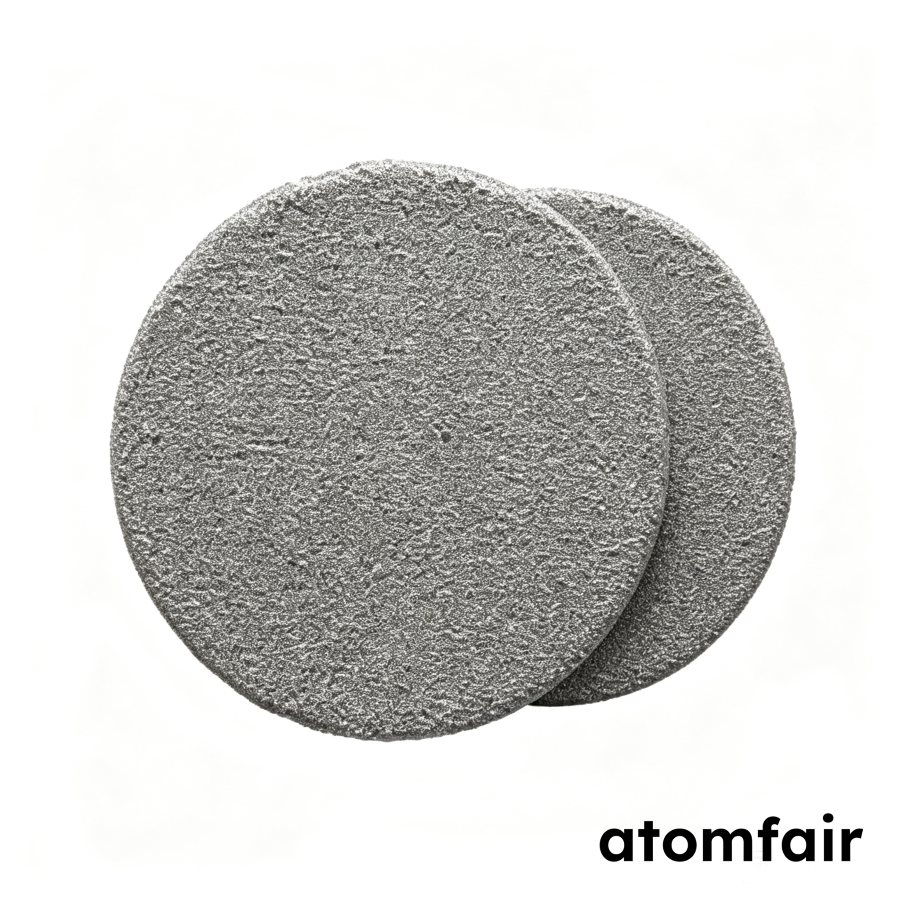
316L Sintered Filter Plate 30μm 20 PPI Ø30×3mm ATOMFAIR®
Price range: $70.00 through $100.00 -
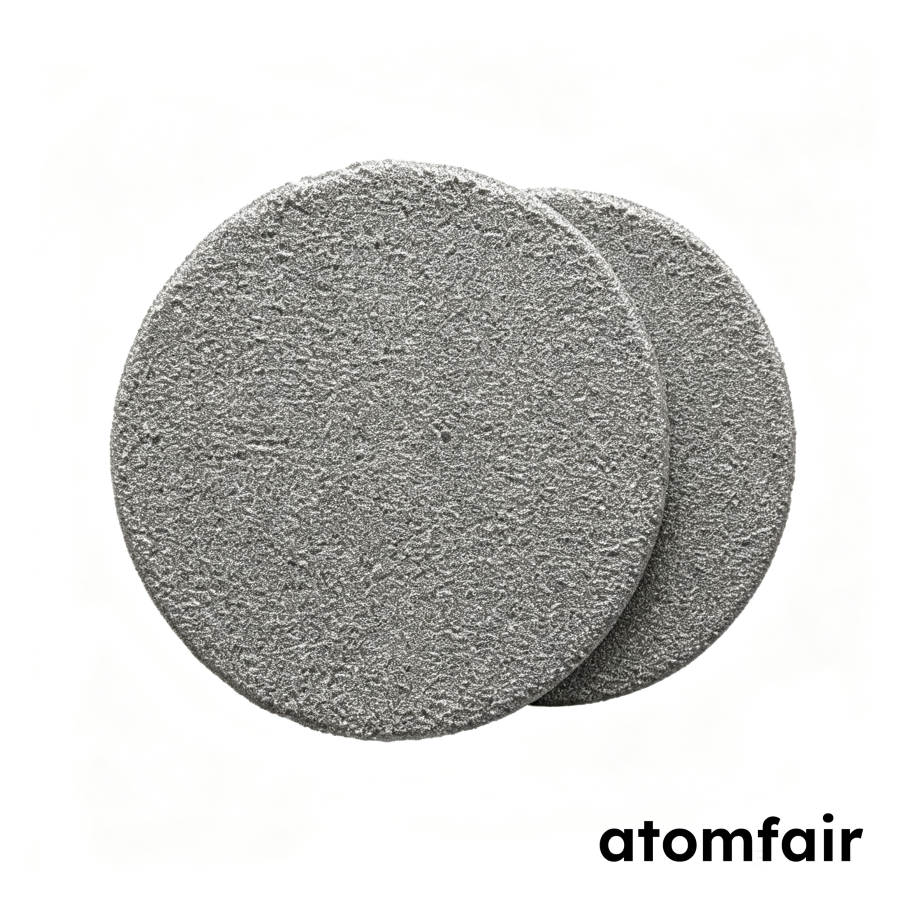
316L Sintered Filter Plate 30μm 30 PPI Ø20×5mm ATOMFAIR®
Price range: $58.00 through $73.00 -
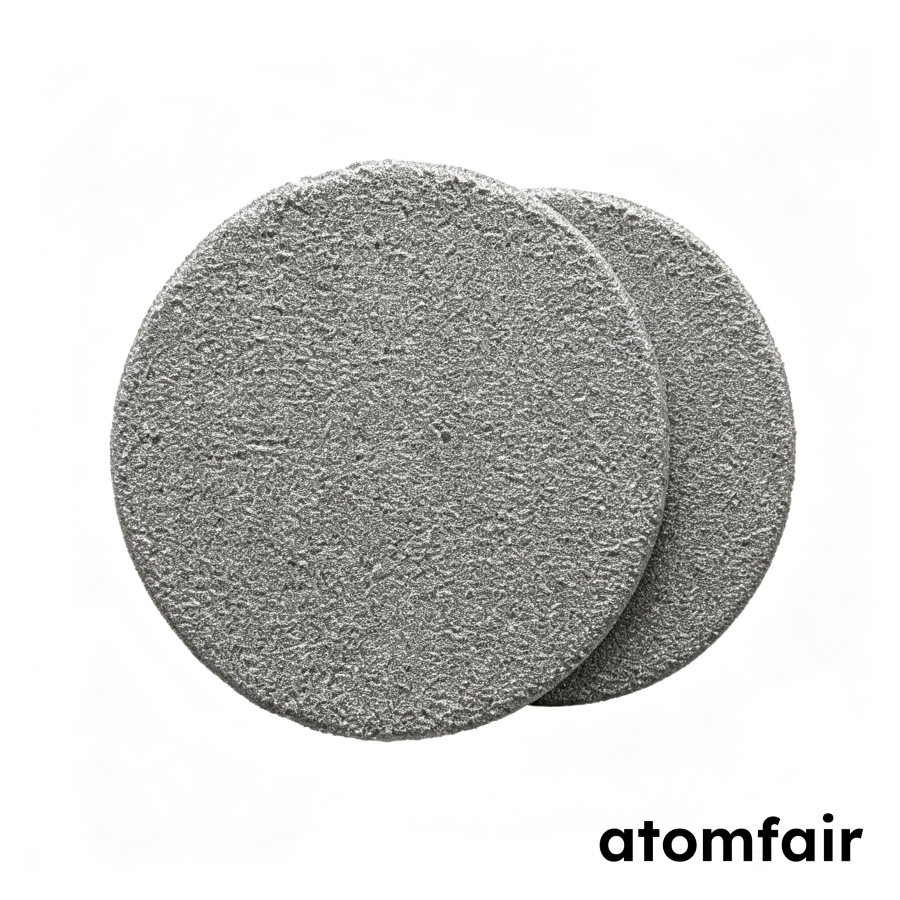
316L Sintered Filter Plate 30μm 30 PPI Ø50×5mm ATOMFAIR®
Price range: $55.00 through $148.00 -
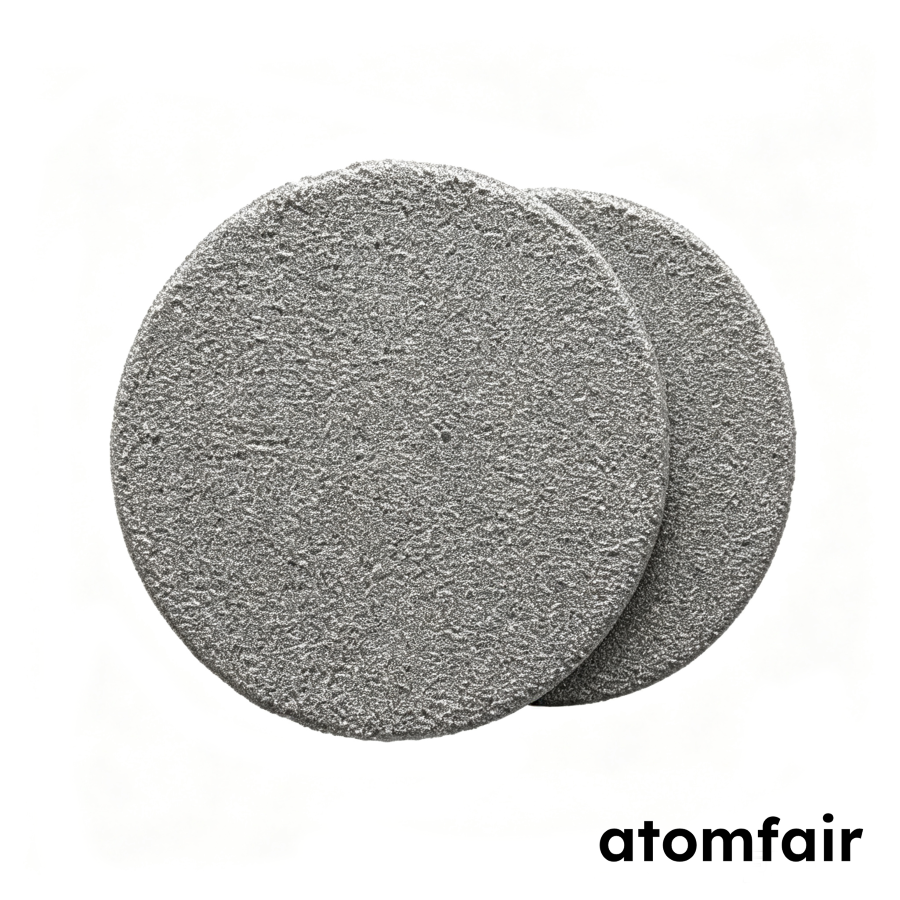
316L Sintered Filter Plate 30μm Ø100×25mm 40ppi ATOMFAIR®
Price range: $170.00 through $290.00