
Electrochemical Cells & Reactors
Electrochemical Cells & Reactors are complete laboratory platforms designed to contain electrodes, electrolytes, reaction gases, membranes, and samples while providing a controlled environment for electrochemical reactions.
This category covers single-chamber, dual-chamber, H-type, three-chamber, flow-through, high-pressure, gas-diffusion, membrane-electrode assembly, solid-electrolyte, and instrument-coupled electrochemical cells and reactors. These products support electrocatalysis, electrolysis, photocatalysis, photoelectrochemistry, gas-liquid-solid reactions, solid-state electrolyte research, and in-situ Raman, IR, UV, XRD, XAFS, SFG, and mass spectrometry studies.
Choose an electrochemical cell according to the reaction type, chamber structure, electrode configuration, pressure, flow requirements, optical or X-ray access, sample size, and compatibility with your external instruments. This category focuses on complete electrochemical cell and reactor bodies. Individual electrodes, sensor probes, instruments, software, seals, tubing, valves, membranes, and replacement parts should be selected from their corresponding categories unless specifically included in the product configuration.
Show More Electrochemical Cells & Reactors
Electrochemical Cell Selection Matrix
Use the matrix below to identify the most suitable product family for your experiment. The final selection should always be confirmed against the detailed product specifications, configuration options, and external equipment requirements.
| Product Type | Suitable Applications | Main Structure or Function | Key Parameters to Confirm | Not a Direct Substitute For |
|---|---|---|---|---|
| Conventional Single-Chamber Cell | Cyclic voltammetry, constant-potential testing, constant-current testing, EIS, corrosion, and basic electrocatalysis. | One shared electrolyte chamber for two-electrode or three-electrode testing. | Chamber volume, electrode ports, reference-electrode position, working area, and chemical compatibility. | Experiments requiring separated products or independently controlled reaction environments. |
| Three-Electrode Cell | Electrocatalysis, electrochemical materials research, and experiments requiring working-electrode potential control. | Separate working, counter, and reference electrode positions. | Reference-electrode access, electrode spacing, working area, and counter-electrode position. | Simple complete-device or full-cell output testing where a reference electrode is unnecessary. |
| Two-Electrode Cell | Battery studies, complete electrolysis devices, full-cell testing, and overall device performance evaluation. | Working and counter electrodes form a complete electrochemical circuit. | Electrode size, current path, electrode gap, and effective reaction area. | Detailed working-electrode potential analysis requiring a reference electrode. |
| Dual-Chamber Cell | Separated anodic and cathodic environments, product separation, and membrane research. | Two independent chambers separated by a membrane or divider. | Chamber volume, membrane position, liquid ports, gas ports, and electrode arrangement. | Simple experiments using one shared electrolyte chamber. |
| H-Type Cell | Membrane separation, product collection, ion transport, and electrochemical reaction studies. | Two reaction chambers connected through a central section or membrane. | Connection channel, membrane size, liquid level, electrode distance, and gas ports. | Short-gap or high-current-density MEA testing. |
| Three-Chamber Reactor | Experiments requiring clearly separated working, counter, and reference-electrode regions. | Separate working-electrode, counter-electrode, and reference-electrode zones. | Chamber volumes, membrane structure, flow paths, and electrode distances. | Small-volume, quick-assembly basic testing. |
| Membrane-Separated Cell | Ion exchange, membrane transport, separated products, and divided electrolysis. | Ion-exchange membrane or separator between reaction areas. | Membrane material, thickness, active area, sealing, and replacement method. | Experiments that do not require separation and may be affected by membrane blockage. |
| Sealed Electrochemical Cell | Volatile solvents, controlled atmospheres, moisture-sensitive reactions, and sealed testing. | Sealed chamber with optional valves and gas connections. | Seal material, gas fittings, pressure limit, chamber volume, and assembly method. | Continuous-flow experiments requiring constant inlet and outlet operation. |
| Vacuum Electrochemical Cell | Degassing, vacuum operation, low-pressure atmospheres, and controlled-gas experiments. | Cell body with vacuum or atmosphere-exchange ports. | Vacuum capability, valves, seals, chamber volume, and gas compatibility. | Standard experiments performed in an open laboratory atmosphere. |
| High-Pressure Electrochemical Cell | High-pressure gas reactions, pressure-dependent electrocatalysis, photocatalysis, and sealed systems. | Pressure-rated chamber, sealing system, valves, and optional observation window. | Maximum working pressure, chamber volume, window rating, valves, and seals. | Ordinary atmospheric-pressure electrolyte testing. |
| High-Pressure Dual-Chamber Cell | Membrane-separated or independently controlled reactions under pressure. | Dual chambers combined with pressure-rated sealing and membrane separation. | Pressure balance, membrane, pressure rating, gas and liquid connections. | Simple single-chamber pressure experiments. |
| Flow Electrochemical Cell | Continuous liquid supply, product removal, online sampling, and long-duration experiments. | Liquid passes continuously through a defined reaction channel. | Flow range, channel size, inlet and outlet positions, pressure, and dead volume. | Static immersion or intermittent small-volume testing. |
| Microfluidic Electrochemical Cell | Low-volume samples, rapid mass transfer, and small-scale reaction studies. | Small channels, low dead volume, and compact reaction area. | Channel width, chamber thickness, minimum flow, and clogging risk. | Large-volume electrolyte or large-area electrode testing. |
| Gas Diffusion Electrochemical Cell | CO2 reduction, nitrogen reduction, gas electrodes, and gas-liquid-solid reactions. | Gas reaches the reaction interface through a gas diffusion electrode or gas channel. | Gas channel, liquid path, diffusion-electrode size, reaction area, and flooding control. | Fully immersed liquid-phase experiments without gas supply. |
| Gas Diffusion FlowCell | Continuous gas and liquid supply for stable three-phase reactions. | Separate or combined gas and liquid flow channels with a gas diffusion electrode. | Gas flow, liquid flow, pressure, flow-field design, reaction area, and sealing. | Basic testing without external gas or liquid supply. |
| MEA Electrolysis Cell | Membrane-electrode assemblies, electrolyzers, and short-gap electrolysis studies. | Electrode, membrane, and flow-field layers compressed into a compact assembly. | Active area, membrane, electrode gap, flow field, compression, and sealing. | Traditional H-type experiments requiring large liquid chambers. |
| Solid-Electrolyte Cell | Solid electrolytes, solid-state ion transport, gas-solid interfaces, and solid-state electrochemistry. | Layered or compression-based structure for positioning solid samples and electrodes. | Sample dimensions, thickness, compression, contact area, seals, and gas interface. | Ordinary liquid-electrolyte immersion testing. |
| Photocatalytic Electrochemical Cell | Photocatalysis, photoelectrocatalysis, light-assisted electrolysis, and semiconductor electrode research. | Reaction chamber with quartz, sapphire, glass, or other optical window. | Window material, optical area, light direction, electrode distance, and gas or liquid access. | Dark electrochemical testing without light exposure. |
| In-Situ Raman Cell | Real-time observation of electrodes, interfaces, intermediates, and reaction changes. | Raman window positioned close to the working electrode. | Window diameter, working-electrode distance, optical path, and instrument clearance. | Offline analysis before or after testing only. |
| In-Situ IR Cell | Infrared absorption, interfacial species, reaction intermediates, and IR-coupled electrochemistry. | Internal-reflection, external-reflection, flow, or pressure-rated IR structure. | Window material, reflection mode, electrode position, gas ports, and flow path. | Cells without a compatible infrared optical path. |
| In-Situ XRD Cell | Structural changes during battery cycling or electrochemical reactions. | X-ray window, thin reaction region, and fixed sample position. | X-ray window, beam direction, sample distance, and instrument space. | Large-volume liquid reactions without X-ray access. |
| XAFS or XAS Reactor | X-ray absorption measurements, gas reactions, catalyst studies, and oxidation-state analysis. | X-ray window, gas ports, controlled chamber, and optional electrochemical layout. | Window material, window angle, gas flow, sample position, and chamber volume. | Standard electrochemical tests without X-ray access. |
| DEMS or Mass-Spectrometry Cell | Gas-product analysis during electrochemical reactions. | Flow cell with gas-permeable or hydrophobic membrane interface. | Sampling membrane, gas path, liquid path, dead volume, sealing, and mass-spectrometer interface. | Experiments requiring only current and potential measurements. |
| Modular Electrochemical Cell | Research programs requiring interchangeable windows, flow paths, electrodes, or chamber configurations. | Replaceable modules and configurable testing modes. | Interchangeable components, interface compatibility, assembly method, and maintenance requirements. | A single fixed experiment with no configuration changes. |
Main Product Families
Conventional Electrochemical Cells
Conventional electrochemical cells are suitable for cyclic voltammetry, constant-potential testing, constant-current testing, electrochemical impedance spectroscopy, corrosion studies, electrocatalysis, and material screening. Available designs may include single-chamber, two-electrode, three-electrode, low-volume, sealed, or modular configurations.
Dual-Chamber, H-Type, and Membrane-Separated Cells
These cells separate anodic and cathodic reaction environments and are useful when products, electrolytes, gases, or electrode conditions must be kept apart. They are commonly selected for membrane studies, divided electrolysis, ion transport, product collection, and independent gas or liquid management.
High-Pressure, Vacuum, and Sealed Cells
High-pressure, vacuum, and sealed electrochemical cells are designed for controlled atmospheres, pressure-dependent reactions, volatile solvents, gas-involved electrochemistry, photocatalysis, and moisture-sensitive experiments. Confirm the complete working configuration, because pressure capability depends on the chamber, seals, valves, windows, membranes, and flow conditions.
Flow Cells and Flow Reactors
Flow electrochemical cells support continuous liquid supply, gas delivery, product removal, online sampling, and long-duration testing. Product selection should consider flow rate, channel dimensions, inlet and outlet positions, allowable pressure, dead volume, sealing, and compatibility with external pumps or flow controllers.
Gas Diffusion, PEC, and MEA Cells
Gas diffusion, photoelectrochemical, and membrane-electrode assembly cells are intended for gas-liquid-solid interfaces and controlled mass transport. Typical applications include CO2 reduction, nitrogen reduction, gas electrodes, metal-air systems, photoelectrocatalysis, water electrolysis, and membrane-electrode assembly evaluation.
Solid-Electrolyte Cells
Solid-electrolyte cells use compression, layered, or sandwich structures to hold solid electrolytes and electrodes in a controlled position. Important parameters include sample size, sample thickness, compression method, electrode contact area, gas-solid interface, sealing, and glovebox compatibility.
In-Situ and Instrument-Coupled Cells
Instrument-coupled cells are selected according to the external measurement method. Raman, IR, UV, XRD, XAFS, SFG, DEMS, and mass-spectrometry cells require the correct window material, beam path, sample position, working-electrode distance, flow path, and instrument clearance.
Quick Selection Guide
| Your Main Requirement | Recommended Product Family | First Parameters to Check |
|---|---|---|
| Basic CV, EIS, or electrocatalysis | Single-chamber three-electrode cell | Electrode ports, chamber volume, reference-electrode position, and material compatibility. |
| Separated anode and cathode environments | Dual-chamber, H-type, or membrane-separated cell | Membrane, chamber volume, liquid ports, gas ports, and electrode arrangement. |
| CO2 reduction or gas-electrode testing | Gas diffusion cell or GDE FlowCell | Gas channel, liquid path, reaction area, electrode size, flow, and flooding control. |
| Continuous liquid supply and product removal | Flow electrochemical cell | Flow rate, channel, inlet and outlet, pressure, and external pump compatibility. |
| High-pressure or controlled-gas testing | High-pressure, vacuum, or sealed cell | Working pressure, vacuum capability, seals, valves, chamber volume, and window rating. |
| Solid electrolyte research | Solid-electrolyte electrochemical cell | Sample dimensions, compression, electrode contact, sealing, and glovebox use. |
| Light-assisted electrochemistry | Photocatalytic or photoelectrochemical cell | Optical window, light path, electrode position, gas access, and pressure. |
| Raman, IR, UV, XRD, or XAFS testing | Technique-specific in-situ or coupled cell | Window material, optical or X-ray path, instrument model, sample position, and electrode distance. |
| Gas-product analysis by mass spectrometry | DEMS or electrochemical mass-spectrometry cell | Sampling membrane, gas path, liquid path, dead volume, and mass-spectrometer interface. |
Purchase Checklist
Before ordering an electrochemical cell or reactor, prepare the following information:
- Electrolyte, solvent, gas, or reaction medium.
- Single-chamber, dual-chamber, H-type, three-chamber, flow, or gas-diffusion structure.
- Two-electrode or three-electrode configuration.
- Working-electrode, counter-electrode, and reference-electrode dimensions.
- Sample shape, effective reaction area, and installation method.
- Required chamber volume and liquid capacity.
- Required gas inlet, gas outlet, vacuum, or pressure connection.
- Required liquid circulation, continuous flow, or online sampling.
- Gas type, gas flow rate, liquid flow rate, and operating pressure.
- Required membrane, separator, or membrane-electrode assembly.
- Required optical, infrared, ultraviolet, Raman, XRD, or XAFS window.
- External instrument model and beam or sample-stage dimensions.
- Glovebox, dry-room, vacuum, or controlled-atmosphere assembly requirements.
- Expected operating temperature, pressure, and experiment duration.
- Whether customized chamber, flow-field, window, electrode position, or interface dimensions are required.
Frequently Asked Questions
I only need cyclic voltammetry and EIS. Which electrochemical cell should I choose?
For ordinary liquid-electrolyte testing, a conventional single-chamber three-electrode cell is usually the most practical starting point. Confirm the working-electrode, counter-electrode, and reference-electrode ports, chamber volume, material compatibility, and connection method to your potentiostat.
Should I choose a two-electrode or three-electrode cell?
Choose a three-electrode cell when you need to control or analyze the working-electrode potential separately. Choose a two-electrode cell for complete battery, full-cell, electrolyzer, or overall device performance testing where a separate reference electrode is not required.
What is the main difference between a single-chamber and dual-chamber cell?
A single-chamber cell places the electrodes in one shared reaction environment and is generally simpler to operate. A dual-chamber cell separates the anodic and cathodic sides and is more suitable for product separation, membrane studies, different electrolytes, or independently controlled gas and liquid conditions.
I am working on CO2 reduction. Can I use a standard electrochemical cell?
If CO2 is simply dissolved in the electrolyte, a conventional cell may be suitable. If CO2 must be continuously supplied to a gas diffusion electrode for a three-phase reaction, choose a gas diffusion electrochemical cell or GDE FlowCell with the correct gas channel, liquid path, reaction area, and flow connections.
Does a gas diffusion cell include the gas diffusion electrode?
Configuration varies by product. Some products provide the complete cell body while the gas diffusion electrode must be prepared or purchased separately. Confirm the included components, electrode dimensions, gas fittings, and flow-control requirements before ordering.
Should I choose a flow cell or a conventional cell for continuous liquid supply?
Choose a flow cell when you need continuous liquid supply, continuous product removal, online sampling, or stable long-duration operation. A conventional single-chamber cell is generally more suitable for static or intermittent experiments.
Do I need an H-type cell or a dual-chamber cell when using a membrane?
Both may be suitable, but the structures are not identical. Compare the membrane area, chamber volumes, liquid paths, electrode spacing, gas connections, and product-collection method. Choose the design that matches your actual membrane and flow configuration.
Is a higher pressure rating always better?
No. The pressure rating must match the actual reaction pressure, chamber volume, window, membrane, sealing system, and flow conditions. A higher maximum rating does not automatically provide better results for an experiment that operates at ordinary pressure.
Can a high-pressure electrochemical cell also be used for vacuum experiments?
Do not assume that pressure capability means vacuum capability. Confirm that the product specifically supports vacuum operation, vacuum sealing, and the required valve configuration. Positive-pressure performance and vacuum performance are different specifications.
How do I choose the material of an electrochemical cell?
Material selection depends on the electrolyte, solvent, gas, temperature, pressure, and optical requirements. Titanium, stainless steel, PEEK, PTFE, glass, quartz, and sapphire have different mechanical, chemical, and optical properties. Confirm compatibility before using aggressive electrolytes, non-aqueous solvents, or reactive gases.
Can I use a conventional electrochemical cell for solid-electrolyte research?
A conventional liquid-electrolyte cell is usually not suitable for solid-electrolyte testing because solid samples may require compression, precise positioning, sealing, and dedicated electrode contact. Choose a solid-electrolyte cell based on sample diameter, thickness, pressure, and glovebox requirements.
Are Raman electrochemical cells compatible with every Raman instrument?
No. Raman instruments may have different laser directions, objective working distances, sample-stage heights, and clearance requirements. Confirm the instrument model, optical-window size, beam path, working-electrode position, and cell dimensions before purchasing.
Should I choose an internal-reflection or external-reflection IR cell?
Choose according to the IR accessory, crystal or window configuration, and the position of the interface being measured. Internal-reflection designs are commonly selected when the electrode or window acts as the reflection substrate, while external-reflection designs are used when the working electrode is observed from outside the reaction chamber.
Why is the window important in an XRD or XAFS electrochemical cell?
The window must provide the correct X-ray path while also maintaining sealing, chemical compatibility, sample positioning, and structural stability. Window material, thickness, angle, and installation position can affect whether the cell is compatible with the intended instrument.
Are electrodes, membranes, and optical windows included?
Not always. Some products include selected standard components, while others provide the cell body only. Electrodes, membranes, optical windows, gas fittings, flow components, and replacement seals may need to be selected separately. Check the standard configuration and optional configuration before ordering.
Can the electrochemical cell be assembled inside a glovebox?
Some products are suitable for glovebox or controlled-atmosphere assembly, but this depends on the cell size, materials, seals, lubricants, cleaning requirements, and volatile components. Confirm whether pre-cleaning, drying, or vacuum treatment is required before transferring the cell into the glovebox.
What information should I provide if I am unsure which product to choose?
Provide the electrolyte or reaction medium, electrode dimensions, required electrode configuration, gas or liquid flow requirements, target pressure and temperature, membrane requirements, optical or X-ray technique, external instrument model, glovebox requirements, and any special chamber or interface dimensions.
Can electrochemical cells and reactors be customized?
Selected products may support customization of chamber volume, flow channels, window materials, electrode positions, gas and liquid interfaces, pressure configuration, or membrane structure. For a customization request, provide sample dimensions, operating conditions, experiment workflow, and external equipment interface drawings.
How can I tell whether two electrochemical cell models are duplicates?
Compare the chamber structure, two-electrode or three-electrode configuration, membrane, optical window, pressure capability, flow path, reaction area, electrode gap, gas and liquid interfaces, instrument compatibility, and included accessories. Product names and images alone may not show the differences between closely related configurations.
Showing 1–16 of 134 results
-
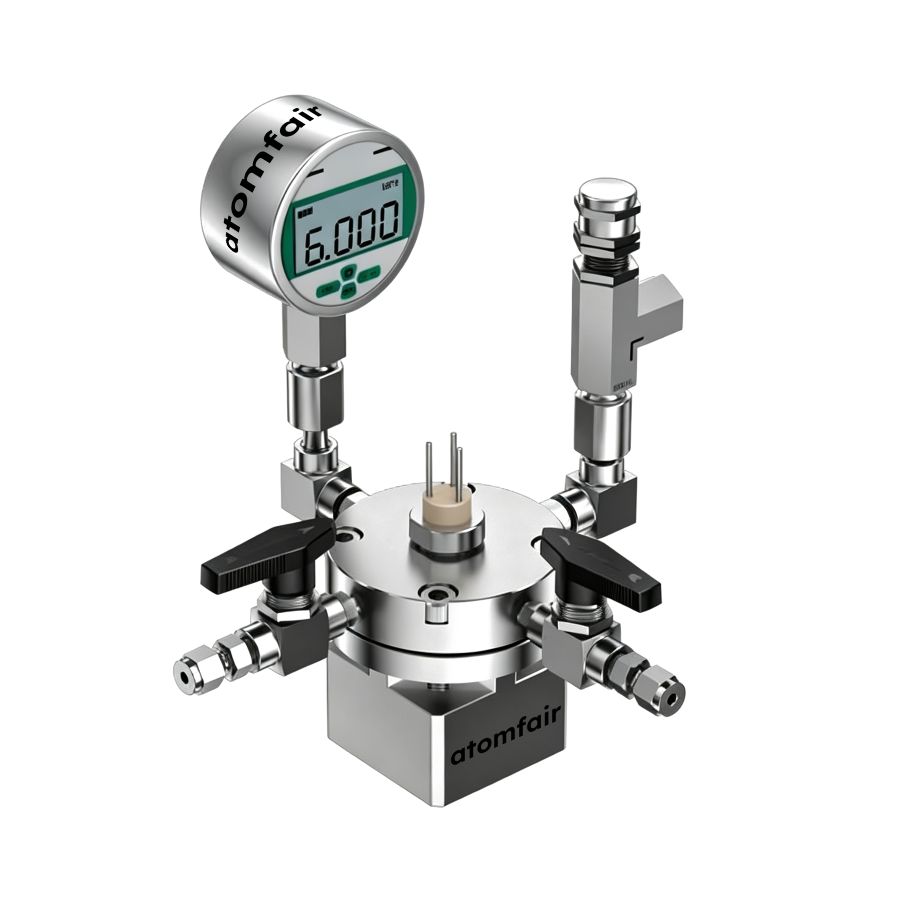
10 mL Titanium High-Pressure Electrochemical Cell ATOMFAIR®
$4,122.00 -
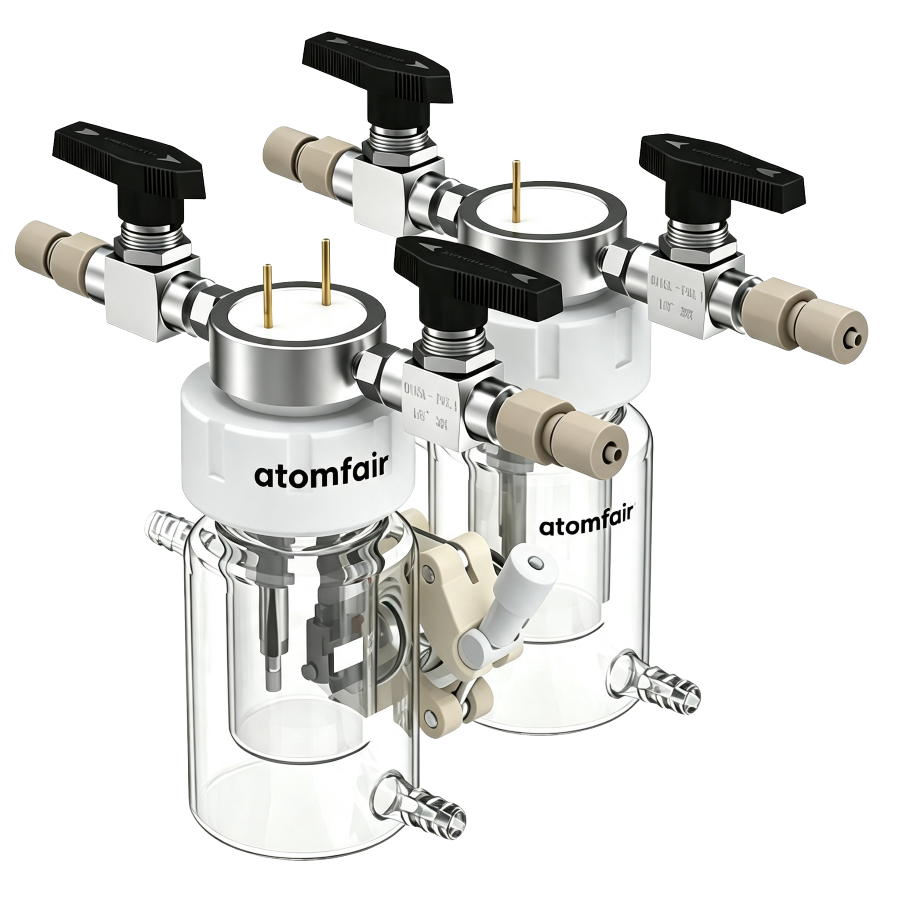
2H Double-Layer Electrolytic Cell 30-250mL ATOMFAIR®
Price range: $440.00 through $629.00 -
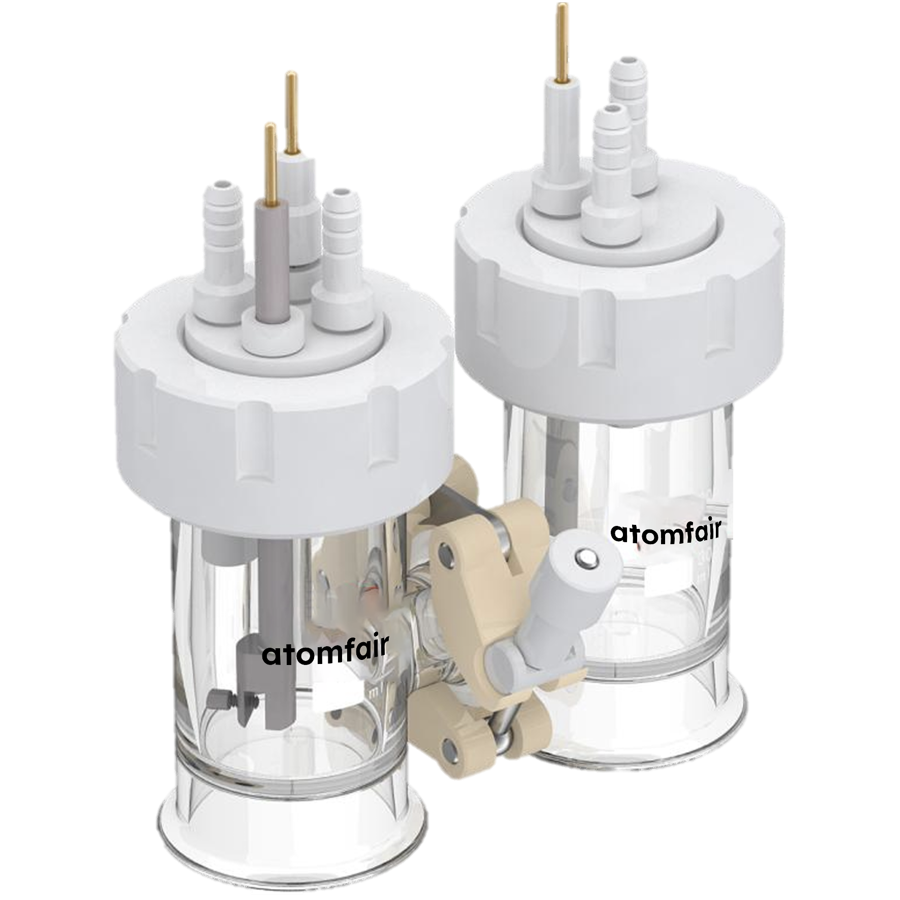
2H Replaceable-Membrane Electrolytic Cell 30-250mL ATOMFAIR®
Price range: $278.00 through $467.00 -
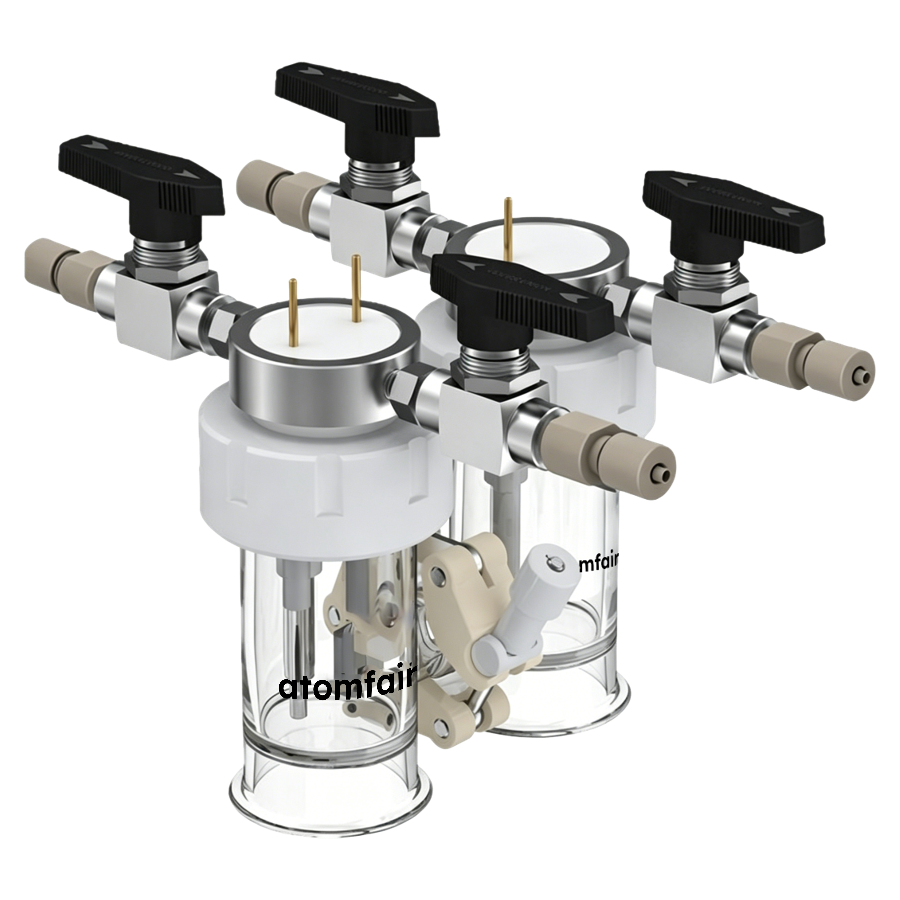
2H Replaceable-Membrane Electrolytic Cell 30-250mL ATOMFAIR®
Price range: $332.00 through $521.00 -
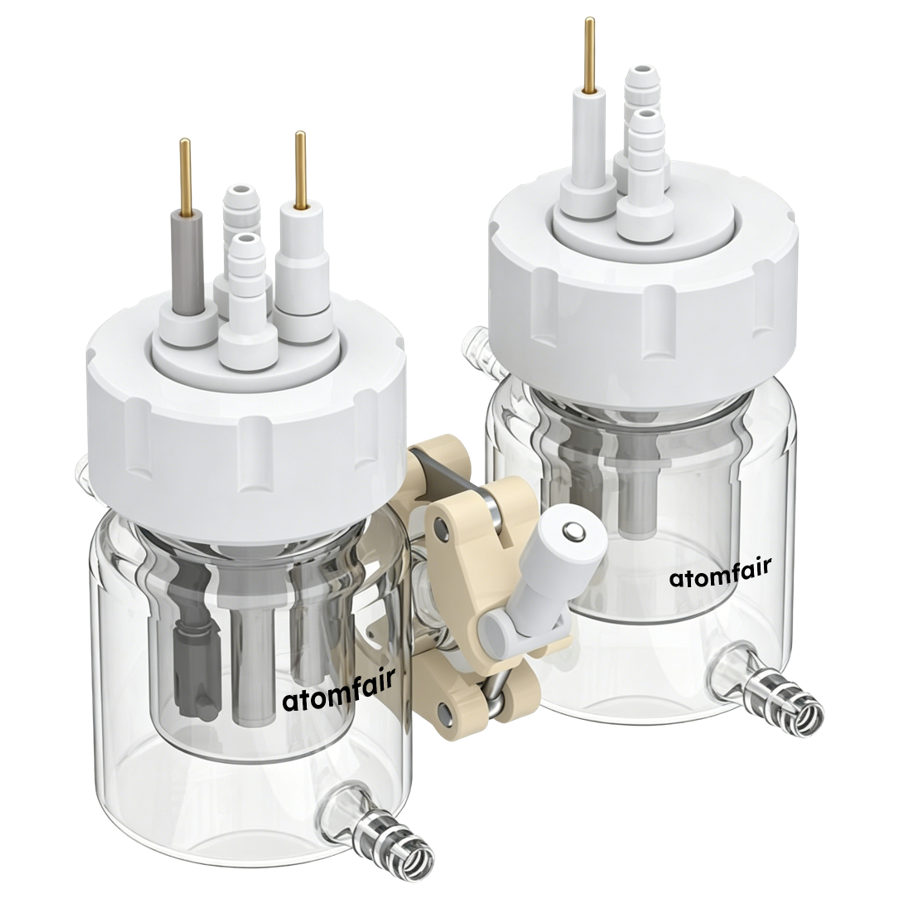
2H Replaceable-Membrane Electrolytic Cell 30mL ATOMFAIR®
Price range: $386.00 through $575.00 -
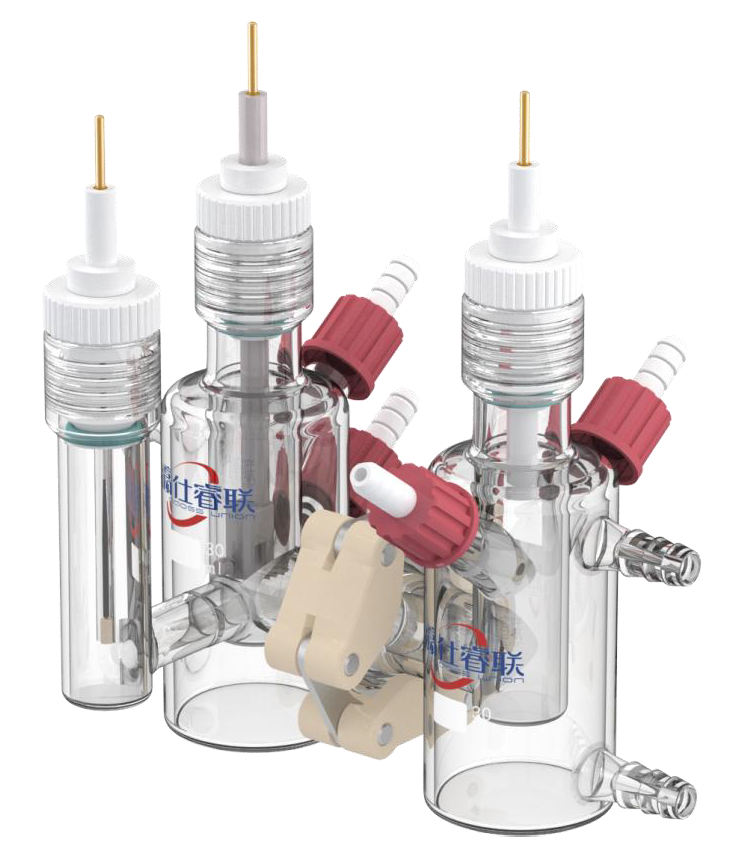
3H Membrane Electrolytic Cell 10mL Double-Layer ATOMFAIR®
$494.00 -
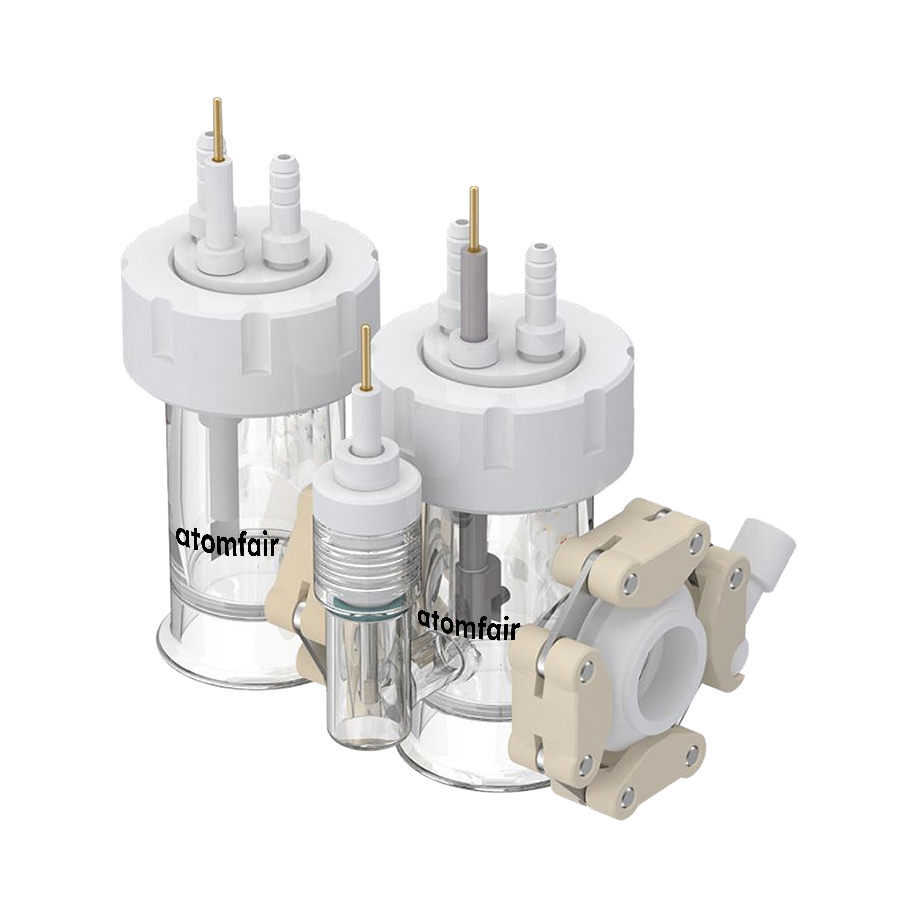
3H Photoelectrochemical Cell 30-250mL Membrane ATOMFAIR®
Price range: $413.00 through $602.00 -
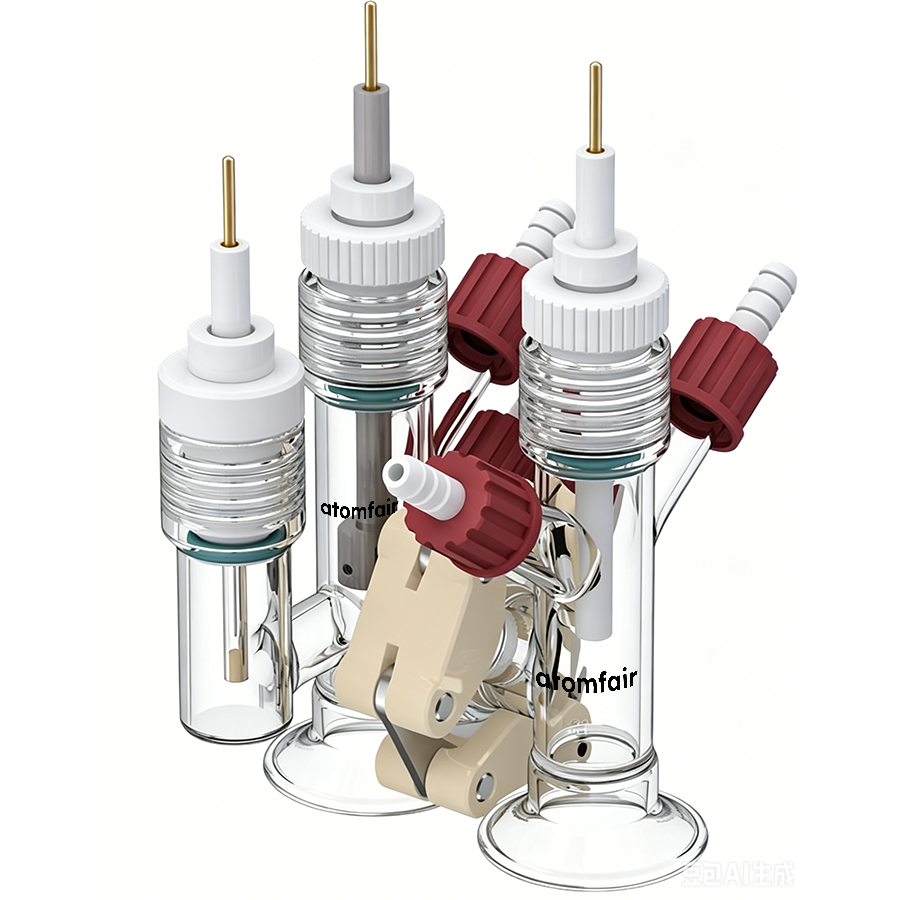
3H Replaceable-Membrane Electrolytic Cell 10mL ATOMFAIR®
$278.00 -
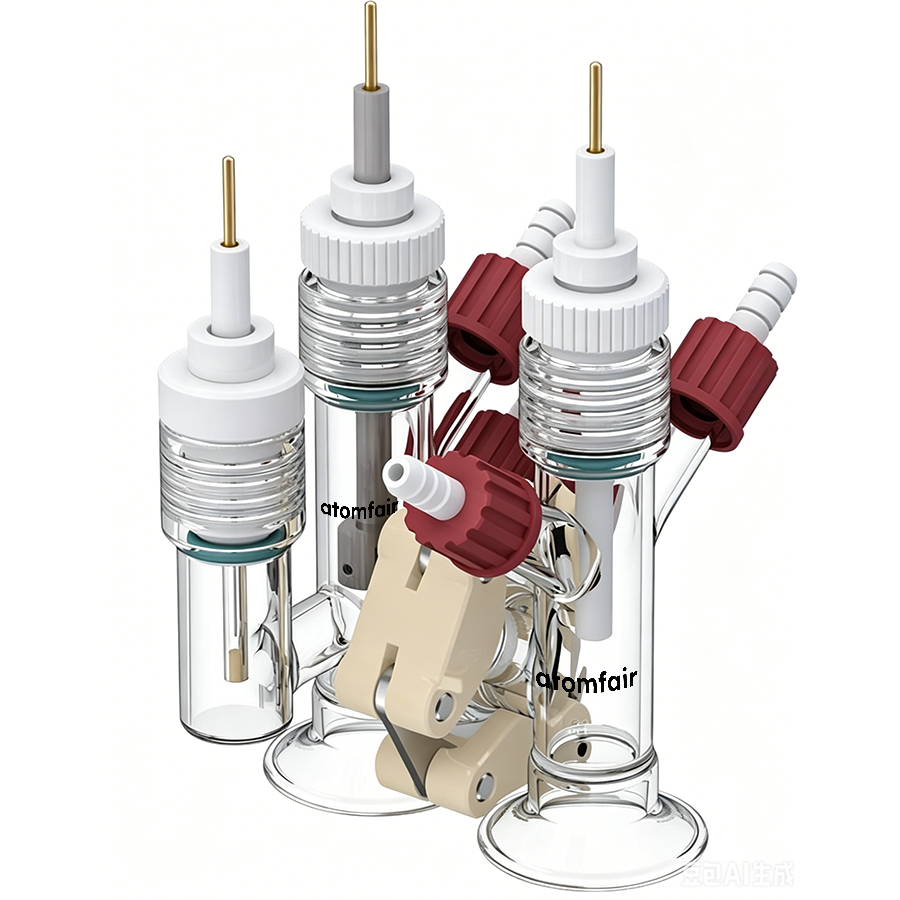
3H Replaceable-Membrane Electrolytic Cell 10mL ATOMFAIR®
$305.00 -
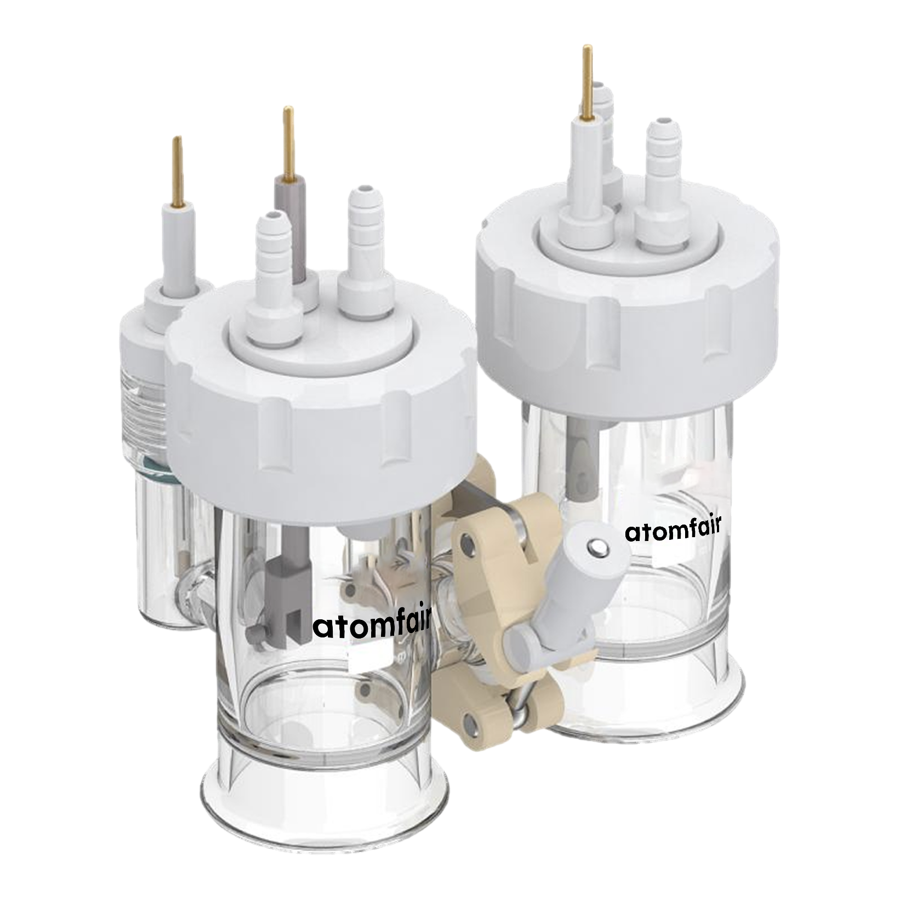
3H Replaceable-Membrane Electrolytic Cell 5-10 mL ATOMFAIR®
Price range: $305.00 through $494.00 -
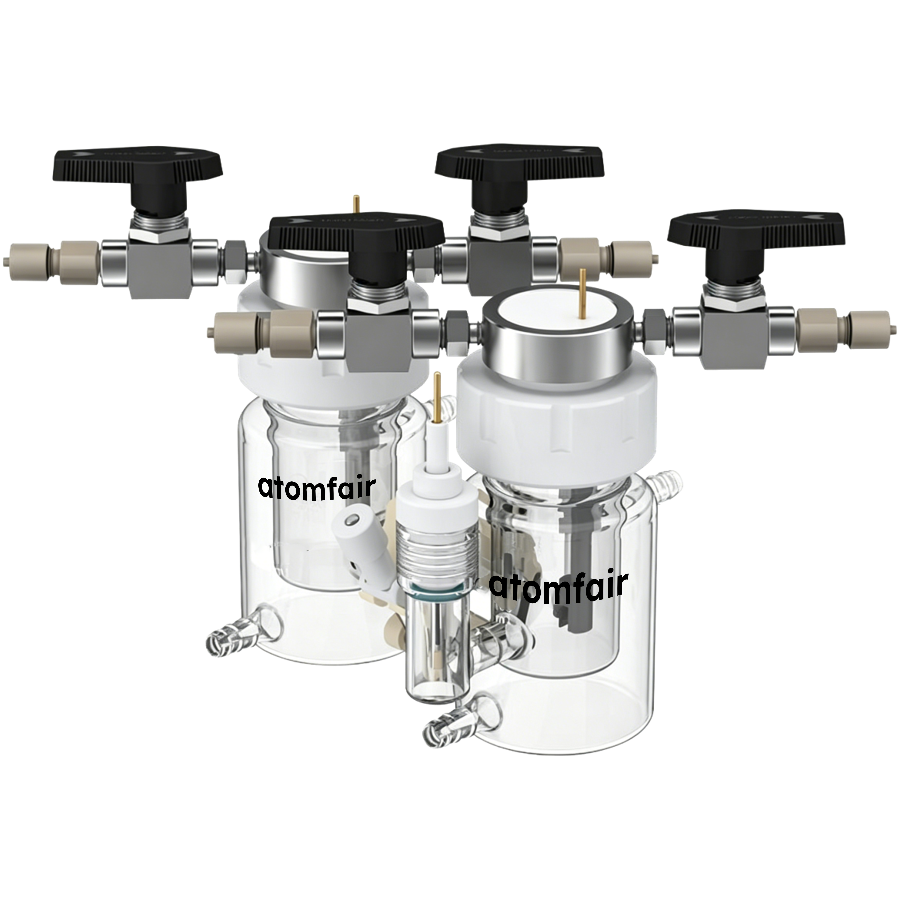
3H Replaceable-Membrane Electrolytic Cell 5-10 mL ATOMFAIR®
Price range: $494.00 through $683.00 -
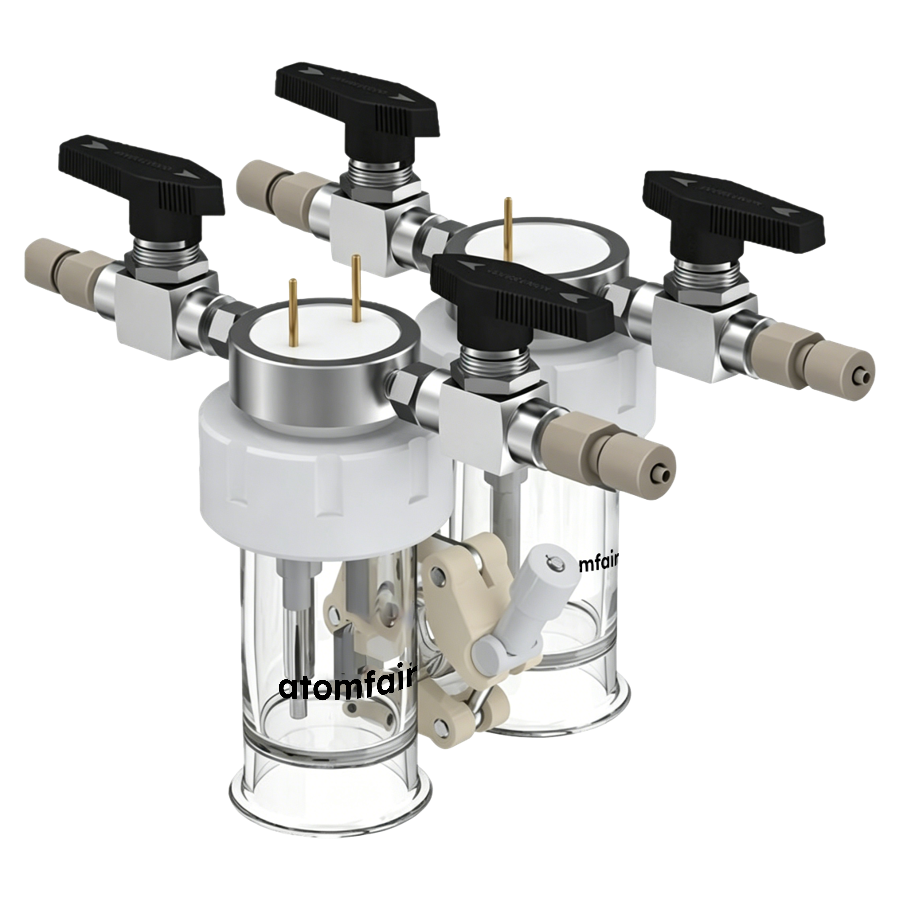
3H Replaceable-Membrane Electrolytic Cell 5-250mL ATOMFAIR®
Price range: $359.00 through $548.00 -
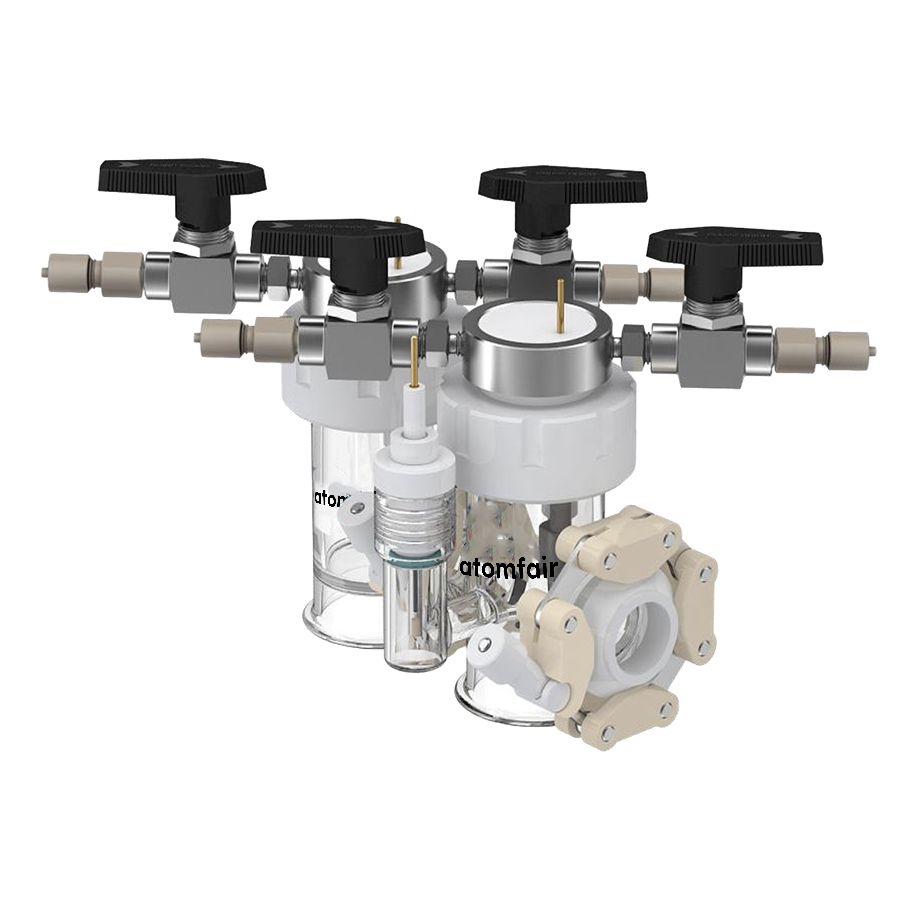
3H Replaceable-Membrane PEC Cell 30-250mL ATOMFAIR®
Price range: $467.00 through $791.00 -
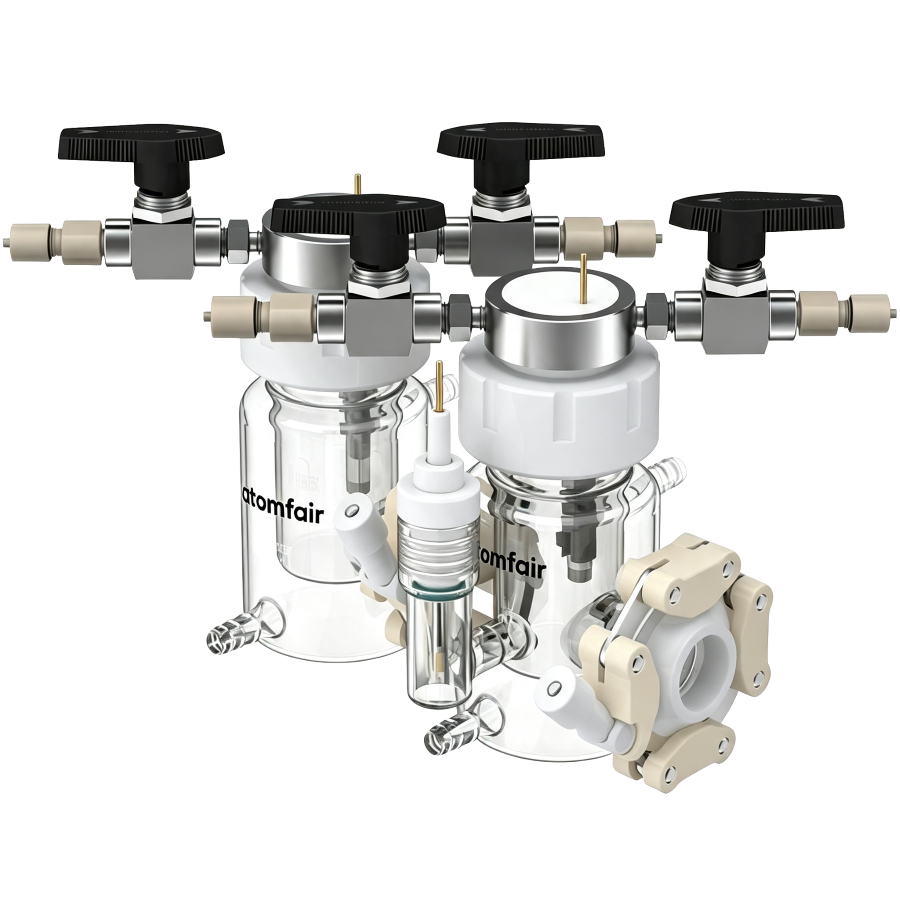
3H Replaceable-Membrane Photoelectrochemical Cell ATOMFAIR®
Price range: $602.00 through $791.00 -
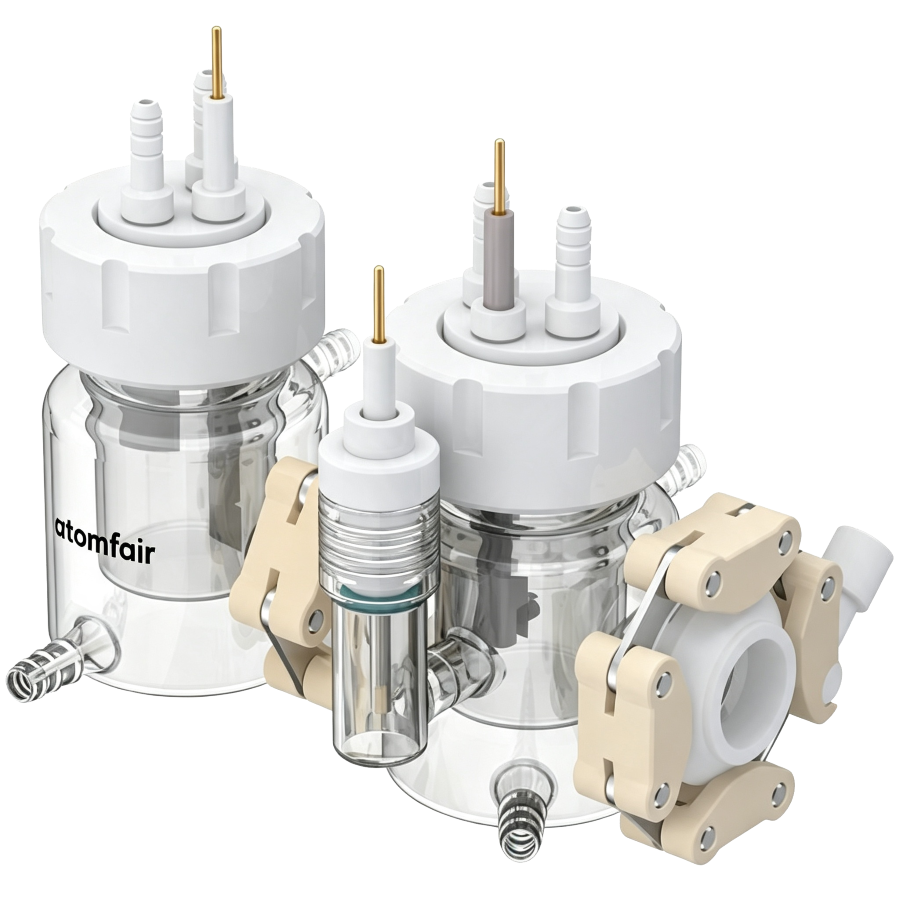
3H Single-Window Double-Layer PEC Cell 30-250 mL ATOMFAIR®
Price range: $548.00 through $737.00 -
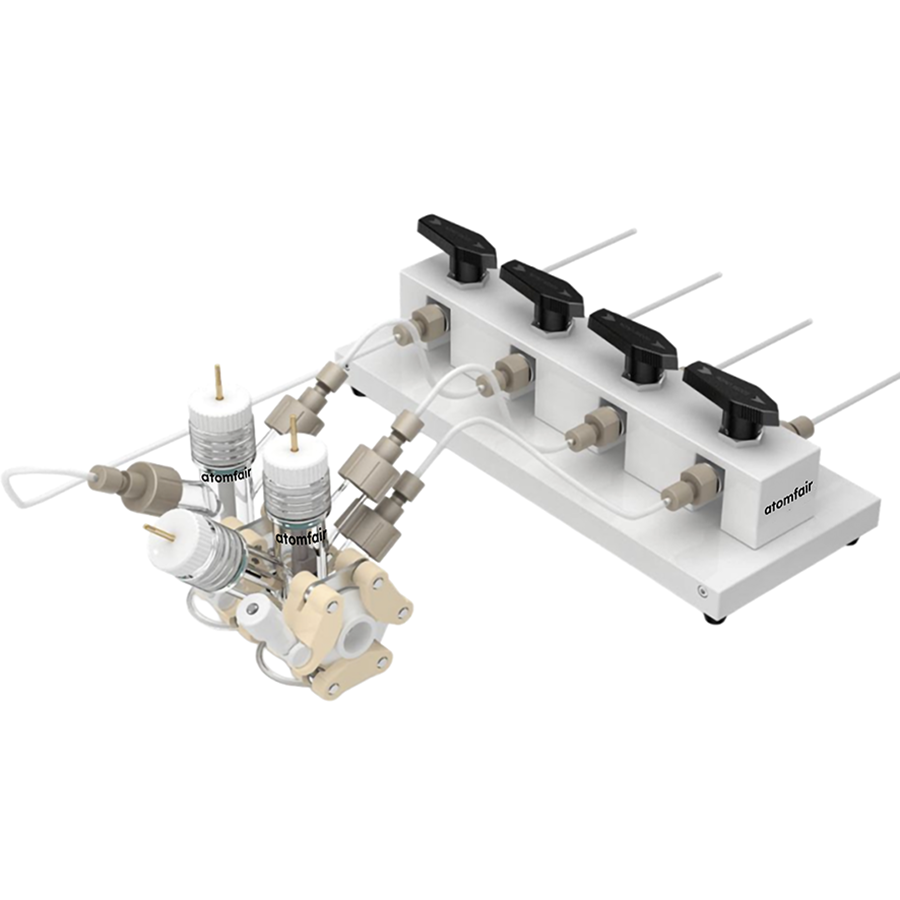
Absolute-Sealing H-Type Electrolytic Cell 10mL ATOMFAIR®
Price range: $386.00 through $1,034.00