
Refractory Metals
Refractory metals are advanced metallic materials valued for their high melting points, excellent thermal stability, strong mechanical performance, and resistance to demanding high-temperature or vacuum environments. Common refractory metals include tungsten, molybdenum, tantalum, niobium, rhenium, zirconium, and hafnium, each offering distinct advantages for research, engineering, and industrial applications.
This category includes refractory metal powders, granules, ingots, rods, sheets, foils, wires, crucibles, boats, evaporation materials, sputtering targets, and custom-fabricated components. These materials are widely used in powder metallurgy, high-temperature furnaces, vacuum systems, thin film deposition, electronics, aerospace, energy materials, and advanced laboratory research.
When selecting refractory metals, buyers typically compare the material system, purity, form factor, particle size, dimensions, surface condition, operating temperature, and compatibility with the intended atmosphere or process.
Show More
Common Refractory Metal Materials
| Material | Key Features | Typical Applications |
|---|---|---|
| Tungsten W | Extremely high melting point, high density, excellent heat resistance, strong wear resistance | High-temperature parts, electrodes, shielding materials, powder metallurgy, electronics |
| Molybdenum Mo | Good high-temperature strength, thermal conductivity, and dimensional stability | Furnace parts, crucibles, boats, sputtering targets, vacuum and semiconductor applications |
| Tantalum Ta | Excellent corrosion resistance, ductility, and chemical stability | Chemical processing, electronics, medical materials, high-temperature vacuum components |
| Niobium Nb | Useful superconducting behavior and strong alloying performance | Superconductors, high-performance alloys, aerospace materials, research applications |
| Rhenium Re | Outstanding high-temperature strength and stability in specialized alloy systems | High-temperature alloys, thermocouples, aerospace and advanced materials research |
| Zirconium Zr & Hafnium Hf | Strong corrosion resistance and suitability for specialized high-temperature material systems | Nuclear-related materials, corrosion-resistant components, advanced alloys, laboratory research |
Available Product Forms
| Form | Suitable Uses |
|---|---|
| Powders, nano powders, and micron powders | Powder metallurgy, sintering, coatings, catalysts, composite materials, conductive formulations |
| Granules, lumps, pellets, and ingots | Melting, alloy preparation, evaporation sources, and material development |
| Crucibles, boats, and containers | High-temperature treatment, vacuum furnaces, sample holding, and thermal evaporation |
| Sputtering targets and evaporation materials | PVD, magnetron sputtering, thin film deposition, and surface engineering |
| Custom machined parts | High-temperature structural parts, fixtures, liners, supports, and application-specific components |
How to Select Refractory Metals
Start with the operating environment. Consider whether the material will be used under high temperature, vacuum, corrosive media, reducing atmosphere, electrical load, mechanical stress, or repeated thermal cycling. These conditions help determine whether tungsten, molybdenum, tantalum, niobium, rhenium, zirconium, hafnium, or a related refractory metal system is most suitable.
For powder products, focus on purity, particle size, morphology, flowability, oxygen content, storage conditions, and handling requirements. For high-temperature components, consider working temperature, geometry, wall thickness, thermal shock resistance, and compatibility with the sample or process atmosphere. For thin film deposition, review purity, density, target dimensions, surface condition, and equipment compatibility.
FAQ
What are refractory metals?
Refractory metals are metals known for very high melting points and strong performance in demanding thermal environments. Common examples include tungsten, molybdenum, tantalum, niobium, and rhenium, with zirconium and hafnium often used in related high-temperature and specialty material applications.
How do I choose between tungsten and molybdenum?
Tungsten is often preferred when extremely high melting point, high density, or high-temperature electrode performance is important. Molybdenum is commonly chosen for high-temperature furnace parts, crucibles, boats, and vacuum applications where good machinability and thermal stability are needed.
What are refractory metal powders used for?
Refractory metal powders are used in powder metallurgy, sintering, coatings, conductive materials, catalysts, composite materials, shielding materials, and advanced manufacturing research. Particle size and morphology can strongly influence processing behavior and final material properties.
Why does purity matter for refractory metals?
Higher purity can reduce the influence of unwanted impurities in experiments, thin films, alloys, electronic materials, or high-temperature reactions. Purity is especially important for research, semiconductor-related work, vacuum deposition, and precision manufacturing.
Can refractory metals be used in high-temperature or vacuum furnaces?
Many refractory metals are suitable for selected high-temperature or vacuum environments. Molybdenum, tungsten, and tantalum are commonly used for crucibles, boats, heating-related parts, supports, and shielding structures. Final selection should consider temperature, atmosphere, sample chemistry, and thermal cycling.
How should I choose sputtering targets or evaporation materials?
Check the element, purity, diameter or dimensions, thickness, density, surface finish, deposition method, and equipment requirements. For sputtering targets, backing plate bonding and target compatibility may also be important.
Can refractory metals be customized?
Refractory metals can often be supplied or processed into powders, rods, sheets, foils, wires, crucibles, boats, targets, liners, fixtures, and special machined parts. For custom requests, provide the material, purity, drawing, dimensions, tolerance, quantity, working temperature, and application environment.
Showing all 6 results
-
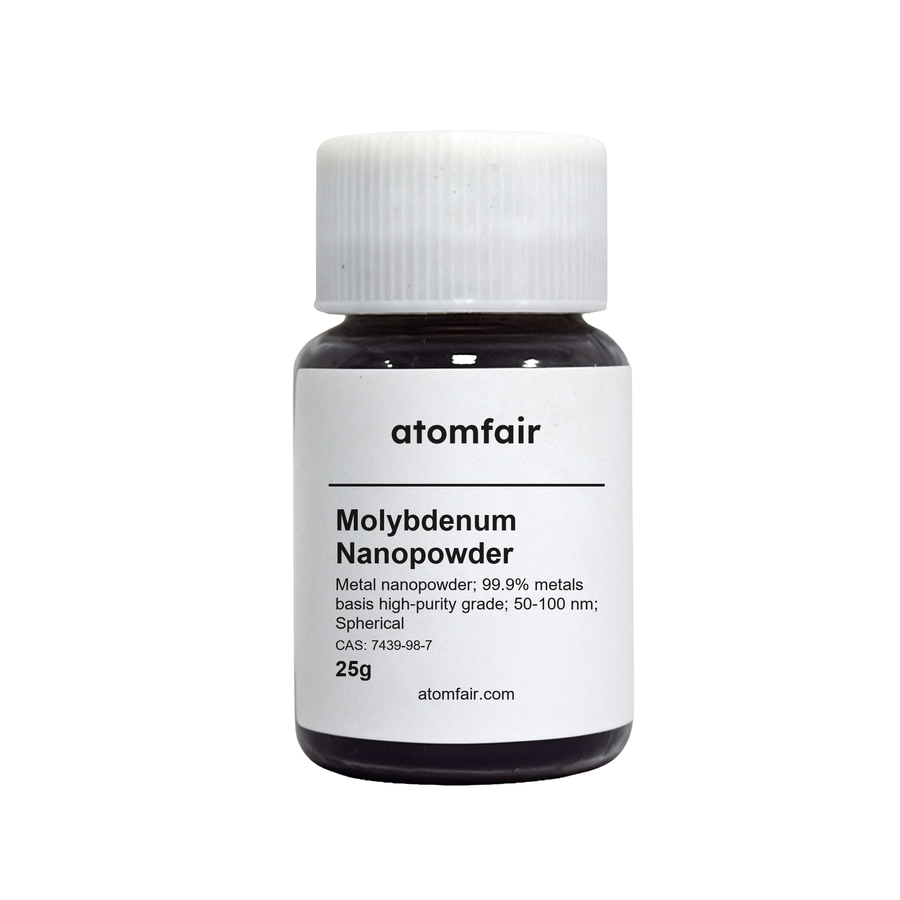
Molybdenum Nano Powder 99.9% 80nm Spherical ATOMFAIR®
Price range: $207.39 through $341.43 -
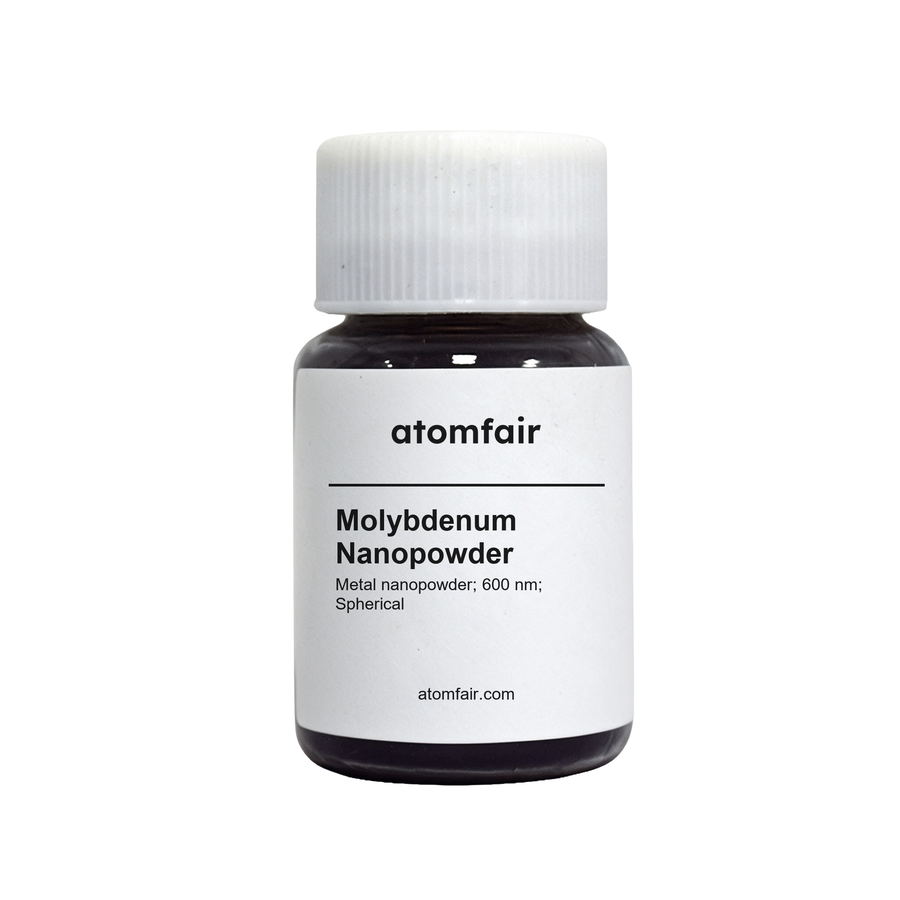
Nano Molybdenum Powder 99.0% 600nm Research Grade ATOMFAIR®
Price range: $186.78 through $272.30 -
Nano Molybdenum Powder 99.9% 50-100nm Research ATOMFAIR®
$194.53 -
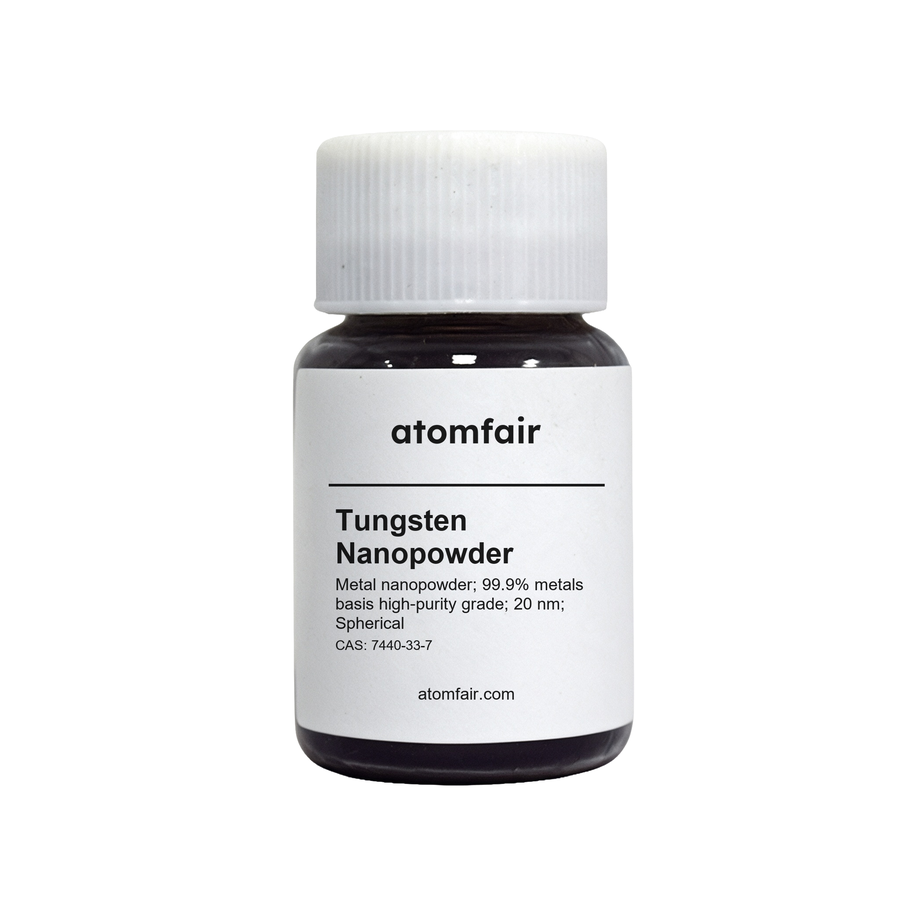
Nano Tungsten Powder 99.9% 20-100nm Research Grade ATOMFAIR®
Price range: $278.29 through $1,540.99 -
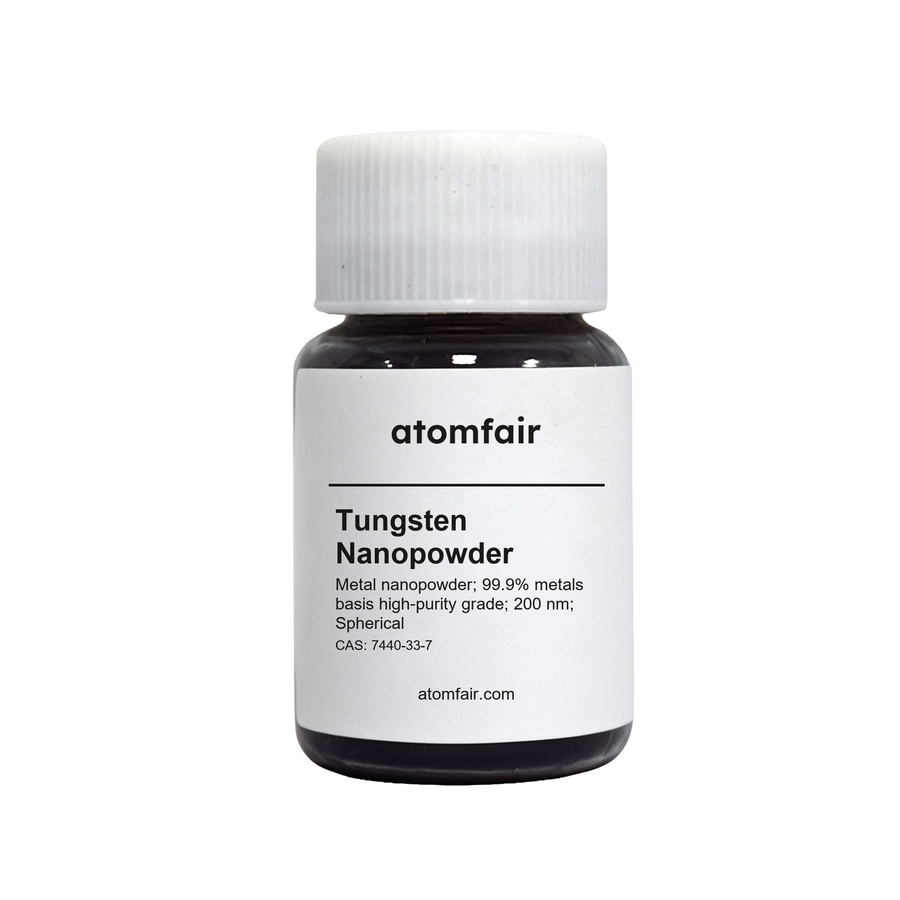
Nano Tungsten Powder 99.9% 200nm Spherical ATOMFAIR®
Price range: $248.82 through $1,491.14 -
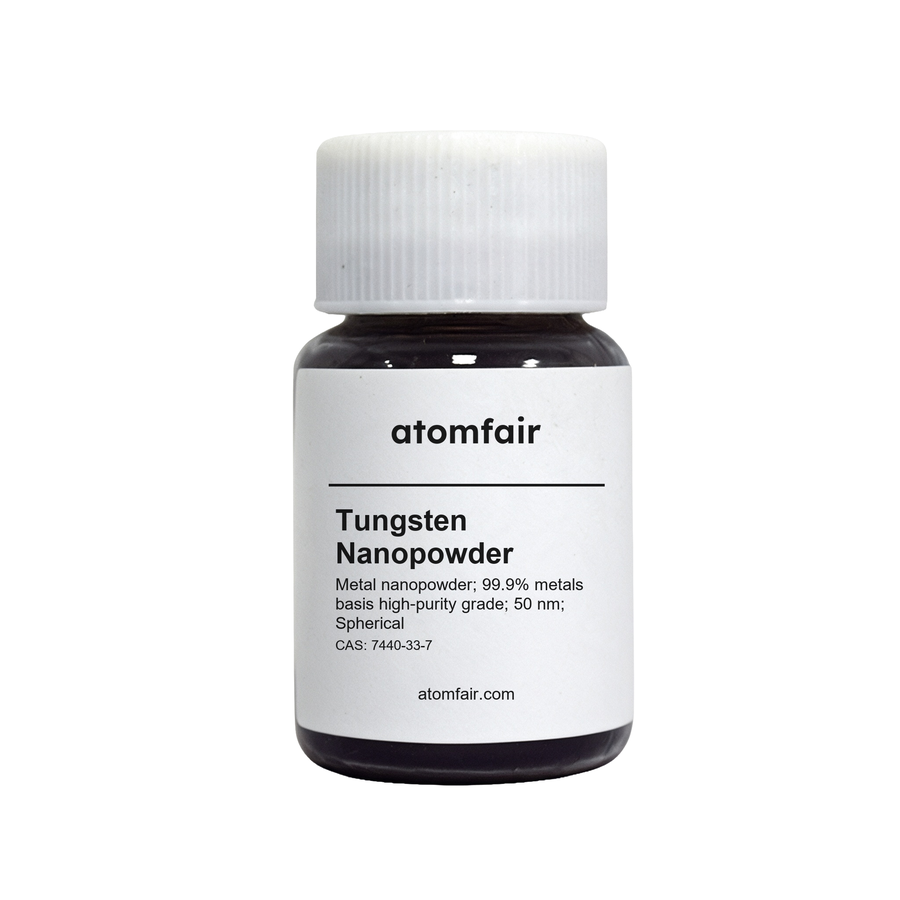
Nano Tungsten Powder 99.9% 50nm Spherical ATOMFAIR®
Price range: $308.64 through $1,739.07