
Silicides
Silicides are advanced inorganic compounds formed between silicon and metallic, rare-earth, or other elements. They are valued for their high-temperature stability, electrical conductivity, thermoelectric potential, oxidation resistance, and interfacial compatibility in advanced materials research and development.
ATOMFAIR’s Silicides category covers rare-earth silicides, transition-metal silicides, refractory-metal silicides, iron-group silicides, and electronic-grade silicides. These materials support research and development in advanced ceramics, high-temperature materials, electronics and semiconductors, thermoelectrics, thin films, coatings, and composite materials.
Show More: Silicide Materials, Applications, and Selection Guide
Silicide Material Families
Rare-Earth Silicides
Rare-earth silicides are important materials for functional-material development, electronic-structure research, magnetic-property studies, phase analysis, and inorganic materials research.
Main material systems include: Lanthanum Silicide / Lanthanum Disilicide, Cerium Disilicide (CeSi2), Praseodymium Disilicide (PrSi2), Neodymium Disilicide (NdSi2), Gadolinium Disilicide (GdSi2), Erbium Disilicide (ErSi2), Ytterbium Disilicide (YbSi2), and other rare-earth silicide systems.
High-Temperature and Refractory-Metal Silicides
High-temperature silicides are commonly selected for heat-resistant materials, protective coatings, heating-element research, thermal protection, and high-temperature composite development.
Main material systems include: Chromium Disilicide (CrSi2), Molybdenum Disilicide (MoSi2), Tungsten Disilicide (WSi2), Vanadium Disilicide (VSi2), Niobium Disilicide (NbSi2), Tantalum Silicide / Tantalum Disilicide (TaSi / TaSi2), Titanium Disilicide (TiSi2), Zirconium Disilicide (ZrSi2), and Hafnium Disilicide (HfSi2).
Iron-Group and Functional Silicides
Iron-group silicides are widely investigated for thermoelectric, magnetic, electronic, conductive, and functional-composite applications.
Main material systems include: Iron Silicide / Iron Disilicide (FeSi / FeSi2), Iron Silicide Alloys (Fe3Si), Manganese Silicide / Higher Manganese Silicides, Cobalt Silicide / Cobalt Disilicide (CoSi / CoSi2), and Nickel Silicide / Nickel Disilicide (NiSi / Ni2Si / NiSi2).
Electronic and Semiconductor Silicides
Electronic-grade silicides are used in semiconductor contacts, conductive layers, diffusion reactions, thin films, sensors, and interface-material research.
Main material systems include: Titanium Disilicide (TiSi2), Nickel Silicide (NiSi, Ni2Si, NiSi2), Cobalt Silicide (CoSi, CoSi2), Tungsten Disilicide (WSi2), Platinum Silicide (PtSi), Palladium Silicide (Pd2Si), and Copper Silicide (Cu3Si).
Thermoelectric and Energy Silicides
Selected silicide systems are relevant to thermoelectric conversion, waste-heat recovery, energy materials, and high-temperature energy-device research.
Common research directions include: Iron Disilicide (FeSi2), Chromium Disilicide (CrSi2), Magnesium Silicide (Mg2Si), Manganese Silicide, Cobalt Silicide, and rare-earth silicides.
Key Application Areas
| Application Area | Relevant Silicide Materials |
|---|---|
| High-Temperature and Heat-Resistant Materials | MoSi2, WSi2, CrSi2, NbSi2, TaSi, ZrSi2, HfSi2 |
| Electronic and Semiconductor Materials | TiSi2, NiSi, Ni2Si, CoSi2, WSi2, PtSi, Pd2Si |
| Thermoelectric and Energy Materials | FeSi2, CrSi2, Mg2Si, MnSi, and related systems |
| Rare-Earth Functional Materials | La, Ce, Pr, Nd, Gd, Er, Yb, and other rare-earth silicides |
| Advanced Ceramics and Composites | Refractory-metal silicides, iron-group silicides, and rare-earth silicides |
| Thin Films, Targets, and Interface Research | TiSi2, NiSi, CoSi2, PtSi, WSi2, and related electronic silicides |
How to Select a Silicide
If your work requires high-temperature stability, heat-resistant structures, or thermal protection, refractory silicides based on molybdenum, tungsten, chromium, niobium, tantalum, zirconium, or hafnium are typically important starting points.
For semiconductor contacts, electronic materials, thin films, or interfacial research, titanium, nickel, cobalt, tungsten, platinum, and palladium silicides are commonly considered.
For thermoelectric and energy-material development, iron, chromium, magnesium, and manganese silicides are useful material families to evaluate. For rare-earth functional materials, selection can begin with the target rare-earth element and the intended material property or phase study.
After selecting the material system, confirm the required material form, purity, particle size, quantity, and processing route according to your experimental or production requirements.
Frequently Asked Questions
What silicides are available in this category?
This category covers rare-earth silicides, chromium silicides, molybdenum silicides, tungsten silicides, titanium silicides, vanadium silicides, iron silicides, nickel silicides, cobalt silicides, tantalum silicides, niobium silicides, zirconium silicides, hafnium silicides, and other electronic, thermoelectric, and functional silicide systems.
Which silicides are suitable for high-temperature materials?
MoSi2, WSi2, CrSi2, NbSi2, TaSi, ZrSi2, and HfSi2 are important material systems for high-temperature research. Selection should consider operating temperature, atmosphere, substrate material, and processing conditions.
Which silicides are commonly used for semiconductor or electronic research?
TiSi2, NiSi, Ni2Si, CoSi2, WSi2, PtSi, and Pd2Si are widely studied for semiconductor contacts, conductive layers, thin films, and interface-material applications.
Which silicides are relevant to thermoelectric materials?
FeSi2, CrSi2, Mg2Si, manganese silicides, and selected rare-earth silicides are common directions for thermoelectric and energy-material research. The appropriate material depends on the target operating temperature and material-design route.
Can silicide materials be used for sintering, coatings, or composite development?
Many silicides can support powder sintering, hot pressing, coating research, composite-material development, and high-temperature component studies. Compatibility with the matrix material and processing conditions should be evaluated for the intended application.
Can silicides be used for thin-film or sputtering-target development?
Silicide materials can be used for related thin-film, target, and deposition research. For sputtering, evaporation, or other deposition processes, confirm the required material form, dimensions, purity, density, and target configuration.
How do I choose the right silicide material?
Start with your application area, such as high-temperature materials, electronics, thermoelectrics, rare-earth functional materials, or composites. Then identify the target chemical composition, intended processing route, and required material specifications.
Showing 1–16 of 17 results
-
Cerium Disilicide (CeSi2) Powder 99.5% -20 Mesh ATOMFAIR®
Price range: $140.00 through $2,059.00 -
Chromium Disilicide Powder 99.5% -325 Mesh ATOMFAIR®
Price range: $189.00 through $599.00 -
Chromium Disilicide Powder 99.9% -325 Mesh ATOMFAIR®
Price range: $199.00 through $649.00 -
Erbium Disilicide ErSi2 Powder 99.9% -325 Mesh ATOMFAIR®
Price range: $179.00 through $1,819.00 -
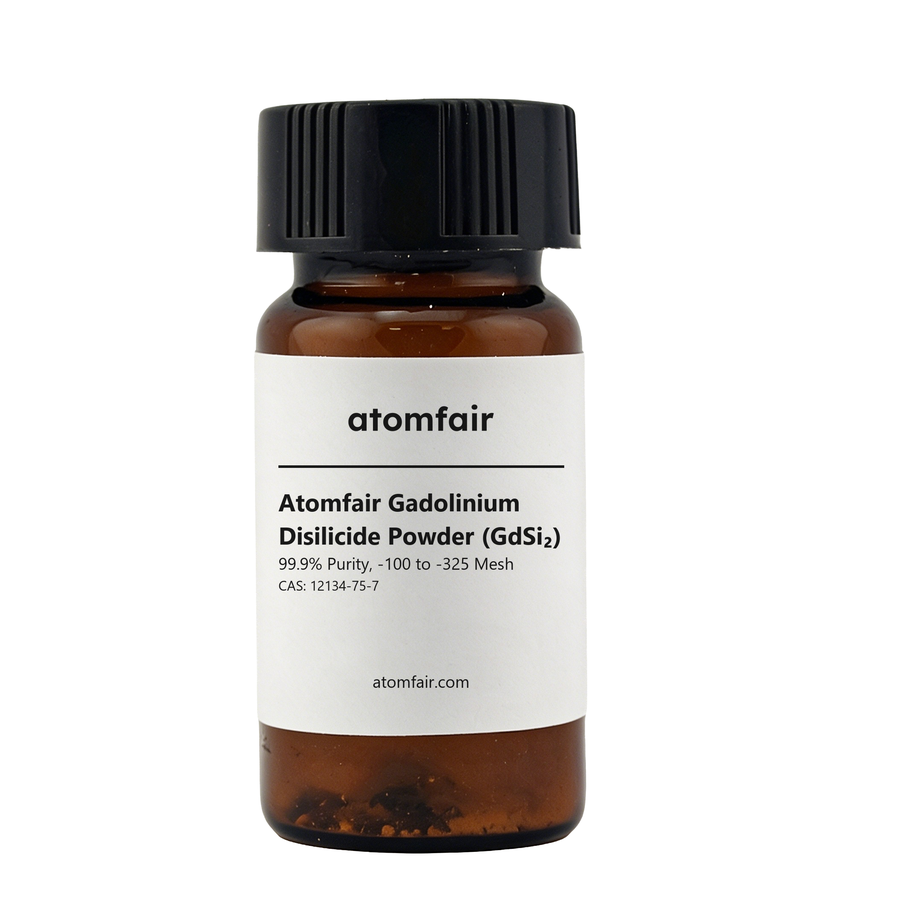
Gadolinium Disilicide Powder 99.9%, -325 Mesh ATOMFAIR®
Price range: $189.00 through $2,759.00 -
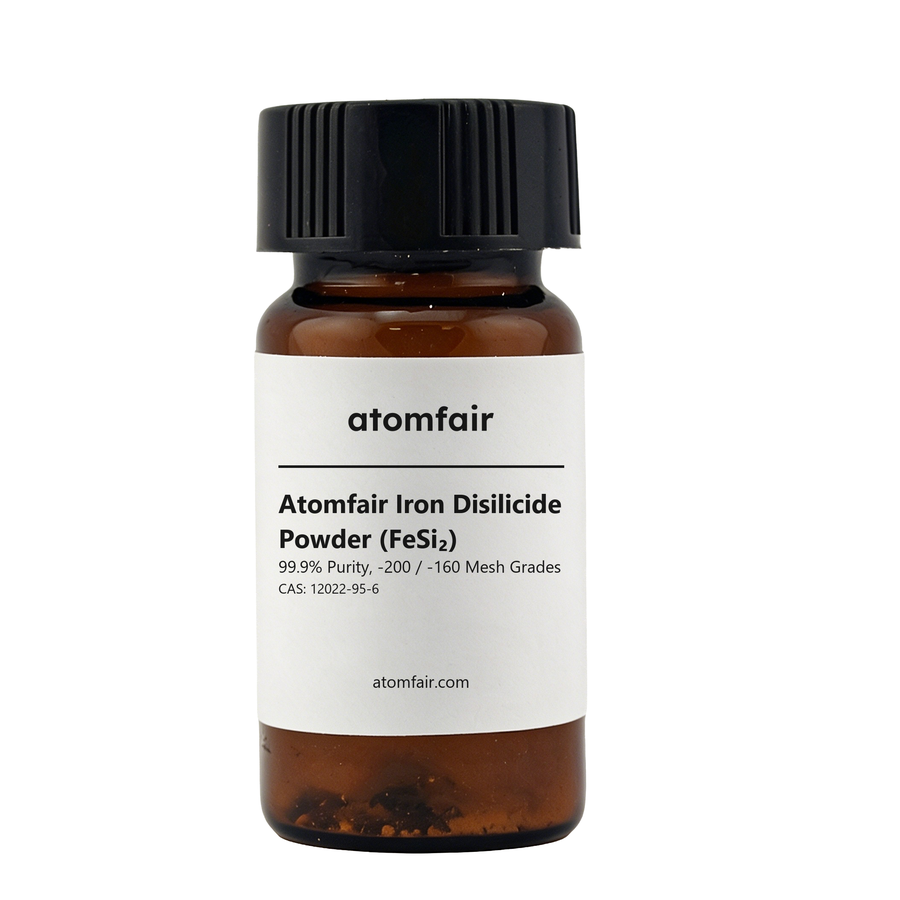
Iron Disilicide Powder FeSi2 99.9% -200 Mesh ATOMFAIR®
Price range: $179.00 through $559.00 -
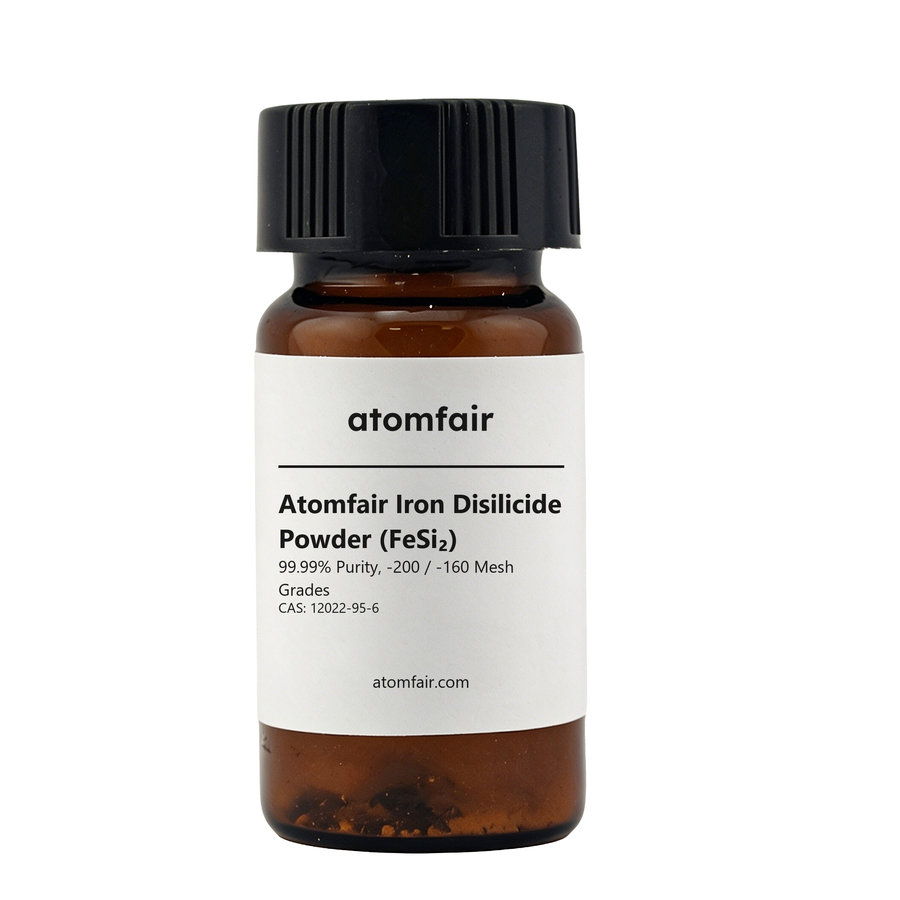
Iron Disilicide Powder FeSi2 99.99% 4N Mesh ATOMFAIR®
Price range: $229.00 through $719.00 -
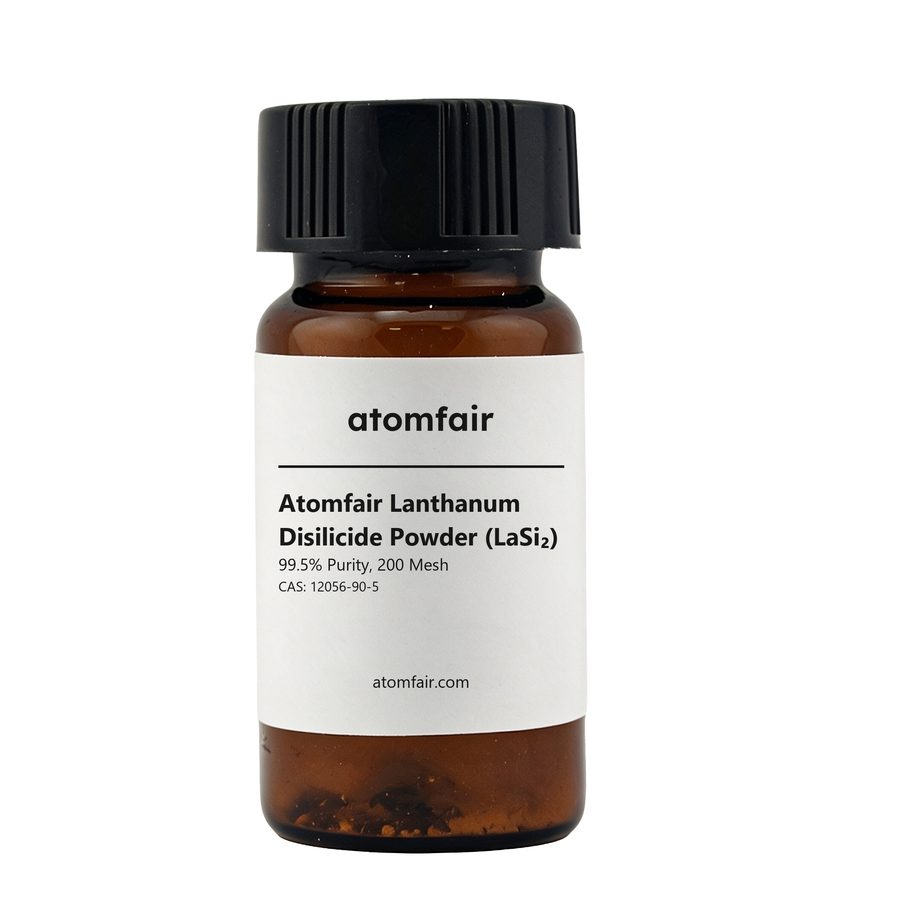
Lanthanum Disilicide Powder 99.5% 200 Mesh ATOMFAIR®
Price range: $429.00 through $3,099.00 -
Molybdenum Disilicide MoSi2 Powder 99.5% 2.5μm ATOMFAIR®
Price range: $239.00 through $759.00 -
Molybdenum Disilicide Powder 99.8%, 2.5μm ATOMFAIR®
Price range: $255.00 through $809.00 -
Neodymium Disilicide Powder NdSi2 99.9% -500 Mesh ATOMFAIR®
Price range: $399.00 through $4,949.00 -
Nickel Silicide Powder Ni2Si 99% -20 Mesh ATOMFAIR®
Price range: $169.00 through $609.00 -
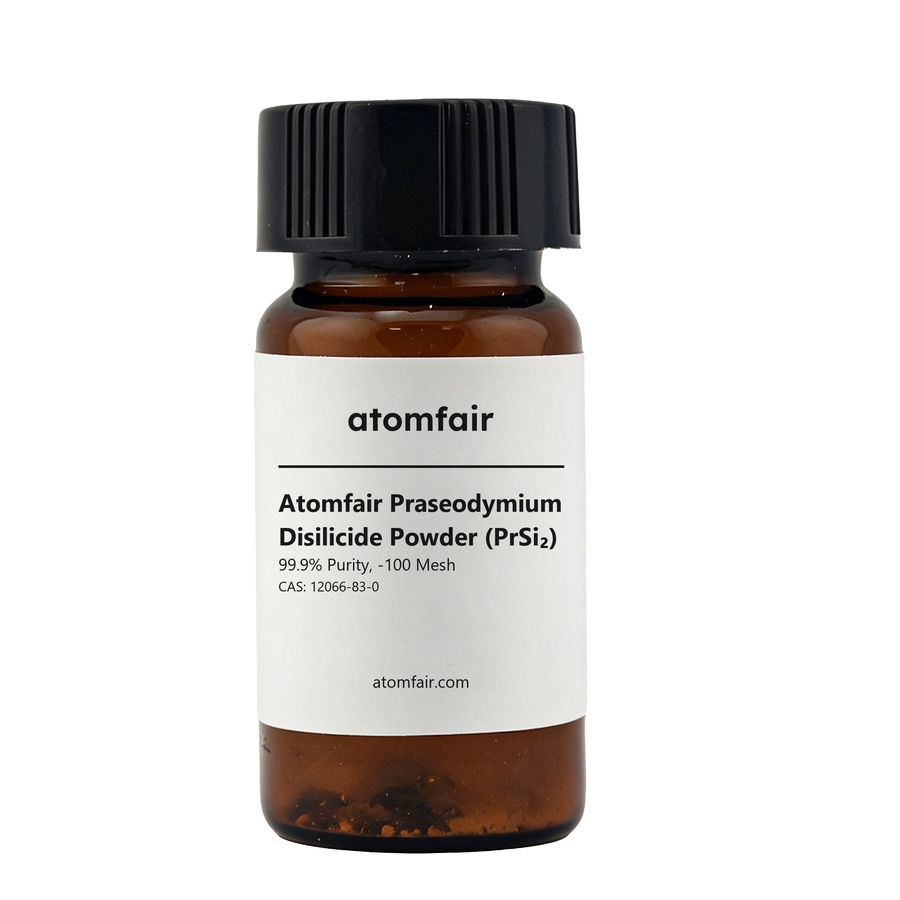
Praseodymium Disilicide Powder 99.9% -100 Mesh ATOMFAIR®
Price range: $159.00 through $2,329.00 -
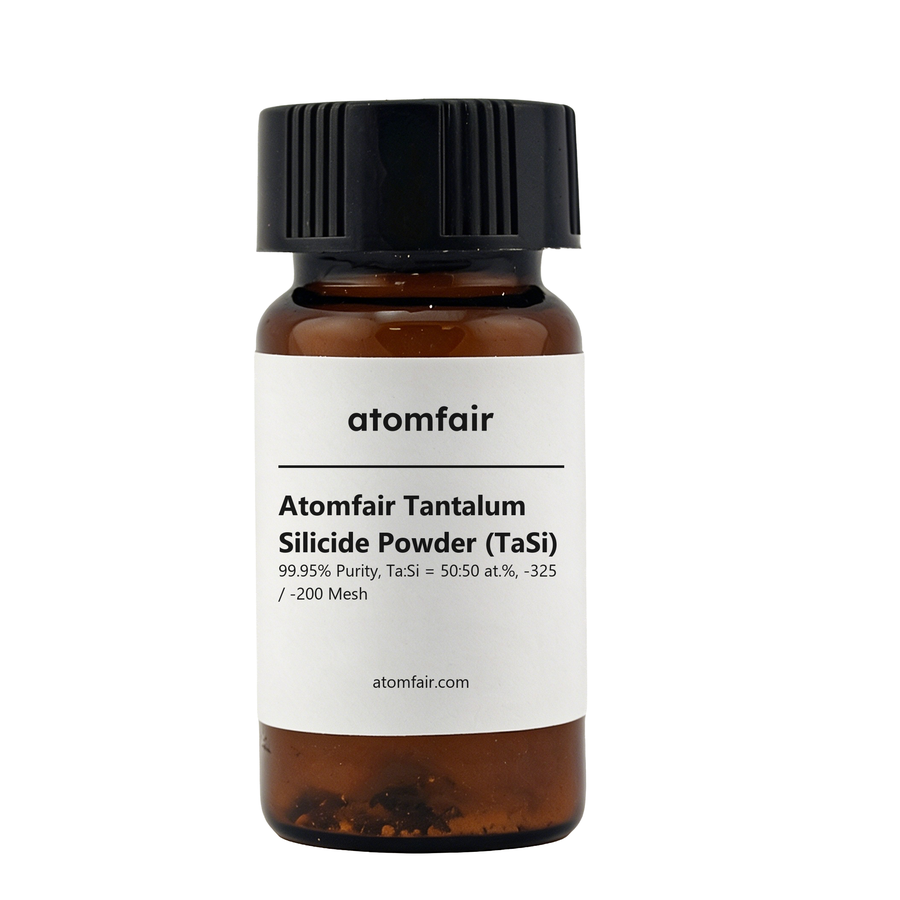
Tantalum Silicide Powder TaSi 99.95% Mesh ATOMFAIR®
Price range: $439.00 through $829.00 -
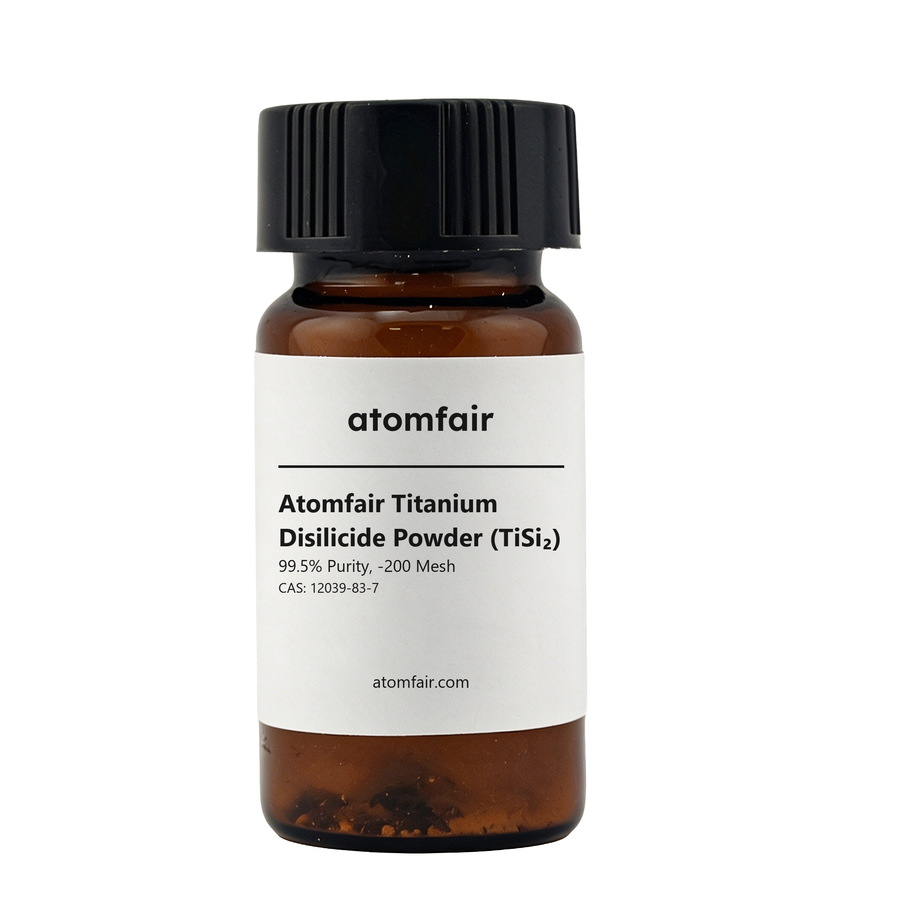
Titanium Disilicide Powder 99.5%, 10μm APS ATOMFAIR®
Price range: $339.00 through $799.00 -
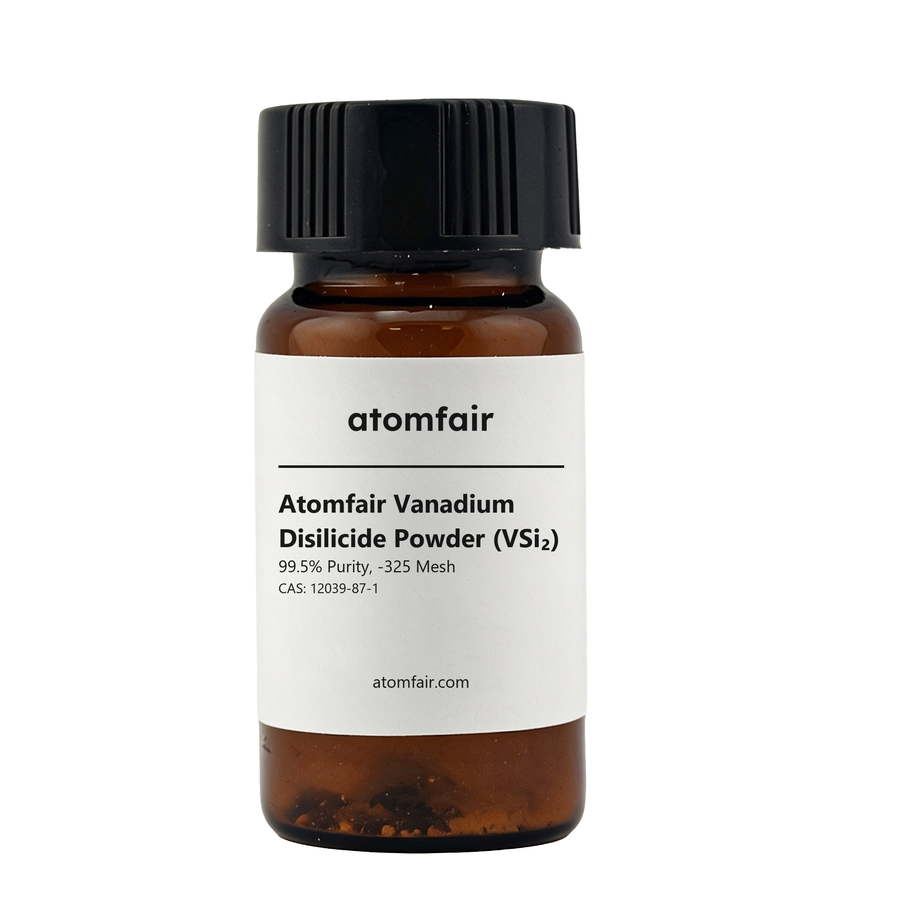
Vanadium Disilicide Powder 99.5% -325 Mesh ATOMFAIR®
Price range: $319.00 through $1,119.00