
Cell Components & Lab Consumables
Cell Components & Lab Consumables covers the components and laboratory supplies used for battery cell packaging, connection, insulation, sealing, electrolyte handling, sample storage, and laboratory assembly. The category supports pouch, cylindrical, and prismatic battery development, prototyping, and small-batch assembly.
Available product families include pouch packaging materials, cylindrical and prismatic cell components, battery tabs, electrical connection parts, insulation and sealing materials, electrolyte containers, sample-handling supplies, and customized cell components.
This category focuses on cell components and assembly consumables. It does not include coin cell parts, pouch cell test fixtures, complete research test cells, in-situ or operando battery test cells, or battery testing instruments.
Show More: Cell Components & Battery Laboratory Consumables
Product Range
| Product Family | Typical Products | Main Use |
|---|---|---|
| Pouch Packaging Materials | Aluminum-laminated film, pre-cut film, preformed pouch bags, heat-sealing film, tab-sealing film, edge-sealing materials | Pouch cell forming, sealing, and moisture protection |
| Cylindrical Cell Components | 18650, 21700, 26650, and 4680 cans, caps, terminals, gaskets, insulation rings, vent components | Cylindrical cell structural assembly |
| Prismatic Cell Components | Aluminum or steel cases, lids, terminal assemblies, fill-port parts, gaskets, safety valves | Prismatic hard-case cell assembly |
| Tabs & Connection Parts | Aluminum tabs, nickel tabs, nickel-plated copper tabs, nickel strips, aluminum strips, copper strips, leads, connectors | Electrode-to-terminal electrical connection |
| Insulation & Sealing Materials | Insulation films, tapes, gaskets, O-rings, sealing washers, plugs, protective caps, electrolyte-resistant materials | Short-circuit prevention, sealing, and component protection |
| Electrolyte Consumables | Aluminum bottles, glass bottles, sealed vials, syringes, needles, transfer tubes, filters, sample containers | Electrolyte preparation, filling, transfer, sampling, and storage |
| Assembly & Sample Supplies | Low-lint wipes, anti-static tweezers, trays, sample boxes, moisture-barrier bags, desiccants, labels, protective liners | Cell assembly, sample handling, and laboratory storage |
| Custom Cell Components | Custom films, tabs, cases, lids, terminals, gaskets, insulation parts, and component kits | Battery prototyping and small-batch development |
Key Selection Parameters
| Product | Parameters to Confirm |
|---|---|
| Pouch Film | Thickness, laminate structure, forming depth, width, length, sealing temperature, and electrolyte compatibility |
| Cylindrical Case | Cell format, diameter, height, cap structure, terminal type, gasket dimensions, and vent design |
| Prismatic Case | Length, width, height, lid dimensions, terminal spacing, fill-port location, and safety structure |
| Battery Tab | Polarity, conductor material, length, width, thickness, insulation film, and welding method |
| Sealing & Insulation Parts | Material, dimensions, thickness, temperature resistance, electrolyte resistance, and installation position |
| Electrolyte Container | Capacity, chemical compatibility, sealing performance, moisture protection, light protection, and headspace |
| Laboratory Supplies | Cleanliness, lint level, anti-static performance, solvent resistance, packaging, and operating environment |
Choose by Application
| Application | Recommended Product Groups |
|---|---|
| Pouch Cell Development | Aluminum-laminated film, positive and negative tabs, tab insulation, heat-sealing materials, and electrolyte consumables |
| Cylindrical Cell Development | Matching cans, caps, gaskets, insulation parts, terminals, and internal connection strips |
| Prismatic Cell Development | Prismatic cases, lids, terminals, gaskets, fill-port parts, and safety components |
| Electrolyte Preparation & Filling | Storage bottles, syringes, needles, transfer tubes, filters, and sampling containers |
| Glovebox Assembly | Low-contamination packaging, low-lint wipes, anti-static tools, and sealed storage containers |
| Small-Batch Prototyping | Component kits, pre-cut materials, custom tabs, custom cases, and sample packaging |
Custom Components
Selected products may be customized according to cell dimensions, material requirements, assembly method, and order quantity. Custom options may include:
| Pouch Materials | Custom film width, length, thickness, pre-cut shape, and pouch dimensions |
| Tabs | Custom tab length, width, thickness, conductor, coating, and insulation structure |
| Cases & Lids | Custom cylindrical or prismatic case dimensions, terminals, lids, and sealing structures |
| Insulation & Sealing Parts | Custom gaskets, insulation films, sealing washers, protective parts, and component kits |
| Small-Batch Kits | Component sets matched to customer drawings and prototype requirements |
For a custom quotation, provide the cell format, dimensions, material requirements, tab position, terminal layout, sealing or welding method, electrolyte system, and estimated quantity.
Frequently Asked Questions
What components are usually needed to build a pouch cell?
Most pouch-cell prototypes require aluminum-laminated film, positive and negative tabs, tab insulation materials, heat-sealing materials, and electrolyte-handling supplies. The exact quantity depends on the cell size and assembly method.
How do I choose the right pouch film?
Compare film thickness, laminate structure, forming depth, sealing temperature, sealing pressure, and cell dimensions. Special cell shapes may require custom film or pre-cut formats.
Can positive and negative battery tabs be used interchangeably?
No. Tabs must match the electrode polarity, conductor material, welding method, current requirement, and cell structure. Aluminum is commonly used for positive tabs, while nickel, copper, or nickel-plated copper may be used for negative connections.
Why are tab insulation materials needed?
Tab insulation helps reduce the risk of contact between the tab, pouch film, case, or other conductive parts. Select the material according to the sealing temperature, operating temperature, electrolyte exposure, and assembly process.
Are cylindrical battery cases supplied with a complete cell?
Usually not. Cans, caps, gaskets, insulation parts, terminals, and assembly kits are structural components and are not complete electrochemical cells unless the product description specifically states otherwise.
How do I choose components for 18650, 21700, 26650, or 4680 cells?
First confirm the cell diameter and height. Then verify that the can, cap, gasket, terminal, and connection parts are designed for the same format. Components from different formats should not be assumed to be interchangeable.
How should I choose an electrolyte storage bottle?
Check the required capacity, bottle material, internal treatment, closure design, moisture protection, light protection, and compatibility with the actual electrolyte formulation.
Can I purchase tabs, gaskets, or insulation parts separately?
Yes. These products may be available as individual components, multi-piece packs, or assembly kits. Check the product page for the exact dimensions, quantity, and packaging format.
Can battery cell components be customized?
Selected products may be customized by size, thickness, length, width, material, insulation structure, or packaging quantity. A cell drawing and assembly specification are recommended for custom inquiries.
Does this category include coin cell parts?
No. Coin cell cases, springs, spacers, gaskets, and crimping tools belong in the Coin Cell Parts & Assembly Kits category.
Does this category include pouch cell test fixtures?
No. Products used for pouch-cell cycling tests, pressure control, and multilayer clamping belong in the Pouch Cell Test Fixtures category.
Does this category include complete research test cells?
No. Complete research cells, Swagelok cells, specialized test molds, optical cells, and operando systems belong in their respective research or in-situ battery test cell categories.
Showing all 10 results
-
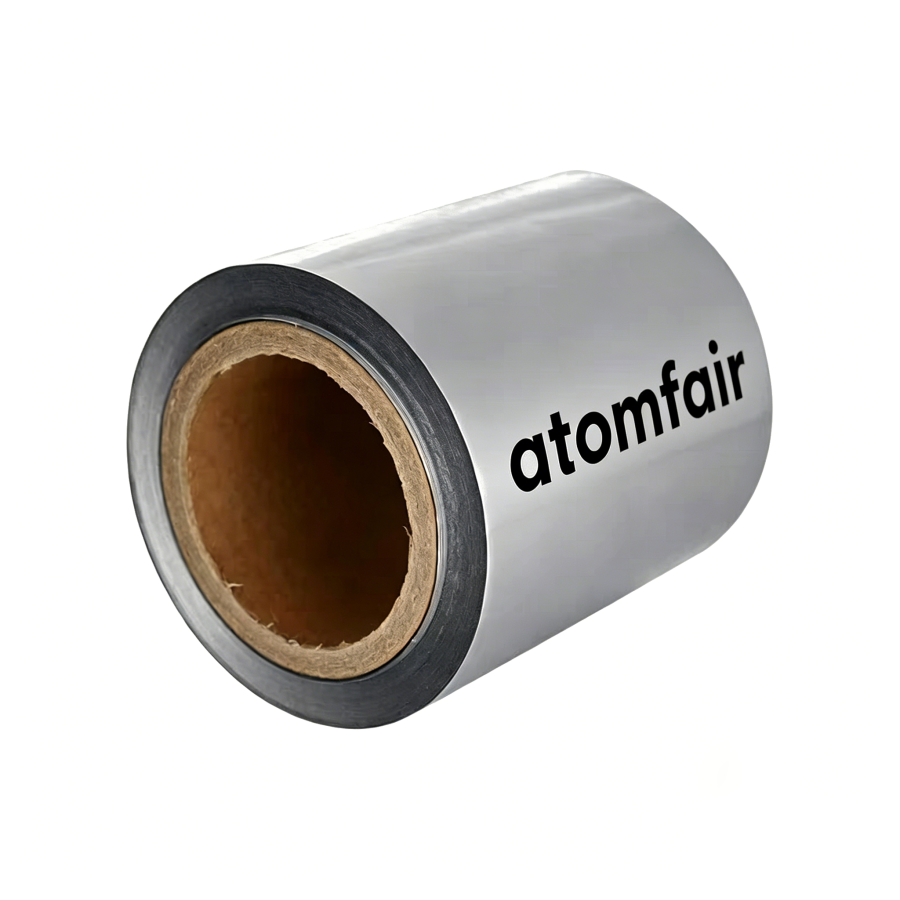
Aluminum Laminated Film 113μm 200mm×10m Pouch Cell ATOMFAIR®
$89.00 -
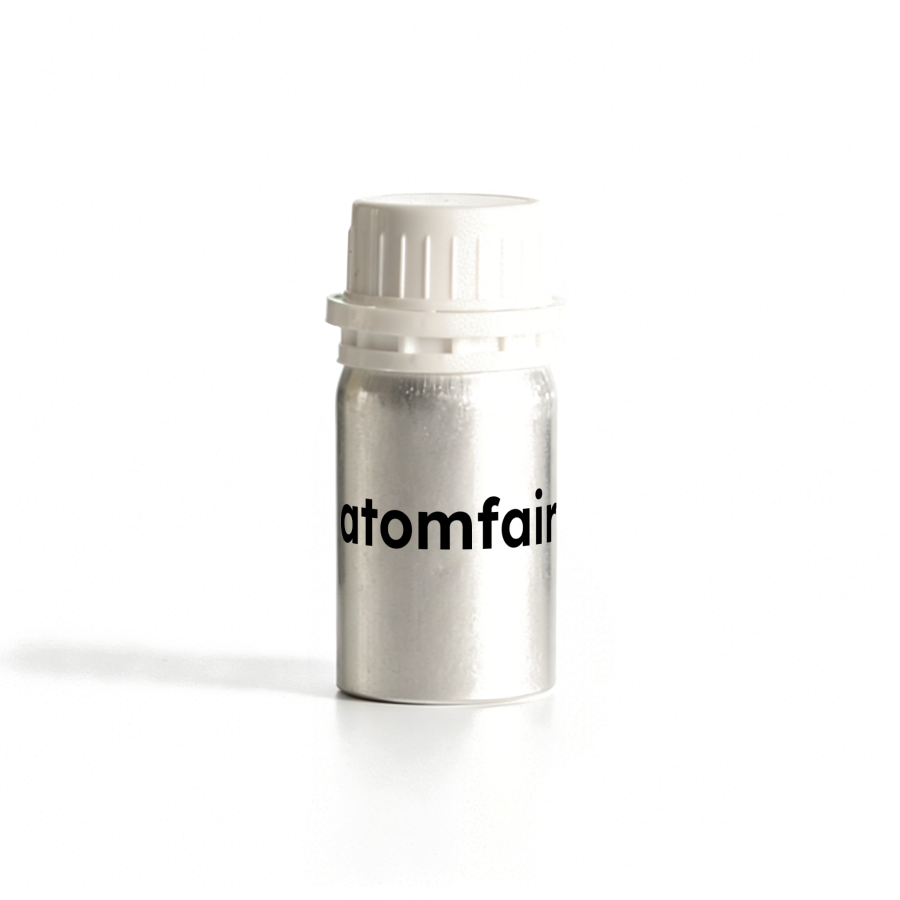
Aluminum Reagent Bottles 125 mL 5-Pack ISO 9001 ATOMFAIR®
$85.95 -
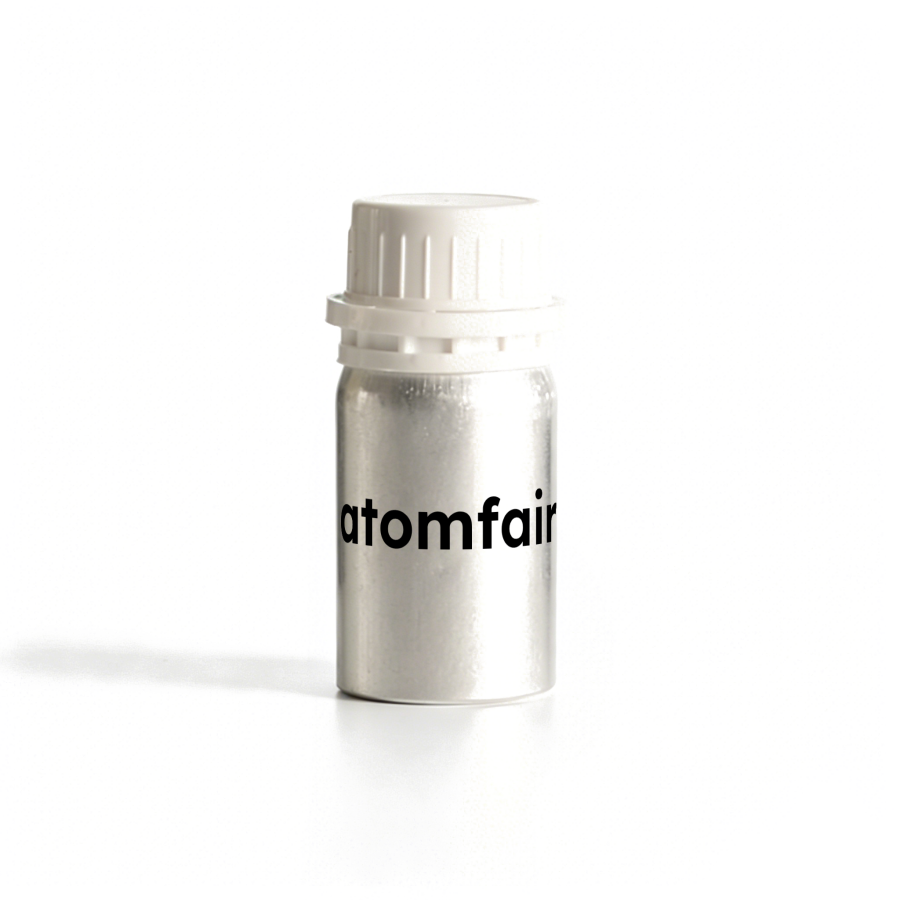
Aluminum Reagent Bottles 256 mL ISO 9001 5-Pack ATOMFAIR®
$89.95 -
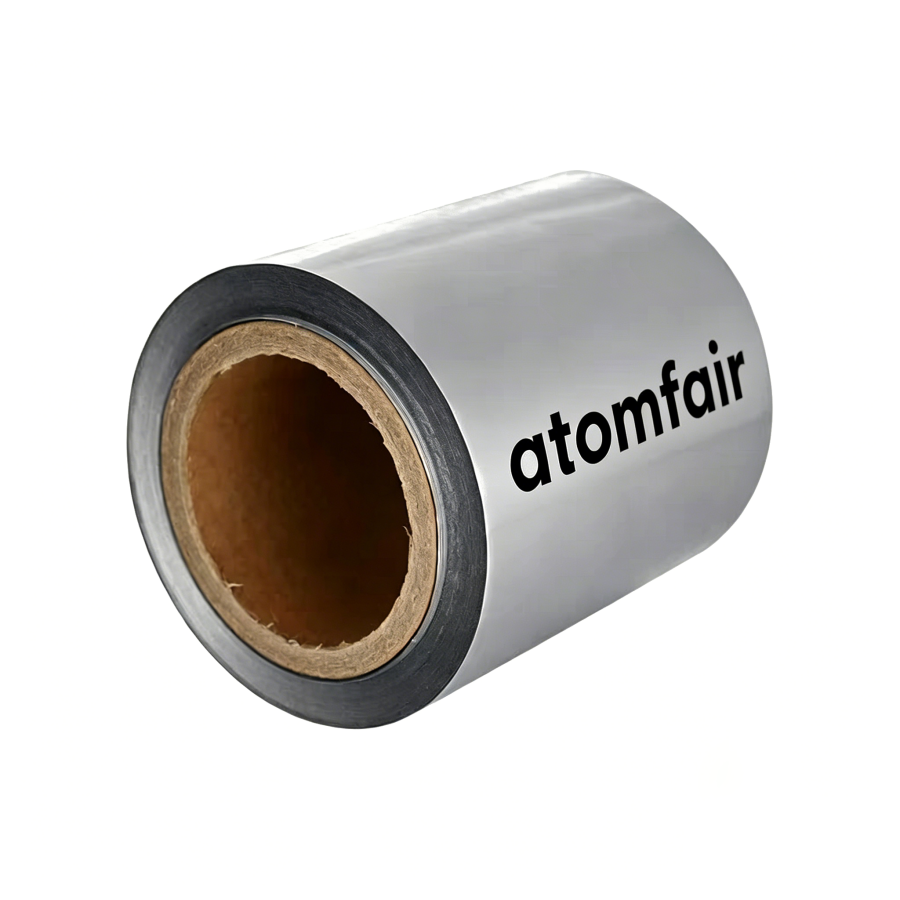
Aluminum-Laminated Film 86μm Research Roll ATOMFAIR®
$85.00 -
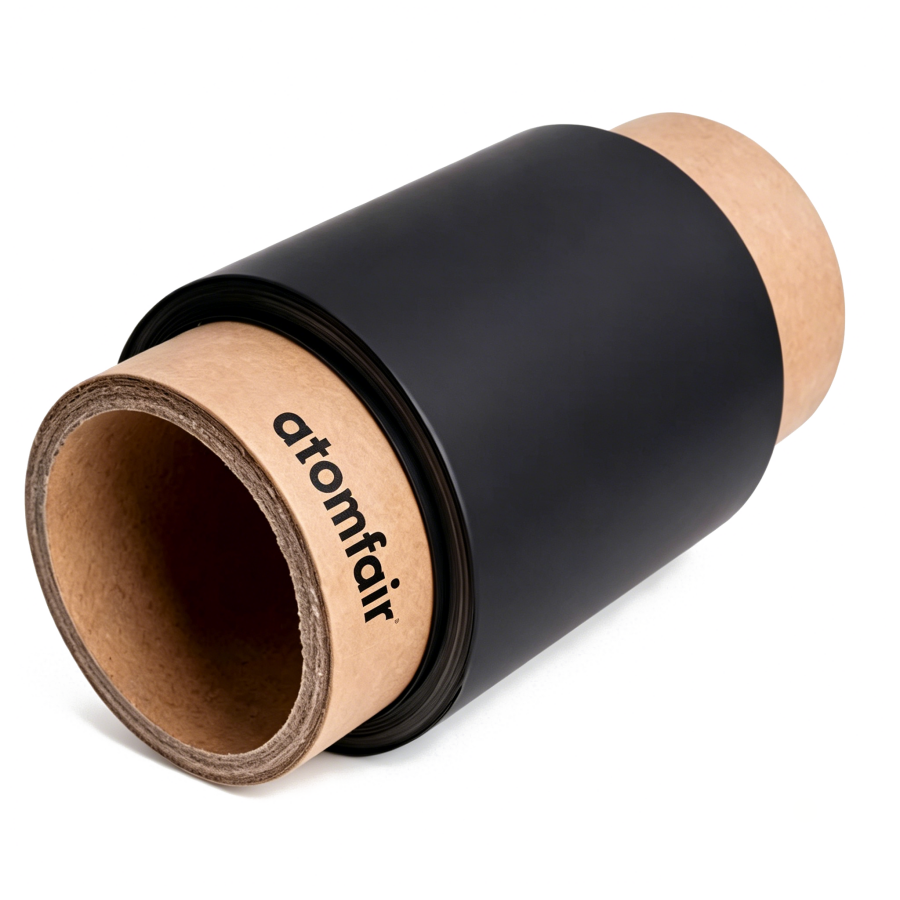
Aluminum-Laminated Film 91μm Research Grade ATOMFAIR®
$119.00 -
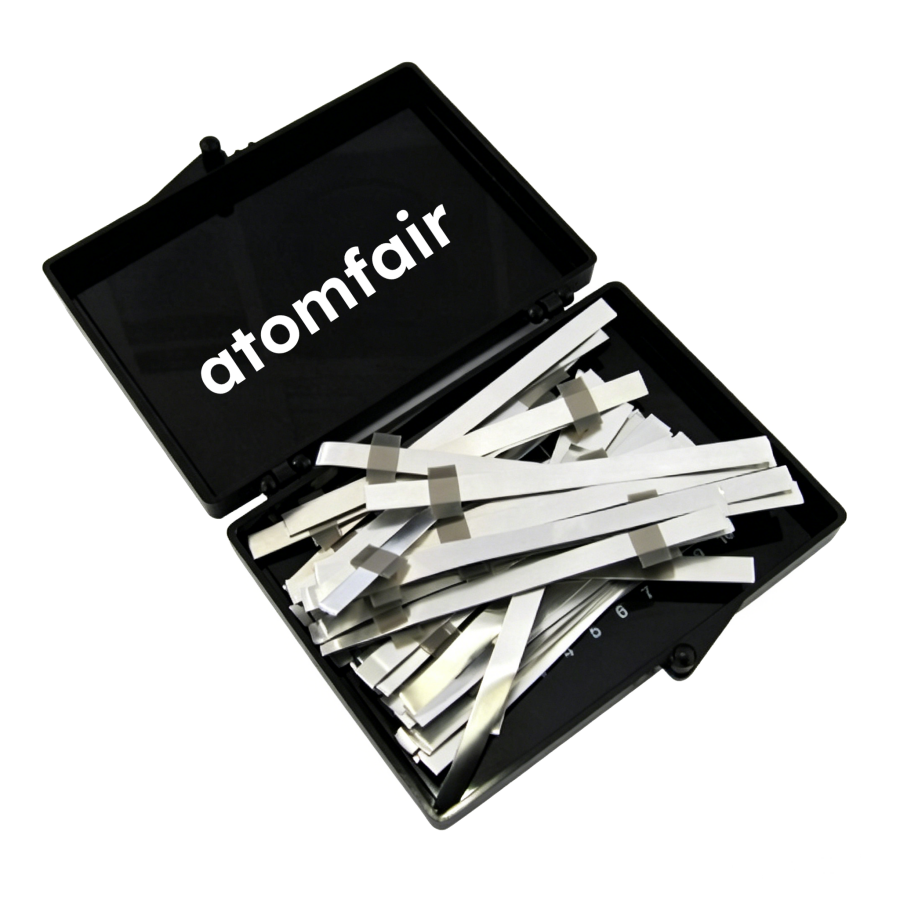
DNP Aluminum Cathode Tabs 3×0.1 mm ≥99.3% Al 100 pcs Box
$55.00 -
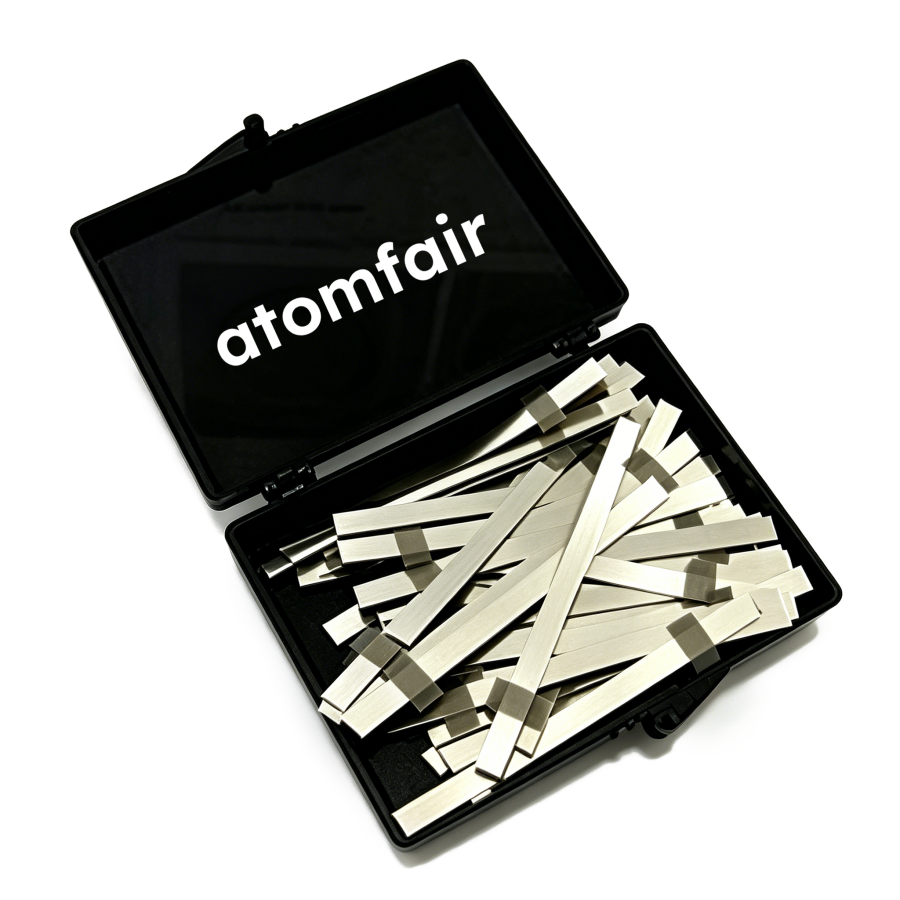
DNP Nickel-Plated Copper Anode Tabs 3×0.1mm ATOMFAIR®
$55.00 -
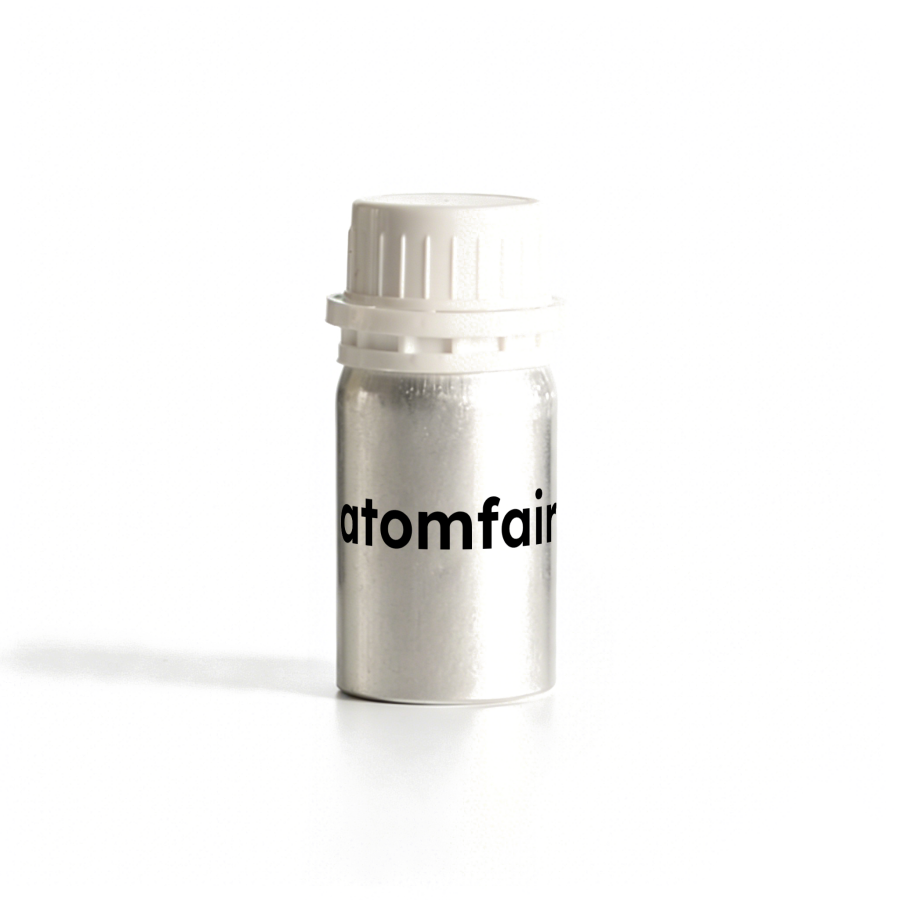
High-Purity Aluminum Bottle 50 mL, 5-Pack ATOMFAIR®
$79.95 -
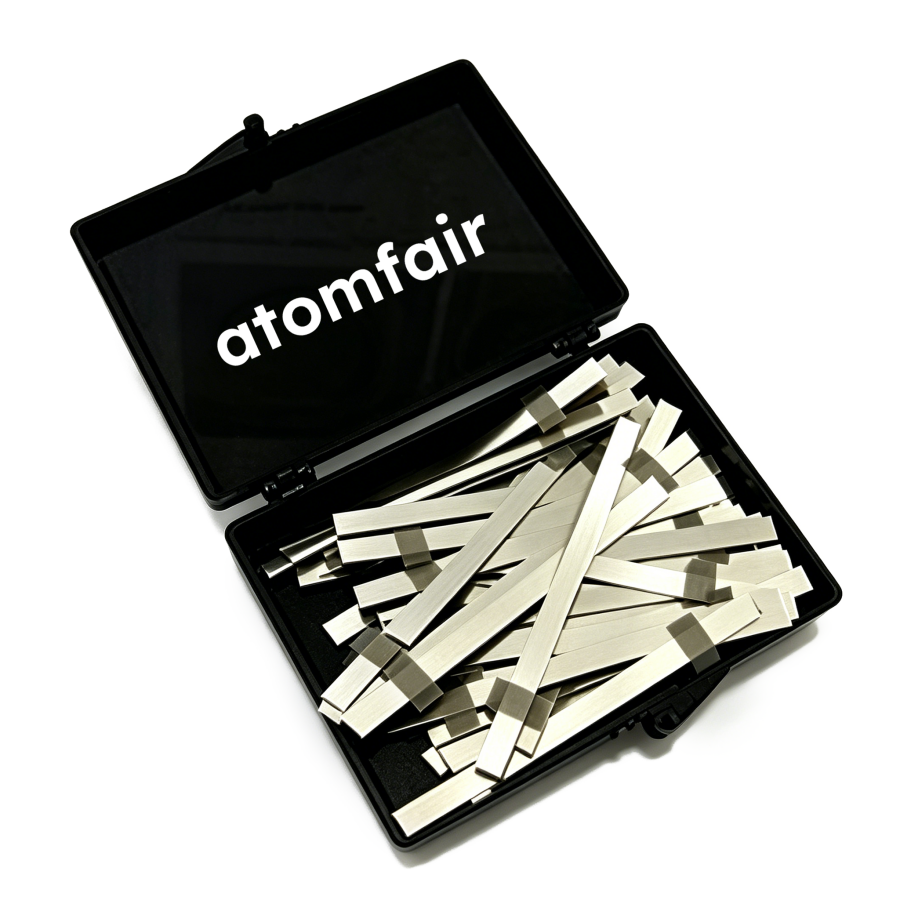
Pure Nickel Battery Anode Tabs ≥99.60% 3×0.1mm ATOMFAIR®
$55.00 -
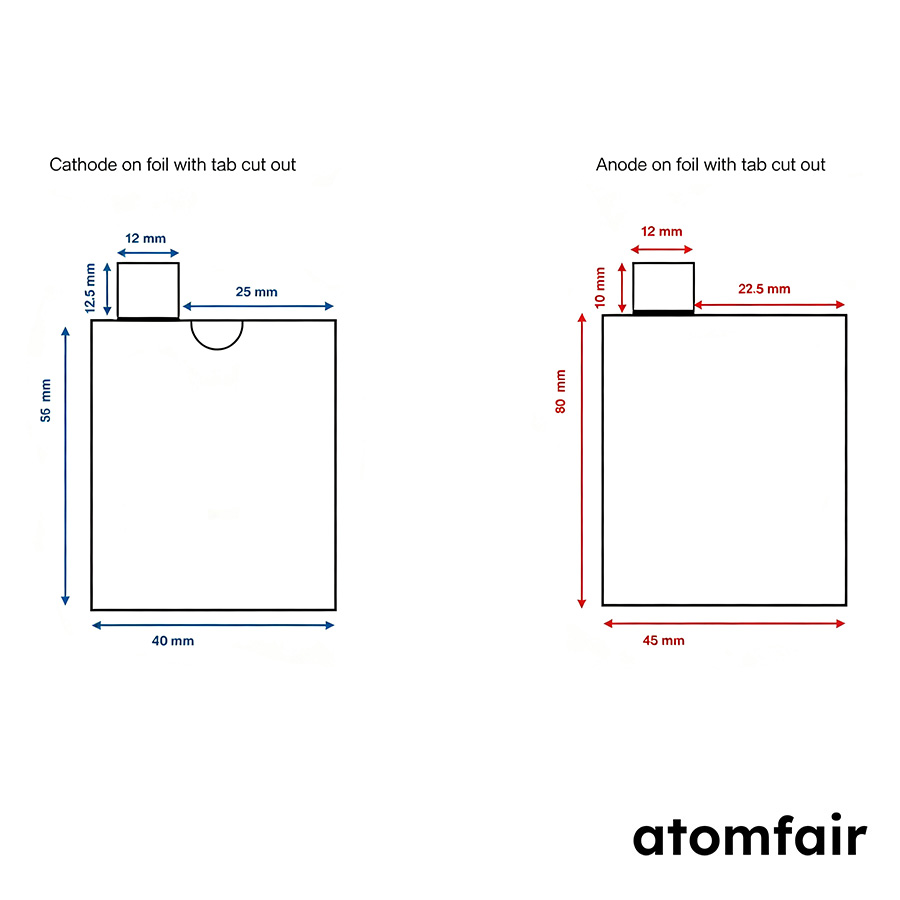
RESILIENT SYSTEMS Pouch Cell Electrode Die Set 3-Pair
$700.00