
Powder Metallurgy & Surface Engineering Materials
Powder Metallurgy & Surface Engineering Materials support high-performance metal component manufacturing, densification processes, and functional surface enhancement. This category covers powder raw materials, metal injection molding feedstocks, hot isostatic pressing powders, and thermal spray coating materials for aerospace, energy, medical devices, automotive, tooling, petrochemical, marine, and advanced manufacturing applications.
Different material systems and powder forms are designed for different manufacturing routes. Start by identifying the target process, then match the alloy system, particle-size range, powder morphology, flowability, densification requirement, service environment, and final performance target.
Show More
Explore Powder Metallurgy & Surface Engineering Materials
| Product Direction | Core Material Types | Suitable Processes | Primary Performance Goals |
|---|---|---|---|
| HIP Powders | Nickel-based superalloys, titanium alloys, tool steels, corrosion-resistant alloys, and other high-performance alloy powders | Hot isostatic pressing, powder densification, near-net-shape manufacturing | High-temperature strength, fatigue resistance, corrosion resistance, and high density |
| Metal Injection Molding Feedstocks | Stainless steels, low-alloy steels, tool steels, titanium alloys, cobalt-chromium alloys, and soft magnetic alloys | Metal injection molding, debinding, and sintering | Complex geometry, high-volume precision parts, and near-net-shape production |
| Thermal Spray Powders | Metal alloys, carbides, oxides, ceramics, and composite coating powders | Flame spraying, plasma spraying, HVOF, cold spraying, and related coating processes | Wear resistance, corrosion protection, oxidation resistance, thermal insulation, and dimensional restoration |
HIP & Hot Isostatic Pressing Powders
Hot isostatic pressing powders are used where high density, uniform microstructure, and reliable mechanical performance are required. They are suitable for high-temperature, highly loaded, complex, or critical metal components where conventional casting and forging routes may have limitations.
| Material System | Typical Characteristics | Common Application Direction |
|---|---|---|
| Nickel-Based Superalloy Powders | High-temperature strength, creep resistance, oxidation resistance, and thermal-fatigue resistance | Turbine disks, shafts, gas-turbine parts, and high-temperature structural components |
| Titanium and Titanium Alloy Powders | Low density, high specific strength, and corrosion resistance | Aerospace structures, medical components, and lightweight engineered parts |
| Stainless Steel and Corrosion-Resistant Alloy Powders | Corrosion resistance and uniform metallurgical structure | Chemical equipment, valves, pump components, and marine engineering parts |
| Tool Steel and High-Strength Steel Powders | High hardness, wear resistance, and load-bearing capability | Molds, tooling, cutting tools, and wear-resistant mechanical parts |
| Cobalt-Based and Specialty Alloy Powders | Heat resistance, wear resistance, and corrosion resistance | High-temperature sealing parts, wear components, and demanding service environments |
When selecting HIP powders, consider alloy chemistry, particle-size distribution, powder sphericity, oxygen and nitrogen control, flowability, encapsulation method, HIP cycle, and post-HIP heat treatment. Critical structural applications should also be evaluated against target density, grain control, fatigue performance, and service temperature.
Metal Injection Molding Feedstocks
Metal injection molding feedstocks are designed for high-precision, small, and geometrically complex metal components. Combining fine metal powders with a binder system allows injection molding, debinding, and sintering to deliver design flexibility together with the performance of engineered metal parts.
| Material System | Suitable Part Requirements | Common Application Direction |
|---|---|---|
| 316L Stainless Steel | Corrosion resistance, good formability, and surface quality | Medical devices, fluid-handling parts, electronic hardware, and precision components |
| 17-4PH Stainless Steel | Balanced strength, hardness, and corrosion resistance | Industrial structural parts, hardware, tooling components, and precision machinery |
| Low-Alloy Steel and Tool Steel | High strength, wear resistance, and heat-treatment capability | Gears, transmission parts, hand tools, and wear-resistant components |
| Titanium and Titanium Alloys | Lightweight design, high specific strength, and biocompatibility | Medical components, aerospace parts, and consumer-electronics structures |
| Cobalt-Chromium Alloys | Wear resistance, corrosion resistance, and biocompatibility | Medical devices and durable precision components |
| Soft Magnetic Alloys | Magnetic performance combined with complex-shape capability | Electromagnetic actuators, sensors, and compact magnetic components |
MIM material selection should account for feedstock flowability, powder loading, binder system, debinding route, sintering shrinkage, sintered density, and finished-part dimensional tolerance. For thin walls, micro-holes, complex curved surfaces, or porous structures, material selection should be considered together with mold design and sintering compensation.
Thermal Spray Powders
Thermal spray powders create protective, functional, or restorative layers on component surfaces. They can improve wear resistance, corrosion resistance, high-temperature oxidation resistance, thermal insulation, electrical insulation, or dimensional recovery by selecting the appropriate metal, ceramic, carbide, or composite coating system.
| Coating Objective | Typical Material Direction | Typical Application |
|---|---|---|
| High-Temperature Oxidation Resistance and Bond Coats | MCrAlY, NiCr, NiAl, and related alloy systems | Thermal barrier coating bond coats, gas-turbine parts, and high-temperature equipment |
| Corrosion Protection | Nickel-based corrosion-resistant alloys, cobalt-based alloys, stainless steel, and protective alloy systems | Chemical processing equipment, boilers, valves, and marine engineering components |
| Wear and Erosion Resistance | WC-Co, WC-CoCr, Cr3C2-NiCr, chromium oxide, and related materials | Shafts, rollers, pump parts, valve seats, molds, and repair applications |
| Thermal Insulation and High-Temperature Protection | Zirconia, alumina, and composite ceramic systems | Thermal barrier coatings, high-temperature components, and energy equipment |
| Electrical Insulation and Dielectric Protection | Alumina, titanium oxide, and functional ceramic systems | Electronic parts, insulating layers, and functional surfaces |
| Biological and Functional Coatings | Hydroxyapatite, titanium-based systems, and composite coatings | Medical implants and specialized functional surfaces |
| Dimensional Restoration and Surface Reinforcement | Nickel-based self-fluxing alloys, iron-based alloys, and cobalt-based alloys | Shaft repair, sealing-surface repair, and mechanical component remanufacturing |
For thermal spray powder selection, first define the surface problem to be solved, such as wear, corrosion, oxidation, thermal shock, electrical insulation, or dimensional restoration. Then match the spray process, particle-size range, substrate material, coating thickness, surface preparation method, and post-treatment requirement. Multi-layer coating systems should also consider the compatibility of bond coats, intermediate layers, and top coats.
How to Choose the Right Material
| Your Requirement | Key Selection Priorities |
|---|---|
| Complex, small, high-volume metal parts | MIM feedstock, sintering shrinkage, flowability, and dimensional tolerance |
| Dense, high-performance structural parts | HIP powder, alloy system, particle size, impurity control, and heat-treatment route |
| Longer wear life | Carbide, cobalt-based, nickel-based, or ceramic thermal spray powders |
| Improved corrosion resistance | Nickel-based corrosion-resistant alloys, stainless steels, cobalt-based alloys, or protective coating systems |
| High-temperature oxidation or thermal cycling | High-temperature alloy powders, MCrAlY bond coats, and thermal barrier coating materials |
| Repair or dimensional restoration | Self-fluxing alloys, wear-resistant alloys, and compatible thermal spray materials |
| Medical or biocompatible applications | Titanium alloys, cobalt-chromium alloys, and biofunctional coating systems |
Frequently Asked Questions
What is the difference between powder metallurgy materials and conventional metal materials?
Powder metallurgy materials are processed from metal or composite powders through forming, sintering, hot isostatic pressing, or spraying. They are particularly suitable for complex shapes, high-performance alloys, near-net-shape production, and functional surface engineering.
How do I choose between MIM and HIP?
MIM is generally suited to small, complex, high-volume precision parts. HIP is generally used for dense, high-performance, and high-temperature structural components. The right route depends on part size, geometry, performance requirements, and production scale.
What problems can thermal spray coatings solve?
Thermal spray coatings can improve wear resistance, corrosion resistance, oxidation resistance, thermal insulation, and electrical insulation. They can also restore worn dimensions and extend component service life.
Why is particle size important for thermal spray powder?
Particle size affects powder feeding stability, melting behavior, deposition efficiency, coating porosity, and surface roughness. Each spray process normally requires a suitable particle-size range.
What information should be confirmed when selecting MIM feedstock?
Confirm the alloy system, powder-and-binder condition, flowability, recommended debinding route, sintering conditions, shrinkage behavior, and target mechanical performance to ensure compatibility with the mold and production process.
Are HIP powders suitable for high-temperature applications?
Nickel-based, cobalt-based, and other specialty alloy powders can support high-temperature applications. Actual service capability depends on alloy chemistry, HIP processing, heat treatment, and final component design.
How should I choose a thermal spray material for wear resistance?
Selection should follow the wear mechanism. Sliding wear, erosion, abrasion, and high-temperature wear place different demands on the coating. Carbides, oxides, nickel-based alloys, cobalt-based alloys, and iron-based alloys are used for different wear conditions.
What project information is useful before selecting a material?
Provide the target process, base material or component material, service temperature, operating medium, required performance, preferred particle-size range, target coating or part dimensions, and any requirements for custom composition, packaging, or technical documentation.
Showing all 5 results
-
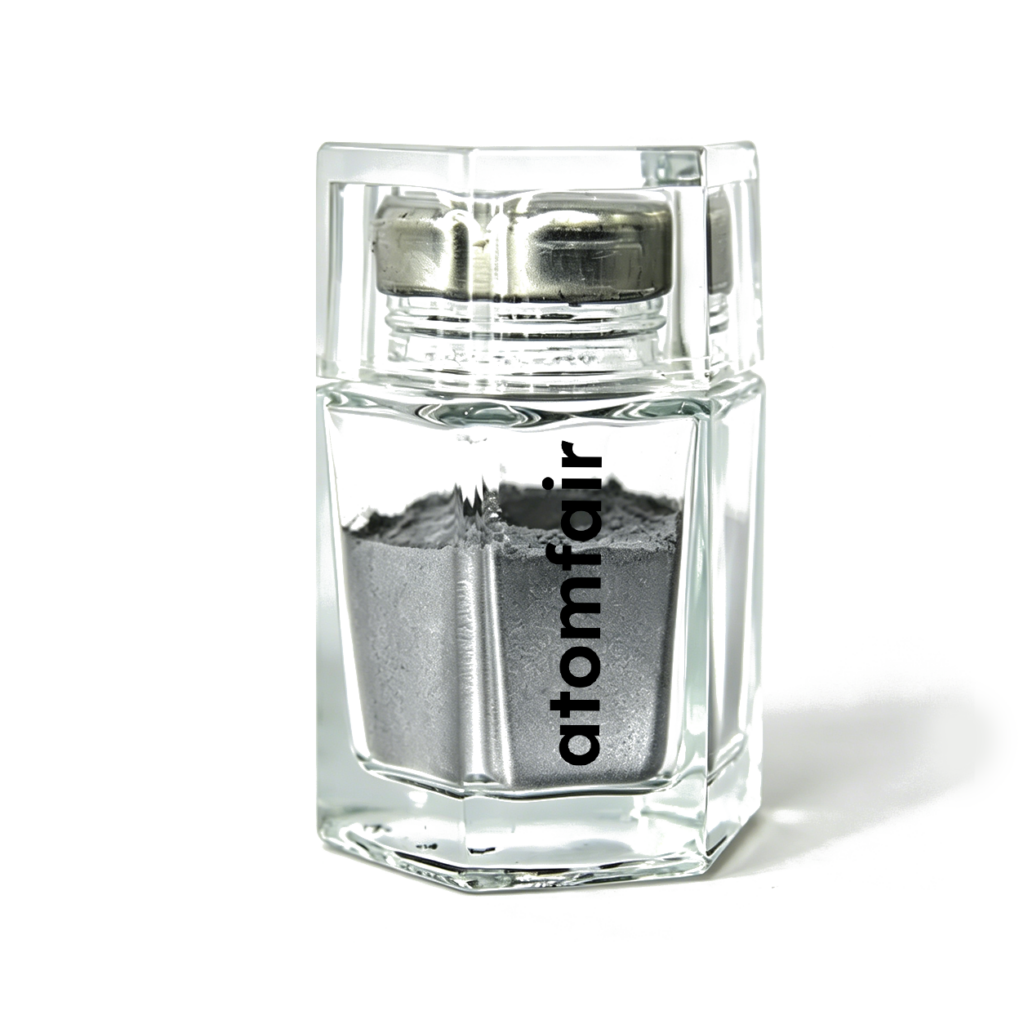
17-4PH MIM Stainless Steel Powder 0-105μm ATOMFAIR®
Price range: $229.00 through $243.00 -
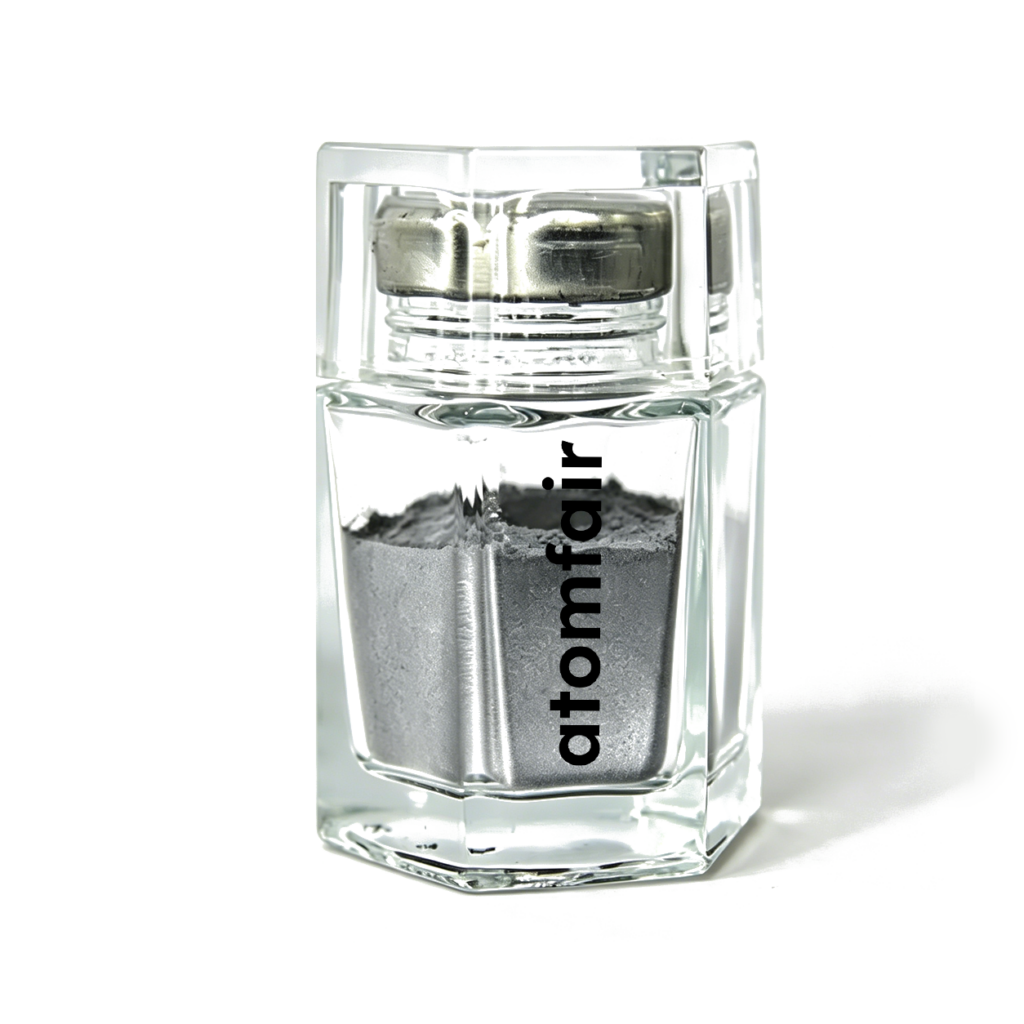
Spherical 316L MIM Powder 0-150μm Injection ATOMFAIR®
Price range: $216.00 through $224.00 -
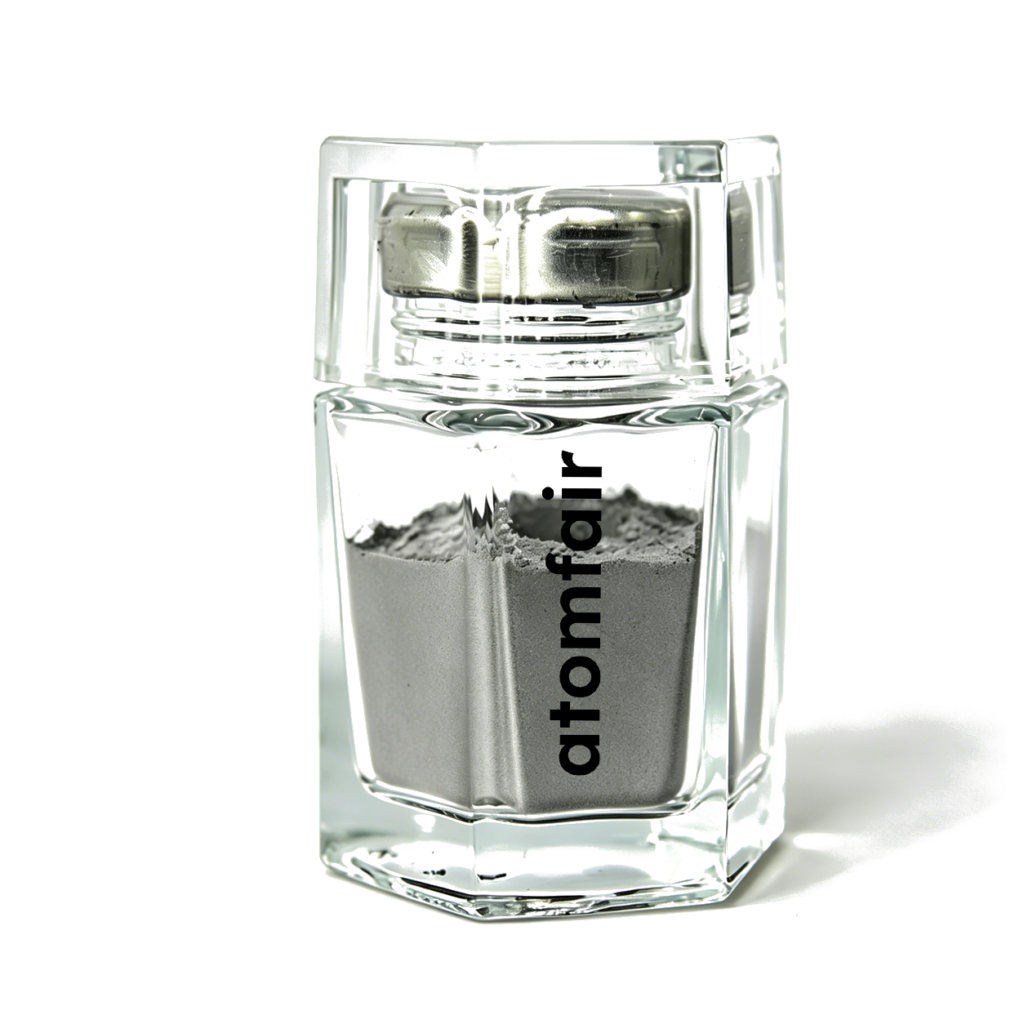
Ti-5Al-1.7V-1.9Zr-1.3Mo MIM Feedstock 1000-1500 MFI ATOMFAIR®
$500.00 -
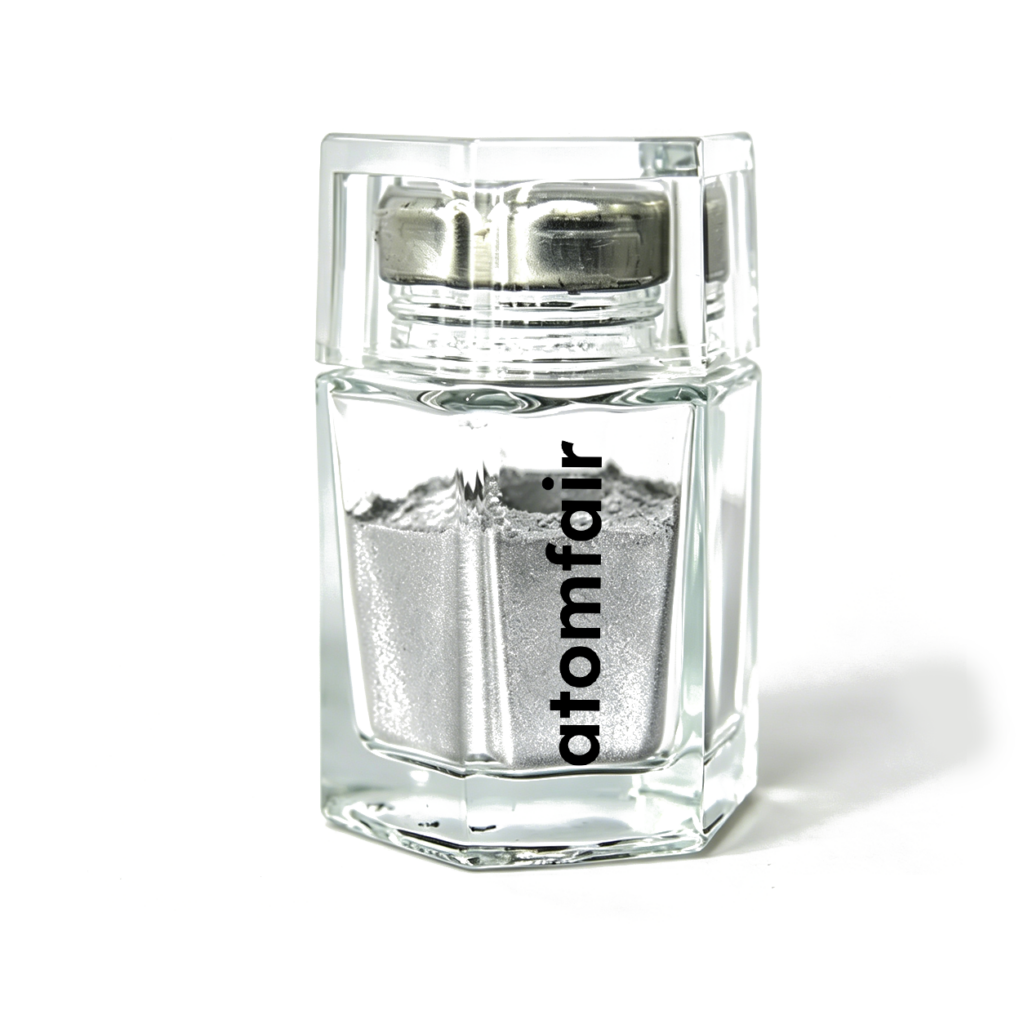
Ti-6Al-4V MIM Powder ≥0.90 Sphericity Research ATOMFAIR®
$500.00 -
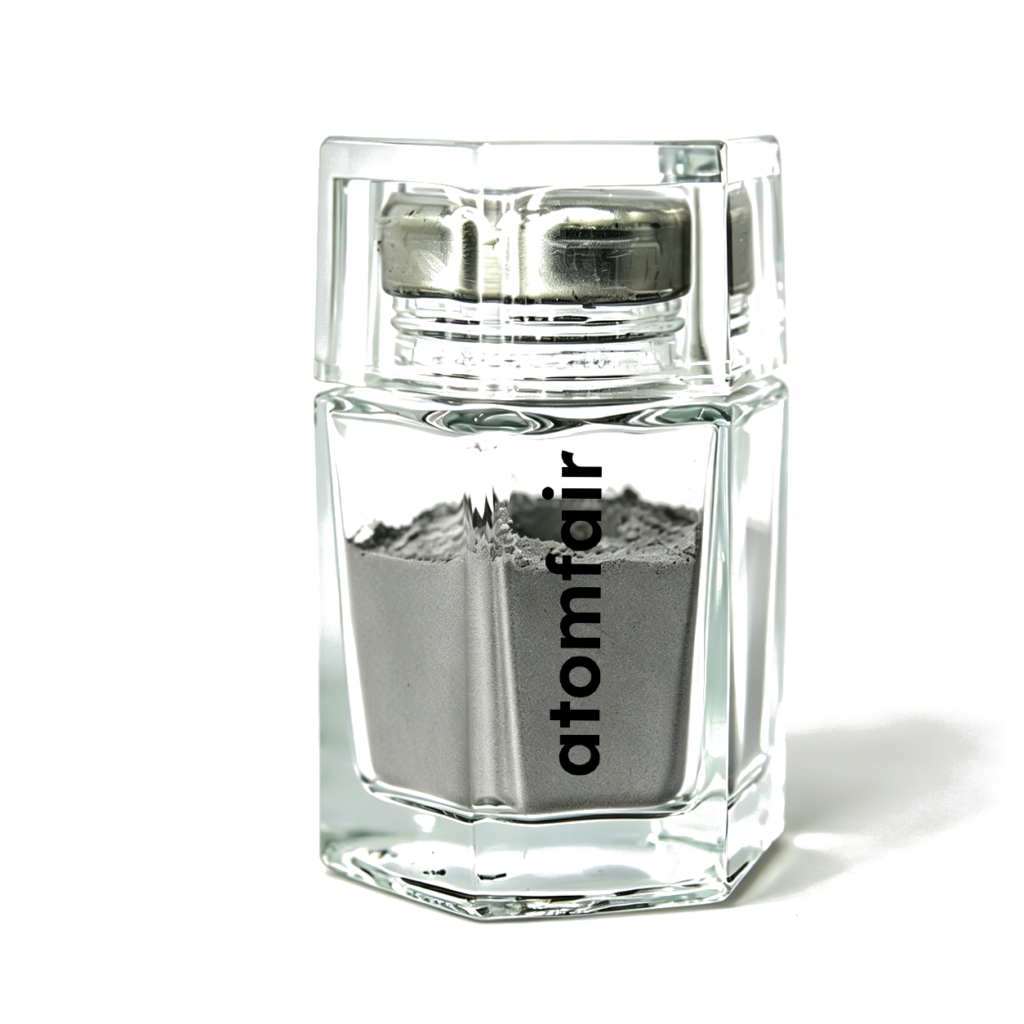
Ti6Al4V Titanium MIM Feedstock 6.3% Al 3.9% V ATOMFAIR®
$500.00