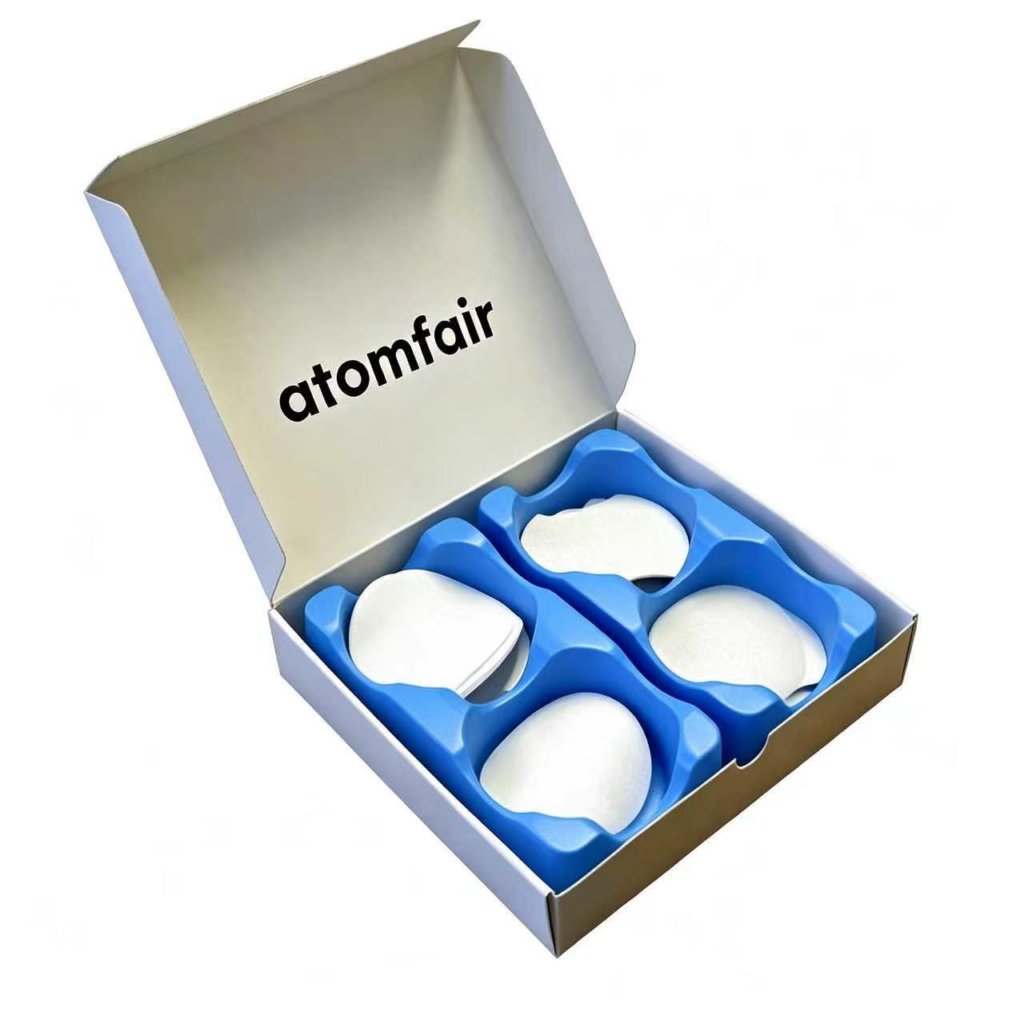
Pre-Cut Separator Discs
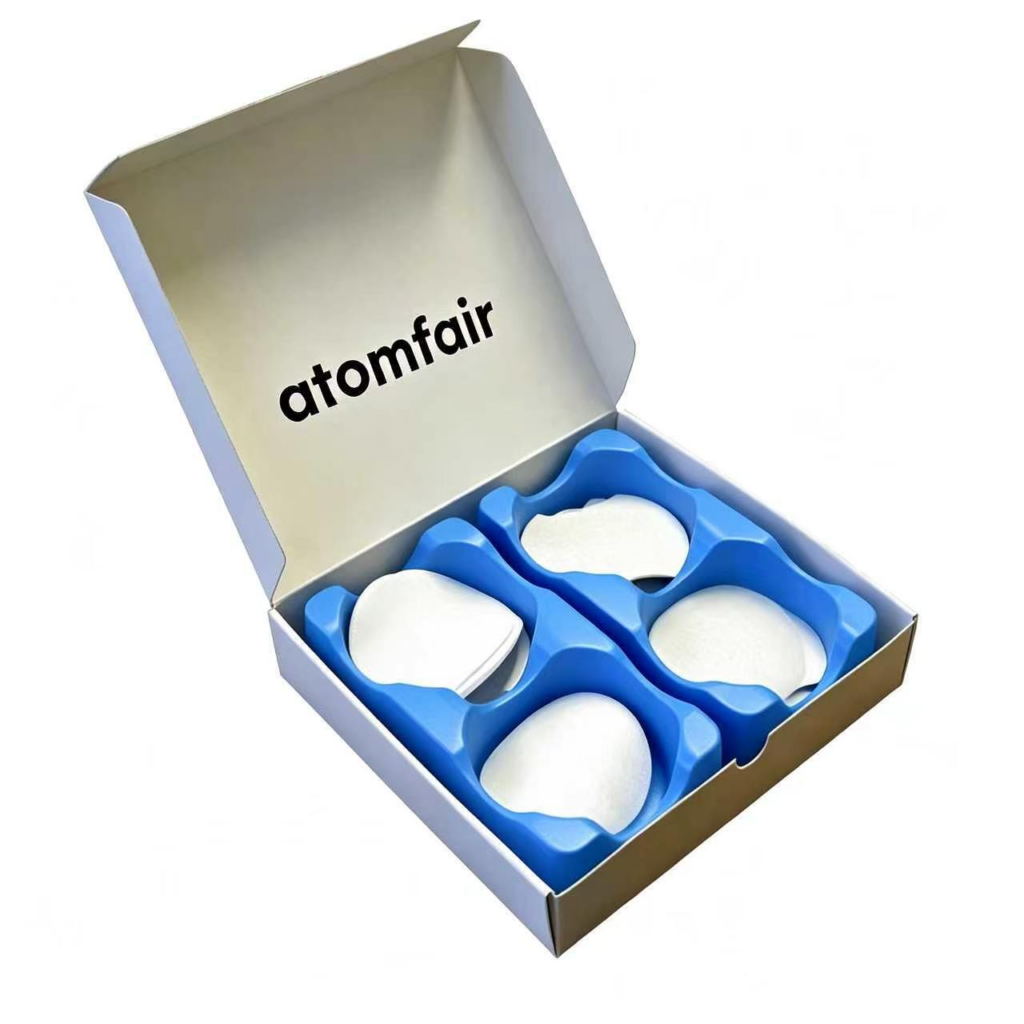
Pre-Cut Separator Discs are ready-to-use circular battery separator materials for coin cell, button cell, and laboratory electrochemical cell assembly. They help reduce manual punching variation, edge defects, handling contamination, and size inconsistency, making them especially useful for repeatable CR20XX battery testing.
This category covers pre-cut separator discs made from PP, PE, PP/PE composites, PP/PE/PP trilayer membranes, glass fiber, cellulose, nonwoven materials, ceramic-coated separators, and high-temperature separator substrates. Customers can select by cell format, disc diameter, separator material, thickness, electrolyte uptake, mechanical strength, thermal stability, and battery chemistry compatibility.
These products are suitable for lithium-ion, sodium-ion, zinc-based, magnesium-based, aqueous, and exploratory battery research workflows, including electrode material screening, electrolyte comparison, half-cell and full-cell assembly, cycle testing, rate capability studies, safety comparison, and post-test teardown analysis.
Show More: Pre-Cut Separator Discs Selection Guide
Category Boundaries
| Category | What Belongs Here | Customer Use Case |
|---|---|---|
| Battery Separators | Separator rolls, sheets, membranes, and uncut separator materials. | Choose this when the lab needs bulk separator material for custom cutting or broader cell formats. |
| Pre-Cut Separator Discs | Circular separator discs already cut for coin cell and button cell assembly. | Choose this when the lab wants ready-to-use discs for CR2016, CR2025, CR2032, CR2430, or similar cell formats. |
| Advanced Separator Coatings & High-Temperature Separators | Ceramic-coated, aramid-coated, PI, PVDF-coated, flame-resistant, and high-temperature separator materials. | Choose this when thermal stability, safety enhancement, coating technology, or advanced separator performance is the main requirement. |
| Current Collector Foils | Copper foil, aluminum foil, nickel foil, stainless steel foil, carbon-coated foils, metal mesh, and conductive current collector substrates. | Choose this when the customer needs conductive electrode support rather than separator material. |
Choose by Separator Material
| Disc Type | Best For | Main Selection Notes |
|---|---|---|
| PP Separator Discs | Routine lithium-ion and sodium-ion coin cell testing. | Good mechanical stability and clean handling for standardized battery R&D workflows. |
| PE Separator Discs | Thin separator designs and common coin cell screening. | Useful where wetting behavior, thickness, and transport balance are key concerns. |
| PP/PE Composite Discs | General CR20XX cell assembly requiring balanced strength and wetting. | Compare diameter, thickness, porosity, air permeability, and puncture resistance. |
| PP/PE/PP Trilayer Discs | More controlled coin cell studies and separator comparison work. | Suitable when a multilayer separator structure is preferred for dimensional stability and safety-oriented testing. |
| Glass Fiber Separator Discs | High electrolyte uptake, broad chemistry screening, and exploratory cell systems. | Often used for lithium, sodium, zinc, magnesium, and aqueous battery studies; check stack height due to higher thickness. |
| Cellulose & Nonwoven Discs | Aqueous batteries, supercapacitors, and specialty electrolyte systems. | Good liquid retention; confirm electrochemical stability with the selected electrolyte and voltage window. |
| Ceramic-Coated Separator Discs | Thermal stability, safety comparison, and advanced separator studies. | Choose when coating layer, heat resistance, and dimensional stability are important. |
| High-Temperature Polymer Discs | High-temperature battery testing and safety-focused research. | Includes PI, aramid, and other heat-resistant separator options when available. |
Choose by Cell Format
| Cell Format | Typical Separator Disc Considerations |
|---|---|
| CR2016 | Often requires careful control of separator thickness and stack height. |
| CR2025 | Suitable for routine half-cell and full-cell testing with moderate internal spacing. |
| CR2032 | The most common laboratory coin cell format; compatible with PP, PE, trilayer, glass fiber, and coated separator options depending on the experiment. |
| CR2430 and Larger Coin Cells | Useful for larger electrode areas or higher electrolyte volume requirements; confirm disc diameter before ordering. |
| Custom Coin Cell Fixtures | Select by exact electrode diameter, separator oversize, material, thickness, and package quantity. |
Key Buying Factors
| Factor | Why It Matters |
|---|---|
| Disc Diameter | The separator must cover the electrode area without interfering with the gasket, spacer, spring, or crimping structure. |
| Material System | Material affects electrolyte compatibility, wetting, mechanical durability, thermal behavior, and battery chemistry suitability. |
| Thickness | Thickness influences internal resistance, electrolyte retention, stack height, and cell compression. |
| Porosity and Air Permeability | These help customers compare wetting behavior and ion transport between separator materials. |
| Electrolyte Uptake | Important for glass fiber, aqueous systems, high-loading electrodes, and experiments requiring higher liquid retention. |
| Puncture Strength | Helps reduce short-circuit risk during stacking, crimping, cycling, and post-test disassembly. |
| Thermal Stability | Relevant for high-temperature testing, abuse-condition screening, and safety-oriented separator comparison. |
| Clean Packaging | Clean packaging supports repeatable cell assembly and reduces the risk of dust or handling contamination. |
Application Guidance
For standard CR2032 lithium-ion half-cell testing, PP, PE, PP/PE, and PP/PE/PP separator discs are common starting points. They are suitable for electrode material evaluation, electrolyte comparison, rate performance testing, and cycle life studies where consistent assembly is important.
For sodium-ion, zinc-ion, magnesium-ion, aqueous, or early-stage electrolyte systems, glass fiber, cellulose, and nonwoven separator discs can provide higher electrolyte retention and broader compatibility. Customers should confirm thickness and stack height before use.
For safety-focused or advanced separator research, ceramic-coated, trilayer, aramid, PI, or other high-temperature separator discs can support comparison of shrinkage resistance, thermal stability, short-circuit control, and separator-related cell performance.
FAQ
What is the difference between Battery Separators and Pre-Cut Separator Discs?
Battery Separators usually refers to separator rolls, sheets, or uncut membrane materials. Pre-Cut Separator Discs are already cut into circular pieces for direct coin cell or button cell assembly.
How should I choose between PP, PE, and PP/PE/PP separator discs?
PP is commonly used for stable routine testing, PE can be useful where wetting and thin separator design are important, and PP/PE/PP trilayer discs are often selected for more controlled mechanical and safety-oriented studies.
When should I choose glass fiber separator discs?
Glass fiber discs are useful when high electrolyte uptake, broad chemistry compatibility, or exploratory testing is required. They are often used in lithium, sodium, zinc, magnesium, and aqueous electrochemical systems.
How do I choose the correct disc diameter?
The disc should cover the active electrode area and provide a safe margin between electrodes, while still fitting the coin cell gasket and internal hardware without folding or blocking the crimping structure.
Are pre-cut separator discs better than punching separator rolls in the lab?
For repeatable testing and batch assembly, pre-cut discs can reduce manual cutting variation, edge defects, and contamination risk. Separator rolls remain useful when custom shapes or larger cell formats are needed.
Can one separator disc be used for all CR20XX cells?
Not always. CR20XX describes the coin cell case family, but the correct separator depends on electrode diameter, separator thickness, internal stack height, electrolyte volume, and test purpose.
Where should ceramic-coated pre-cut separator discs be categorized?
If the product is sold primarily as a ready-to-use circular disc, it fits Pre-Cut Separator Discs. If the product is sold primarily as a coating technology, roll material, or high-temperature separator platform, it fits Advanced Separator Coatings & High-Temperature Separators.
Showing all 5 results