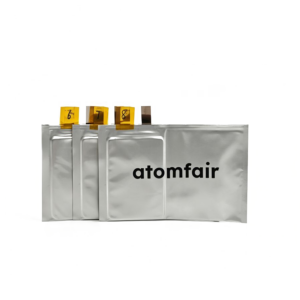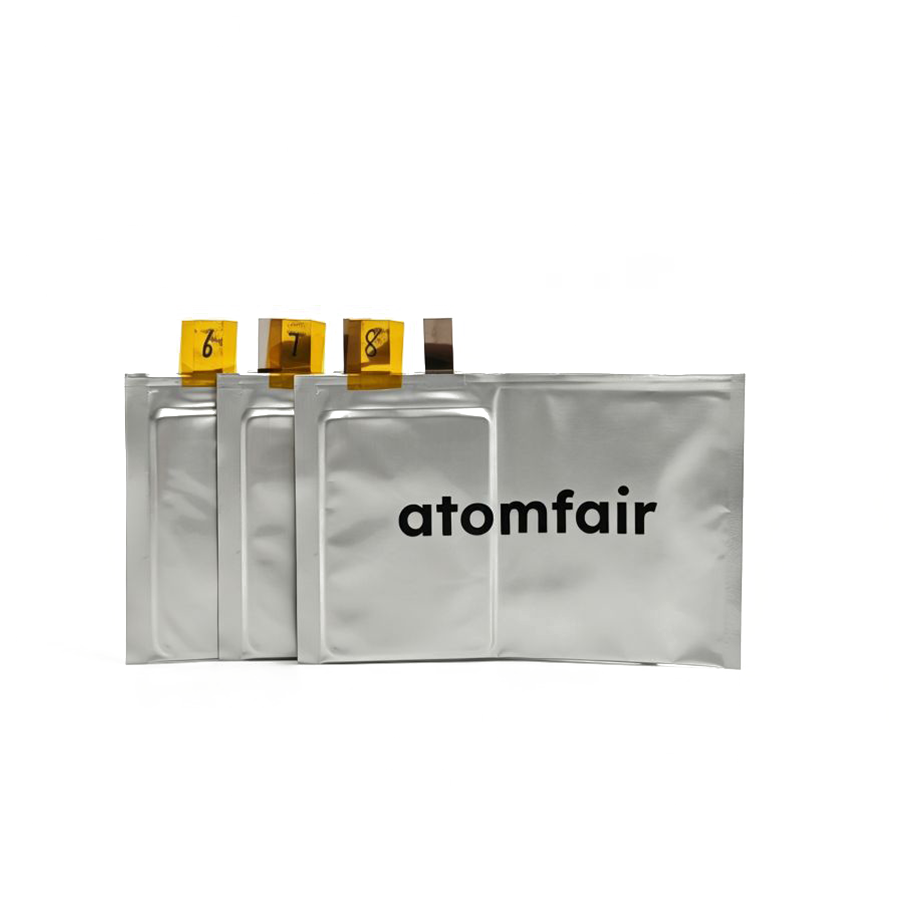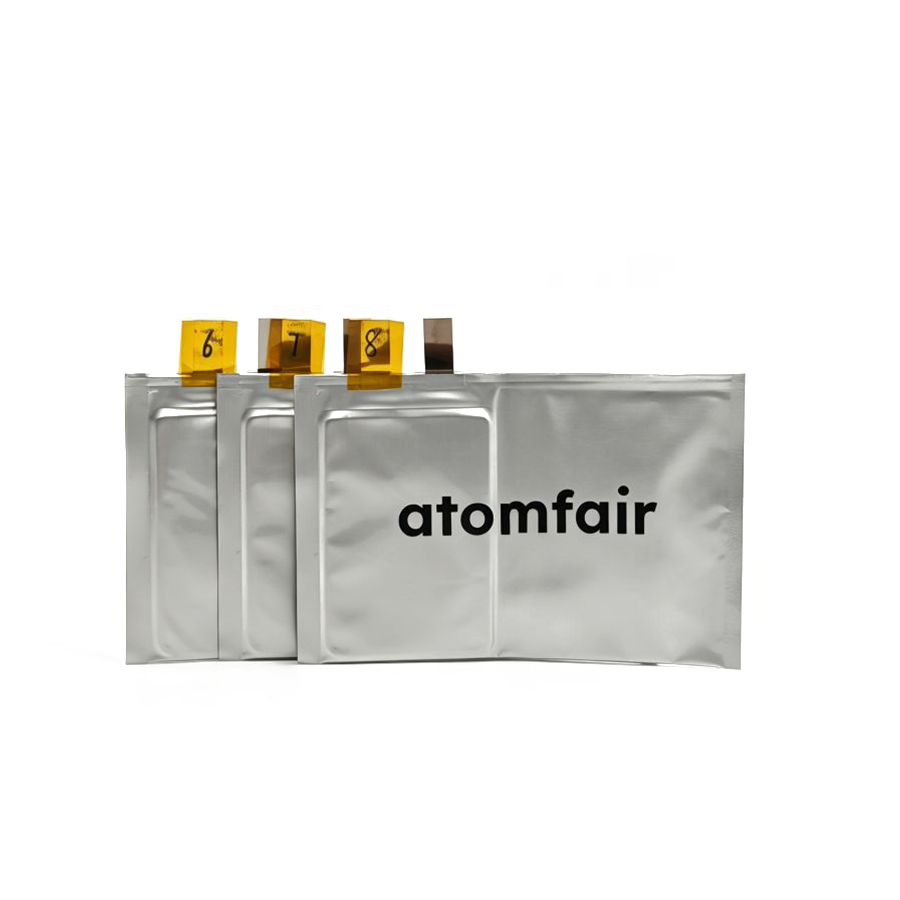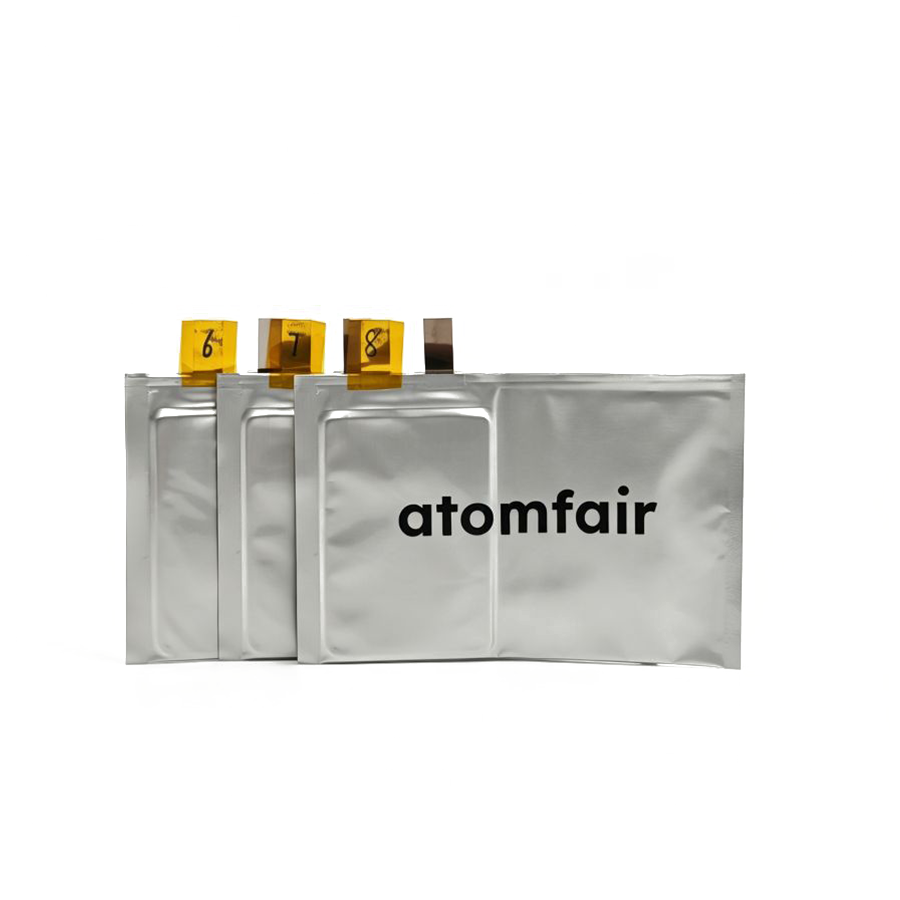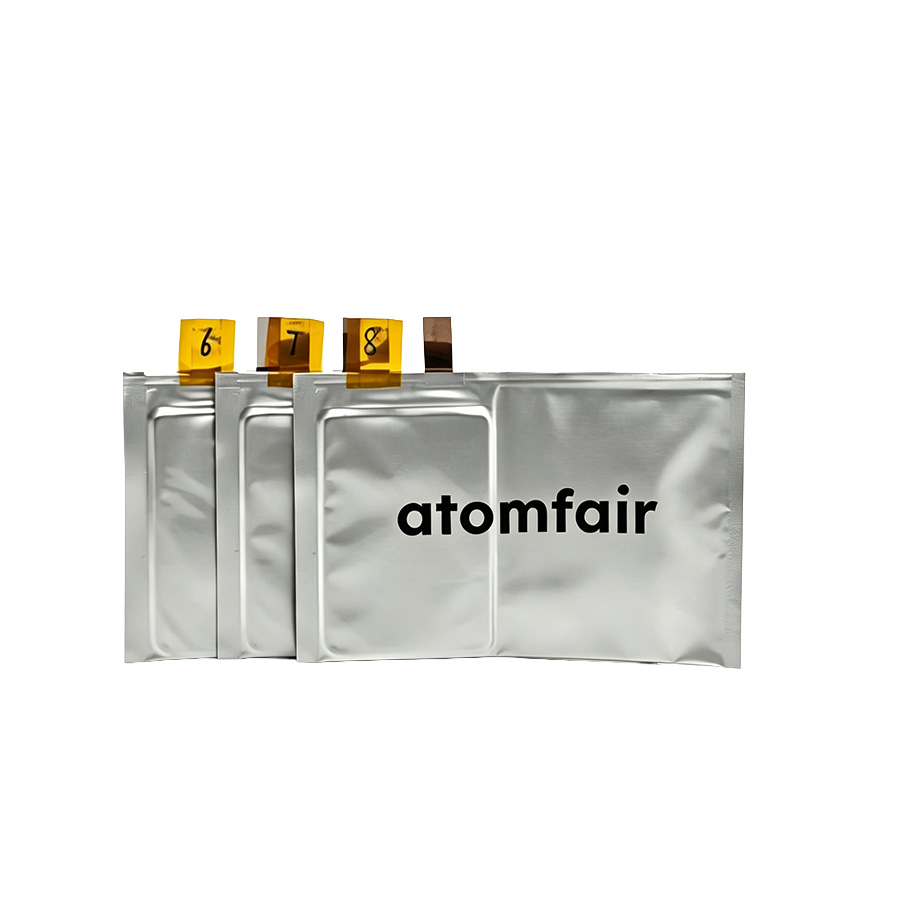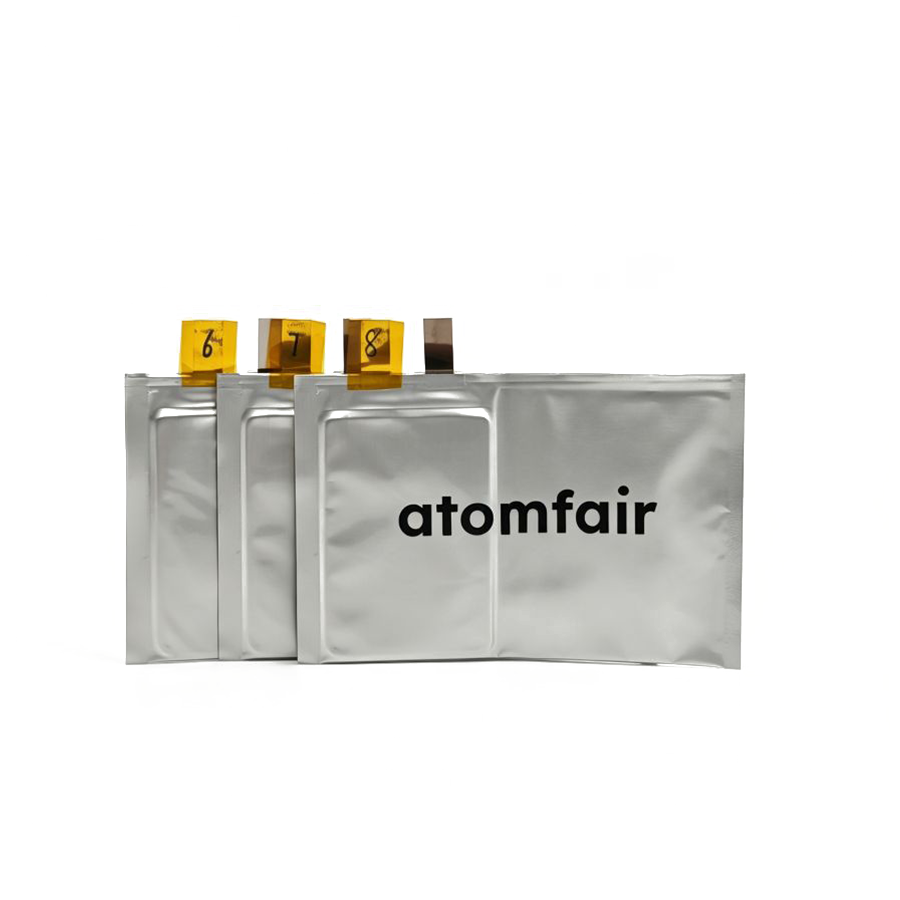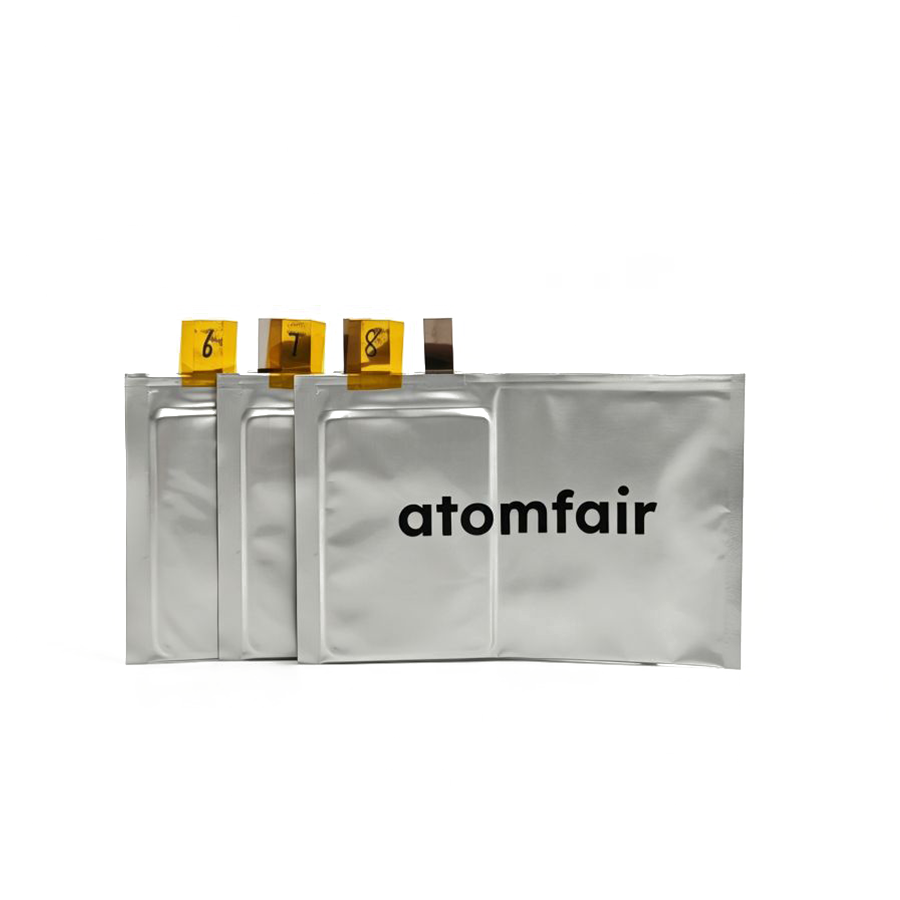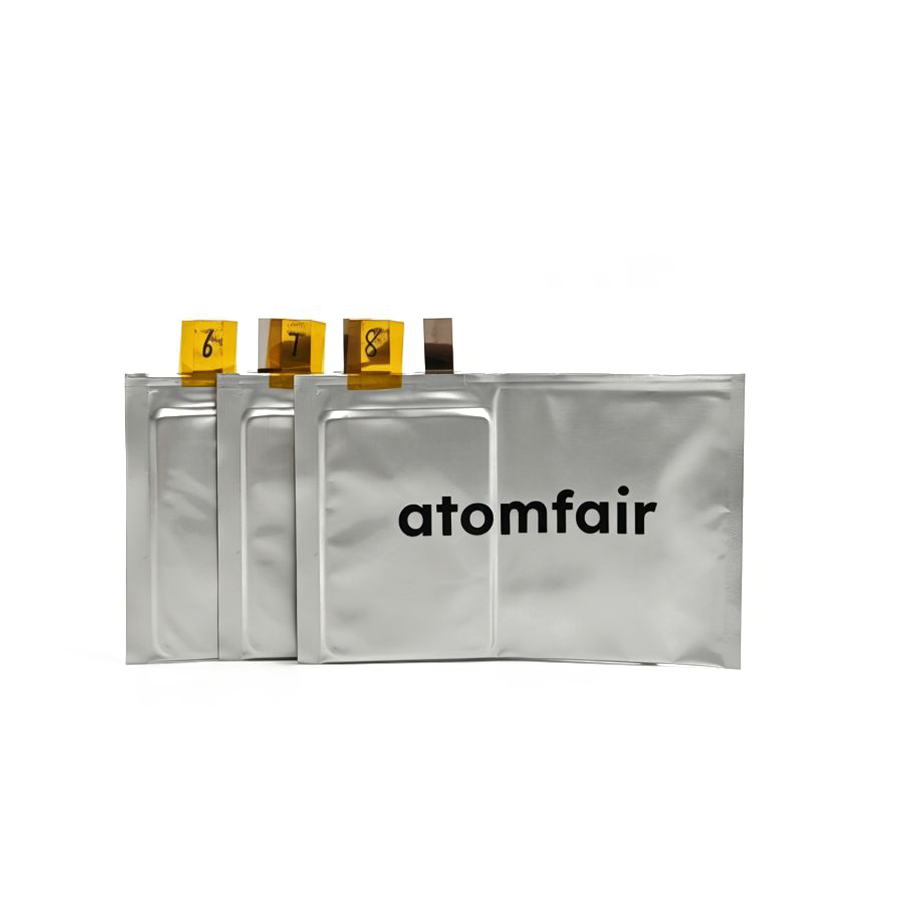
NCM811 Dry Pouch Cell (1Ah) – Li-Cu Composite Anode |
||||||||||||||||||||||||||||||||||||||||||||||||||||||||||||
|
||||||||||||||||||||||||||||||||||||||||||||||||||||||||||||
This dry pouch cell contains a lithium-metal composite anode that is highly reactive with atmospheric moisture and oxygen. Storage must be in an inert atmosphere (argon or nitrogen) glovebox with <0.1 ppm H2O and O2 to prevent degradation and safety hazards.
- Moisture Sensitivity: Store and handle the cell exclusively in an inert atmosphere glovebox with moisture and oxygen levels below 0.1 ppm to prevent lithium metal oxidation.
- Short Circuit Prevention: Avoid contact between the anode and cathode tabs and any conductive surfaces to prevent external short circuits that can cause thermal runaway.
- Mechanical Integrity: Do not bend, crease, or apply pressure to the pouch body, as the thin lithium composite anode is susceptible to perforation and delamination.
- Voltage Compliance: Do not charge the cell above 4.3 V or discharge below 3.0 V to prevent irreversible damage and safety risks.
- Dry State Handling: The cell contains no electrolyte; liquid electrolyte must be added under controlled conditions prior to electrochemical activation.
This dry pouch cell requires electrolyte filling and controlled formation cycling in an inert atmosphere. Proper handling prevents lithium metal exposure to air and ensures reliable electrochemical performance.
Required Equipment: Inert atmosphere glovebox (argon or nitrogen), Electrolyte syringe with needle, Heat sealer for pouch sealing, Battery cycler with voltage/temperature monitoring
- Transfer to glovebox
Transfer the dry pouch cell into an inert atmosphere glovebox maintained below 0.1 ppm H2O and O2. - Inject electrolyte
Inject the desired electrolyte formulation through the fill port using a syringe and needle while keeping the cell flat. - Seal cell
Seal the fill port immediately using a heat sealer to prevent electrolyte evaporation and contamination. - Rest cell
Allow the cell to rest for electrolyte wetting to fully penetrate the electrode stack. - Formation cycling
Connect the cell to a battery cycler and perform an initial formation cycle at a low rate to establish a stable interface. - Monitor safety
Monitor cell voltage and temperature continuously during cycling, and stop immediately if swelling or voltage anomalies occur.
How does the 2.5 g/cc cathode compaction density affect electrode porosity and performance in this dry pouch cell?
The cathode compaction density of 2.5 g/cc is specified with a single-side coating areal density of 10 mg/cm². This compaction level is a standard value for NCM811 cathodes, balancing energy density and electrolyte accessibility; higher compaction reduces porosity, which can limit wetting but improves volumetric capacity. The cathode baseline specific capacity of 190 mAh/g is achieved under this compaction density, making it a trade-off between ionic transport and active material packing.
Is this dry pouch cell compatible with high-voltage electrolyte formulations beyond 4.3 V?
No. The cell's target voltage operating window is explicitly 3.0 V to 4.3 V, designed for high-voltage platform validation up to 4.3 V maximum. Exceeding this range risks instability and may compromise the ultra-high nickel NCM811 cathode integrity. The 12 μm PE separator with 2 μm Al₂O₃ ceramic coating provides additional protection within this window but does not extend the safe operating limit.
What are the handling and storage requirements for the Li-Cu composite anode dry pouch cell before activation?
The cell is assembled without liquid electrolyte infusion and contains pristine lithium layers (20+6+20 μm Li-Cu composite). It must be stored and handled in a dry, inert atmosphere (e.g., argon glove box) to prevent lithium oxidation and moisture contamination. The product is processed under RoHS compliant standards, but no specific storage conditions are provided; standard lithium metal cell precautions apply, and electrolyte filling must be performed by the user in a controlled environment before electrochemical testing.
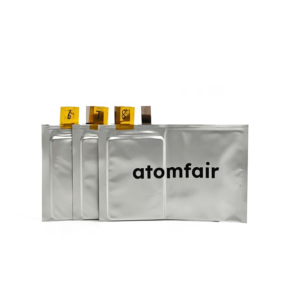
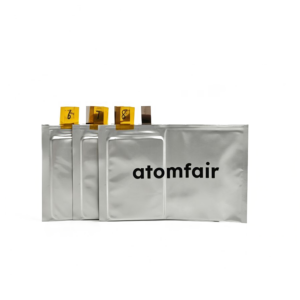
This 1.0 Ah NCM811 dry pouch cell with Li-Cu composite anode is engineered as a high-fidelity benchmarking platform for electrolyte and interface screening, offering improved structural uniformity over pure lithium metal anodes while requiring external electrolyte infusion and careful handling of the ultra-thin composite layer.
Positive
- Structural stability over pure Li foil: The 20+6+20 μm Li-Cu composite anode delivers supreme structural stability compared to standalone pure lithium foils, enabling variable elimination during high-voltage electrolyte, functional additive, and interface screening.
- High-efficiency cathode with 97.2% active mass: The un-functionalized ultra-high nickel NCM811 cathode features a 97.2% active material mass fraction and a baseline specific capacity of 190 mAh/g at 2.5 g/cc compaction density, providing a reliable high-voltage platform for validation.
Trade-offs
- Requires user-provided electrolyte filling: This cell is assembled dry without liquid electrolyte infusion; the buyer must perform electrolyte filling in-house, requiring appropriate laboratory infrastructure, glovebox access, and expertise in wet chemistry handling.
- Fragile ultra-thin Li-Cu composite anode: The anode's ultra-thin 20+6+20 μm substrate-supported sandwich composite is delicate; mechanical damage or improper handling during cell assembly or testing can compromise cell performance and structural integrity.
Every advanced material, component, equipment, and instrument in our catalog is backed by rigorous testing. We maintain strict internal quality management frameworks and align with CE conformity metrics to deliver transparent, reproducible performance data via our public open-science repository.
To request raw batch performance data, submit formal vendor registration paperwork, or execute a fast-turnaround R&D manufacturing loop, contact us at inquiry@atomfair.com.
Item is dispatched under the Atomfair Shipping & Delivery Framework (Free worldwide shipping on orders over $59 USD excl. heavy equipment). Return is governed by the Atomfair Return & Refund Policy (7-day technical return window).