
Titanium Foams
Titanium foams are porous titanium materials with an interconnected open-cell structure, combining the corrosion resistance, lightweight properties, electrical conductivity, and structural stability of titanium with the functional advantages of a three-dimensional porous network. They are widely used in filtration, separation, electrochemical research, electrode substrates, catalyst supports, gas-liquid distribution, flow equalization, thermal management, and advanced materials development.
Compared with dense titanium plates or conventional titanium mesh, titanium foam provides higher specific surface area and more open flow pathways, making it suitable for systems that require fluid passage, expanded reaction interfaces, controlled diffusion, or lightweight porous support. Product forms may include titanium foam sheets, plates, discs, cylinders, tubes, blocks, and custom porous titanium components.
When selecting titanium foam, start from the application requirement. Filtration applications usually focus on filtration rating, pressure drop, flow rate, and cleaning method. Electrode and catalyst applications focus on surface area, conductivity, pore structure, and surface treatment. Flow-distribution applications require attention to pore uniformity, mechanical strength, geometry, and sealing compatibility.
Show More: Titanium Foams Selection Guide
Common Product Forms
| Product Form | Typical Uses | Key Selection Points |
|---|---|---|
| Titanium foam sheets and plates | Filtration testing, electrode substrates, catalyst supports, flow-distribution plates | Thickness, dimensions, pore size, PPI, flatness |
| Titanium foam discs | Small filters, reactors, laboratory fixtures, electrochemical cells | Diameter, tolerance, edge quality, sealing fit |
| Titanium foam cylinders and blocks | Three-dimensional reaction supports, flow-channel filling, structural research | Porosity, strength, machining allowance, overall geometry |
| Titanium foam tubes | Gas diffusion, liquid distribution, tubular filtration assemblies | Inner diameter, outer diameter, wall thickness, connection method |
| Custom porous titanium parts | Special fixtures, prototype systems, engineered porous components | Drawings, dimensions, tolerances, pore structure, post-processing |
Key Selection Parameters
| Parameter | How to Understand It | Why It Matters |
|---|---|---|
| Pore size / filtration rating | Indicates the particle-size range or flow-path scale the material is designed around | Affects filtration efficiency, clogging risk, flow rate, and pressure drop |
| PPI | Pores per inch, used to describe the fineness of the foam structure | Higher PPI generally means a finer cellular structure and may increase flow resistance |
| Porosity | The proportion of open void volume within the material | Influences weight, permeability, surface area, and mechanical stability |
| Thickness | Available from thin sheets to thicker plates or blocks | Affects pressure drop, rigidity, residence time, and assembly depth |
| Material grade | May be selected according to commercially pure titanium or titanium-alloy requirements | Impacts corrosion resistance, strength, conductivity, and cost |
| Surface condition | May involve sintered, cleaned, cut, coated, or further processed surfaces | Important for contamination control, coating adhesion, welding, and installation |
Application Directions
Filtration and Separation
Titanium foam can be used for liquid filtration, gas filtration, solid-liquid separation, prefiltration, catalyst recovery, and process-media clarification. In suitable operating conditions, metallic porous structures can support cleaning and reuse while maintaining mechanical stability.
Electrochemical and Electrode Substrates
With electrical conductivity and a three-dimensional porous network, titanium foam is suitable for electrode scaffolds, current collectors, catalyst-loaded substrates, electrolysis supports, and laboratory electrochemical platforms. Electrolyte compatibility, voltage window, surface oxide behavior, and coating method should be reviewed for each application.
Catalysis and Reaction Engineering
The high surface area and interconnected pore structure make titanium foam useful as a catalyst support, reaction-flow substrate, and gas-liquid contact medium. It can support systems that require stable flow, distributed contact, and manageable pressure drop.
Flow Distribution and Diffusion
Titanium foam may be selected for gas diffusion, liquid distribution, flow buffering, diffuser plates, microreactor flow paths, and experimental fluidic designs. Pore uniformity, permeability, pressure range, and sealing method are important selection factors.
Lightweight and Functional Materials Research
Titanium foam is also used in lightweight structures, energy absorption studies, thermal management, acoustic damping, biomedical material research, and porous-metal performance testing. These applications usually require balancing porosity, strength, dimensional stability, and post-processing requirements.
Pre-Purchase Checklist
| Application Need | Information to Confirm |
|---|---|
| Filtration | Target particle size, flow rate, pressure drop, media chemistry, cleaning method |
| Electrode use | Material grade, conductive path, surface treatment, coating method, electrolyte compatibility |
| Gas or liquid diffusion | Pore structure, flow direction, pressure range, installation and sealing method |
| Mechanical support | Thickness, porosity, strength, machining allowance, load conditions |
| Custom processing | Drawing, dimensions, tolerances, pore-size range, quantity, post-processing requirements |
FAQ
What is the difference between titanium foam and a solid titanium plate?
A solid titanium plate is a dense metal sheet mainly used for structural support and corrosion resistance. Titanium foam has a three-dimensional interconnected pore structure, allowing gas or liquid to pass through while providing higher surface area for filtration, electrode, catalyst, diffusion, and flow-distribution applications.
Should I choose titanium foam by pore size or by PPI?
Both matter. Pore size or filtration rating is closely related to particle retention and flow behavior, while PPI describes the fineness of the foam structure. For filtration, start with the required filtration rating, then review PPI, thickness, and flow rate. For electrode or catalyst use, surface area, pore structure, and material compatibility may be more important.
Can titanium foam be used with corrosive media?
Titanium materials are known for good corrosion resistance in many environments, but suitability depends on the chemical medium, concentration, temperature, pressure, and exposure time. Strong acids, strong alkalis, fluoride-containing systems, and high-temperature corrosive environments should be reviewed before selection.
Can titanium foam be cleaned and reused?
In suitable applications, titanium foam may be cleaned by backflushing, ultrasonic cleaning, steam, or compatible chemical cleaning methods. Reuse depends on the type of contaminant, pore size, clogging level, and whether the cleaning process affects the porous structure.
Can titanium foam be cut, welded, or processed into custom shapes?
Titanium foam can often be cut, shaped, welded, or custom processed, depending on the geometry and material condition. Processing may affect edge structure, dimensional accuracy, and surface cleanliness, so tolerance and installation requirements should be confirmed in advance.
Is titanium foam suitable for electrode applications?
Titanium foam is suitable for many electrochemical research applications that require a conductive scaffold, high surface area, and open pore channels. Before use, confirm electrolyte compatibility, voltage window, surface oxide behavior, coating adhesion, and connection design.
Is thicker titanium foam always better?
Not necessarily. Thicker titanium foam can provide stronger support and longer flow paths, but it may also increase pressure drop. Thin sheets are often better for flat electrodes, quick testing, and low-resistance flow paths. Thickness should be selected according to flow rate, pressure drop, mechanical support, and available installation space.
Showing 1–16 of 200 results
-
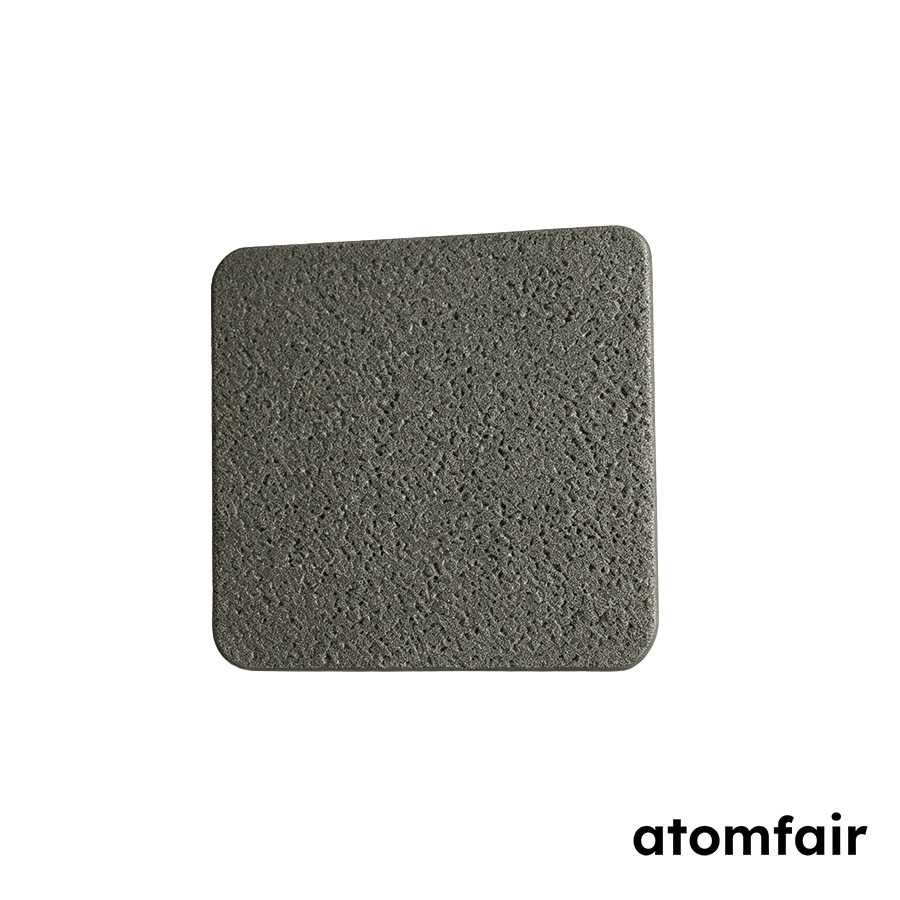
Sintered Porous Titanium Foam Sheet 10μm 20 PPI ATOMFAIR®
$85.00 -
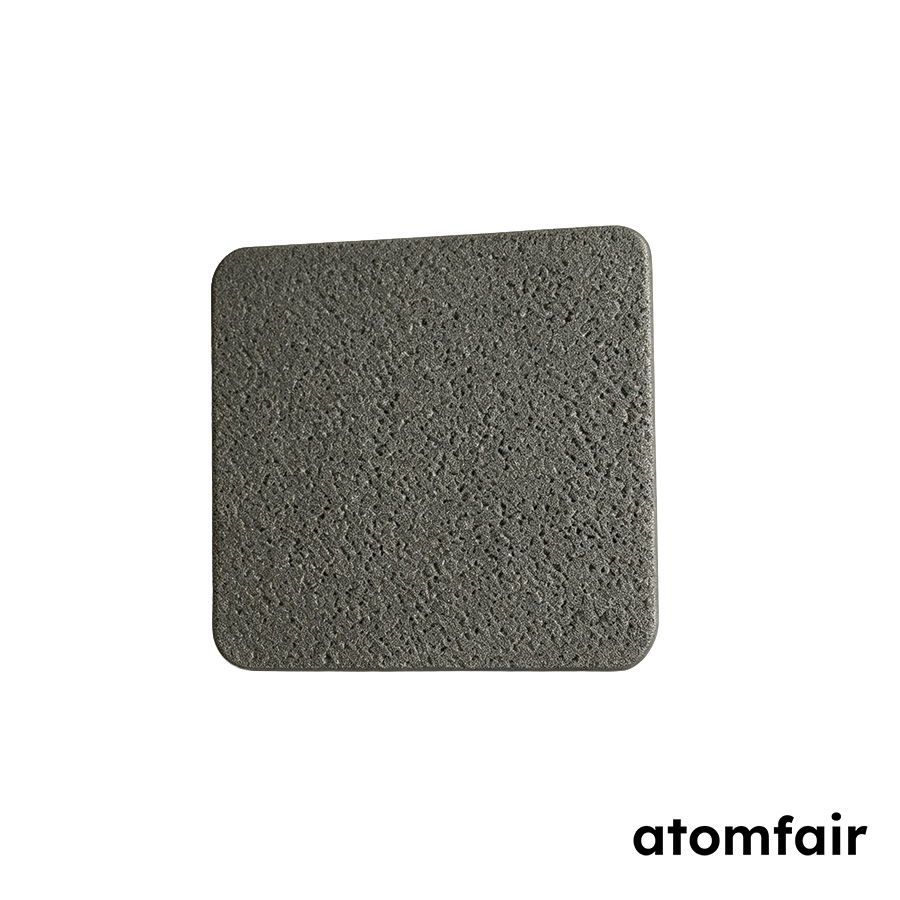
Sintered Titanium Foam Sheet 10μm 110 PPI ATOMFAIR®
$85.00 -
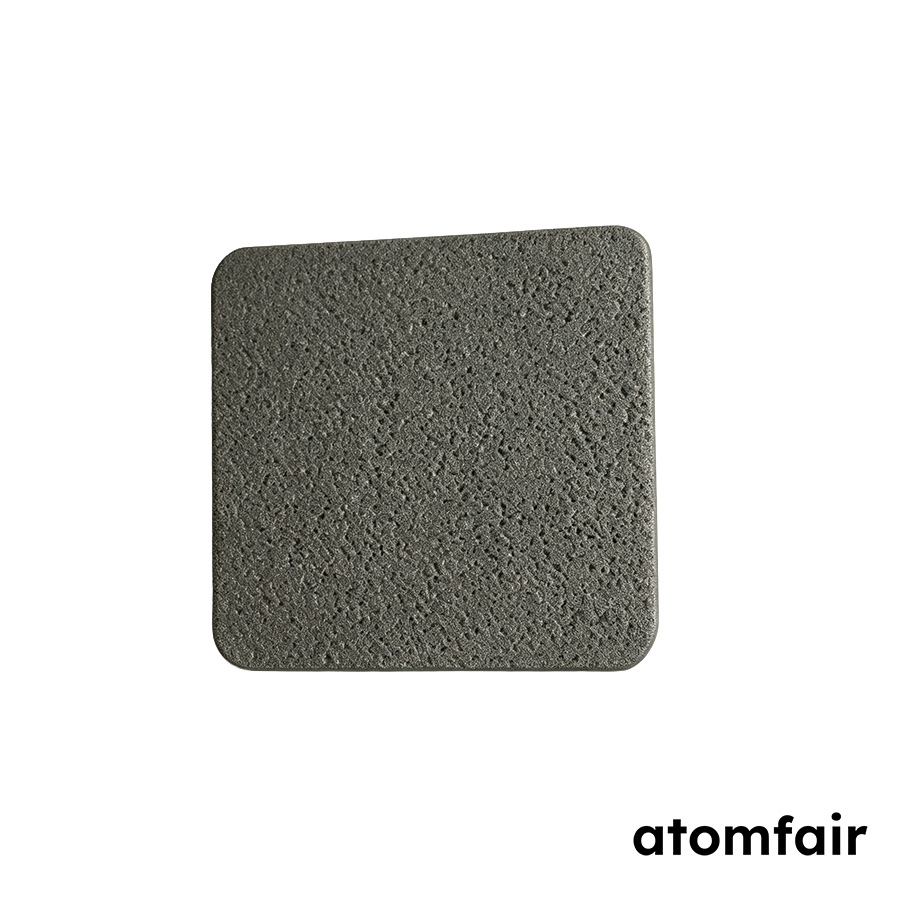
Sintered Titanium Foam Sheet 10μm 20 PPI 1.5mm ATOMFAIR®
$120.00 -
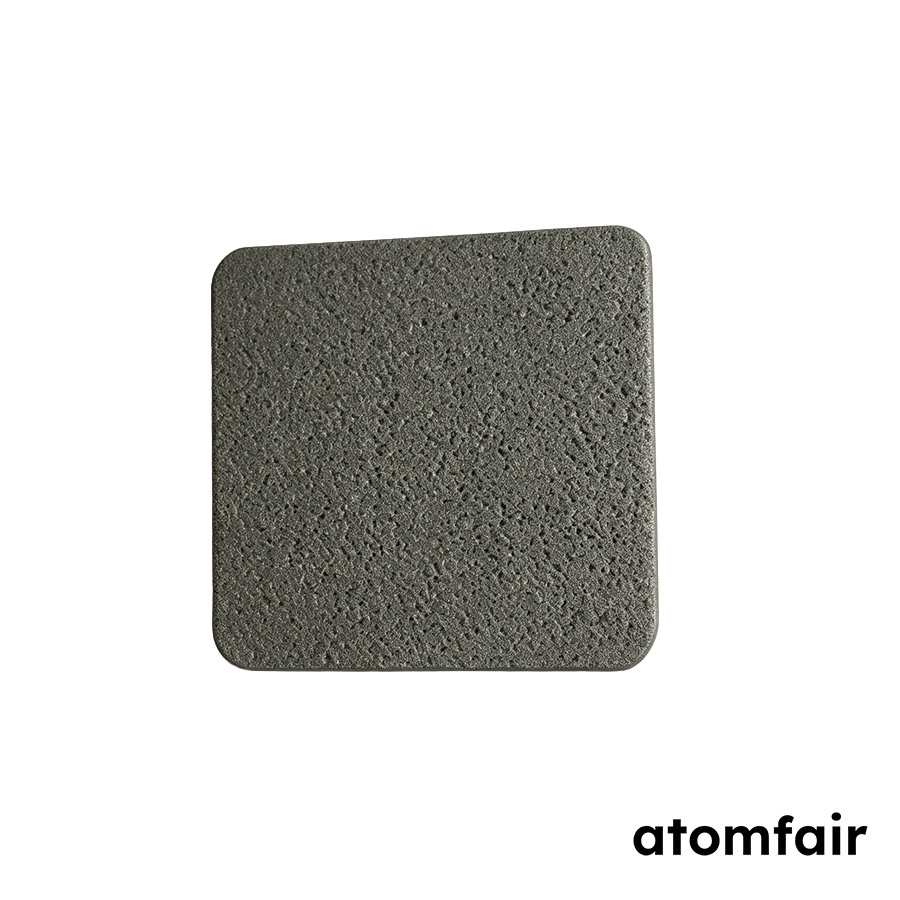
Sintered Titanium Foam Sheet 10μm 110 PPI ATOMFAIR®
$120.00 -
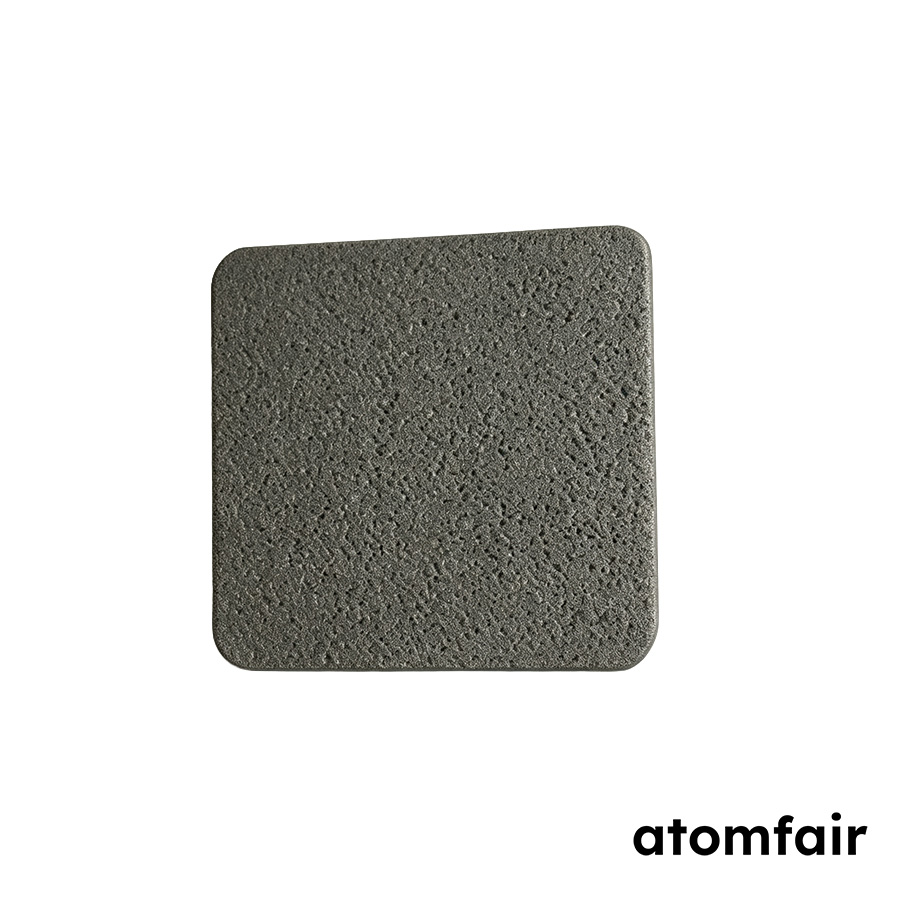
Sintered Titanium Foam Sheet 10μm 200×200×2mm ATOMFAIR®
$130.00 -
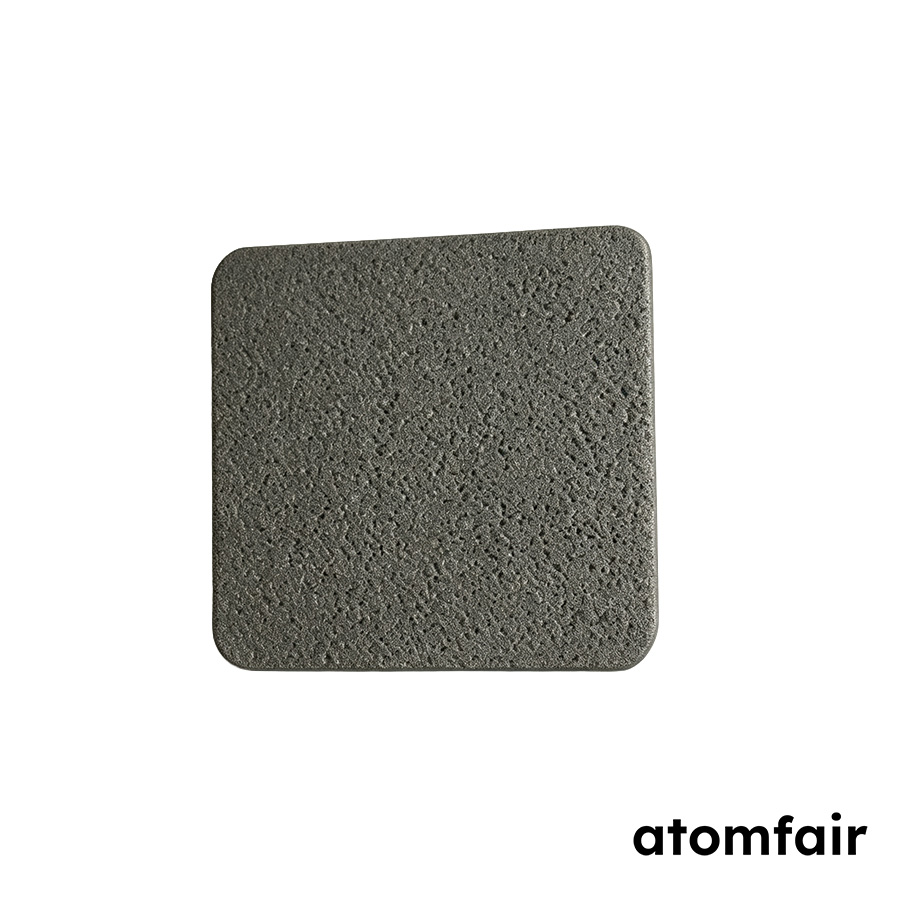
Porous Titanium Foam Sheet 10μm 200×200×2mm ATOMFAIR®
$130.00 -
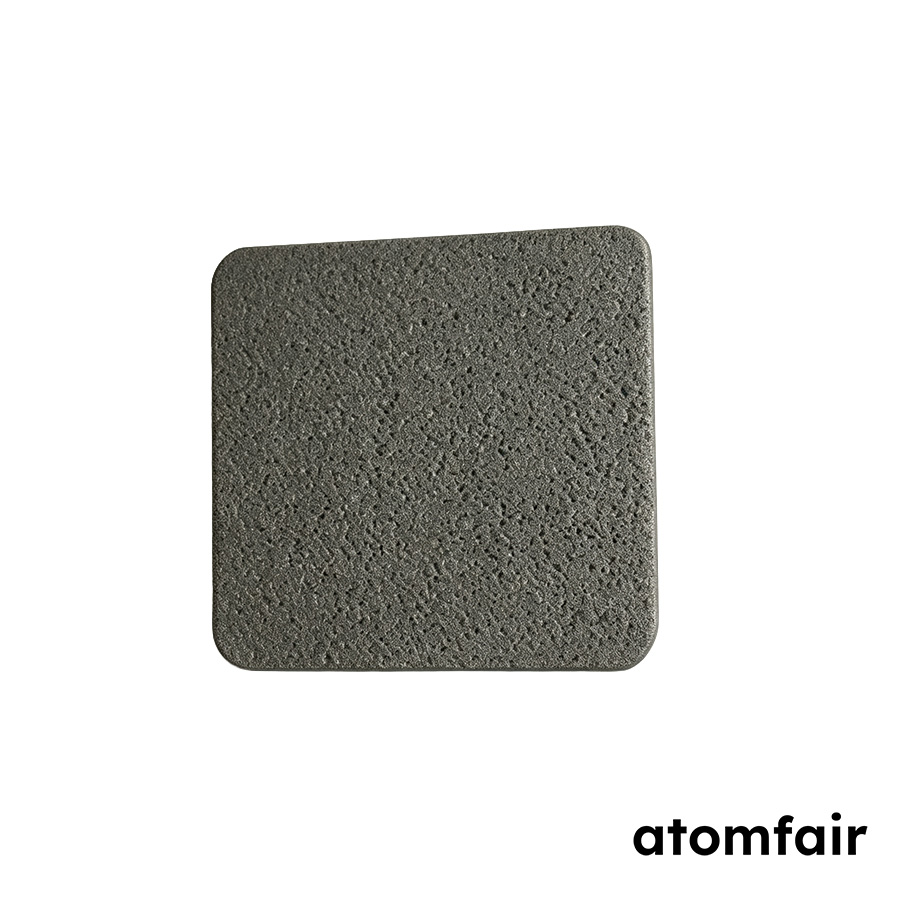
Sintered Porous Titanium Foam Sheet 10μm 20 PPI ATOMFAIR®
$165.00 -
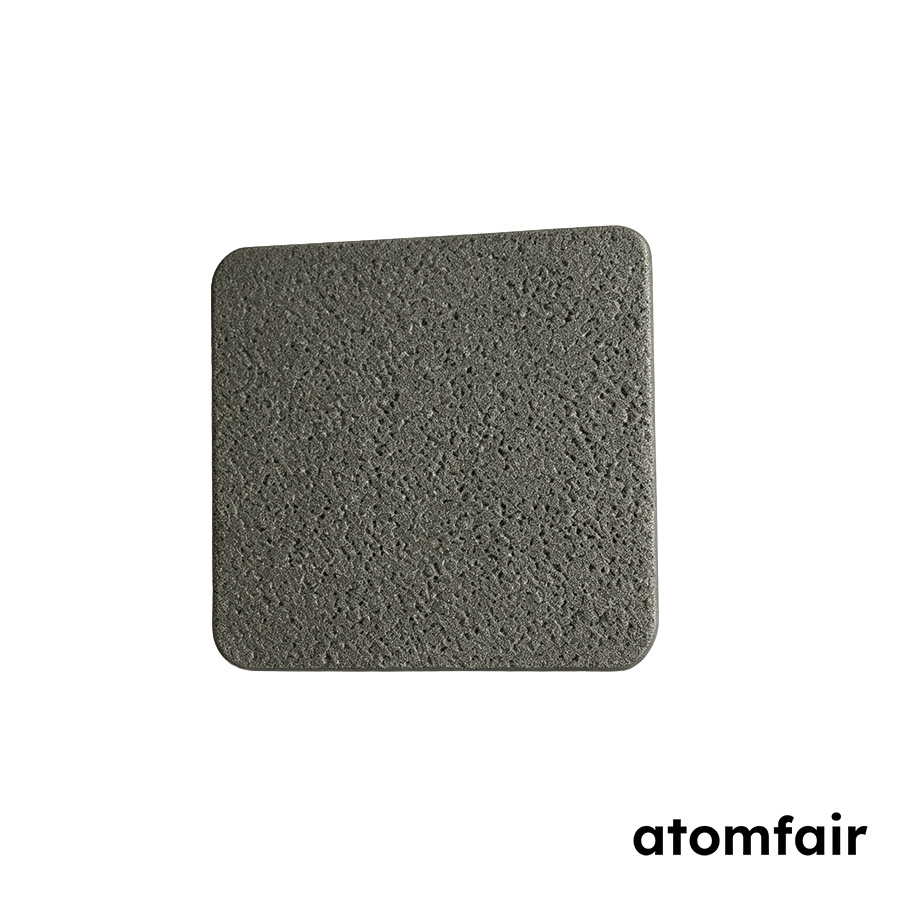
Sintered Porous Titanium Foam Sheet 10μm 110 PPI ATOMFAIR®
$165.00 -
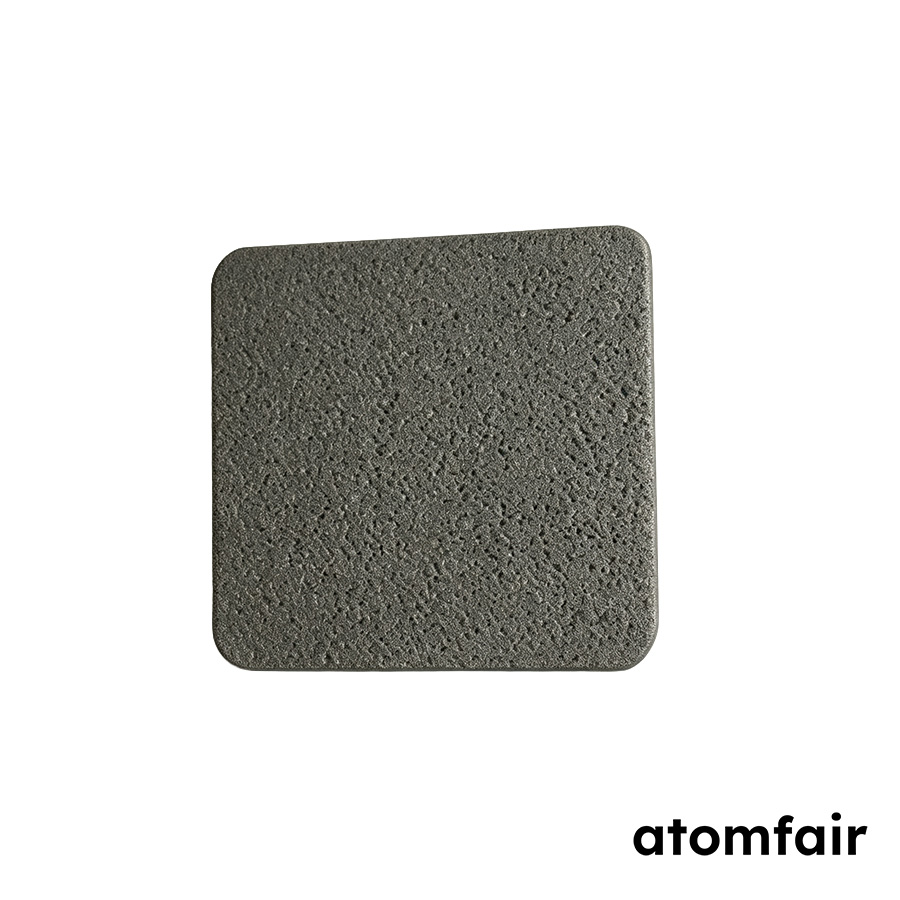
Porous Titanium Foam Sheet 10μm 20 PPI 100×100×3mm ATOMFAIR®
$90.00 -
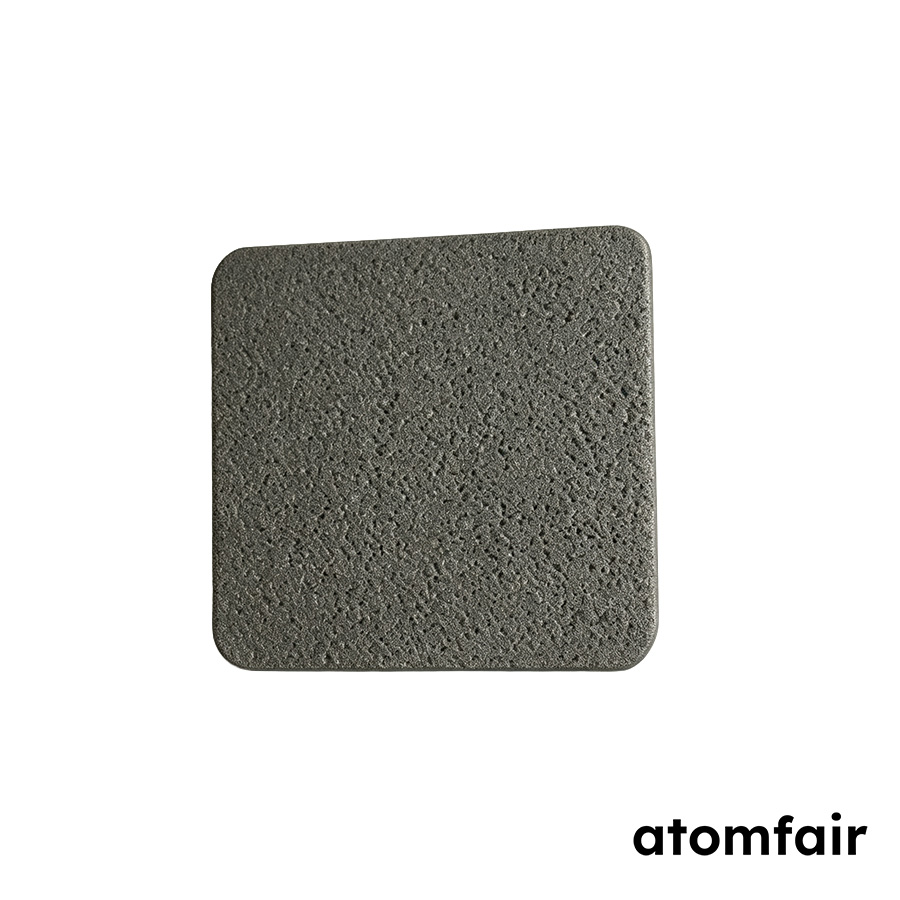
Sintered Porous Titanium Foam Sheet 10μm 110 PPI ATOMFAIR®
$90.00 -
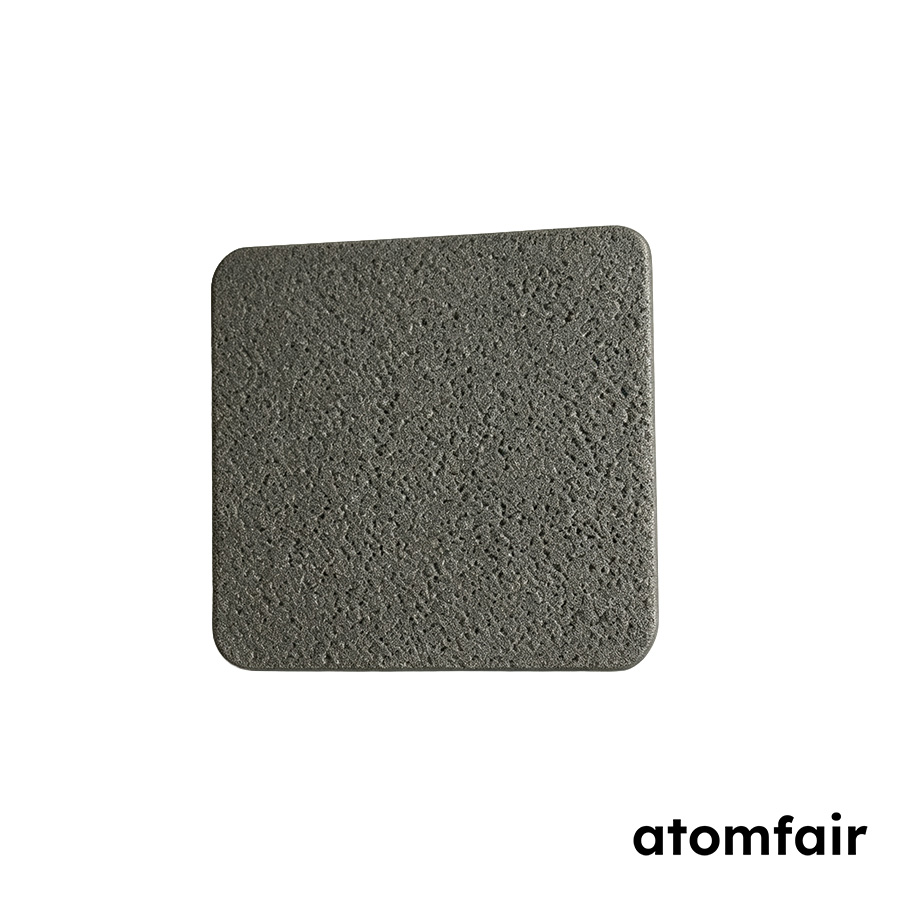
Sintered Titanium Foam Sheet 10μm 20 PPI 3mm ATOMFAIR®
$132.00 -
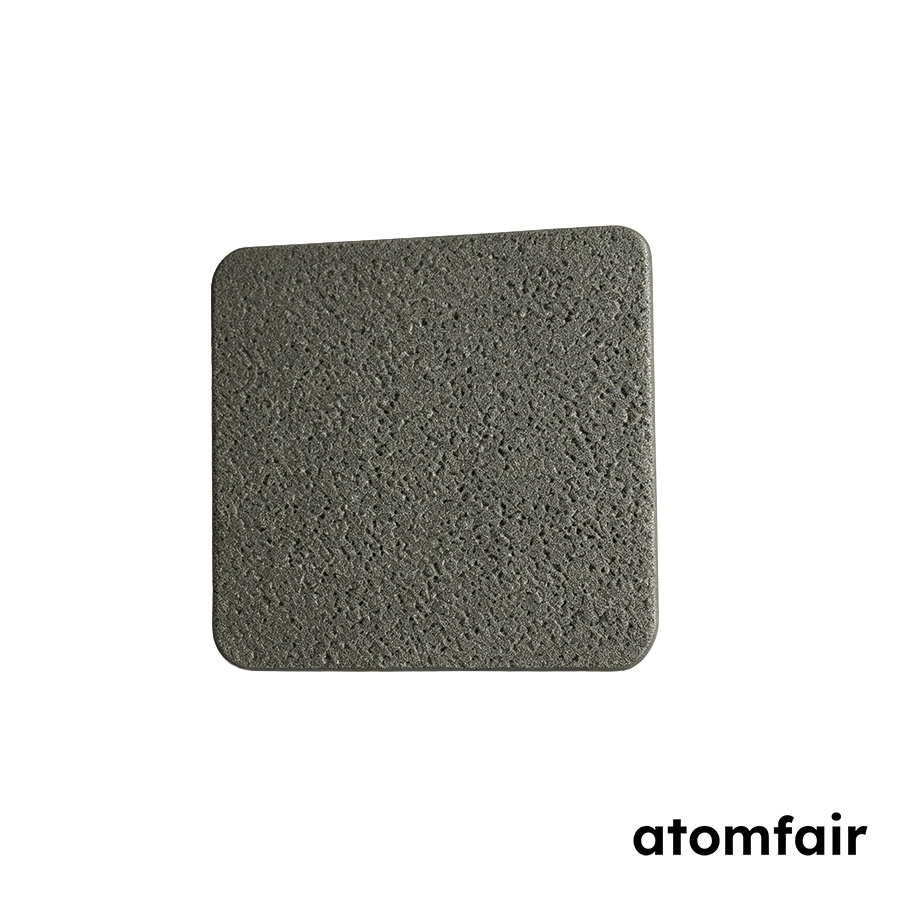
Sintered Titanium Foam Sheet 10μm 110 PPI ATOMFAIR®
$132.00 -
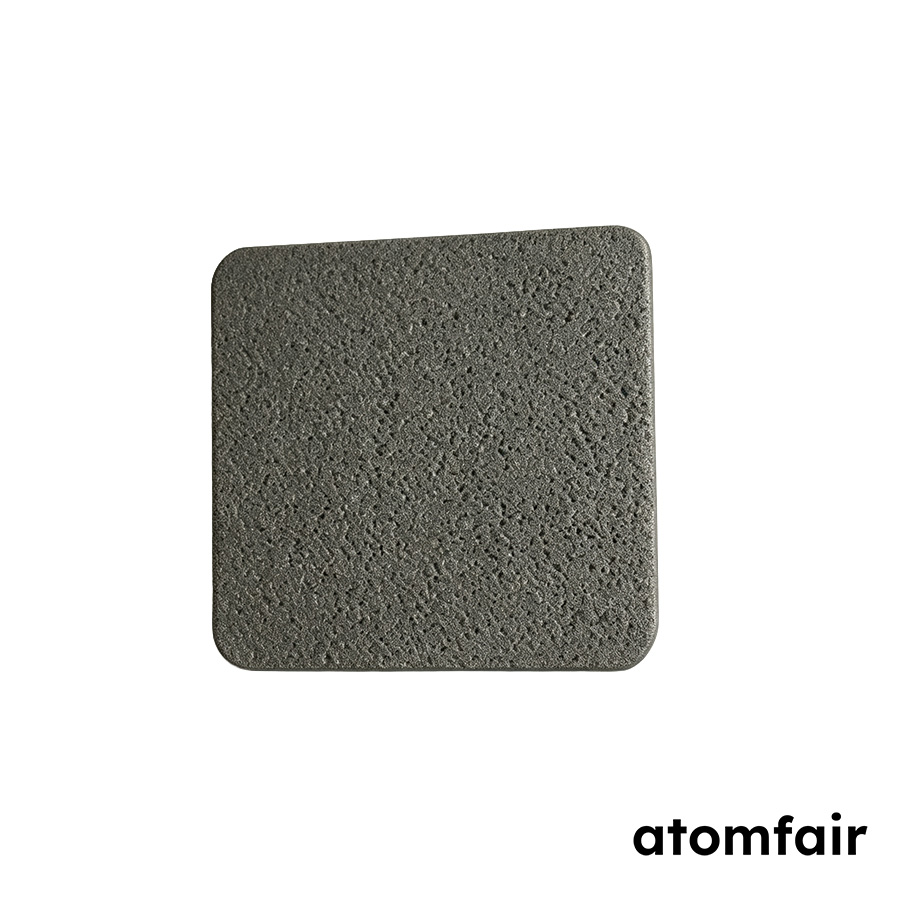
Sintered Titanium Foam Sheet 10μm 20 PPI 3mm ATOMFAIR®
$178.00 -
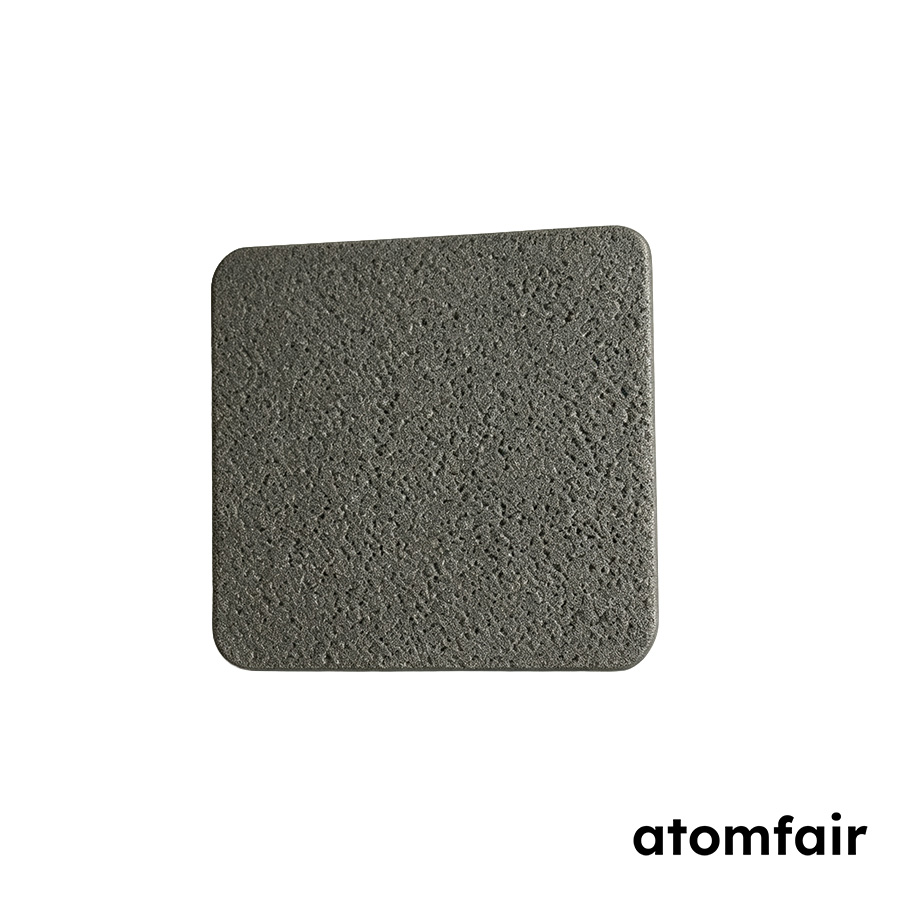
Sintered Porous Titanium Foam Sheet 10μm 110 PPI ATOMFAIR®
$178.00 -
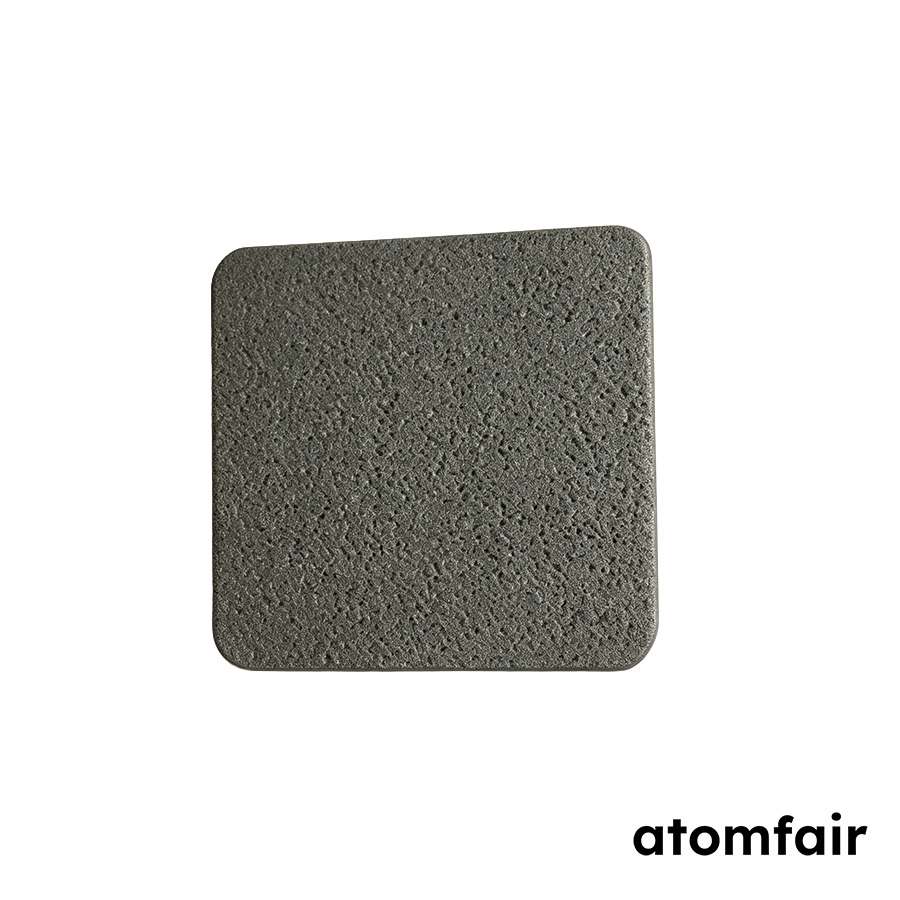
Sintered Titanium Foam Sheet 10μm 30 PPI ATOMFAIR®
$110.00 -
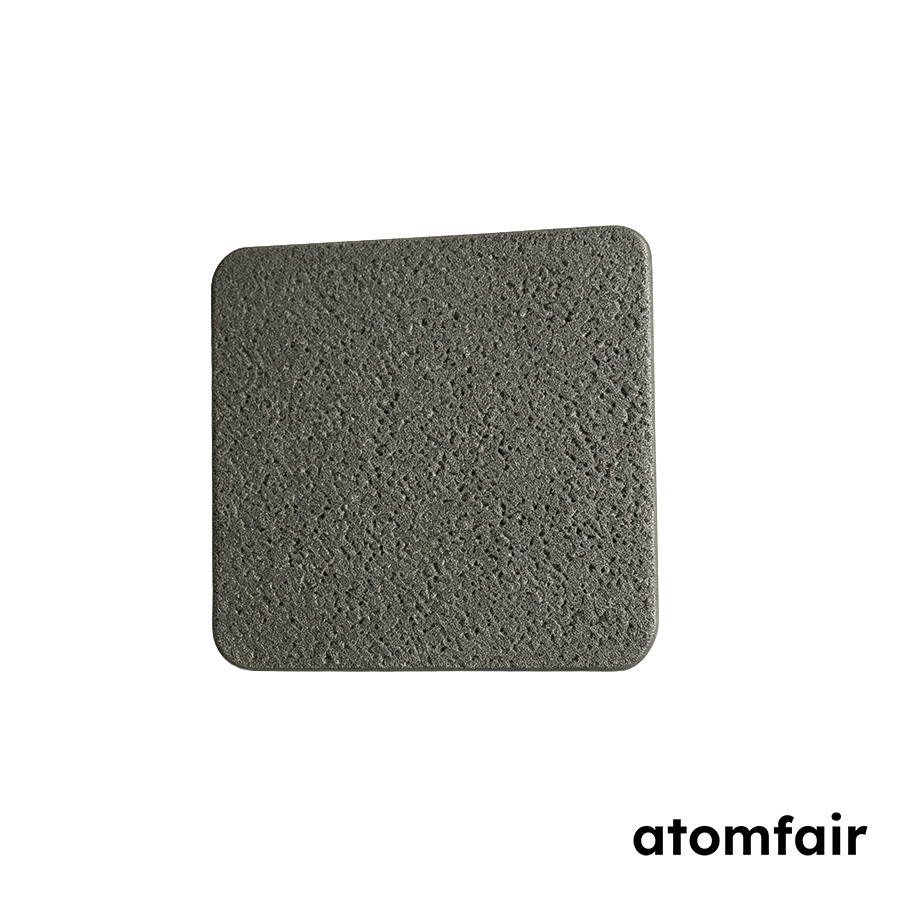
Sintered Titanium Foam Sheet 10μm 110 PPI ATOMFAIR®
$110.00