
Aluminum Foams
Aluminum foams are lightweight porous metal materials that combine the characteristics of aluminum with a controlled cellular structure. Depending on the pore architecture, they can support sound absorption, impact buffering, thermal management, filtration support, lightweight design, and functional material research.
This category covers a broad range of aluminum foam forms, including open-cell aluminum foam, closed-cell aluminum foam, sheets, blocks, sandwich structures, and customizable formats. Buyers can choose by cell type, pore size, thickness, density, sheet size, and surface condition to match the intended application.
Aluminum foams are used in acoustic projects, engineering prototypes, lightweight panels, shock-absorbing components, heat-transfer studies, and materials development. For most applications, the best starting point is to confirm whether an open-cell or closed-cell structure is required, then refine the selection by dimensions and performance needs.
Show More About Aluminum Foams
Main Aluminum Foam Types
| Type | Structure | Typical Use |
|---|---|---|
| Open-cell aluminum foam | Interconnected pores with higher permeability | Acoustic absorption, airflow support, thermal transfer, filtration support, research samples |
| Closed-cell aluminum foam | Mostly sealed cells with lightweight buffering behavior | Impact absorption, vibration damping, insulation, lightweight structural panels |
| Aluminum foam sheets | Flat sheet format for easy cutting and installation | Panels, surface coverage, prototypes, composite builds |
| Aluminum foam blocks | Thicker format for machining and testing | Compression testing, structural evaluation, custom shaping, sample preparation |
| Sandwich structures | Foam core combined with face layers | Lightweight panels, protective structures, architectural and transport applications |
How to Choose the Right Aluminum Foam
Start by identifying the performance goal. If the project needs sound absorption, airflow, or thermal exchange, open-cell aluminum foam is usually the better fit. If the goal is cushioning, impact resistance, insulation, or lightweight support, closed-cell aluminum foam is often more appropriate.
After the structure is defined, focus on the key selection parameters: pore size, density, thickness, sheet size, and surface condition. These factors influence weight, stiffness, permeability, absorption behavior, and how easily the material can be installed or processed.
For engineering or development work, it is also useful to confirm whether the material will be used as a standalone part, a cut sample, or a component within a larger assembly. That helps determine the most practical form factor and processing level.
Common Application Paths
| Application | Best Starting Point | Selection Focus |
|---|---|---|
| Acoustic absorption | Open-cell aluminum foam | Pore connectivity, thickness, mounting method, backing space |
| Impact buffering | Closed-cell aluminum foam | Density, thickness, compression response, load direction |
| Lightweight panels | Aluminum foam sheet or sandwich structure | Sheet size, surface finish, bonding method, weight target |
| Thermal management | Open-cell aluminum foam | Surface area, permeability, structure consistency, airflow path |
| Research and prototyping | Sheets, blocks, or custom cut samples | Sample size, repeatability, machinability, test requirements |
Customization and Ordering Notes
Aluminum foam performance is closely tied to structure and form factor. When requesting a quotation or product recommendation, it helps to provide the intended application, preferred cell type, target dimensions, thickness range, pore size or density range, and any processing needs such as cutting, shaping, or composite assembly.
For project-based purchasing, standard samples are useful for early evaluation, while sheet, block, or custom formats may be better suited to integration and final testing. If the project depends on a specific installation method or performance target, include that information at the selection stage.
FAQ
What is the difference between open-cell and closed-cell aluminum foam?
Open-cell aluminum foam has interconnected pores and is better for airflow, sound absorption, and thermal transfer. Closed-cell aluminum foam has sealed cells and is usually preferred for buffering, insulation, and lightweight structural support.
Can aluminum foam be used for acoustic applications?
Yes. Open-cell aluminum foam is commonly considered for acoustic panels and sound-control designs, especially where durability, heat resistance, or a metal-based material is preferred.
Is aluminum foam suitable for impact protection?
Yes. Closed-cell aluminum foam is often selected for impact buffering, vibration damping, and lightweight protective structures.
What should I consider when choosing aluminum foam?
The main factors are cell structure, pore size, density, thickness, sheet size, and the intended working environment. The right combination depends on whether the priority is sound control, buffering, thermal performance, or structural use.
Can aluminum foam be cut or processed?
In many cases, yes. Aluminum foam can often be cut, shaped, or integrated into larger assemblies, depending on the thickness, structure, and project requirements.
Can aluminum foam be used in heat-related applications?
Yes. Open-cell aluminum foam can support thermal management and heat-exchange concepts because its porous structure offers a large surface area and flow pathways.
Can aluminum foam be supplied in different formats?
Yes. Common formats include sheets, blocks, and custom-cut samples. The best format depends on whether the material will be used for testing, panel construction, or direct integration.
Showing 1–16 of 84 results
-
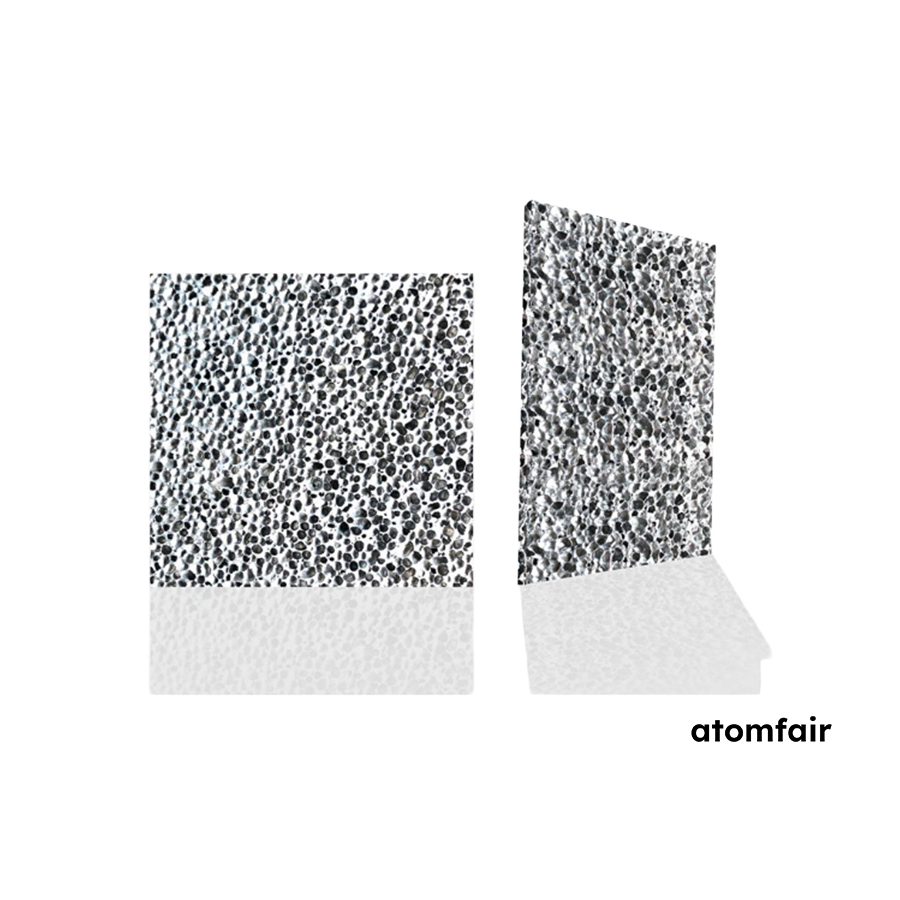
Closed-Cell Aluminum Foam 2–3 mm 100×200×10 mm ATOMFAIR®
Price range: $50.00 through $75.00 -
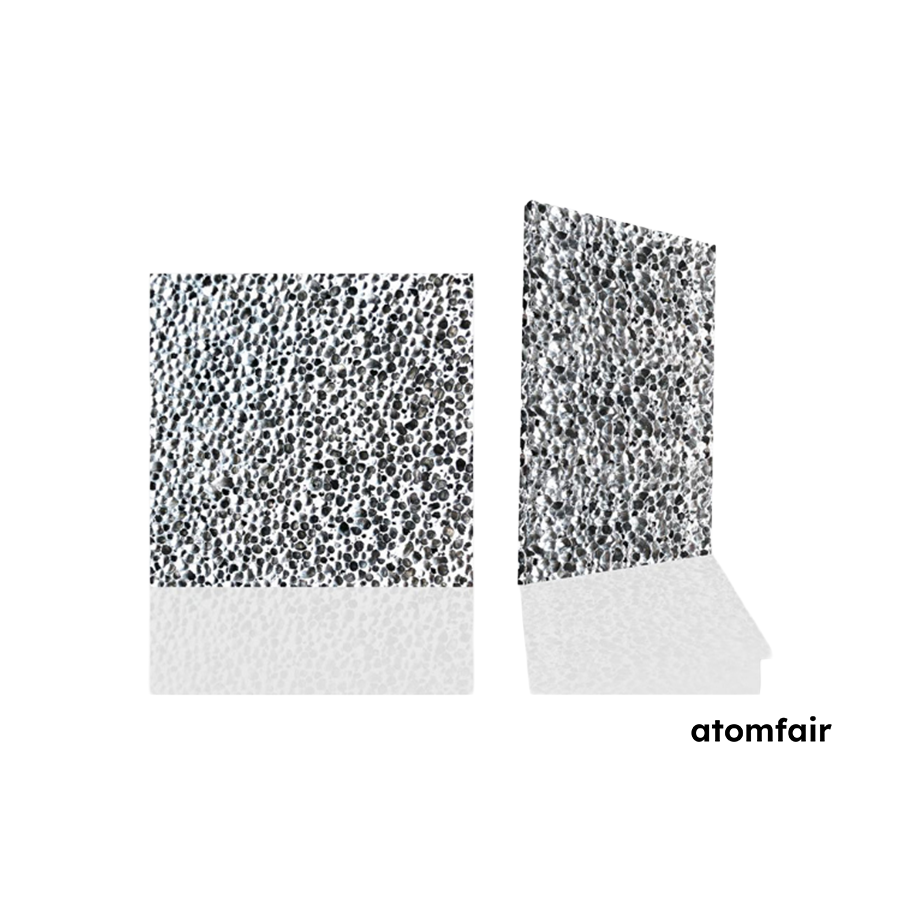
Closed-Cell Aluminum Foam 2–3 mm 200×200×20 mm ATOMFAIR®
Price range: $105.00 through $175.00 -
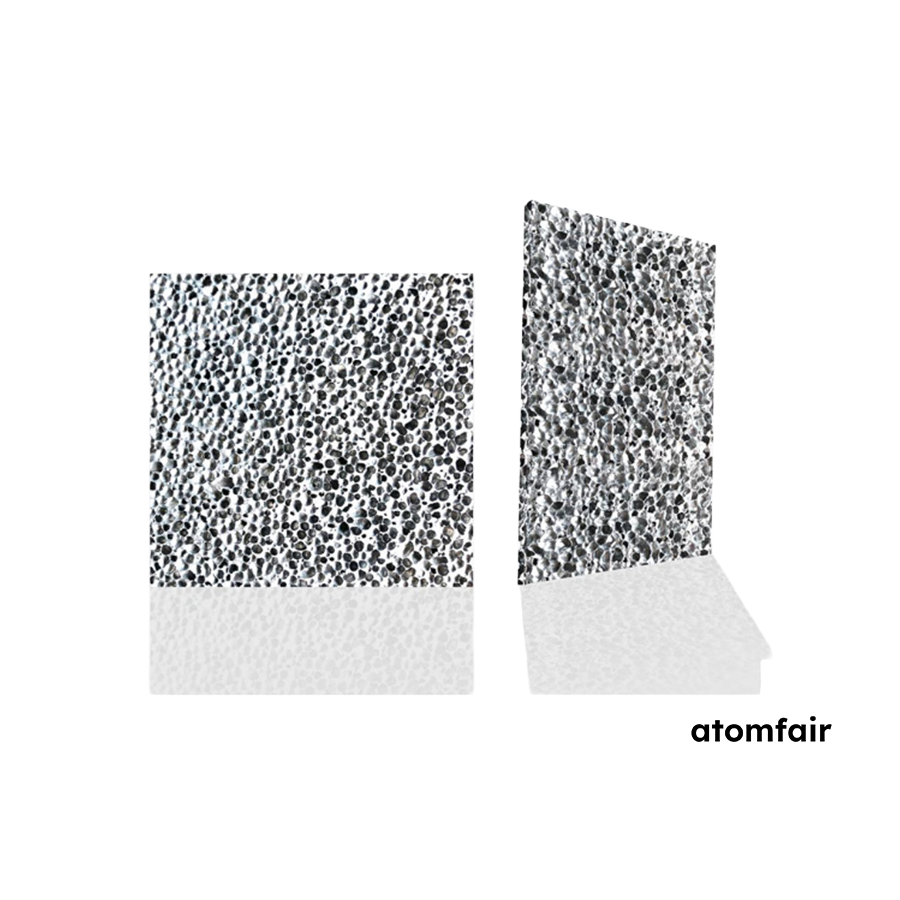
Closed-Cell Aluminum Foam 2–3 mm Pore 15 mm ATOMFAIR®
Price range: $70.00 through $100.00 -
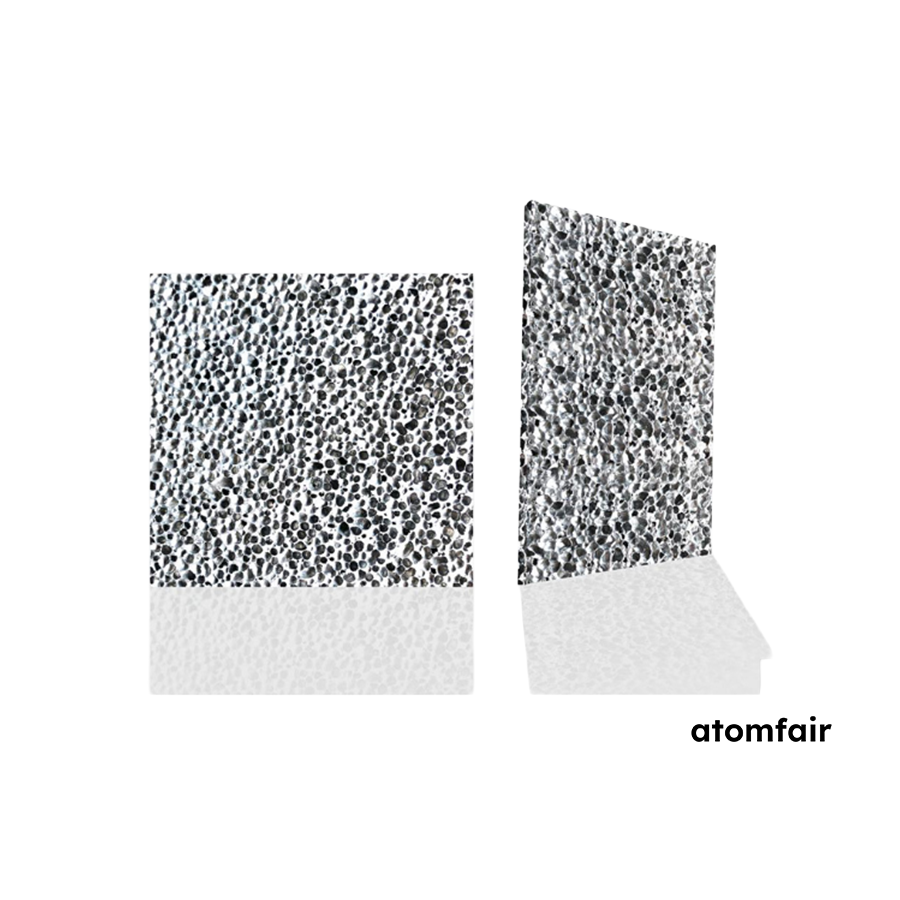
Closed-Cell Aluminum Foam 2–3 mm Pore 15 mm ATOMFAIR®
Price range: $52.00 through $80.00 -
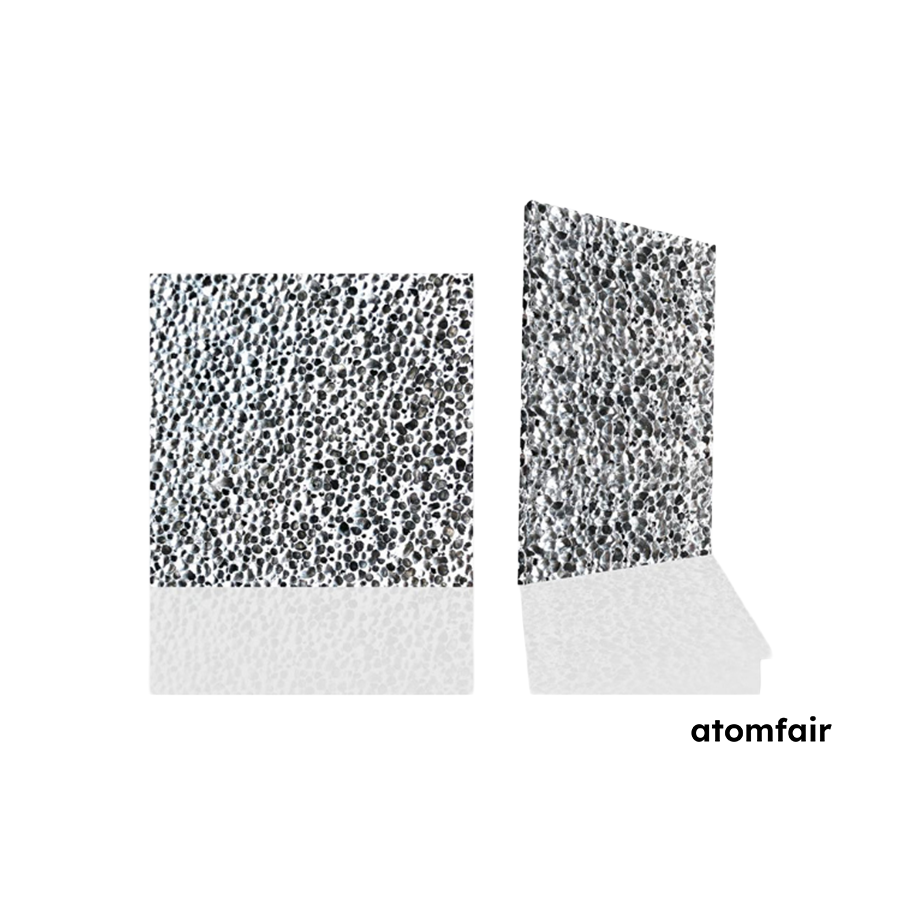
Closed-Cell Aluminum Foam 2–3 mm Pore 5 mm ATOMFAIR®
Price range: $40.00 through $68.00 -
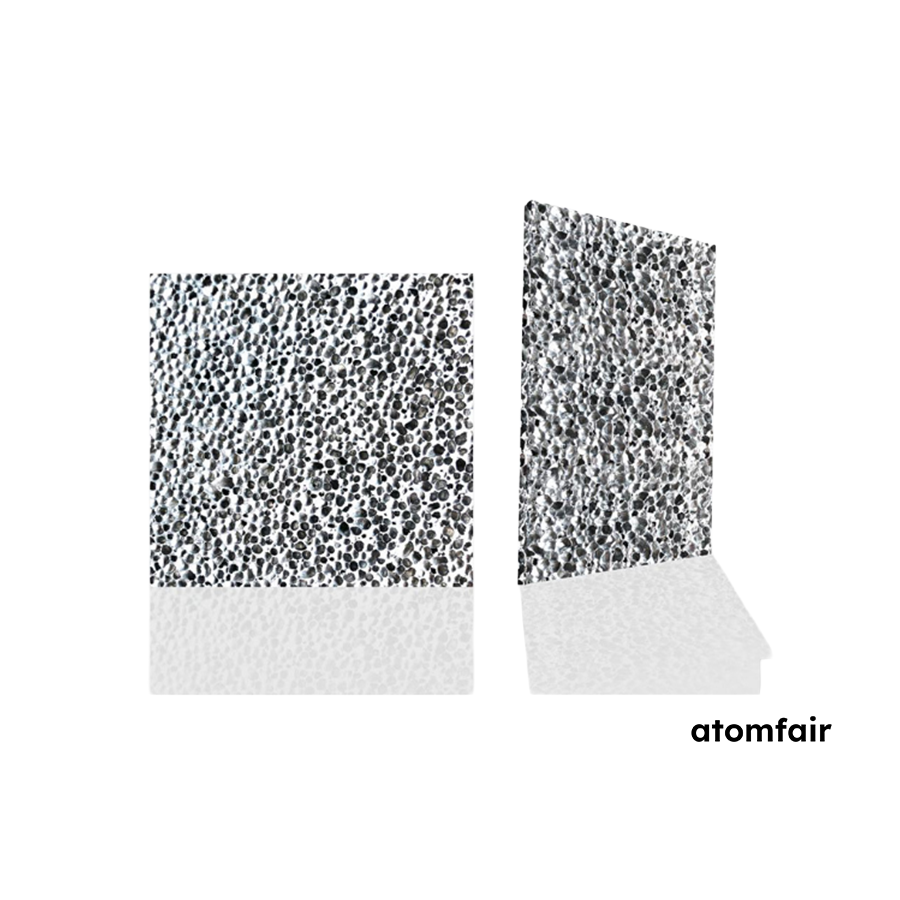
Closed-Cell Aluminum Foam 2–3 mm Pore, 10 mm ATOMFAIR®
Price range: $45.00 through $70.00 -
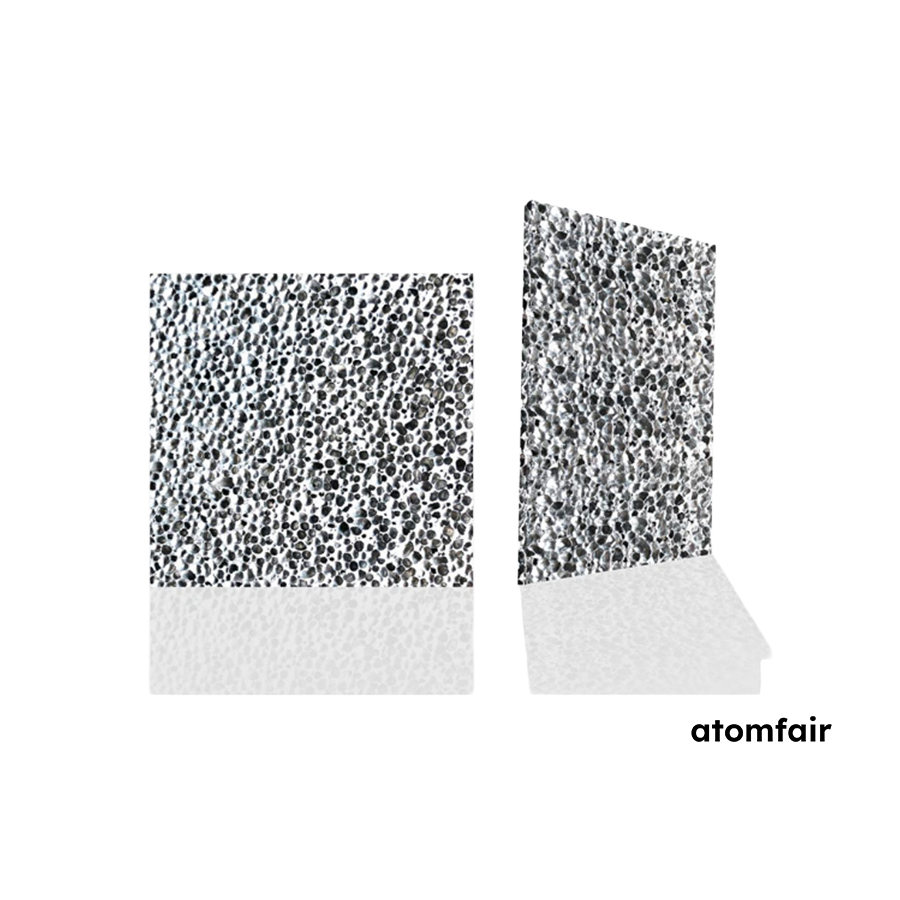
Closed-Cell Aluminum Foam 2–3 mm Pore, 20 mm ATOMFAIR®
Price range: $60.00 through $96.00 -
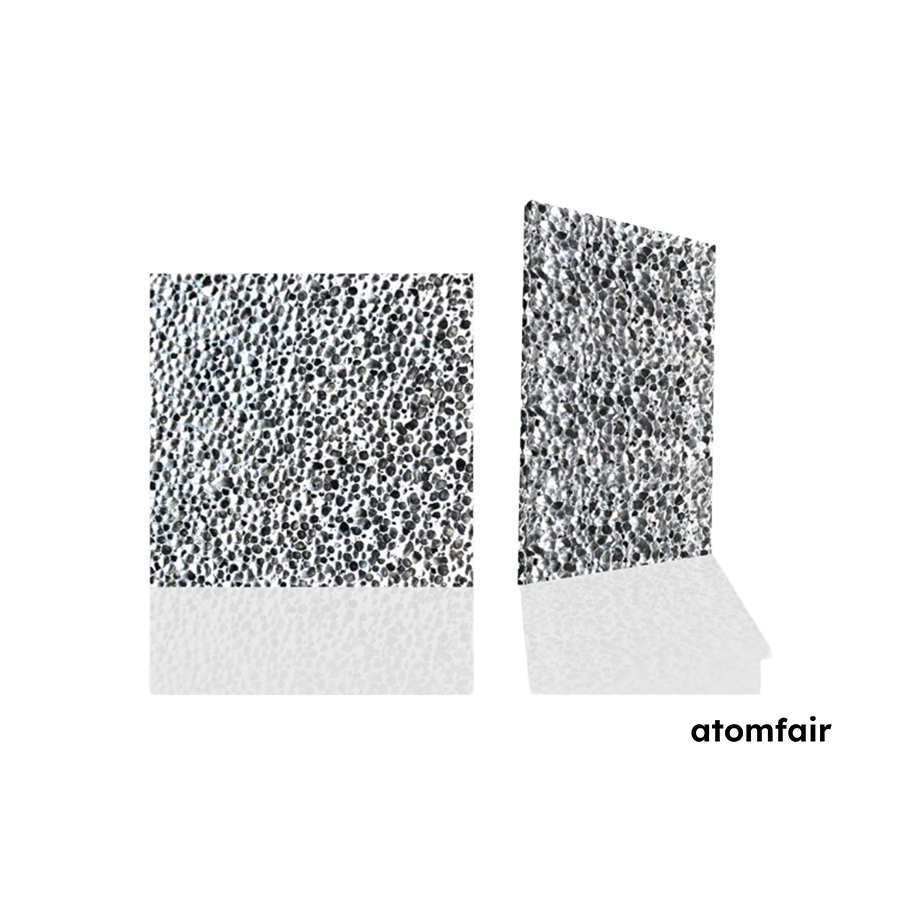
Closed-Cell Aluminum Foam 2–3 mm Pore, 5 mm ATOMFAIR®
Price range: $58.00 through $95.00 -
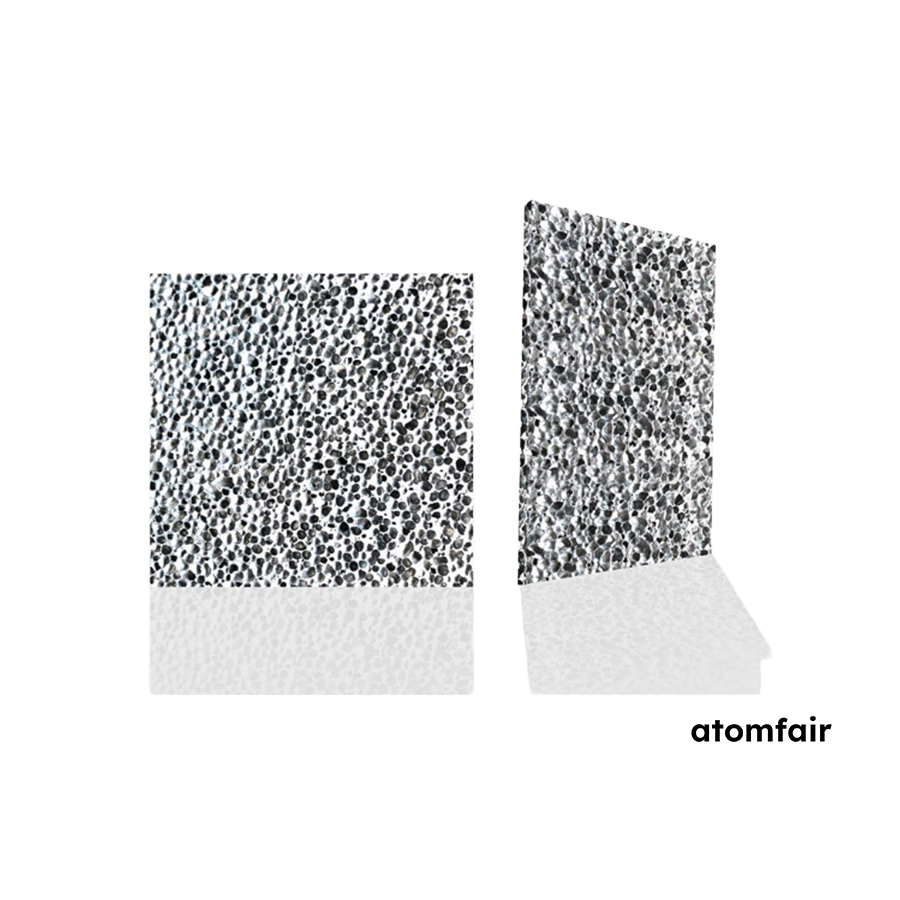
Closed-Cell Aluminum Foam 2–3 mm Pore, 6 mm ATOMFAIR®
Price range: $35.00 through $55.00 -
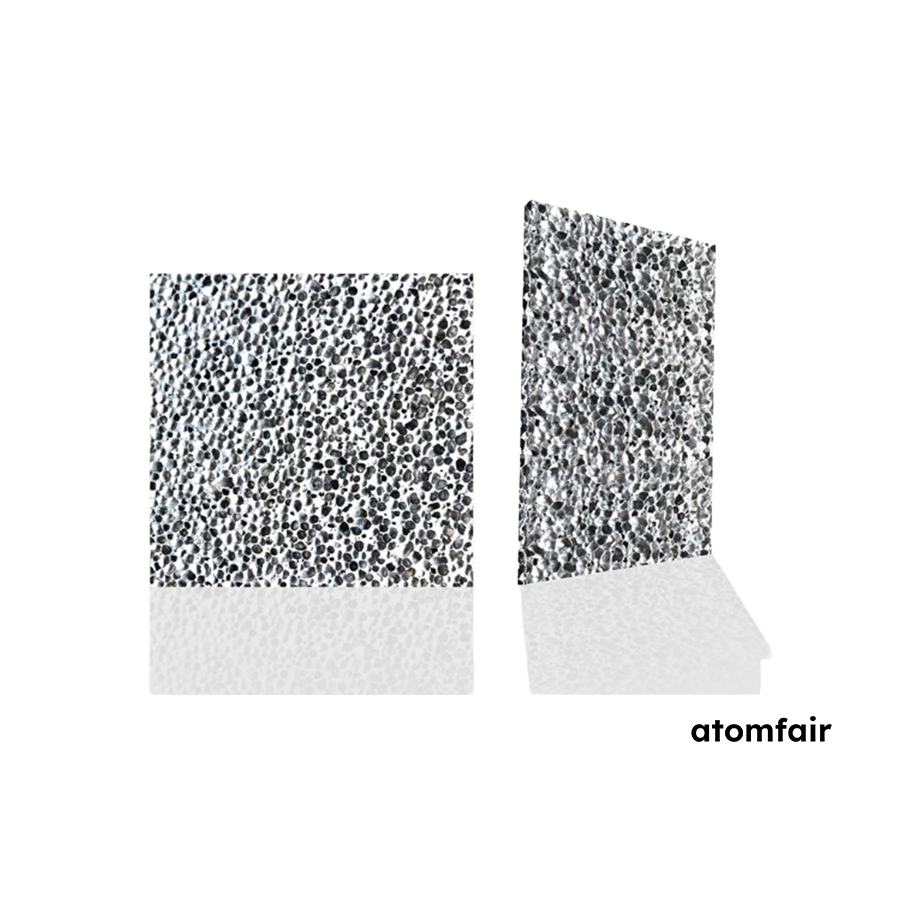
Closed-Cell Aluminum Foam 2–3 mm, 100×200×6 mm ATOMFAIR®
Price range: $40.00 through $68.00 -
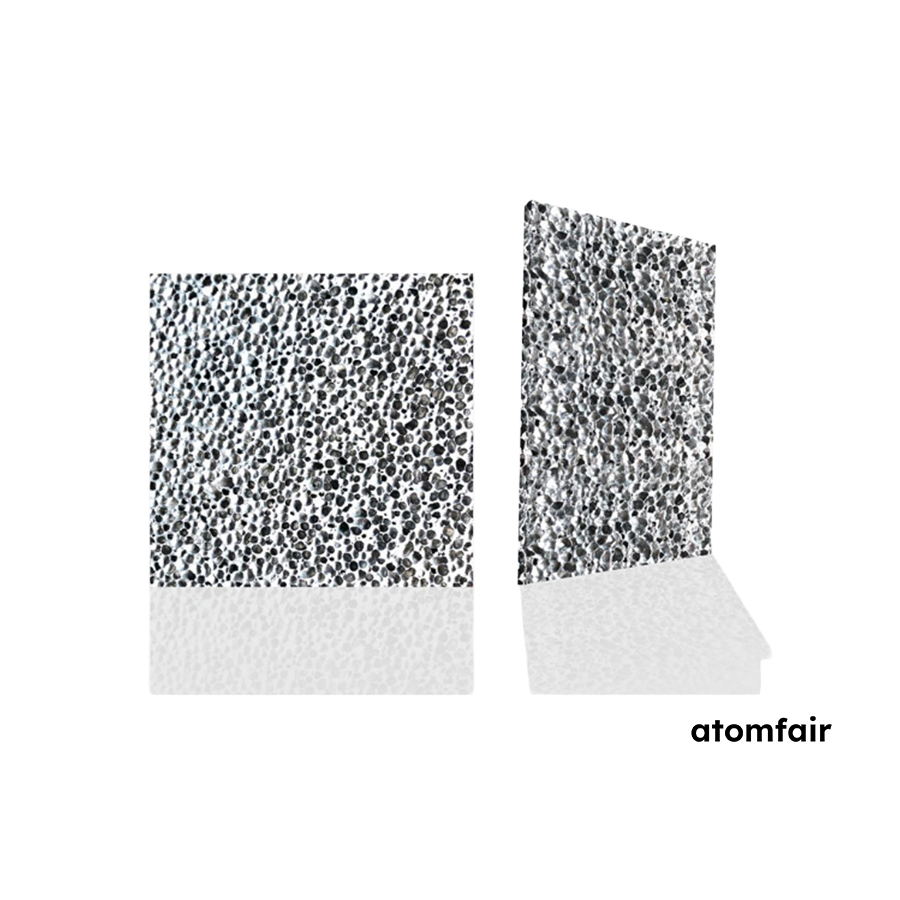
Closed-Cell Aluminum Foam 2–3 mm, 200×200×6 mm ATOMFAIR®
Price range: $58.00 through $95.00 -
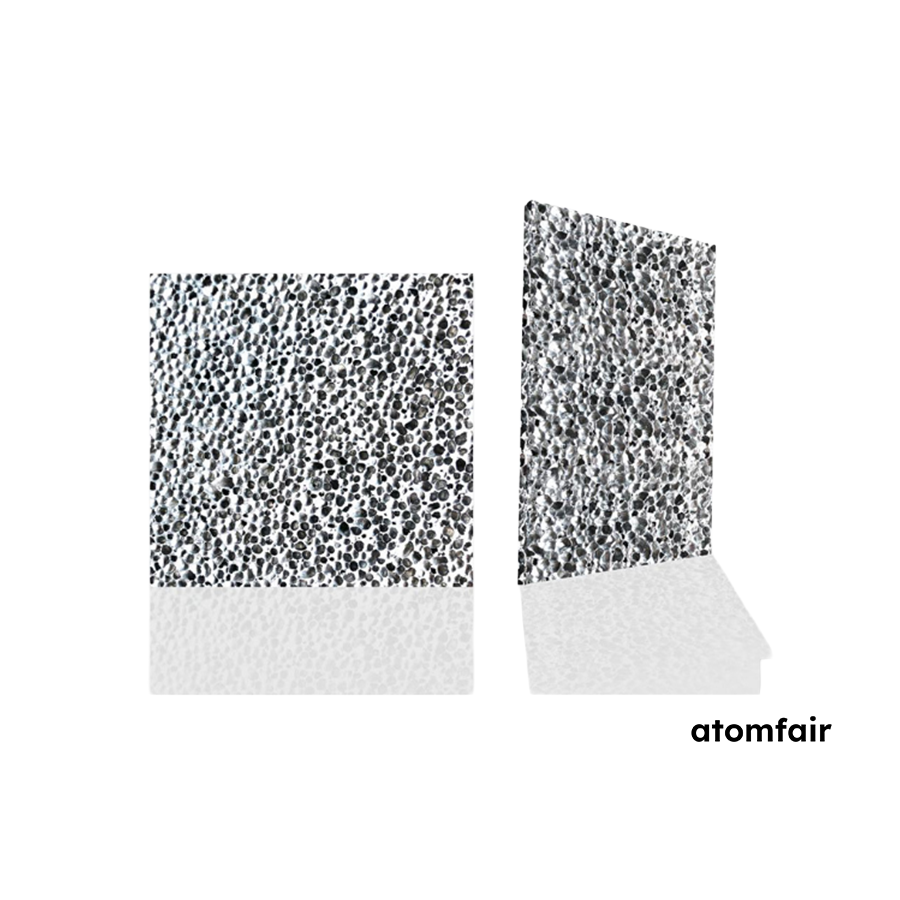
Closed-Cell Aluminum Foam 2–3 mm, 200×200×8 mm ATOMFAIR®
Price range: $73.00 through $125.00 -
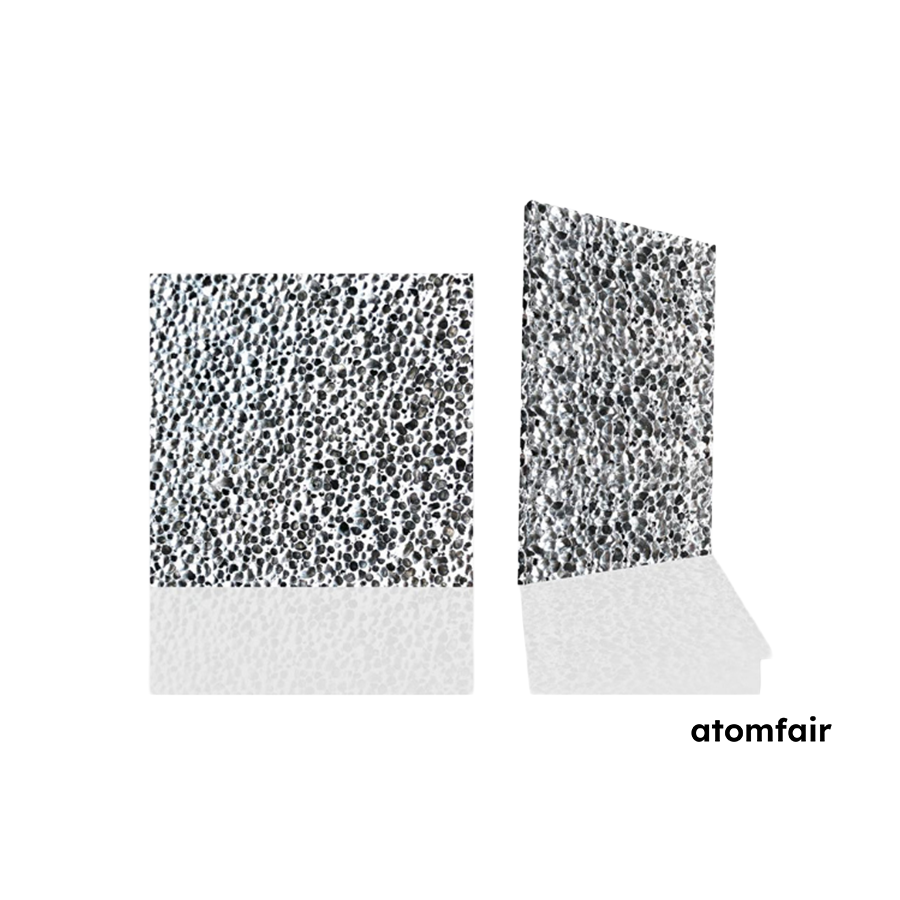
Closed-Cell Aluminum Foam 2–3mm 100×200×8mm ATOMFAIR®
Price range: $50.00 through $75.00 -
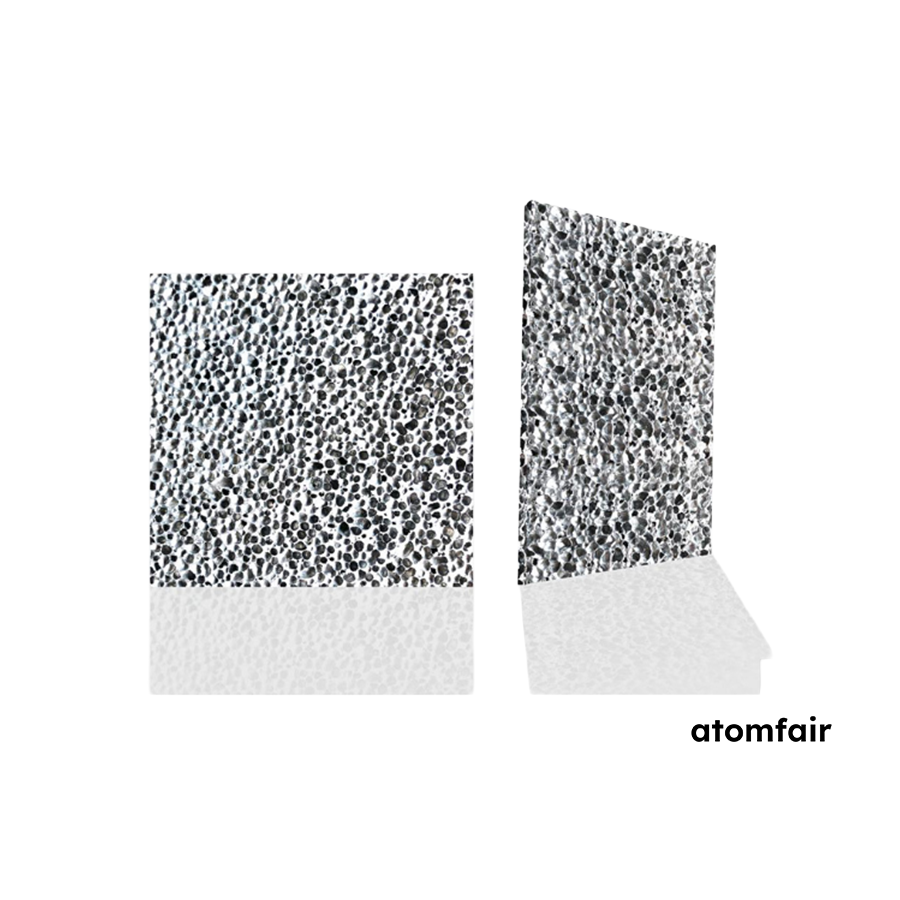
Closed-Cell Aluminum Foam 2–3mm Pore 20mm Sheet ATOMFAIR®
Price range: $96.00 through $140.00 -
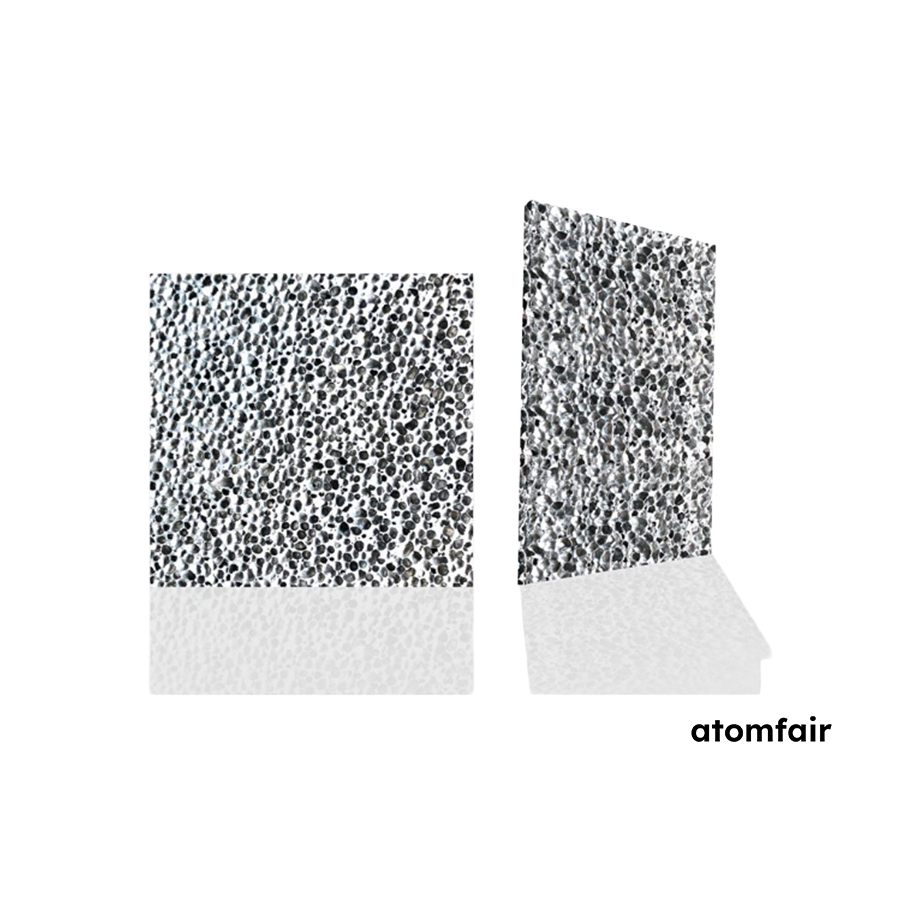
Closed-Cell Aluminum Foam 2–3mm, 100×100×8mm ATOMFAIR®
Price range: $45.00 through $70.00 -
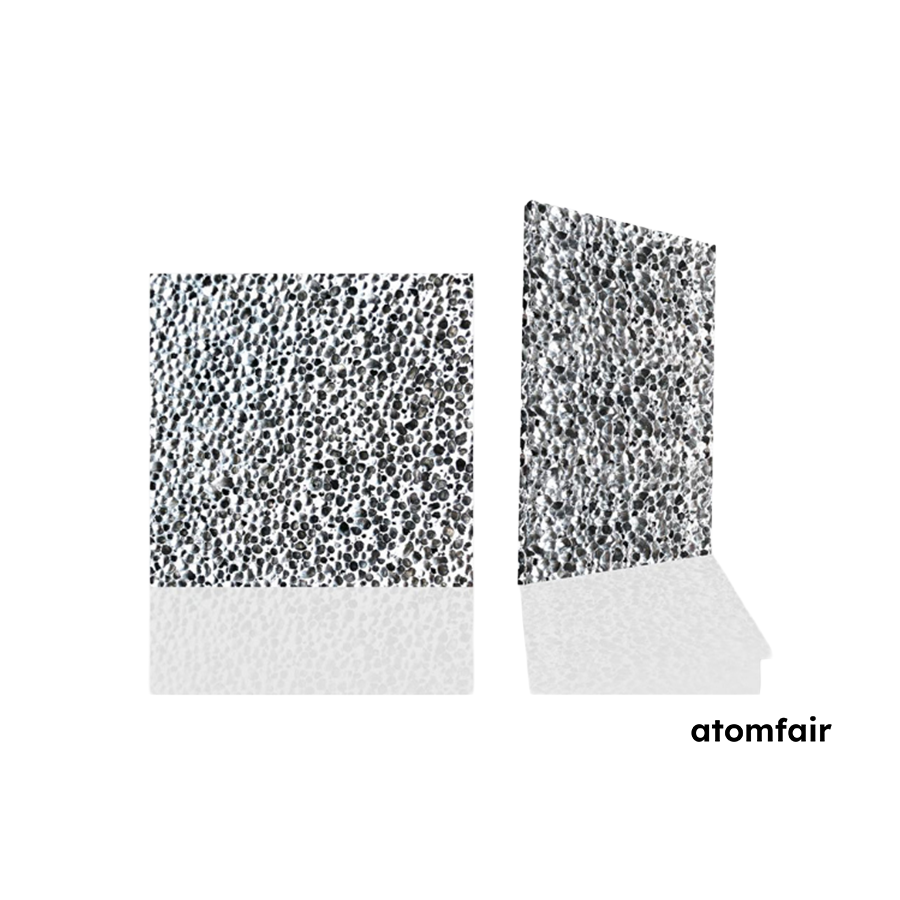
Closed-Cell Aluminum Foam 3–4 mm 100×200×6 mm ATOMFAIR®
Price range: $85.00 through $125.00