
Precious Metals
Precious metal materials include gold, silver, platinum, palladium, rhodium, ruthenium, iridium, osmium, and other platinum-group metal systems. Available material forms may include high-purity metals, powders, nanoparticles, colloidal dispersions, nanowires, nanorods, nanoclusters, and other specialized nanostructures.
These materials are widely used in catalysis and electrocatalysis, sensing and biosensing, SERS and Raman research, photothermal and near-infrared studies, conductive coatings, electrode development, electronic and optoelectronic materials, functional composites, powder metallurgy, thin-film fabrication, and advanced materials research.
Depending on the application, precious metal materials can be selected by metal identity, purity, particle size, morphology, concentration, dispersion medium, surface modification, material dimensions, and packaging format. Product specifications may vary by material, so detailed technical information, storage conditions, and supporting documentation should be confirmed before procurement.
Show More: Precious Metal Material Types and Selection Guide
What Products Are Included in Precious Metals?
| Material Type | Common Product Forms | Typical Research Directions |
|---|---|---|
| High-Purity Precious Metals | Powders, granules, pellets, sheets, foils, wires, and other defined forms | Material preparation, alloy research, electronic materials, precision processing, and surface engineering |
| Precious Metal Nanopowders | Gold, silver, platinum, palladium, rhodium, ruthenium, iridium, and other metal nanopowders | Catalysis, electrocatalysis, conductive formulations, coatings, electrodes, and sintering |
| Precious Metal Nanoparticles | Spherical nanoparticles, colloids, aqueous dispersions, and other liquid-based systems | Catalysis, sensing, imaging, functional composites, surface modification, and solution processing |
| Precious Metal Nanowires | Silver nanowires and other one-dimensional precious metal materials | Conductive films, transparent electrodes, flexible electronics, coatings, and EMI shielding |
| Specialized Nanostructures | Nanorods, nanostars, nanotriangles, nanoshells, nanocages, nanochains, and nanoclusters | SERS, Raman research, photothermal studies, near-infrared optics, imaging, and biosensing |
| Thin-Film and Deposition Materials | Sputtering targets, evaporation materials, wires, sheets, foils, and defined deposition forms | Vacuum deposition, thin-film fabrication, electronic devices, optical devices, and surface coatings |
Choose by Material Form
Precious Metal Powders and Granules
Powders and granules are suitable for dry mixing, catalyst preparation, conductive formulations, powder metallurgy, sintering, and electrode material development. Key selection factors include metal purity, particle size, particle morphology, surface condition, and package size.
Precious Metal Dispersions
Aqueous, colloidal, and organic-medium dispersions are suitable for solution processing, coating, printing, spraying, sensing, optical testing, and wet-phase catalysis research. Confirm the particle size, concentration, dispersion medium, stabilizer, surface modification, and storage requirements before use.
Nanowires and One-Dimensional Materials
Precious metal nanowires are commonly considered for conductive films, transparent electrodes, flexible electronics, conductive coatings, and electromagnetic shielding. Product comparisons should include wire diameter, length, purity, dispersion medium, concentration, and compatibility with the intended coating process.
Specialized Nanostructures
Nanorods, nanostars, nanotriangles, nanoshells, nanocages, nanochains, and nanoclusters provide different structural and surface characteristics for advanced optical and functional material research. These materials are often selected according to morphology, dimensions, concentration, surface chemistry, and the requirements of the target application.
Thin-Film and Deposition Materials
Sputtering targets, evaporation materials, wires, sheets, and foils are used for thin-film fabrication, vacuum coating, electronic devices, optical devices, and surface engineering. Before ordering, confirm purity, dimensions, shape, deposition method, equipment compatibility, and required supply format.
Choose by Precious Metal System
| Metal System | Common Material Directions | Common Selection Focus |
|---|---|---|
| Gold | Powders, nanoparticles, nanorods, nanoclusters, nanostars, nanotriangles, nanoshells, and nanocages | Optical response, SERS, photothermal research, sensing, imaging, catalysis, and coatings |
| Silver | Powders, nanoparticles, colloids, dispersions, nanowires, and conductive materials | Conductivity, film formation, electrode development, coatings, optical materials, and functional composites |
| Platinum and Palladium | High-purity powders, nanoparticles, colloids, and liquid dispersions | Catalysis, electrocatalysis, electrodes, sensing, energy materials, and chemical research |
| Rhodium, Ruthenium, Iridium, and Osmium | Specialty powders, nanoparticles, dispersions, and other defined research material forms | Specialty catalysis, electrochemical research, sensing, high-performance materials, and surface studies |
Key Specifications for Product Selection
- Metal identity and composition: Confirm the required element, alloy system, or composite composition.
- Purity grade: Select a purity level appropriate for catalytic, electronic, optical, analytical, or research requirements.
- Particle size and dimensions: Check whether the listed value is nominal, average, or a defined size range.
- Morphology and structure: Compare spherical, rod-shaped, wire-shaped, star-shaped, shell-shaped, cage-shaped, and other structures.
- Concentration and medium: For dispersions, confirm the solvent, concentration, stabilizer, and surface treatment.
- Packaging and storage: Confirm package size, transport conditions, temperature requirements, light protection, and documentation.
Frequently Asked Questions
What metals are included in Precious Metals?
The category includes gold, silver, platinum, palladium, rhodium, ruthenium, iridium, osmium, and other platinum-group precious metal systems.
What forms of precious metal materials are available?
Common forms include high-purity powders, granules, nanoparticles, colloidal dispersions, nanowires, nanorods, nanoclusters, nanostars, nanotriangles, nanoshells, nanocages, nanochains, foils, wires, sputtering targets, and evaporation materials.
Should I choose a powder or a dispersion?
Powders are generally considered for dry formulation, catalyst preparation, sintering, and custom processing. Dispersions are generally more convenient for coating, printing, spraying, optical testing, sensing, and solution-based research.
How should I choose between gold, silver, platinum, and palladium materials?
Gold is often selected for optical, SERS, photothermal, sensing, and imaging research. Silver is commonly considered for conductive materials, coatings, nanowires, and optical applications. Platinum and palladium are frequently evaluated for catalysis, electrocatalysis, electrodes, and sensing. The final choice should be based on the application and required specifications.
Is a smaller nanoparticle size always better?
Not necessarily. Particle size can affect surface area, dispersion behavior, reaction activity, optical response, conductivity, and processing performance. The appropriate size depends on the intended research or manufacturing process.
What should I confirm when purchasing a precious metal dispersion?
Confirm the metal concentration, particle size, dispersion medium, stabilizer, surface modification, package volume, storage temperature, and compatibility with the intended substrate or process.
Can research-grade precious metal materials be used directly for production?
Research-grade materials are intended for laboratory research, process development, and sample testing. For production use, additional confirmation of batch consistency, long-term supply, process compatibility, quality documentation, and manufacturing requirements may be necessary.
What should I do if I am unsure which precious metal material to choose?
Start with the application objective, then compare the metal system, material form, purity, particle size, morphology, concentration, and processing medium. For special dimensions, surface treatments, or defined packaging requirements, confirm the technical specifications before ordering.
Showing 1–16 of 34 results
-
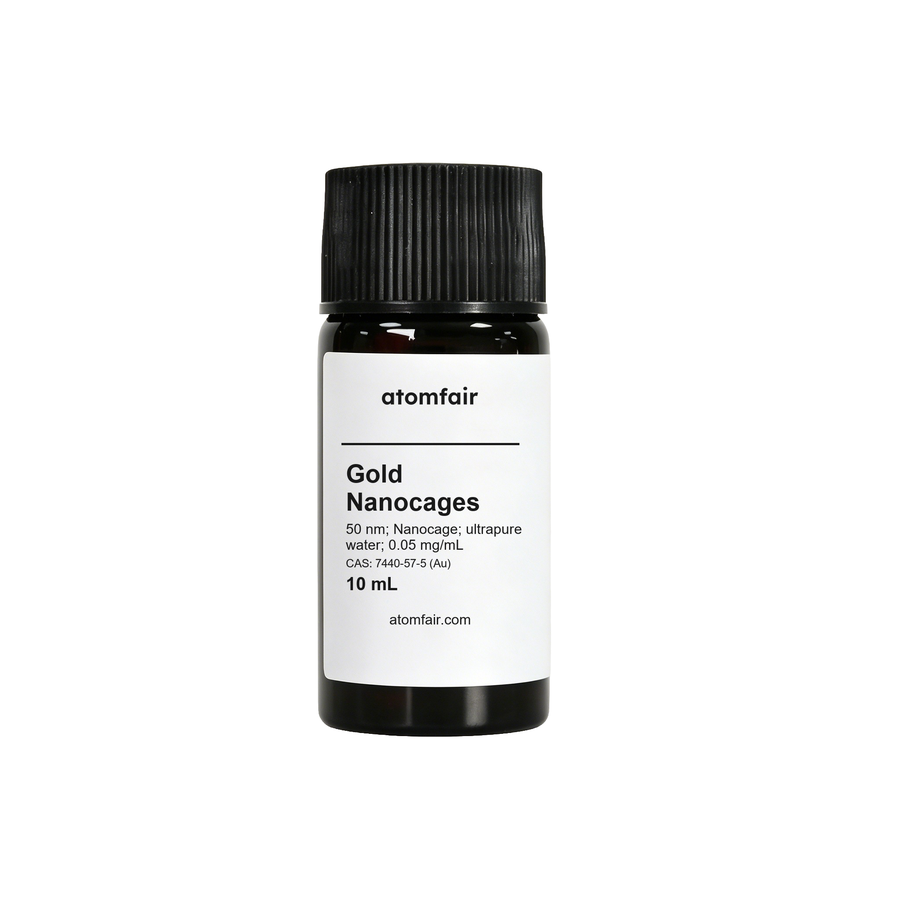
Gold Nanocages 50 nm Au Dispersion Research Grade ATOMFAIR®
$1,036.26 -
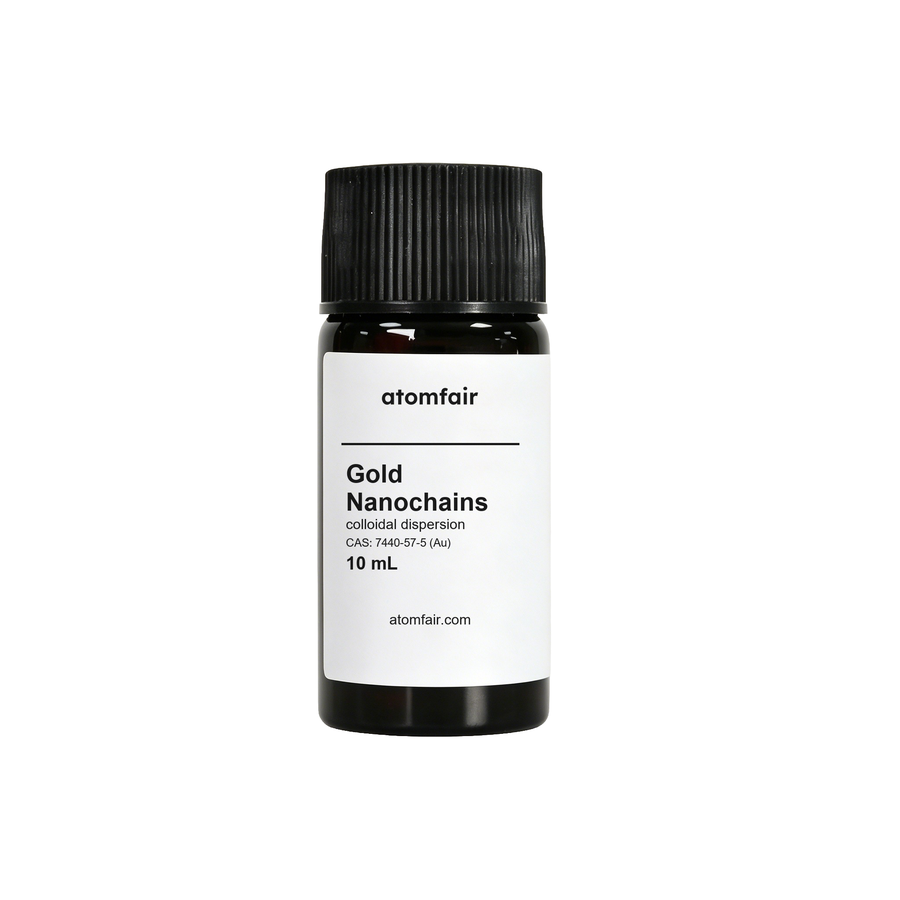
Gold Nanochains 10 mL Colloidal Dispersion ATOMFAIR®
$726.07 -
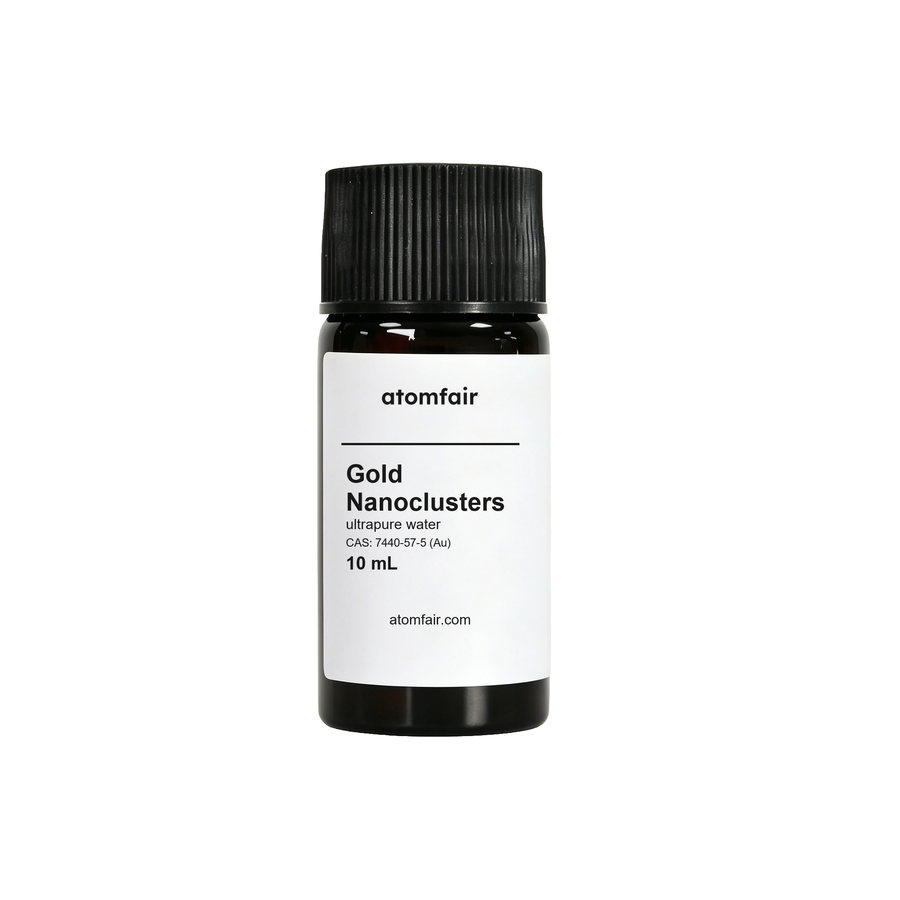
Gold Nanocluster Dispersion 10 mL Research Grade ATOMFAIR®
$925.48 -
Gold Nanocluster Dispersion 10 mL Research Grade ATOMFAIR®
$925.48 -
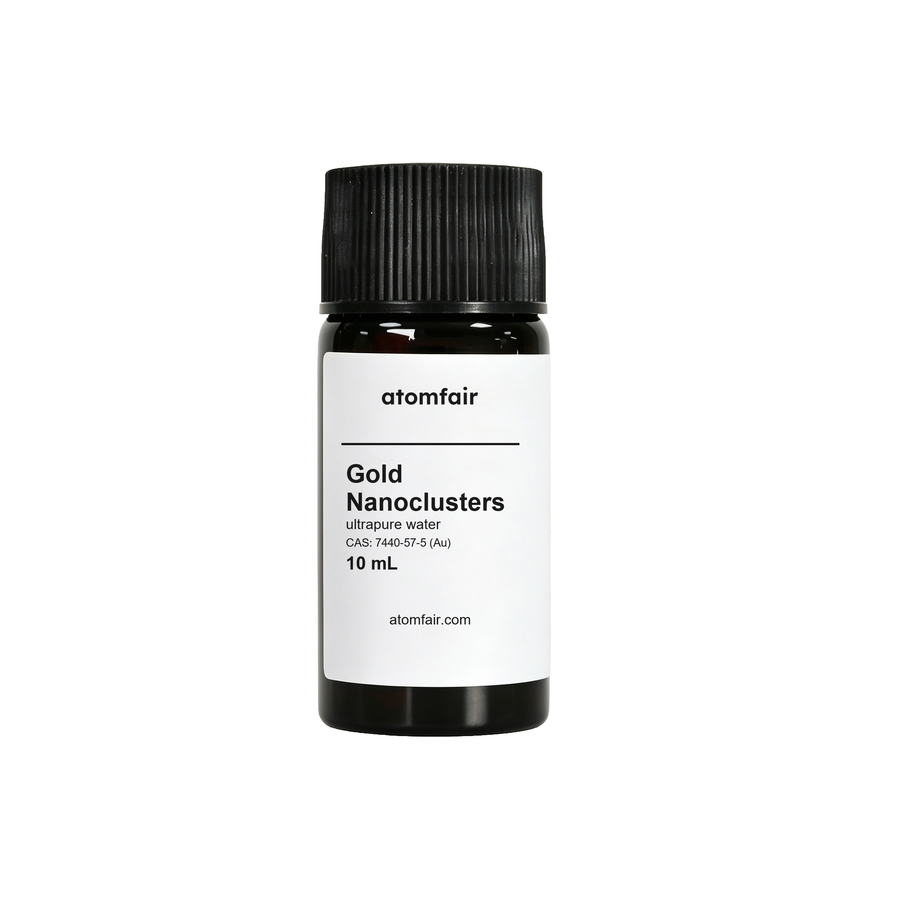
Gold Nanocluster Dispersion 10 mL Research Grade ATOMFAIR®
$925.48 -

Gold Nanoparticles 30 ppm Au Dispersion 5–25mL ATOMFAIR®
Price range: $314.18 through $770.38 -
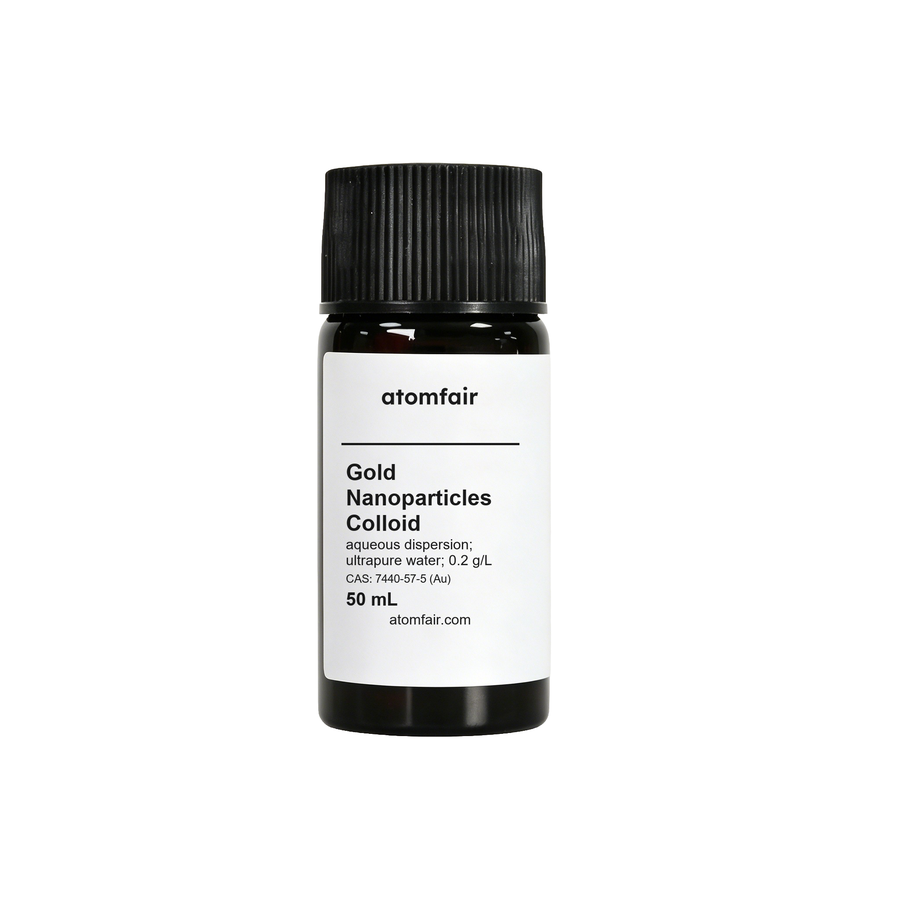
Gold Nanoparticles 50 mL Aqueous Dispersion ATOMFAIR®
$349.41 -

Gold Nanorod Dispersion 100 mL 5% Research Grade ATOMFAIR®
$1,655.76 -
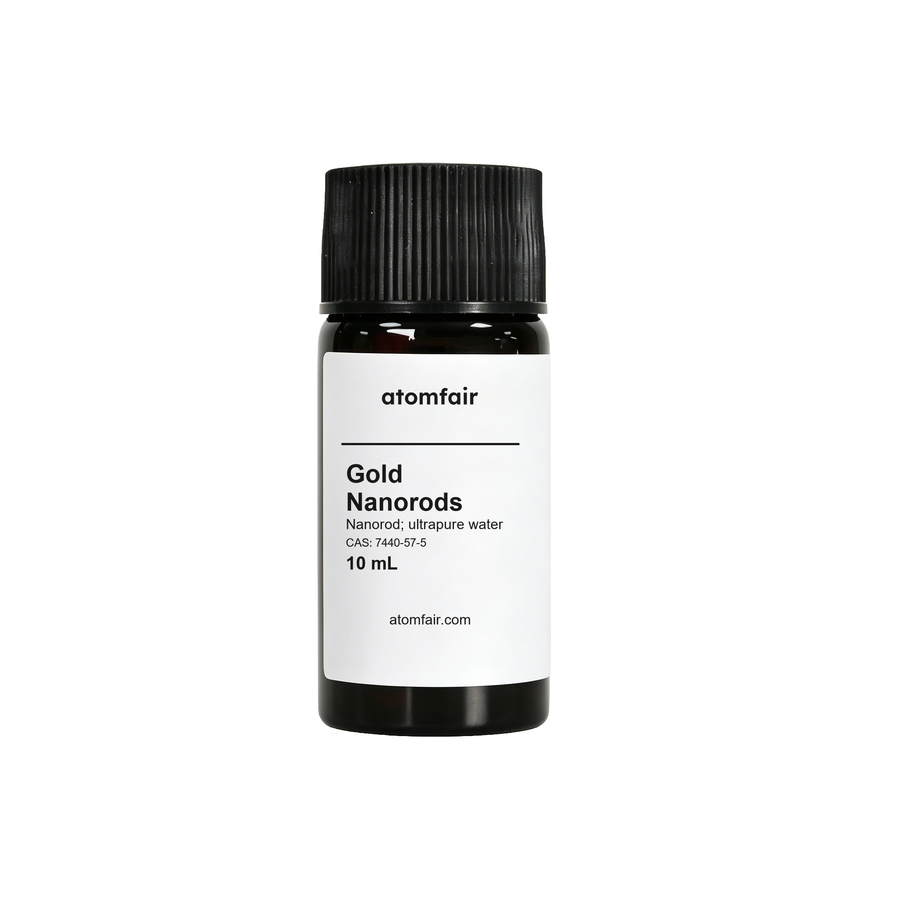
Gold Nanorods 10 mL Au Dispersion Research Grade ATOMFAIR®
$1,014.11 -
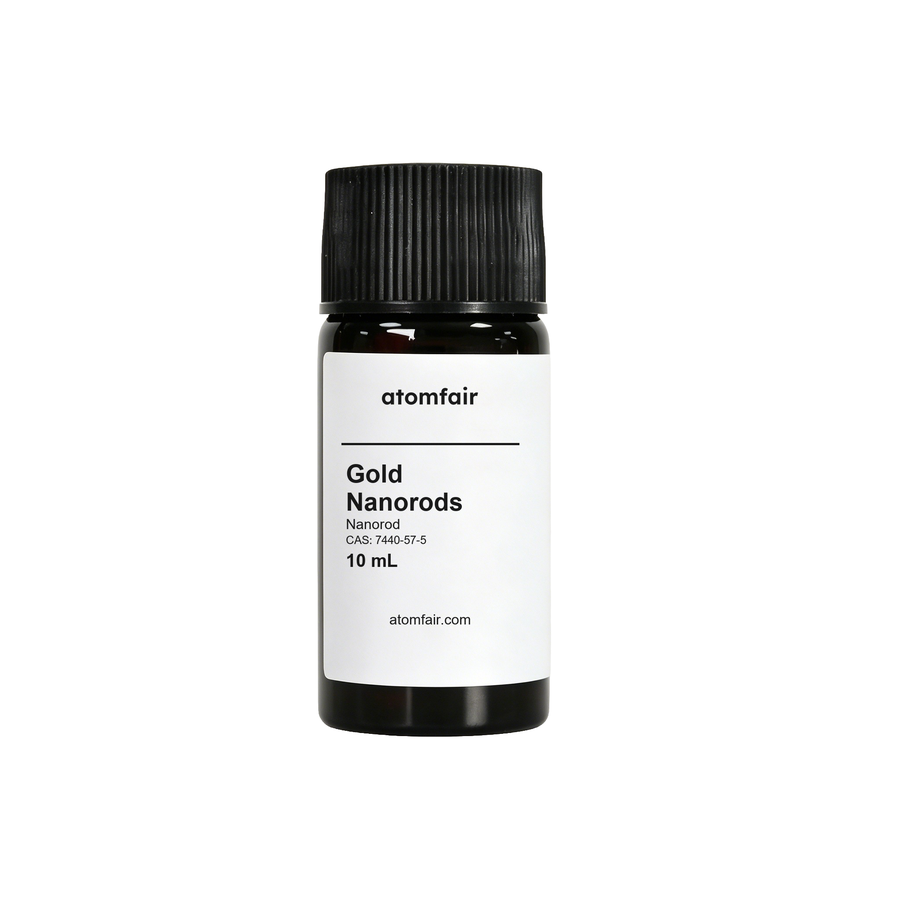
Gold Nanorods 10 mL Research Grade Au Dispersion ATOMFAIR®
$1,014.11 -
Gold Nanorods 10 mL Research Grade Dispersion ATOMFAIR®
$582.27 -

Gold Nanorods 30 nm 99% Research Grade Material ATOMFAIR®
Price range: $238.63 through $291.80 -
Gold Nanoshells Research Grade 40-60 nm 50 μg/mL ATOMFAIR®
$726.07 -
Gold Nanostar Dispersion 10mL Water Based ATOMFAIR®
$770.38 -
Gold Nanotriangle Dispersion 10 mL Research Grade ATOMFAIR®
$637.44 -
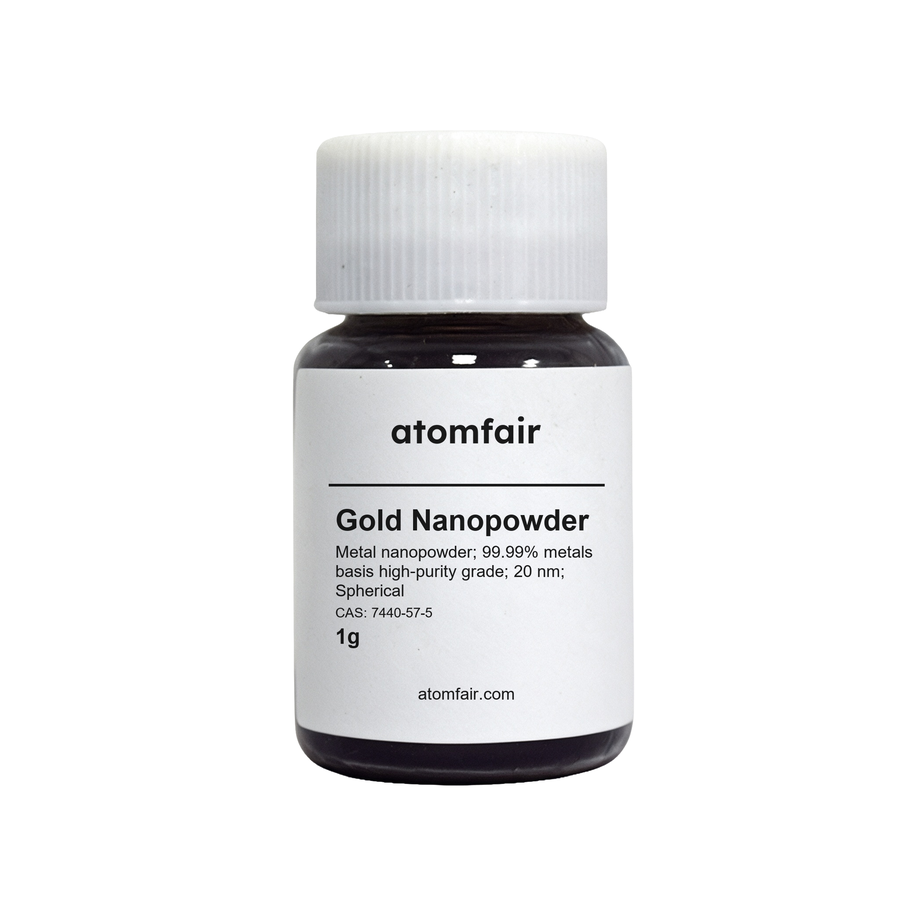
Nano Gold Powder 99.99% 20 nm Spherical Research ATOMFAIR®
$593.13