
Battery Separators
Battery separators are essential cell components used to physically isolate the positive and negative electrodes while maintaining electrolyte wetting and ion transport pathways. Separator material, pore structure, thickness, mechanical strength, and thermal stability can directly influence assembly consistency, rate performance, cycle life, and safety behavior.
This category covers separator materials commonly used in laboratory research, pilot validation, and small-batch cell preparation, including PE separators, PP separators, PP/PE/PP trilayer separators, cellulose diaphragms, glass fiber separators, nonwoven separators, and other porous separator materials for electrochemical energy storage. These products can support lithium-ion batteries, sodium-ion batteries, lithium metal batteries, supercapacitors, aqueous batteries, and other emerging battery systems.
Show More
Main Separator Types
| Separator Type | Product Characteristics | Typical Applications |
|---|---|---|
| PE Separators | Common lithium battery separator material with good flexibility, stable pore structure, and electrolyte wetting behavior. | Lithium-ion batteries, Li-rich manganese batteries, and general material screening. |
| PP Separators | Good mechanical strength and thermal stability, suitable for experiments requiring dimensional stability and assembly strength. | Lithium battery research, sodium-ion battery research, and higher-pressure or higher-temperature assembly conditions. |
| PP/PE/PP Trilayer Separators | Multilayer structure designed to balance mechanical support, thermal response, and electrode isolation. | High-consistency testing, safety comparison, and advanced cell structure research. |
| Cellulose Diaphragms | Good liquid uptake, suitable for selected electrolyte systems and electrochemical testing workflows. | Supercapacitors, aqueous batteries, and specialized energy storage systems. |
| Glass Fiber Separators | High electrolyte retention and good temperature resistance for experiments requiring larger electrolyte holding capacity. | Sodium-ion batteries, lithium metal batteries, supercapacitors, and experimental cells. |
| Nonwoven Separators | Open porous structure and good wetting behavior, suitable for non-standard battery systems or functional modification studies. | Semi-solid batteries, gel electrolyte systems, and electrochemical research. |
How to Choose Battery Separators
When selecting a battery separator, customers should first confirm the battery chemistry and cell format, then choose the appropriate material, thickness, width, and supply form. For standard lithium-ion battery research, PE, PP, and PP/PE/PP separators are common starting points. For sodium-ion batteries, lithium metal batteries, supercapacitors, or aqueous systems, glass fiber, cellulose, or nonwoven separators may be more suitable for compatibility evaluation.
If the experiment focuses on cycle life and rate performance, customers should compare pore structure, electrolyte wetting, and ion transport behavior. If the priority is safety and assembly reliability, thermal shrinkage, puncture strength, tensile strength, and dimensional stability become more important. For high-volume coin cell testing, pre-cut separator discs may improve efficiency; for pouch cells, stacked cells, or custom formats, separator rolls or sheets are usually more flexible.
Typical Applications
Battery separators are used in cathode and anode material evaluation, electrolyte formulation screening, cell structure design, cycle performance testing, rate performance testing, safety comparison, and process scale-up validation. During R&D, customers often compare multiple separator materials under the same electrode and electrolyte conditions to evaluate their influence on capacity retention, internal resistance, polarization, cycle stability, and assembly yield.
For university and corporate laboratories, standard-width separator rolls are suitable for routine coin cell, pouch cell, and small stacked-cell experiments. For pilot validation or repeated testing programs, longer separator rolls can help reduce batch variation and improve experimental consistency. For specialized electrochemical systems, separator compatibility should be confirmed according to electrolyte chemistry, operating temperature, voltage window, and electrode material behavior.
FAQ
How should I choose between PE and PP separators?
PE separators are suitable for many standard lithium-ion battery research workflows and are often selected for good wetting behavior and stable pore structure. PP separators generally offer advantages in mechanical strength and thermal stability, making them suitable for systems requiring dimensional stability, assembly strength, or higher-temperature tolerance.
What are PP/PE/PP trilayer separators used for?
PP/PE/PP trilayer separators are suitable for customers who need improved structural stability, safety comparison, or multilayer separator evaluation. They are often compared with single-layer PE and PP separators during battery development.
Are glass fiber separators and cellulose diaphragms part of Battery Separators?
Yes. Although they are different from standard PE and PP microporous films, they are widely used as separator materials in battery and electrochemical energy storage experiments, especially when higher electrolyte uptake or special electrolyte compatibility is required.
What is the difference between separator rolls and pre-cut separator discs?
Separator rolls are suitable for custom cutting and are commonly used for pouch cells, stacked cells, and non-standard cell sizes. Pre-cut separator discs are designed for coin cell assembly and can reduce cutting variation while improving batch testing efficiency.
Should ceramic-coated separators be placed in this category?
Ceramic-coated separators are separator materials, but if the catalog has a dedicated Advanced Separator Coatings & High-Temperature Separators category, ceramic-coated separators, PI separators, aramid separators, and other high-temperature separators should mainly be listed there. This keeps the standard Battery Separators category focused on base separator materials.
Can the same separator be used for lithium-ion batteries, sodium-ion batteries, and supercapacitors?
Some separator materials can be evaluated across multiple systems, but they should not be assumed to be universally compatible. Customers should confirm electrolyte wetting, voltage window, temperature conditions, electrode materials, and cell pressure under the actual test environment.
What information should customers check before selecting a separator?
Customers should check material type, thickness, width, porosity, wetting behavior, thermal shrinkage, mechanical strength, and target battery system. For research and validation work, batch consistency, cutting method, and experimental repeatability should also be considered.
Showing 1–16 of 38 results
-
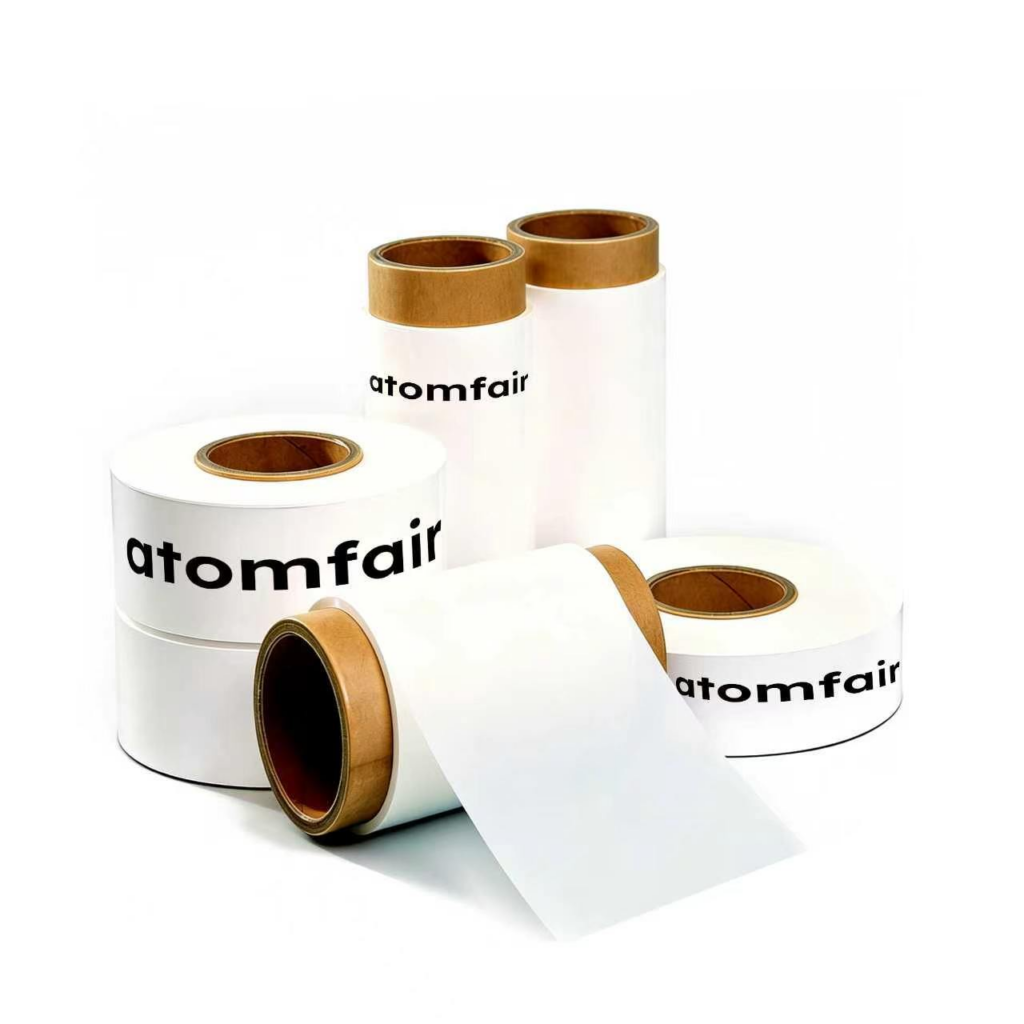
ATOMFAIR® Wet PE Separator 12μm 60mm x 10m
$222.00 -
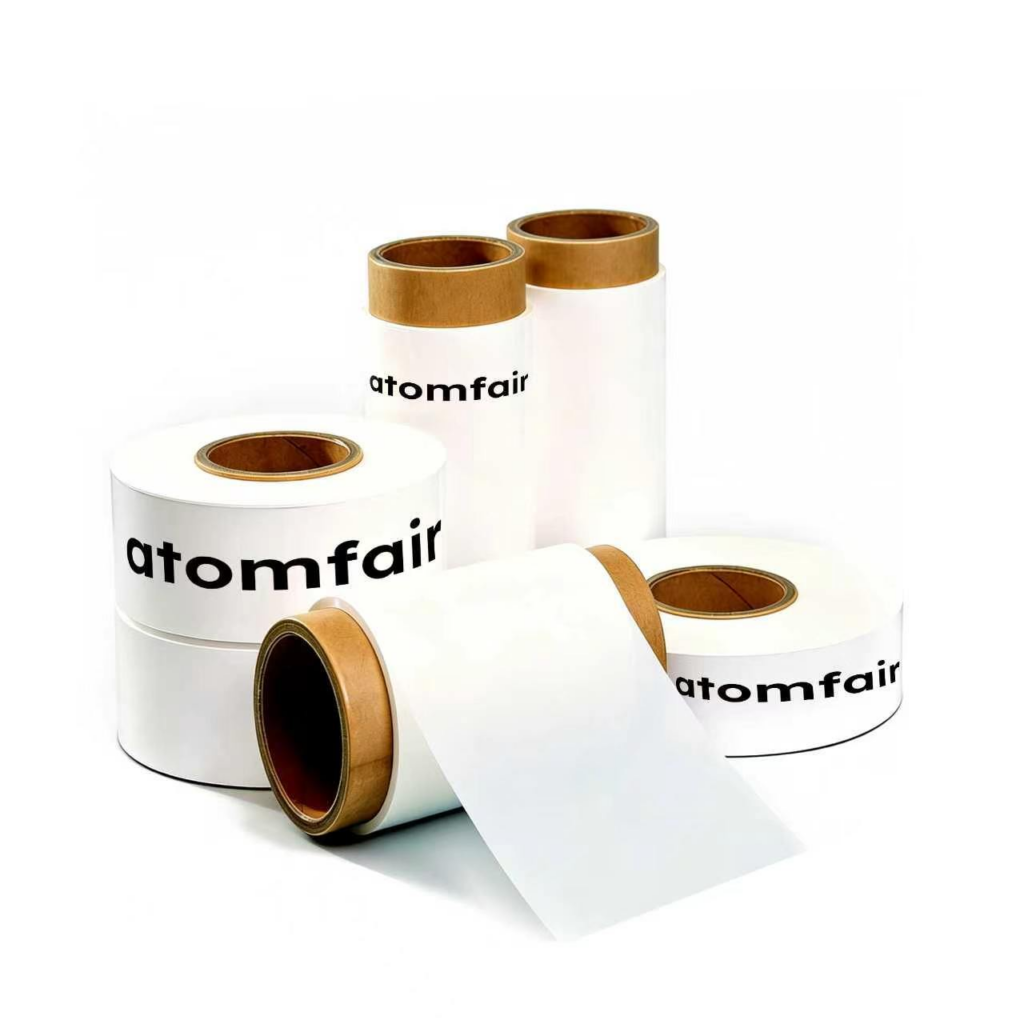
ATOMFAIR® Wet-PE Separator 14µm 60mm 10m Research Grade
$222.00 -
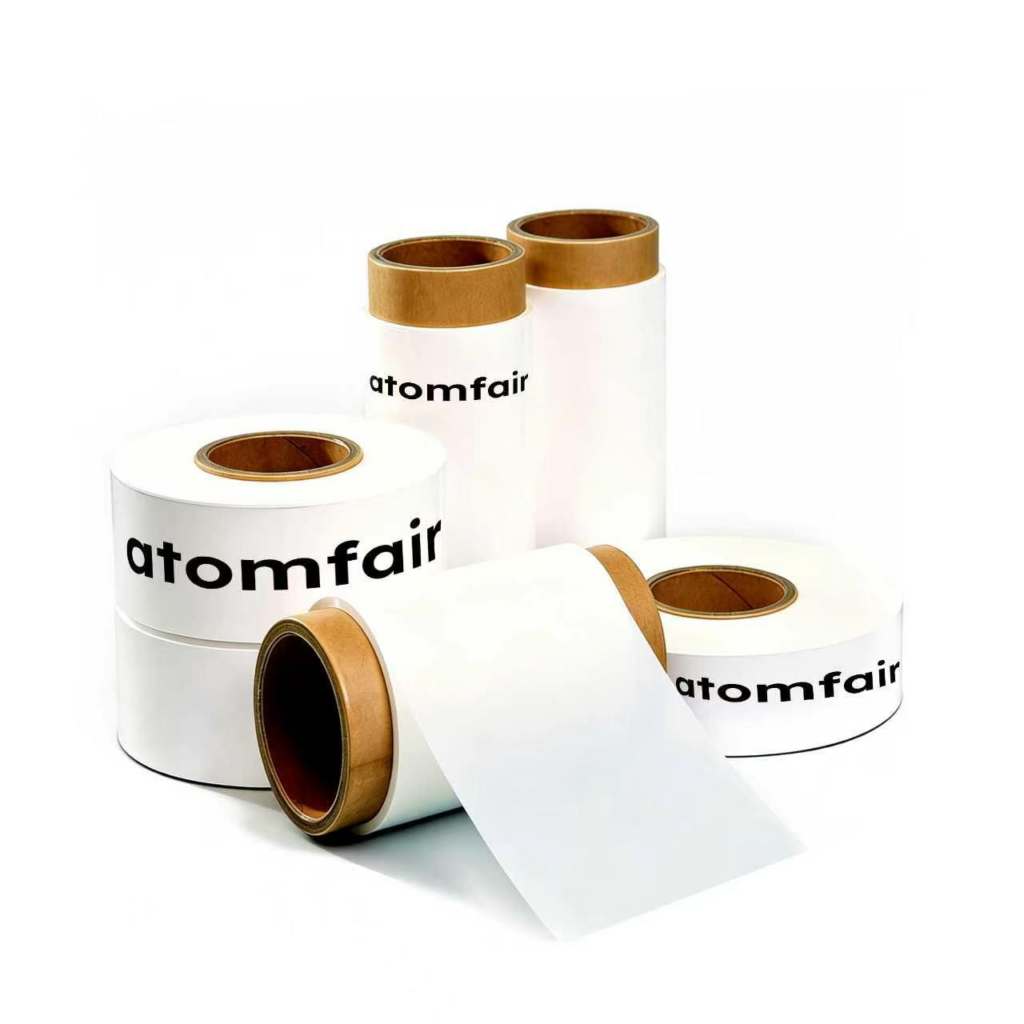
ATOMFAIR® Wet-PE Separator 16µm 60mm 10m R&D Grade
$222.00 -
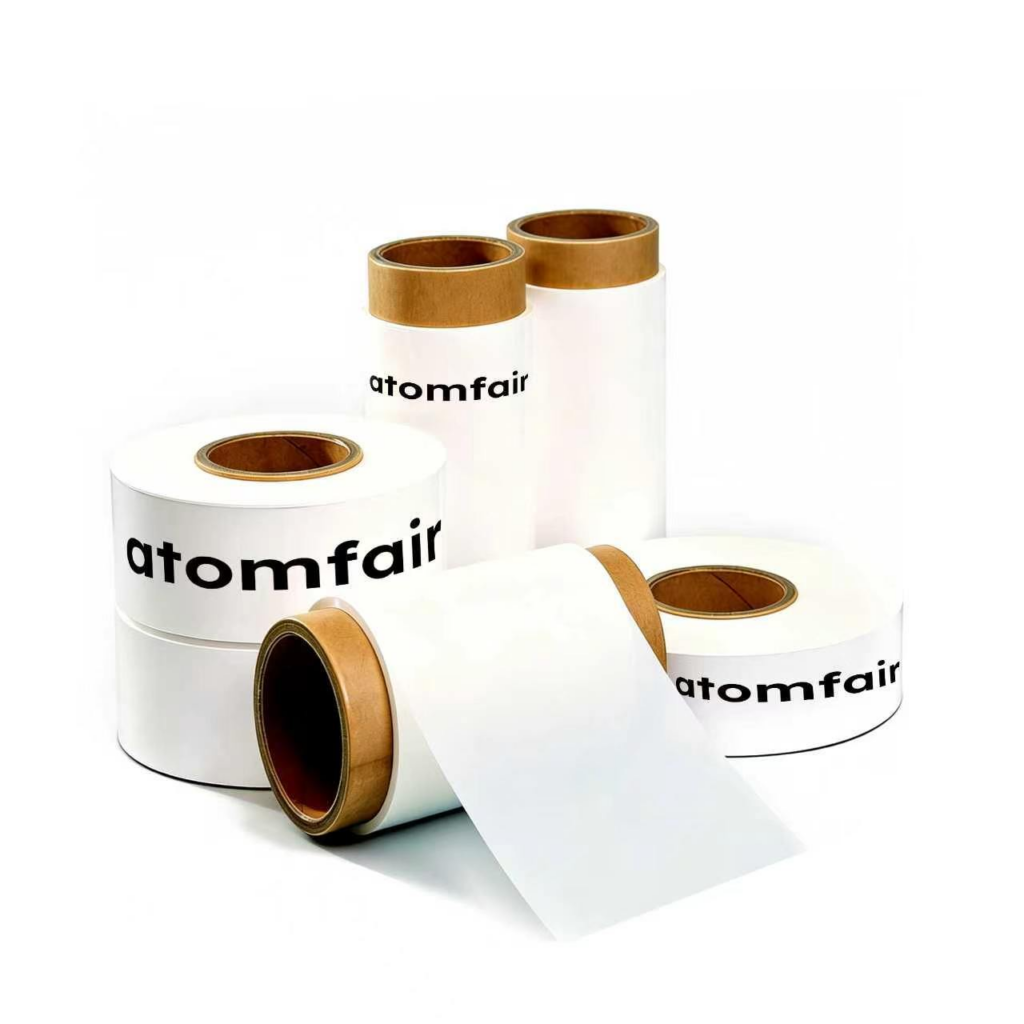
ATOMFAIR® Wet-PE Separator 60mm 9-20µm R&D Grade
$222.00 -
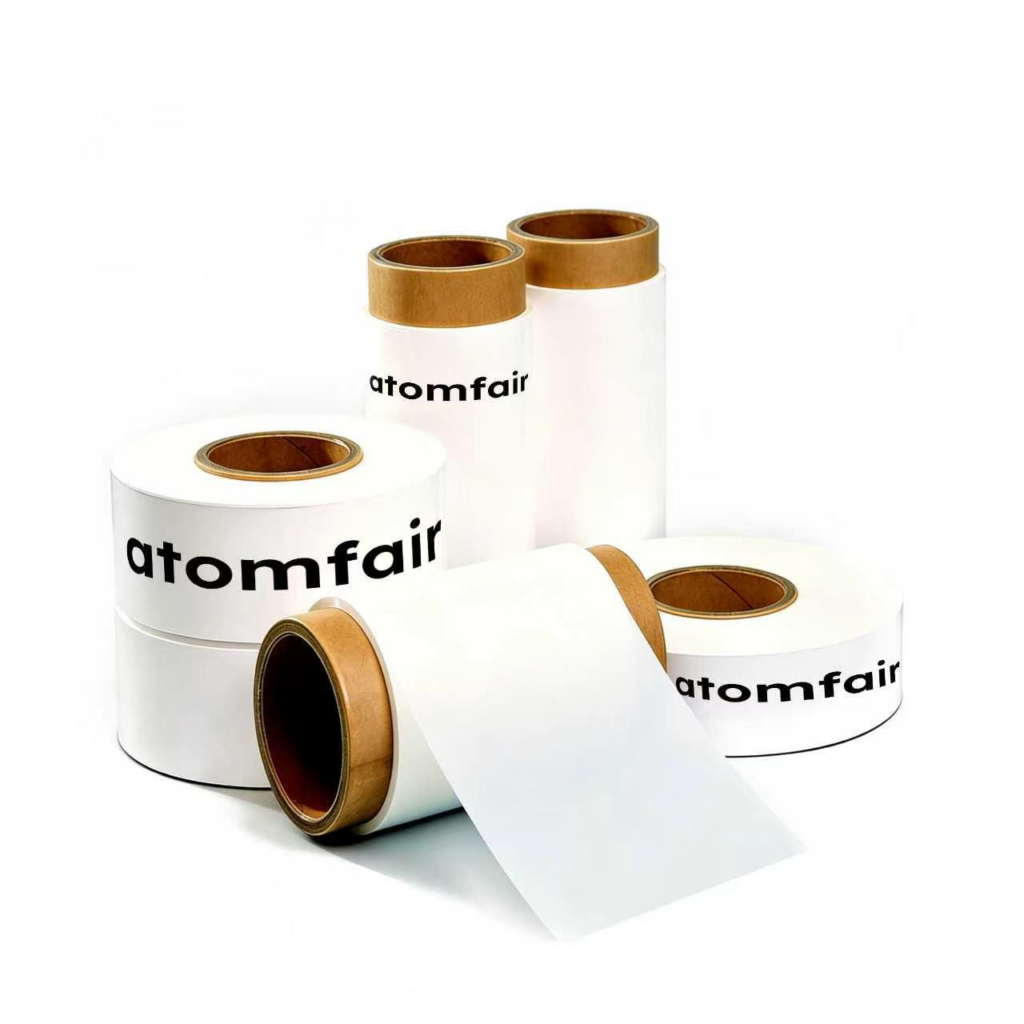
ATOMFAIR® Wet-PE Separator 7µm 60mm x 10m R&D Grade
$222.00 -
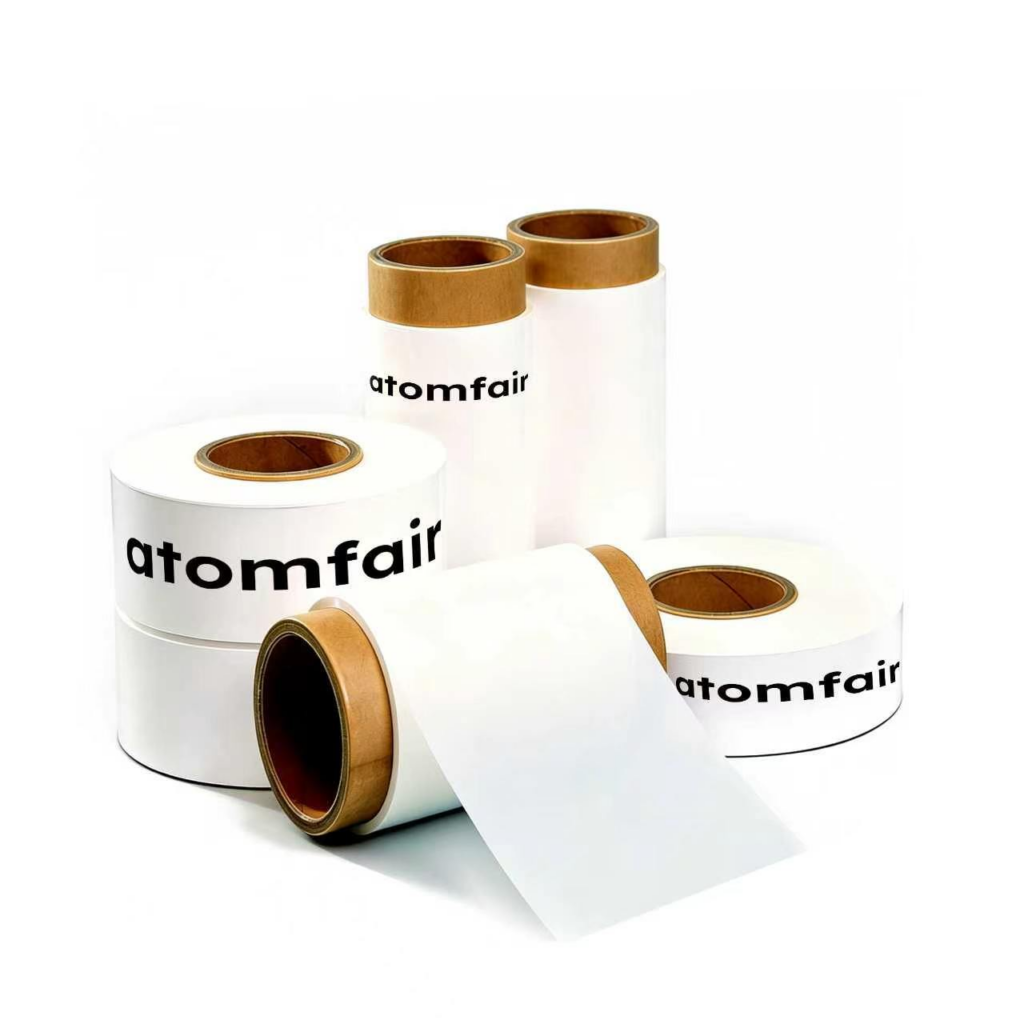
ATOMFAIR® Wet-PE Separator 9µm 60mm 10m R&D Grade
$222.00 -
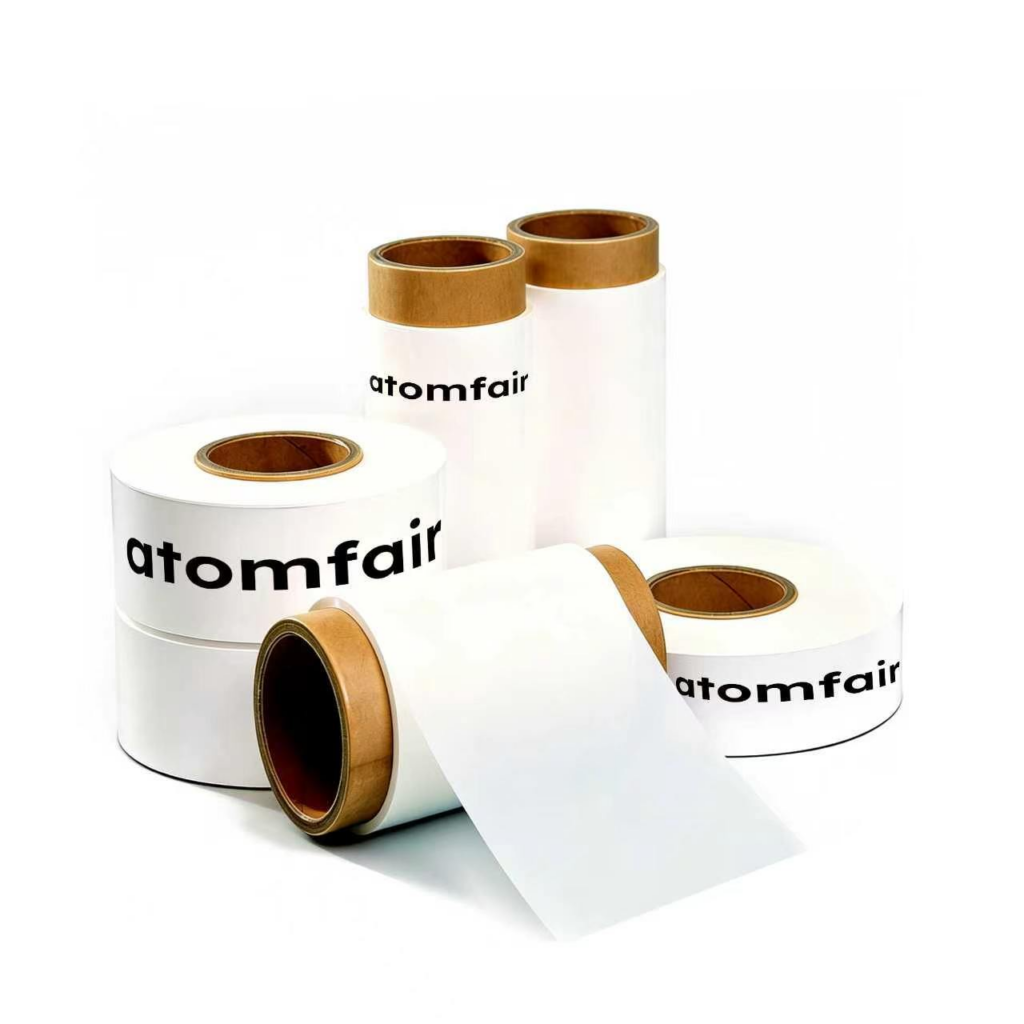
Cellulose Diaphragm Roll 30μm ISO 14001 Certified ATOMFAIR®
$349.00 -
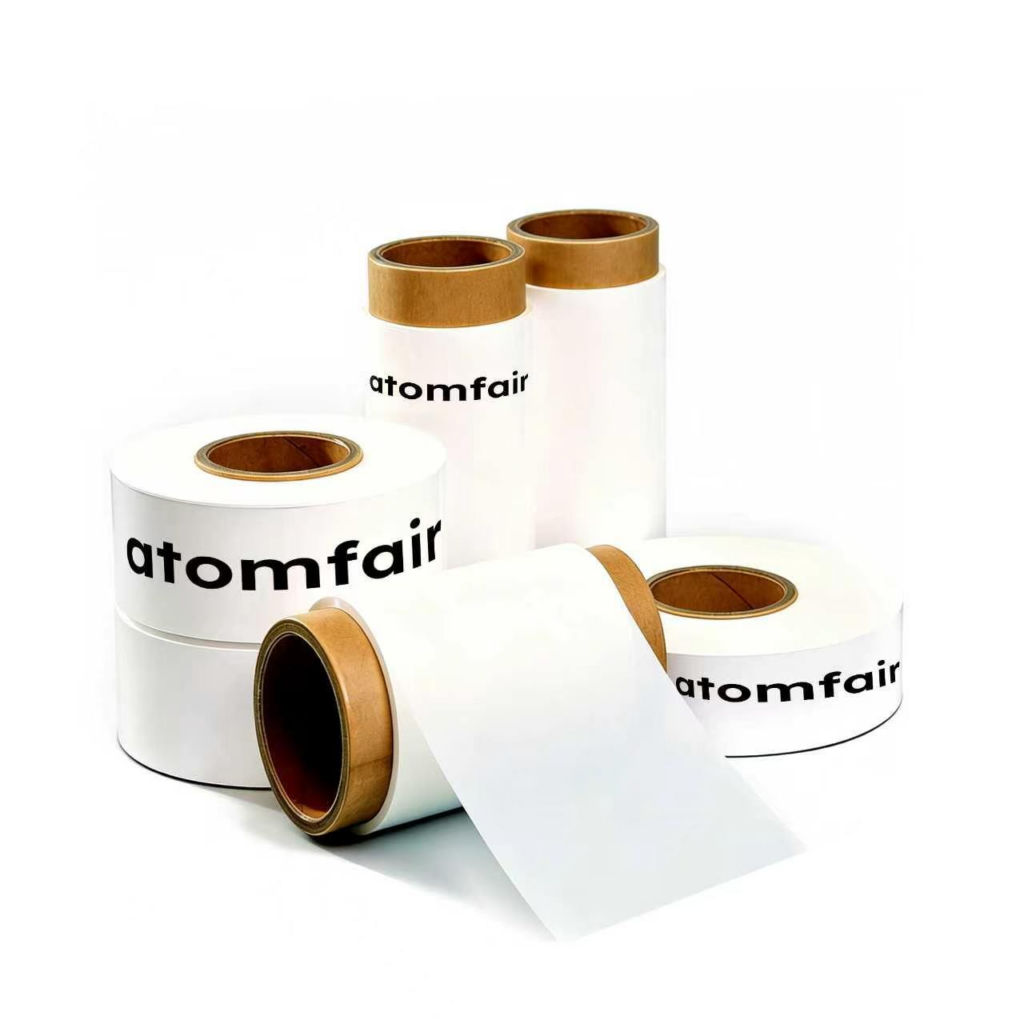
Dry PP Separator 20μm Low Shrinkage 60mm×100m ATOMFAIR®
$88.00 -
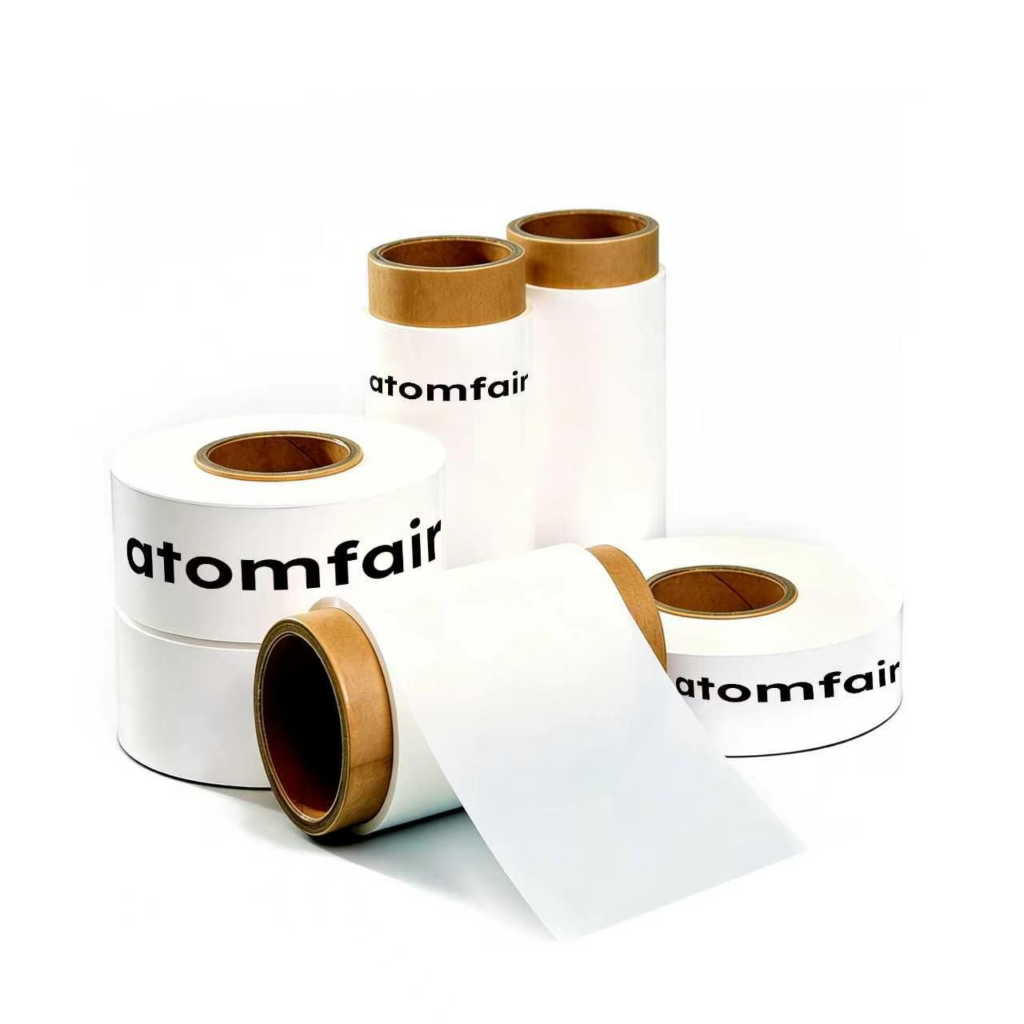
Dry Process PP Separator 16μm 60mm Li-rich ATOMFAIR®
$88.00 -
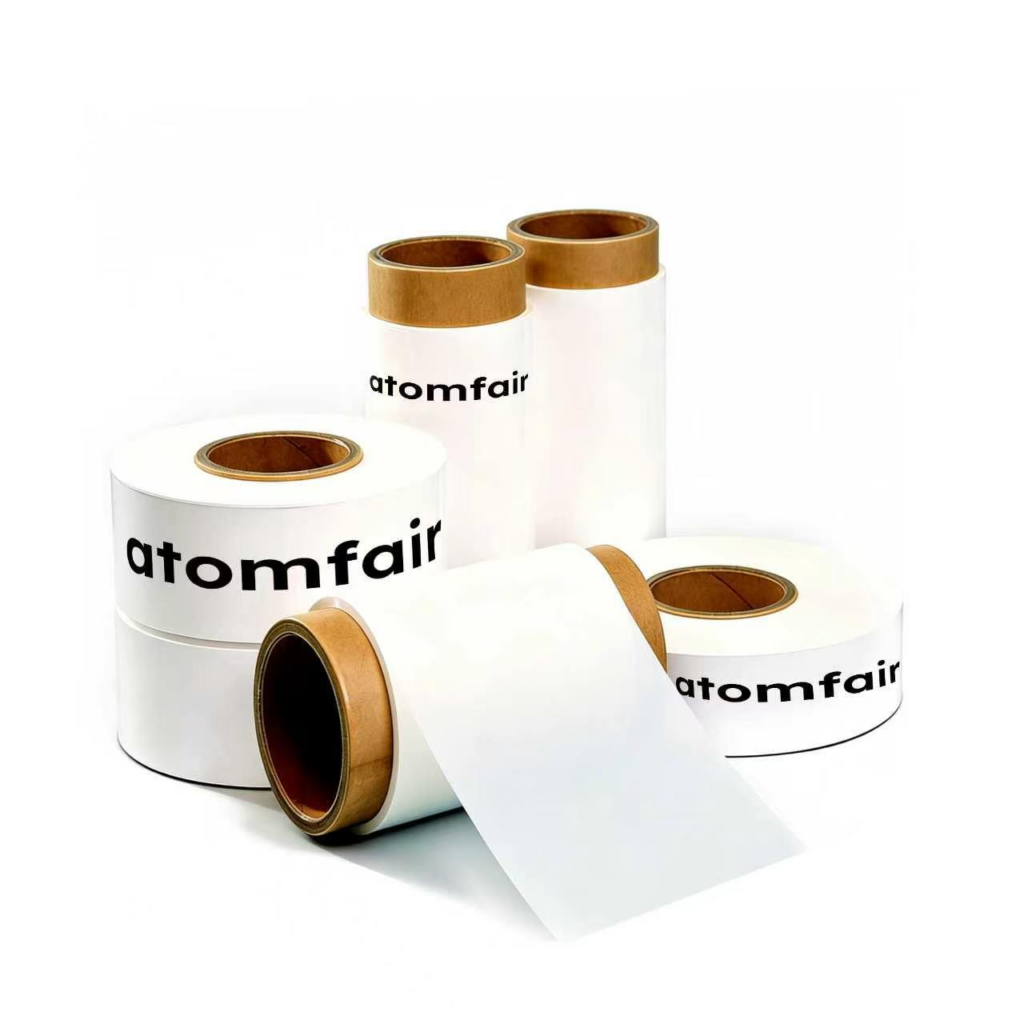
Dry Process PP Separator 20μm 60mm High Strength ATOMFAIR®
$68.00 -
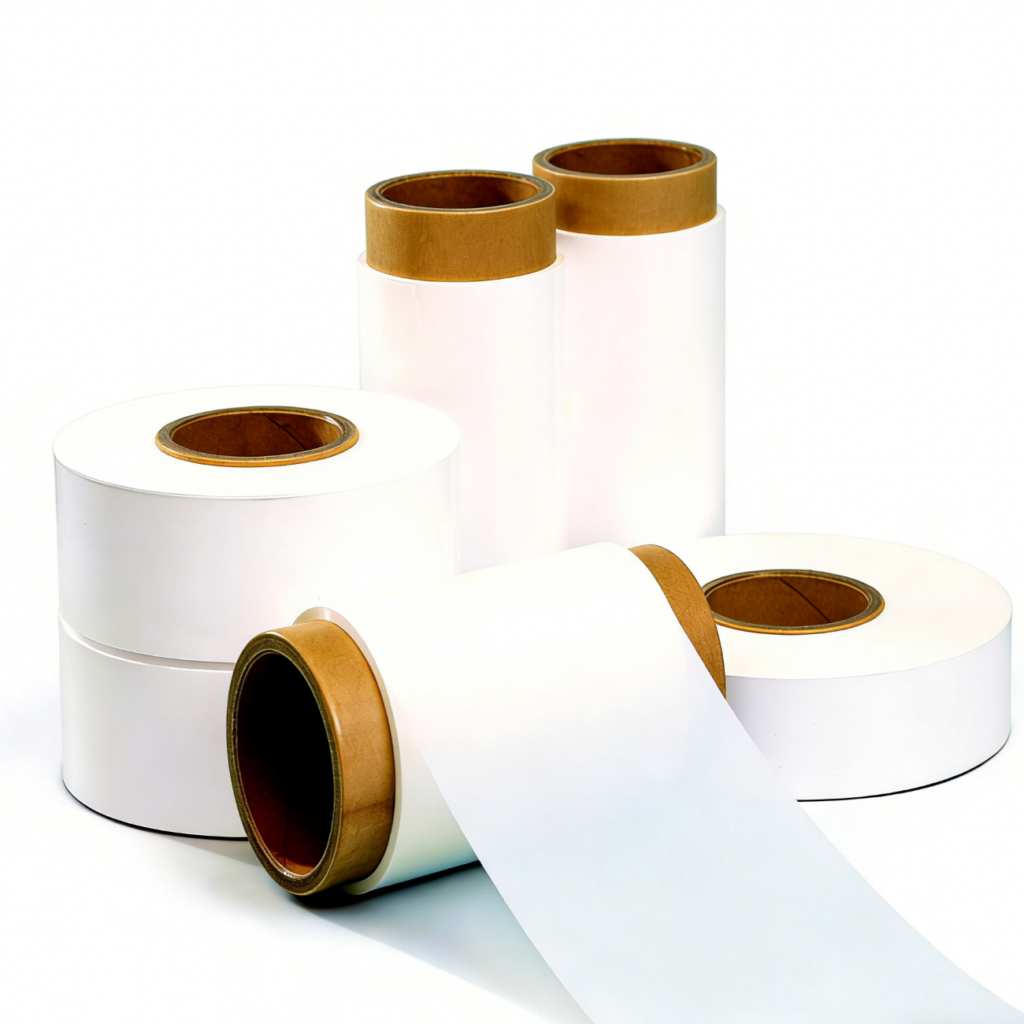
Dry Process PP Separator 25μm 60mm×100m High Tensile
$161.00 -
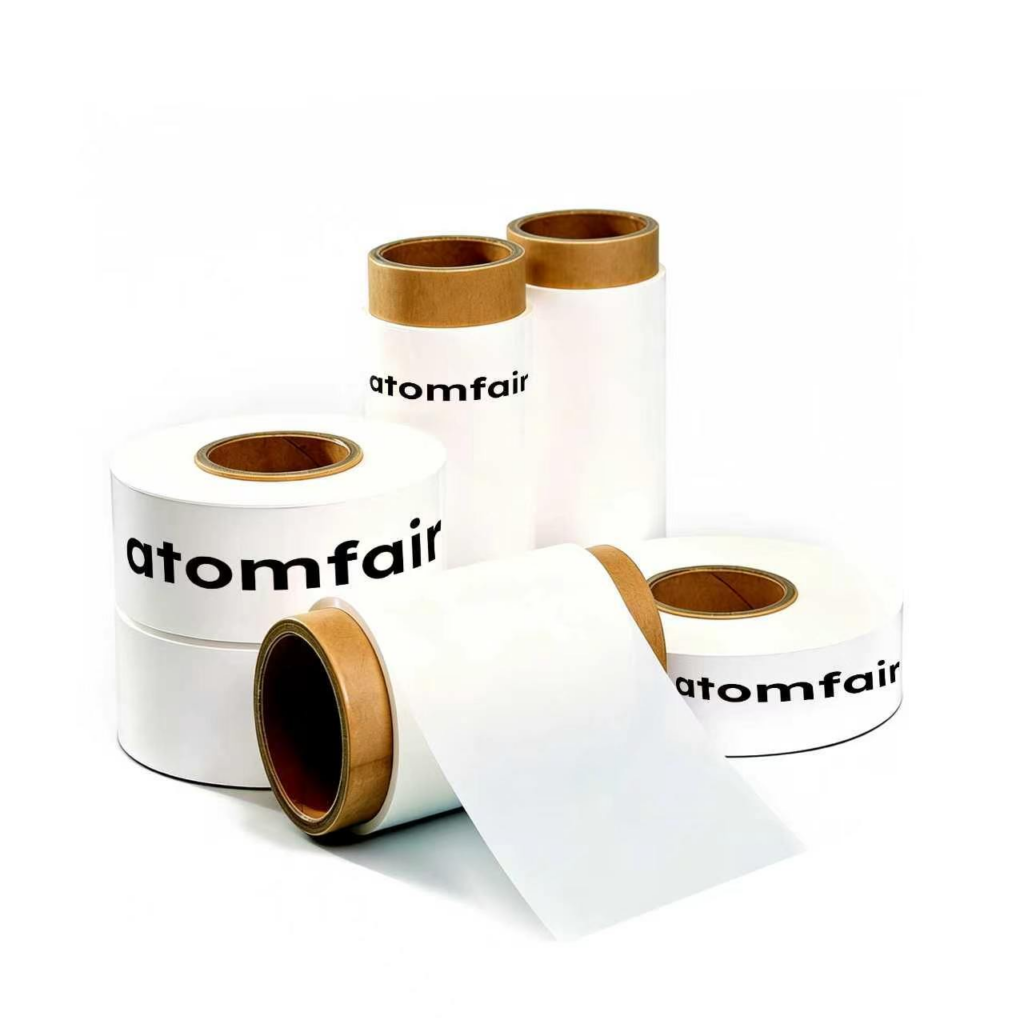
Dry-Process Polypropylene Separator 16μm 60mm 20m ATOMFAIR®
$68.00 -
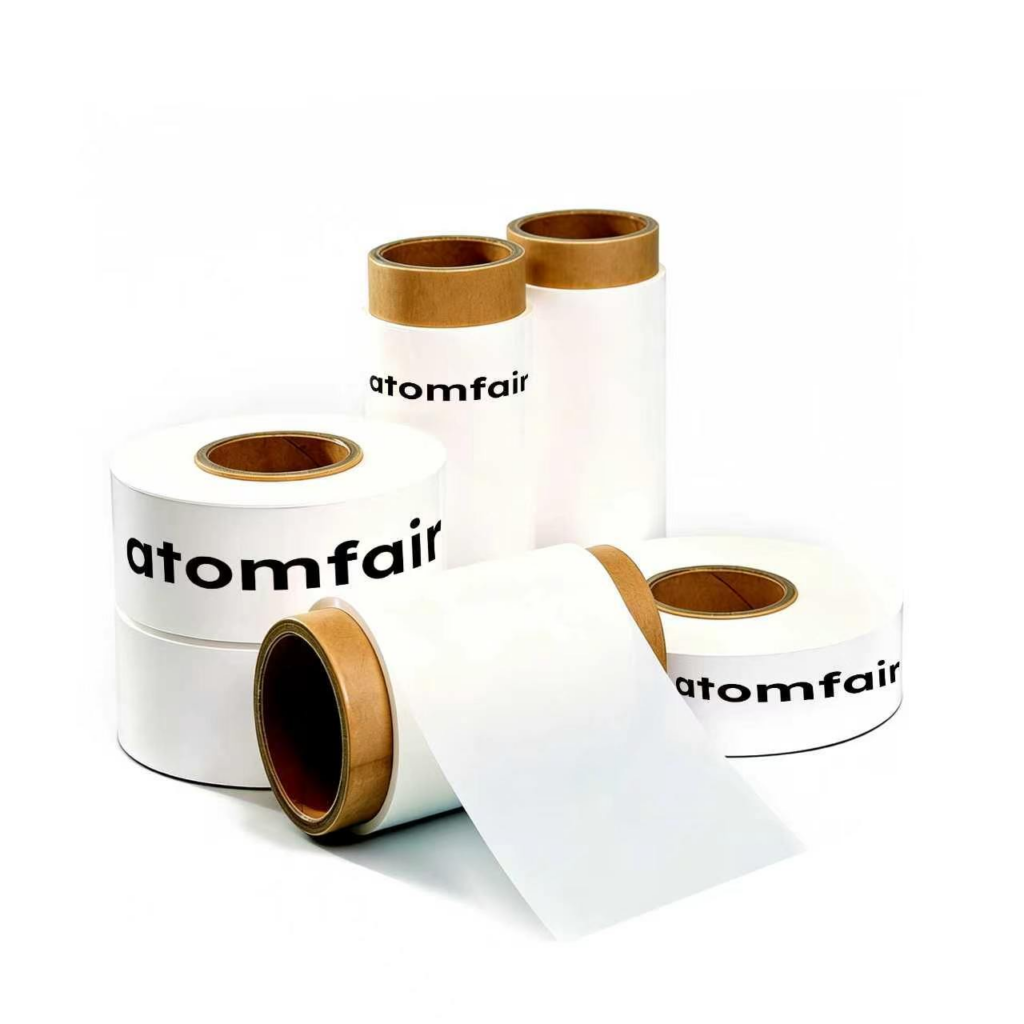
Dry-process PP Separator 16μm 60mm Li-rich Mn Cell ATOMFAIR®
$68.00 -
Dry-Process PP Separator 16μm 60mm×100m, Li-Mn Grade
$150.00 -
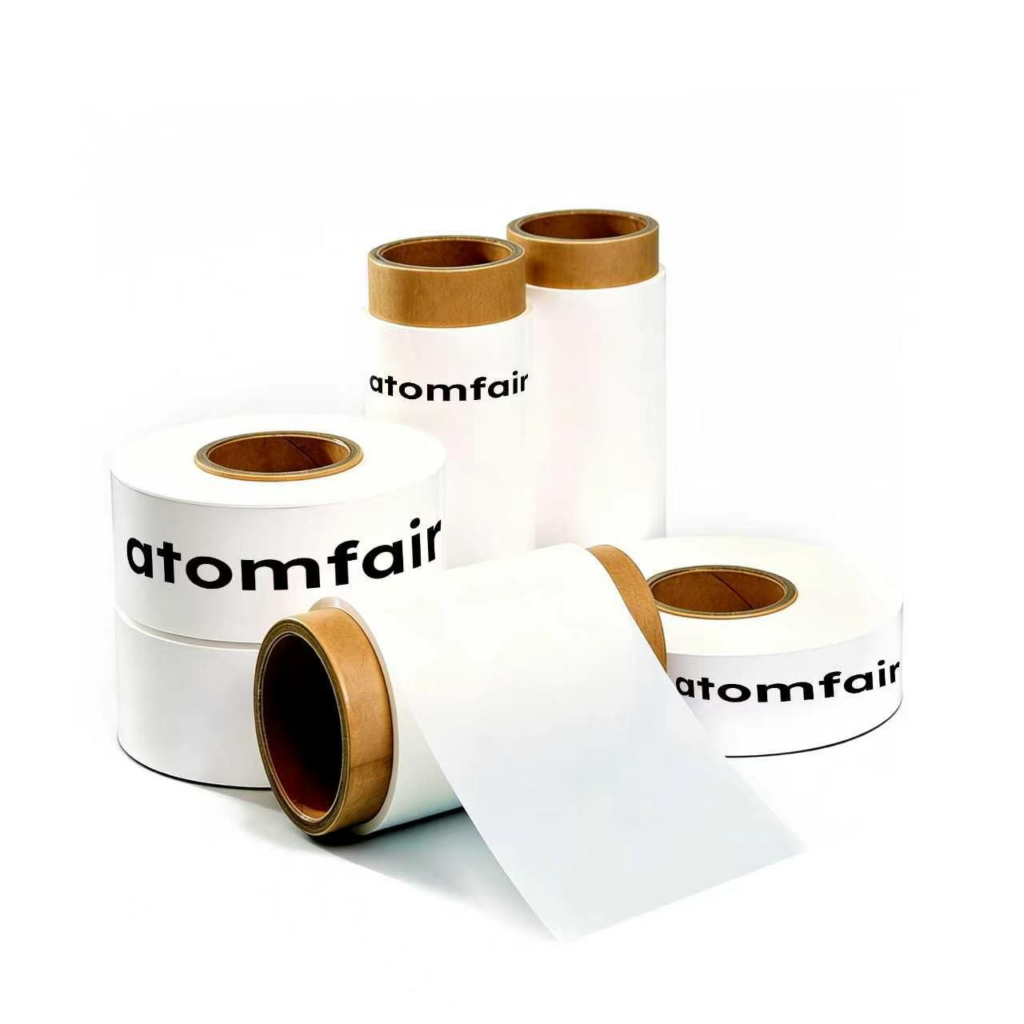
Dry-Process PP Separator 20μm 60mm Research Grade ATOMFAIR®
$58.00 -
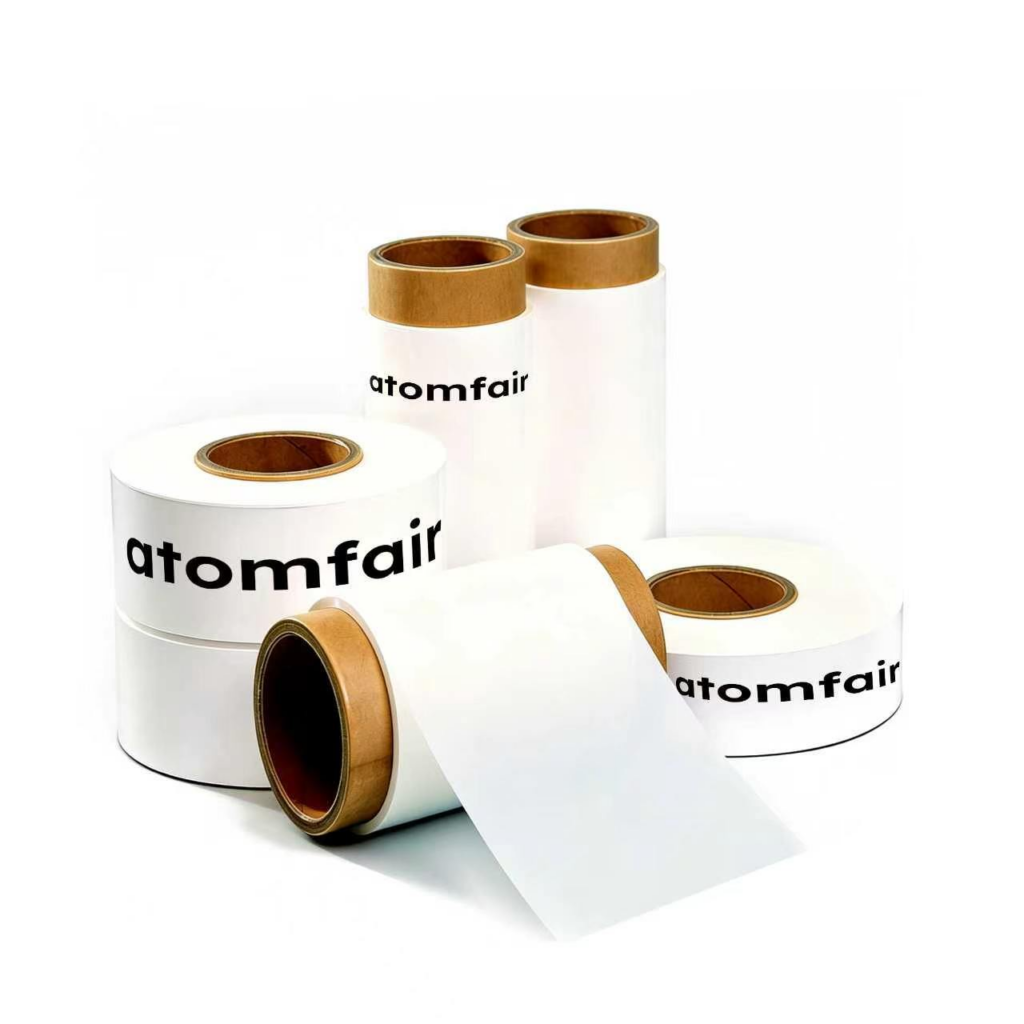
Dry-process PP Separator 20μm 60mm x 10m Li-rich
$58.00