
Pure Metal Evaporation Materials
Pure Metal Evaporation Materials are elemental metal source materials used for vacuum evaporation, thermal evaporation, resistive evaporation, electron beam evaporation, and related physical vapor deposition processes. Material selection should be based on the element, purity, physical form, dimensions, quantity, evaporation method, and compatibility with the deposition source.
Atomfair Pure Metal Evaporation Materials are suitable for thin-film deposition, vacuum coating, electronic materials, optical films, semiconductor research, advanced materials development, and laboratory process development. Materials can be selected according to the target element, film application, equipment configuration, and process requirements.
For specific elements, purity grades, dimensions, material forms, packaging requirements, or customized source configurations, please contact Atomfair for technical confirmation and quotation support.
Show More: Select Pure Metal Evaporation Materials by Element, Purity, Form, and Evaporation Method
Main Material Categories
Pure Metal Evaporation Materials can be selected according to the required film function, process temperature, source configuration, and research objective.
| Material Family | Typical Materials | Selection Considerations |
|---|---|---|
| Conductive Metals | Aluminum, copper, silver, gold, and other elemental metals | Film thickness, electrical requirements, purity, and contamination control |
| Refractory Metals | Tungsten, molybdenum, tantalum, niobium, titanium, and hafnium | Evaporation temperature, source capability, and thermal stability |
| Transition Metals | Iron, cobalt, nickel, chromium, and related elemental metals | Film composition, magnetic properties, process conditions, and substrate compatibility |
| Rare-Earth and Functional Metals | Cerium, dysprosium, gadolinium, erbium, ytterbium, and related materials | Purity, oxidation control, storage conditions, and application requirements |
Available Material Forms
Materials can be selected in different physical forms according to the evaporation source, loading method, chamber configuration, and required material utilization.
| Material Form | Typical Selection Consideration |
|---|---|
| Pellets or Granules | Convenient source loading with defined particle-size requirements |
| Pieces, Shots, or Slugs | Suitable for specific source geometries, melting behavior, or loading volumes |
| Rods or Wire | Suitable for systems designed for shaped or continuous source loading |
| Tablets or Custom Shapes | Useful when source volume, geometry, or material utilization must be controlled |
Purity and Specification Selection
The appropriate purity and specification depend on the film application, impurity tolerance, equipment conditions, and final performance requirements. Electronic, optical, semiconductor, and other contamination-sensitive applications may require stricter purity control.
| Specification | Information to Confirm |
|---|---|
| Element | Element name and chemical symbol |
| Purity | Required purity grade and impurity-control requirements |
| Size and Form | Particle size, dimensions, shape, and loading method |
| Quantity and Packaging | Required mass, package size, storage, and handling requirements |
| Technical Documents | Material certification, SDS, inspection documents, or custom documentation |
Evaporation Methods and Source Compatibility
Different elemental metals require suitable evaporation methods and source configurations. Common options include thermal evaporation, resistive evaporation, electron beam evaporation, tungsten or tantalum sources, evaporation boats, crucibles, liners, and water-cooled electron beam hearths.
When requesting a quotation, please provide the deposition equipment type, source specifications, chamber conditions, and target film parameters so that the material can be matched more accurately to the process.
Application Areas
| Vacuum Coating and Thin-Film Deposition | Metal film formation and laboratory coating processes |
| Conductive Layers and Electrodes | Development of conductive films and electrode structures |
| Optical and Electronic Materials | Research involving optical films, electronic materials, and functional coatings |
| Semiconductor and Advanced Materials Research | Material evaluation, process development, and small-batch trials |
| Surface Modification and Functional Coatings | Development of specialized surface and thin-film structures |
Frequently Asked Questions
What are Pure Metal Evaporation Materials?
Pure Metal Evaporation Materials are elemental metal source materials that are evaporated in a vacuum and deposited onto a substrate to form thin films.
What physical forms are available?
Common forms include pellets, granules, pieces, shots, slugs, rods, wire, tablets, and customized shapes. The suitable form depends on the metal and evaporation equipment.
Which equipment can be used with these materials?
Materials may be used with thermal, resistive, or electron beam evaporation systems. Actual compatibility depends on the material properties, source design, and process conditions.
How should material purity be selected?
Purity should be selected according to the film application, impurity tolerance, equipment conditions, and required final performance. Electronic, optical, and semiconductor applications may require stricter purity control.
Can dimensions and material forms be customized?
Customization or quotation support may be available depending on the element, dimensions, loading method, and equipment requirements. Please provide detailed technical specifications for review.
Are alloy materials included in this category?
This category is intended primarily for elemental metal materials. Alloy materials should generally be listed under Alloy Evaporation Materials, while oxides, nitrides, carbides, and other compounds should be classified according to their material system.
Request a Quotation
To help us confirm the most suitable material, please provide the element, purity, form, dimensions, quantity, evaporation method, source configuration, target application, and required technical documentation.
Showing 1–16 of 463 results
-
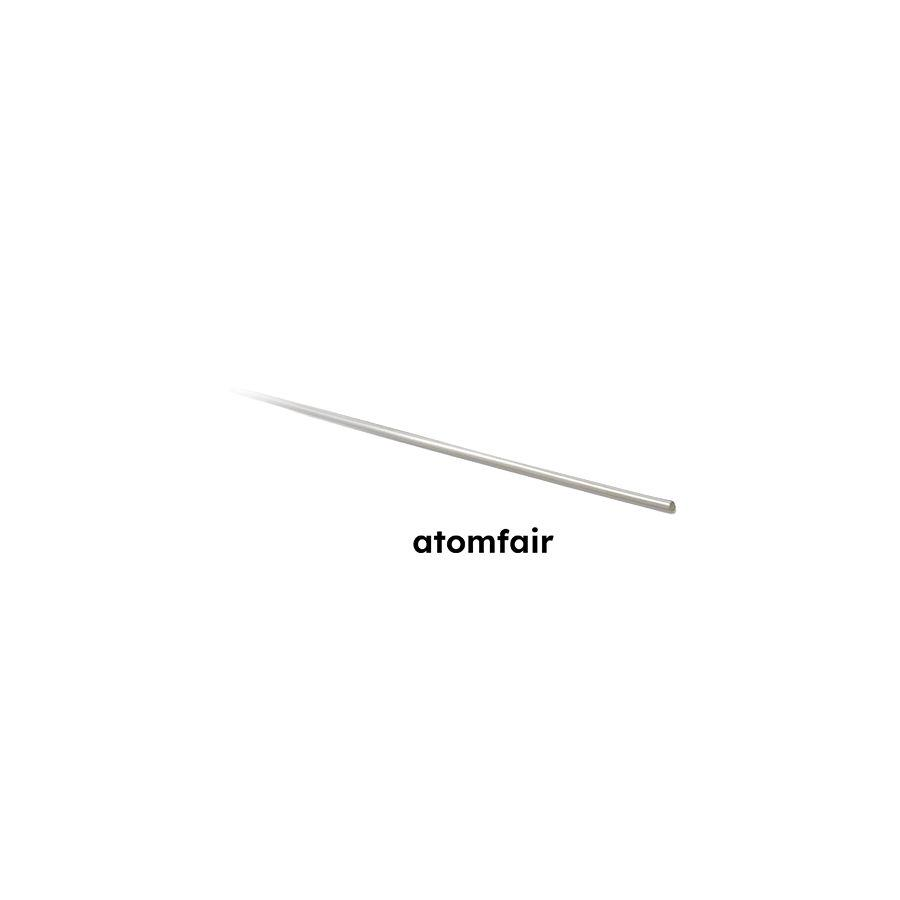
Aluminium Al Evaporation Wire 99.99% 1.0 mm ATOMFAIR®
Price range: $310.00 through $1,000.00 -
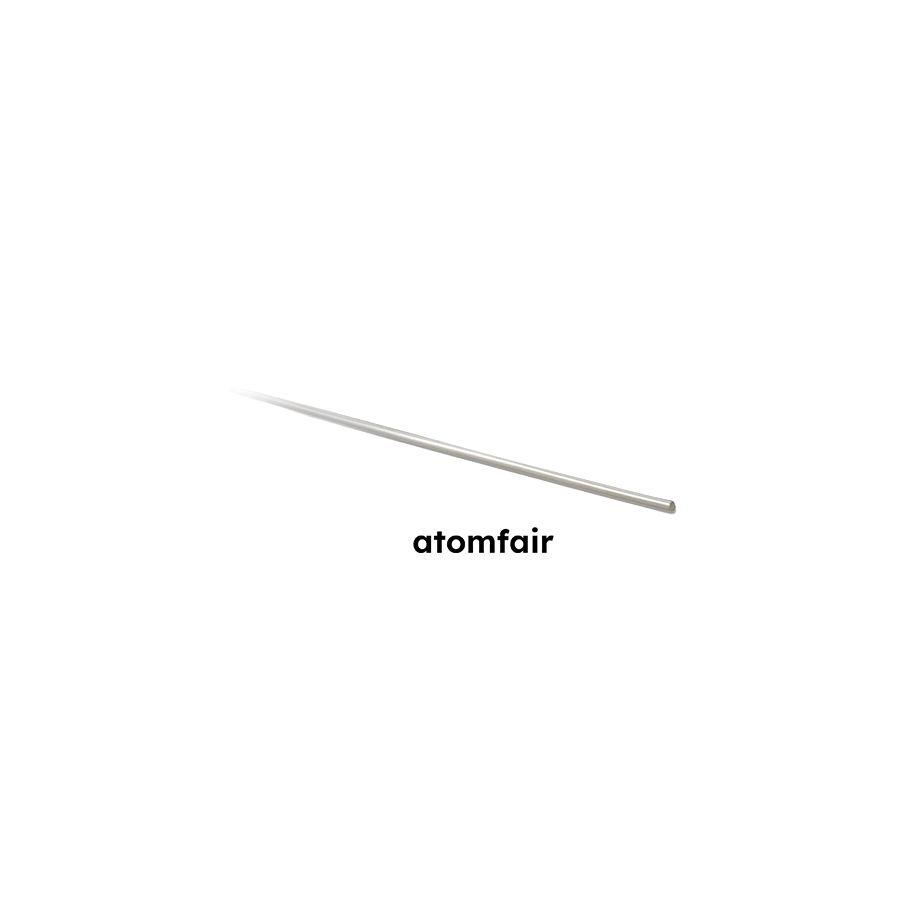
Aluminium Al Evaporation Wire 99.99% 2.0 mm ATOMFAIR®
Price range: $310.00 through $1,000.00 -
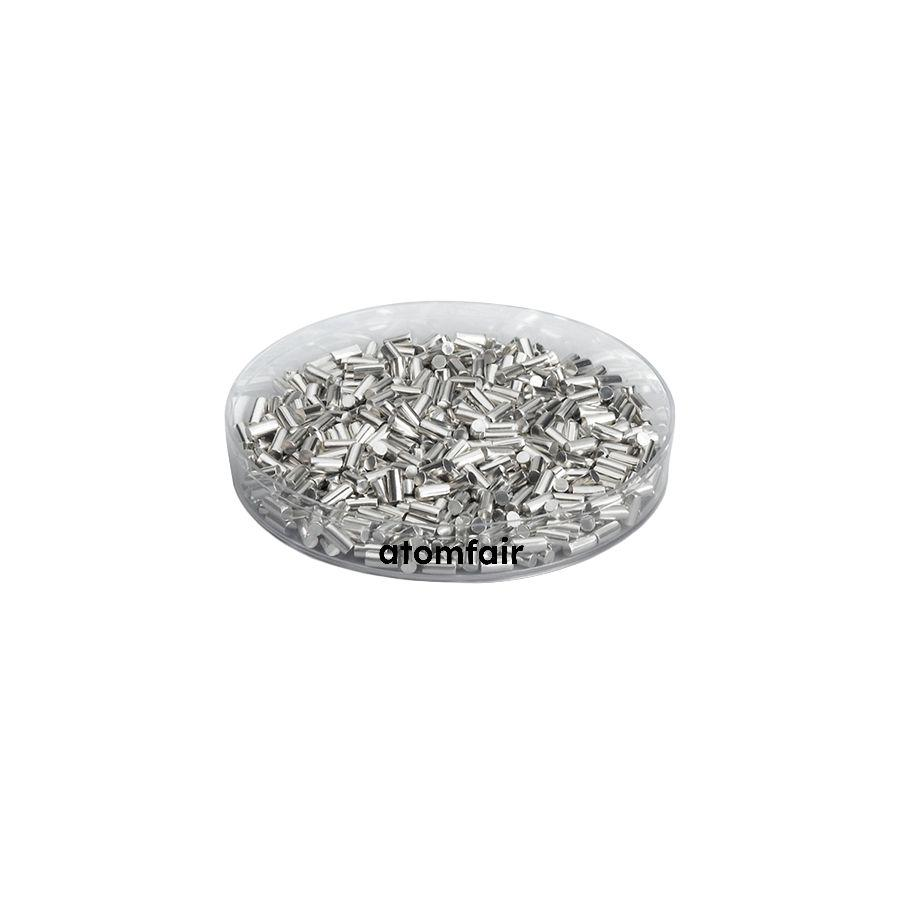
Aluminium Evaporation Pellets 99.99% 1-3 mm ATOMFAIR®
Price range: $310.00 through $1,000.00 -
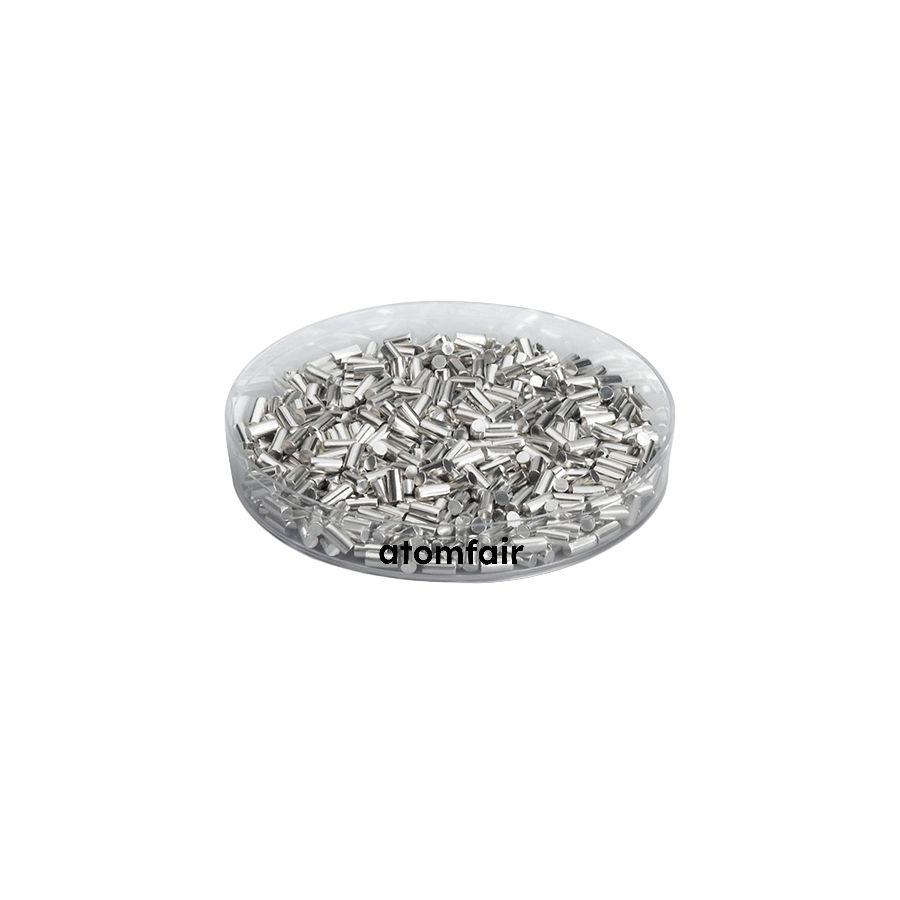
Aluminium Evaporation Pellets 99.99% 3-6 mm ATOMFAIR®
Price range: $310.00 through $1,000.00 -
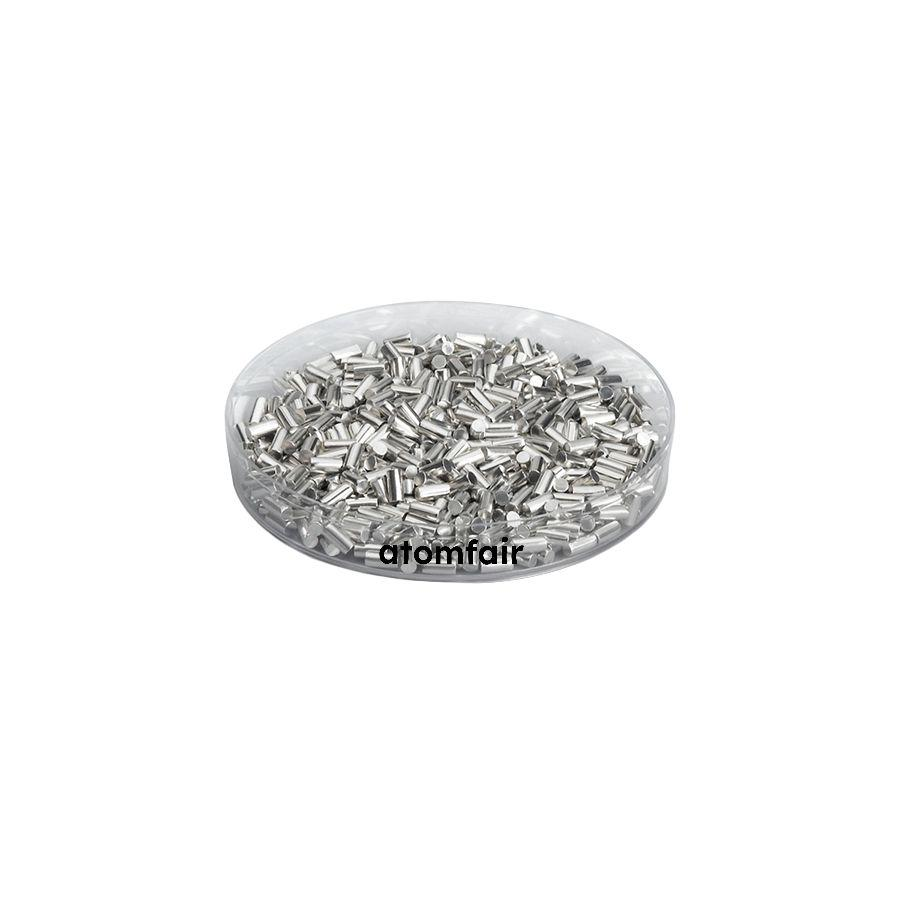
Aluminium Evaporation Pellets 99.999% 1-3 mm ATOMFAIR®
Price range: $200.00 through $1,400.00 -
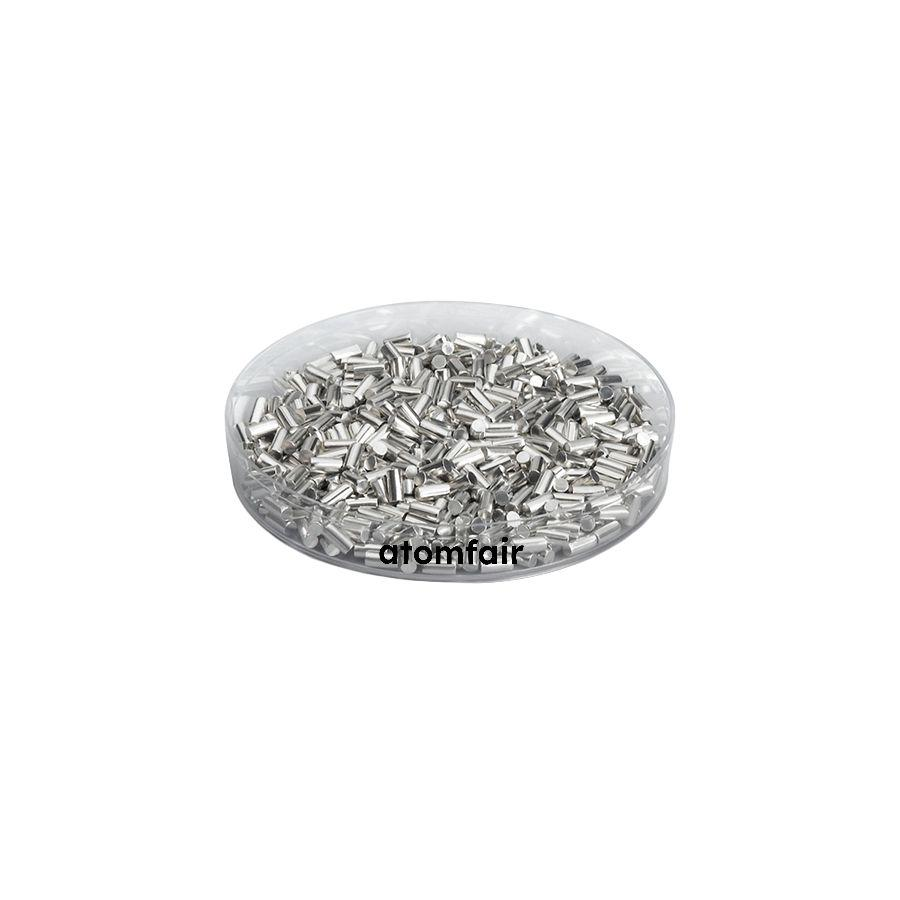
Aluminium Evaporation Pellets 99.999% 3-6 mm ATOMFAIR®
Price range: $200.00 through $1,400.00 -
Aluminium Evaporation Wire 99.999% 1.0 mm ATOMFAIR®
Price range: $200.00 through $1,400.00 -
Aluminium Evaporation Wire 99.999%, Dia. 2.0 mm ATOMFAIR®
Price range: $200.00 through $1,400.00 -
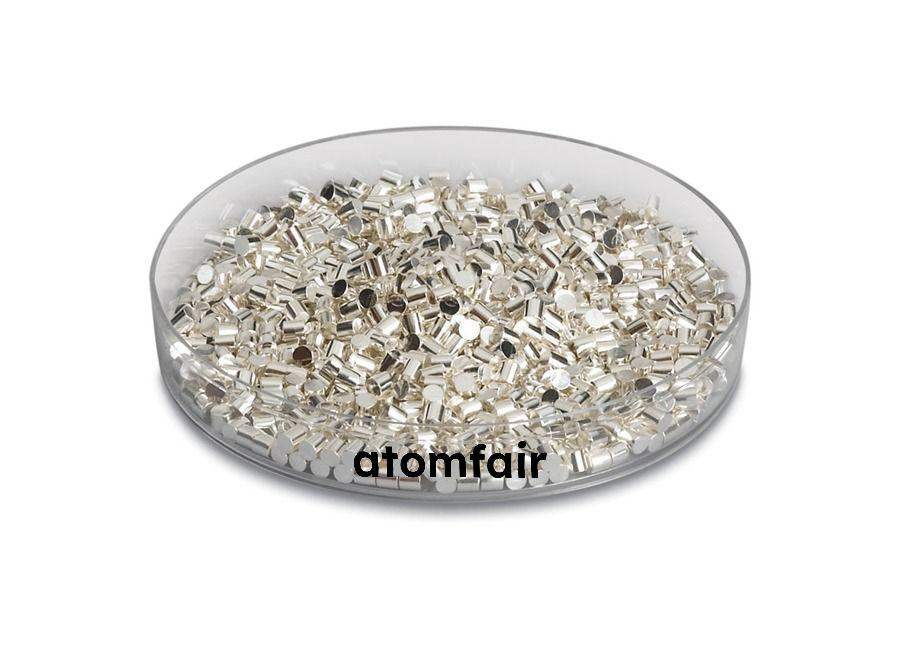
Barium (Ba) Evaporation Pellets 99.5%, 1-3 mm ATOMFAIR®
Price range: $430.00 through $1,550.00 -
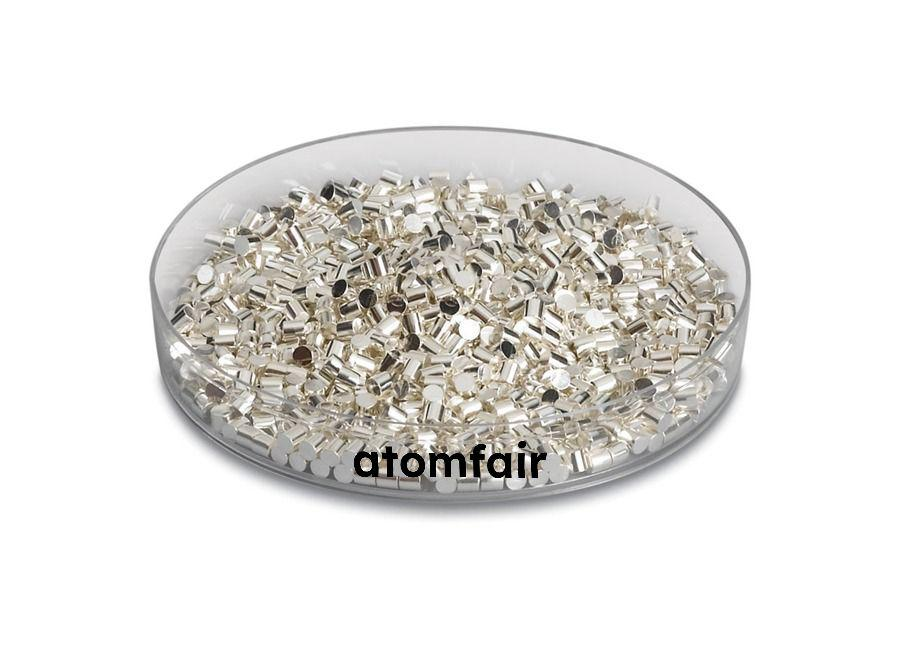
Barium (Ba) Evaporation Pellets 99.9% 1-3 mm ATOMFAIR®
Price range: $470.00 through $1,700.00 -
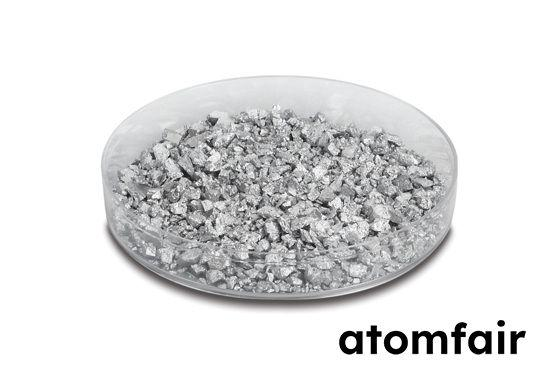
Barium (Ba) Evaporation Pieces 99.9% 1-10 mm ATOMFAIR®
Price range: $390.00 through $1,350.00 -
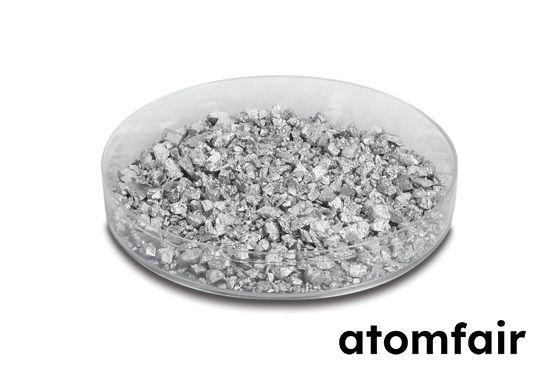
Barium Metal Evaporation Pieces 99.5% 1-10 mm ATOMFAIR®
Price range: $380.00 through $1,300.00 -
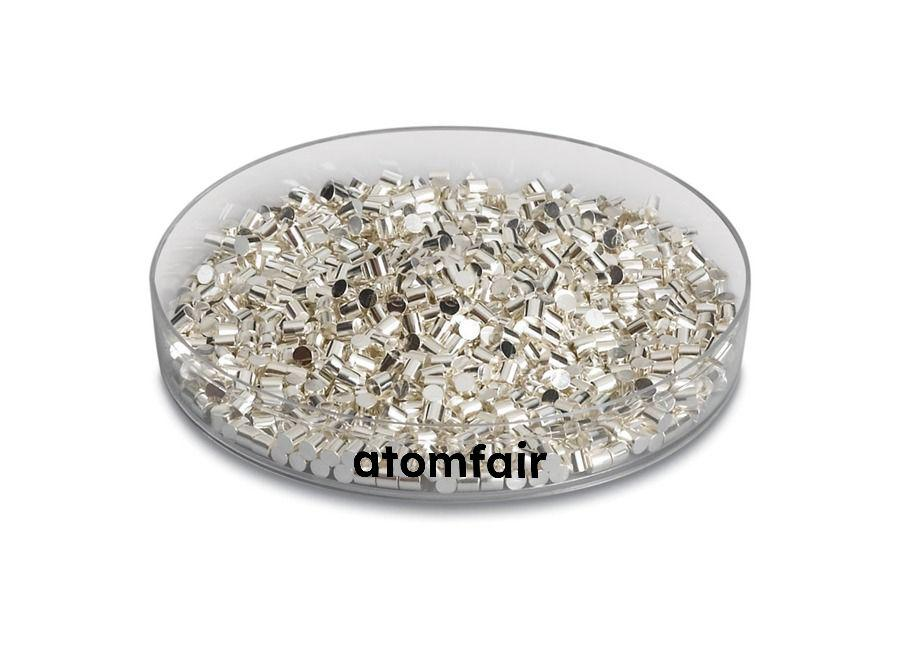
Beryllium Evaporation Pellets 99.5%, 1-3 mm ATOMFAIR®
Price range: $430.00 through $1,550.00 -
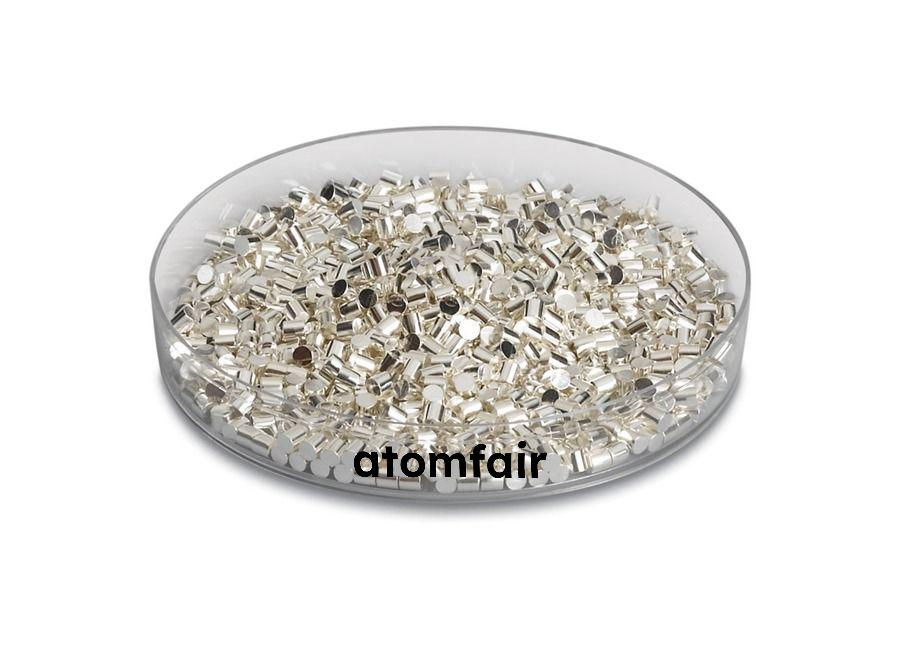
Beryllium Evaporation Pellets 99.9% 1-3 mm ATOMFAIR®
Price range: $470.00 through $1,700.00 -
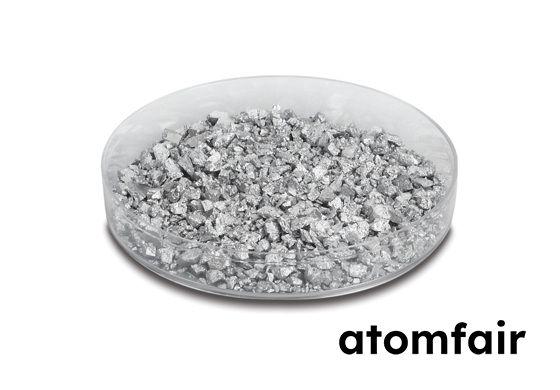
Beryllium Evaporation Pieces 99.5% 1-3 mm ATOMFAIR®
Price range: $380.00 through $1,300.00 -
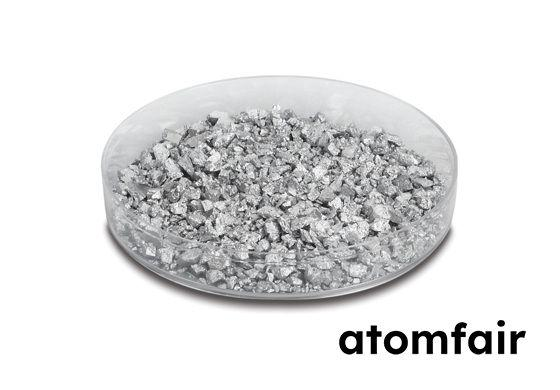
Beryllium Evaporation Pieces 99.5% 3-6 mm ATOMFAIR®
Price range: $380.00 through $1,300.00