
Metal Powders for 3D Printing
Metal powders for 3D printing are essential materials for metal additive manufacturing. They are used to produce complex structures, lightweight components, high-temperature parts, corrosion-resistant components, and functional prototypes. Alloy composition, particle size, sphericity, purity, flowability, and packaging conditions can all influence powder spreading, melting behavior, and the quality of the finished part.
This category brings together a broad selection of metal powders for 3D printing and additive manufacturing research, including stainless steel, aluminum alloys, titanium and titanium alloys, nickel-based superalloys, cobalt-based alloys, cobalt-chromium-molybdenum alloys, copper and copper alloys, maraging steel, and other specialty alloy systems. Materials can be selected according to strength, weight, heat resistance, corrosion resistance, thermal conductivity, wear resistance, and biocompatibility requirements.
Metal powders in this category can support applications in aerospace, automotive manufacturing, medical devices, tooling, energy systems, electronic thermal management, industrial components, research, and process validation. Choose the appropriate material according to your equipment, manufacturing process, component design, and target performance.
Show More: How to Choose the Right Metal Powder
Stainless Steel and High-Strength Steel Powders
Stainless steel powders are suitable for parts that require a combination of mechanical performance, corrosion resistance, and dimensional stability. Common material families include 304L, 316L, 17-4PH, and 15-5PH stainless steel powders. They can be used for structural components, functional prototypes, chemical processing parts, medical components, food-processing equipment, and industrial fixtures.
Maraging steel and other high-strength steel powders are suitable for applications that require high strength, hardness, and dimensional stability. Typical applications include tooling, molds, aerospace structures, and high-load mechanical components.
Aluminum Alloy Powders
Aluminum alloy powders offer low weight, high specific strength, and strong potential for lightweight design. They are suitable for automotive components, aerospace thin-wall structures, heat-management parts, complex internal channels, and topology-optimized components.
AlSi10Mg and aluminum alloys containing manganese, rare-earth elements, zirconium, or other strengthening elements can be selected according to strength, weight, thermal performance, and forming requirements.
Titanium and Titanium Alloy Powders
Titanium and titanium alloy powders are suitable for applications requiring high strength, low density, corrosion resistance, or biocompatibility. Common material families include commercially pure titanium, Ti6Al4V, BT20, and other titanium alloy systems.
These powders can be used for aerospace components, medical implants, artificial joints, lightweight structures, complex brackets, and high-performance engineering parts.
Nickel-Based Superalloy Powders
Nickel-based superalloy powders are suitable for high-temperature, high-load, and demanding operating environments. Common material families include IN625, IN718, IN939, Hastelloy X, Haynes alloys, and other nickel-based superalloys.
These materials are commonly considered for aero-engine components, gas-turbine parts, hot-section structures, heat-resistant mechanical components, chemical-processing equipment, and energy-system components.
Cobalt-Based and Cobalt-Chromium-Molybdenum Powders
Cobalt-based and cobalt-chromium-molybdenum powders generally offer good wear resistance, corrosion resistance, and high-temperature stability. They are suitable for medical, dental, aerospace, industrial wear-resistant, and high-temperature components.
Material selection should take into account the component load, wear conditions, corrosive environment, heat-treatment requirements, and any subsequent surface finishing or machining processes.
Copper and Copper Alloy Powders
Copper and copper alloy powders are suitable for components that require electrical conductivity, thermal conductivity, or efficient heat transfer. Common material directions include pure copper, copper-chromium-zirconium alloys, bronze, and other copper alloy systems.
These materials can be used for thermal-management structures, heat exchangers, electrical components, conductive parts, conformal cooling systems, and functional industrial components.
Specialty Alloy and Research Metal Powders
Specialty alloys, research-grade alloys, and compositionally modified metal powders are suitable for new material development, process-parameter validation, complex alloy research, and customized additive manufacturing projects.
These materials can be selected according to alloy composition, particle size, equipment type, manufacturing process, and target performance. For special compositions, particle sizes, or packaging requirements, confirm the available specifications before ordering.
Choose Materials by Application
| Application Focus | Suitable Material Directions |
|---|---|
| Lightweight structures | Aluminum alloys and titanium alloys |
| High-temperature components | Nickel-based superalloys, cobalt-based alloys, and selected titanium alloys |
| Corrosion-resistant parts | 316L and other stainless steels, nickel alloys, and cobalt-chromium-molybdenum alloys |
| High-strength tooling and molds | Maraging steel, precipitation-hardening steel, and other high-strength steel powders |
| Medical and biocompatible parts | Titanium alloys and cobalt-chromium-molybdenum alloys |
| Thermal and electrical components | Pure copper and copper alloys |
| Material research and process development | Specialty alloys, research-grade powders, and customized material systems |
Key Selection Factors
When selecting metal powders for 3D printing, consider the following factors:
| Selection Factor | Why It Matters |
|---|---|
| Alloy type and composition | Determines the material’s strength, weight, corrosion resistance, heat resistance, conductivity, and other performance characteristics. |
| Particle size and distribution | Affects powder spreading, layer thickness, packing behavior, and process stability. |
| Sphericity and flowability | Influence powder movement, recoating consistency, and the uniformity of deposited layers. |
| Equipment compatibility | Different machines and process routes may require different powder characteristics and operating conditions. |
| Storage and packaging | Proper sealing and environmental control help protect the powder from moisture, oxidation, and contamination. |
Storage and Handling
Metal powders should generally be stored in sealed, dry conditions and protected from moisture, oxidation, and contamination. Reactive or oxygen-sensitive powders may require dry-room or inert-gas handling according to the specific product requirements.
Always review the product specifications before opening, transferring, or processing the powder. Storage conditions, packaging format, handling environment, and process compatibility may vary between different alloy families.
Frequently Asked Questions
What are metal powders for 3D printing?
Metal powders for 3D printing are powdered metal materials used in additive manufacturing. A laser, electron beam, or another energy source selectively processes the powder layer by layer to create three-dimensional metal components.
How do I choose the right metal powder?
Start with the component requirements, including strength, weight, temperature, corrosion, conductivity, wear, and biocompatibility. Then confirm the alloy family, particle size, and compatibility with your equipment and manufacturing process.
Is a smaller particle size always better?
Not necessarily. Particle size should match the printer, powder-spreading system, layer thickness, and process parameters. Both excessively fine and excessively coarse powders may affect spreading and forming performance.
Can one metal powder be used with every 3D printer?
No. Different printers and process routes use different energy sources, layer thicknesses, powder-spreading systems, and process parameters. Always confirm material compatibility before ordering.
How should metal powders be stored?
Metal powders should generally be stored in sealed, dry conditions and protected from moisture, oxidation, and contamination. Some reactive materials may require dry or inert-gas storage according to the product specifications.
Can metal powders be used for aerospace and medical applications?
Yes. Titanium alloys, nickel-based superalloys, stainless steels, and cobalt-chromium-molybdenum alloys are commonly considered for aerospace, medical, automotive, energy, and industrial applications. The appropriate material should be selected according to the component design and application requirements.
What are research-grade metal powders used for?
Research-grade powders are suitable for material studies, process development, printing-parameter testing, prototype manufacturing, and evaluation of new alloy systems. Production applications may require additional validation of material consistency and component performance.
Are different particle sizes and specifications available?
Different alloy families may be available in different particle size ranges, package formats, and material specifications. If the listed options do not fully match your project, confirm the available specifications before placing an order.
Showing 1–16 of 40 results
-
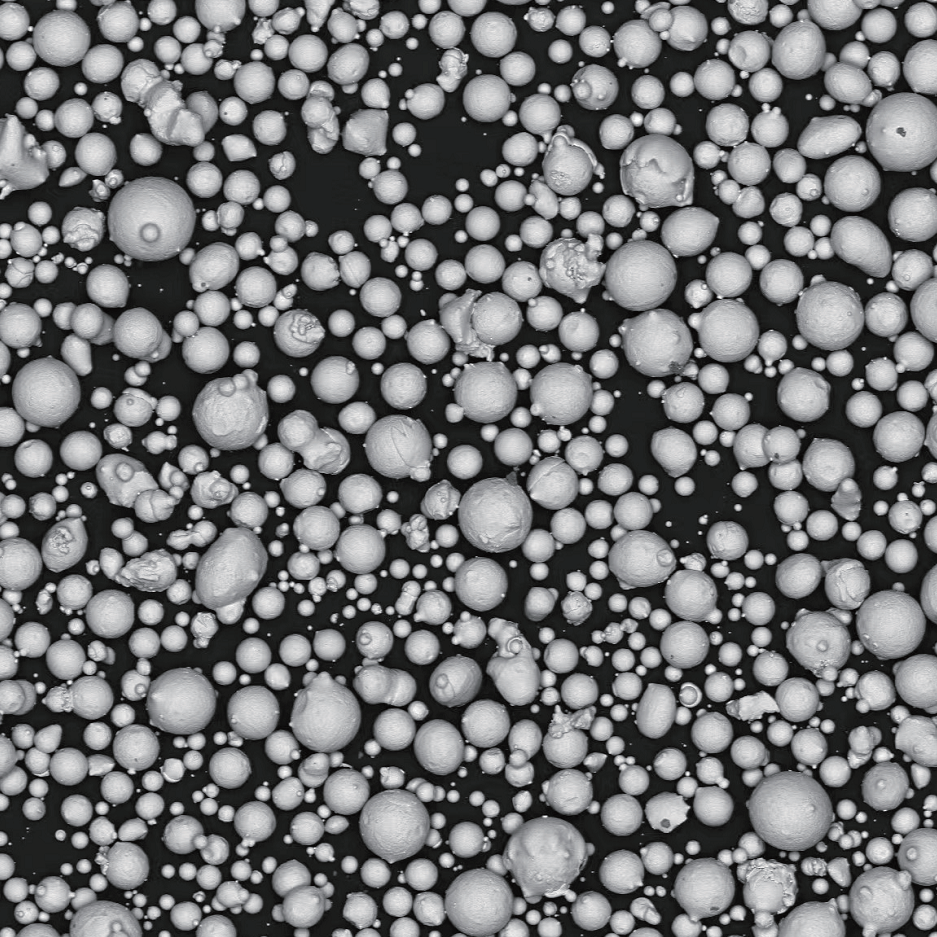
15-5PH Stainless Steel Powder 1kg 15-53μm ATOMFAIR®
$217.00 -
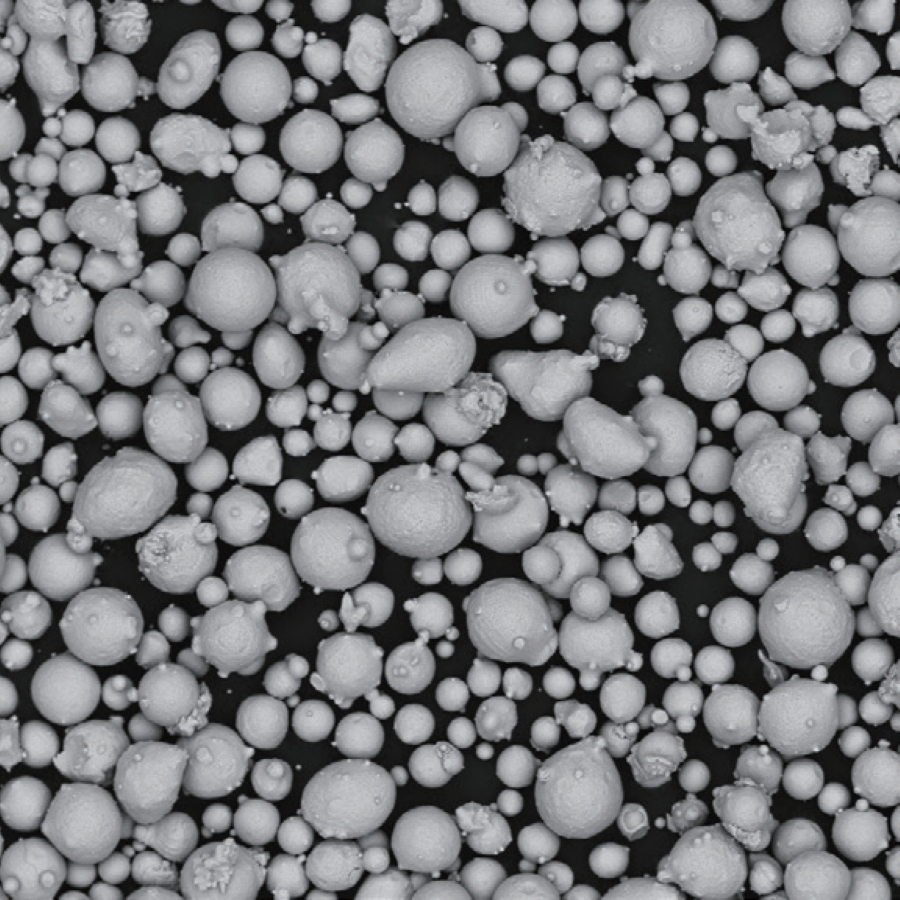
17-4PH Stainless Steel Powder 15-53μm Lab Grade ATOMFAIR®
Price range: $212.00 through $214.00 -
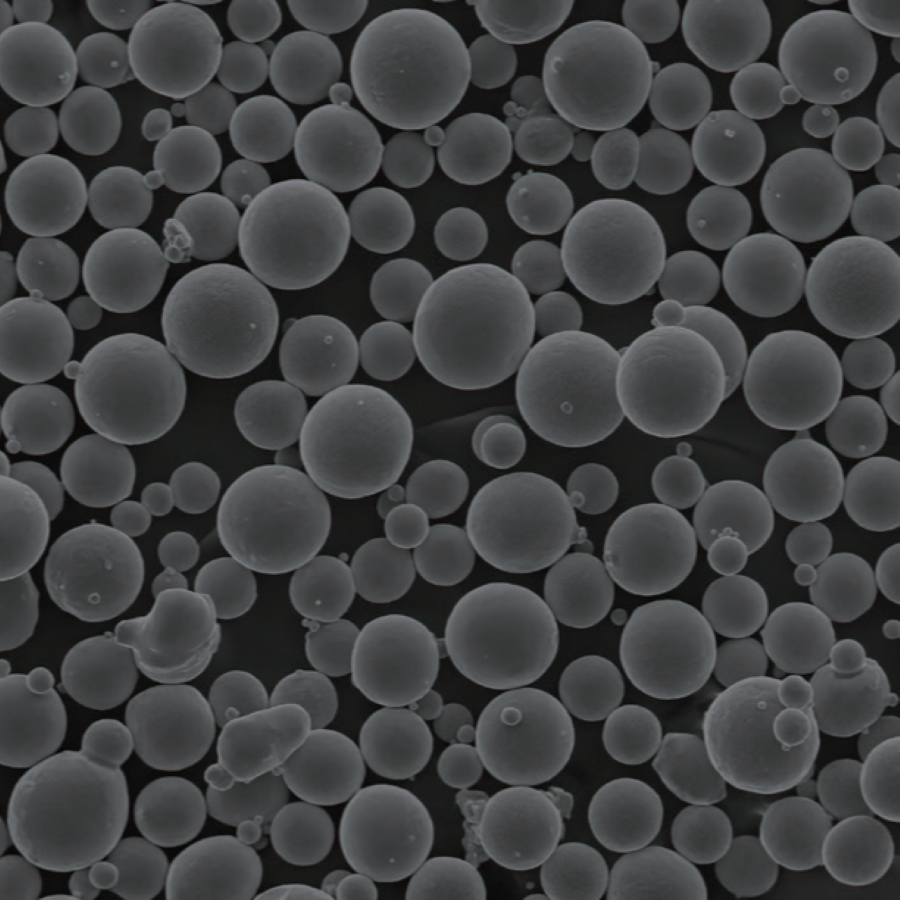
18Ni Maraging Steel Powder 1kg 15-53μm Aerospace ATOMFAIR®
$251.00 -
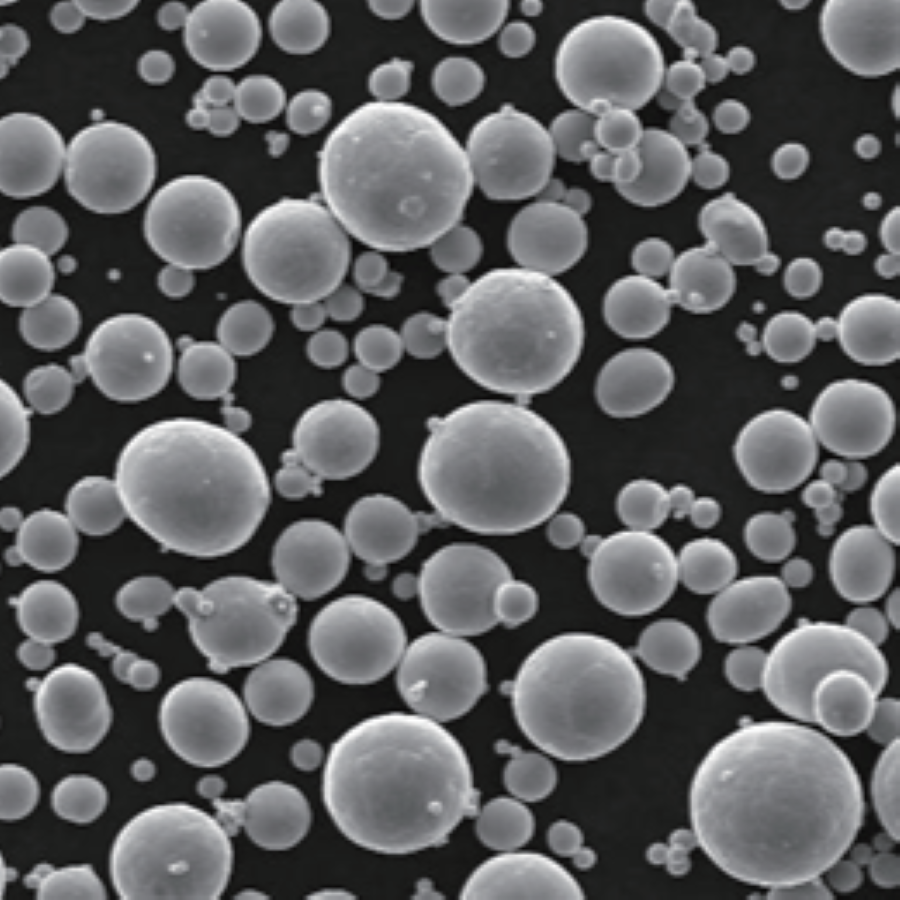
304L Stainless Steel Powder 15-53μm Research Grade ATOMFAIR®
$215.00 -
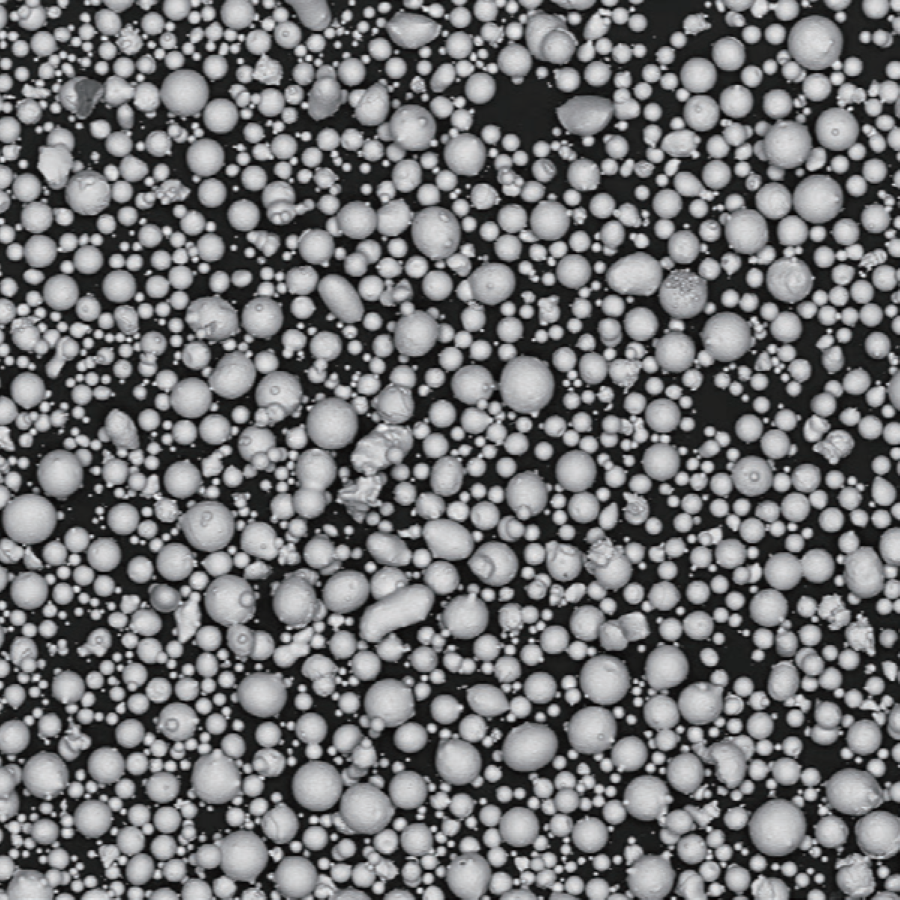
316L Stainless Steel Research Powder 1kg 15-53μm ATOMFAIR®
Price range: $214.00 through $221.00 -
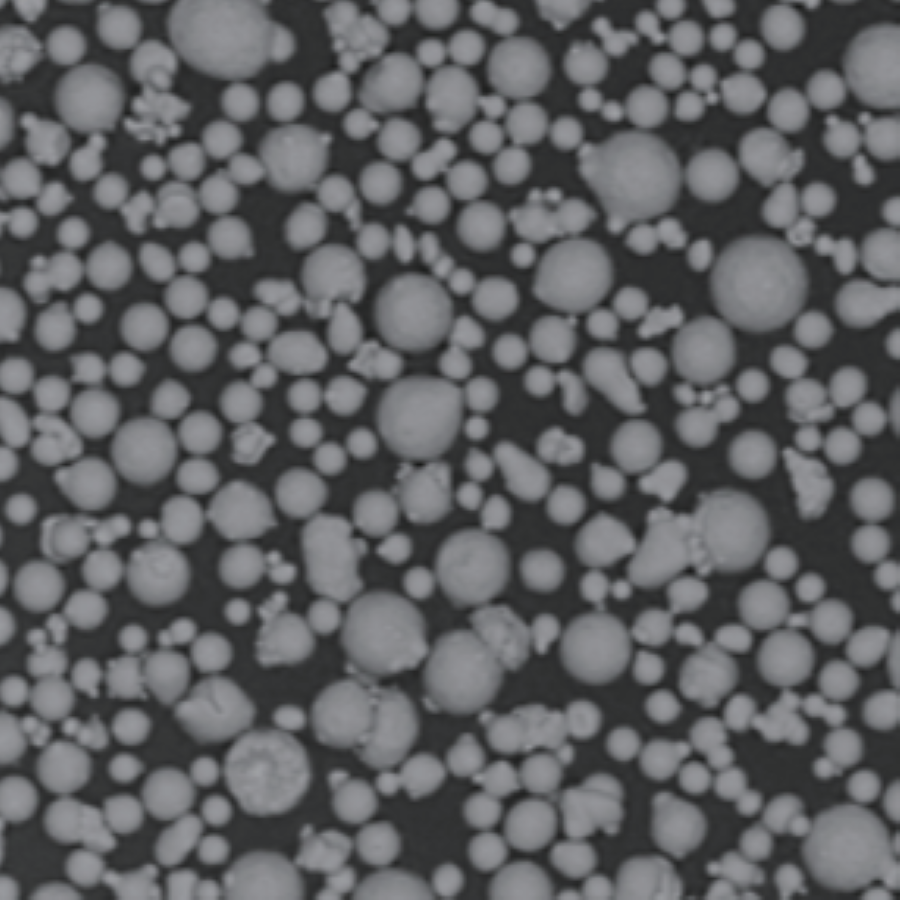
AlMnErZr Alloy Powder 15-53μm Research Grade ATOMFAIR®
$465.00 -
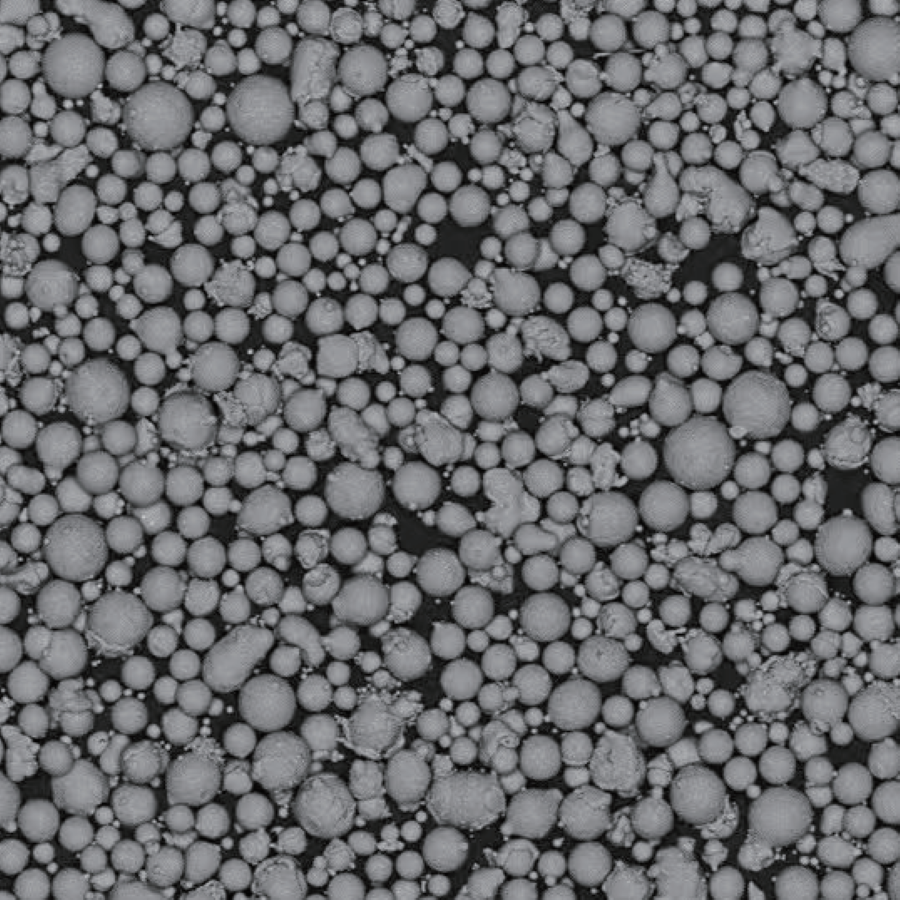
ALRE Spherical Alloy Powder 30-45μm Research Grade ATOMFAIR®
$1,200.00 -
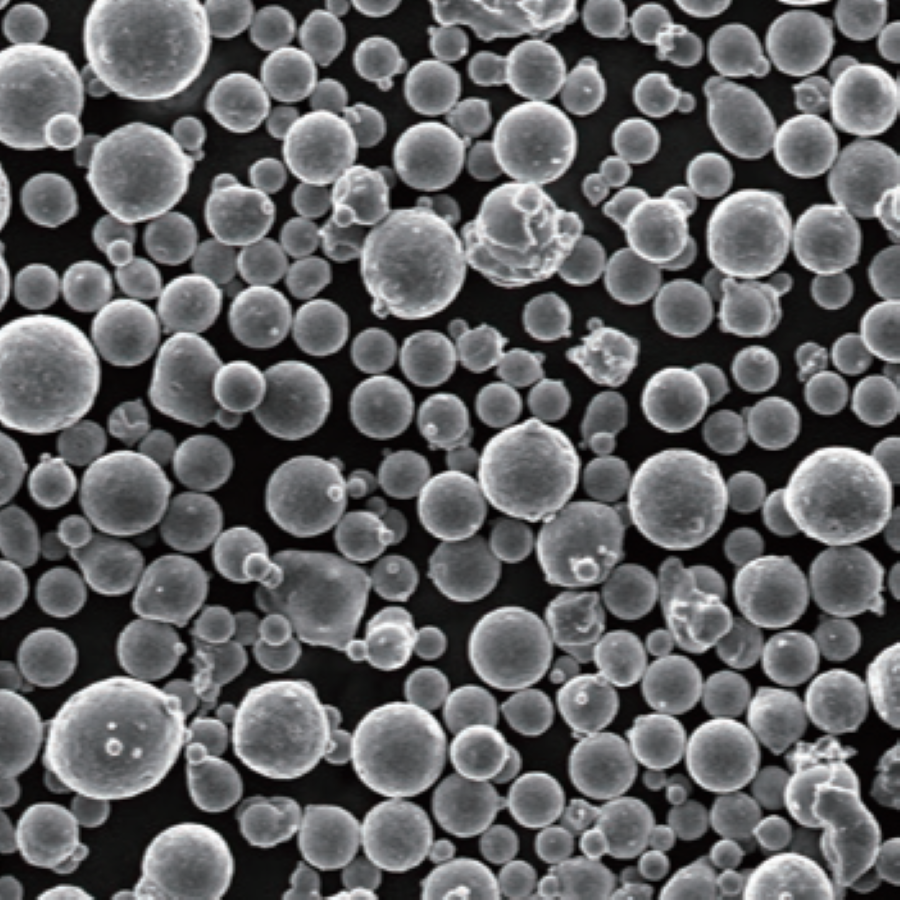
AlSi10Mg Aluminum-Silicon Alloy Powder 15-53μm ATOMFAIR®
$320.00 -
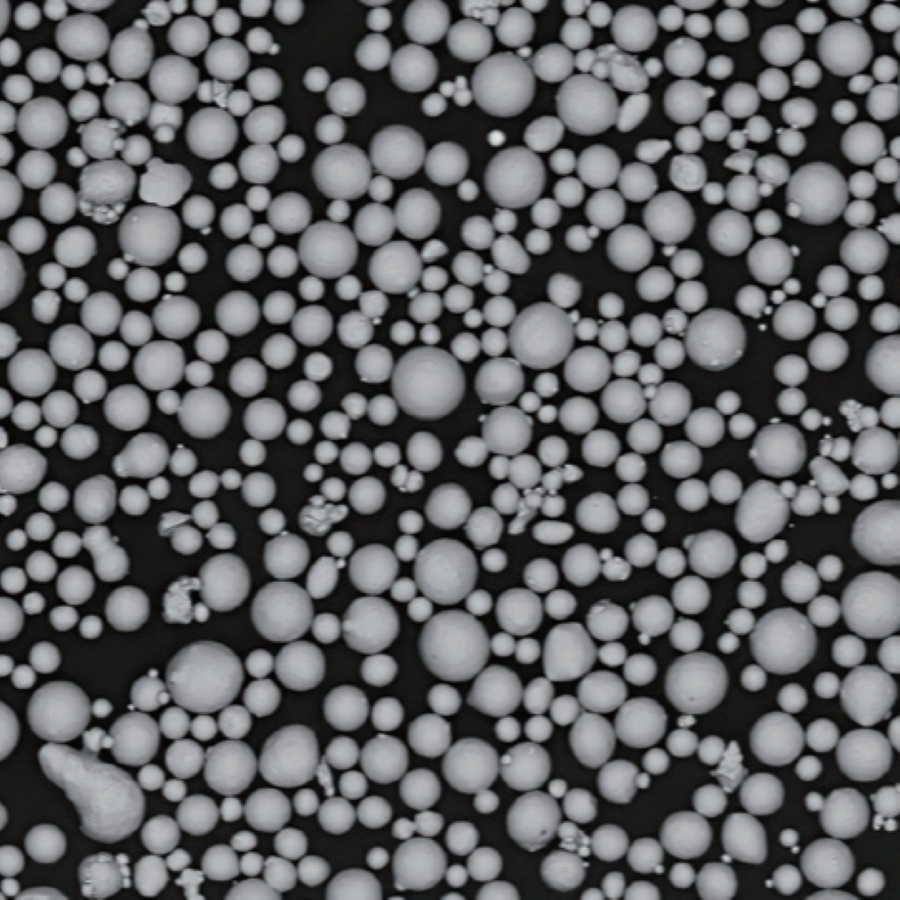
BT20 Titanium Alloy Powder 15-53μm Research Grade ATOMFAIR®
Price range: $282.00 through $295.00 -
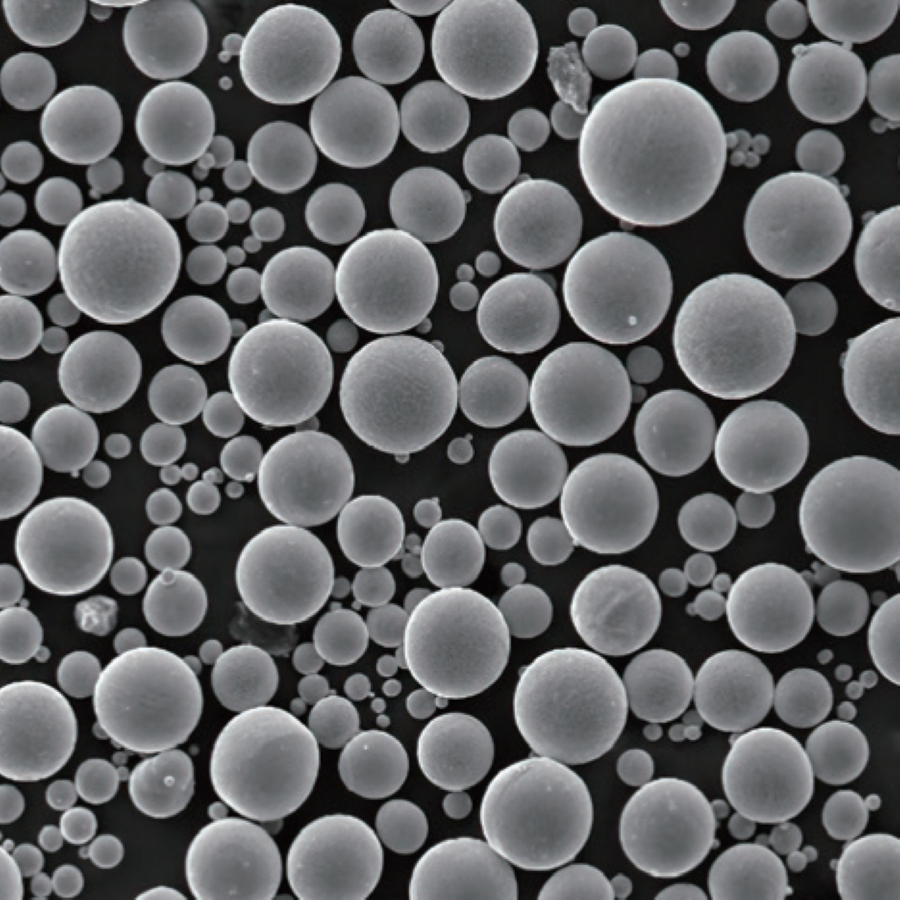
Cobalt Chromium Molybdenum Powder 15-45μm ATOMFAIR®
$326.00 -
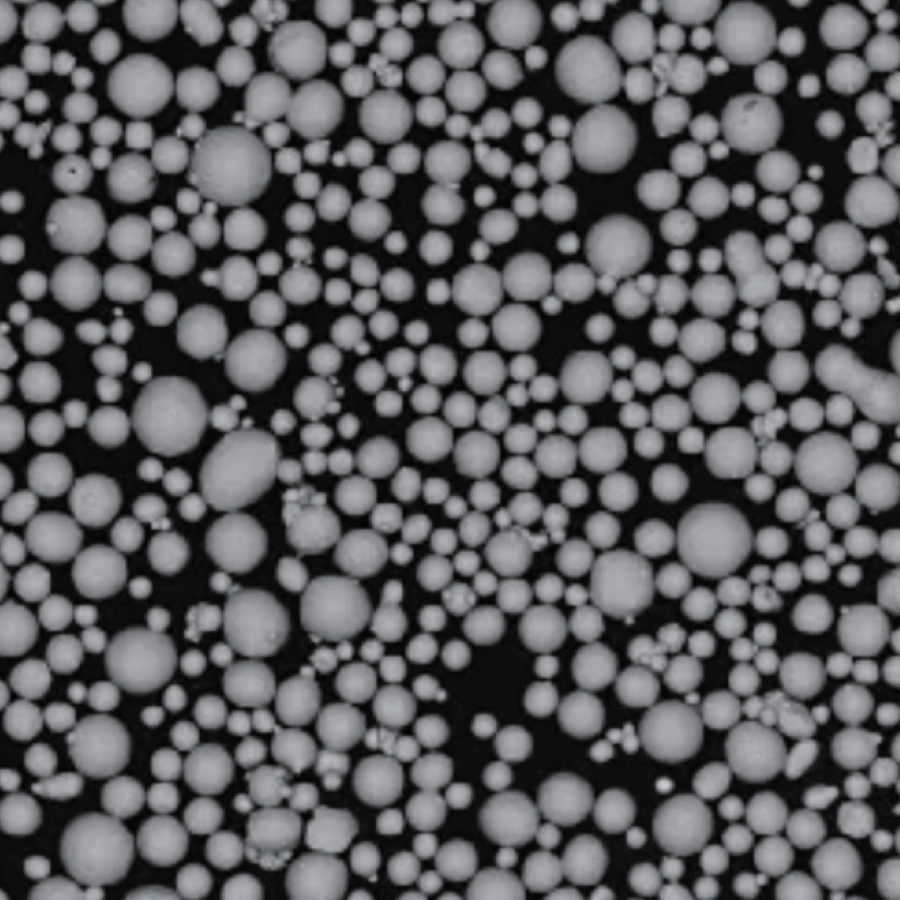
Cobalt-Based Spherical Alloy Powder 30-40μm ATOMFAIR®
$1,200.00 -
Cobalt-Chromium-Molybdenum Powder F75 MIM ATOMFAIR®
$500.00 -
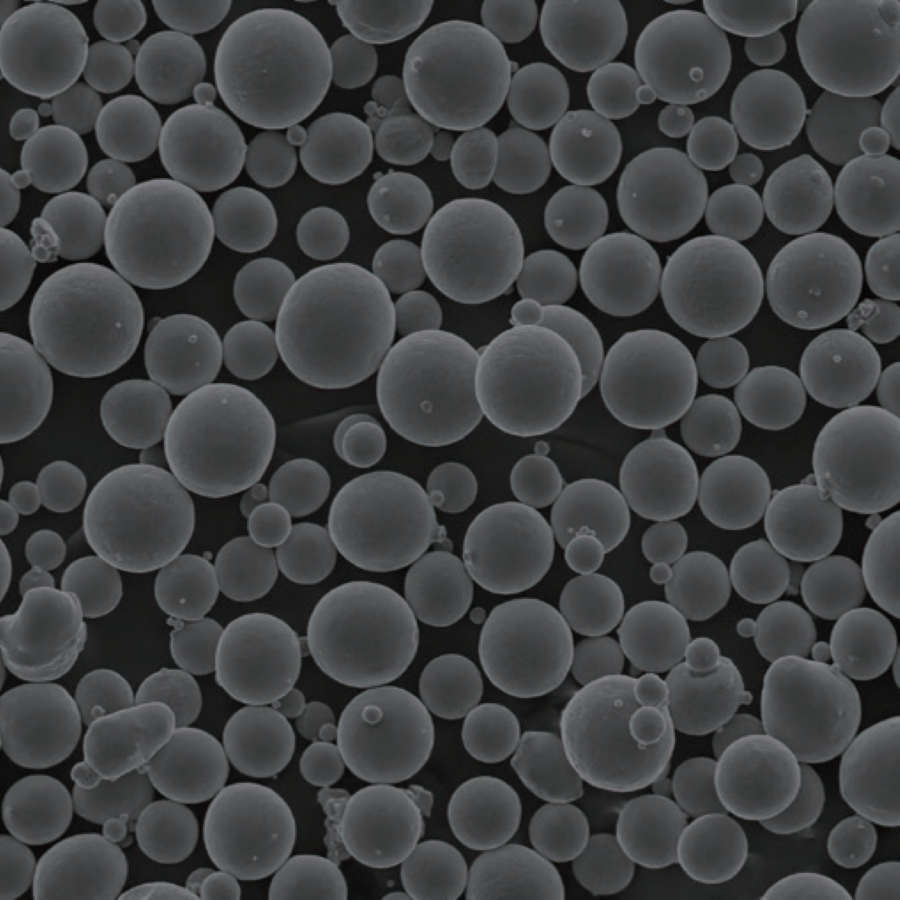
CoCrMoW Spherical Alloy Powder 15-45μm 1kg ATOMFAIR®
$333.00 -
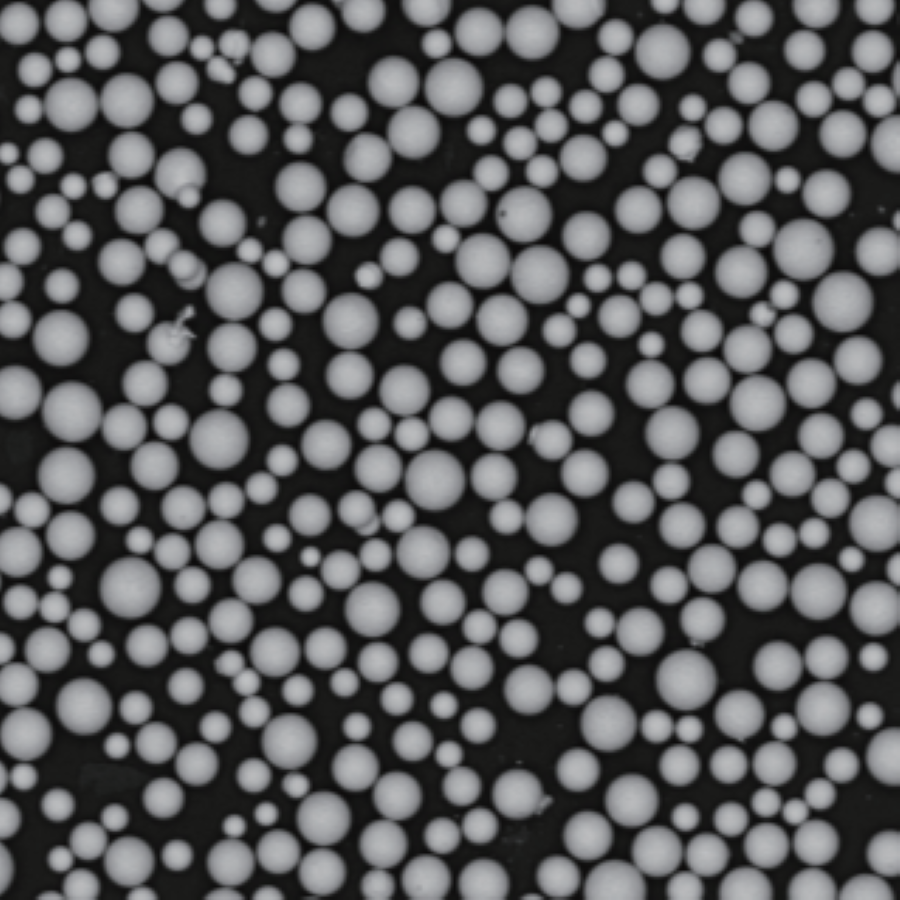
Commercially Pure Titanium Powder 15-53μm 1kg ATOMFAIR®
$330.00 -
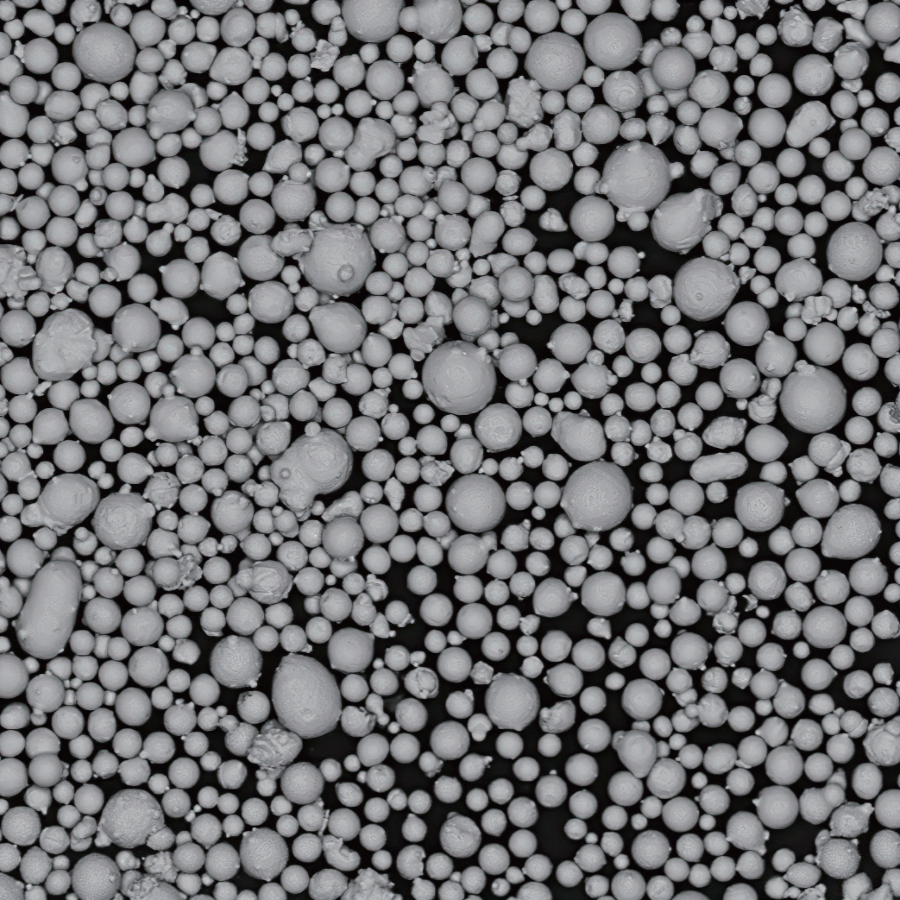
CuCrZr Spherical Alloy Powder 15-150μm Research ATOMFAIR®
Price range: $272.00 through $283.00 -
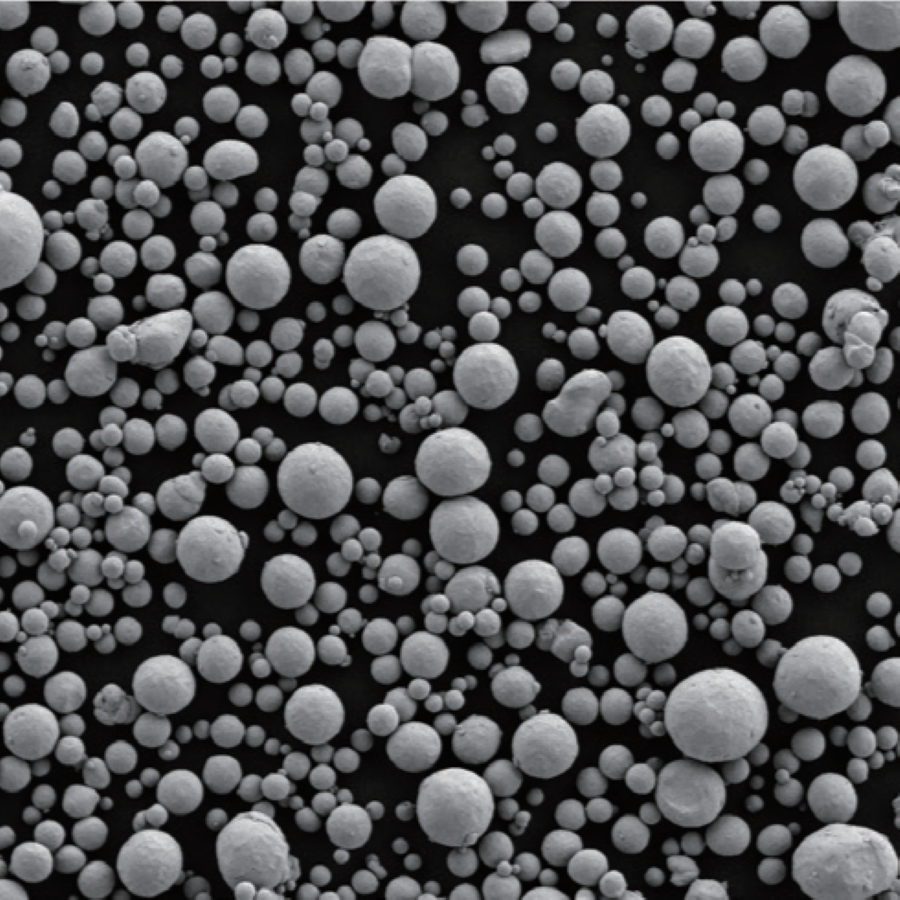
CuSn10 Spherical Bronze Alloy Powder 15–150μm ATOMFAIR®
Price range: $250.00 through $255.00