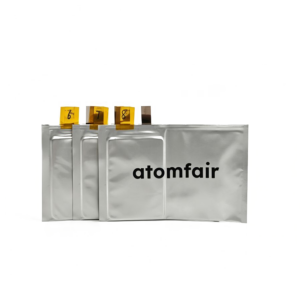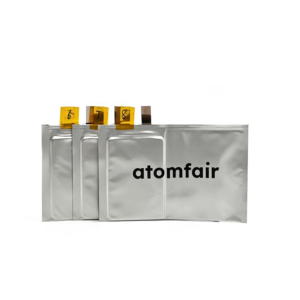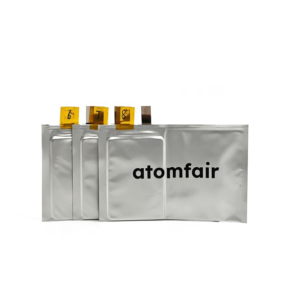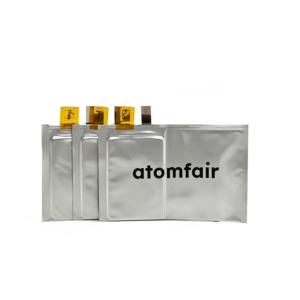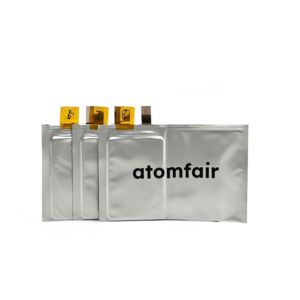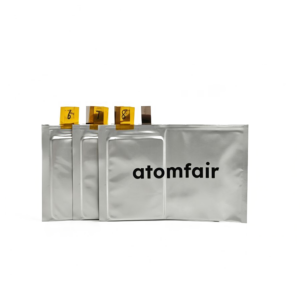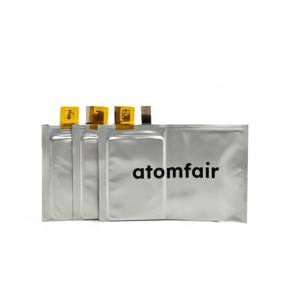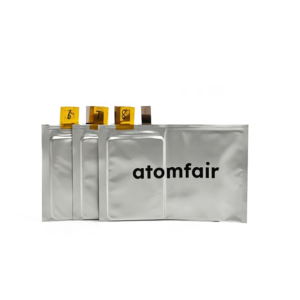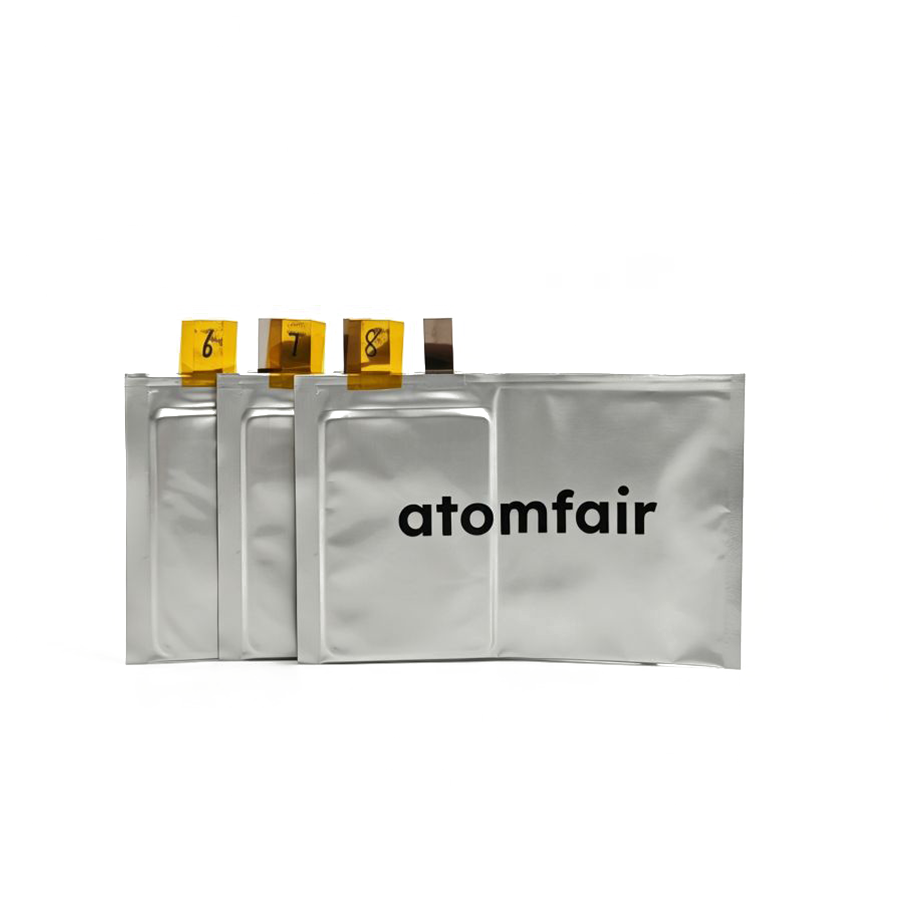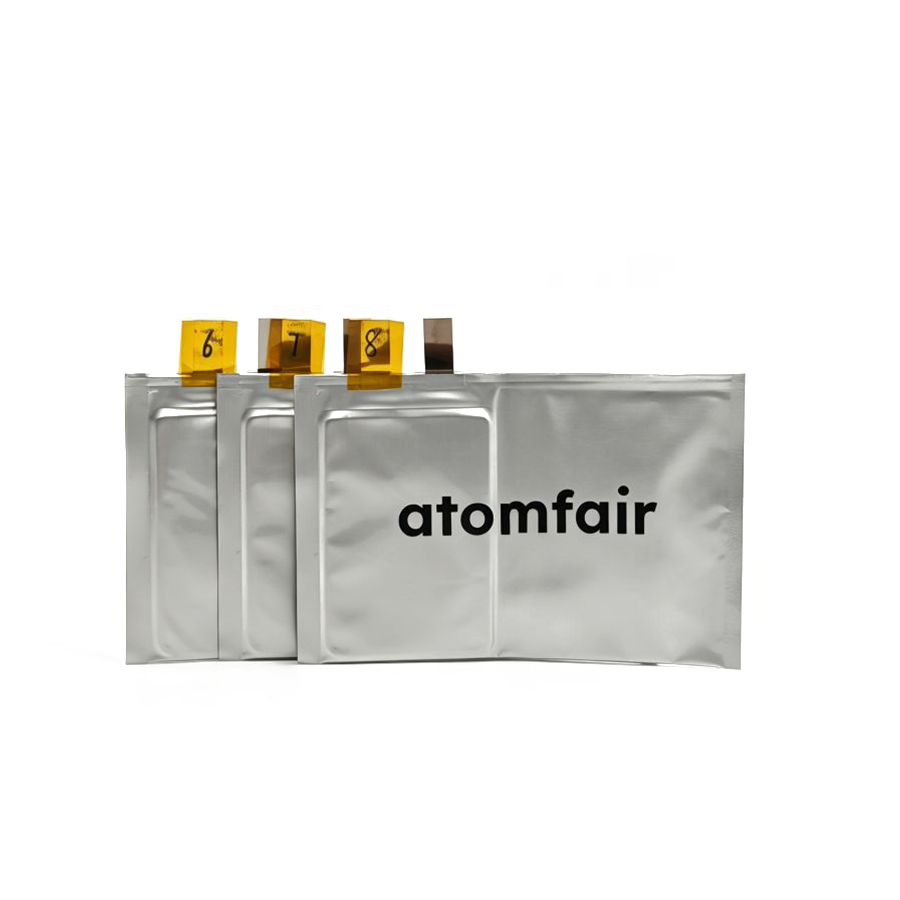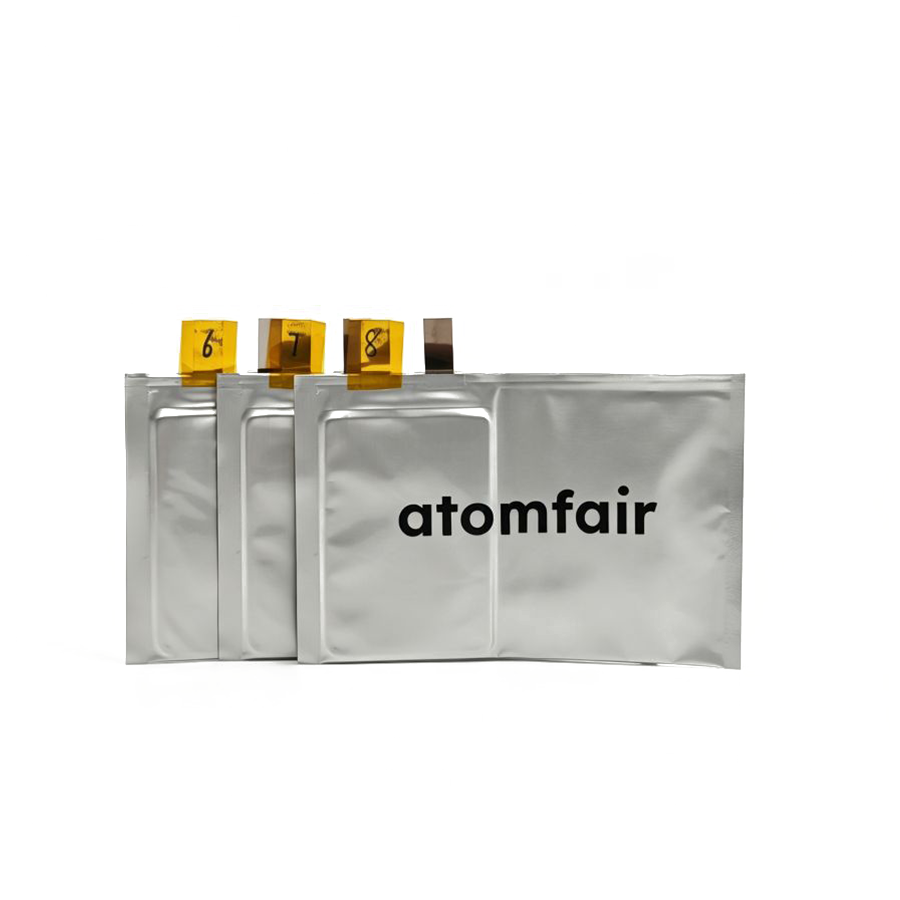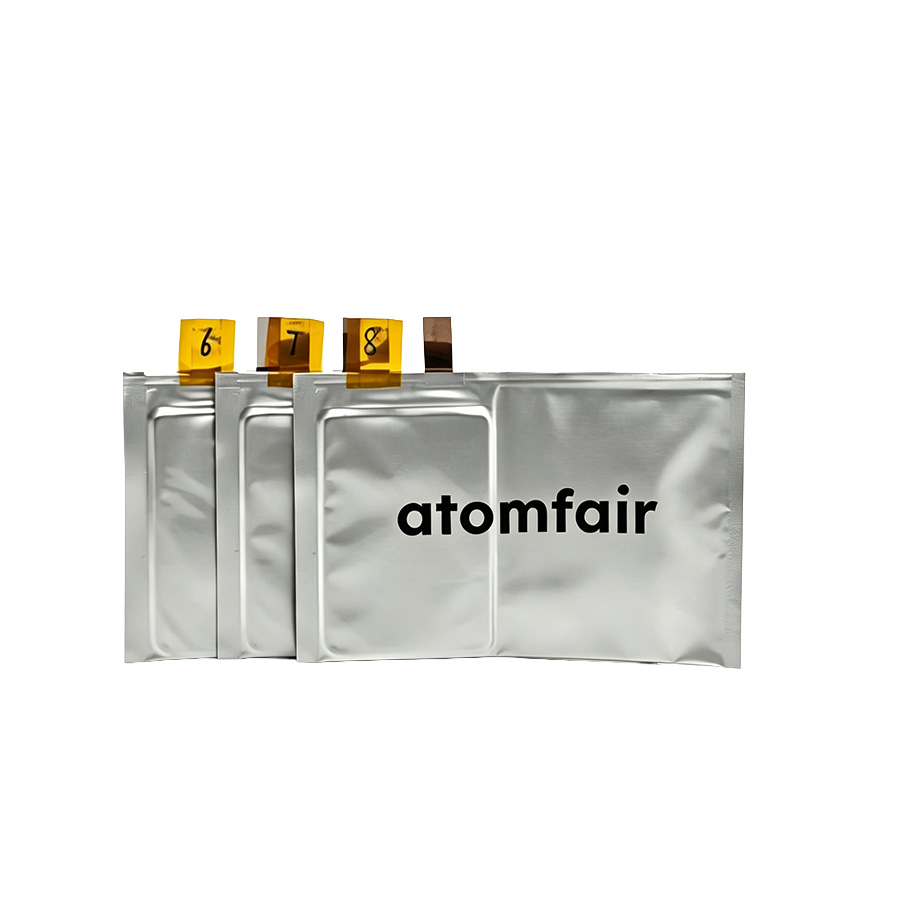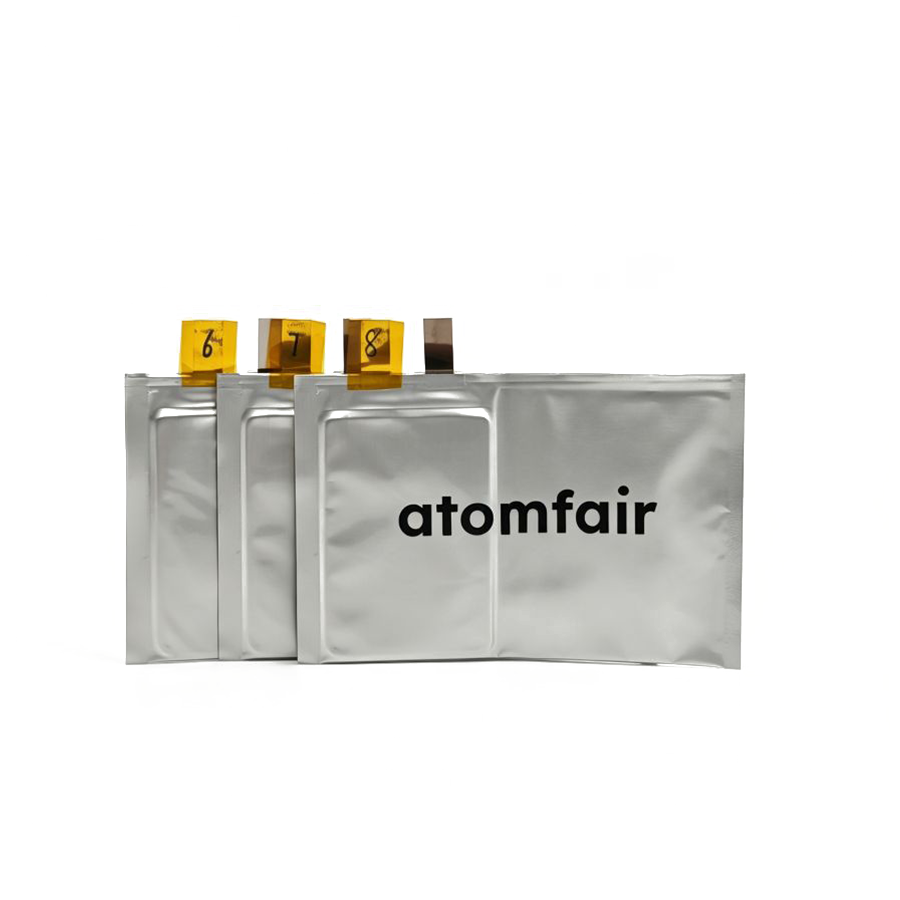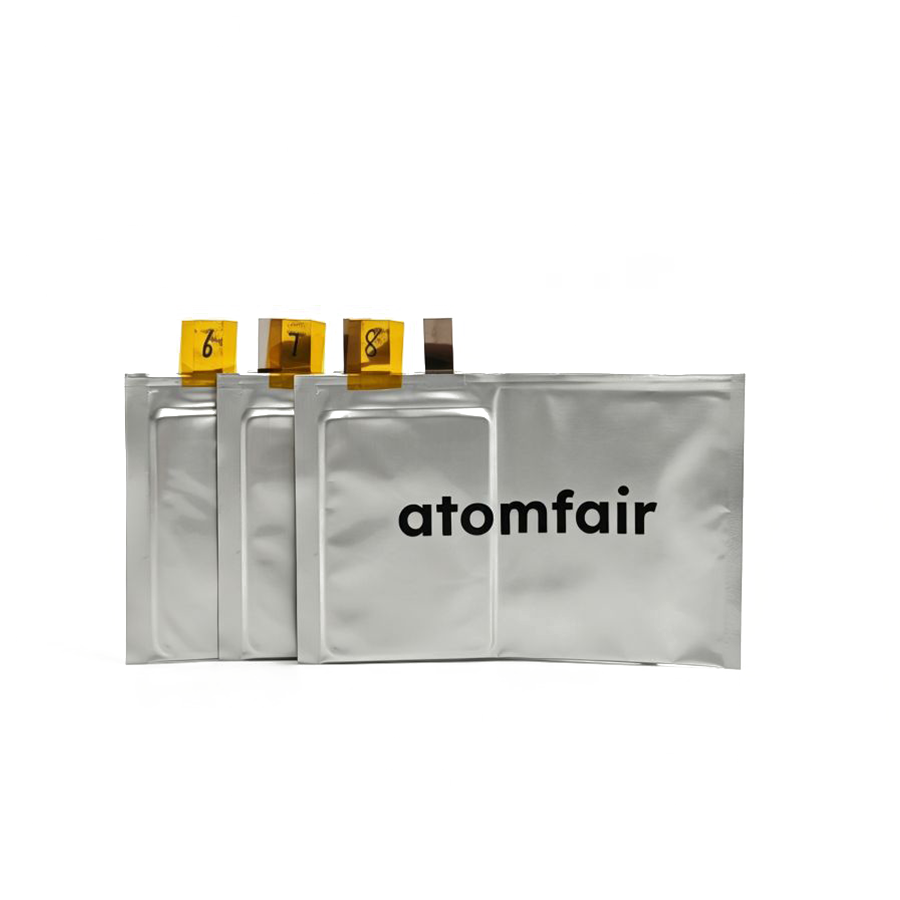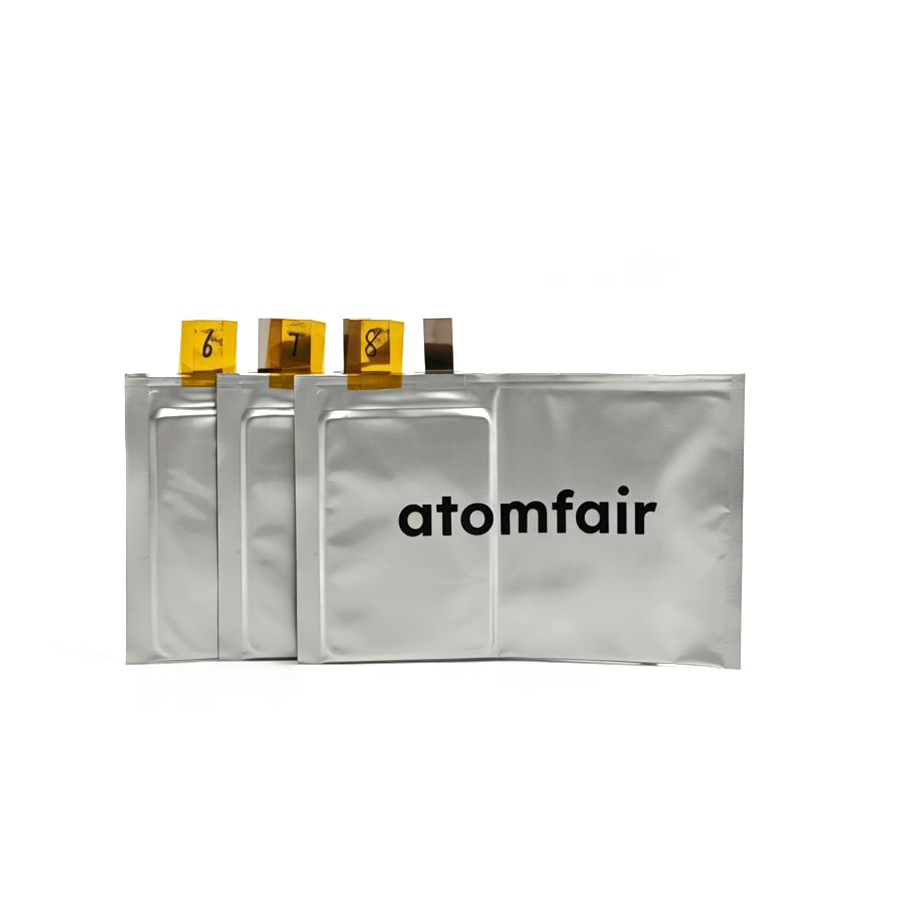
Ni90 Dry Pouch Cell (15Ah) – Si/C 1100 Anode |
||||||||||||||||||||||||||||||||||||||||||||||||||||||||||||||||||||
|
||||||||||||||||||||||||||||||||||||||||||||||||||||||||||||||||||||
This dry pouch cell requires electrolyte infusion and formation cycling before electrical testing. Store the unactivated cell in a dry, inert atmosphere to prevent moisture-induced degradation of the Ni90 cathode and SiC composite anode.
- Electrolyte Compatibility: Select electrolytes must be compatible with the unfunctionalized Ni90 cathode and high-capacity SiC anode to avoid undesirable side reactions.
- Voltage Window: Operate the cell strictly within the 2.3 V to 4.2 V window to prevent over-discharge or over-charge damage.
- Silicon Expansion Management: The NP ratio of 1.070 is designed to accommodate volumetric swelling of the SiC anode during lithiation.
- Activation Requirement: The 15 Ah nominal capacity is only achieved after proper electrolyte filling, wetting, and formation cycling.
- Contamination Control: All handling and filling must be performed in a glovebox with low moisture and oxygen levels to prevent contamination.
How does the 1.070 negative-to-positive capacity ratio (NP) mitigate silicon anode volumetric swelling in this Ni90//SiC dry pouch cell?
The NP ratio of 1.070 provides optimized balancing between the 210 mAh/g cathode and the 1100 mAh/g SiC anode, ensuring excess anode capacity to accommodate silicon expansion without over-pressurizing the 15/16 multilayer stack. This matrix enables reliable volumetric swelling modeling and gas evolution tracking during electrolyte screening.
Is this dry pouch cell compatible with standard carbonate electrolytes, or does it require custom formulations for the SiC anode?
This cell is specifically designed for silicon-compatible electrolyte formulation screening and is supplied without liquid electrolyte infusion to enable variable elimination. The 1100 mAh/g SiC anode and the 97.4% active Ni90 cathode require electrolytes that can stabilize the silicon-electrolyte interphase while maintaining high voltage stability up to 4.2 V.
What safety role does the 12 μm PE + 2 μm Al₂O₃ ceramic-coated separator play in handling this dry pouch cell?
The 12 μm PE + 2 μm Al₂O₃ ceramic coating provides thermal shrinkage resistance and mechanical puncture protection during dry assembly of the 15/16 multilayer stack. This prevents internal short circuits when handling the electrodes with high active mass fractions of 97.4% (cathode) and 92% (anode).
This 15 Ah Ni90-SiC1100 dry pouch cell provides a standardized, un-functionalized platform for electrolyte screening and volumetric expansion modeling, but requires external electrolyte infusion and presents intrinsic swelling challenges from the silicon-carbon anode.
Positive
- Benchmarking platform for silicon anodes: Assembled without electrolyte as a dry cell, it enables controlled variable elimination during electrolyte formulation screening, swelling modeling, and gas evolution studies.
- High-capacity electrode pairing: Combines a 210 mAh/g Ni90 cathode with a 1100 mAh/g SiC anode, offering a high specific energy matrix for next-generation cell validation.
Trade-offs
- Requires external electrolyte activation: Shipped dry without infused liquid electrolyte; users must perform electrolyte filling and formation cycling before electrochemical testing.
- Silicon anode volumetric expansion: The SiC composite anode is prone to localized swelling during cycling, requiring rigorous mechanical constraint and gas management to maintain performance.
Every advanced material, component, equipment, and instrument in our catalog is backed by rigorous testing. We maintain strict internal quality management frameworks and align with CE conformity metrics to deliver transparent, reproducible performance data via our public open-science repository.
To request raw batch performance data, submit formal vendor registration paperwork, or execute a fast-turnaround R&D manufacturing loop, contact us at inquiry@atomfair.com.
Item is dispatched under the Atomfair Shipping & Delivery Framework (Free worldwide shipping on orders over $59 USD excl. heavy equipment). Return is governed by the Atomfair Return & Refund Policy (7-day technical return window).