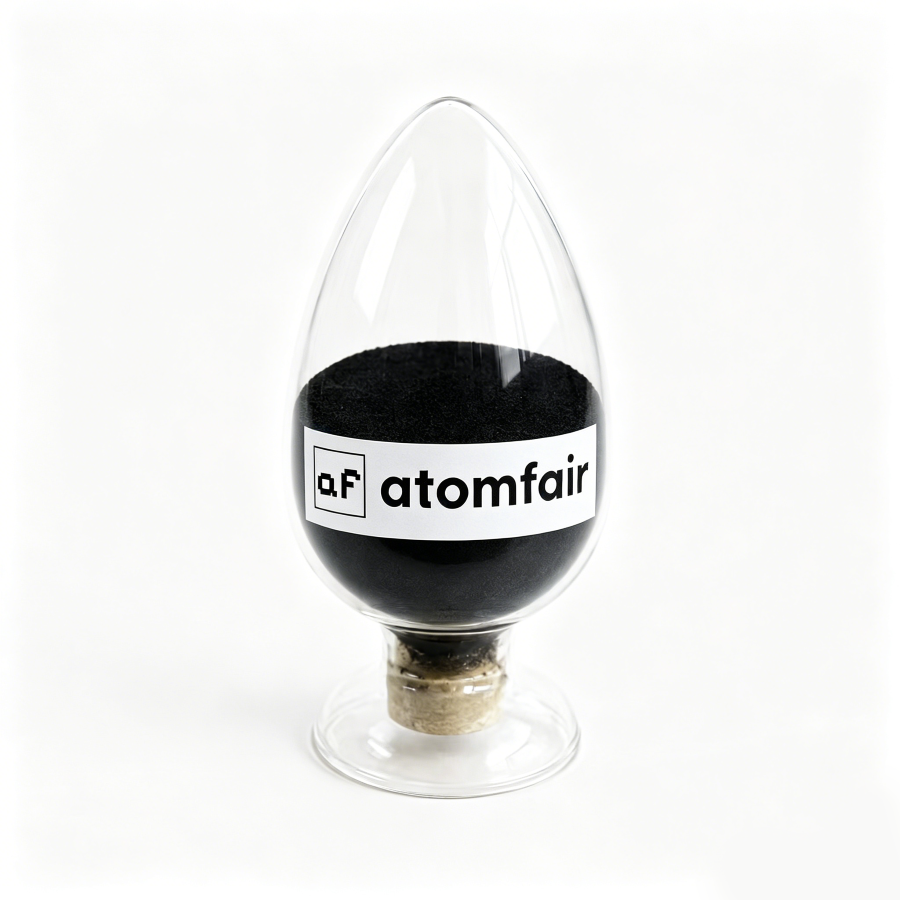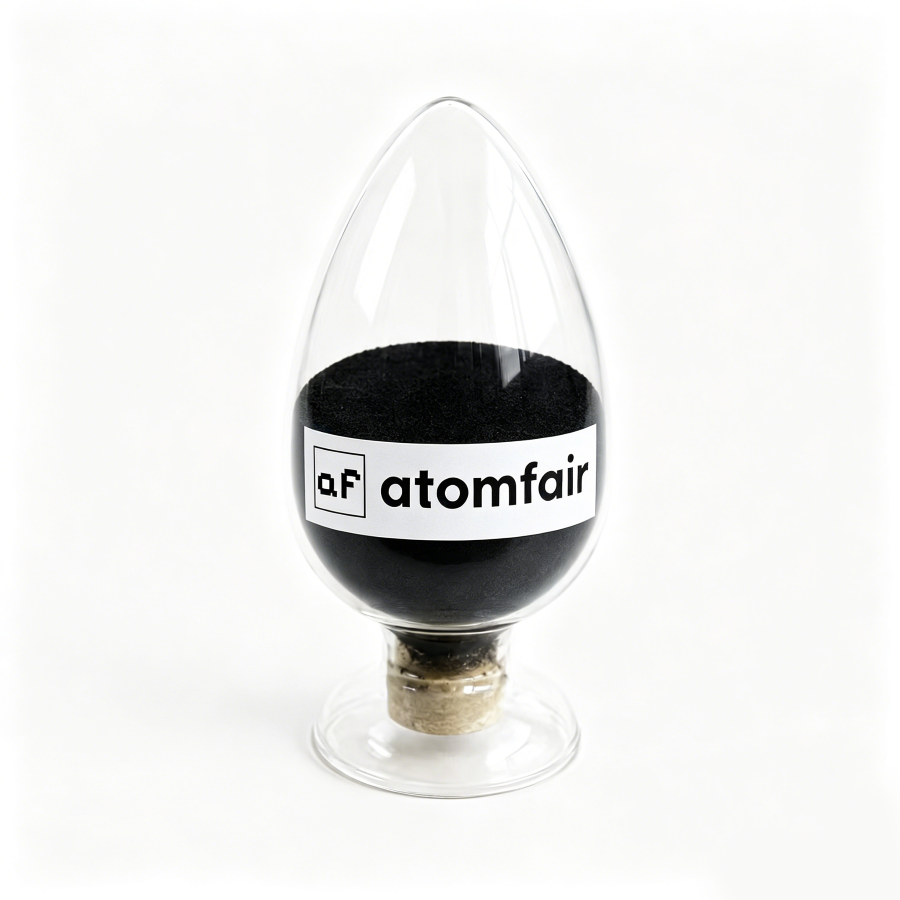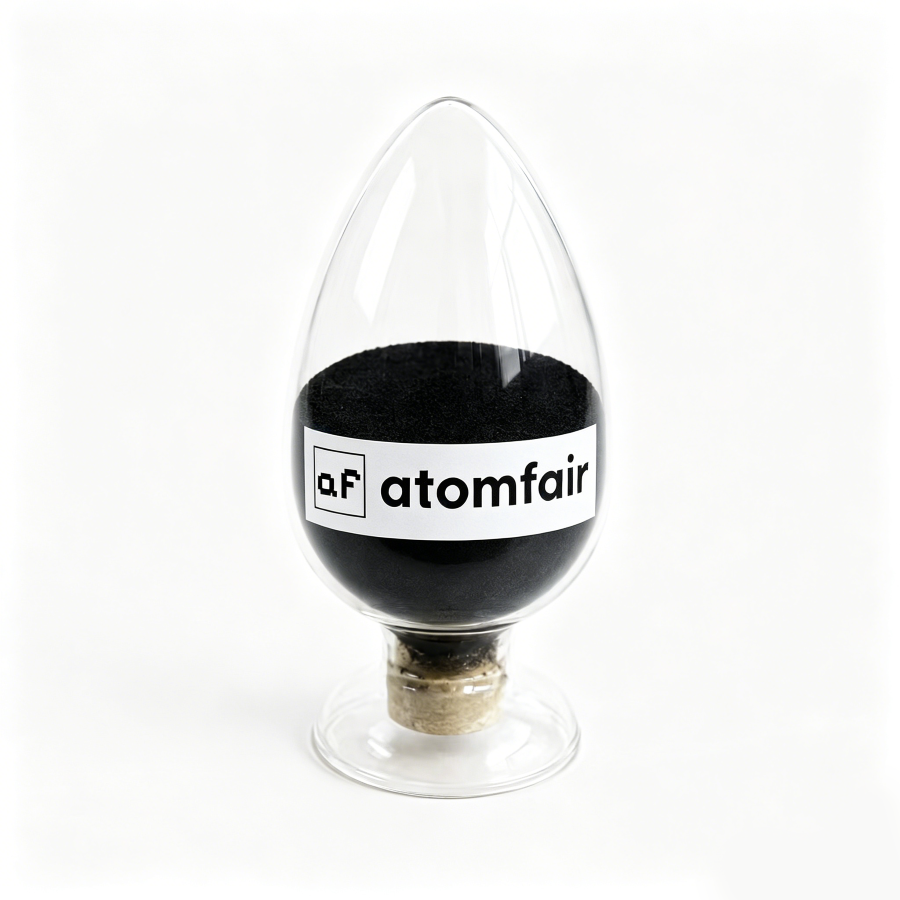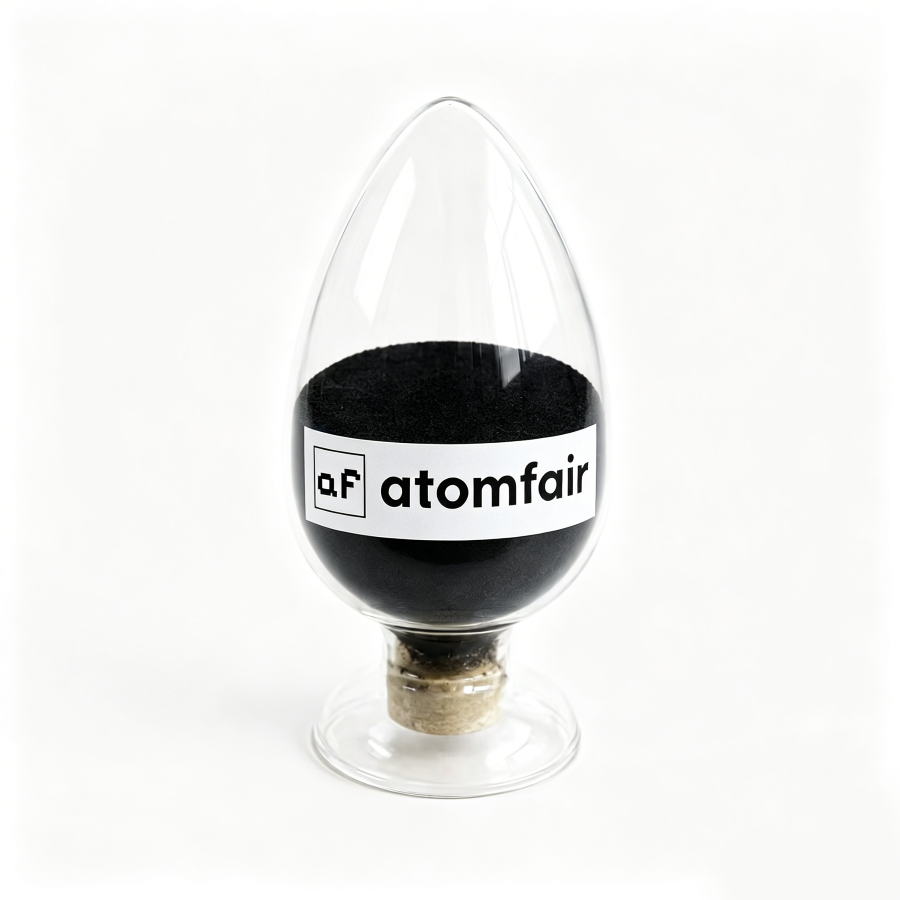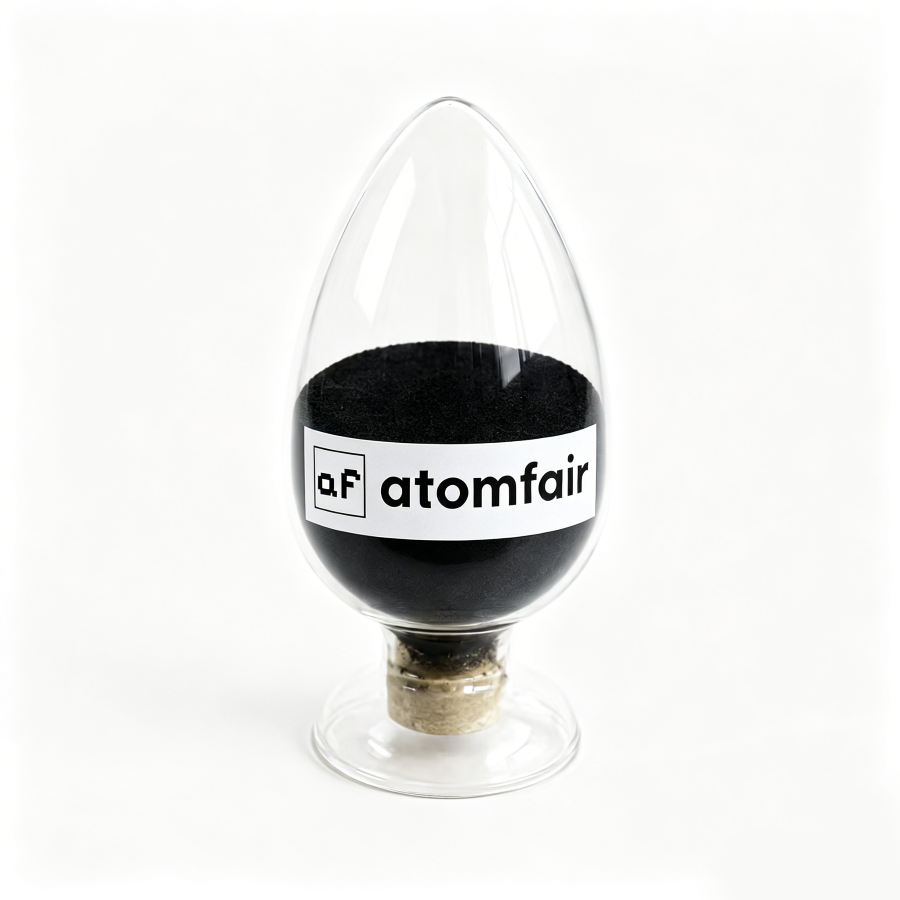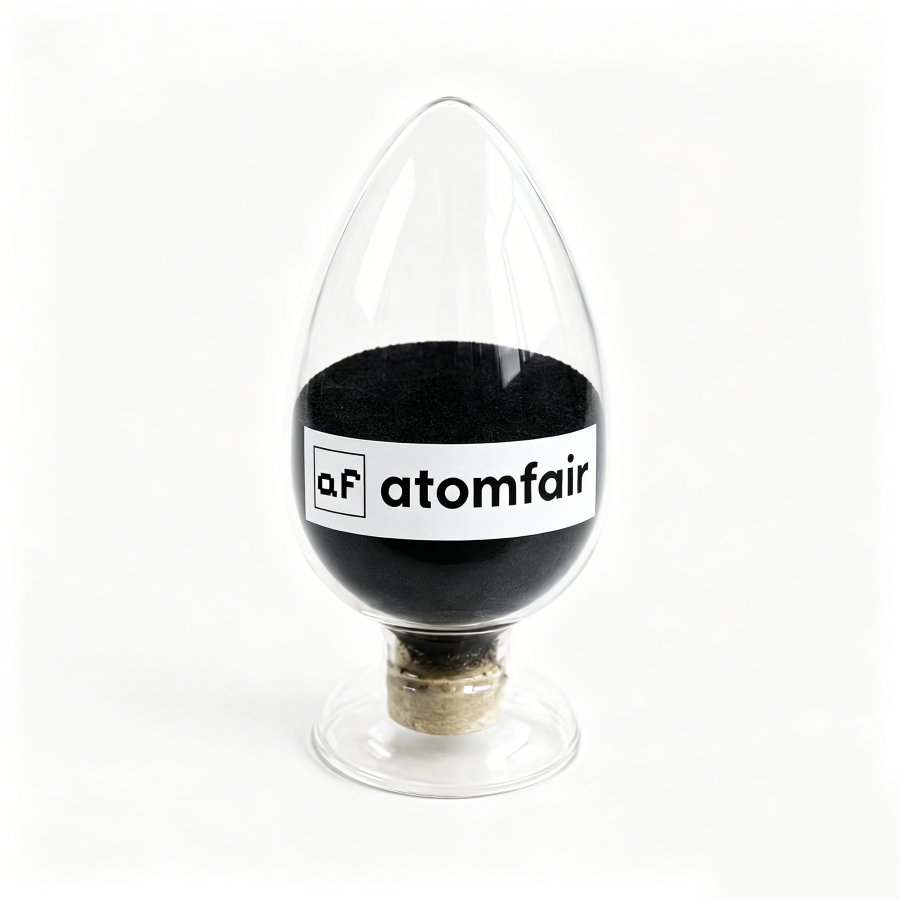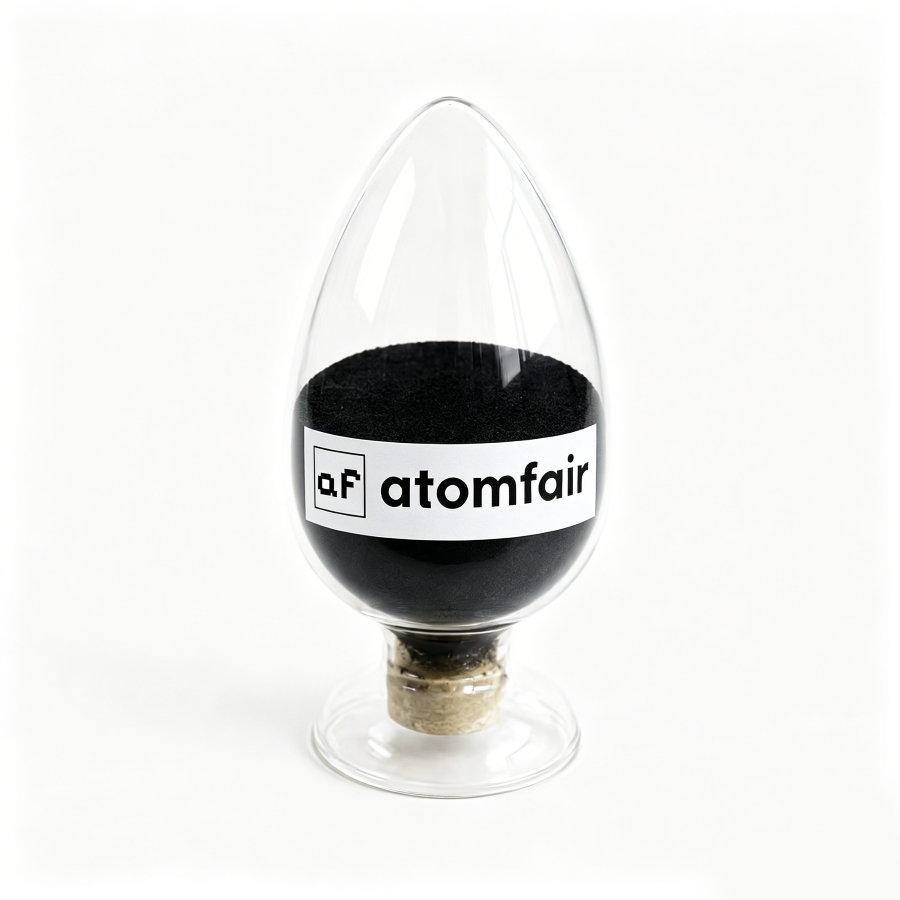
ATOMFAIR NCM (90:6:4): 222 mAh/g Cathode Active MaterialRESEARCH GRADE MATERIAL
|
|||||||||||||||||||||||||||||||||||||||||||||||||||||||||||||||
|
|||||||||||||||||||||||||||||||||||||||||||||||||||||||||||||||
|
TAILORED SOLUTIONS FOR RESEARCH
Contact our engineering team for technical support or official institutional quotations.
EMAIL: inquiry@atomfair.com
|
|||||||||||||||||||||||||||||||||||||||||||||||||||||||||||||||
|
Manufacturer: Atomfair LLC
Brand: ATOMFAIR®
|
|||||||||||||||||||||||||||||||||||||||||||||||||||||||||||||||
This material requires exclusion from atmospheric moisture and carbon dioxide to prevent surface degradation and alkalinity-induced hazards. Handling must be performed under inert atmosphere conditions to maintain electrochemical performance and operator safety.
- Moisture Sensitivity: Exposure to ambient moisture accelerates formation of surface lithium hydroxide and lithium carbonate, compromising cathode capacity.
- CO2 Reactivity: Carbon dioxide reacts with residual alkali to form carbonates that increase interfacial resistance in assembled cells.
- Alkaline Hazard: The surface pH of 11.6 indicates a strong alkaline character requiring corrosion-resistant storage containers and personal protective equipment.
- Inert Atmosphere Requirement: All handling and storage must occur in an argon-filled glovebox with oxygen and moisture levels below 1 ppm.
This procedure outlines the required steps to safely transfer and store the moisture-sensitive cathode powder under inert atmosphere. Following these steps minimizes contamination risk and ensures material integrity for subsequent electrode fabrication.
Required Equipment: Argon-filled glovebox
- Inspect Container
Inspect the sealed container for any damage or leaks before introduction into an inert atmosphere environment. - Transfer to Glovebox
Transfer the entire container into an argon-filled glovebox with oxygen and moisture levels below 1 ppm. - Store Under Inert Atmosphere
Open the container only inside the glovebox and store the powder in a tightly sealed vial to prevent prolonged exposure.
How does the surface residual alkali content of 0.57% total (Li2CO3 0.22% + LiOH 0.35%) and pH 11.6 affect slurry preparation and long-term cycling stability of this NCM90 cathode powder?
The total surface residual alkali content is 0.57% (0.22% Li2CO3 and 0.35% LiOH) with a pH of 11.6, indicating a highly basic surface that can react with PVDF binders and accelerate gelation in NMP-based slurries. This alkalinity also promotes parasitic side reactions at the cathode/electrolyte interface, potentially reducing cycling stability despite the high initial discharge capacity of 222.8 mAh/g. Proper slurry formulation adjustments or surface coatings may be required to mitigate these effects.
Is this NCM90 cathode powder with a D50 of 13.1 μm and SSA of 0.49 m²/g compatible with standard PVDF binder systems, or does the high pH require specialized processing conditions?
With a D50 of 13.1 μm and SSA of 0.49 m²/g, the large particle spherical matrix provides good packing density (tap density 2.63 g/cm³ and target electrode density 3.2 g/cm³), making it suitable for standard PVDF binder systems. However, the high pH of 11.6 may require use of acid-scavenging additives or modified binder chemistries to prevent dehydrofluorination and gelation. Compatibility testing with the specific electrolyte and binder is recommended.
What storage and handling protocols are recommended for this ultra-high nickel NCM90 powder given its high surface alkalinity and sensitivity to moisture?
This ultra-high nickel NCM90 powder exhibits high surface alkalinity (total residual alkali 0.57%) and pH 11.6, making it hygroscopic and prone to absorbing moisture and CO2 from ambient air, which can degrade performance. Storage in an argon-filled glovebox with <0.1 ppm H2O and O2 is strongly recommended to maintain the reported electrochemical properties. The material should be handled in a dry room environment and used promptly after opening to prevent surface contamination.
This ultra-high nickel NCM90 cathode powder offers a benchmark specific capacity of 222 mAh/g with suppressed gas evolution, making it suitable for high-energy research cells, though its high residual alkali necessitates inert handling and rate capability declines at higher C-rates.
Positive
- High specific capacity: Delivers 222.8 mAh/g discharge capacity at 0.1C in half-cell configuration, enabling high-energy-density cell designs for advanced battery research.
- Suppressed gas swelling: Optimized large particle spherical matrix effectively mitigates gas evolution during extended cycling, improving cell integrity and data reliability in demanding test loops.
Trade-offs
- High surface residual alkali: Residual Li₂CO₃ (0.22%) and LiOH (0.35%) with pH 11.6 require moisture- and CO₂-free handling environments (e.g., dry room or glovebox) to prevent degradation and slurry instability.
- Rate capability drop at 1C: Discharge capacity falls from 222.8 mAh/g at 0.1C to 199.9 mAh/g at 1.0C (~10% loss), indicating limited suitability for high-power applications without additional rate-enhancing engineering.
Every advanced material, component, equipment, and instrument in our catalog is backed by rigorous testing. We maintain strict internal quality management frameworks and align with CE conformity metrics to deliver transparent, reproducible performance data via our public open-science repository.
To request raw batch performance data, submit formal vendor registration paperwork, or execute a fast-turnaround R&D manufacturing loop, contact us at inquiry@atomfair.com.
Item is dispatched under the Atomfair Shipping & Delivery Framework (Free worldwide shipping on orders over $59 USD excl. heavy equipment). Return is governed by the Atomfair Return & Refund Policy (7-day technical return window).