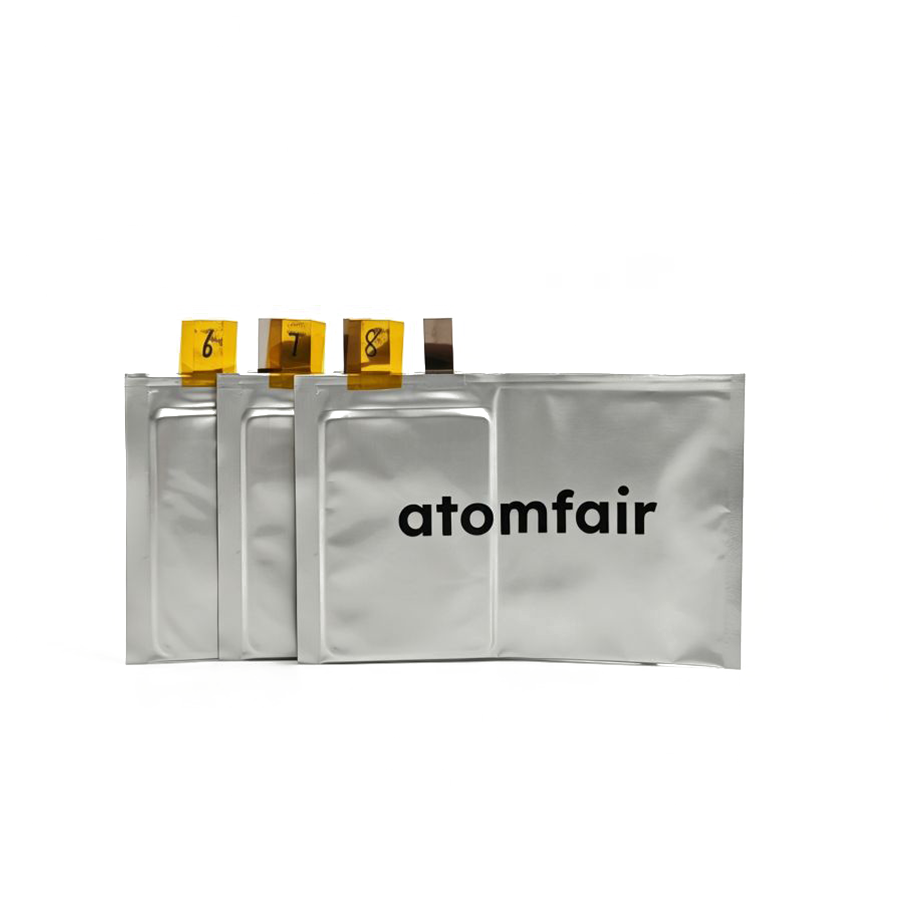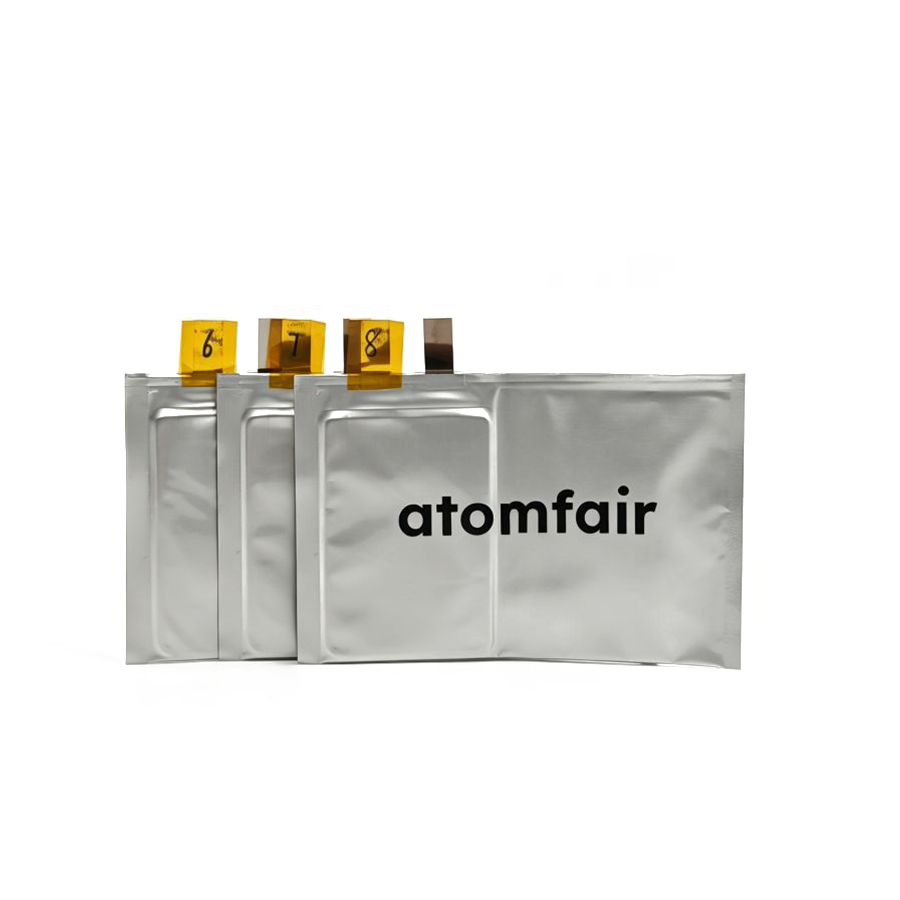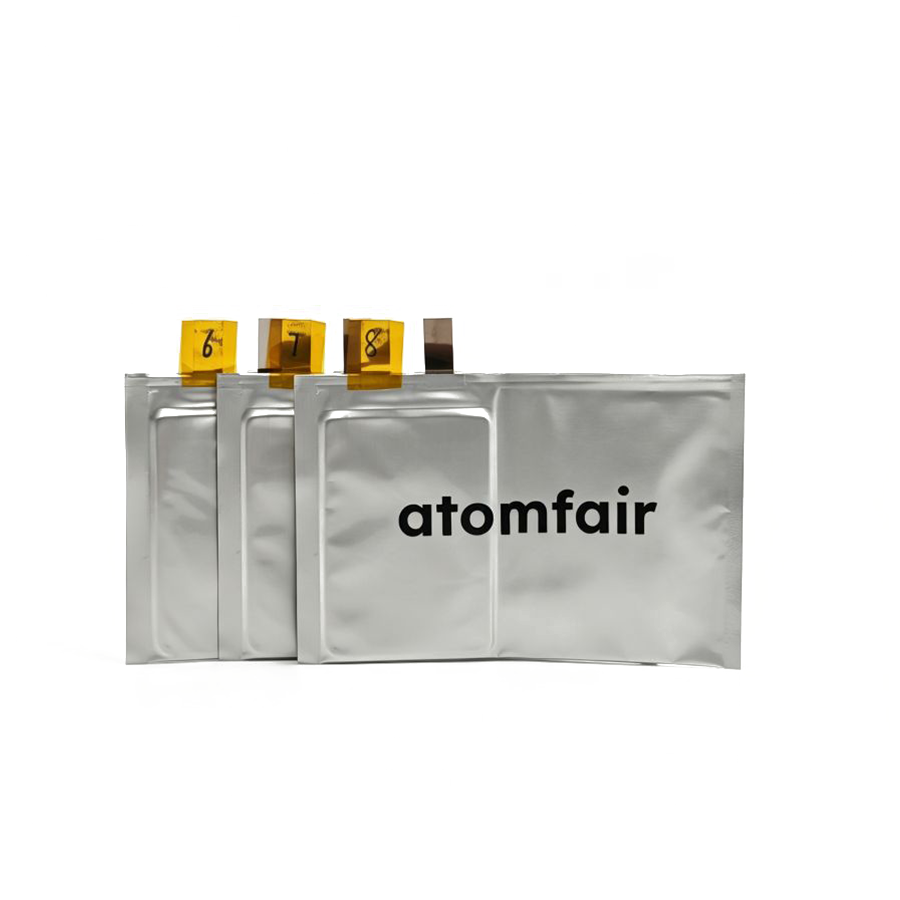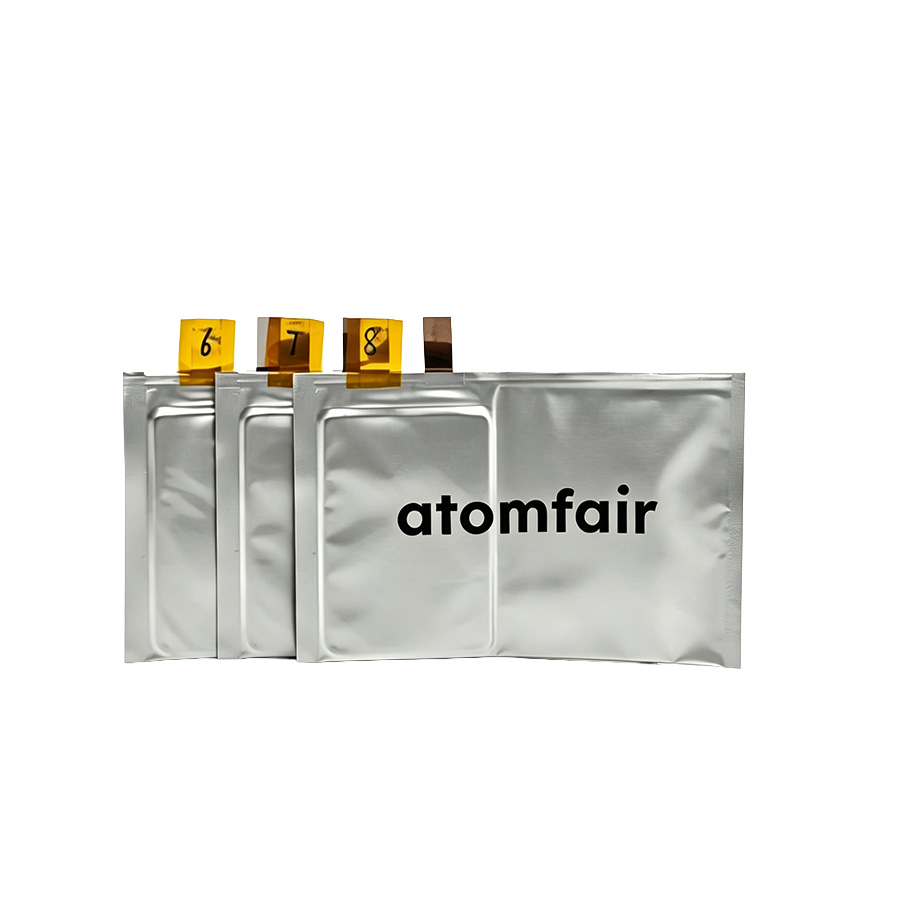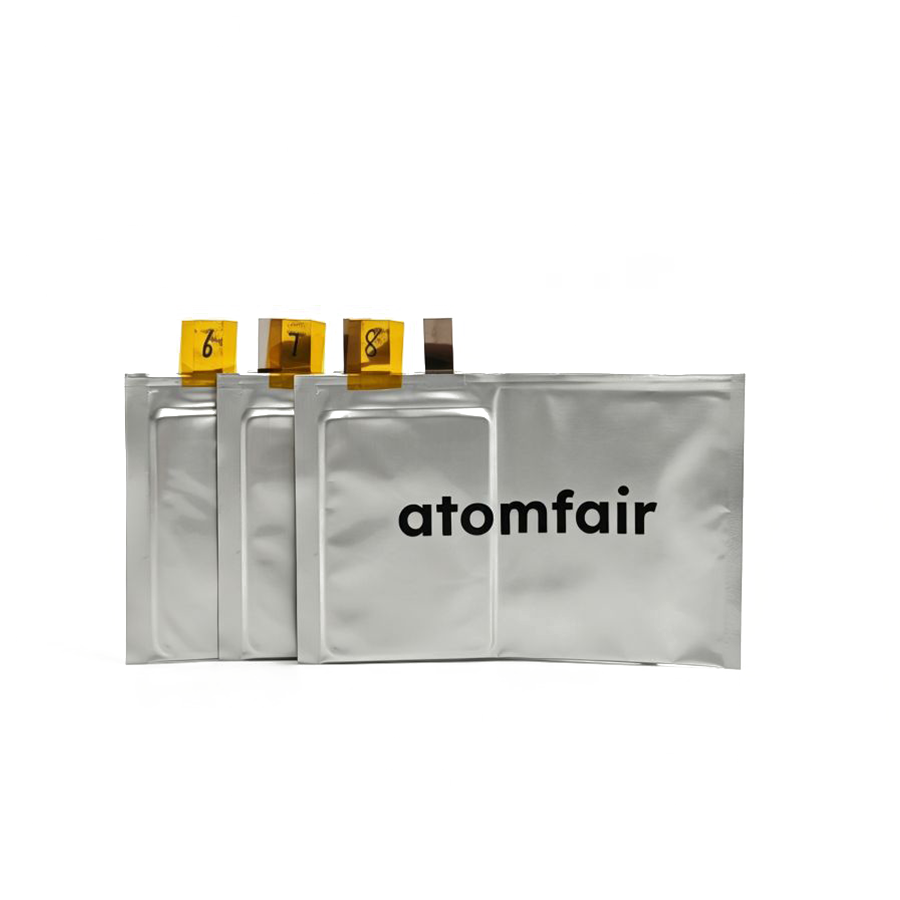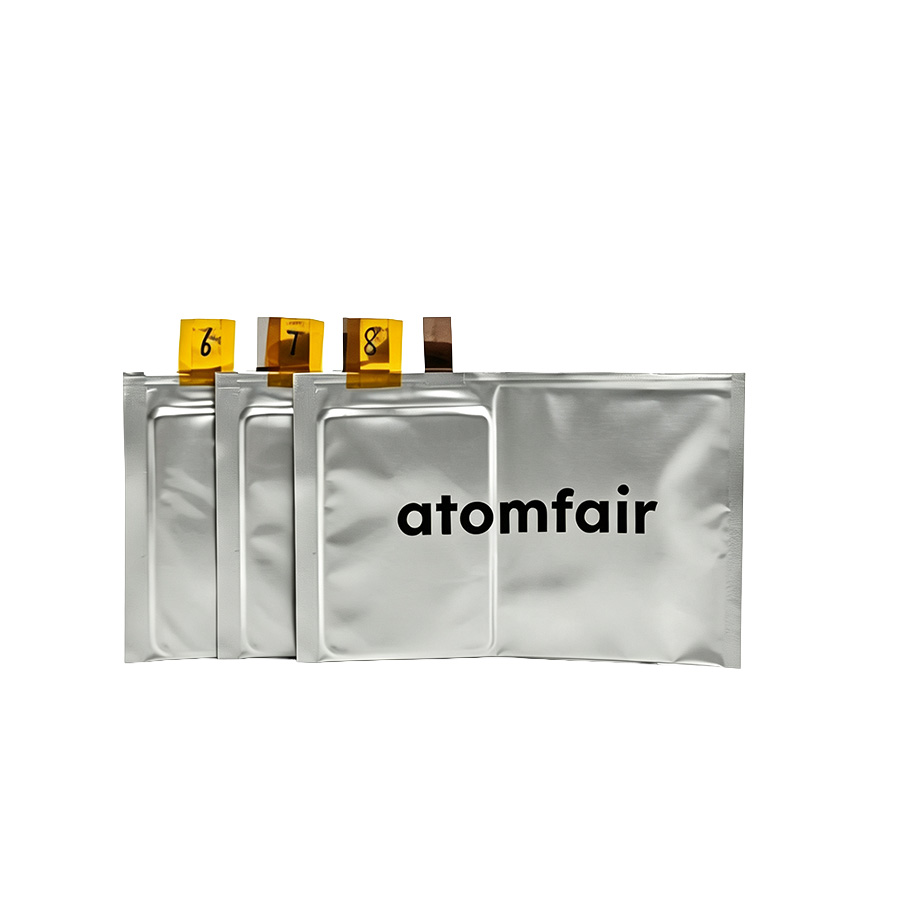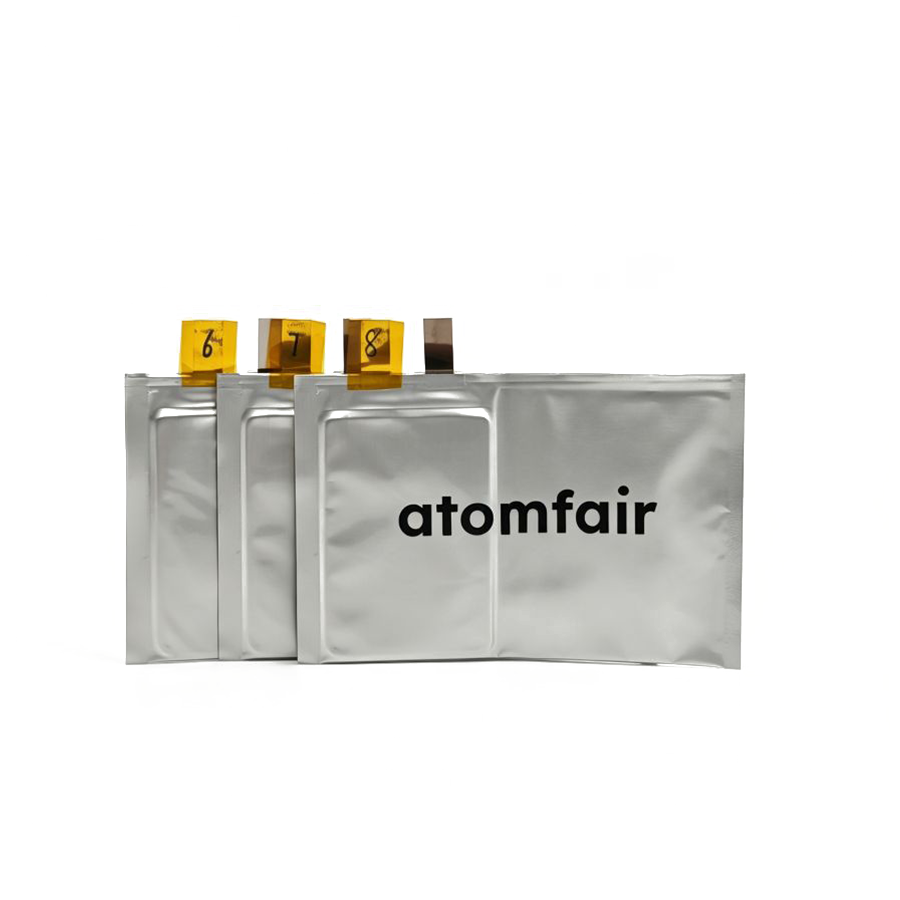
LMR Dry Pouch Cell (1Ah, 11 Layers) – Graphite AnodeLITHIUM-ION TECHNOLOGY | 11/12 LAYERS
|
||||||||||||||||||||||||||||||||||||||||||||||||||||
|
||||||||||||||||||||||||||||||||||||||||||||||||||||
Related Products |
||||||||||||||||||||||||||||||||||||||||||||||||||||
|
||||||||||||||||||||||||||||||||||||||||||||||||||||
|
TAILORED SOLUTIONS FOR RESEARCH
Contact our engineering team for technical support or official institutional quotations.
EMAIL: inquiry@atomfair.com
|
||||||||||||||||||||||||||||||||||||||||||||||||||||
|
Manufacturer: Atomfair LLC
Brand: ATOMFAIR®
|
||||||||||||||||||||||||||||||||||||||||||||||||||||
This lithium-ion pouch cell requires strict voltage management to prevent over-discharge or overcharge. The cell must be stored in a dry, inert atmosphere to mitigate moisture-induced degradation.
- Voltage Limits: Operate the cell within the specified voltage range of 2 V to 4.8 V to prevent irreversible capacity loss or thermal runaway.
- Moisture Sensitivity: Assemble and test the cell in an argon-filled glovebox with dew point below -40°C to avoid lithium metal plating and electrolyte decomposition.
- Mechanical Integrity: Avoid puncturing or crushing the pouch enclosure to prevent internal short circuits and electrolyte leakage.
This procedure describes the steps to safely handle and initialize the LMR-graphite dry pouch cell for performance testing. Follow all steps to mitigate electrical and chemical hazards.
Required Equipment: Argon-filled glovebox, Battery cycler with voltage and current control, Insulated tweezers
- Inspect Cell
Inspect the pouch cell visually for any tears, dents, or electrolyte leakage before handling. - Transfer to Glovebox
Transfer the cell into an argon-filled glovebox with less than 0.1 ppm water and oxygen to prevent moisture ingress. - Connect to Cycler
Connect the cell tabs to a battery cycler using insulated clips, ensuring correct polarity and secure contact. - Set Voltage Limits
Set the cycler voltage limits to 2.0 V (discharge) and 4.8 V (charge) as per the cell specifications. - Perform Formation Cycles
Perform three formation charge-discharge cycles at 0.1 C rate to stabilize the solid electrolyte interphase. - Monitor Temperature
Monitor cell temperature throughout cycling and abort if temperature exceeds 60°C.
How does the 2V to 4.8V operating voltage window of this LMR-graphite pouch cell affect charge-discharge protocol design for cycle life testing?
The 4.8V upper limit exceeds the typical stability window of conventional carbonate electrolytes, requiring careful electrolyte selection and voltage cut-off control to avoid oxidative decomposition. The 1.05 N/P ratio is specifically engineered to prevent lithium plating at this high voltage, enabling stable testing within the specified range. These conditions are defined by the product's technical specifications for research-grade performance evaluation.
Can this 11/12-layer dry pouch cell be directly integrated into standard battery cycler fixtures without custom adapters?
Yes, the cathode dimensions of 45.5 mm by 64 mm and anode dimensions of 46.5 mm by 65 mm are explicitly stated as standard dimensions for universal laboratory testing compatibility. These dimensions align with common pouch cell test fixtures used in academic and industrial battery research, eliminating the need for custom adapter plates in most cases.
What safety precautions are required when testing this dry pouch cell at its maximum 4.8V voltage due to the ceramic-coated separator?
The 12 um PE separator with 2 um ceramic coating provides enhanced thermal stability and shutdown performance to mitigate short-circuit risks at high voltage, but testing should still be performed in a controlled environment with overcharge protection. As specified in the product documentation, this cell is for research and development use only and must not be subjected to commercial or consumer applications without additional safety validation.
This 1 Ah LMR/graphite dry pouch cell features a high-capacity LMR cathode (300 mAh/g) and ceramic-coated separator, suited for lithium-ion battery R&D. Its 2-4.8V operating range and dry pouch format demand compatible electrolytes and controlled processing environments.
Positive
- High cathode specific capacity: LMR cathode with 300 mAh/g specific capacity enables greater energy density compared to conventional cathode materials, directly benefiting high-energy-density cell research.
- Ceramic-coated separator for safety: The 2 µm ceramic coating on the PE separator provides enhanced thermal stability and mechanical integrity, reducing the risk of internal short circuits during testing.
Trade-offs
- High cut-off voltage requires compatible electrolytes: The 4.8 V upper voltage limit stresses standard carbonate-based electrolytes; researchers must employ high-voltage electrolyte formulations to avoid oxidative decomposition.
- Dry pouch cell demands controlled environment: As a dry pouch cell, this product requires assembly and testing in low-humidity conditions (dry room or glovebox) to prevent moisture ingress that degrades electrochemical performance.
Every advanced material, component, equipment, and instrument in our catalog is backed by rigorous testing. We maintain strict internal quality management frameworks and align with CE conformity metrics to deliver transparent, reproducible performance data via our public open-science repository.
To request raw batch performance data, submit formal vendor registration paperwork, or execute a fast-turnaround R&D manufacturing loop, contact us at inquiry@atomfair.com.
Item is dispatched under the Atomfair Shipping & Delivery Framework (Free worldwide shipping on orders over $59 USD excl. heavy equipment). Return is governed by the Atomfair Return & Refund Policy (7-day technical return window).