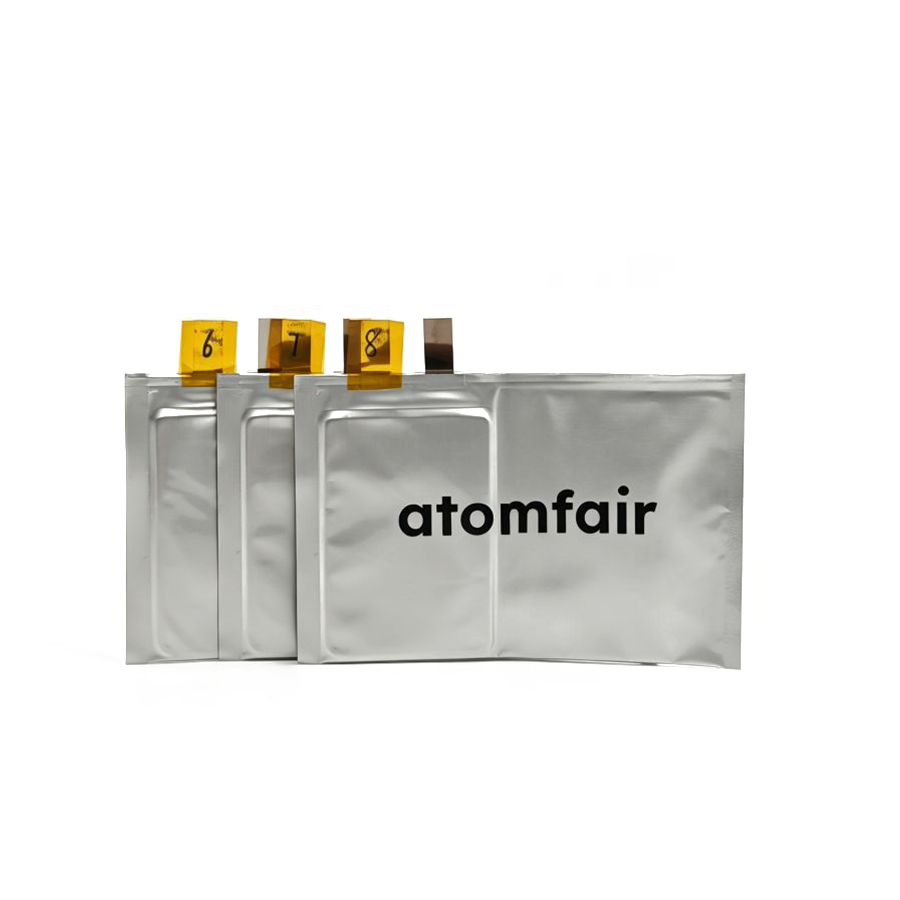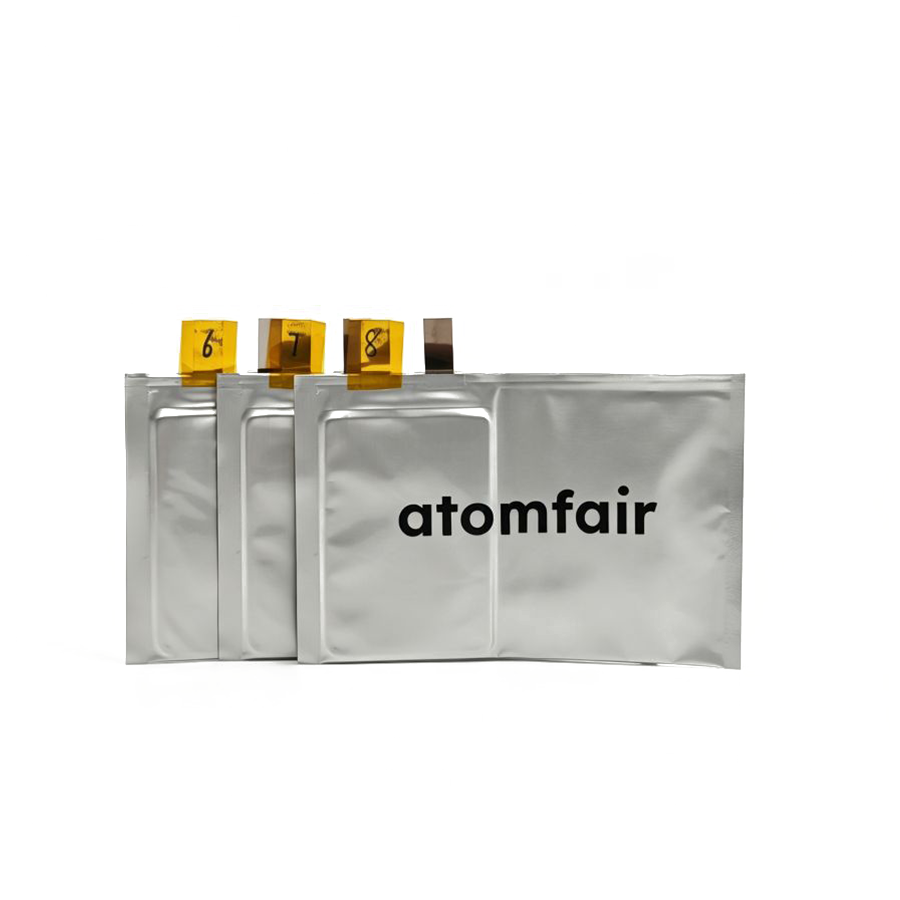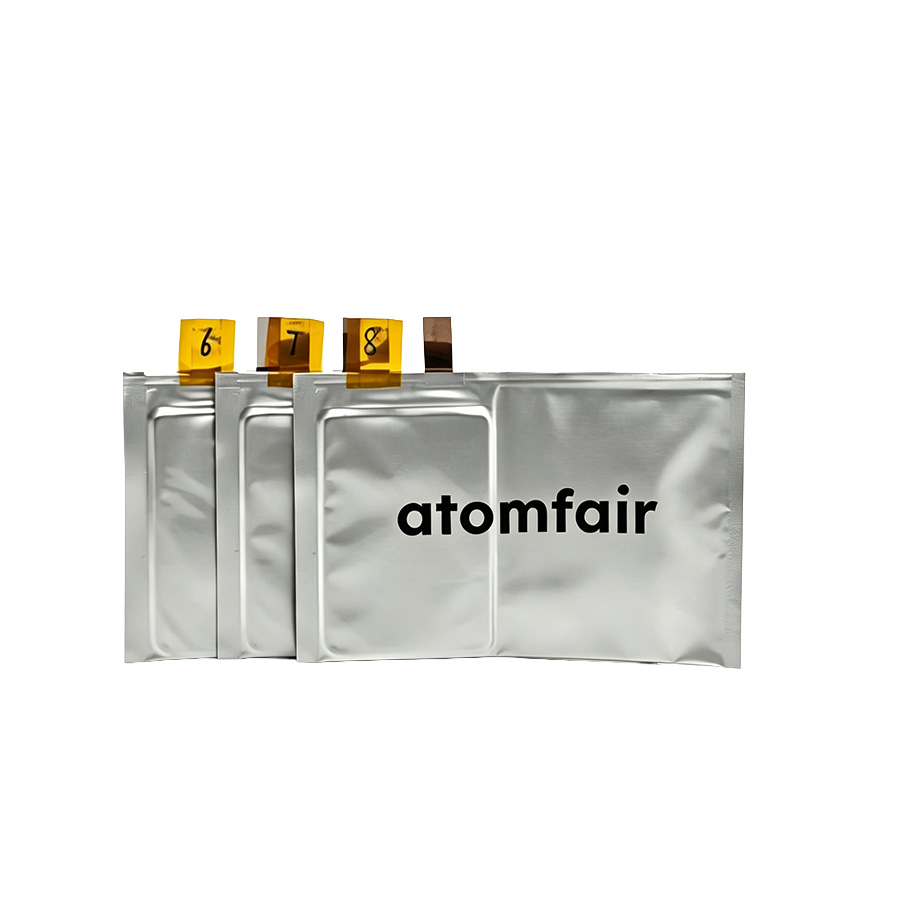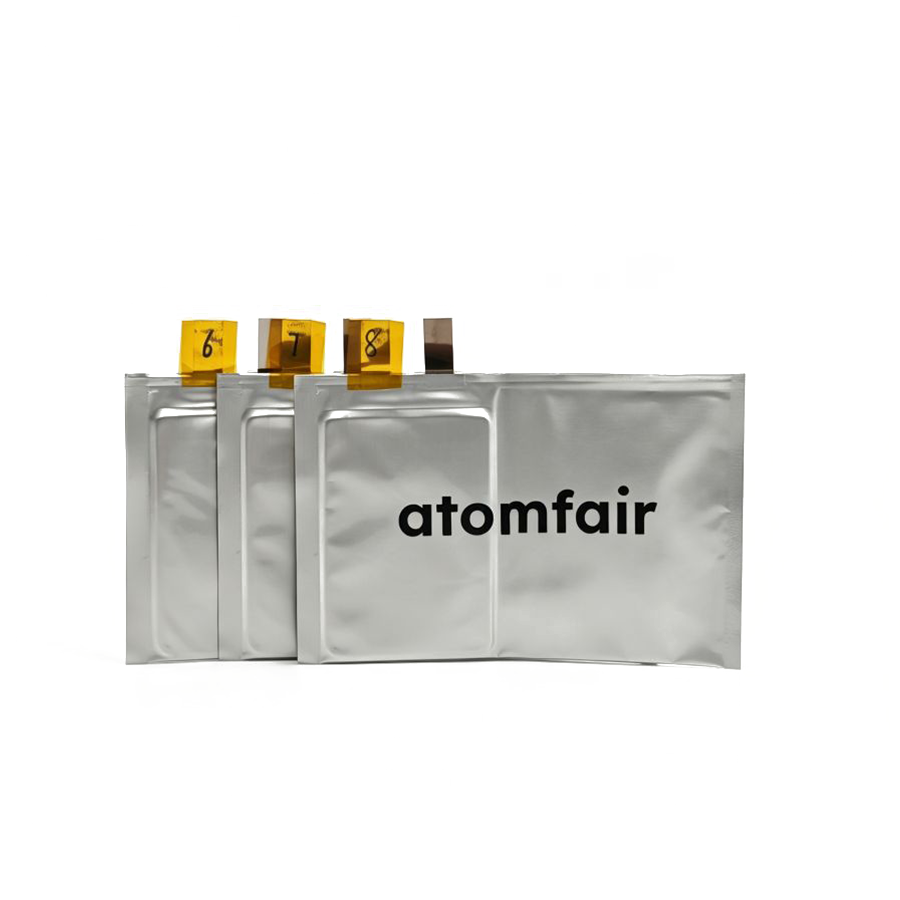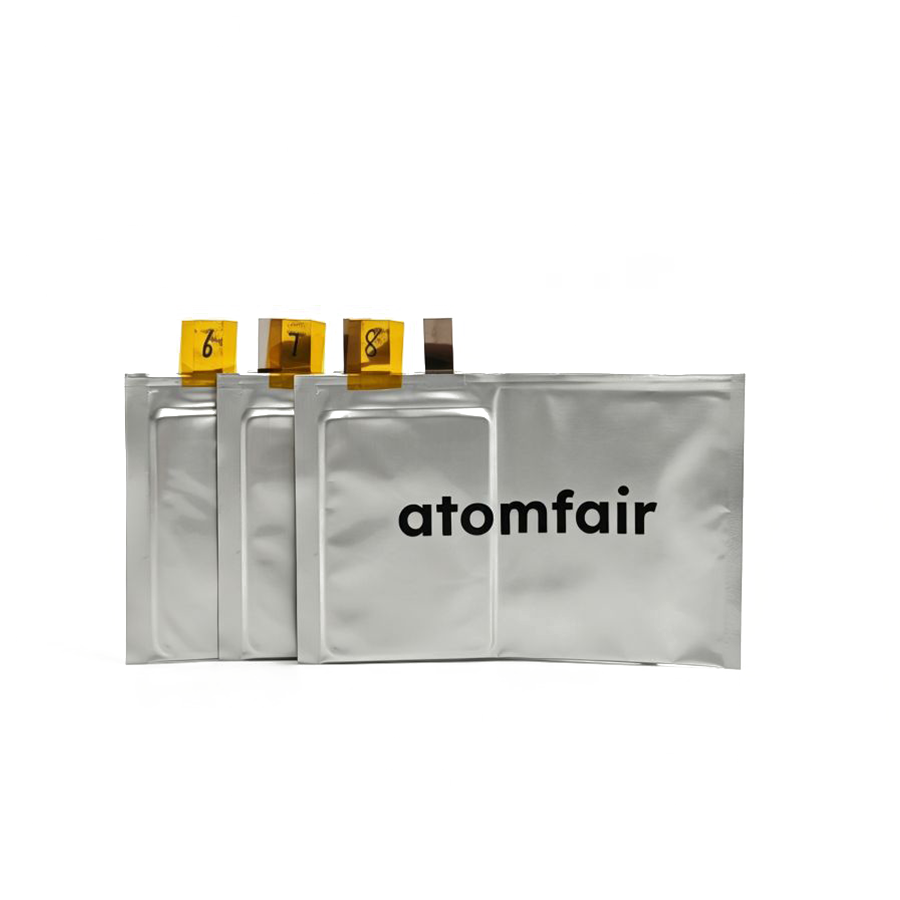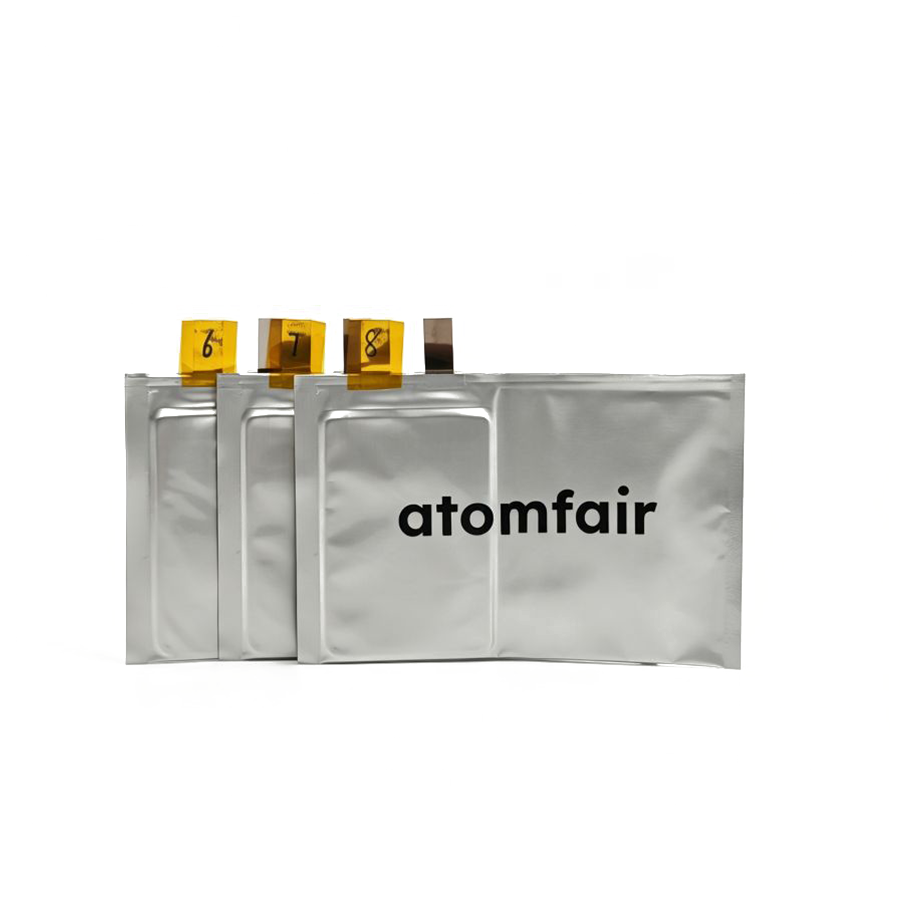
Ni90 Silicon-Carbon 1350 Dry Pouch Cell 1Ah ATOMFAIR®

$99.00

Institutional Procurement & Supply Compliance: As a verified US supplier, Atomfair accepts formal institutional Purchase Orders (POs), contract billing schedules, and custom procurement loops for university and national laboratories, and corporate R&D departments globally.

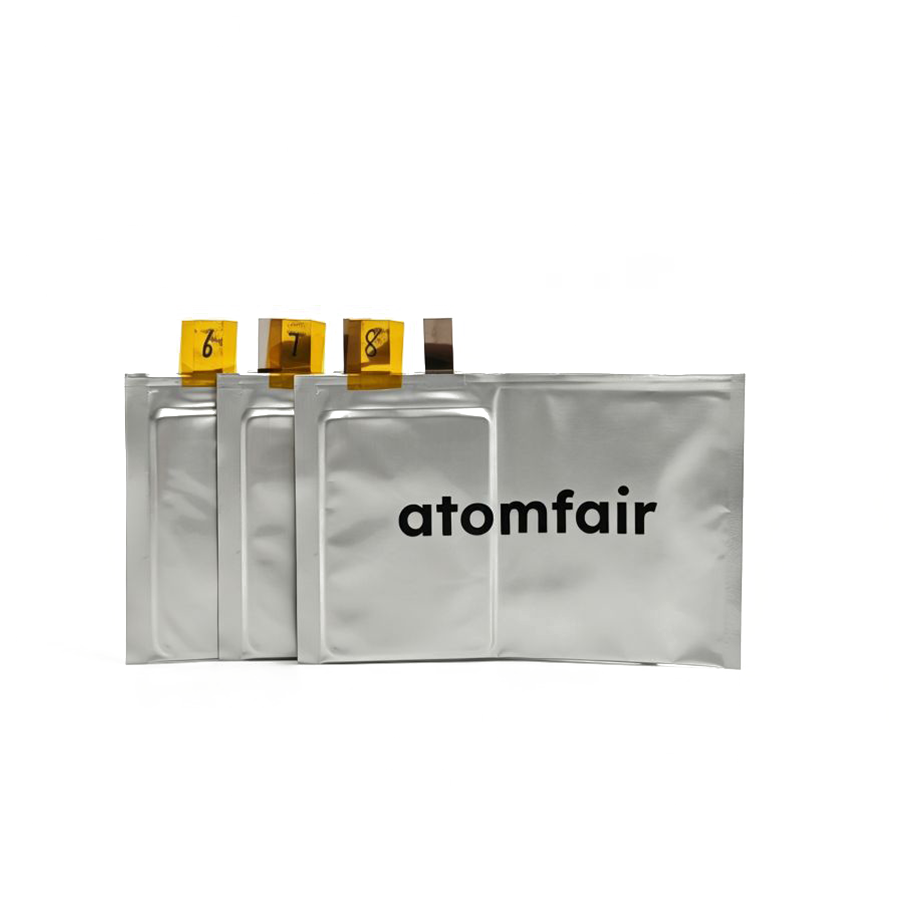
ATOMFAIR® Ni90 SiC1350 dry pouch cell: 1 Ah research-grade platform with Ni0.9Mn0.03Co0.07 cathode. Ideal for solid-state electrolyte investigations. In stock.

Quantity Price
1 – 4 $99.00
5 – 9 $169.95
10 – 19 $149.96
20 – 49 $129.95
50+ $109.95
SKU: AAPO955SICA2A0
Category:
Tags: ,
Brands:

Description

ATOMFAIR NI90 SILICON CARBON 1350 DRY POUCH CELL

RESEARCH GRADE MATERIAL

Product Overview

The ATOMFAIR Ni90 Silicon-Carbon 1350 Dry Pouch Cell is an advanced, electrolyte-free electrochemical platform precision-engineered for cutting-edge solid state electrolyte pouch cell investigations. By eliminating pre-filled liquid chemistry, this premium dry cell integrates an ultra-high capacity Ni0.9Mn0.03Co0.07 cathode stack directly with an engineered SiC1350 composite anode film. This layout provides absolute experimental baseline testing control, completely isolating interfacial degradation behaviors. It serves as an uncompromised validation platform for corporate and academic institutions developing proprietary solid state or customized electrolyte systems while balancing institutional silicon carbon anode battery price requirements.

Technical Specifications

PARAMETER DETAILS
1. Core Device & Electrochemical Design
Cell Architecture Type Dry Pouch Cell Configuration (Electrolyte Unfilled)
Nominal Capacity 1 Ah
Voltage Range 2.3 V × 4.2 V
NP Ratio 1.08
2. Cathode (Positive Electrode) Parameters
Material Type Ni0.9Mn0.03Co0.07 (High Nickel 9-Series)
Active Material Percent 97.4%
Specific Capacity 206 mAh/g
Compaction Density 3.3 g/cc
Coating Areal Density 28.5 mg/cm2
Dimensions 45.5 × 64 mm
3. Anode (Negative Electrode) Parameters
Material Type SiC1350 (Silicon Carbon Matrix)
Active Material Percent 90.3%
Specific Capacity 1350 mAh/g
Compaction Density 1.1 g/cc
Coating Areal Density 5.2 mg/cm2
Dimensions 46.5 × 65 mm
4. Separator & Physical Package Metrics
Separator Specification 12 um PE + 2 um ceramic coating
Stacking Layer Configuration 4/5 Stacked Layer Dry Structure
Manufacturing Rules Processed under strict ISO 9001 compliance standards conditions
Alternative Options Explore our related dry cell catalog or custom layout options. For urgent technical custom dimensions or multi-layer stacking adjustments, please contact our support team.

Key Features & Advantages

  • Unfilled Dry Core Architecture: Delivered vacuum-sealed and completely electrolyte-free, providing researchers full optimization freedom for proprietary liquid, gel, or polymer electrolyte matching.
  • Homogeneous Material Purity: Features an uncompromised structural configuration with highly uniform elemental distribution across the Ni0.9Mn0.03Co0.07 cathode layer.
  • High Kinetic Performance: Advanced 1350 mAh/g silicon-carbon anode pairing significantly boosts interfacial reaction metrics and transfer limits under dry benchmarking.
  • Optimized Multilayer Stacking: Advanced synthesis guarantees seamless grain boundary integration across the 4/5-layer stacked design during cell fabrication.

APPLICATION SCOPE: Custom electrolyte verification testing, high-energy dry pouch cell prototyping, solid-state cell barrier research, and advanced institutional battery materials science R&D.
PACKAGING: Sealed multilayer vacuum aluminum-plastic dry protective pouch with specialized laboratory component tracking validation logs.
IMPORTANT NOTICE: This dry pouch cell is highly sensitive to ambient moisture exposure. Keep vacuum packs completely sealed and handle exclusively within an anhydrous inert gas glovebox environment to prevent contamination or premature degradation before electrolyte injection and cell validation.

Frequently Asked Technical Questions

Why is ATOMFAIR Ni90 Pouch Cell preferred as a solid state electrolyte pouch cell?

ATOMFAIR Ni90 Pouch Cell functions as a premier solid state electrolyte pouch cell for advanced systems. It delivers an ultra-high Ni90 cathode chemistry matched with dense silicon-carbon matrices, significantly boosting performance metrics and phase purity during laboratory testing workflows.

how to prevent moisture degradation in lithium batteries?

To successfully solve how to prevent moisture degradation in lithium batteries without secondary contamination, this material must be handled strictly according to inert gas glovebox storage protocols before thermal processing.

How does ATOMFAIR Ni90 Pouch Cell compare to traditional alternative options regarding operational stability?

Compared to standard alternatives, the optimized matrix of ATOMFAIR Ni90 Pouch Cell incorporates specialized chemical doping. This unique architecture dramatically enhances structural resistance against degradation, preserving long-term validation integrity.

What material processing benefits does the microstructure of ATOMFAIR Ni90 Pouch Cell offer?

Boasting engineered particle structuring and optimized specific surface area, this product offers superior sinterability. The controlled form factor facilitates lower thermal processing thresholds and promotes ideal grain boundary integration during cell fabrication.

How is the phase purity and quality control of this research-grade batch validated?

Every competitive batch undergoes rigid analytical quality validation testing. Total elemental and metallic impurities are strictly regulated below strict industry thresholds to eliminate parasitic electronic leakage and maintain uncompromised data reproducibility.
TAILORED SOLUTIONS FOR RESEARCH
Contact our engineering team for technical support or official institutional quotations.
EMAIL: inquiry@atomfair.com
Manufacturer: Atomfair LLC
Brand: ATOMFAIR

Store the dry pouch cell in a dry, inert atmosphere to prevent moisture absorption and electrode oxidation. Avoid physical damage, short circuits, and exposure to temperatures above 60°C to maintain cell integrity.

  • Environmental Storage: Store in a moisture-free environment with temperature between 15°C and 30°C to preserve electrode stability.
  • Safety Handling: Handle with insulated tools and avoid contact with conductive surfaces to prevent accidental electrical discharge.
  • Degradation Risk: Silicon-carbon anodes are prone to swelling and capacity fade if exposed to humid air prior to electrolyte filling.

This procedure outlines the safe handling and electrolyte filling steps for the dry pouch cell. All steps must be performed in an inert atmosphere glovebox to prevent contamination.

Required Equipment: Argon-filled glovebox, Electrolyte dispensing syringe, Vacuum sealer

  1. Inspect
    Inspect the dry pouch cell for any physical defects or damage before handling.
  2. Transfer to Glovebox
    Transfer the cell into an inert atmosphere glovebox with low moisture and oxygen content.
  3. Inject Electrolyte
    Inject a measured volume of electrolyte into the pouch cell through the pre-sealed fill port.
  4. Vacuum Seal
    Vacuum seal the pouch under controlled pressure to ensure complete wetting of the electrodes.
  5. Rest and Equilibrate
    Allow the filled cell to rest for at least 12 hours to achieve electrolyte distribution and equilibrium.

How does the high specific capacity of the SiC1350 anode (1350 mAh/g) affect cycle life and mechanical integrity in this dry pouch cell configuration?

The SiC1350 anode delivers 1350 mAh/g specific capacity with a compaction density of 1.1 g/cc, enabling high energy density but introducing significant volume expansion during lithiation. This mechanical stress can degrade the electrode structure over cycling; however, the dry pouch cell design allows researchers to isolate and study electrolyte-specific mitigation strategies without interference from pre-filled liquid chemistry.

Can the ATOMFAIR Ni90 Silicon Carbon 1350 dry pouch cell be directly paired with solid-state electrolytes, and what voltage constraints must be considered?

Yes, the cell is designed as an electrolyte-free platform for solid-state electrolyte investigations, featuring an ultra-high capacity Ni0.9Mn0.03Co0.07 cathode (cathode areal density 28.5 mg/cm²) and a SiC1350 composite anode (anode areal density 5.2 mg/cm²) with an NP ratio of 1.08. The operating voltage window is 2.3 V to 4.2 V, which must be matched to the electrochemical stability window of the solid electrolyte to prevent decomposition.

What handling and assembly conditions are required for the ATOMFAIR Ni90 Silicon Carbon 1350 dry pouch cell before electrolyte infusion?

Since the cell is supplied electrolyte-free and unfilled, it must be assembled and infused with electrolyte in a moisture-controlled environment, typically an argon-filled glovebox (<0.1 ppm H2O and O2). The dry electrodes and 12 µm PE separator with 2 µm ceramic coating are sensitive to atmospheric moisture and oxygen, which can cause parasitic reactions and degrade performance before testing begins.

This 1 Ah dry pouch cell integrates a high-nickel NMC cathode (206 mAh/g) with a SiC1350 anode (1350 mAh/g) in a 4/5 stacked configuration, designed for solid-state electrolyte benchmarking with full interfacial control.

Positive

  • Ultra-high anode specific capacity: The SiC1350 anode delivers 1350 mAh/g, enabling high-energy-density cell designs for advanced solid-state electrolyte research.
  • Electrolyte-free baseline control: As a dry pouch cell without pre-filled electrolyte, it allows precise isolation of interfacial degradation phenomena when testing proprietary electrolytes.

Trade-offs

  • Requires electrolyte filling before use: The cell is supplied unfilled, necessitating that the researcher integrate electrolyte injection into their workflow and manage wetting protocols.
  • Cathode-anode dimensional mismatch: The cathode (45.5×64 mm) and anode (46.5×65 mm) have different dimensions, requiring careful alignment during stacking to avoid misalignment artifacts.

Every advanced material, component, equipment, and instrument in our catalog is backed by rigorous testing. We maintain strict internal quality management frameworks and align with CE conformity metrics to deliver transparent, reproducible performance data via our public open-science repository.

To request raw batch performance data, submit formal vendor registration paperwork, or execute a fast-turnaround R&D manufacturing loop, contact us at inquiry@atomfair.com.

Item is dispatched under the Atomfair Shipping & Delivery Framework (Free worldwide shipping on orders over $59 USD). Return is governed by the Atomfair Return & Refund Policy (7-day technical return window).
Additional information

Weight 0.3 kg
Dimensions 23 × 15 × 3 cm