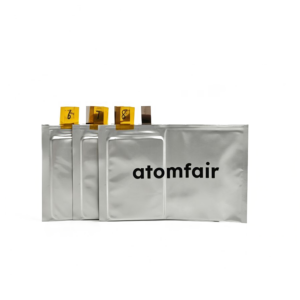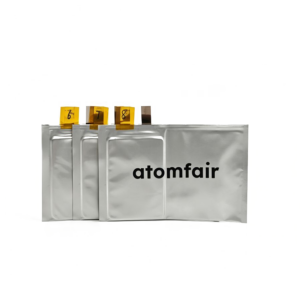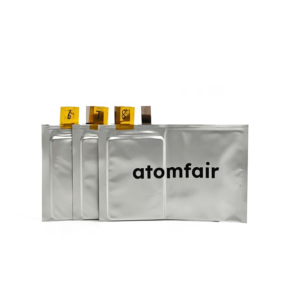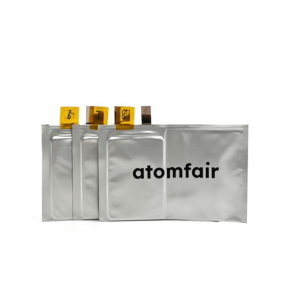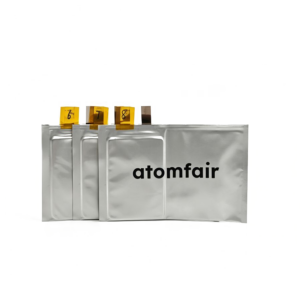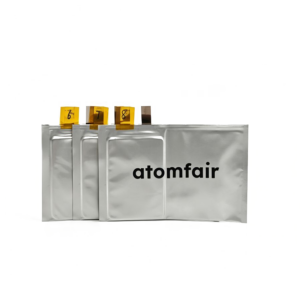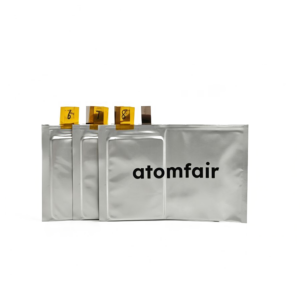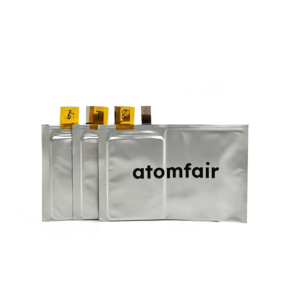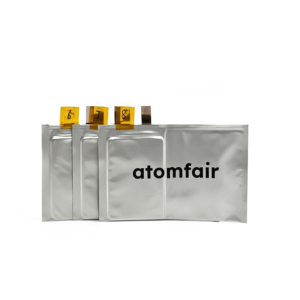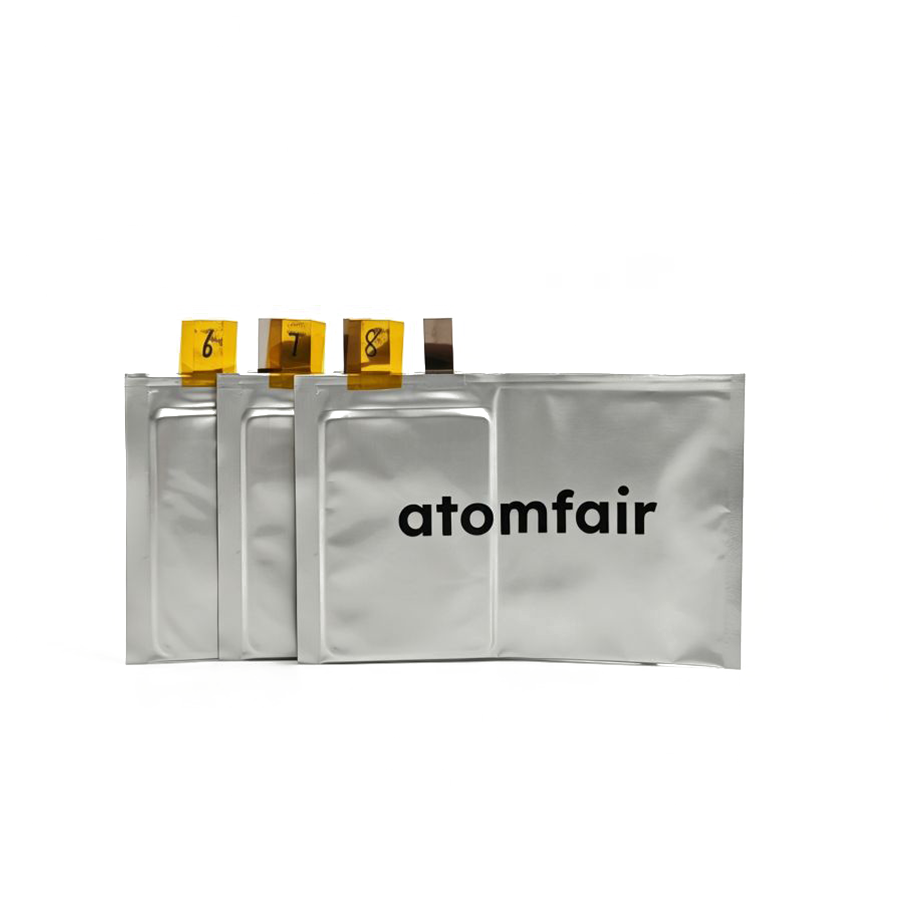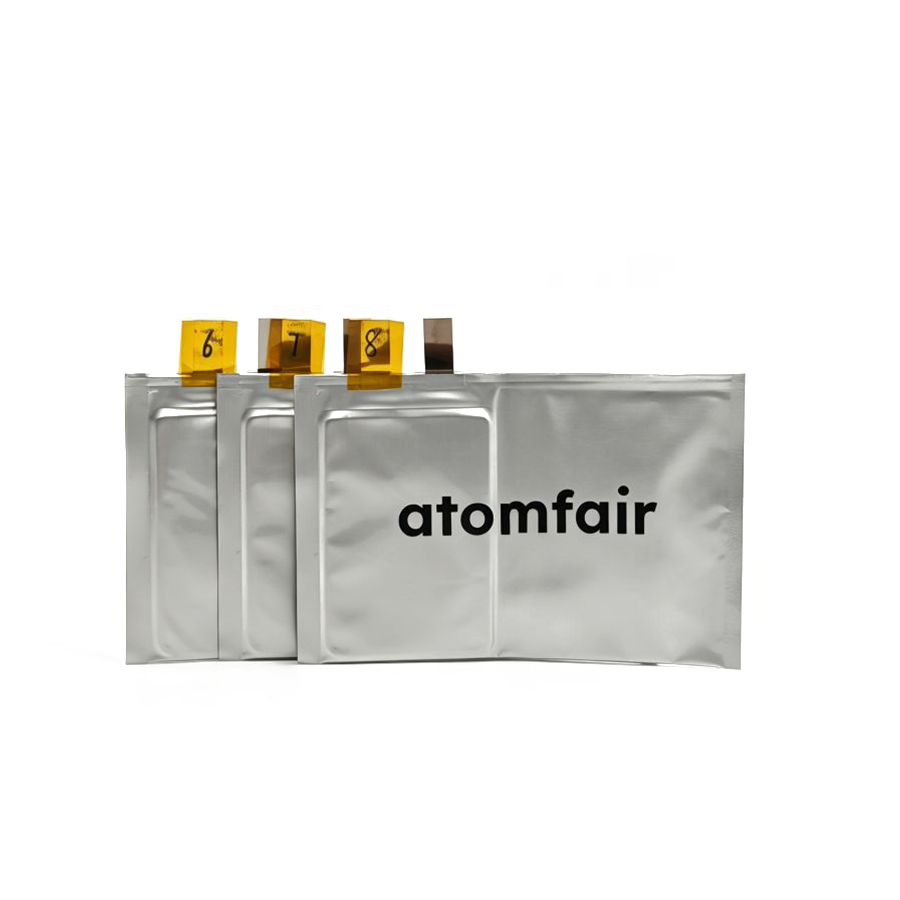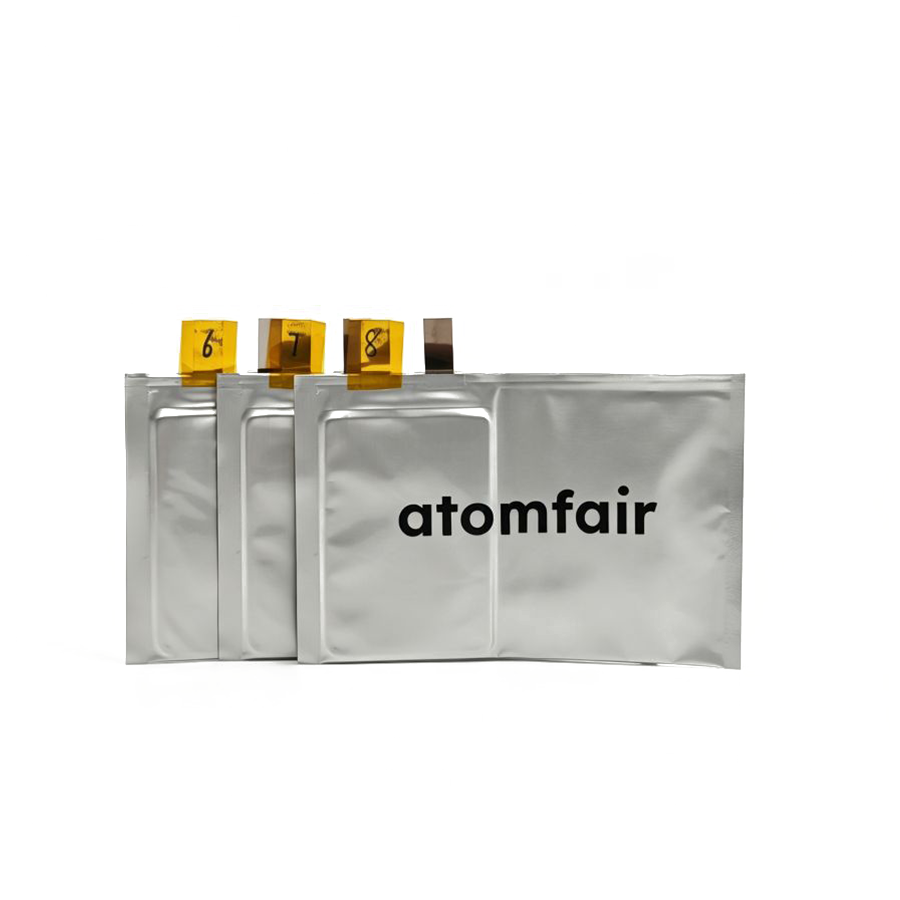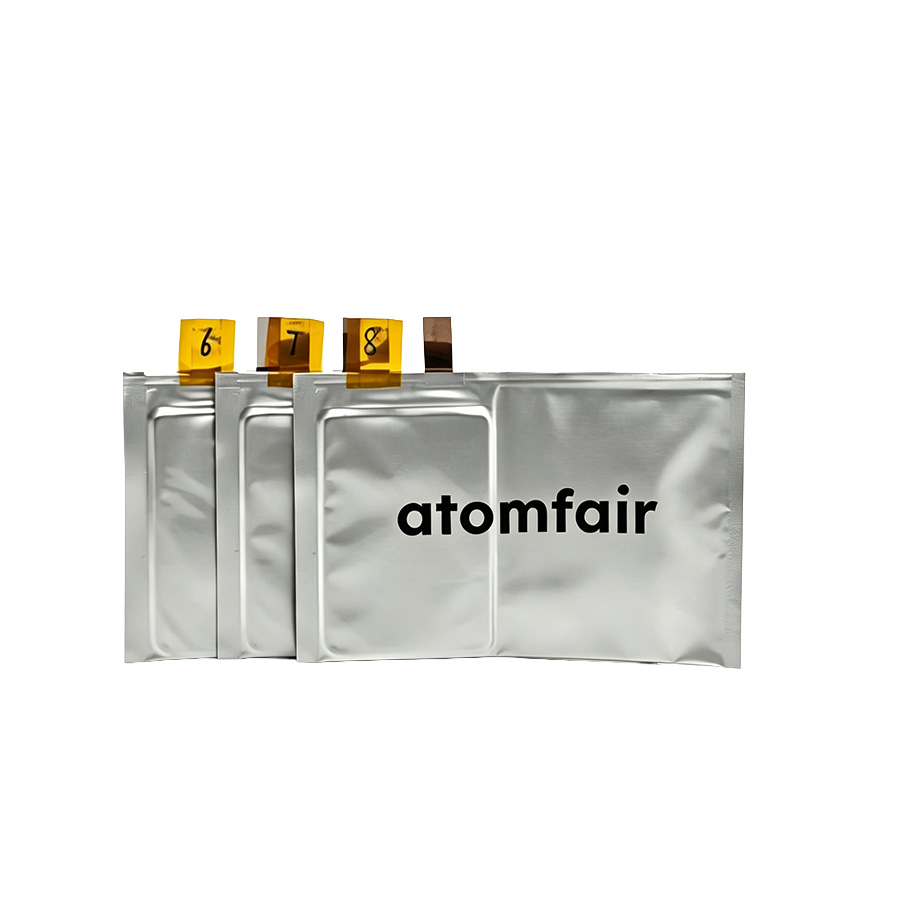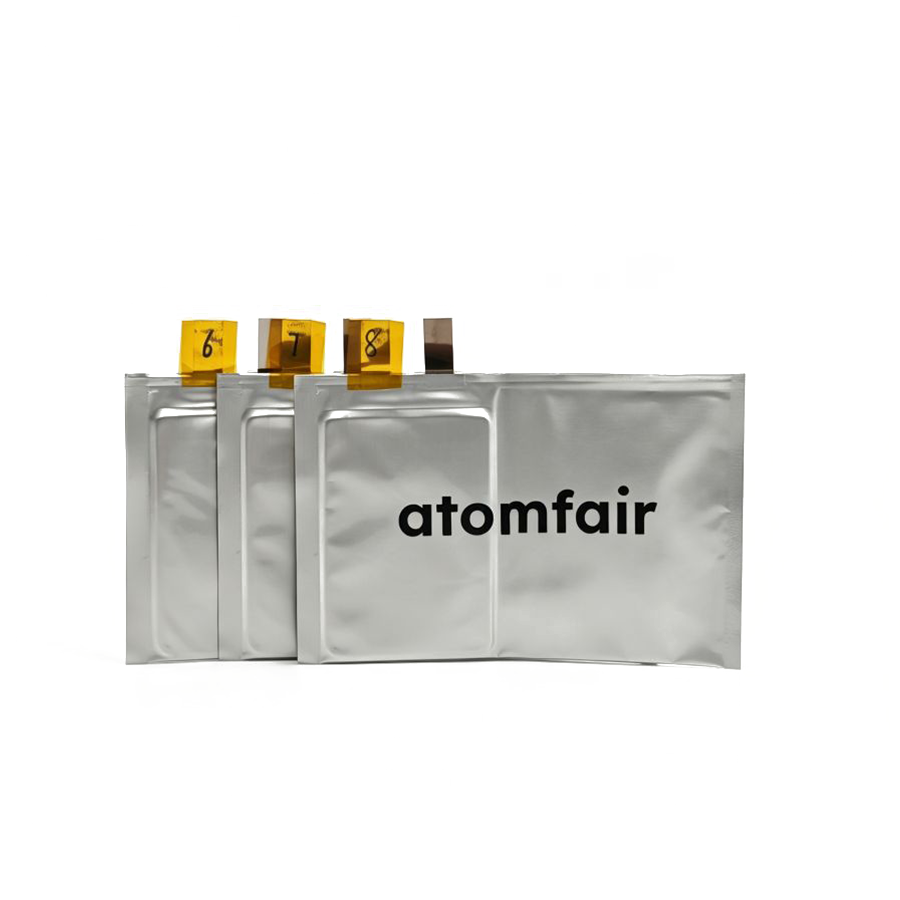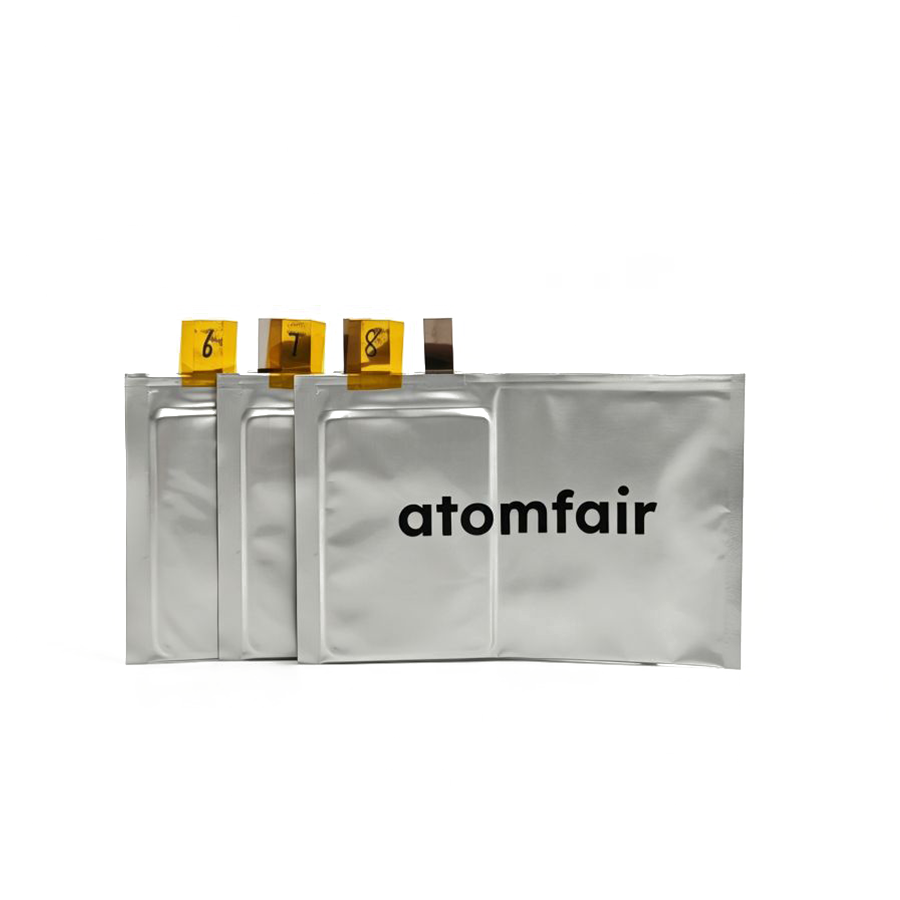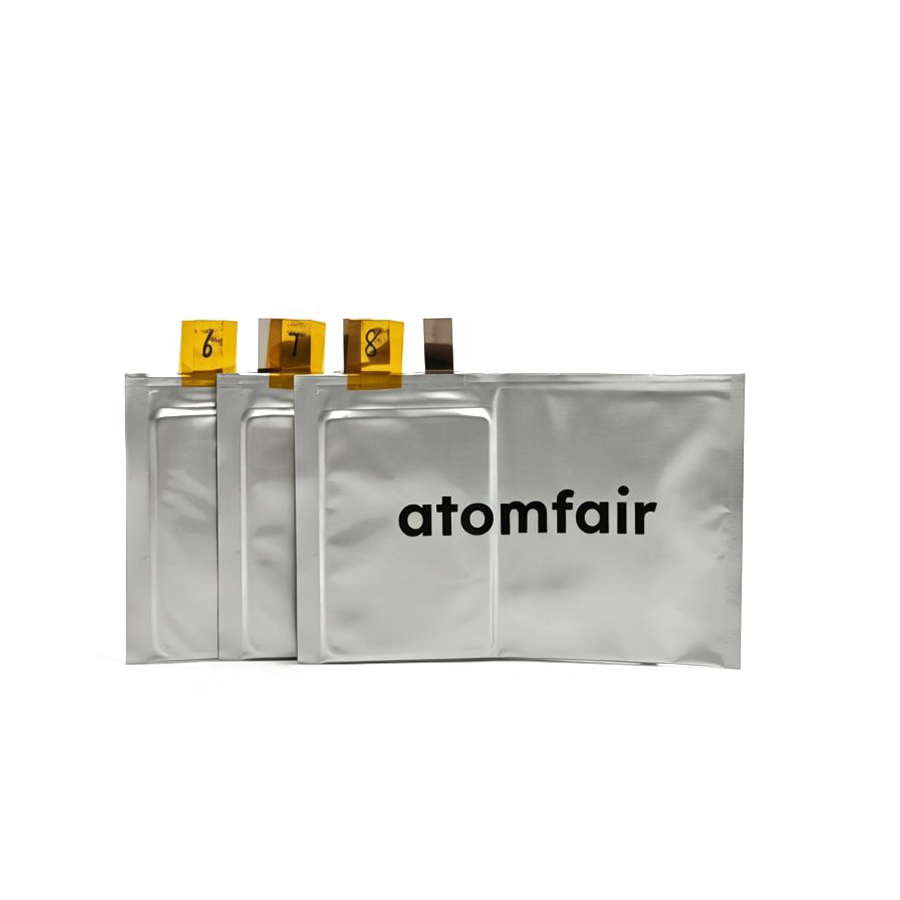
NCM811 Fast-Charging Dry Pouch Cell 1.12 Ah ATOMFAIR®

$2,449.00

Institutional Procurement & Supply Compliance: As a verified US supplier, Atomfair accepts formal institutional Purchase Orders (POs), contract billing schedules, and custom procurement loops for university and national laboratories, and corporate R&D departments globally.

Research grade NCM811 dry pouch cell with 1.12 Ah capacity and 2.75-4.2V window. Designed for fast-charging studies with graphite anode. Order now.

SKU: AFMSVIUB486
Category:
Tags:
Brands:

Description

ATOMFAIR 1.12 Ah NCM811 Fast-Charging Graphite Dry Pouch Cell

RESEARCH GRADE CELL ARCHITECTURE

Product Overview

Engineered for advanced energy storage exploration, this premium un-functionalized fast-charging ultra-high nickel NCM811 vs. graphite dry pouch cell serves as a high-fidelity benchmarking matrix for state-of-the-art electrochemical validation. Assembled without liquid electrolyte infusion via a precise 9/10 laminated multi-layer stack layout, it uniquely pairs an elite-capacity 205 mAh/g cathode with an advanced high-rate 345 mAh/g crystalline graphite anode host matrix. This stable fast-charging configuration establishes an absolute baseline to successfully drive variable elimination during critical fast-charge electrolyte formulation verification, localized polarization growth modeling, and rapid kinetic screening platforms. Secure optimal institutional high nickel dry pouch cell price points for scaled laboratory research.

Technical Specifications

PARAMETER DETAILS
1. Core Device & Device Level Design
Design Capacity Configuration 1.12 Ah (Nominal high-rate baseline target after activation)
Target Voltage Operating Window 2.75 V – 4.2 V (Fast-Charging Cutoff Control Tracking)
Negative-to-Positive Capacity Ratio (NP) 1.130 (Highly regulated fast-charge safety balancing)
Internal Lamination Stack Matrix 9 / 10 Coated Multilayer Electrodes Arrangement
Separator Film Metric 12 μm PE + 2 μm Al²O³ Ceramic Protective Coating Layer
2. Cathode (Positive Electrode) Parameters
Active Material Chemistry NCM 811 (Ultra-High Nickel Layered Matrix Crystals)
Cathode Active Mass Fraction 95.7%
Cathode Baseline Specific Capacity 205 mAh/g
Electrode Compaction Density 3.4 g/cc
Single-Side Coating Areal Density 11 mg/cm²
Positive Electrode Geometric Footprint 45.5 mm * 64 mm
3. Anode (Negative Electrode) Parameters
Active Material Chemistry Gr (Fast-Charging Type Artificial / Natural Crystalline Graphite)
Anode Active Mass Fraction 95.5%
Anode Baseline Specific Capacity 345 mAh/g
Electrode Compaction Density 1.45 g/cc
Single-Side Coating Areal Density 7.4 mg/cm²
Negative Electrode Geometric Footprint 46.5 mm * 65 mm
Manufacturing Rules Processed under strict RoHS compliant standard conditions
Alternative Options Explore our related catalog or custom dimensions. For urgent technical custom requests or bulk inquiries, please contact our support team.


Key Features & Advantages

  • Highly Targeted 1.13 Fast-Charge NP Balancing: Precision structural calculations effectively protect against high-rate localized lithium plating risks on the graphite boundaries, guaranteeing highly repeatable fast-charging kinetic profiles.
  • Low-Polarization Anode Engineering: Tailored fast-charging host graphite matrix (1.45 g/cc density) minimizes solid-state diffusion paths, driving supreme rate deliverables under high current densities.
  • Advanced Ceramic Separator Shield: Integrates a composite 12 μm PE + 2 μm ceramic layer film to deliver outstanding thermal safety limits under accelerated charging thermal surges.

APPLICATION SCOPE: High-rate liquid electrolyte solution testing, rapid kinetic film-forming additive verification, high-nickel fast-charging cell optimization, and multi-layer laminated cell parameter validation.
PACKAGING: Vacuum-sealed securely within premium multi-layer barrier laminate pouches to protect un-infused crystalline core lattices from ambient atmospheric contamination.
IMPORTANT NOTICE: High-nickel un-filled active cell assemblies display supreme chemical affinity to room ambient humidity. Keep all packaging completely sealed until execution. Vacuum thermal baking, final edge trimming, liquid electrolyte injection, and seal closure workflows must be processed strictly inside anhydrous inert-gas glovebox environments to suppress internal phase degradation or short-circuit failures.

Frequently Asked Technical Questions

Why is ATOMFAIR 1.12 Ah NCM811 Fast-Charging Graphite Dry Pouch Cell preferred for liquid electrolyte R&D?

The ATOMFAIR 1.12 Ah NCM811 Fast-Charging Graphite Dry Pouch Cell functions as a premier solution for advanced fast-charging cell benchmarking. It delivers a highly controlled 1.12 Ah un-functionalized platform integrating a high-rate NCM811 cathode with a fast-charging crystalline graphite anode, significantly boosting performance metrics and phase purity during laboratory testing workflows.

How to prevent nickel rich dry cell moisture contamination?

To successfully solve how to prevent nickel rich dry cell moisture contamination without secondary contamination, this material must be handled strictly according to inert gas glovebox storage protocols before thermal processing.

What operational stability advantages does this fast-charging NCM811 vs. Graphite dry cell provide under rapid kinetic testing?

Compared to standard setups, the optimized matrix of this product incorporates a highly advanced fast-charging host intercalation framework (Gr). This unique configuration lowers internal polarization during rapid ion migration, providing a highly reliable baseline field up to a 4.2V cutoff to evaluate fast-charging commercial electrolyte additives and rate kinetics.

What electrochemical testing benefits do the baseline metrics of this NCM811 configuration offer?

Boasting engineered particle structuring (Cathode: 205 mAh/g | Anode: 345 mAh/g) and optimized compaction properties, this product offers superior sinterability. The controlled form factor facilitates lower thermal processing thresholds and promotes ideal grain boundary integration during cell fabrication.

How is the phase purity and quality control of this research-grade multi-layer batch validated?

Every competitive batch undergoes rigid analytical quality validation testing. Total elemental and metallic impurities are strictly regulated below strict industry thresholds to eliminate parasitic electronic leakage and maintain uncompromised data reproducibility.

TAILORED SOLUTIONS FOR RESEARCH
Contact our engineering team for technical support or official institutional quotations.
EMAIL: inquiry@atomfair.com

Manufacturer: Atomfair LLC
Brand: ATOMFAIR®

This dry pouch cell requires electrolyte filling under controlled conditions to activate. The voltage must be strictly limited to the 2.75 V – 4.2 V window to prevent safety hazards and capacity loss.

  • Electrolyte Filling Requirement: The cell must be filled with liquid electrolyte before activation, as it is assembled without electrolyte infusion.
  • Voltage Operating Limits: Maintain charging voltage at or below 4.2 V and avoid discharge below 2.75 V to ensure safe operation and prevent degradation.

How does the NP ratio of 1.130 affect fast-charge performance and cycle life in this NCM811 dry pouch cell?

The NP ratio of 1.130 is deliberately regulated for fast-charge safety balancing, ensuring excess anode capacity (345 mAh/g) relative to cathode capacity (205 mAh/g) to mitigate lithium plating risk during high-rate charging. This trade-off slightly reduces overall energy density but provides the kinetic headroom necessary for stable, rapid cycling and variable elimination in electrolyte formulation studies.

What electrolyte system is required to activate this dry pouch cell and achieve the specified 1.12 Ah capacity?

This cell is delivered as an un-functionalized dry assembly without liquid electrolyte infusion, so the user must select and fill an appropriate electrolyte. The cell is optimized for fast-charge electrolyte formulation verification, meaning the electrolyte must be compatible with the NCM811 cathode, graphite anode, and 2.75–4.2 V window to reach the nominal 1.12 Ah high-rate baseline after activation.

What storage and handling conditions are required for this dry pouch cell prior to electrolyte filling?

The dry pouch cell must be stored in a moisture-free environment, such as an argon-filled glovebox or a dry room with dew point below -40°C, to prevent degradation of the NCM811 cathode and graphite anode. The 12 μm PE + 2 μm Al₂O₃ ceramic separator provides some moisture barrier, but extended ambient exposure will compromise surface chemistry and baseline performance.

This dry NCM811 vs. graphite pouch cell, with a 1.12 Ah nominal capacity and regulated NP ratio of 1.130, provides a stable baseline for fast-charge electrolyte verification and polarization modeling studies. Its un-functionalized design necessitates in-house electrolyte filling and precise handling of the 9/10 multilayer electrode stack.

Positive

  • Dry Pouch Cell for Electrolyte Customization: Supplied without electrolyte infusion, this dry pouch cell allows researchers to precisely control electrolyte formulation, enabling systematic study of fast-charge electrolyte effects and elimination of cell-to-cell variability.
  • High-Activity Electrode Architecture: With a cathode active mass fraction of 95.7% and anode 95.5%, combined with a regulated NP ratio of 1.130, the cell provides a high-fidelity platform for studying fast-charge kinetics and polarization growth.

Trade-offs

  • Requires Electrolyte Filling and Activation: Shipped as a dry cell without electrolyte infusion, this product necessitates in-house electrolyte filling and first-cycle activation steps, demanding appropriate glovebox infrastructure and expertise.
  • Delicate Multi-Layer Stack Handling: The 9/10 coated multilayer electrode arrangement with thin 12 μm PE + 2 μm ceramic separator requires careful handling during electrolyte filling and cell assembly to avoid mechanical damage or short circuits.

Every advanced material, component, equipment, and instrument in our catalog is backed by rigorous testing. We maintain strict internal quality management frameworks and align with CE conformity metrics to deliver transparent, reproducible performance data via our public open-science repository.

To request raw batch performance data, submit formal vendor registration paperwork, or execute a fast-turnaround R&D manufacturing loop, contact us at inquiry@atomfair.com.

Item is dispatched under the Atomfair Shipping & Delivery Framework (Free worldwide shipping on orders over $59 USD). Return is governed by the Atomfair Return & Refund Policy (7-day technical return window for completely unopened items).

Additional information

Weight 0.3 kg
Dimensions 23 × 15 × 3 cm