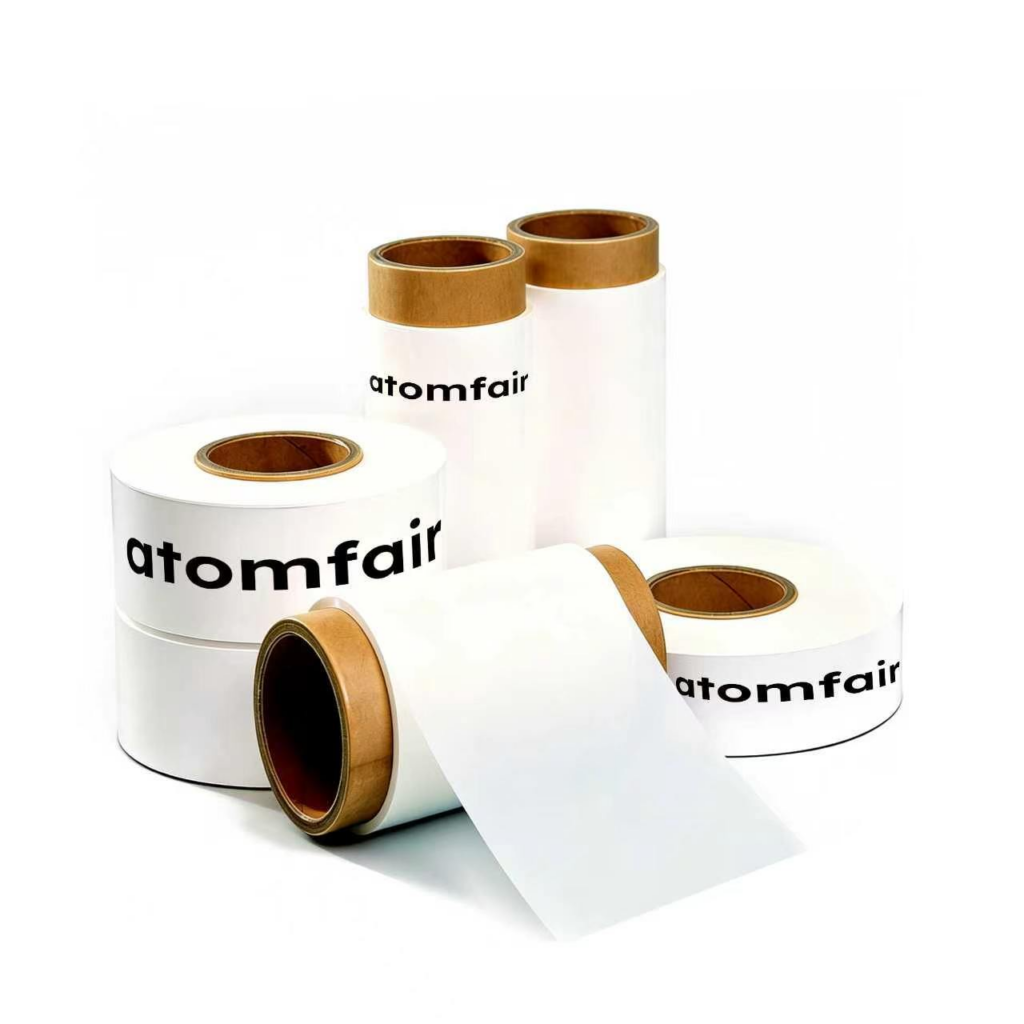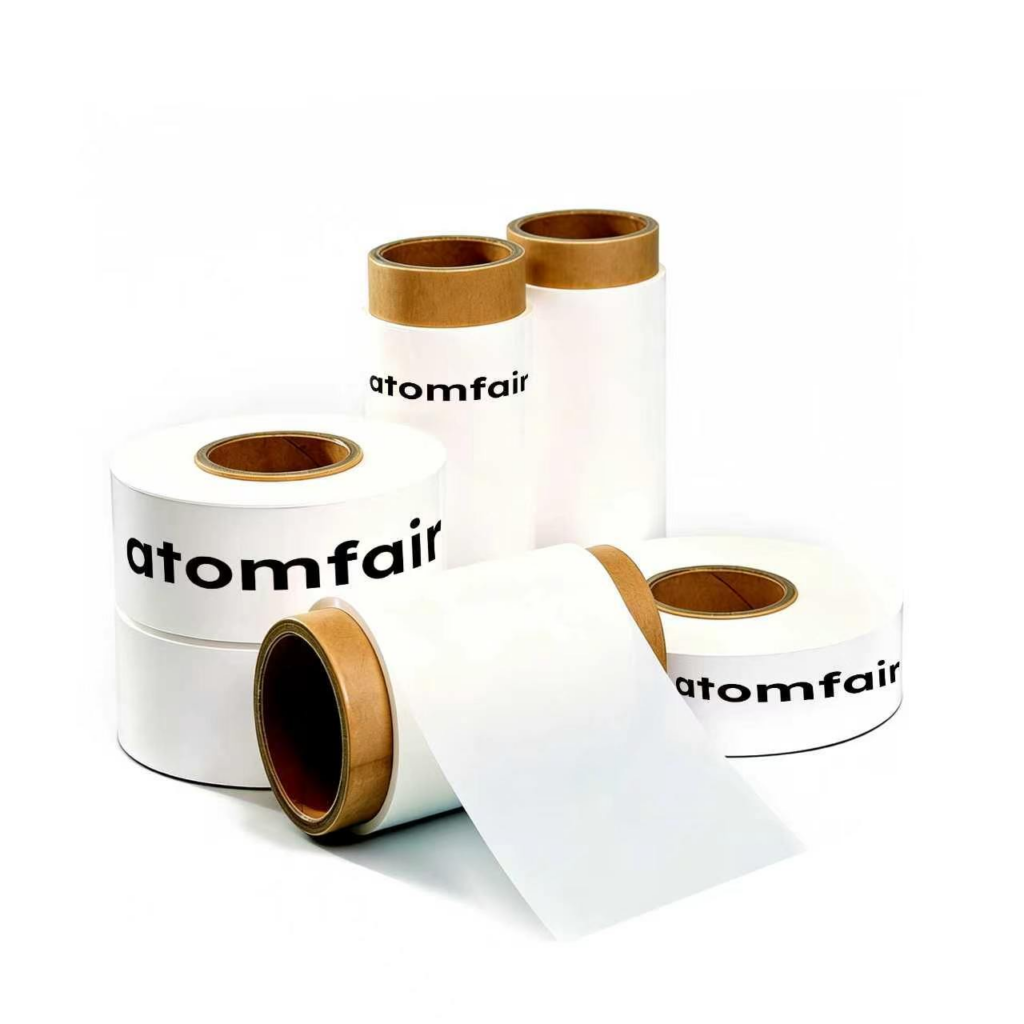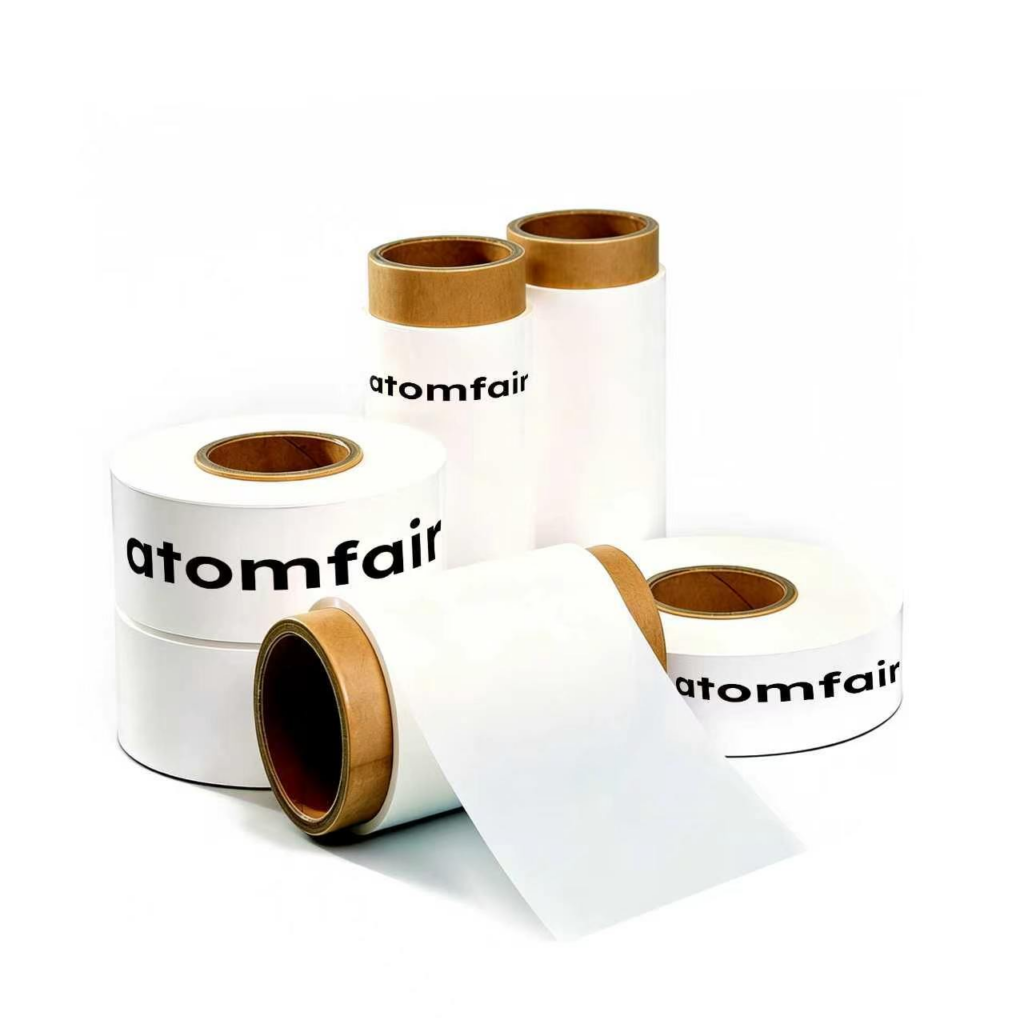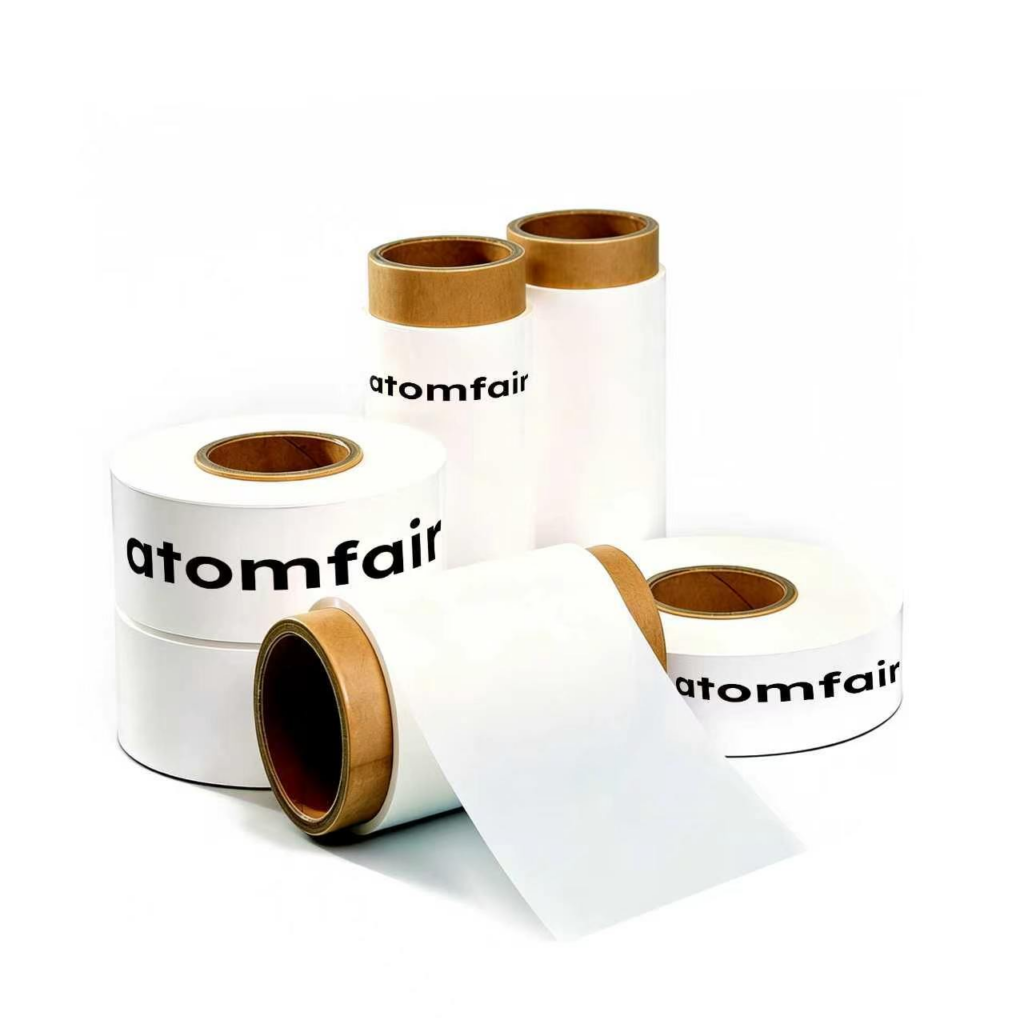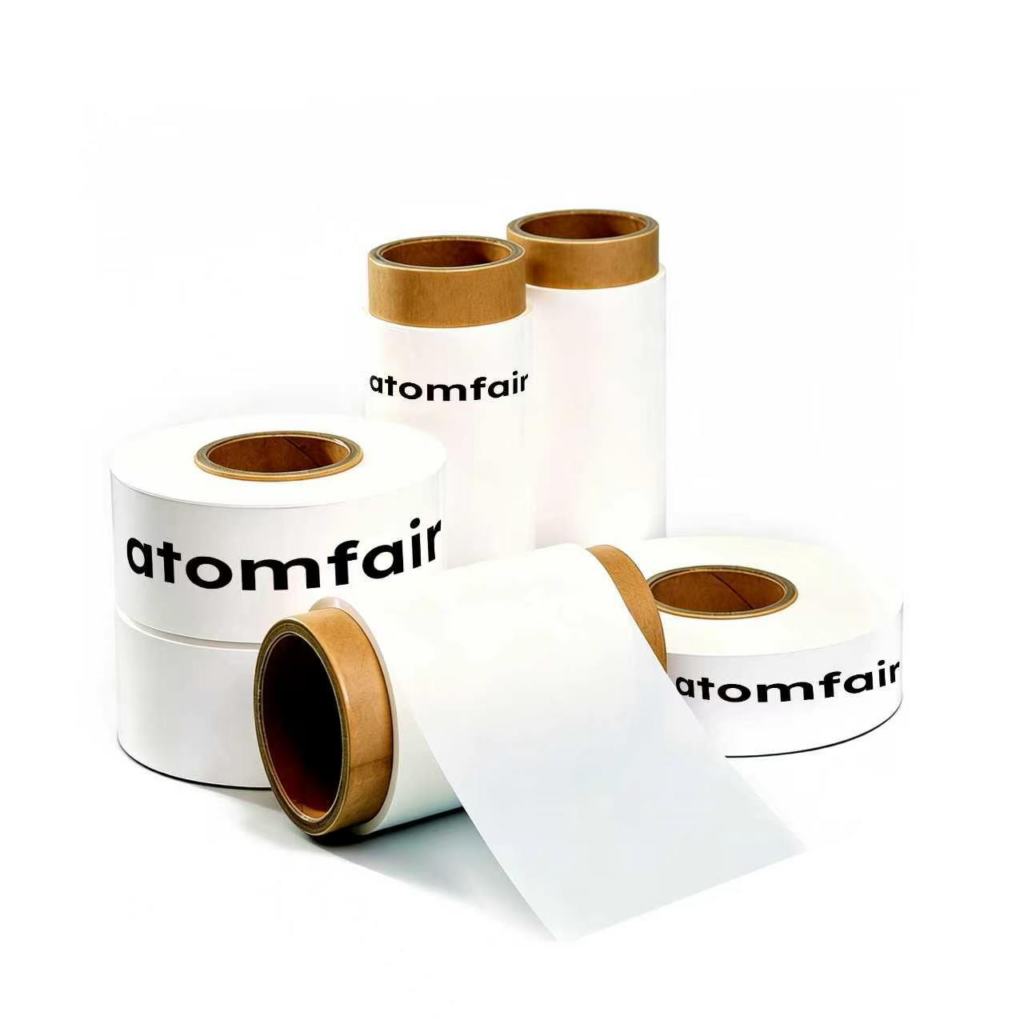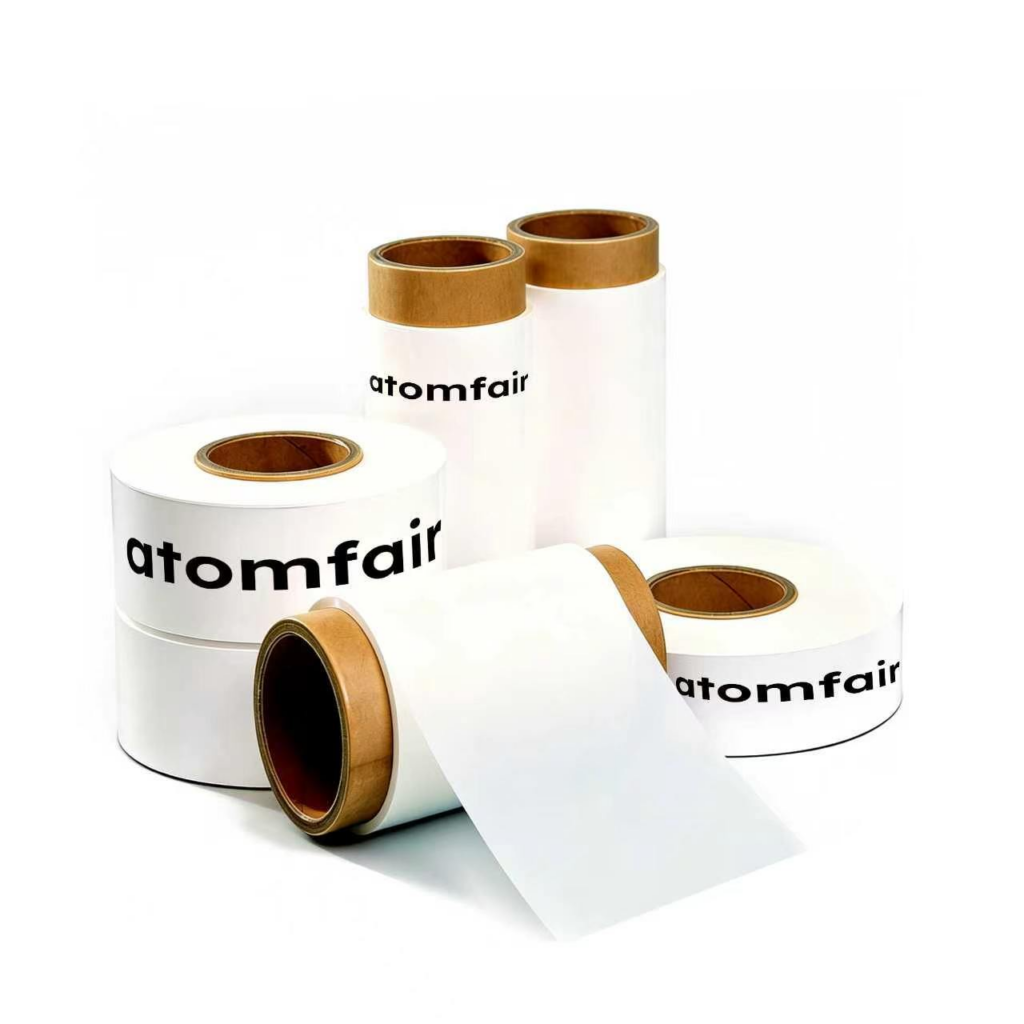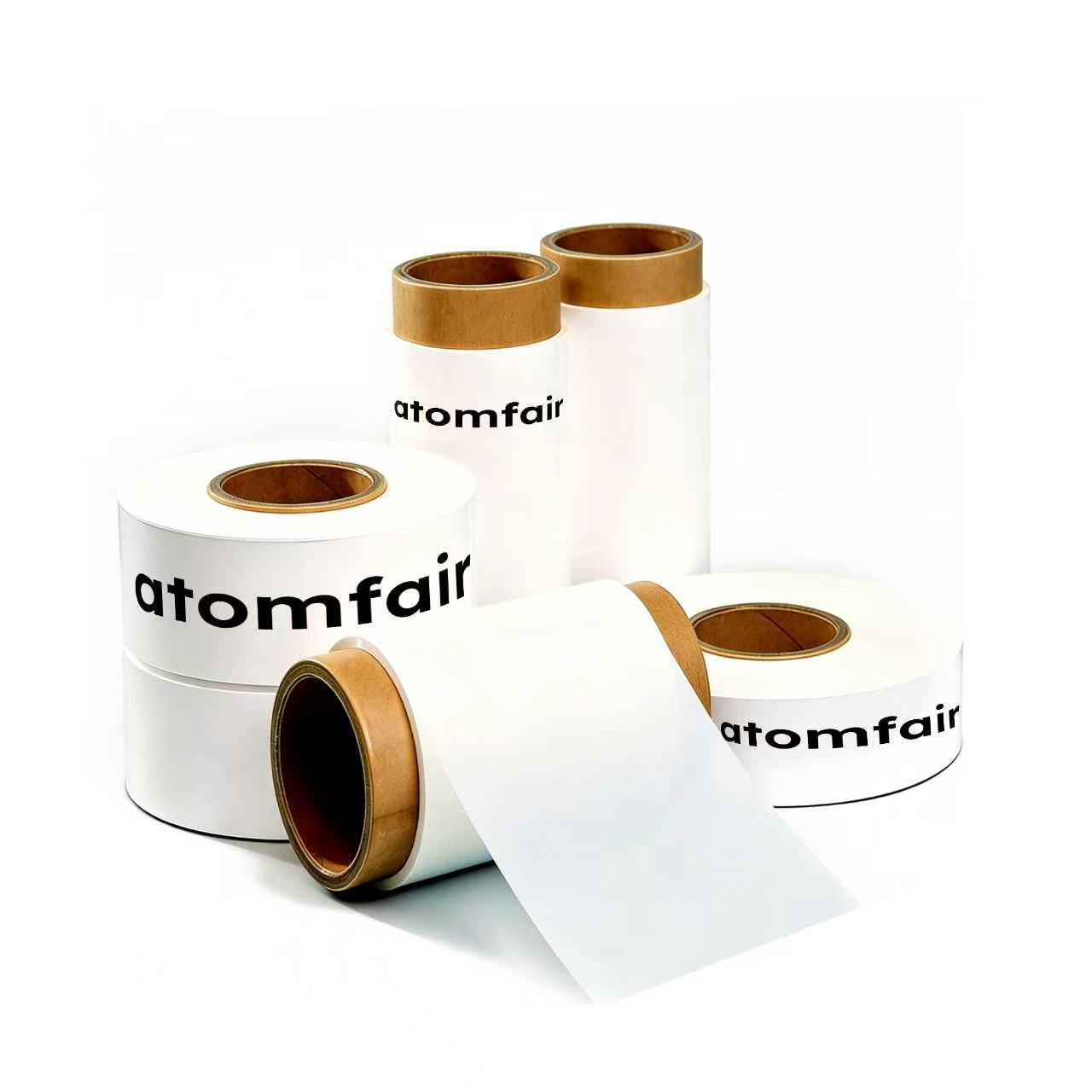
ATOMFAIR® PVDF COATED SEPARATORRESEARCH GRADE MATERIAL
|
||
|
|
|
|
This PVDF-coated separator must be stored in a cool, dry environment to maintain material properties and prevent contamination. The coating offers chemical resistance against common battery electrolytes and thermal stability for safe operation.
- Storage Environment: Store the separator in a cool, dry environment to prevent moisture-induced degradation.
- Chemical Compatibility: The PVDF coating provides resistance to solvents and chemicals, but verify compatibility with specific electrolyte formulations.
- Mechanical Integrity: Ensure careful handling during assembly to avoid mechanical damage such as punctures or tears that could compromise battery safety.
- Thermal Limits: Operate the separator within its thermal stability range to avoid shrinkage, deformation, or loss of ionic conductivity.
How does the 2 μm PVDF coating on each side of a 12 μm base separator influence ionic conductivity and mechanical puncture resistance in lithium-ion battery cells?
The PVDF coating provides high ionic conductivity to facilitate efficient ion transport while simultaneously enhancing mechanical strength to minimize puncture or tearing risks. The 12+2+2 μm architecture balances a relatively thin base layer with dual coatings that improve thermal stability and chemical resistance without excessively increasing separator thickness. This combination delivers improved battery efficiency and safety for research-scale cell assembly.
Is the Atomfair PVDF coated separator compatible with standard carbonate-based electrolytes used in lithium-ion battery research?
Yes, the PVDF material exhibits excellent chemical resistance to solvents and chemicals, ensuring durability in typical carbonate-based electrolyte environments. The 60 mm width and customizable length and thickness dimensions allow integration into various pouch and cylindrical cell formats for research purposes.
What specific storage conditions are required to preserve the performance of the PVDF coated separator before cell assembly?
Store the separator in a cool, dry environment to maintain its material properties and prevent contamination. This minimizes moisture absorption that could compromise ionic conductivity and avoids thermal degradation of the PVDF coating, ensuring the separator's mechanical and chemical stability upon assembly.
This PVDF-coated separator for lithium-ion batteries delivers high ionic conductivity and thermal stability for enhanced performance and safety, but requires controlled cool, dry storage to maintain material integrity and prevent contamination.
Positive
- High Ionic Conductivity: PVDF coating facilitates efficient ion transport, improving overall battery efficiency.
- Thermal Stability Enhancement: High thermal stability allows the separator to withstand elevated temperatures, reducing the risk of thermal runaway in batteries.
Trade-offs
- Storage Environment Constraints: Must be stored in a cool, dry environment to maintain material properties and prevent degradation.
- Contamination Prevention Requirements: Requires careful handling and storage to avoid contamination, as specified in product storage recommendations.
Every advanced material, component, equipment, and instrument in our catalog is backed by rigorous testing. We maintain strict internal quality management frameworks and align with CE conformity metrics to deliver transparent, reproducible performance data via our public open-science repository.
To request raw batch performance data, submit formal vendor registration paperwork, or execute a fast-turnaround R&D manufacturing loop, contact us at inquiry@atomfair.com.
Item is dispatched under the Atomfair Shipping & Delivery Framework (Free worldwide shipping on orders over $59 USD excl. heavy equipment). Return is governed by the Atomfair Return & Refund Policy (7-day technical return window).