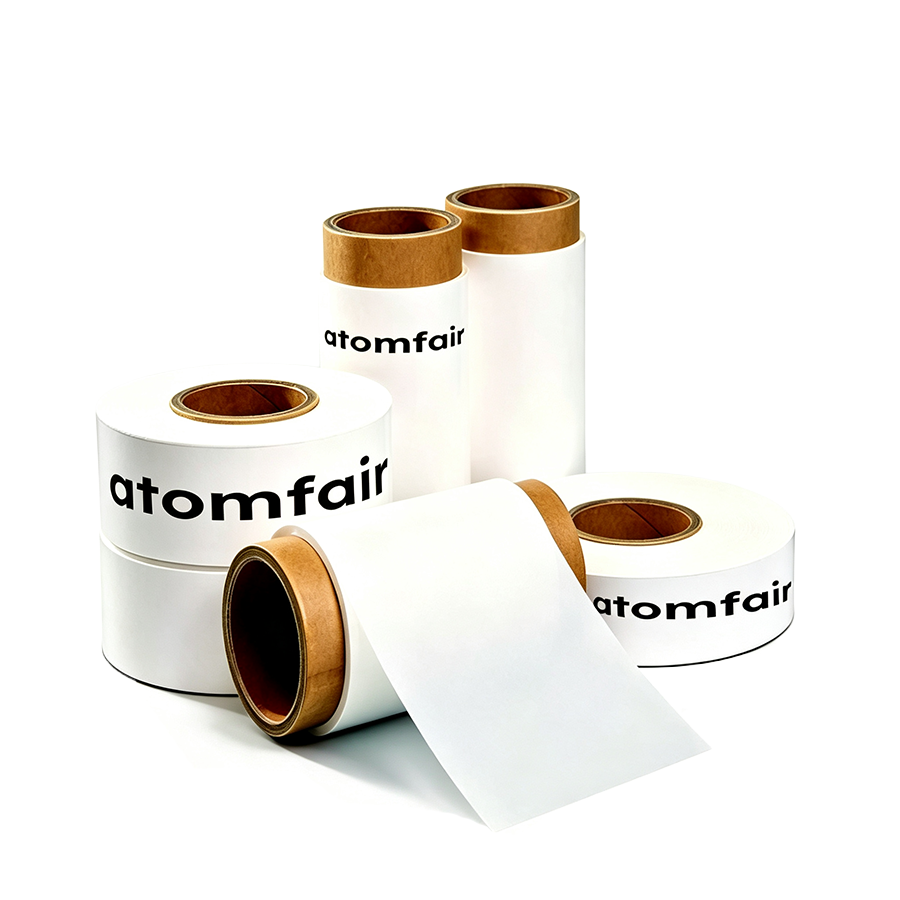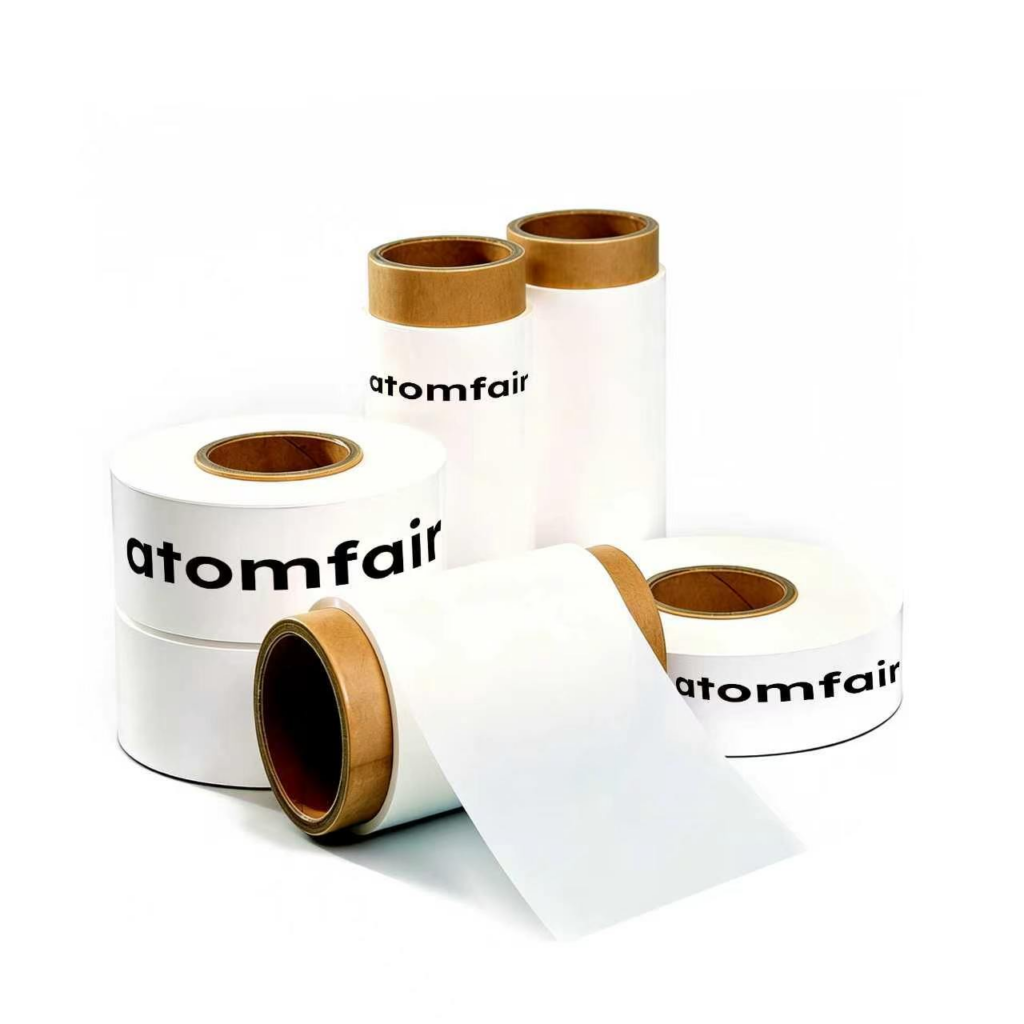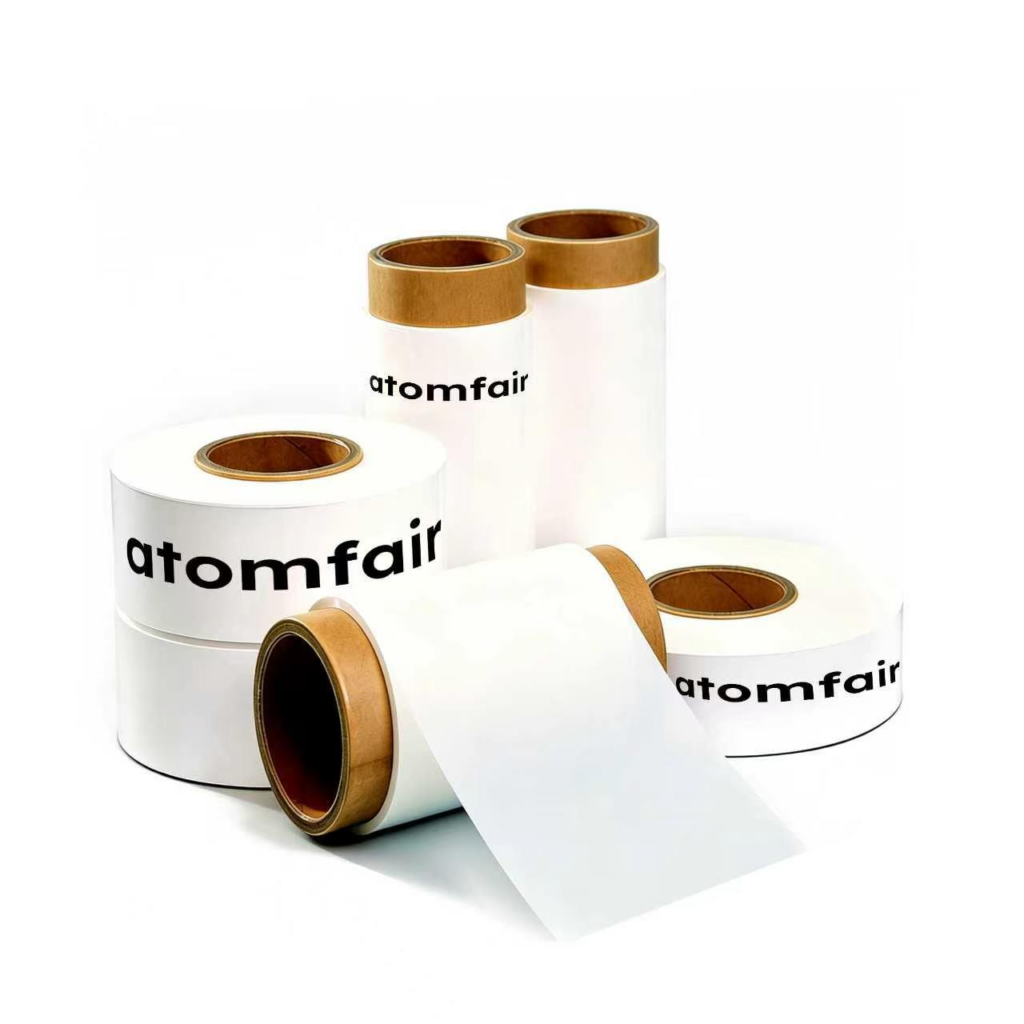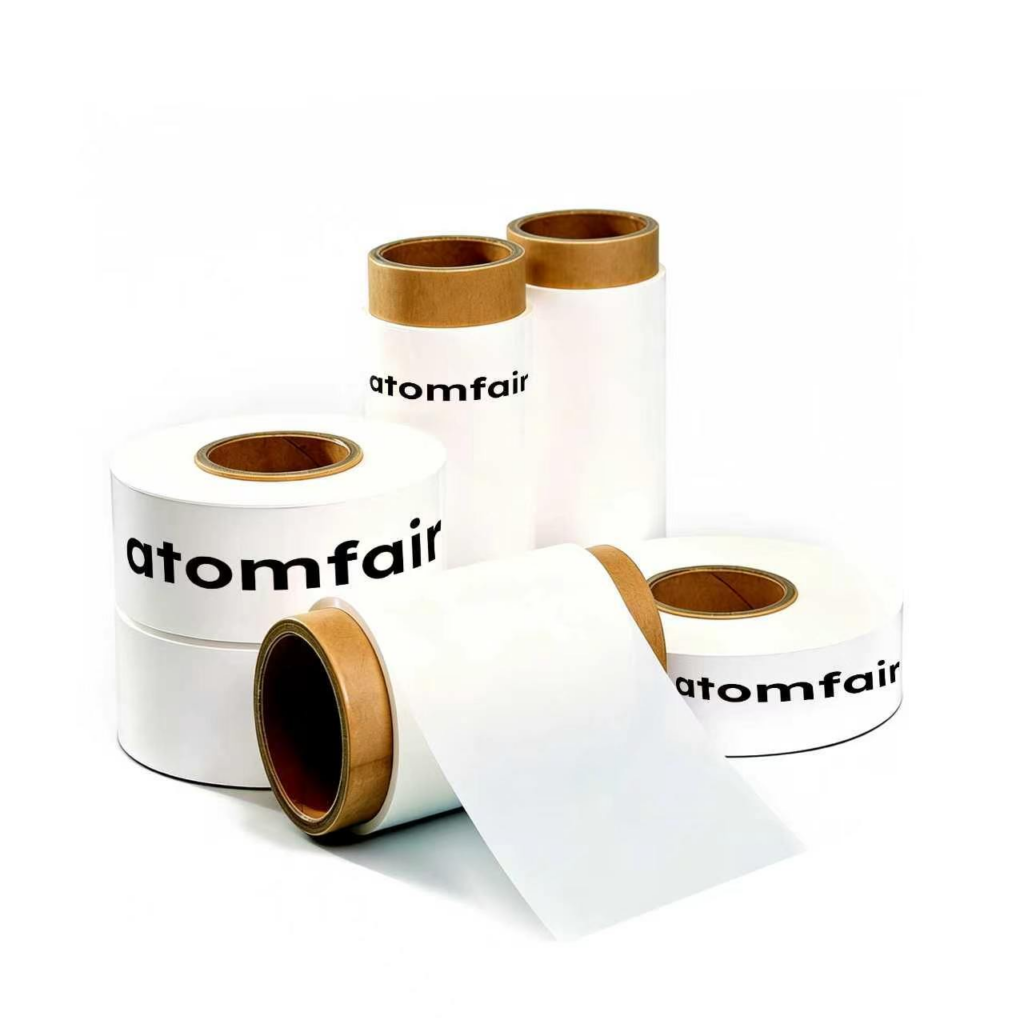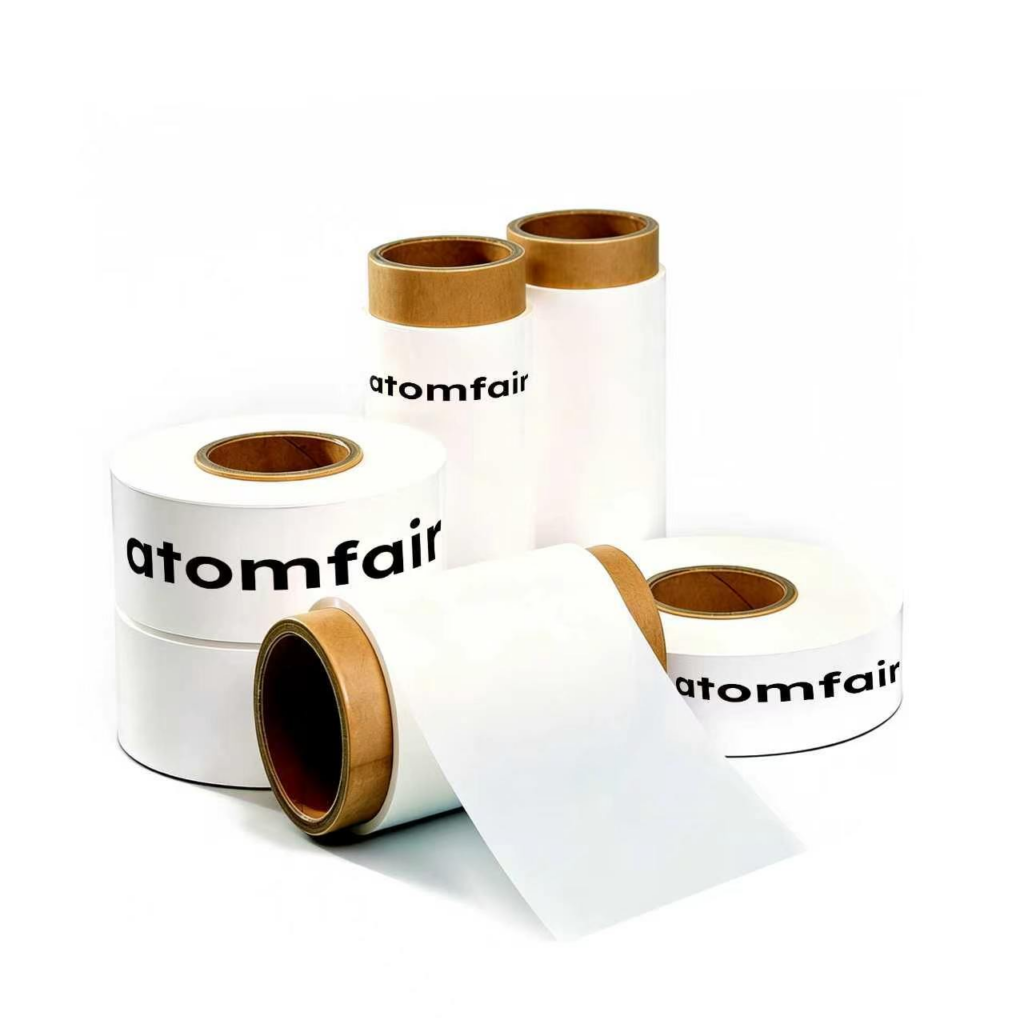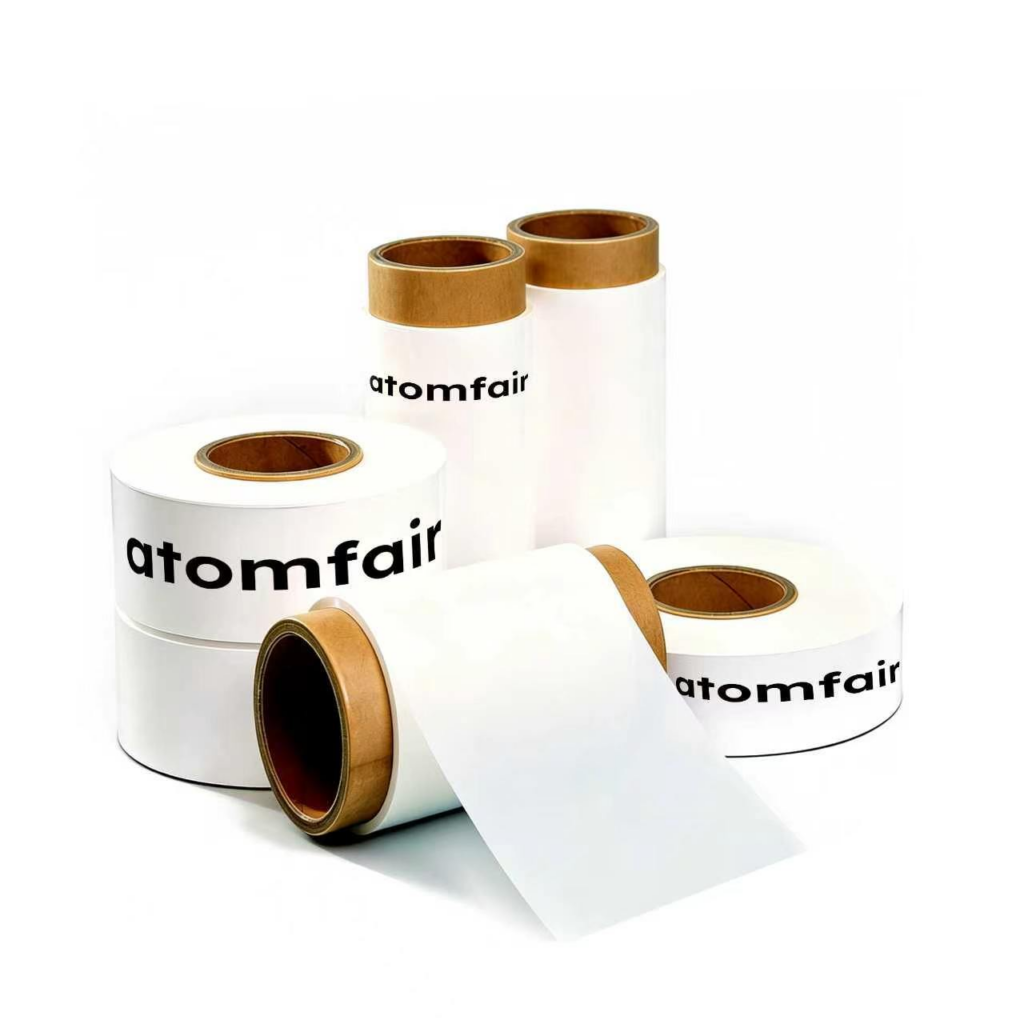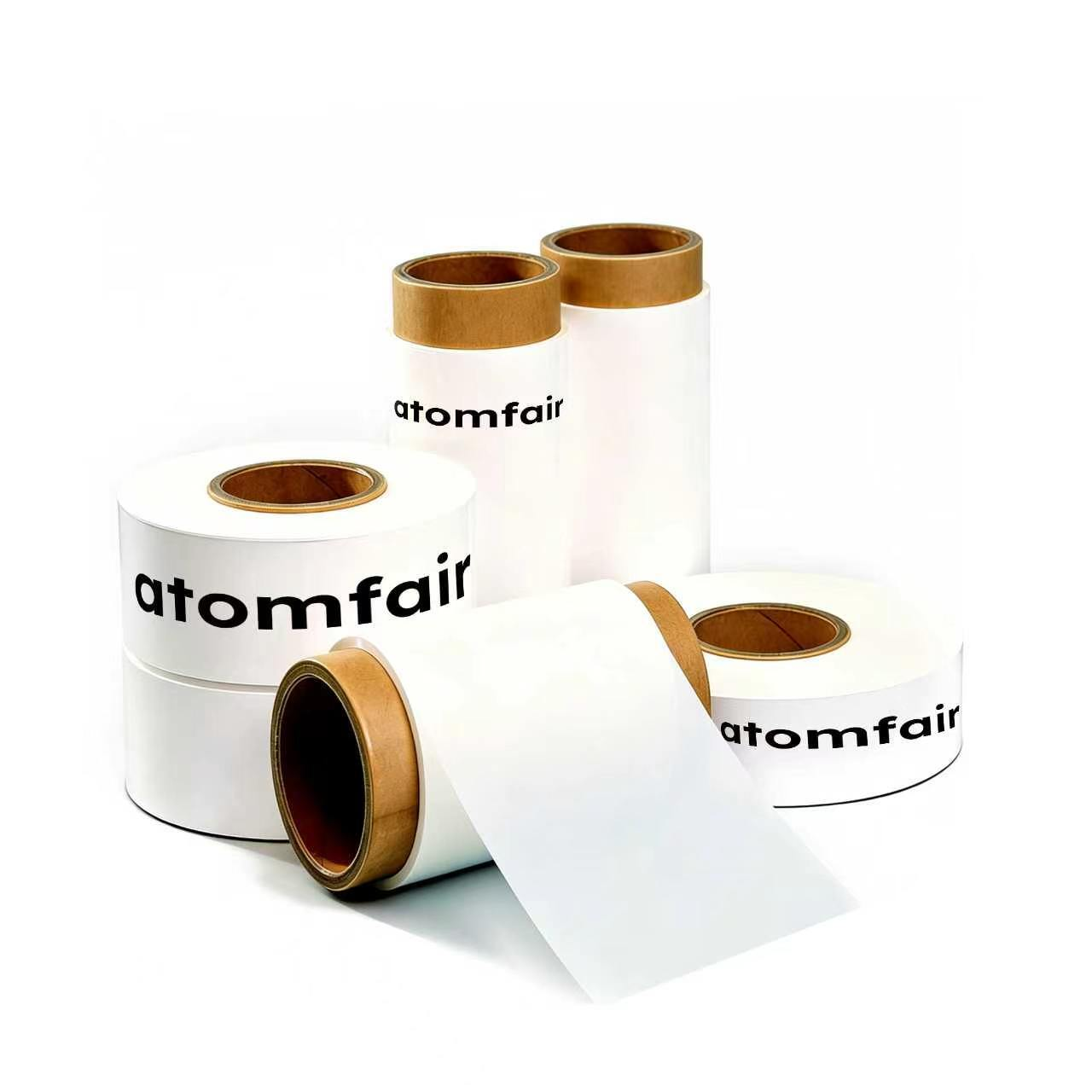
ATOMFAIR® ALUMINA-COATED PE SUBSTRATE BATTERY SEPARATOR ROLLRESEARCH GRADE MATERIAL
|
||
|
|
|
|
During lithium-ion cell drying at 90°C, this separator shrinks up to 2.5% in the machine direction and 2.0% in the transverse direction, requiring compensation in cell design. The alumina coating is single-sided, so orientation must be maintained to avoid coating damage and ensure proper ionic conductivity.
- Thermal Shrinkage Limitation: During a 90°C drying step common in lithium-ion cell fabrication, the separator shrinks up to 2.5% MD and 2.0% TD, so electrode alignment must account for this dimensional change.
- Single-Sided Coating Orientation: The 4μm Al2O3 coating is applied only to one side of the 16μm PE substrate, requiring consistent orientation during stack assembly to prevent coating abrasion.
- Puncture Strength Requirement: With a minimum puncture strength of 600G, the separator can withstand typical winding tension but must not be subjected to sharp bends or contact with rough edges.
- Tensile Strength Boundary: The separator exhibits MD ≥1600 kgf/cm² and TD ≥1500 kgf/cm² tensile strength, meaning it can be handled under moderate tension but may tear if overloaded.
- Porosity and Permeability Constraints: The porosity of 44±5% and air permeability of 180±60 s/100ml ensure adequate ionic transport only if the separator remains unbuckled and uncontaminated.
How does the single-sided Al2O3 coating thickness of 4um impact the separator's ionic conductivity and mechanical puncture resistance compared to the uncoated PE substrate?
The 4um Al2O3 coating introduces thermal stability without compromising the PE substrate's mechanical strength, as the PE substrate remains 16um thick. The total thickness of 20±2um maintains an air permeability of 180±60s/100ml and porosity of 44±5%, which facilitate full electrolyte penetration and rapid lithium-ion migration. The coating does not reduce the base puncture strength of ≥600G or tensile strength (MD≥1600, TD≥1500 kgf/cm²), as these are dominated by the PE layer.
What production line constraints exist for using this 60mm-wide, 1000m-long separator roll in pilot-scale battery assembly?
This separator is sold exclusively as a roll, requiring compatible unwinding and slitting equipment on the production line. The roll width is fixed at 60mm, so it is directly suited for cells that accept a 60mm web width; any narrower width would require slitting. The 1000m length reduces reel-change frequency, but the outer packaging dimensions (16×8×8 inches) must fit within the battery assembly area's handling and storage infrastructure.
How should the Al2O3-coated PE separator be stored to maintain its chemical inertness and dimensional stability during battery manufacturing?
The separator's raw materials comply with ISO 10993 chemical inertness standards, but to preserve performance during storage, the roll should be kept in a clean, dry environment to prevent moisture absorption by the Al2O3 coating. The packaging dimensions (16×8×8 inches) indicate the roll is compact, but storage conditions must avoid temperatures above 90°C, as thermal shrinkage at 90°C for 2h is MD≤2.5% and TD≤2.0%, and any pre-exposure to heat could alter separator dimensions.
This alumina-coated PE battery separator roll delivers a well-characterized balance of mechanical puncture/tensile strength and thermal shrinkage resistance for lithium-ion cells, with specified porosity and air permeability supporting electrolyte wetting and ion transport. The roll-only format and precise 20±2µm thickness tolerance require appropriate slitting and handling equipment for integration into cell assembly lines.
Positive
- Composite mechanical-thermal performance: The PE substrate provides high puncture (≥600G) and tensile strength (MD≥1600, TD≥1500 kgf/cm²) to withstand battery assembly stress, while the Al2O3 coating reduces thermal shrinkage (≤2.5% MD, ≤2.0% TD at 90°C) to mitigate thermal runaway risks.
- Optimized ion conduction and isolation: Porosity of 44±5% and air permeability of 180±60s/100ml facilitate full electrolyte penetration and rapid lithium-ion transport, while the single-sided coating ensures effective electrode separation to prevent internal short circuits.
Trade-offs
- Roll-only format constraints: Supplied exclusively as a 1000m × 60mm roll, requiring additional slitting or cutting equipment for non-standard cell geometries or pilot-scale R&D applications that need discrete separator sheets.
- Precise thickness tolerance demands: The total thickness of 20±2µm with a fixed 16µm PE substrate and 4µm Al2O3 coating requires careful process control during stacking or winding to maintain uniformity and avoid delamination or misalignment.
Every advanced material, component, equipment, and instrument in our catalog is backed by rigorous testing. We maintain strict internal quality management frameworks and align with CE conformity metrics to deliver transparent, reproducible performance data via our public open-science repository.
To request raw batch performance data, submit formal vendor registration paperwork, or execute a fast-turnaround R&D manufacturing loop, contact us at inquiry@atomfair.com.
Item is dispatched under the Atomfair Shipping & Delivery Framework (Free worldwide shipping on orders over $59 USD excl. heavy equipment). Return is governed by the Atomfair Return & Refund Policy (7-day technical return window).