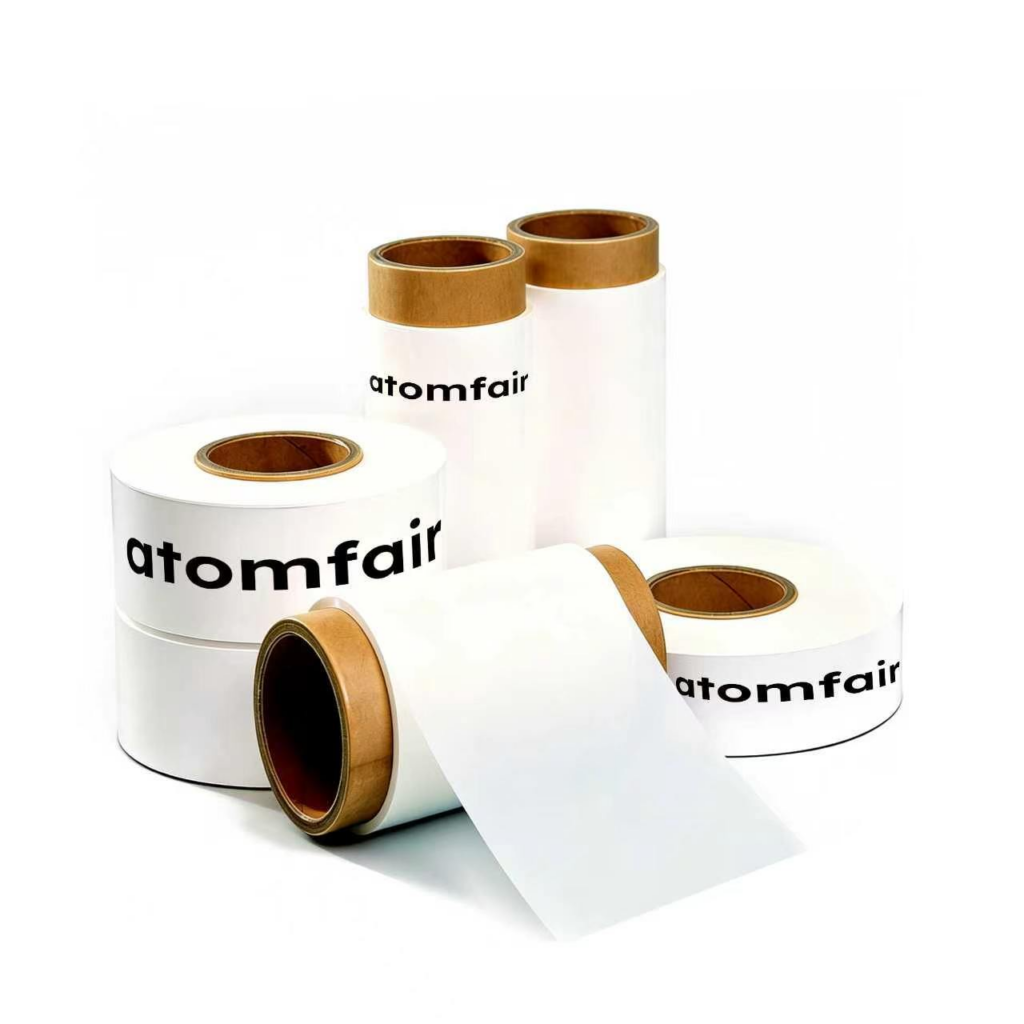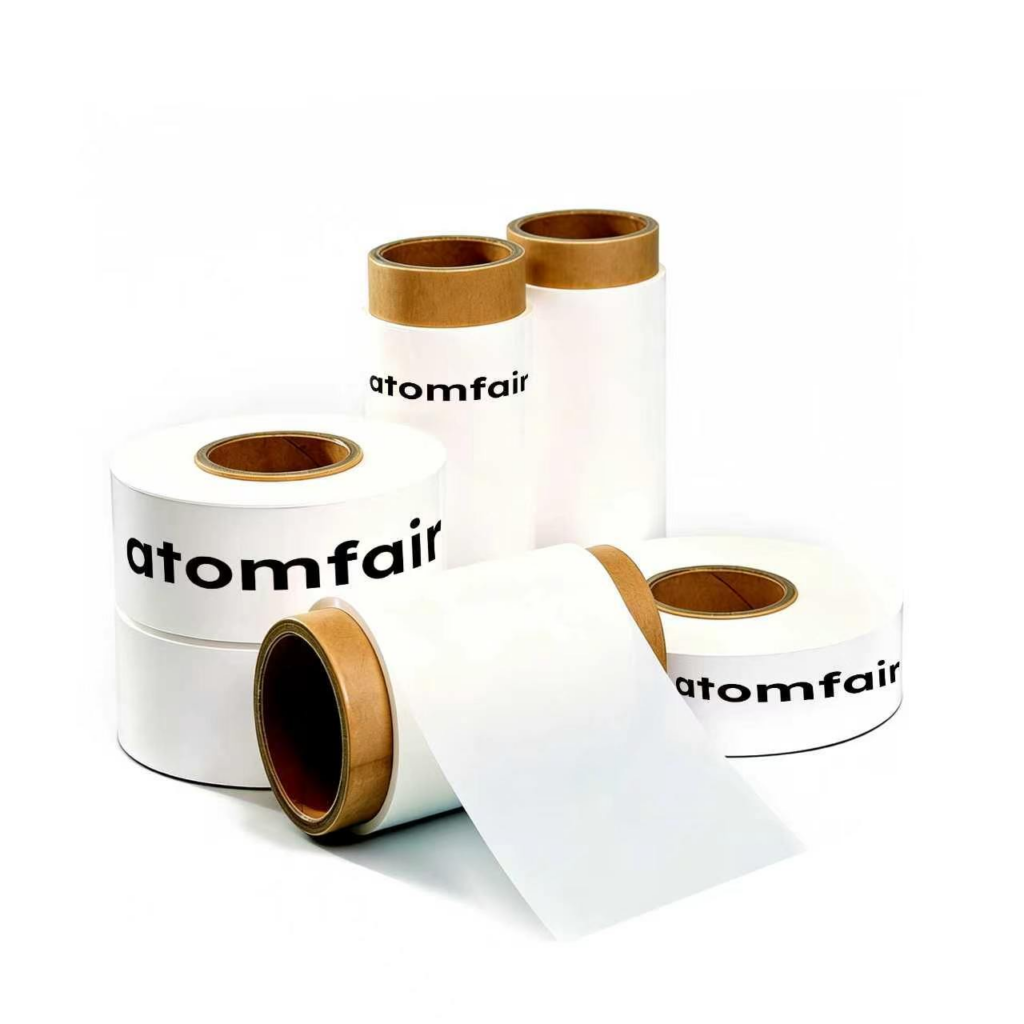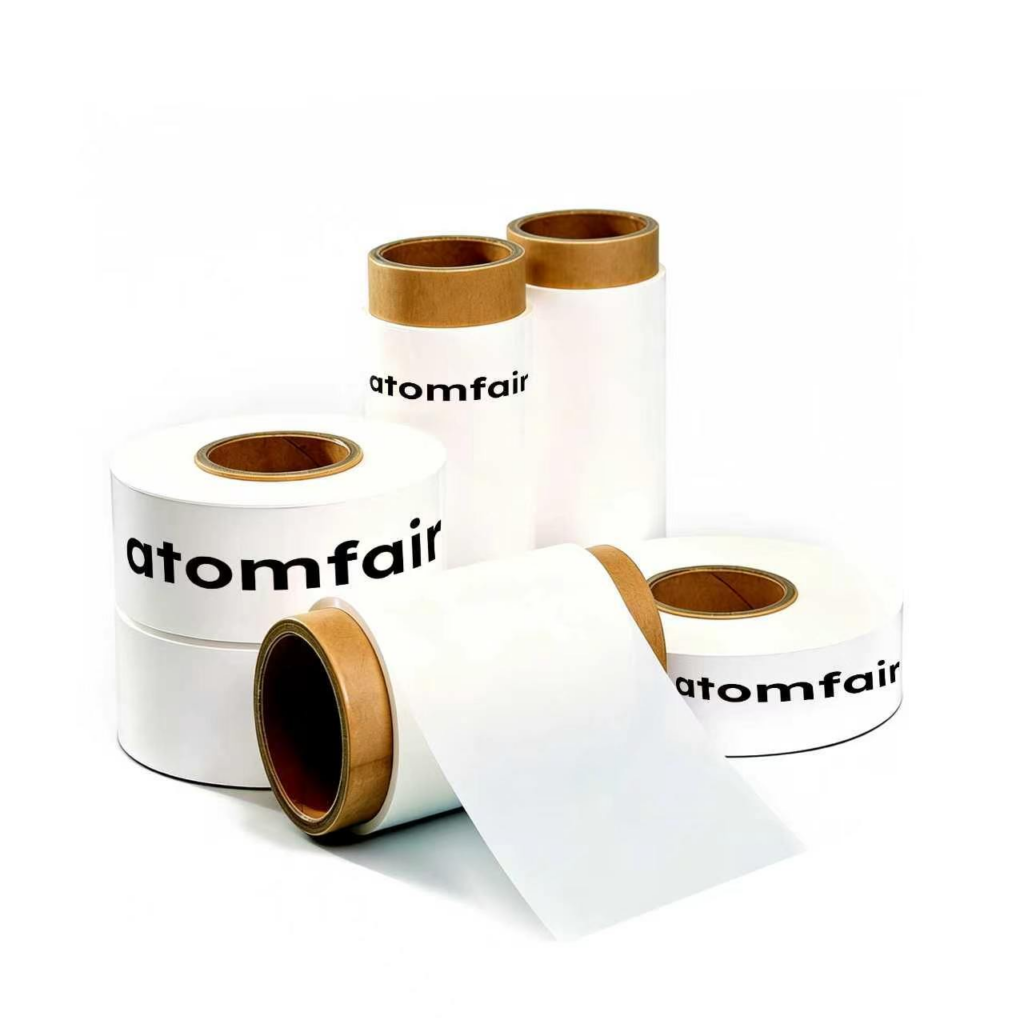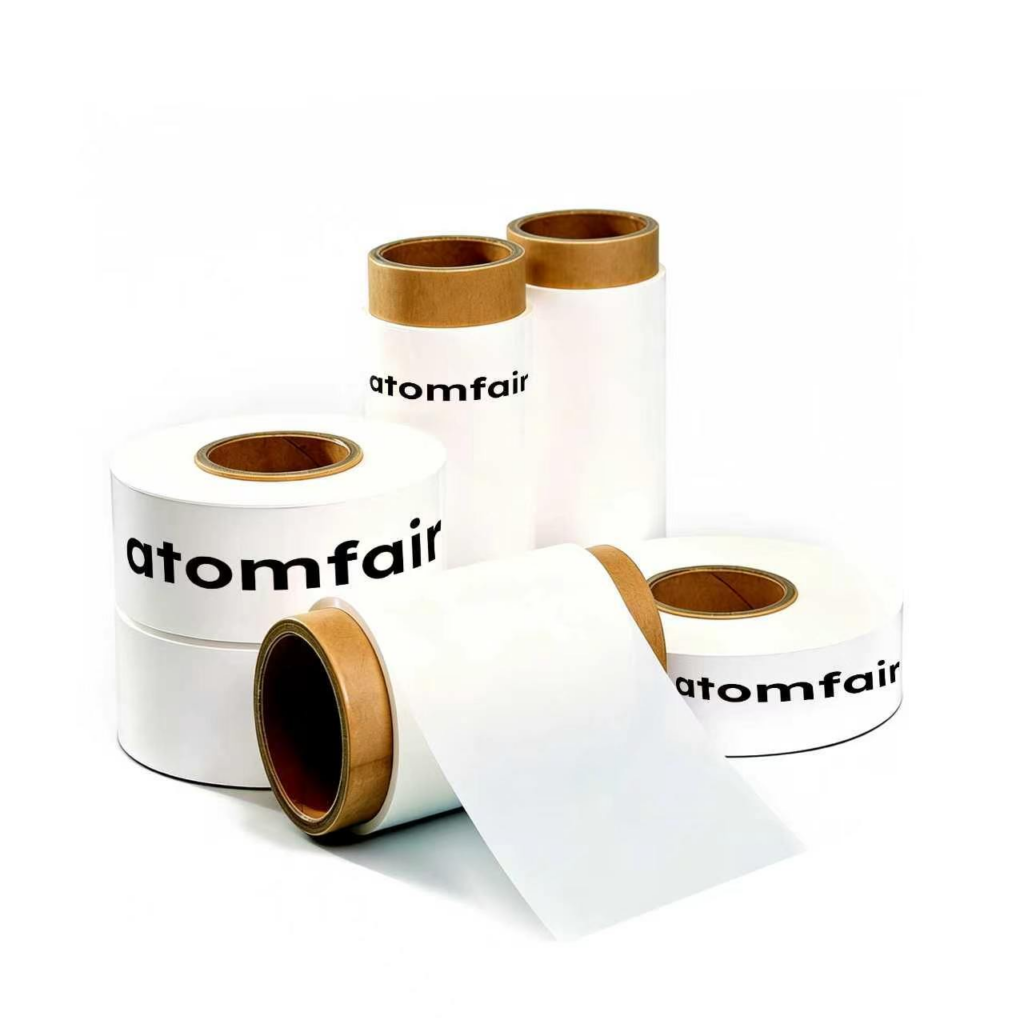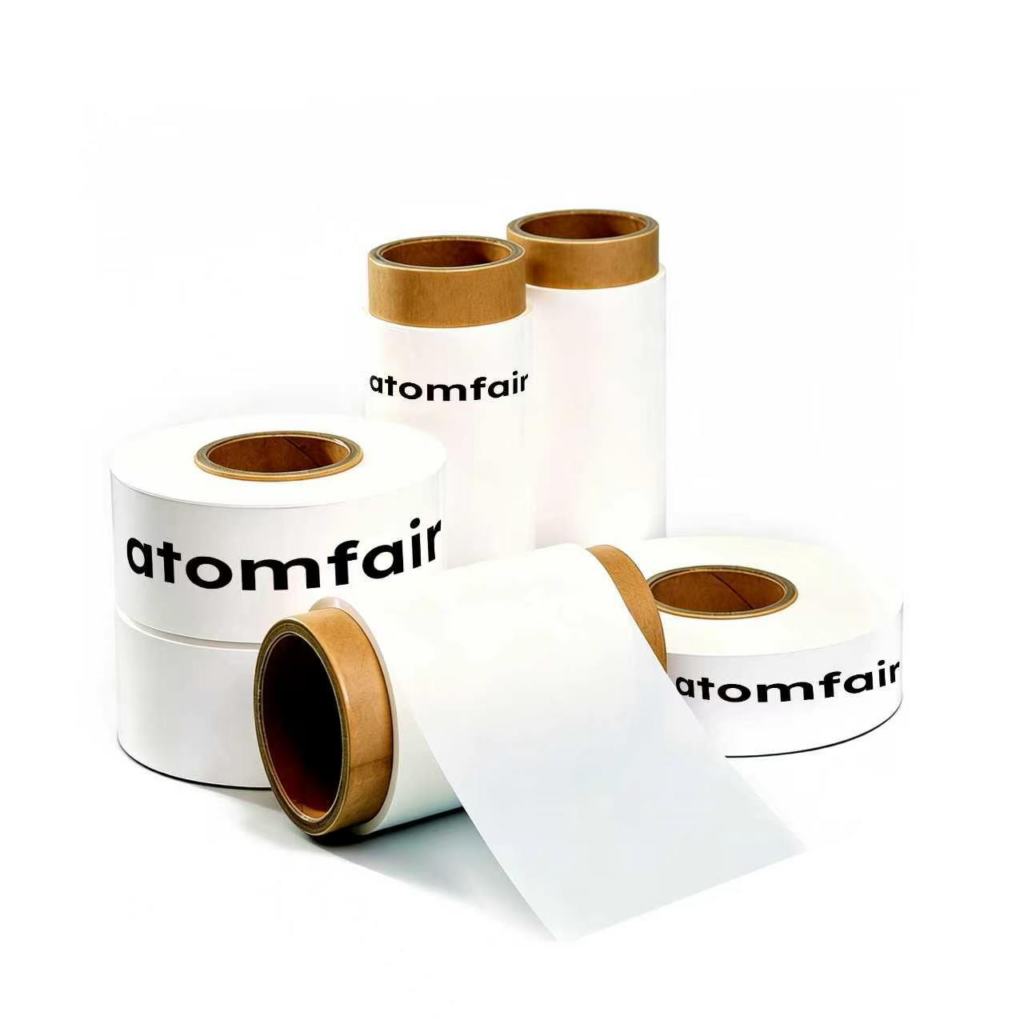
15UM META-ARAMID COATED PE SEPARATOR FILMRESEARCH GRADE MATERIAL
|
|||||||||||||||||||||||||||||||||||||
|
|||||||||||||||||||||||||||||||||||||
|
TAILORED SOLUTIONS FOR RESEARCH
Contact our engineering team for technical support or official institutional quotations.
EMAIL: inquiry@atomfair.com
|
|||||||||||||||||||||||||||||||||||||
|
Manufacturer Partner | Research Logistics
|
|||||||||||||||||||||||||||||||||||||
This product is highly sensitive to ambient moisture and must be kept in tightly sealed containers or handled exclusively within an anhydrous inert gas environment to prevent contamination or structural degradation. Thermal shrinkage of 11.6% in the machine direction and 5.9% in the transverse direction occurs at 140°C for 1 hour, requiring strict temperature control during processing.
- Moisture Sensitivity: Exposure to ambient moisture can cause contamination or structural degradation, necessitating storage in sealed containers or inert gas handling.
- Thermal Shrinkage Risk: At 140°C for 1 hour, the film exhibits 11.6% shrinkage in the machine direction and 5.9% in the transverse direction, limiting high-temperature exposure.
Proper handling and storage prevent moisture contamination and thermal degradation of the separator film. Use anhydrous inert gas environments and avoid temperatures above 140°C.
Required Equipment: Anhydrous inert gas glovebox or dry room, Sealed heavy-duty core container
- Transfer to inert environment
Transfer the sealed roll immediately into an anhydrous inert gas glovebox or dry room before opening the container. - Open container
Open the heavy-duty core container only inside the inert environment to avoid moisture exposure. - Store sealed
Keep the film in a sealed container within the inert environment when not in use to maintain dryness. - Monitor temperature
Ensure storage and processing temperatures remain below 140°C to prevent thermal shrinkage.
What is the thermal shrinkage of the 15μm meta-aramid coated PE separator at 140°C?
After 1 hour at 140°C, the machine direction (MD) shrinkage averages 11.6% and the transverse direction (TD) averages 5.9%, as stated in the technical specifications. This performance is enabled by the symmetric double-side coating of 3μm meta-aramid on a 9μm PE base, which suppresses hazardous thermal shrinkage under high-drain operation.
How does the double-side coating configuration affect electrolyte wetting and assembly compatibility?
The symmetric 3μm aramid + 9μm PE + 3μm aramid structure is engineered for superior electrochemical wetting kinetics, which accelerates electrolyte infiltration during manufacturing and supports fast-charge bands. This design also provides homogeneous material distribution for consistent cell-to-cell performance, making it a suitable baseline control for electrolyte validation platforms.
What are the critical storage and handling requirements for this separator?
The product is highly sensitive to ambient exposure. Containers must be kept tightly sealed or handled exclusively within an anhydrous inert gas environment to prevent moisture contamination and structural degradation before thermal validation. This precaution is essential to maintain the separator's 15μm thickness integrity and thermal shrinkage properties.
This 15 μm symmetric double-side aramid-coated PE separator provides a baseline control for electrolyte validation studies, with a nominal thickness of 15.0 μm and an average measured thickness of 12.5 μm. The aramid coating enhances thermal stability, as indicated by thermal shrinkage of 11.6% (MD) and 5.9% (TD) at 140°C for 1 hour, while the 521 gf puncture strength offers mechanical robustness. However, the material is highly sensitive to ambient exposure, requiring anhydrous inert gas handling to prevent moisture contamination, and the 37% porosity and 246 sec/100ml Gurley value may limit ionic transport in high-rate applications.
Positive
- Thermal stability enhancement: The symmetric double-side aramid coating provides thermal shrinkage of 11.6% (MD) and 5.9% (TD) at 140°C for 1 hour, reducing hazardous shrinkage risk during high-drain operation.
- Mechanical puncture resistance: With an average puncture strength of 521 gf using a 1.0 mm needle, the separator offers robust mechanical integrity to suppress internal short circuits and lithium dendrite penetration.
Trade-offs
- Ambient exposure sensitivity: The product is highly sensitive to ambient exposure; containers must be kept tightly sealed or handled exclusively within an anhydrous inert gas environment to prevent moisture contamination or structural degradation before thermal validation.
- Moderate porosity and permeability: With a porosity of ~37% and an average Gurley value of 246 sec/100ml, the separator may present a trade-off in ionic transport kinetics, potentially limiting rate performance in high-power applications.
Every advanced material, component, equipment, and instrument in our catalog is backed by rigorous testing. We maintain strict internal quality management frameworks and align with CE conformity metrics to deliver transparent, reproducible performance data via our public open-science repository.
To request raw batch performance data, submit formal vendor registration paperwork, or execute a fast-turnaround R&D manufacturing loop, contact us at inquiry@atomfair.com.
Item is dispatched under the Atomfair Shipping & Delivery Framework (Free worldwide shipping on orders over $59 USD excl. heavy equipment). Return is governed by the Atomfair Return & Refund Policy (7-day technical return window).