
Battery R&D Equipment & Instruments
Battery R&D Equipment & Instruments brings together benchtop, pilot-scale, and selected production-oriented tools used to develop, assemble, dry, test, and validate rechargeable battery cells. This category is organized around the laboratory workflow: prepare electrodes, build coin, pouch, cylindrical, or prismatic cells, control moisture-sensitive operations, and measure electrochemical or safety performance.
The catalog currently includes electrode processing equipment, cell assembly and sealing equipment, drying, vacuum and glovebox systems, battery test instruments, and formation, EIS and safety test systems. Buyers can use this page to move from individual research tools to more integrated process lines, depending on sample format, throughput, accuracy requirements, and facility utilities.
For custom laboratory setups, equipment selection should consider active material system, electrode width, coating thickness, cell format, current range, temperature range, atmosphere control, and data logging needs. Some systems can support customized configurations upon inquiry.
Show More
Battery R&D Workflow Guide
| Workflow Stage | Equipment Families | Typical Use |
|---|---|---|
| Slurry and electrode preparation | Mixers, coaters, rolling mills, slitters, die cutters, tablet presses, film forming systems | Prepare uniform electrodes, pellets, lithium metal anodes, or experimental films |
| Cell assembly and sealing | Stackers, welders, filling systems, grooving machines, pouch sealers, cylindrical sealing machines | Build coin, pouch, cylindrical, prismatic, or supercapacitor formats |
| Drying and inert handling | Vacuum ovens, forced-air ovens, gloveboxes, vacuum standing chambers | Remove moisture, store sensitive materials, and support electrolyte or lithium metal handling |
| Testing and quality control | Battery testers, OCV testers, resistance testers, balances, gauges, low-temperature chambers | Measure capacity, voltage, resistance, dimensions, weight, and environmental performance |
| Formation and safety validation | Short-circuit testers, hot press short-circuit systems, explosion-proof chambers | Screen safety behavior and support controlled abuse or protection testing |
How to Choose Equipment
| Selection Question | What to Check |
|---|---|
| What cell format are you building? | Coin, pouch, cylindrical, prismatic, or supercapacitor formats require different fixtures, sealing heads, and filling tools. |
| What scale is required? | Benchtop research tools suit small batches; pilot systems may need higher width, pressure, automation, and repeatability. |
| Is moisture control critical? | Lithium metal, sulfide solid electrolytes, and many electrolyte processes typically require dry-room, glovebox, or vacuum-drying support. |
| What test range is needed? | Confirm voltage range, current range, channel count, sampling rate, accuracy, temperature range, and software/data export needs. |
| Is the system for R&D or production QC? | R&D tools prioritize flexibility; production-oriented tools emphasize throughput, repeatability, safety interlocks, and automation. |
Subcategory Overview
Electrode Processing Equipment
Electrode Processing Equipment covers the front end of battery research, including mixing, coating, rolling, slitting, cutting, pressing, lamination, fibrillation, and film forming. These tools help researchers control slurry uniformity, electrode thickness, loading, density, and sample dimensions.
Cell Assembly & Sealing Equipment
Cell Assembly & Sealing Equipment supports the conversion of prepared electrodes into working cells. This includes ultrasonic welding, stacking, electrolyte filling, pouch sealing, cylindrical grooving, case forming, tab trimming, and related precision assembly operations.
Drying, Vacuum & Glovebox Equipment
Drying, Vacuum & Glovebox Equipment supports moisture-sensitive workflows. Vacuum ovens, forced-air ovens, gloveboxes, and standing chambers are commonly selected based on chamber volume, temperature range, vacuum level, oxygen/moisture control, and compatibility with cell format.
Battery Test Equipment & Instruments
Battery Test Equipment & Instruments includes channel testers, OCV and resistance testers, thickness gauges, balances, conductivity tools, and environmental chambers. These instruments help researchers compare materials, qualify cells, and collect repeatable electrochemical or physical data.
Battery Formation, EIS & Safety Test Systems
Battery Formation, EIS & Safety Test Systems is intended for later-stage validation, screening, and safety evaluation. Current coverage is strongest in short-circuit and safety-test equipment; formation and EIS-related listings can be expanded for a fuller workflow.
FAQ
What equipment is needed for a basic battery R&D lab?
A basic lab usually needs slurry mixing, coating, drying, electrode cutting, cell assembly, sealing, electrolyte filling, and battery testing equipment. Moisture-sensitive chemistries may also require a glovebox or dry-room-compatible workflow.
How do I choose between benchtop and pilot-scale equipment?
Choose benchtop equipment for early formulation screening and small samples. Choose pilot-scale or automated systems when electrode width, batch size, throughput, or process repeatability becomes important.
Which category should I browse for pouch cell assembly?
Use Cell Assembly & Sealing Equipment for pouch cell stackers, welders, filling systems, pre-sealers, heat sealers, and aluminum-plastic film forming machines.
Where should I look for battery cycling and OCV testing?
Use Battery Test Equipment & Instruments for battery testers, OCV testers, internal resistance meters, environmental chambers, balances, and thickness measurement tools.
Do lithium metal or solid-state battery workflows need special equipment?
Often yes. Lithium metal and many solid-state materials are moisture- or air-sensitive, so glovebox handling, vacuum drying, precision slitting, pressure fixtures, and controlled assembly tools may be required.
Can equipment be customized for different cell formats?
Many battery R&D systems can be configured for specific electrode widths, cell dimensions, sealing heads, test ranges, fixtures, or automation requirements. Custom options should be confirmed by inquiry.
What is the difference between formation equipment and regular battery testers?
Regular testers measure charge-discharge performance for research or QC. Formation systems are designed for controlled first-cycle activation, aging, grading, and often higher-throughput cell management.
Showing 129–144 of 253 results
-
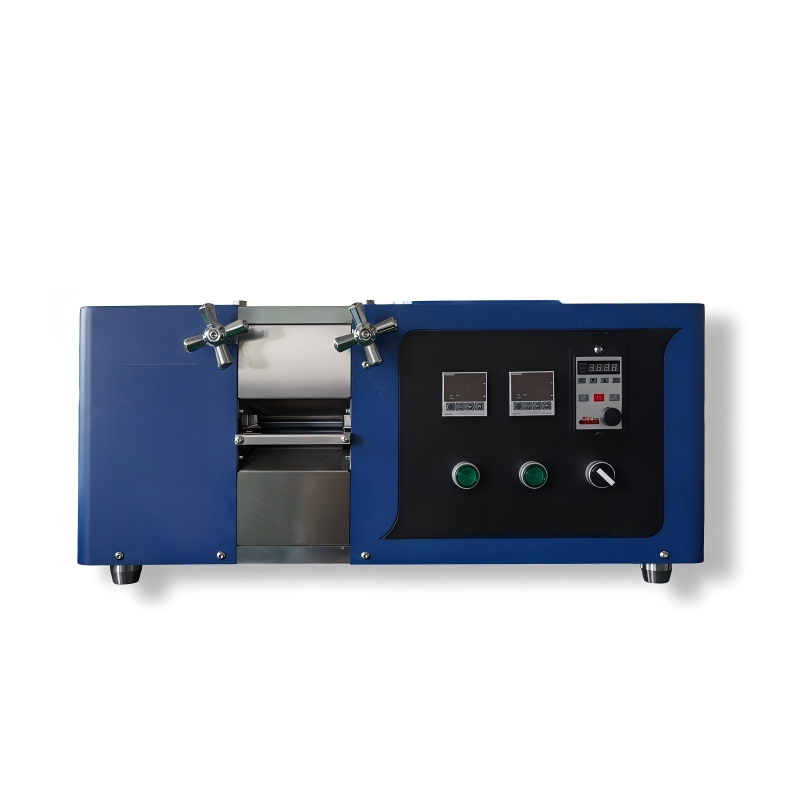
Atomfair-VRM-210 Adjustable Differential Speed Electric Vertical Roller Mill With Internal Heating For Lab Battery Materials
-
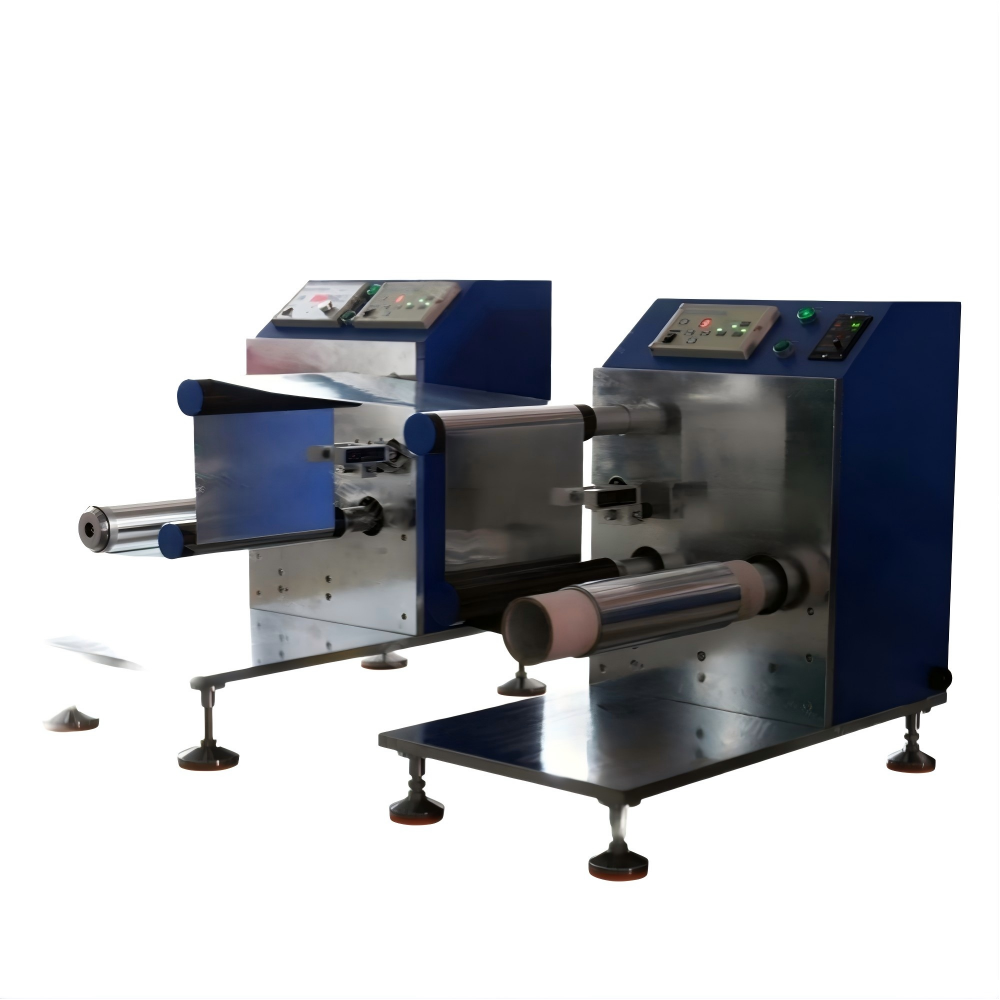
Atomfair-WUD6820 Automatic Winding & Unwinding Device 50N Max Tension ±0.5mm Precision with Auto Correction Split Structure for Lithium Battery Electrode Optical Functional Film
-
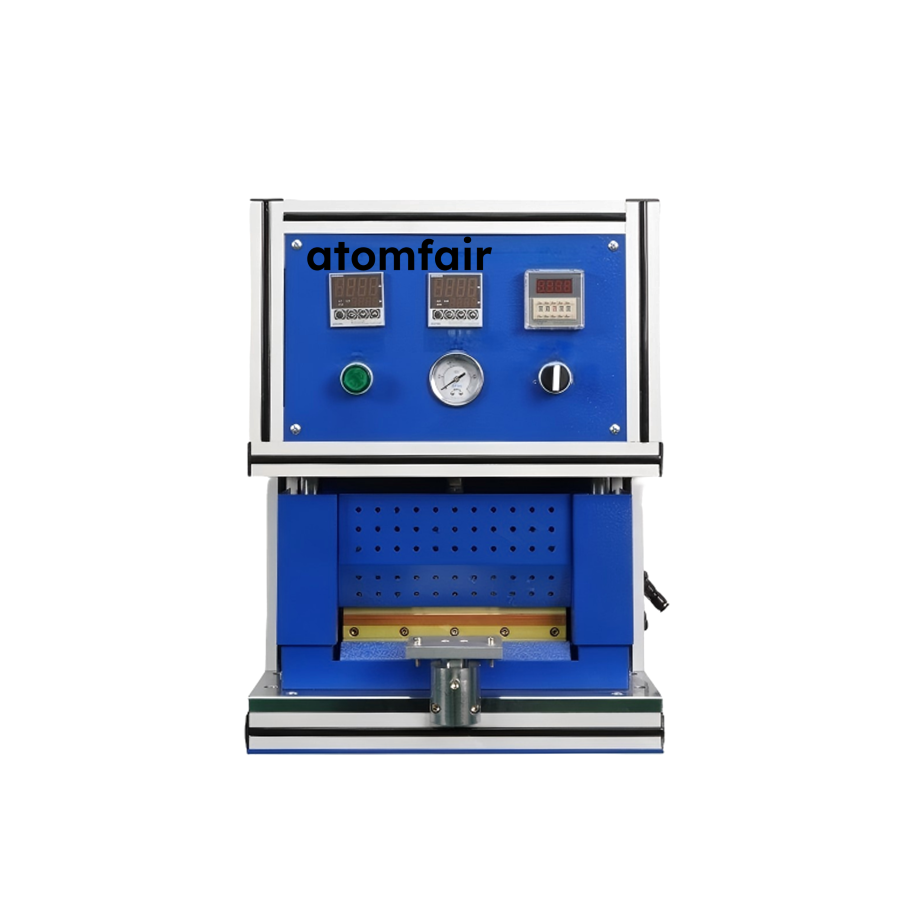
ATOMFAIR® Heat Sealing Machine, 300mm Pouch Cell
$3,239.00 -
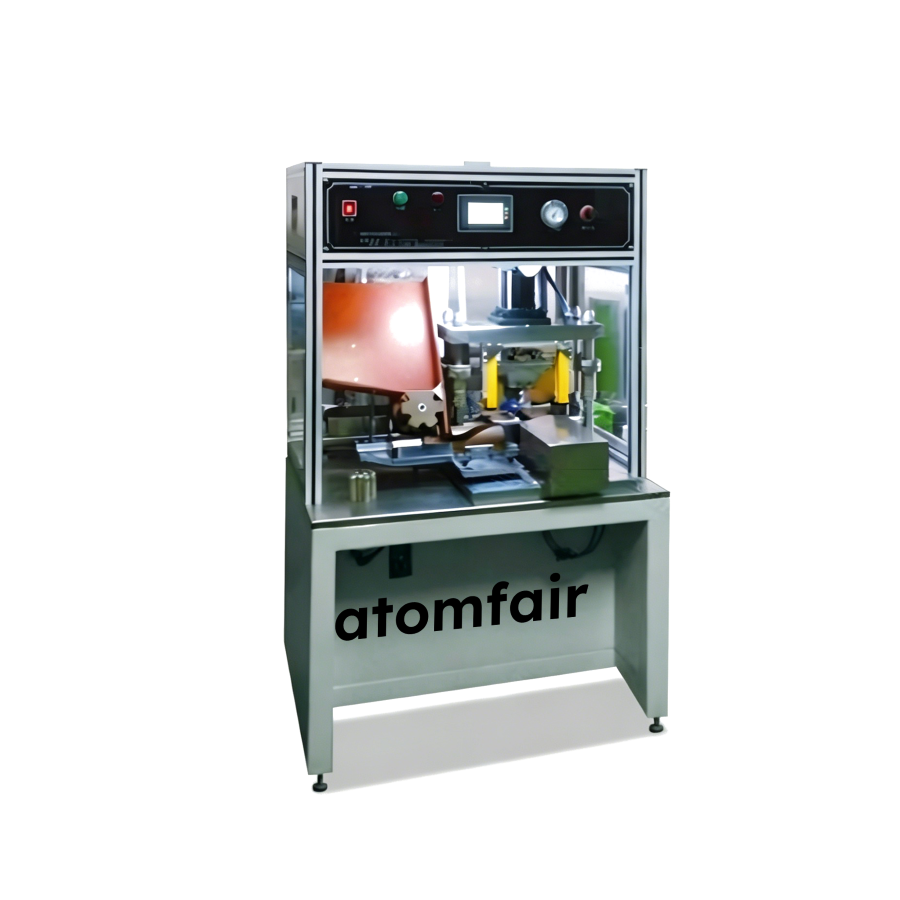
Auto Cylindrical Battery Sealer 18mm ATOMFAIR® 45-55 pcs/min
$3,162.00 -
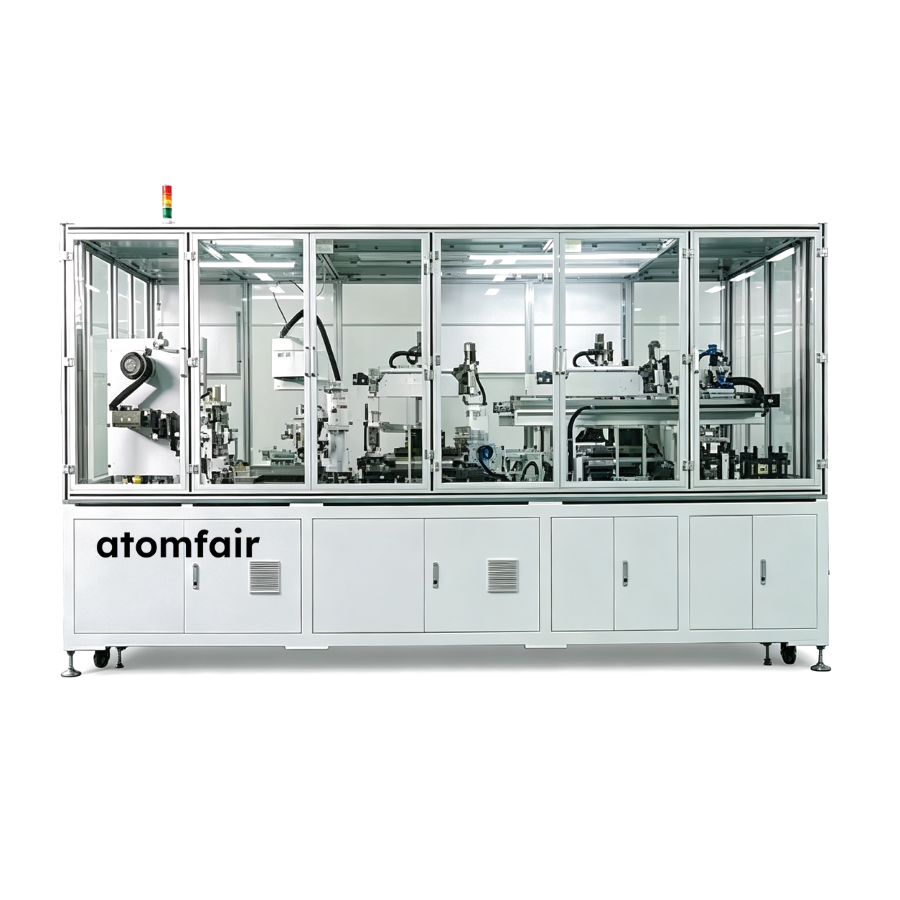
Automated Solid-State Battery Electrode Platform
$10,000.00 -
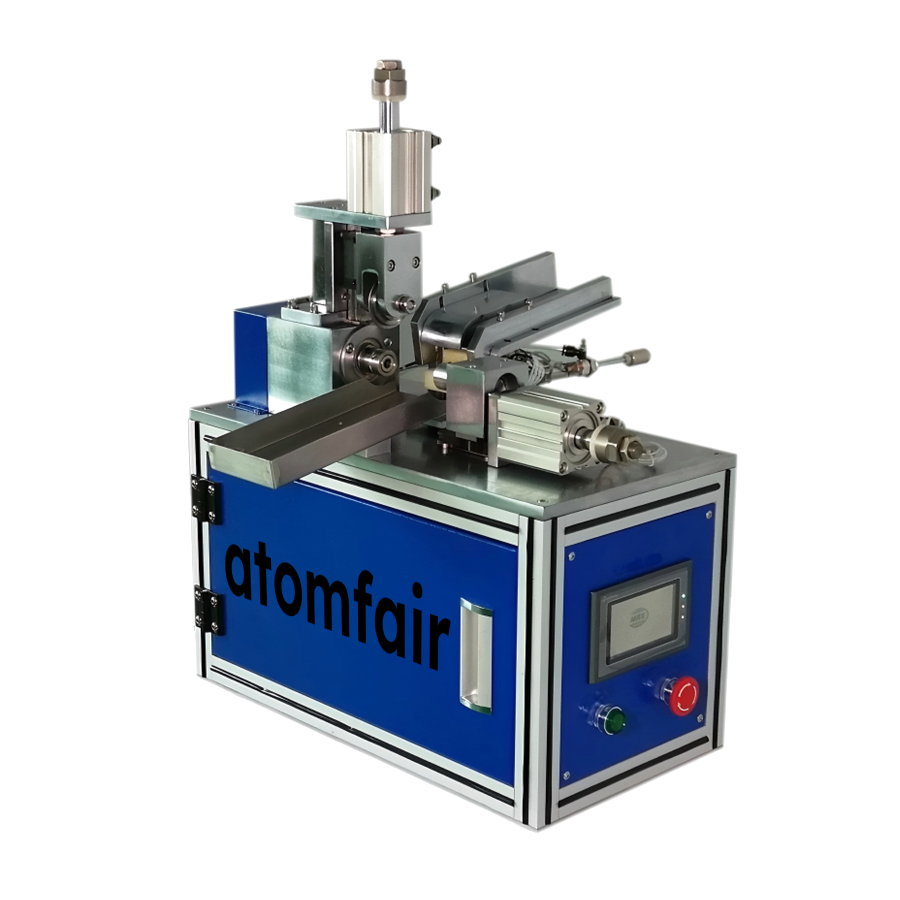
Automatic Battery Grooving Machine 30-40pcs/min
$14,384.00 -
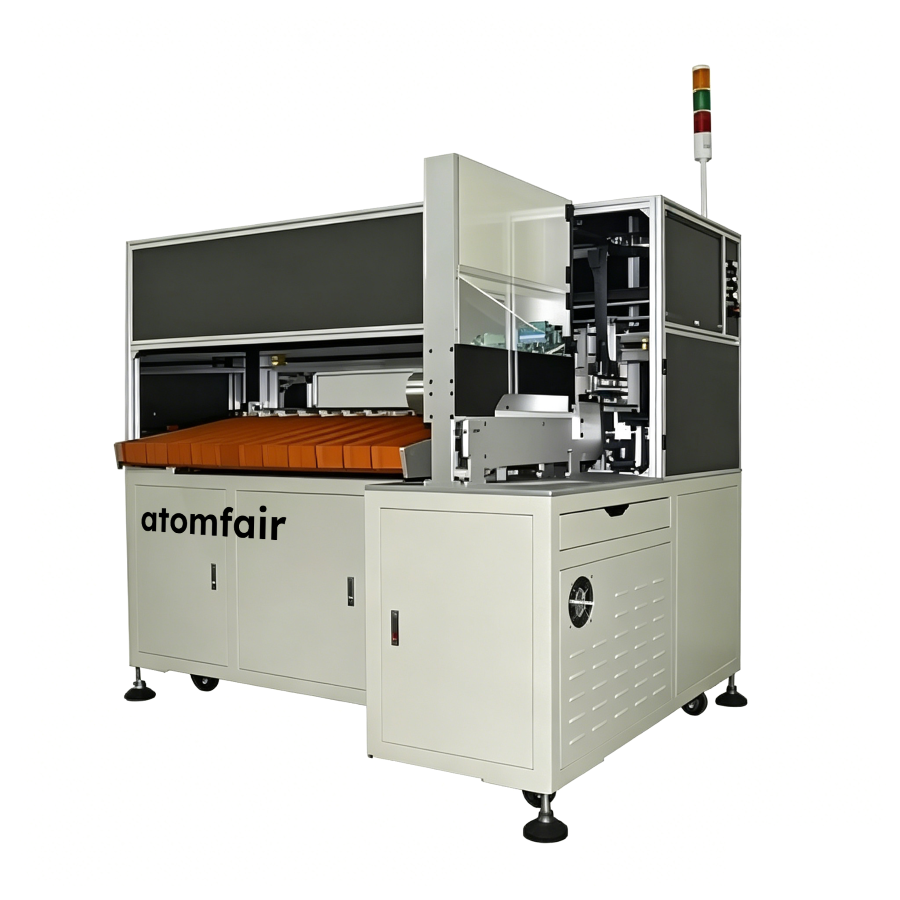
Automatic Battery OCV Tester OCV-736 ≥8PPM
$5,207.00 -
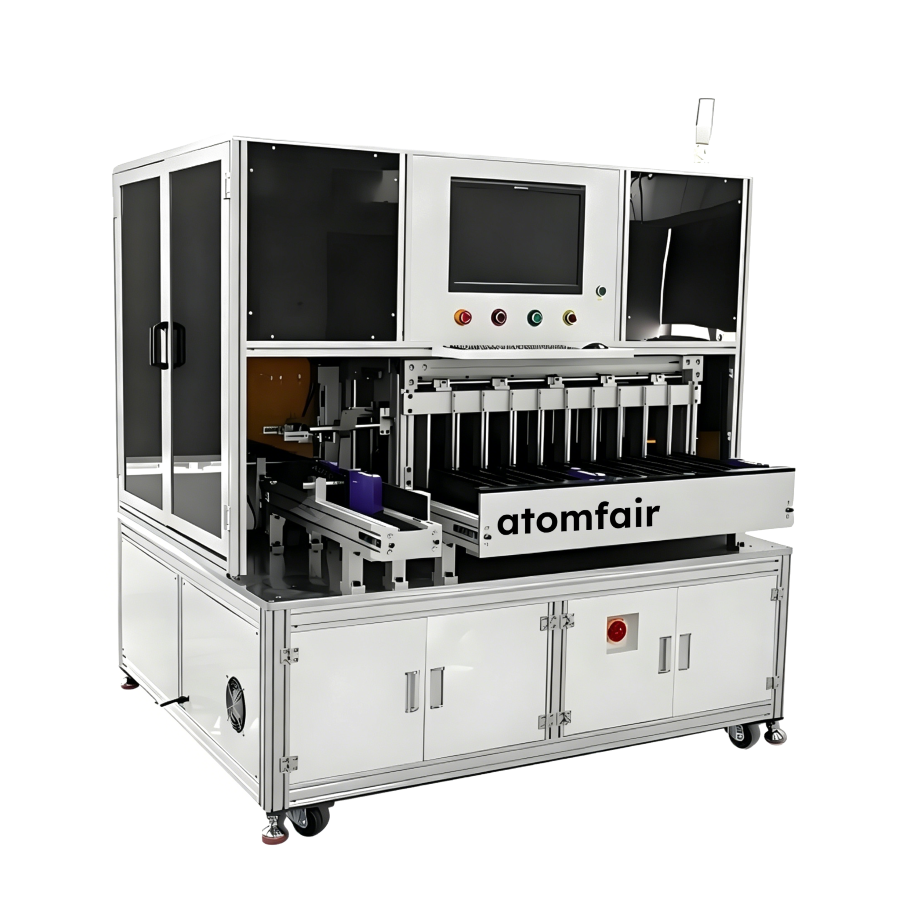
Automatic Battery Sorting Machine SRT-529 ≥8PPM
$5,000.00 -
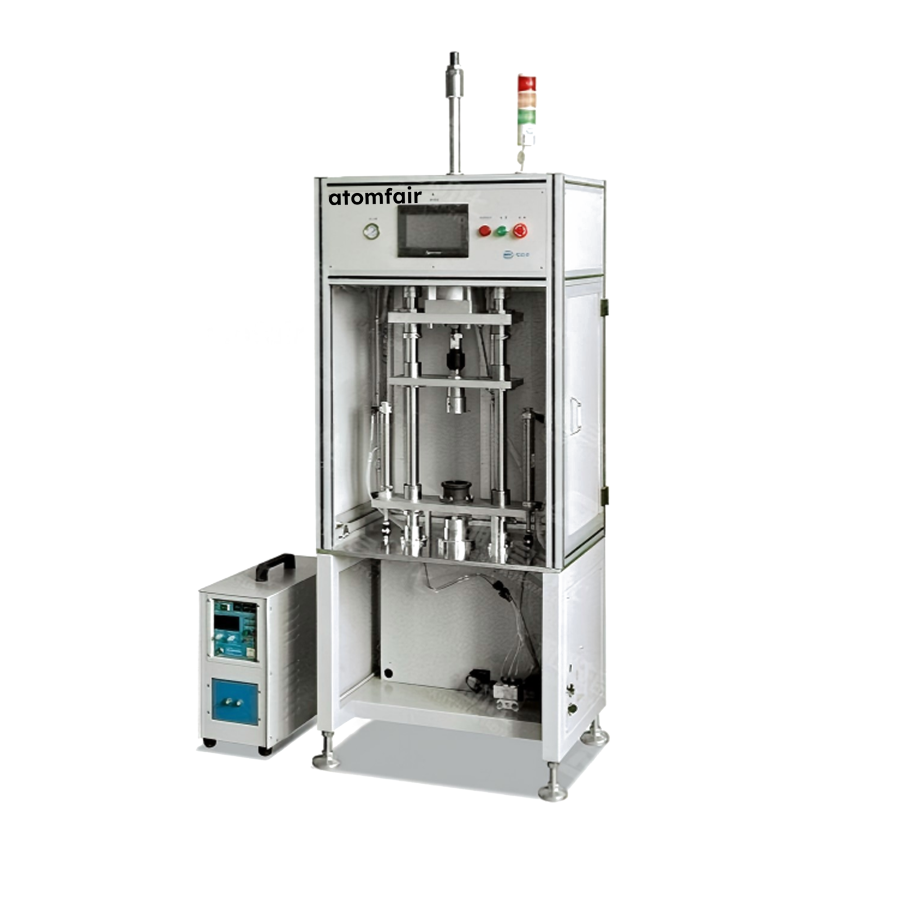
Automatic Cell Shelling Machine ACS-760 500kg
$29,002.00 -
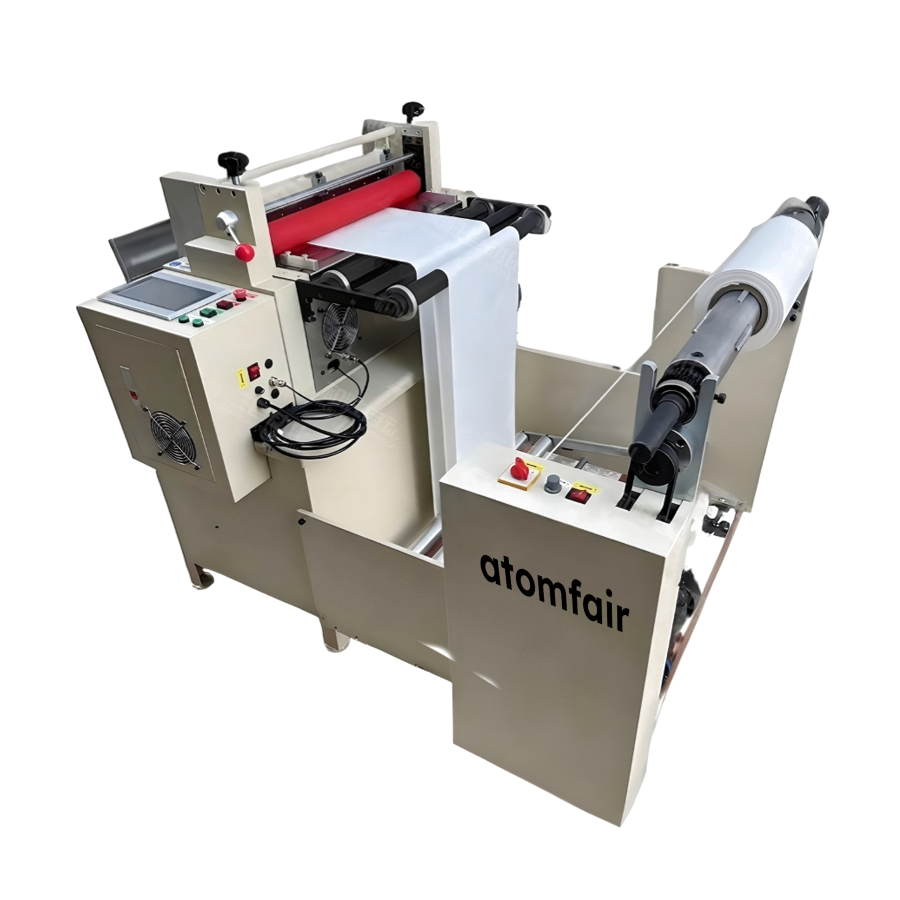
Automatic Die Cutting Machine ADM-371 ±0.2mm
$2,058.00 -
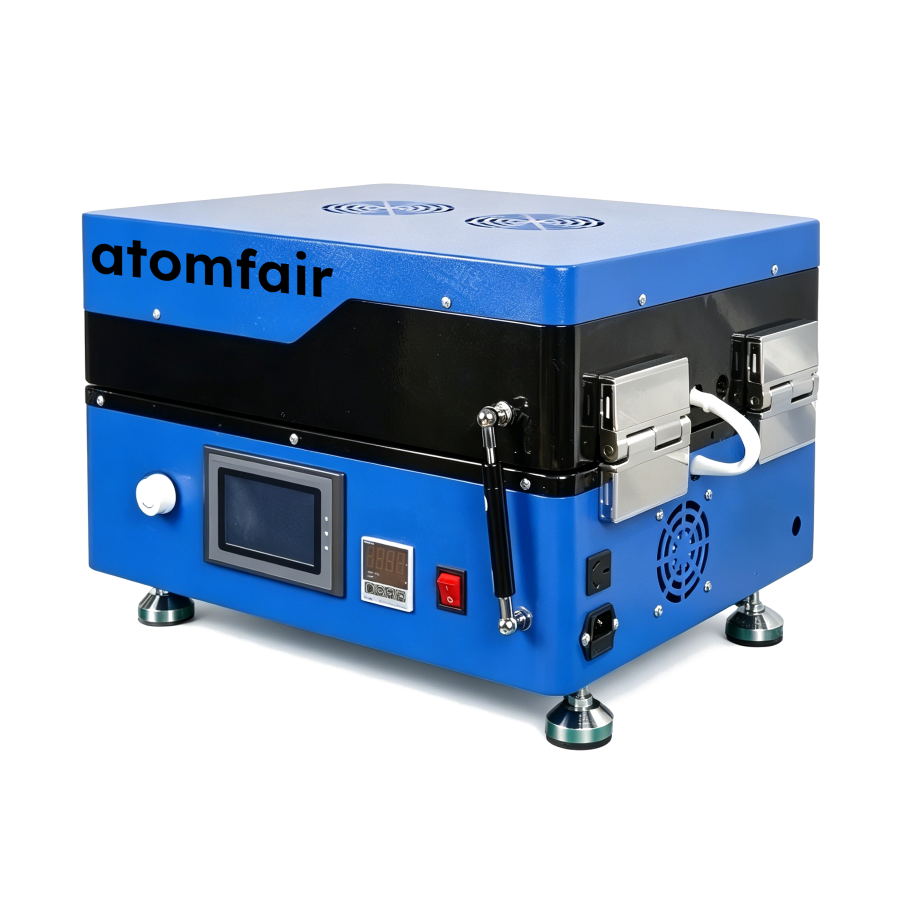
Automatic Film Coater with Dryer 0-100mm/s
$2,512.00 -
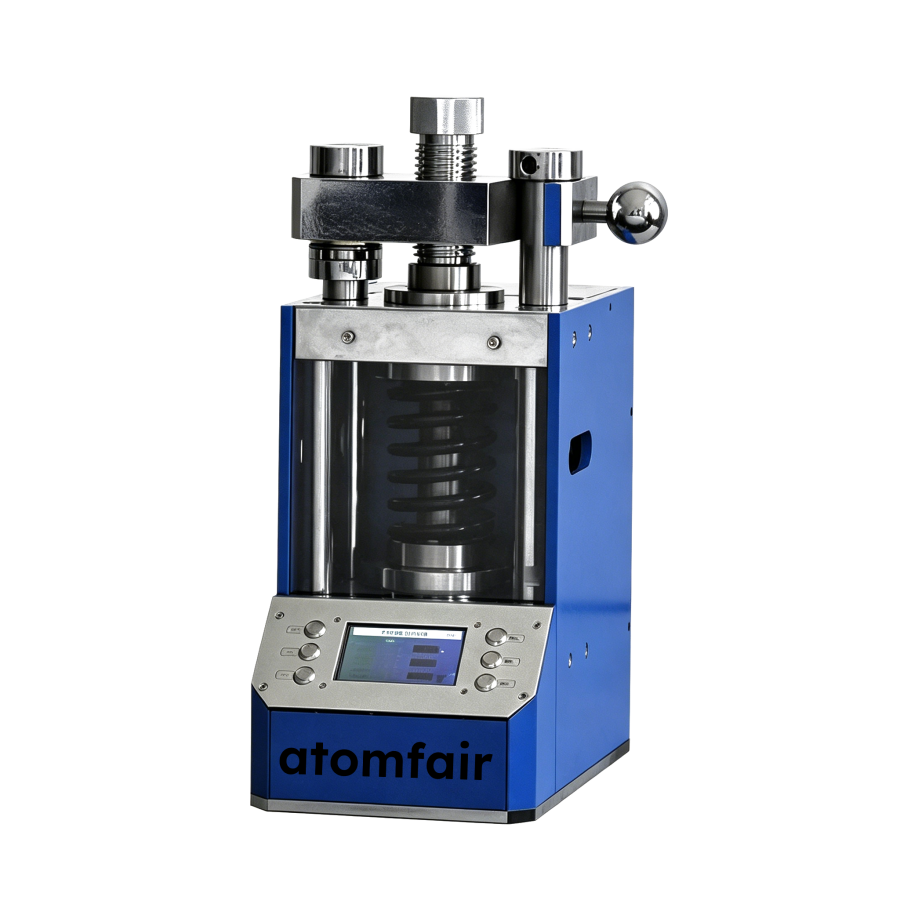
Automatic Fluorescence Pellet Press 30 Ton AFP-518 ATOMFAIR®
$3,869.00 -
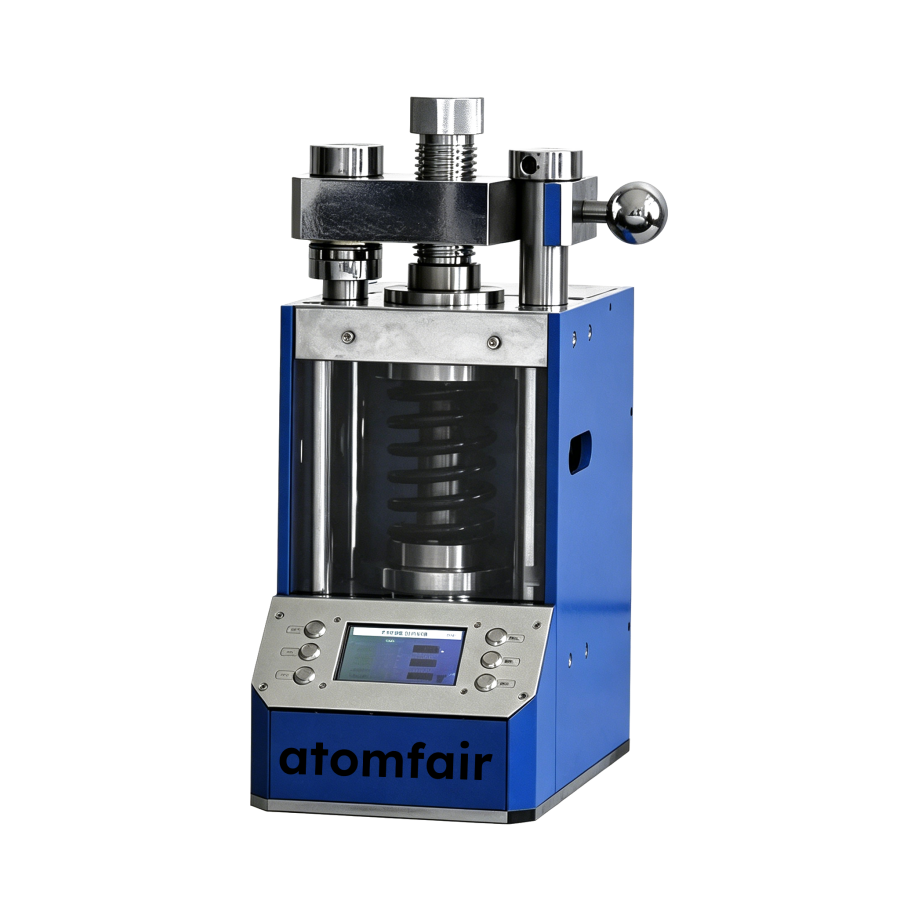
Automatic Fluorescence Pellet Press AFP-632 40 Ton
$10,825.00 -
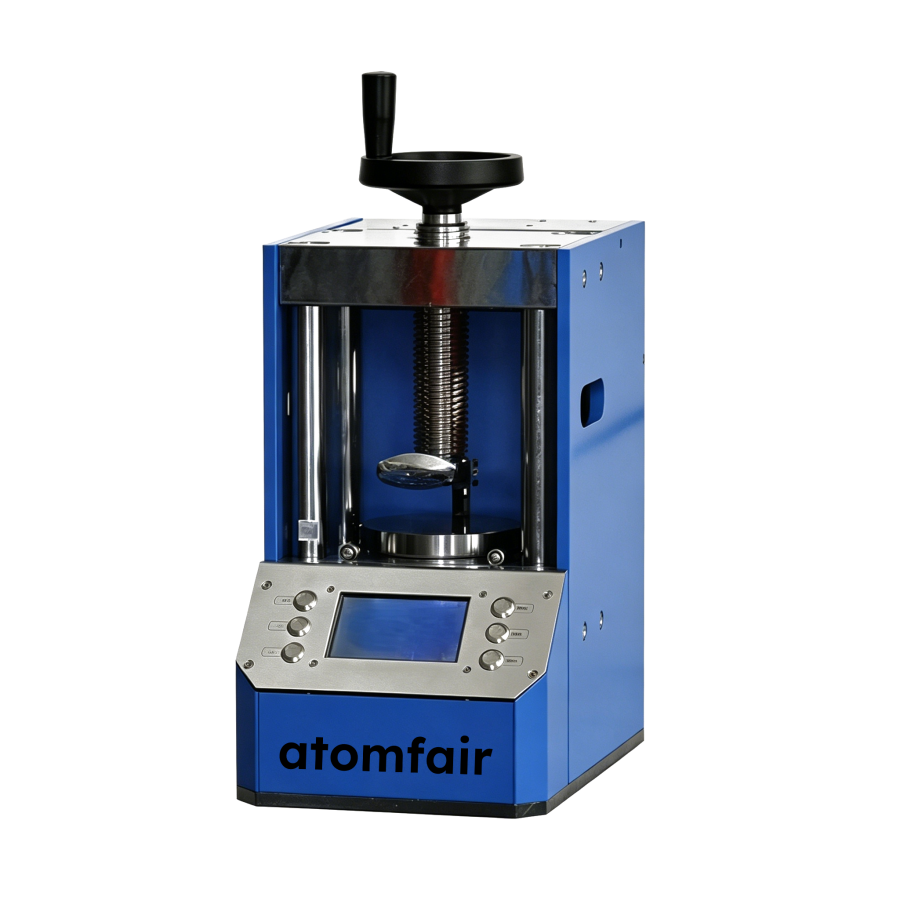
Automatic Pellet Press 0-20 Ton LCD Control
$10,825.00 -
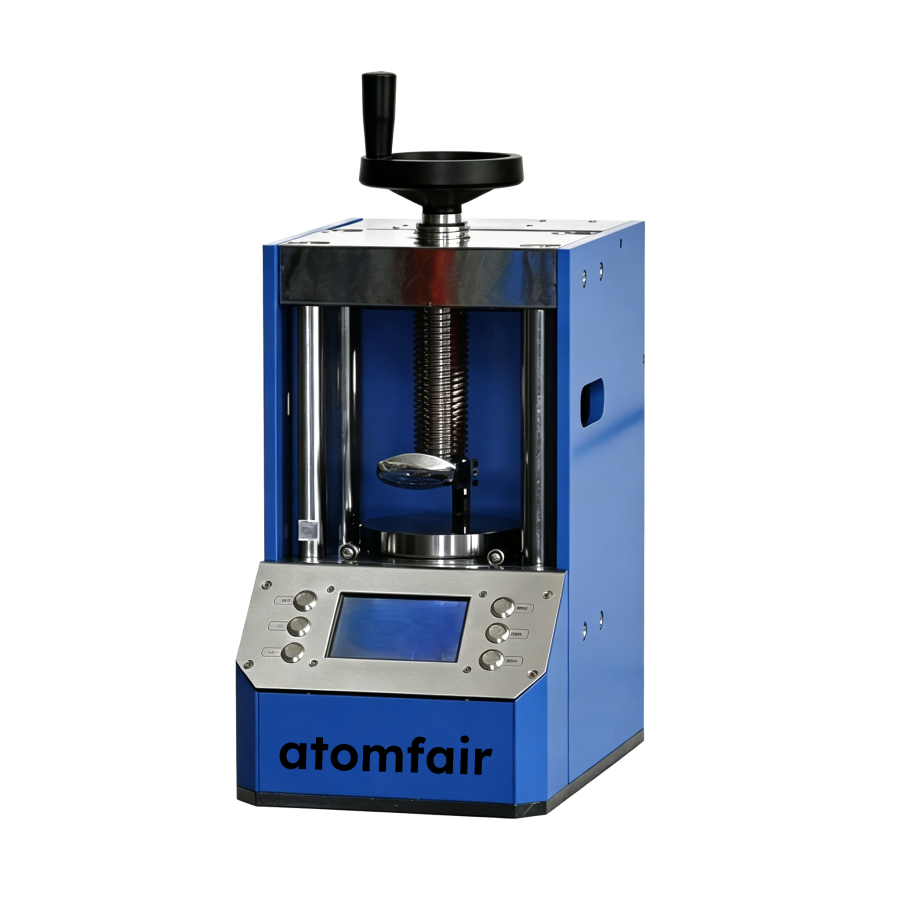
Automatic Pellet Press 0-30 Ton Model ATP-671 ATOMFAIR®
$3,692.00 -
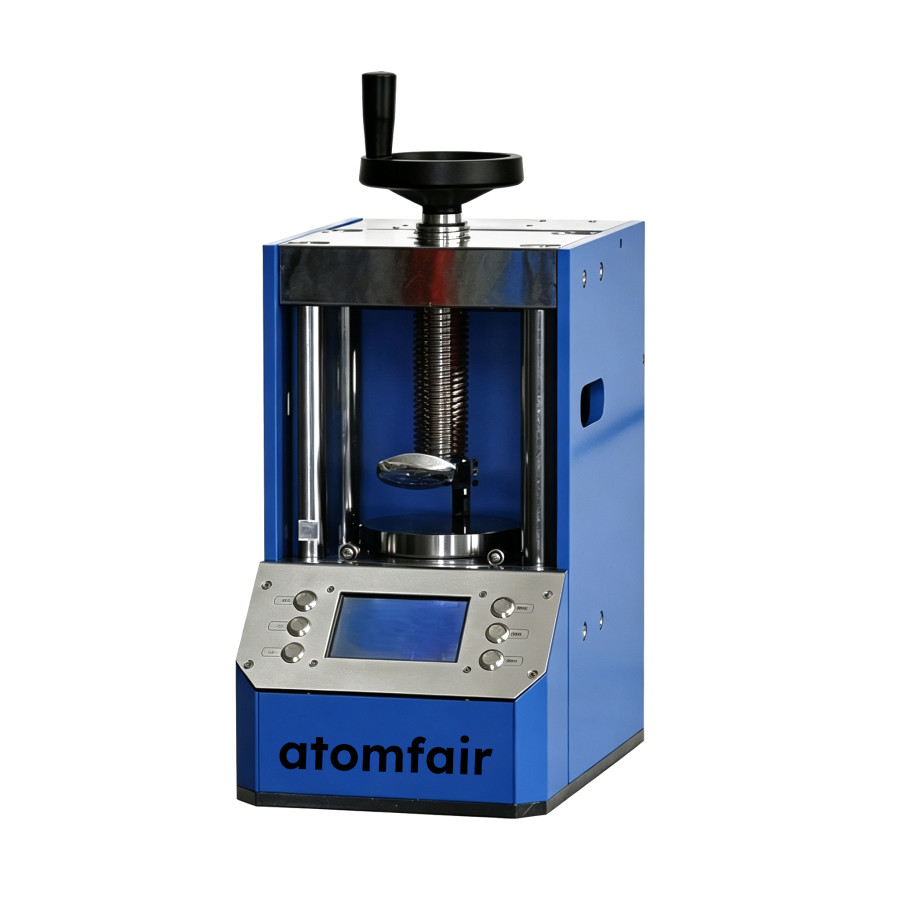
Automatic Pellet Press 0-40 Ton Model ATP-893
$4,627.00