|
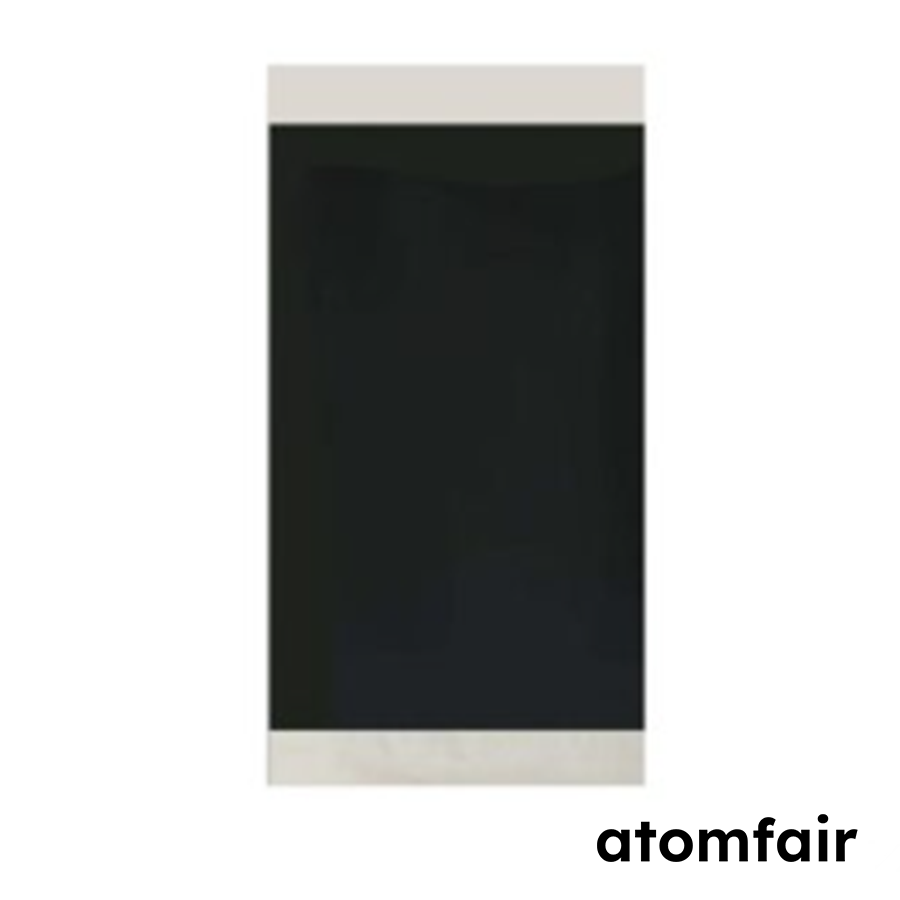
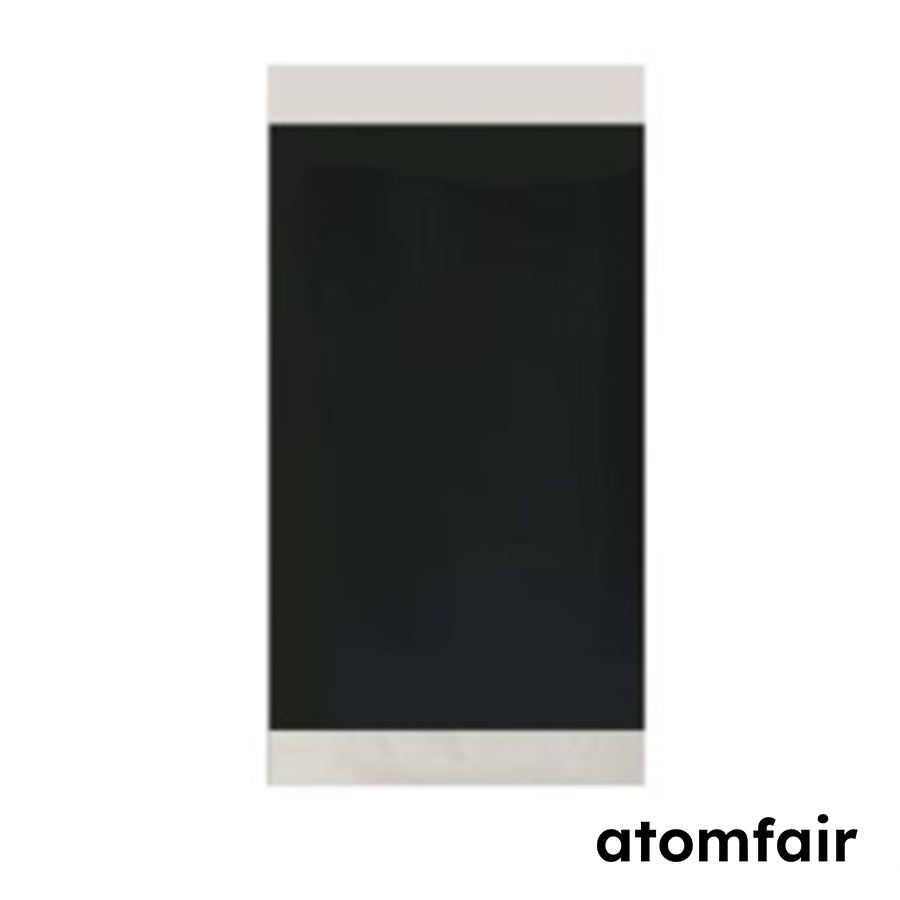
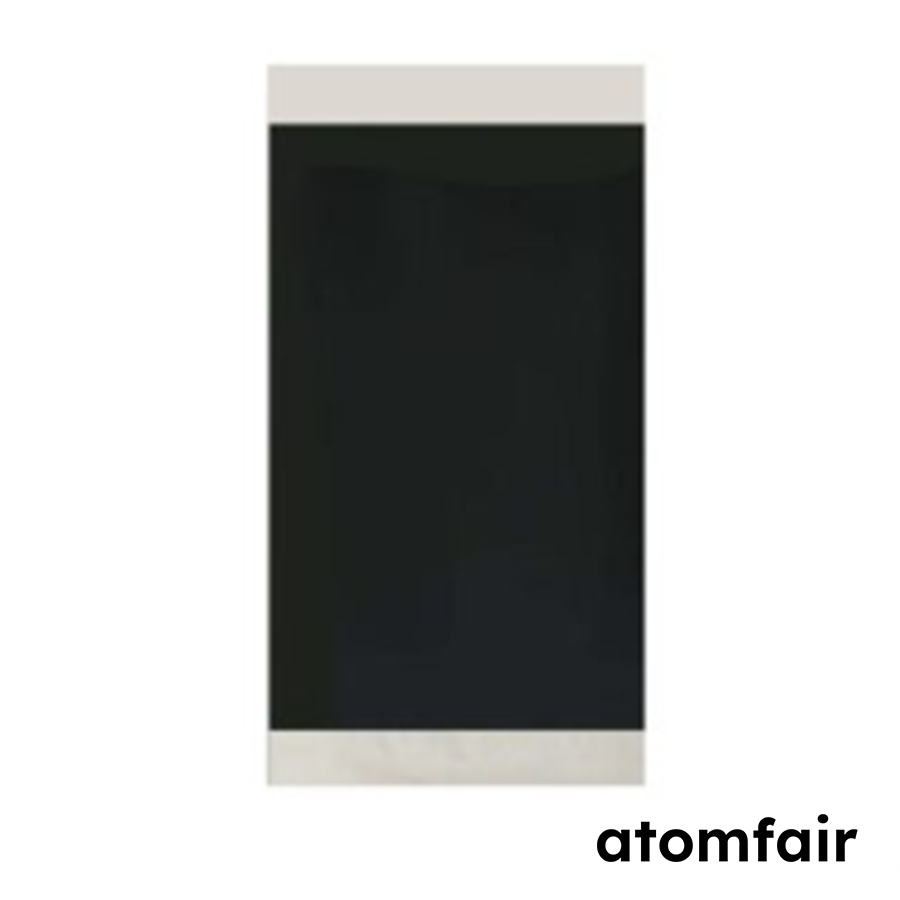
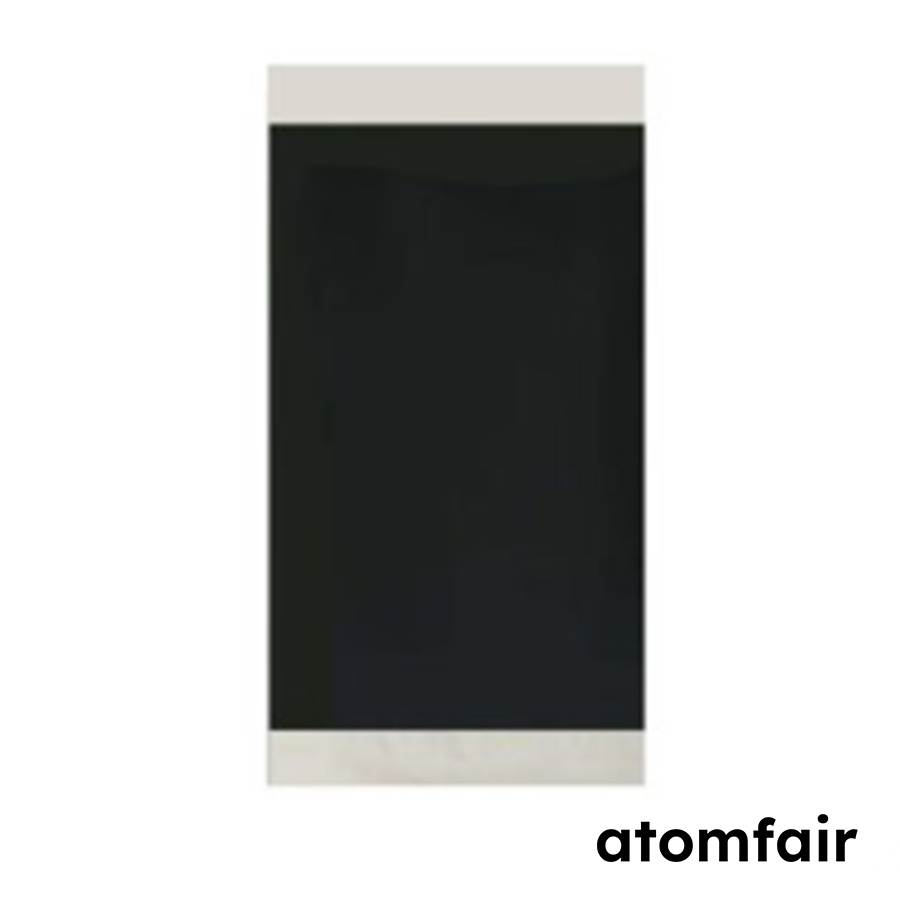
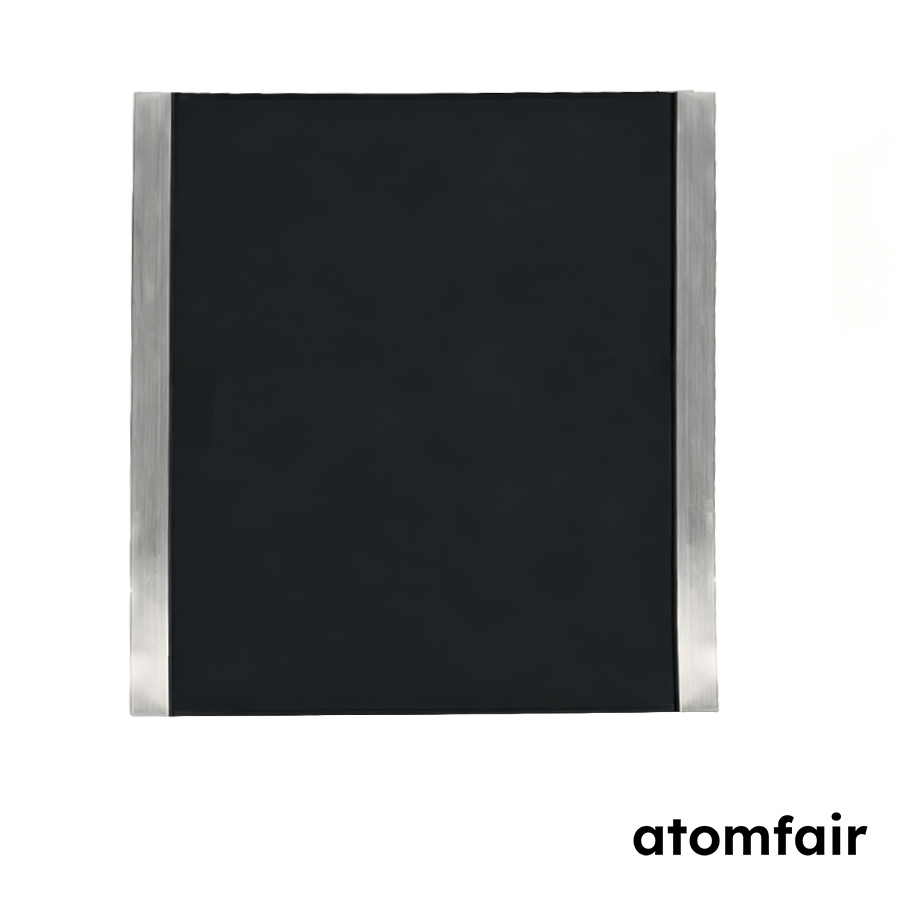
NCM811 Double-Sided Cathode, 80 mg/cm² per side, Dry Process
Battery Electrode Sheet
|
||||||||||||||||||||||||||||||||||||||||||||
|
The electrode sheet requires vacuum drying before use and must be protected from moisture to prevent degradation. Strict handling is necessary to avoid delamination of the thick coating.
- Pre-use drying: Bake the sheet under vacuum at 100°C for 12 hours prior to cell integration.
- Moisture control: Maintain a dry environment during handling to prevent moisture contamination.
- Delamination prevention: Avoid bending or mechanical stress to prevent layer delamination in thick configurations.
- Storage: Keep the sheets sealed in their original packaging until ready for processing.
Proper drying and handling are required to ensure electrode integrity and electrochemical performance. Follow these steps to prepare the sheet for cell integration.
Required Equipment: Vacuum oven
- Store
Keep the electrode sheets sealed in their original packaging in a dry environment until ready for use. - Bake
Place the electrode sheets in a vacuum oven and bake at 100°C for 12 hours. - Handle
Handle the baked electrode sheets with strict care to prevent moisture contamination and delamination.
How does the ultra-high coating density of 80 mg/cm² achieved via dry process impact the electrochemical performance and cycle life of NCM811 electrodes?
The dry process enables an ultra-high coating density of 80 mg/cm² while maintaining excellent active material distribution and structural integrity. With 96.0% active material ratio and a compaction density of 2.75 g/cm³, the electrode delivers a capacity of 200 mAh/g. This high mass loading is suitable for high-density battery R&D but requires careful handling to prevent layer delamination under thick configurations, as noted in the handling instructions.
What are the critical substrate and interface considerations when integrating the NCM811-D05 electrode sheet into a full cell?
The electrode uses a carbon-coated aluminum foil substrate with a current collector areal density of 4.4 mg/cm² and total substrate thickness of 13 μm (12 μm base + 0.5 μm coating on each side). The carbon coating reduces contact resistance under high-density loads and enhances interface stability. The coating area is 90 mm × 120 mm on a 90 mm × 140 mm substrate, leaving 10 mm uncoated tabs at each end for cell assembly connections.
What is the recommended pre-treatment protocol for the NCM811-D05 electrode sheet before cell assembly, and why is it critical?
The required pre-treatment is 12 hours of vacuum baking at 100°C before formal cell integration. This step is critical to remove residual moisture from the dry-processed electrode and prevent contamination that could cause layer delamination under thick configurations. The electrode must be handled in appropriate laboratory environments to maintain strict batch validation constants and avoid moisture exposure.
Ultra-high density NCM811 dry-process electrode sheet with 80 mg/cm² double-sided coating and 96% active material for high-mass-loading Li-ion battery research. Requires extensive vacuum baking and moisture-controlled handling to prevent delamination.
Positive
- Dry process ultra-high coating density: Advanced dry process achieves 80 mg/cm² double-sided coating with excellent active material distribution and structural integrity, enabling high-mass-loading studies without solvent-related artifacts.
- High active material ratio: 96.0% active material content maximizes energy density parameters for reliable high-capacity benchmarking and precise electrochemical performance analysis.
Trade-offs
- Extended vacuum baking required: A mandatory 12-hour vacuum baking protocol at 100°C is required before cell integration, adding preparation time and demanding vacuum oven infrastructure.
- Moisture and delamination sensitivity: The thick double-sided coating is susceptible to moisture contamination and layer delamination if not handled under strict laboratory environmental controls.
Every advanced material, component, equipment, and instrument in our catalog is backed by rigorous testing. We maintain strict internal quality management frameworks and align with CE conformity metrics to deliver transparent, reproducible performance data via our public open-science repository.
To request raw batch performance data, submit formal vendor registration paperwork, or execute a fast-turnaround R&D manufacturing loop, contact us at inquiry@atomfair.com.
Item is dispatched under the Atomfair Shipping & Delivery Framework (Free worldwide shipping on orders over $59 USD excl. heavy equipment). Return is governed by the Atomfair Return & Refund Policy (7-day technical return window).