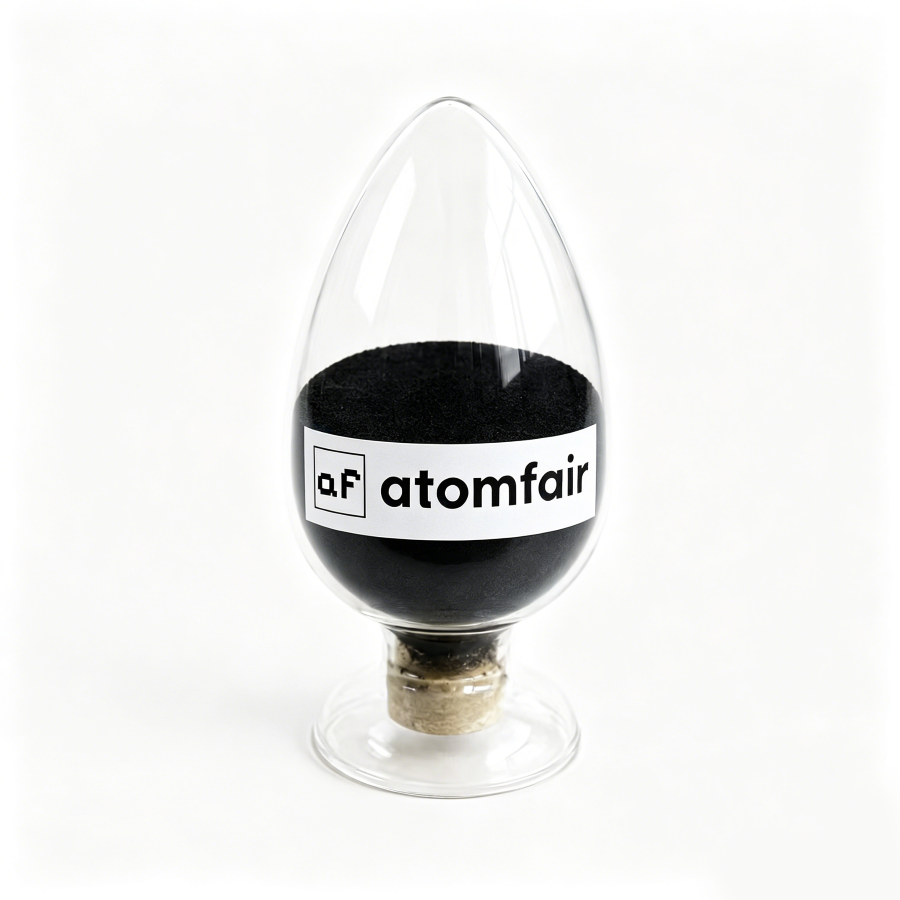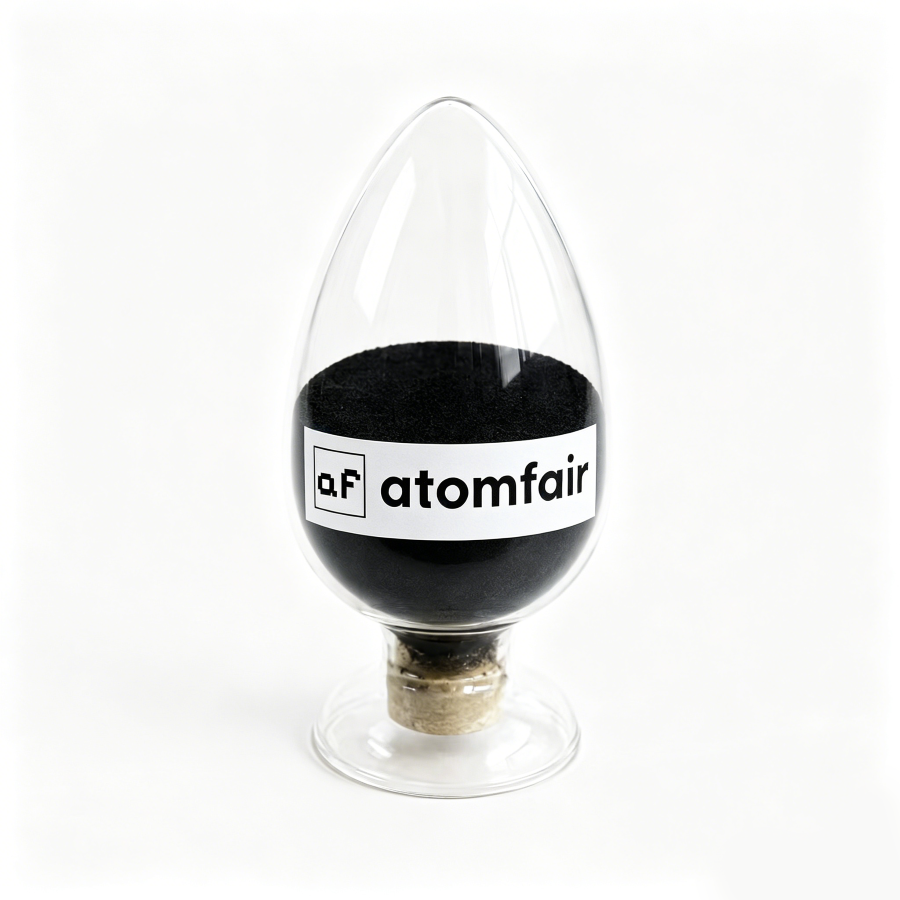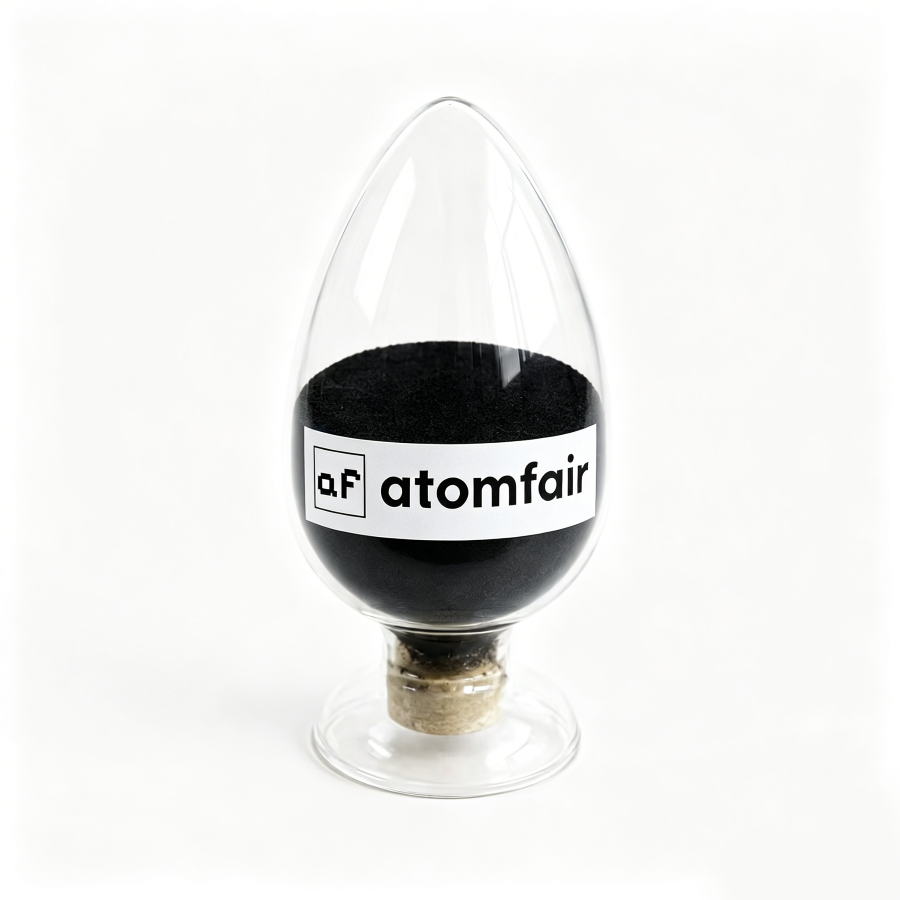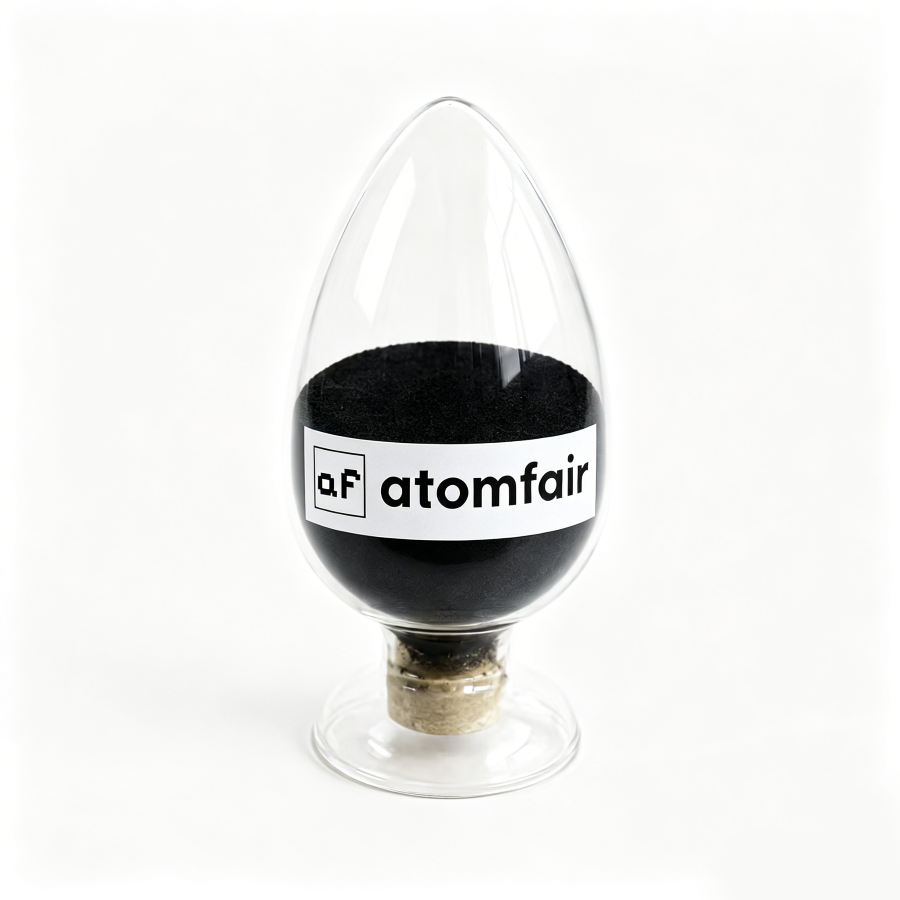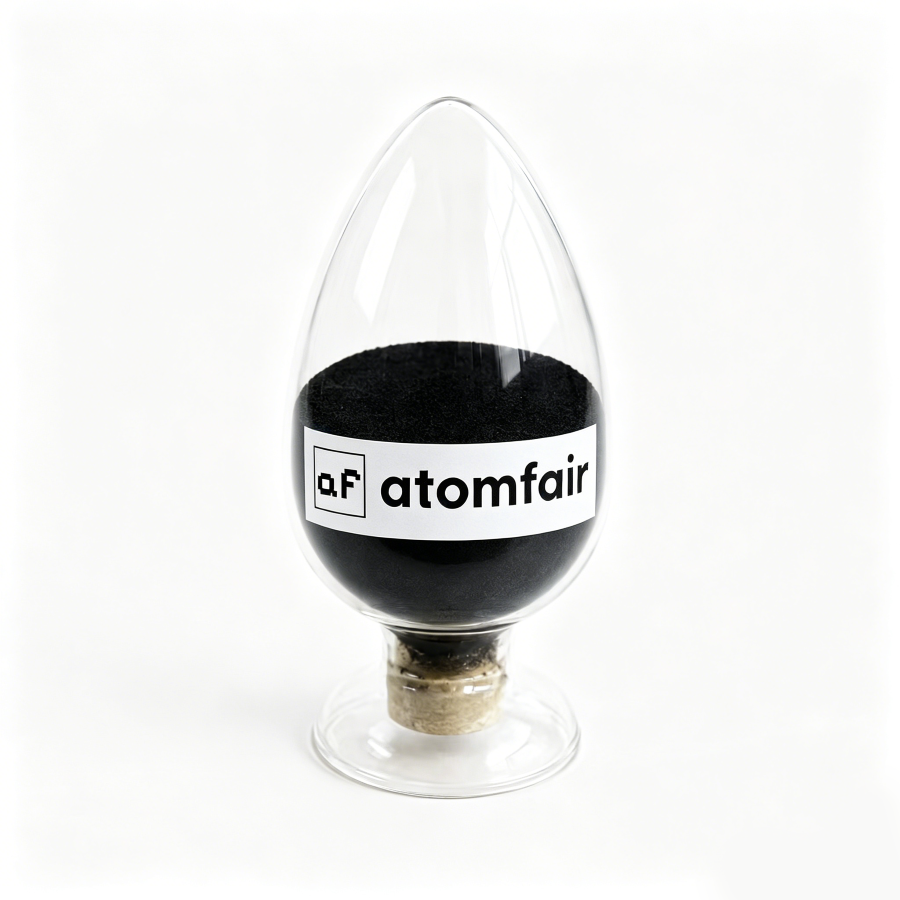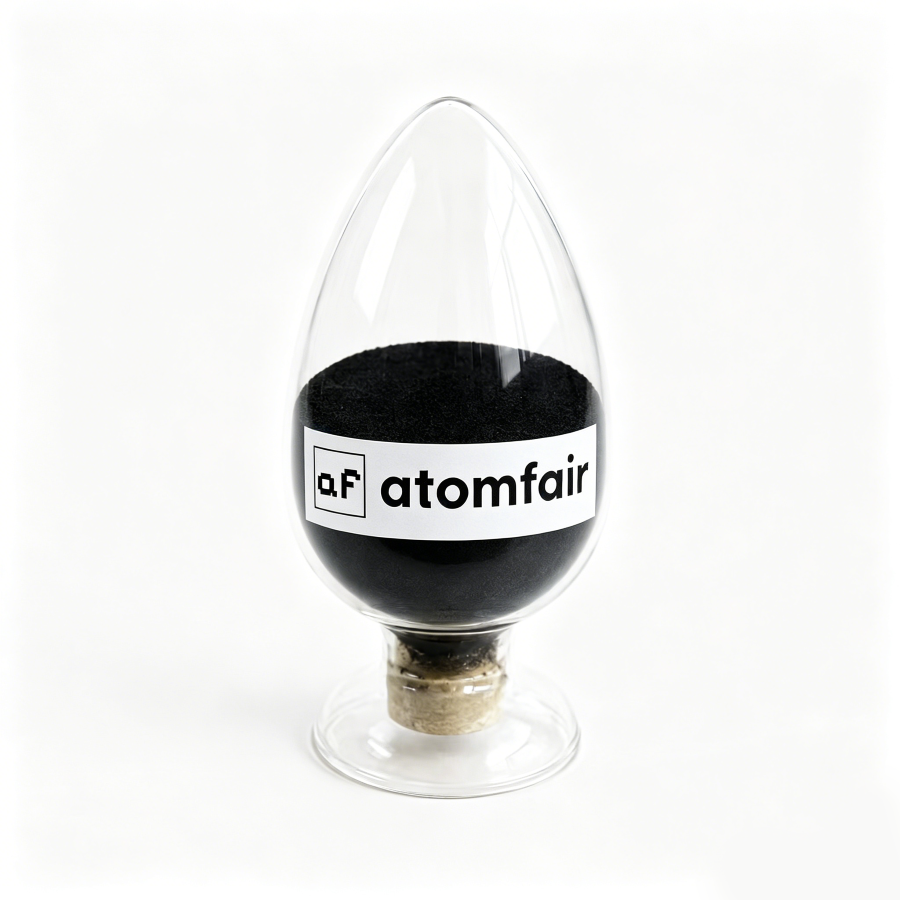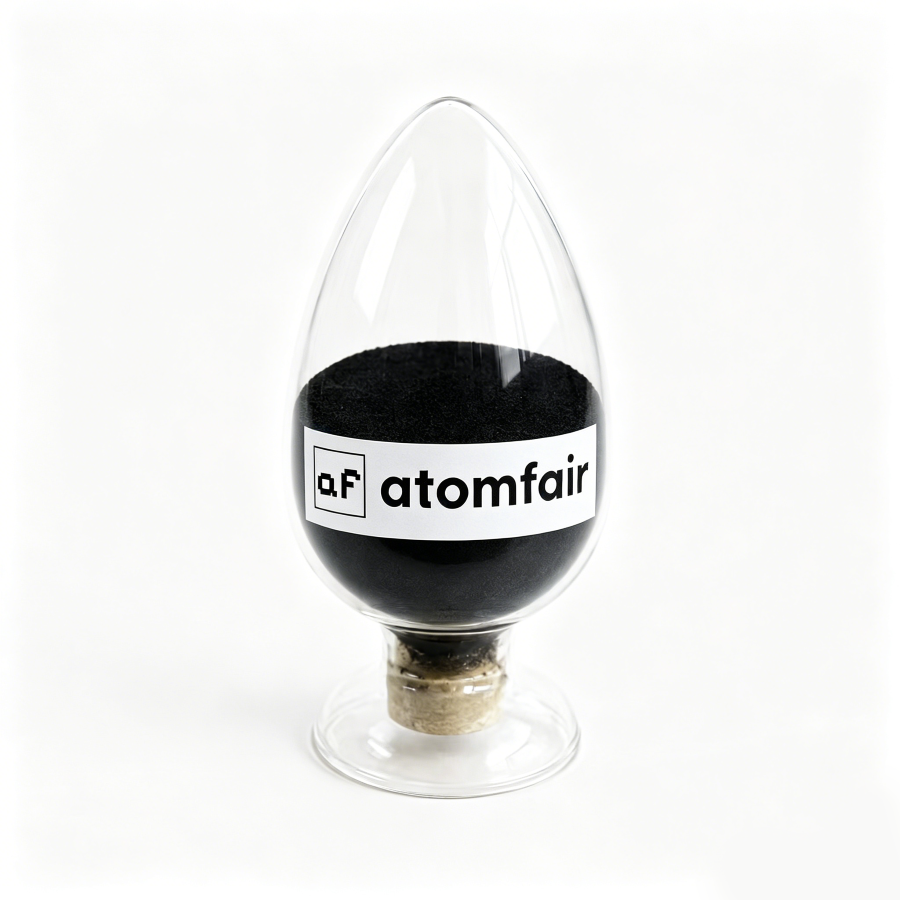
280 mAh/g LRMO Lithium-Rich Cathode Research Grade ATOMFAIR®

Price range: $320.00 through $600.00

Institutional Procurement & Supply Compliance: As a verified US supplier, Atomfair accepts formal institutional Purchase Orders (POs), contract billing schedules, and custom procurement loops for university and national laboratories, and corporate R&D departments globally.

Research grade LRMO cathode powder with 280 mAh/g capacity at 0.1C and >90% first efficiency. High rate capability for fast-charging applications. Order now.

Description

ATOMFAIR® 280 mAh/g High Rate LRMO Cathode Powder

RESEARCH GRADE MATERIAL

Product Overview

Our premium ATOMFAIR® 280 mAh/g High Rate LRMO Cathode Powder marks a technological breakthrough in high-voltage, fast-charging lithium-rich manganese-based oxide material design. Assembled directly from micro-spherical matrices of primary nano-particles, this compound guarantees rapid interstitial lithium-ion transport pathways under extreme C-rate charging demands. For procurement teams sourcing competitive high rate lithium rich cathode price tiers, this elite batch provides stable cycle validation curves and zero structural outgassing variables across demanding fast-charge prototyping scenarios.

Technical Specifications

PARAMETER DETAILS
1. Core Device & Electrochemical Design
Product Category / Structure Lithium-Rich Manganese-Based Oxide (LRMO) | Nanostructured Spherical Secondary Microparticles
Voltage Windows Under Test 2.0V – 4.8V (Ultra-High Capacity) | 2.7V – 4.6V (High Rate Windows)
0.1C Specific Discharge Capacity > 280.0 mAh/g (At 2.0-4.8V window) | > 250.0 mAh/g (At 2.7-4.6V window via Coin Cell)
1.0C Specific Discharge Capacity > 244.0 mAh/g (At 2.0-4.8V window) | > 230.0 mAh/g (At 2.7-4.6V cutoff window)
First Activation Efficiency (ICE) > 90.0% (Both for 2.0-4.8V and 2.7-4.6V electrochemical operating protocols)
2. Cathode Chemical Composition & Surface Trace
Soluble Surface Alkali Content Li2CO3: 0.22 wt% | LiOH: 0.05 wt% (Acid-Base Potentiometric Titration)
Slurry Process pH Profile 11.0 – 12.0 (Measured at standard ambient 25°C equilibrium)
3. Particle Size, Density & Physical Package Metrics
Laser Granularity Sizing D10: 6.27 μm | D50: 8.05 μm | D90: 10.82 μm (Narrow Particle Monodispersity)
Specific Surface Area (BET) 9.11 m²/g (Engineered multi-channel adsorption profile)
Volumetric Packing Density Tap Density: > 1.95 g/cm³
Moisture Control Baseline H2O < 1000 ppm (Karl Fischer Coulometric Evaluation Testing)
Manufacturing Rules Synthesized under rigid co-precipitation crystal-growth matrices to suppress structural phase degradation and secure ultimate data repeatability.

Key Features & Advantages

  • Elite 5C Fast-Charging Transport: Specially synthesized as micro-scale spherical aggregates (D50: 8.05 μm) of primary nano-grains, offering highly dense liquid contact channels that support continuous 5C charging setups seamlessly.
  • Suppressed High-Voltage Outgassing: Advanced surface stabilization layers protect the layered carbon-oxygen grid structures, entirely eliminating transitional outgassing issues under high-voltage fast-charging parameters.
  • Optimized Surface Passivation Matrix: Features exceptionally well-regulated residual compounds (Li2CO3 at 0.22% and LiOH at 0.05%), optimizing ink viscosity and protecting cast binders against premature cross-linking errors.

APPLICATION SCOPE: High-energy high-power active cathode materials designed for fast-charge pouch prototypes, solid-state system interfaces, and advanced electrochemistry studies.
PACKAGING: Hermetically shipped under vacuum conditions in multi-layered aluminum-plastic shielding systems to avoid ambient storage decay.
IMPORTANT NOTICE: Due to the high specific surface outline (9.11 m²/g) of this micro-nano architecture, this substance is hygroscopically active. Keep raw packages sealed and process batches exclusively within dry cleanrooms or high-purity inert glovebox environments to successfully address how to prevent lrmo moisture degradation before thermal processing.

Frequently Asked Technical Questions

Why is ATOMFAIR® 280 mAh/g High Rate LRMO Cathode Powder chosen for rapid-charging scenarios?

ATOMFAIR® 280 mAh/g High Rate LRMO Cathode Powder integrates an advanced micro-nano hierarchical sphere morphology. This architecture provides high surface reaction contact zones (BET: 9.11 m²/g) that handle intense charge-discharge currents up to 5C without experiencing thermal runtime errors.

What is the capacity profile of this lithium rich manganese based oxide material at 1C rates?

When subjected to coin cell verification loops, the powder delivers a superior practical specific capacity exceeding 240.0 mAh/g across a wide 2.0V–4.8V activation window. For tighter 2.7V–4.6V windows, it maintains a robust baseline of over 230.0 mAh/g.

Does this fast charging lrmo battery precursor prevent gassing under high voltage?

Yes, by applying dedicated structural lattice-passivation treatments, the material prevents oxygen outgassing pathways even when operating near intense high-voltage cutoff zones up to 4.8V, successfully safeguarding pouch cell packaging envelopes from swelling.

How do the trace residual surface compounds affect planetary slurry processing?

Soluble surface free lithium residues are tightly restricted to 0.22% wt for Li2CO3 and an elite 0.05% wt for LiOH. This precise composition minimizes viscosity shifts during mixing and holds a stable slurry processing pH baseline between 11 and 12.

How to prevent lrmo moisture degradation reliably within research laboratories?

To completely solve how to prevent lrmo moisture degradation, materials should remain wrapped in their multi-layer aluminum-plastic vacuum seals during warehousing. All unsealing, weight calculation, and battery ink processing operations must be hosted strictly under anhydrous, high-purity inert glovebox environments.
TAILORED SOLUTIONS FOR RESEARCH
Contact our engineering team for technical support or official institutional quotations.
EMAIL: inquiry@atomfair.com
Manufacturer: Atomfair LLC
Brand: ATOMFAIR®

What capacity trade-off should be expected when cycling this LRMO material under a high-rate 4.6V cutoff versus the ultra-high capacity 4.8V window?

Operating at the 2.7–4.6V high-rate window delivers a 0.1C specific discharge capacity >250 mAh/g and a 1.0C capacity >230 mAh/g, whereas the 2.0–4.8V ultra-high capacity window provides >280 mAh/g at 0.1C and >244 mAh/g at 1.0C. Both voltage protocols achieve a first activation efficiency exceeding 90.0%, so the trade-off is roughly 30 mAh/g in specific capacity at 0.1C in exchange for improved cycling stability and reduced structural degradation at the lower cutoff.

What slurry processing constraints arise from the soluble surface alkali content of this LRMO cathode powder?

The material contains 0.22 wt% Li2CO3 and 0.05 wt% LiOH, yielding a slurry pH in the range of 11.0–12.0 at 25°C. This high alkalinity can induce polyvinylidene fluoride (PVDF) dehydrofluorination in NMP-based systems or cause gelation in aqueous processing, requiring the use of pH-stable binders (e.g., PTFE or specialized SBR/CMC blends) and corrosion-resistant current collectors to maintain slurry homogeneity and electrode integrity.

What moisture control measures are required for handling and storing this high-capacity LRMO cathode material?

The as-received powder has a moisture baseline <1000 ppm as determined by Karl Fischer coulometric titration. To prevent surface alkali hydrolysis and preserve electrochemical performance, storage in an argon-filled dry box (dew point < –60°C) or immediate vacuum sealing is necessary, and the material should be opened and processed in a low-humidity environment (<0.1% RH) to avoid exceeding the recommended moisture threshold.

This LRMO cathode material delivers high specific capacity (>280 mAh/g at 0.1C) and supports 5C fast charging due to its nanostructured spherical secondary particle design. However, its high operating voltage (up to 4.8V) and alkaline surface chemistry (slurry pH 11–12) impose constraints on electrolyte compatibility and slurry formulation for practical deployment.

Positive

  • High specific discharge capacity: Achieves >280 mAh/g at 0.1C and >244 mAh/g at 1.0C in the 2.0–4.8V window, enabling high-energy-density cell designs.
  • Fast-charging capability: Micro-spherical aggregates (D50 8.05 μm) of primary nano-grains create dense liquid contact channels that support sustained 5C charging without significant impedance buildup.

Trade-offs

  • High voltage requires electrolyte compatibility: The 4.8V upper cutoff demands electrolytes with oxidative stability above 4.8V to prevent decomposition and gas evolution during cycling.
  • Alkaline surface chemistry needs slurry optimization: Soluble Li2CO3 (0.22 wt%) and LiOH (0.05 wt%) produce a slurry pH of 11–12, which may cause gelation with PVDF binders or require neutralization steps and solvent adjustments.

Every advanced material, component, equipment, and instrument in our catalog is backed by rigorous testing. We maintain strict internal quality management frameworks and align with CE conformity metrics to deliver transparent, reproducible performance data via our public open-science repository.

To request raw batch performance data, submit formal vendor registration paperwork, or execute a fast-turnaround R&D manufacturing loop, contact us at inquiry@atomfair.com.

Item is dispatched under the Atomfair Shipping & Delivery Framework (Free worldwide shipping on orders over $59 USD). Return is governed by the Atomfair Return & Refund Policy (7-day technical return window for completely unopened items).

Additional information

weight

200g, 1000g

Related products