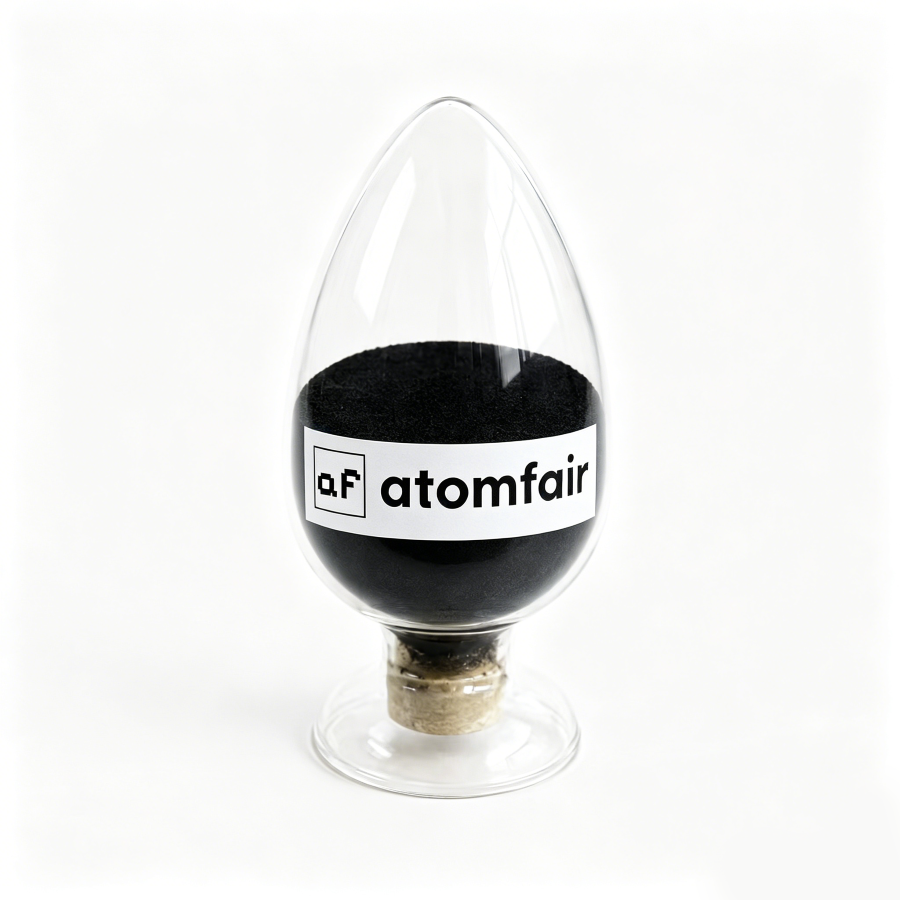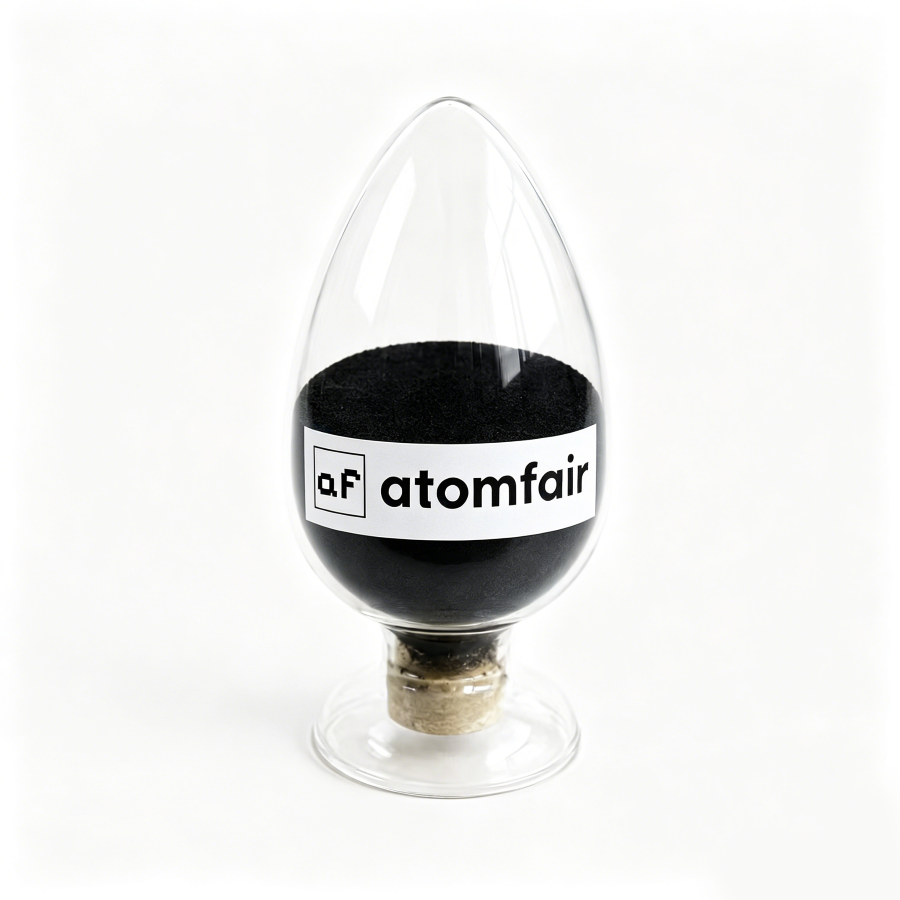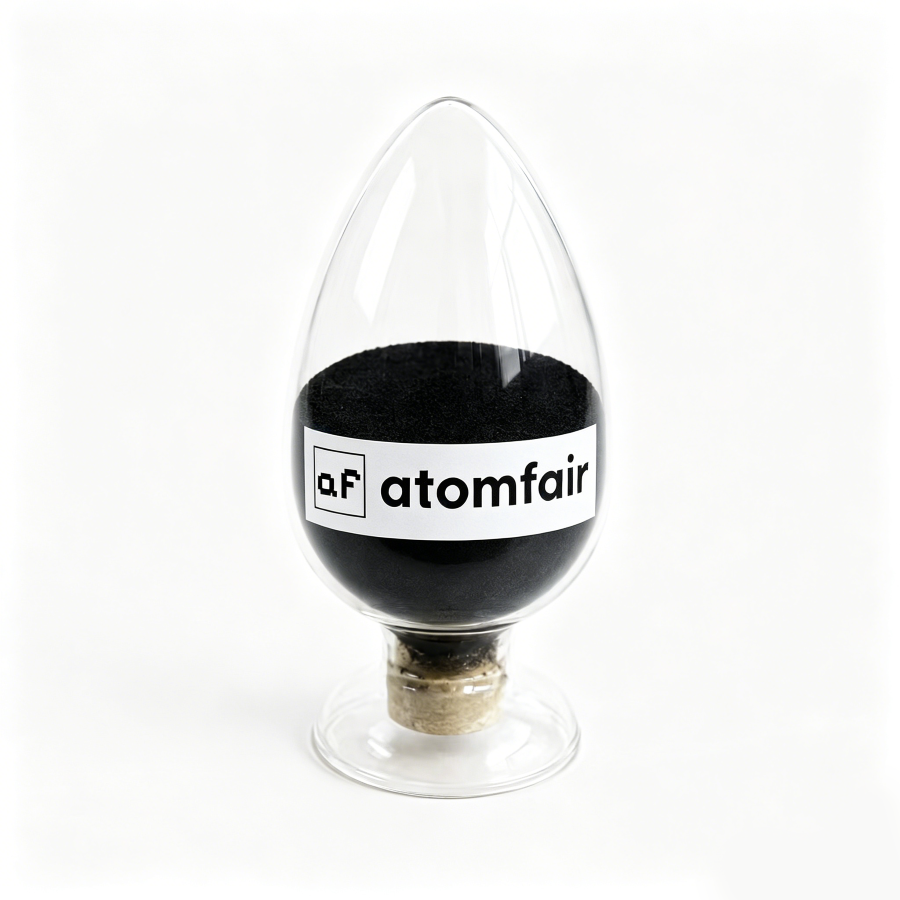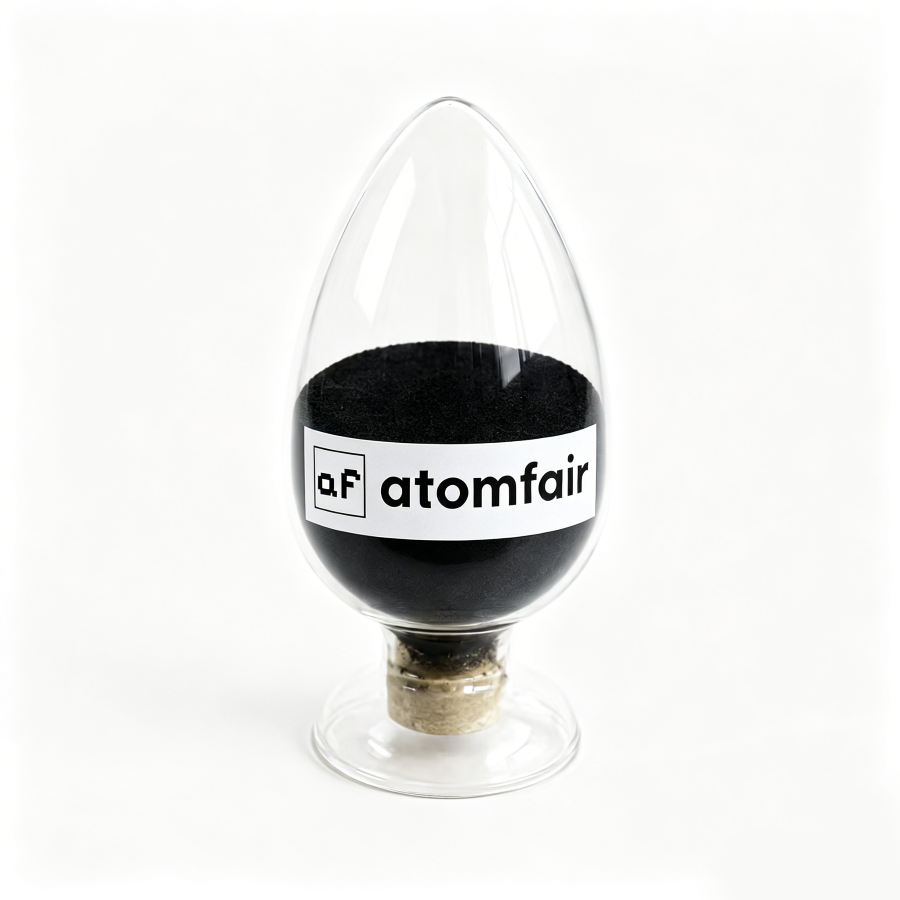
Niobium-Coated Lithium Cobalt Oxide Cathode PowderCOMMERCIAL GRADE · PRODUCTION
|
|||||||||||||||||||||||||||||||||
|
|||||||||||||||||||||||||||||||||
|
TAILORED SOLUTIONS FOR RESEARCH
Contact our engineering team for technical support or official institutional quotations.
EMAIL: INQUIRY@ATOMFAIR.COM
|
|||||||||||||||||||||||||||||||||
|
Manufacturer: PRODUCTION DIVISION · ADVANCED ENERGY STORAGE DIVISION
Brand: INDUSTRIAL TESTING HARDWARE
Specifications are representative and subject to change without notice. For the latest version and compliance certificates, contact official sales channel.
|
The material exhibits a low water content of 0.02% and a pH of 10.39, indicating intrinsic moisture sensitivity and alkalinity. These properties impose strict storage and processing requirements to maintain electrochemical performance.
- Moisture Sensitivity: The material's low water content of 0.02% necessitates storage under dry conditions to prevent moisture uptake.
- Alkalinity Consideration: A pH of 10.39 indicates a basic surface that requires compatible slurry solvents and electrolyte formulations.
What trade-off exists between first-cycle efficiency and 1C specific capacity for this Nb-coated LCO cathode when operated at a 4.3V cutoff vs. lithium metal?
This Nb-coated LCO powder achieves a first-cycle efficiency of 97.88% at 0.1C and a 1C discharge specific capacity of 155.60 mAh/g, both measured in a CR2032 coin cell versus lithium metal between 3.0V and 4.3V. The minimal irreversible capacity loss at the first cycle indicates effective Nb stabilization of the cathode-electrolyte interface, enabling high-voltage operation without a drastic sacrifice in deliverable capacity at higher rates.
What electrolyte formulation or compatibility constraints should be considered when integrating this high-voltage Nb-coated LCO powder into a research coin cell test?
The powder exhibits a pH of 10.39 and a water content of 0.02%, indicating slightly basic and very dry characteristics that may require electrolytes with high oxidative stability and minimal moisture content (e.g., LiPF6 in carbonate solvents dried to <20 ppm H2O). The material is designed for lithium metal half-cell testing, so electrolyte selection must also consider compatibility with both the cathode and the anode foil to avoid side reactions at 4.3V.
What storage and handling conditions are necessary to maintain the low moisture and impurity profile of this Nb-coated LCO cathode powder?
To preserve the powder’s water content below 0.02% and its total magnetic impurity level of 49.55 ppb, it must be stored in an argon-filled glovebox with <0.1 ppm H2O and O2 or in a sealed, vacuum-dried container with desiccant. The slightly alkaline pH of 10.39 suggests avoiding acidic atmospheres, and handling should be performed under inert gas to prevent adsorption of moisture and CO2, which could degrade the niobium coating.
This niobium-coated LCO cathode powder delivers 97.88% first discharge efficiency at 0.1C and extremely low moisture (0.02%) and magnetic impurities (49.55 ppb), making it a reliable benchmarking standard for electrolyte validation. However, its alkaline pH (10.39) requires controlled handling and slurry formulation, and electrochemical data is limited to 3.0–4.3V, restricting high-voltage performance assessment above 4.3V.
Positive
- High first discharge efficiency: 97.88% efficiency at 0.1C (3.0–4.3V vs. Li) provides a consistent baseline for cell-to-cell comparability in electrolyte validation studies.
- Low moisture and magnetic impurities: Water content (0.02%) and total magnetic impurities (49.55 ppb) minimize parasitic side reactions, preserving electrochemical data integrity in half-cell testing.
Trade-offs
- Limited high-voltage validation: Electrochemical characterization covers only 3.0–4.3V; performance at higher potentials (e.g., >4.5V) is not provided, restricting direct assessment of high-voltage stability.
- Alkaline surface pH (10.39): The measured pH of 10.39 indicates basic surface chemistry, which may require inert atmosphere handling and specialized binder selection to prevent slurry gelation or water uptake.
Every advanced material, component, equipment, and instrument in our catalog is backed by rigorous testing. We maintain strict internal quality management frameworks and align with CE conformity metrics to deliver transparent, reproducible performance data via our public open-science repository.
To request raw batch performance data, submit formal vendor registration paperwork, or execute a fast-turnaround R&D manufacturing loop, contact us at inquiry@atomfair.com.
Item is dispatched under the Atomfair Shipping & Delivery Framework (Free worldwide shipping on orders over $59 USD excl. heavy equipment). Return is governed by the Atomfair Return & Refund Policy (7-day technical return window).